When you punch '17 4 investment casting' into a search bar, you're likely looking for a magic bullet—a part that's strong, corrosion-resistant, and complex, all at a decent price. The reality, from my bench, is messier. 17-4 PH stainless is a fantastic material, but pairing it with the investment casting process isn't just a checkbox exercise. I've seen too many drawings where it's specified by rote, without a real conversation about the heat treatment condition (H900, H1025, etc.) post-casting, which fundamentally dictates the mechanical properties you get. That's where the disconnect often starts.
The Allure and the Immediate Caveat
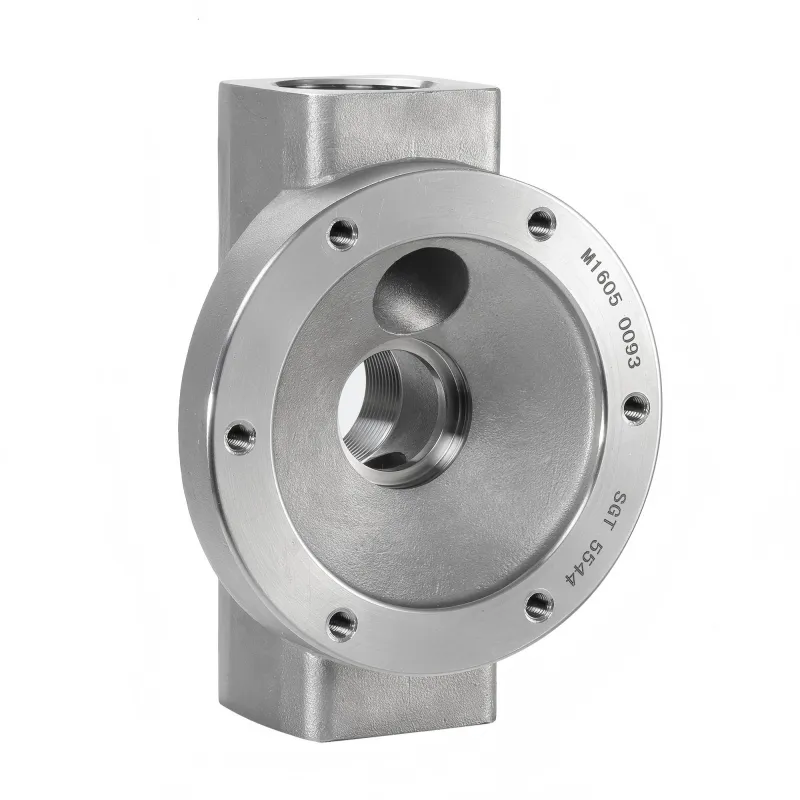
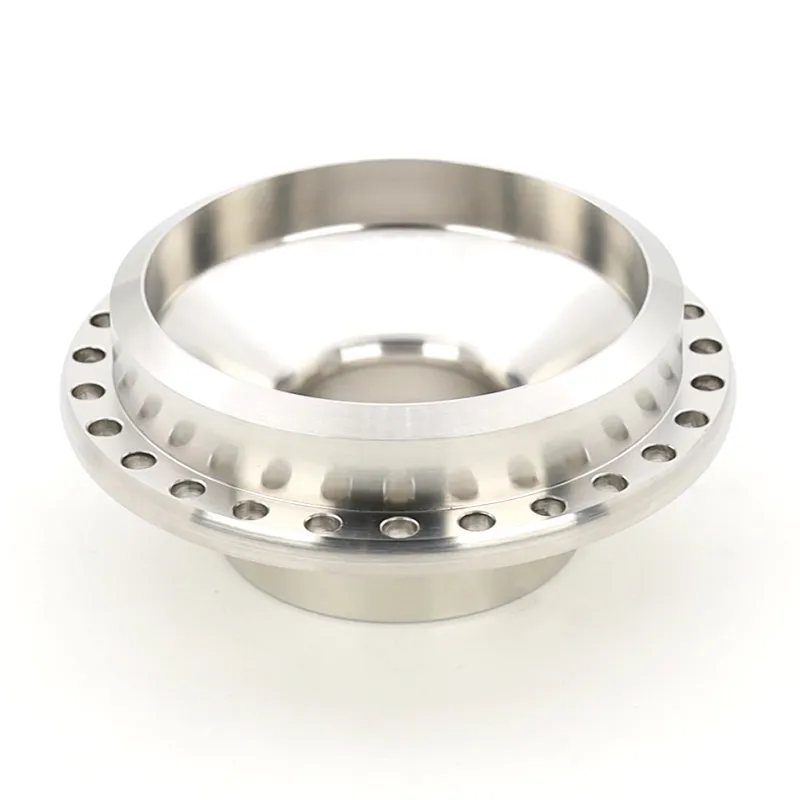
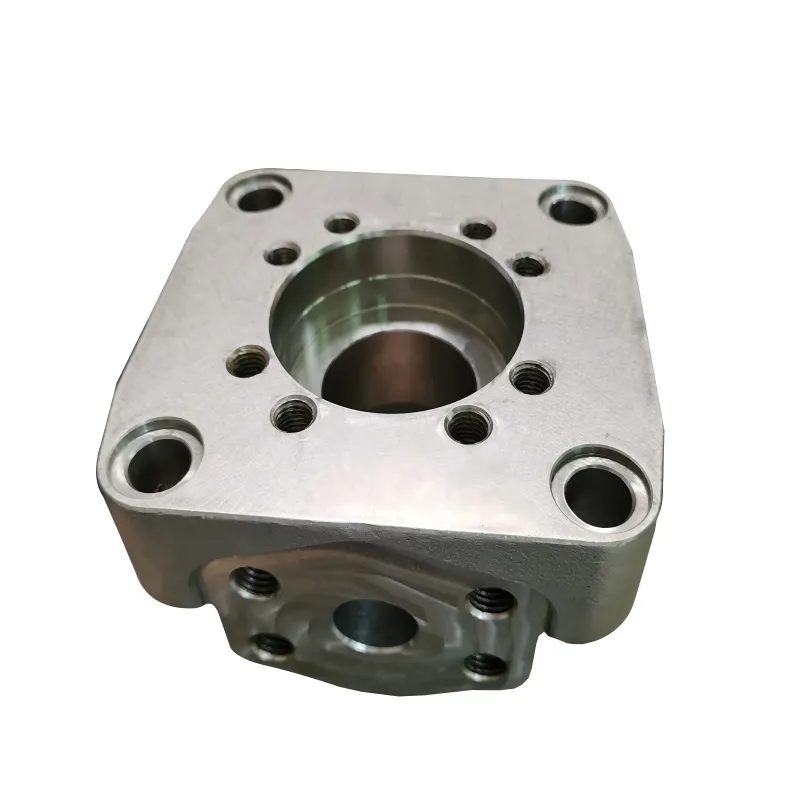
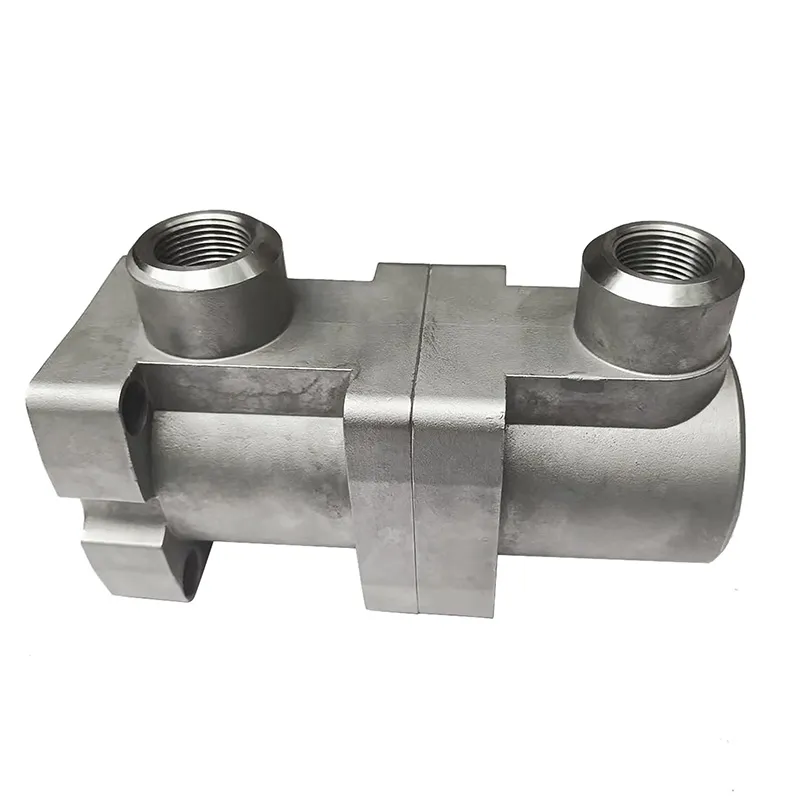
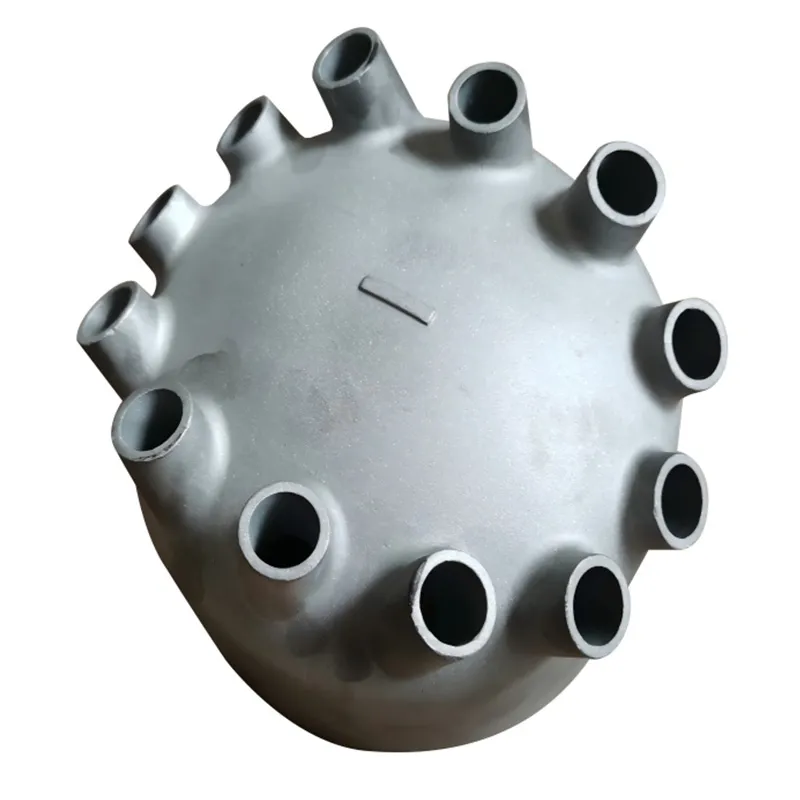
The promise is undeniable. Investment casting lets you produce those intricate, near-net-shape geometries that would be a nightmare to machine from bar stock, especially in a hard material like 17-4. Think turbine blades, surgical instrument components, or valve bodies with internal passages. The waste is minimal, which for a pricey alloy, matters.
But here's the first practical hiccup: fluidity. 17-4 in its molten state doesn't flow like 304 or 316. If the design has super thin sections or requires filling a very detailed, sprawling mold, you might run into misruns or cold shuts. We learned this early on with a batch of sensor housings. The wall spec was 1.2mm, and we had a 50% scrap rate until we redesigned the gating system and increased the pour temperature—which then introduced its own set of grain structure concerns. It's always a balance.
This is where a foundry's experience becomes non-negotiable. A shop that just pours simple carbon steel shapes might stumble badly with 17-4. You need a partner that understands the metallurgy, not just the molding. I've had good dialogues with teams at places like Qingdao Qiangsenyuan Technology Co., Ltd. (QSY). Their long-term focus on investment casting and special alloys, as noted on their site tsingtaocnc.com, suggests they've navigated these specific material challenges before, which is half the battle.
Post-Casting: Where the PH Actually Happens
This is the part most overlooked in RFQs. You don't cast 17-4 PH. You cast 17-4 stainless in a solution-annealed condition. The Precipitation Hardening comes after. The as-cast part is relatively soft and machinable. Then you heat treat it to the specified H-condition.
The critical control is temperature uniformity and atmosphere. If you're aiming for H900 for maximum strength (around 190 ksi tensile), a deviation of even 25°F in the furnace can lead to inconsistent hardness across a production run. We once had a batch of aerospace linkage parts that failed QC because the furnace thermocouple was drifting; the parts on one side of the tray met spec, the others didn't. It was a costly lesson in not assuming the heat treater has it all figured out.
And machining after hardening? It's possible but tough. If you need significant metal removal, do it in the annealed state post-cast, then harden. Any light finishing after hardening requires ceramic or CBN tools, and you're watching tool wear like a hawk. The cost model shifts dramatically based on this sequence.
Dimensional Drift During Heat Treatment
A subtle point that bites designers: precipitation hardening causes a very slight, but predictable, dimensional change. It's not like quenching carbon steel, but it's there. For a 100mm dimension, you might see a 0.05mm to 0.1mm shift. If you're holding a +/-0.05mm tolerance on a critical bore, you must account for this. We now always build a shrinkage/ growth factor specific to the H-condition into the casting die design for critical features. Ignoring this means ending up with in-spec material but out-of-spec dimensions.
Real-World Failures and Fixes
I recall a project for a marine component—a corrosion-resistant pump impeller. The spec was 17-4 PH H1150 for a good mix of strength and corrosion resistance. The castings looked beautiful, passed X-ray, but failed in salt-spray testing far earlier than expected.
The root cause? Intergranular corrosion. The prolonged exposure in the 1150°F aging treatment, if not perfectly controlled, can cause chromium carbides to precipitate at grain boundaries, depleting chromium locally. The fix wasn't changing the material, but adjusting the heat treatment cycle and ensuring a rapid quench after the solution anneal stage. This isn't textbook stuff; it's the kind of process nuance you learn from running thousands of parts and seeing what breaks and why.
This is the value of a supplier that integrates casting and machining. If the same entity controls the entire process chain from mold to finished part, like QSY's combined investment casting and CNC machining offering, troubleshooting becomes a closed-loop process. You're not blaming the caster, then the heat treater, then the machinist. The feedback is immediate and actionable.
When to Use It, When to Walk Away
So, when does '17 4 investment casting' make sense? First, when complexity is high and machining cost from solid would be prohibitive. Second, when you need the combination of moderate corrosion resistance and high strength in the same part. Third, when you have volume to justify the ceramic mold tooling cost.
When should you reconsider? For simple shapes—a basic flange or a straight bar. Just machine it. For applications requiring ultimate corrosion resistance in a reducing acid environment, a different stainless might be better. And for ultra-high-temperature service, remember the H conditions lose strength above about 600°F.
It's also worth asking about alternative alloys. Sometimes, a duplex stainless steel investment cast and machined might offer a better cost/performance ratio for the application. A good foundry engineer will have this discussion with you, rather than just accepting the print.
The Supplier Landscape and a Pragmatic View
The market is flooded with foundries claiming capability. The differentiator is in the technical dialogue. When I look at a supplier's background, 30 years in the industry, as QSY mentions, signals they've probably weathered multiple material and process evolutions. It means they've likely seen the 17-4 projects that worked and the ones that didn't.
Their mention of working with cobalt-based alloys and nickel-based alloys is a good proxy. If they can handle the pouring and process control for those superalloys, 17-4 is well within their metallurgical wheelhouse. The challenge is often in the consistency for production runs, not making one good sample.
In the end, specifying '17 4 investment casting' is the start of a conversation, not the end. It brings together a tricky material and a delicate process. Success hinges on understanding that intersection—the fluidity challenges, the non-negotiable heat treatment control, and the dimensional nuances. Get that partnership right with a technically sound shop, and the process delivers parts that are nearly impossible to make any other way. Get it wrong, and you're left with very expensive, very complex scrap.