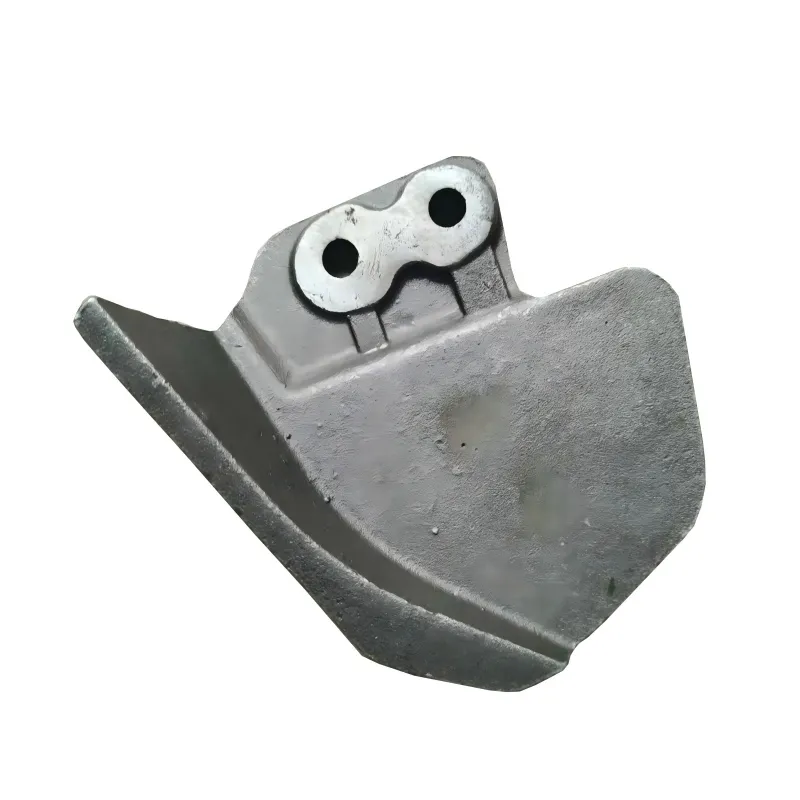
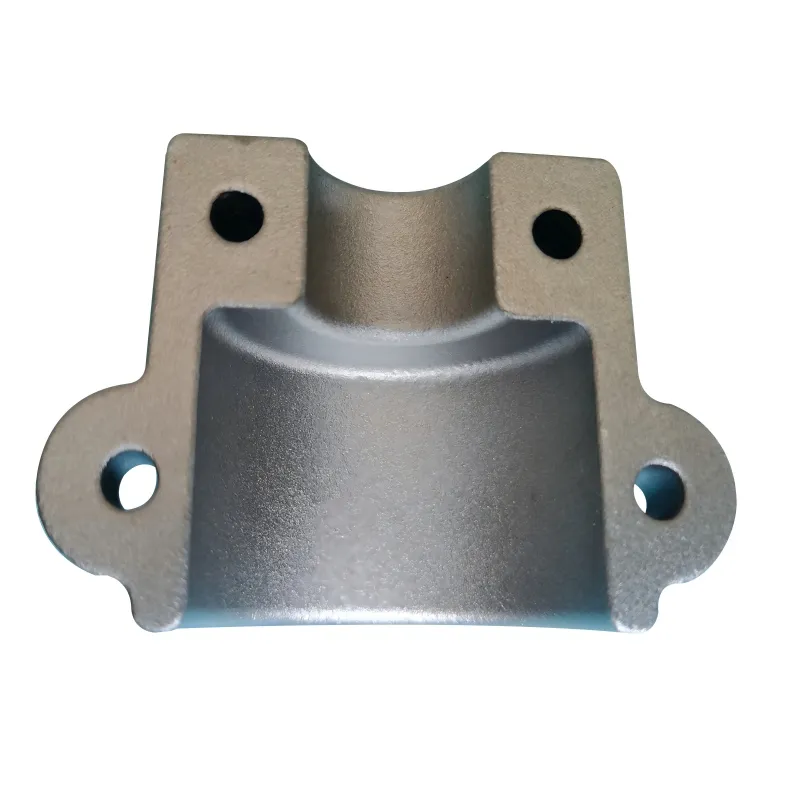
You see 17-4PH on a spec sheet, and it feels like a safe bet. Precipitation-hardening stainless, good strength, decent corrosion resistance – it's practically a default choice for a lot of machined components and cast parts in demanding environments. But that's where the first trap lies. Treating it like a commodity grade, something you just order from the mill and throw on the machine, is a quick way to end up with parts that are either underwhelming or outright failing. The PH is the whole story, and if you don't manage that process, you're not getting the material you paid for.
The Allure and the Reality of the H Condition
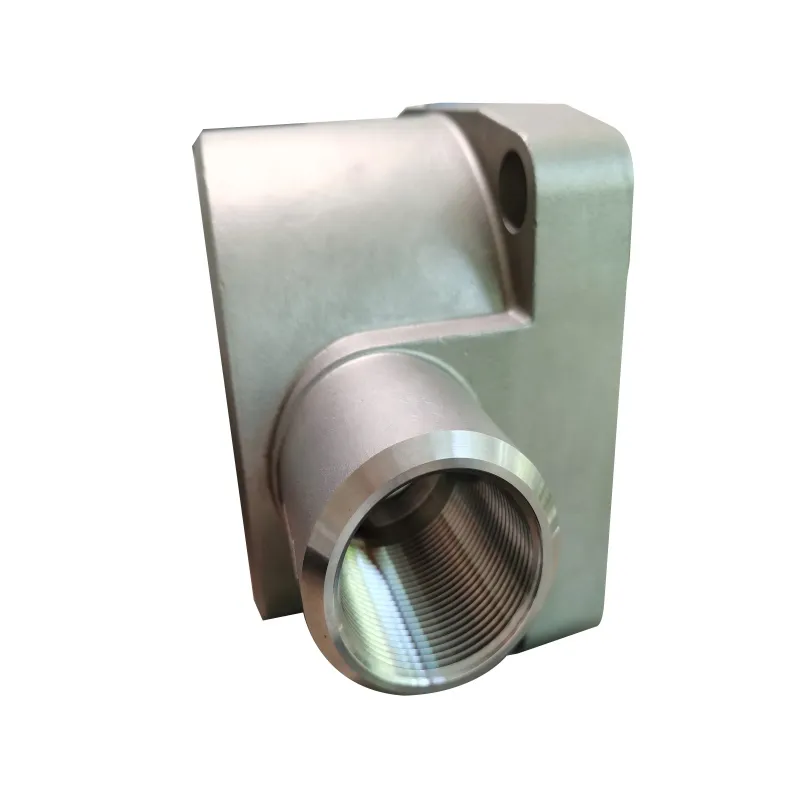
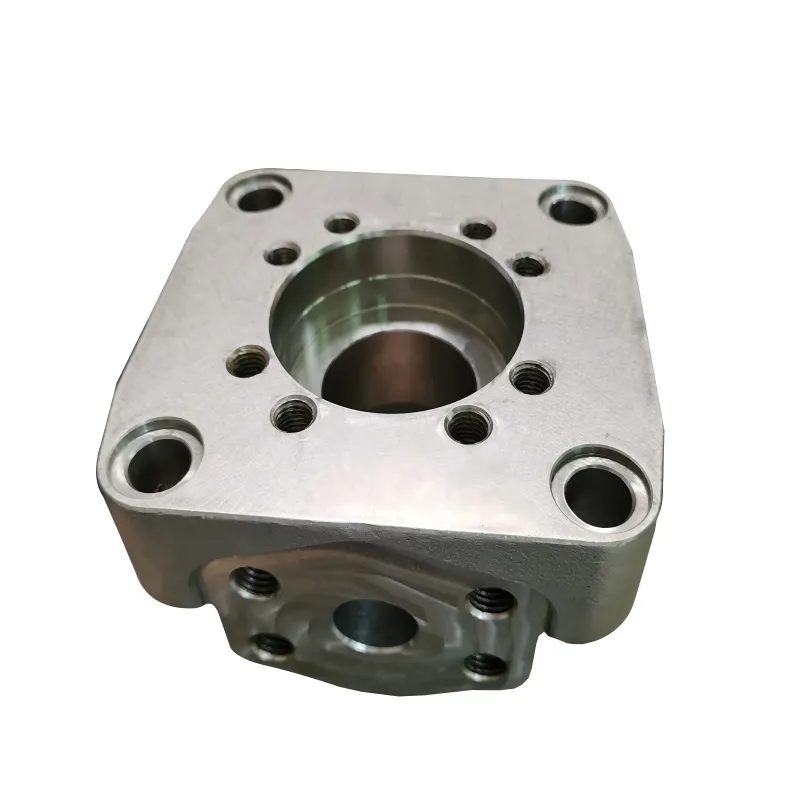
Everyone loves the H900 condition. You get that sweet spot of high tensile and yield strength. It's what the datasheets highlight. But I've seen too many drawings just call out 17-4PH H900 without a second thought to the part's geometry or final application. The problem is the distortion. When you take a complex, asymmetrical casting or a thin-walled machined component through that final aging heat treatment to hit H900, it moves. Sometimes it moves a lot. We had a valve body, a relatively intricate investment casting, come out of aging looking perfect on the hardness report but now requiring heroic and costly secondary machining to get the sealing surfaces back to spec. The strength was there, but the dimensional stability wasn't.
That's where you start considering the other conditions, like H1150. It's a compromise, sure. Lower strength, but significantly better stress relief and dimensional control. For a large, bulky pump housing that needs good corrosion resistance more than ultimate tensile, H1150 might be the smarter play. It's about matching the condition to the function, not just picking the hardest option. I find myself having this conversation with engineers constantly – pushing back on the autopilot spec to ask what the part actually needs to do in service.
And then there's the raw material state, Condition A. Solution annealed. This is how you typically get it from the mill for machining, or how a casting comes out of the shell. It's soft, gummy, and a nightmare to machine if you treat it like 304 stainless. The stringy chips will bird-nest around everything. You need sharp tools, positive rake, and good chip breakers. Getting the machining parameters right in Condition A is critical because any residual stresses you impart here will be locked in and can exaggerate distortion during the subsequent aging. It's a foundational step most shops underestimate.
Casting 17-4PH: A Different Beast Altogether
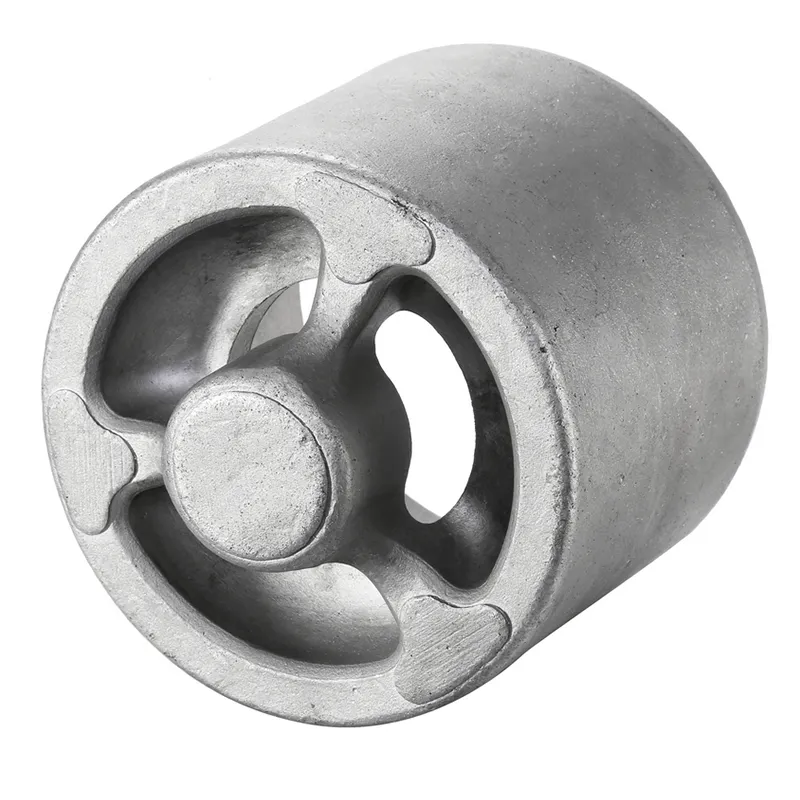
Moving from bar stock to castings introduces another layer. When you're dealing with a foundry partner, their process control is everything. 17-4PH is a martensitic PH steel, and its properties are entirely dependent on a precise heat treatment cycle. A slight deviation in the solution annealing temperature or the time-at-temperature during aging can shift the mechanical properties noticeably.
We've worked with Qingdao Qiangsenyuan Technology Co., Ltd. (QSY) on several projects involving 17-4PH investment castings for marine fittings. Their long history in shell and investment casting shows here. The conversation never starts with just the print. It always goes to the heat treat spec. They're proactive about it, which is a good sign. They'll ask for the required mechanical property range and then suggest their standard aging cycle, often double-checking if the part has thick and thin sections that might cool at different rates. It's this practical, process-aware approach that separates a parts supplier from a manufacturing partner. You can find their approach detailed on their site at https://www.tsingtaocnc.com.
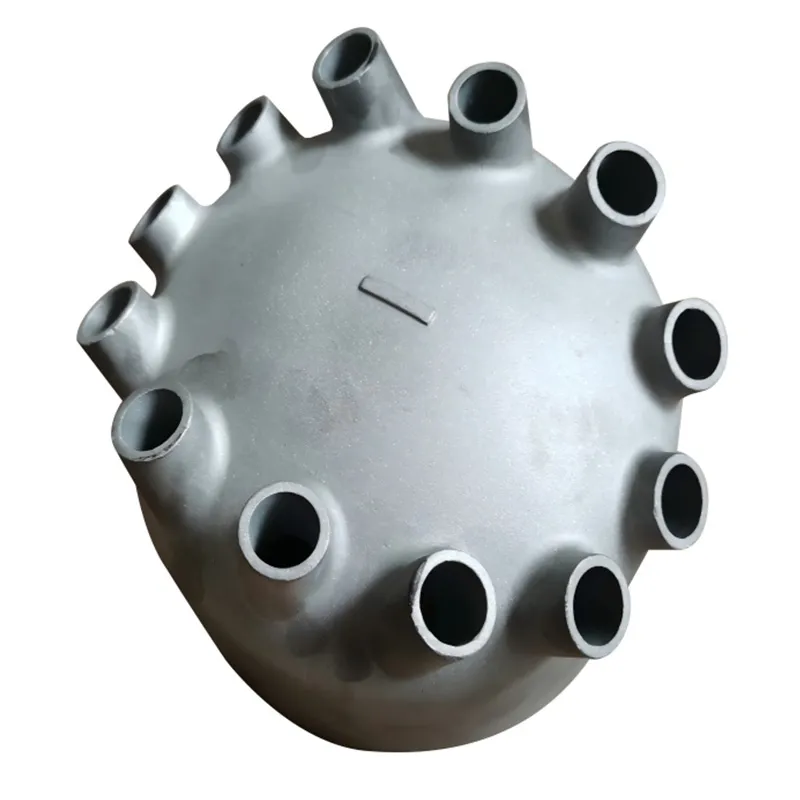
The gating and risering design on the casting mold is crucial for 17-4PH. You need sound, dense material without shrinkage porosity, especially in critical sections. Porosity isn't just a cosmetic defect here; it's a stress concentrator that can severely impact fatigue life in a high-strength material. A good foundry will do radiographic inspection as a standard practice for a grade like this. I recall a bracket that failed prematurely in fatigue testing. The failure initiated at a tiny shrinkage cavity near a change in section thickness. The foundry, to their credit, redesigned the feeding system for that part of the mold, and the issue was resolved. It was a classic case of the material being only as good as the process that makes it.
The Machining Dance: Before and After Aging
This is where the real shop floor decisions happen. Do you machine to final dimensions in the soft Condition A and then age? Or do you rough machine, age, and then finish machine? There's no universal answer, and the correct method can change part-to-part.
For simple, robust geometries, machining fully in Condition A is efficient. You get all the machining done, then age it to final strength. But you must account for the dimensional shift. You'll need to build in a growth factor on your CNC program, which is often learned through trial on a first article. For a complex part with tight tolerances on multiple planes, the rough, age, finish method is safer. You remove the bulk of the material, stress-relieve it through the aging process, and then take a light final cut to hit precise dimensions. It's more expensive due to the extra setup, but it's often the only way to hold tenths on a hardened part.
Tool wear is another factor. Machining the aged material (H900 or similar) is abrasive. You're cutting a high-strength, precipitation-strengthened matrix. Carbide tools are a must, and ceramic or CBN might be needed for production runs. The key is to never let the tool rub; you need a positive cut with adequate feed to get under the work-hardened layer created by the previous tool pass. A conservative, worn-out tool will just burnish the surface and work-harden it further, making the next pass even harder and potentially affecting the surface integrity of the part.
Corrosion: It's Stainless, But Mind the Gaps
This is a common point of overconfidence. 17-4PH has good corrosion resistance for a high-strength steel, but it's not in the same league as 316L or duplex grades, especially in the higher strength conditions. The trade-off for strength is often a reduction in corrosion performance. In H900, its resistance to things like salt spray or certain chemical environments can be surprisingly mediocre.
We learned this the hard way on a batch of sensor housings for an offshore application. They were specified as 17-4PH H900 for strength. They passed the standard 24-hour salt spray test in QC. But in service, in a warm, humid, salt-laden atmosphere with occasional splash, they showed signs of pitting and crevice corrosion around threaded connections within a few months. The solution wasn't to change the material entirely but to downgrade the condition to H1150-M. The M stands for marine, and it's a specific, longer aging cycle that optimizes the microstructure for better corrosion resistance at a slight cost to strength. It solved the problem. The lesson was to never assume stainless means universally impervious.
Passivation is also non-optional. After final machining or any grinding, the part must be properly passivated to restore the protective chromium oxide layer on the surface. Skipping this step because the part looks shiny leaves free iron on the surface, which will rust and can initiate pitting. It's a simple, low-cost step that has outsized importance for long-term performance.
Sourcing and Traceability: Not All Mill Certs Are Equal
Finally, a word on the supply chain. 17-4PH is a UNS number (S17400), an ASTM standard (A564). But the consistency from different mills and foundries can vary. The chemistry ranges allow for some play, particularly in elements like Ni and Cu, which influence hardenability and aging response. A good supplier provides a full melt report, not just a certificate of compliance stating it meets ASTM A564.
For critical aerospace or medical components, you'll need full traceability back to the heat number, and often additional testing like Charpy impact or microstructure evaluation. For less critical industrial parts, the baseline is a cert with actual chemistry and mechanical properties from a test coupon processed with the same lot. When evaluating a partner like Qingdao Qiangsenyuan Technology Co., Ltd., their ability to provide this level of documentation and their understanding of the material's nuances in their processes—from investment casting to final heat treatment—becomes a major factor. They're not just selling a shape; they're selling a controlled material outcome.
In the end, 17-4PH remains a tremendously useful alloy. Its versatility across casting and CNC machining makes it a staple. But its utility is directly proportional to the respect you give to its processing requirements. It's not a set it and forget it material. It demands a collaborative, informed approach between design, sourcing, and manufacturing to truly deliver on its promise. Getting that right is what separates a functional part from a reliable component.