When you hear '2Cr13 stainless steel', the immediate thought for many is just another basic martensitic grade, good for knives and cheap valves. That's not wrong, but it's a simplification that leads to more shop floor headaches than it should. The reality is, its behavior sits in this tricky middle ground—it's not as forgiving as 304, nor as robustly hardenable as 440C. Getting consistent results with it, especially in casting and machining, demands you respect its specific quirks.
The Casting Conundrum: Fluidity vs. Cracking
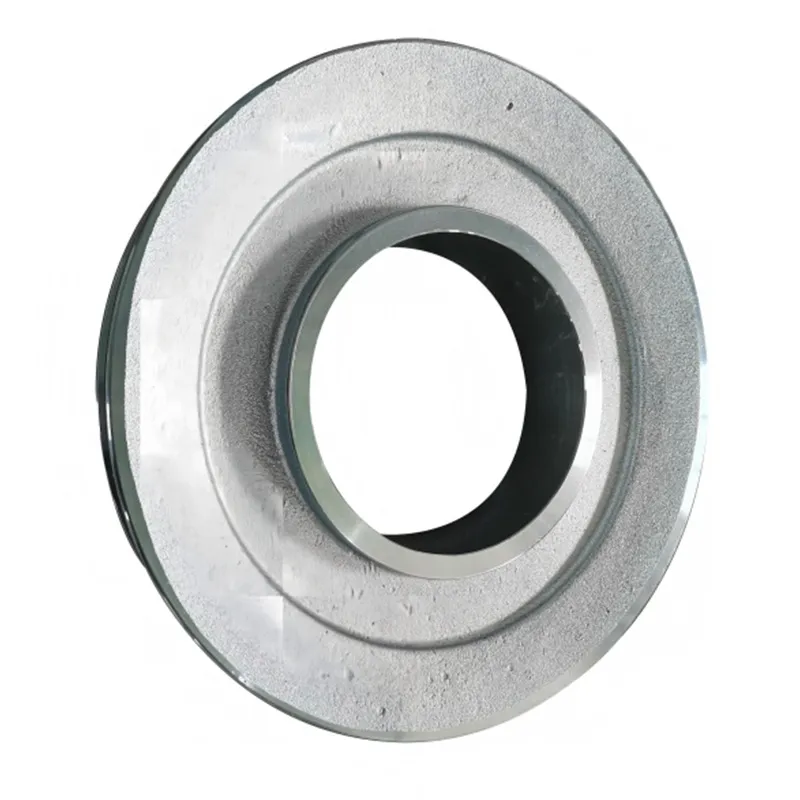
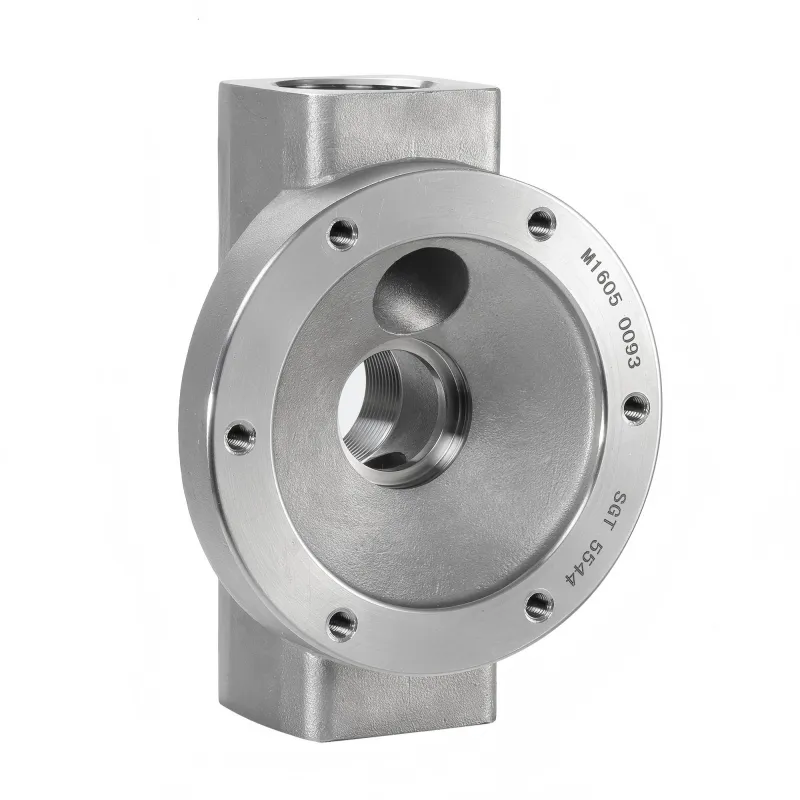
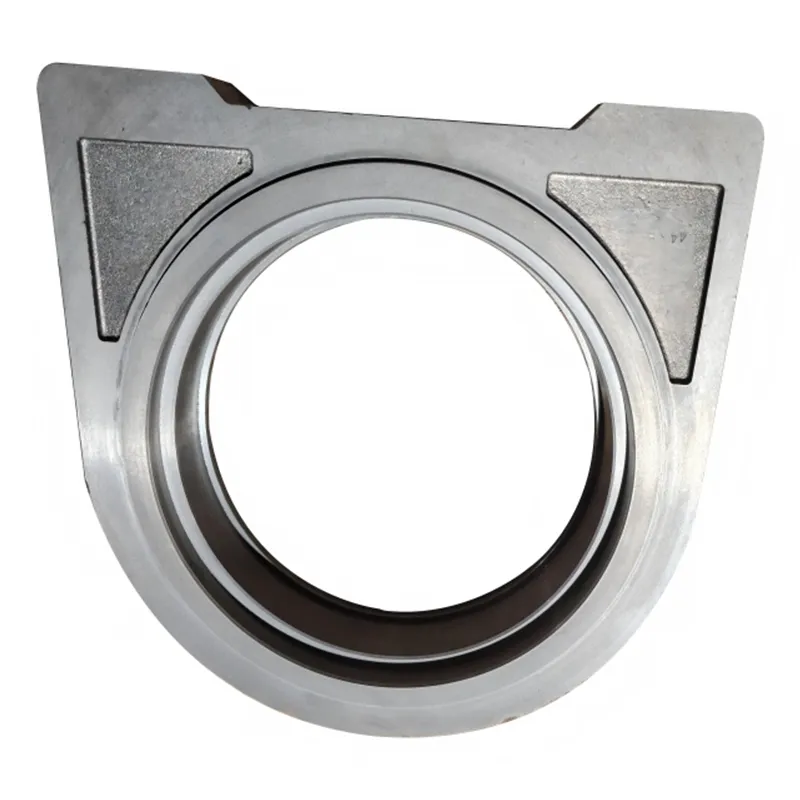
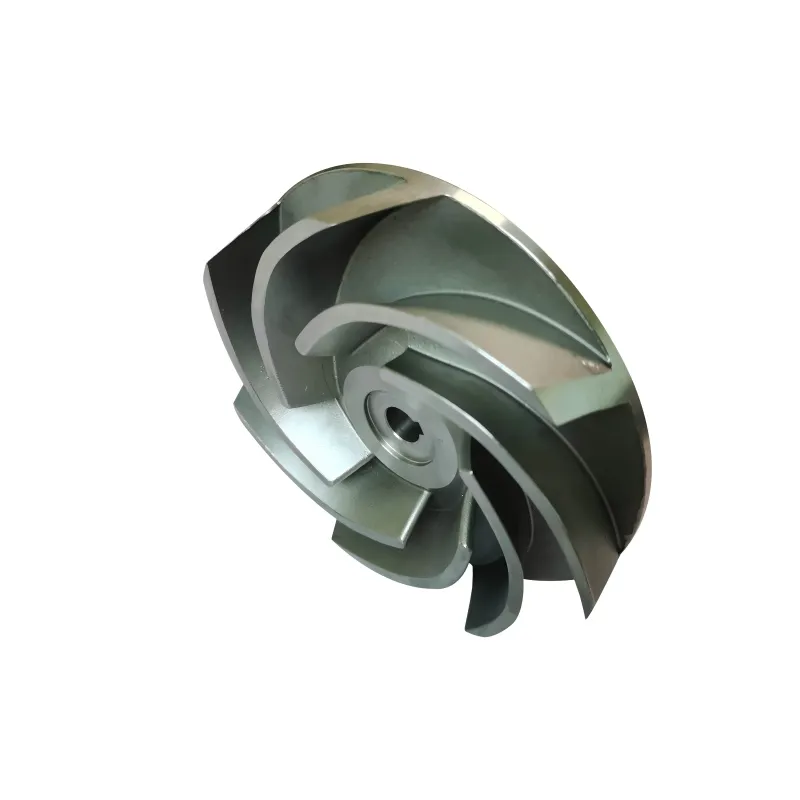
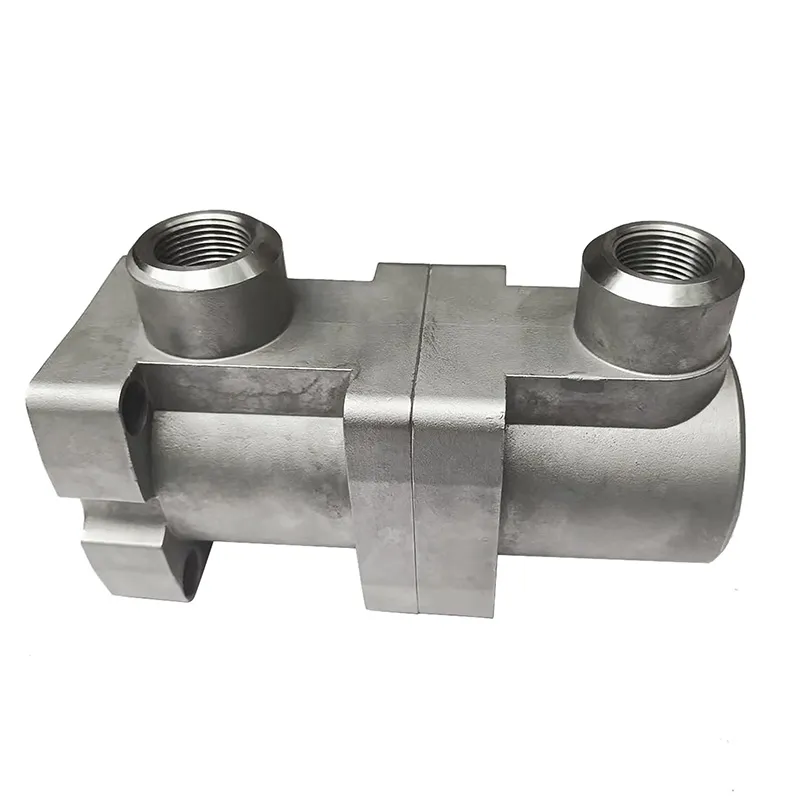
In our shell mold and investment casting lines, 2Cr13 is a frequent flyer for pump bodies, impellers, and certain food machinery parts. The first nuance is pouring temperature. You'd think with its moderate carbon (~0.16-0.25%) and 13% Cr, it's straightforward. But its solidification range is narrower than you'd expect. Pour too cool, and you get mistruns, especially in thin sections of an impeller blade. Pour too hot, and the risk of hot tearing spikes, particularly around those sharp internal corners of a valve body. We've learned, through more than a few scrapped castings, to aim for the higher end of the recommended range but with a much tighter control band. It's about giving it enough fluidity to fill the mold without over-stressing the solidifying shell.
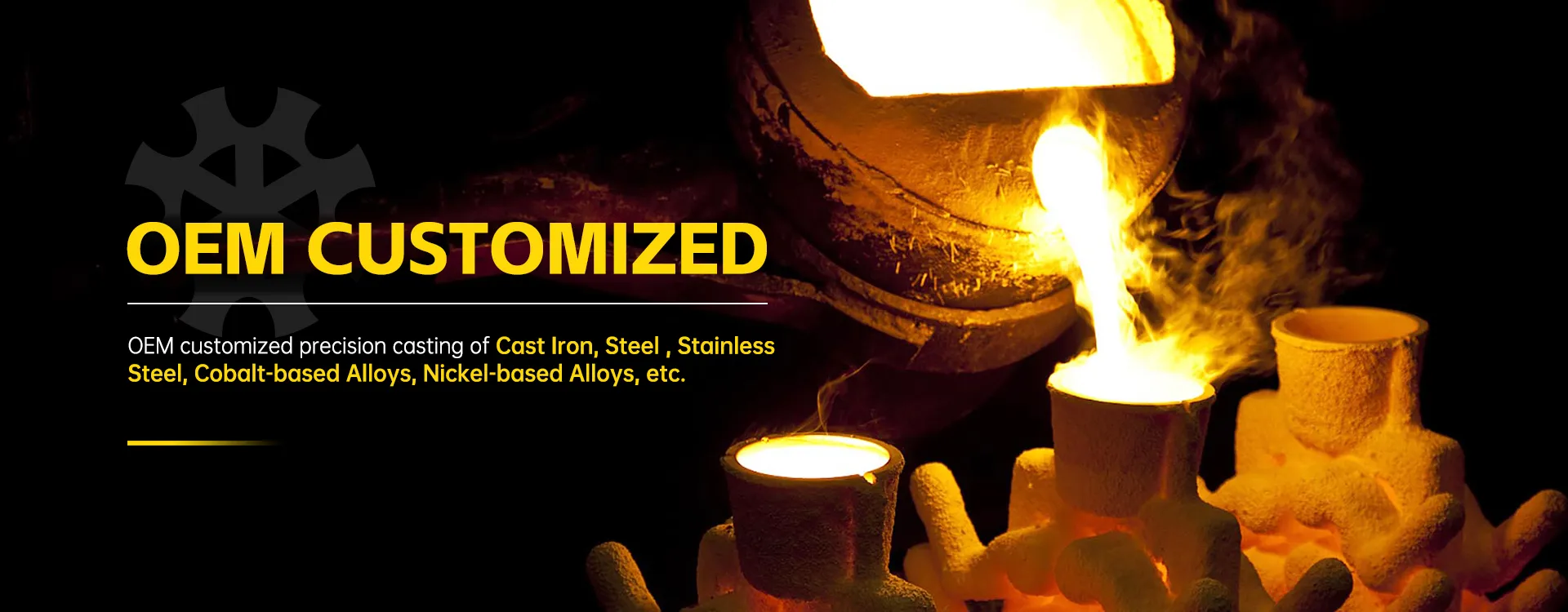
Then there's the mold material interaction. Because it's martensitic, it transforms and shrinks differently than austenitic grades. With investment casting using ceramic shells, we had to adjust the shell pre-heat temperature. A standard pre-heat for 304 led to cracking in 2Cr13 castings because the thermal shock during pouring was more severe. We now pre-heat slightly higher, which seems counterintuitive for reducing shrinkage stress, but it worked. It slowed the initial cooling rate just enough to let the metal skin form more uniformly.
Post-casting heat treatment is non-negotiable. As-cast 2Cr13 is brittle. You must anneal it. The standard protocol is heating to around 850-900°C, holding, and furnace cooling. But here's a practical tip: the cooling rate in the furnace matters. We once had a batch of cast pump casings that passed hardness checks but machined poorly, showing excessive tool wear. The issue traced back to an over-loaded furnace where parts in the center cooled too slowly, almost like a subcritical anneal, leaving the microstructure less than ideal. Now we ensure better load spacing. It's these small process deviations that bite you.
Machinability: The Gummy Reality
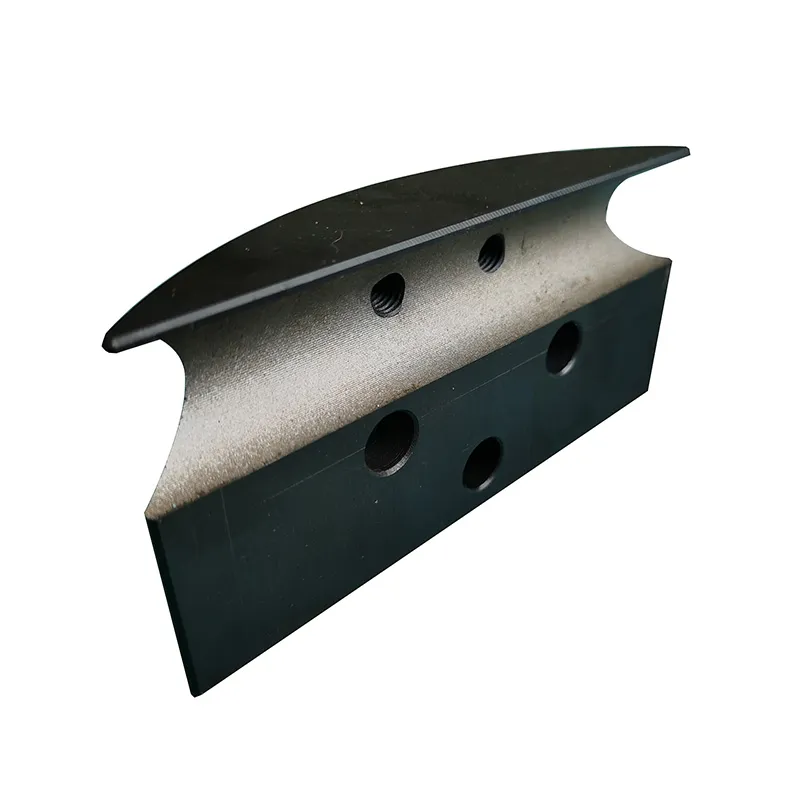
On paper, its machinability rating is okay. On the CNC floor, operators will tell you it can be gummy or stringy, especially in annealed condition. It doesn't break chips cleanly like 12L14 steel, and it's not as clean-cutting as 303 stainless. The key is managing work hardening. If your feed rate is too low or the tool dwells, you immediately work-harden the surface, and the next pass chatters or burns the tool. We specify carbide tools with a sharp, polished rake face and use higher feed rates with moderate speeds. Coolant is essential, not just for cooling but to help wash away those tenacious chips.
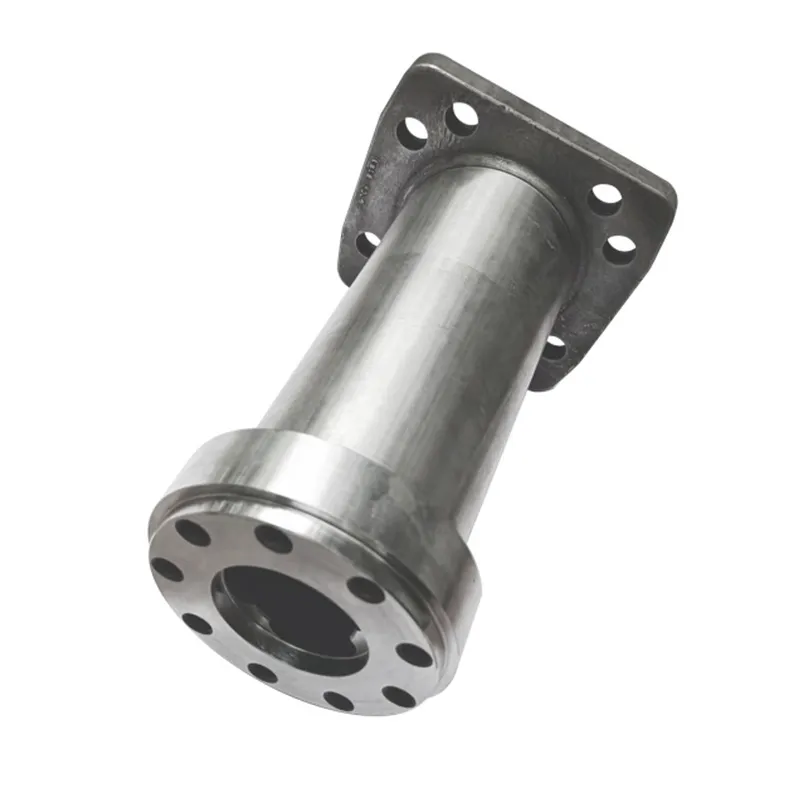
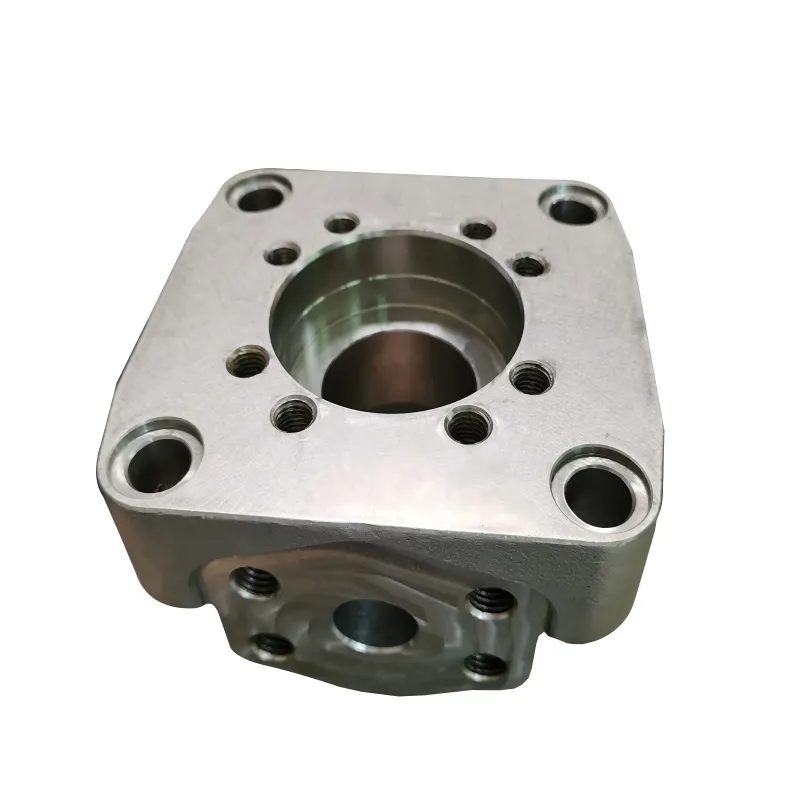
Drilling deep holes is a particular challenge. A standard 118-degree point can wander and cause excessive heat. We switched to 135-degree split-point drills with a slower pecking cycle and increased coolant pressure. It added cycle time but eliminated a lot of rework and broken tools. For a company like Qingdao Qiangsenyuan Technology Co., Ltd. (QSY), which handles everything from casting to final CNC machining under one roof, these integrated learnings are crucial. You can't optimize machining in isolation; you have to account for the as-cast condition and heat treatment history of the blank. A part that was annealed slightly off-spec will fight you on the lathe all day.
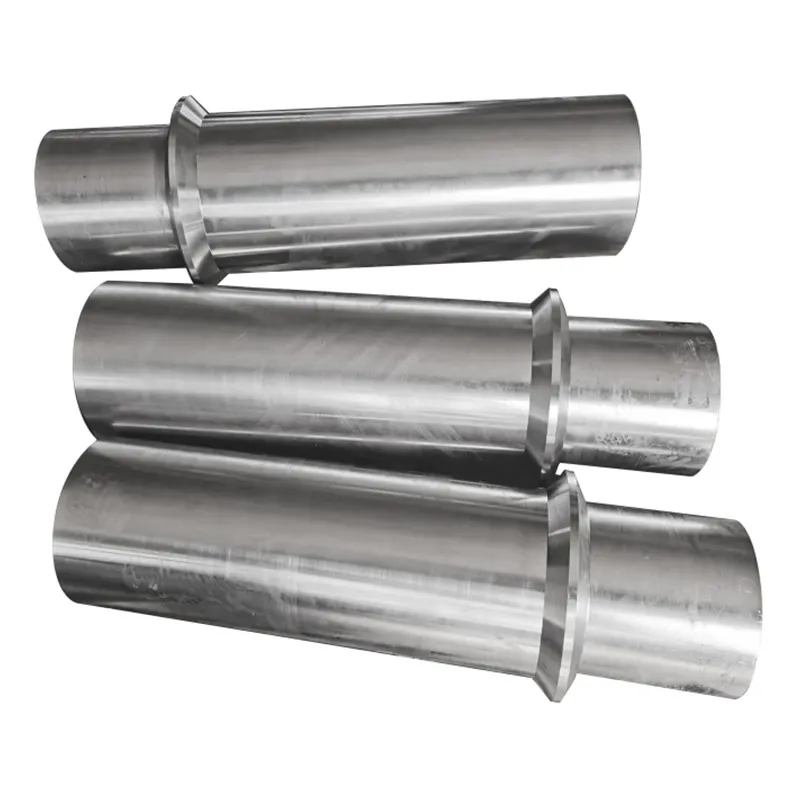
I recall a project for a series of hydraulic valve spools. The print called for a fine surface finish on the lands. Turning 2Cr13 to that finish was problematic—we kept getting a torn, smeared texture. We experimented with different insert geometries and finally found that a wiper-style insert with a very light final finishing pass, using a specific high-lubricity cutting fluid (not our standard coolant), did the trick. It wasn't in the standard machining handbook; it was a shop-floor fix born of frustration.
Corrosion Resistance: Setting the Right Expectations
This is where client misconceptions are biggest. People see stainless steel and assume it's rust-proof. 2Cr13 stainless steel offers only moderate corrosion resistance. It's fine for mildly corrosive environments, like certain food acids or atmospheric exposure, but it will pit in chloride-rich settings (saltwater, heavy road salts). We always have this conversation with clients. For a marine component, we'd push for 316L. But for, say, a bakery machine part exposed to dough acids and steam, 2Cr13 is cost-effective and perfectly adequate.
Passivation helps, but it's not a miracle cure. The process for martensitic grades like this is different from the nitric acid baths used for austenitics. We use a citric acid-based passivation process, which is effective and more environmentally friendly. However, its success is entirely dependent on the surface being perfectly clean before the bath. Any embedded iron from machining or handling will compromise the passive layer. We implemented a strict cleaning and inspection step before passivation, which drastically reduced spot-rusting complaints on finished parts.
The heat treatment state directly affects corrosion performance. A properly tempered part will have better resistance than one that's only stress-relieved. We documented this by testing samples from different batches in a salt spray cabinet. The data helped us justify our full heat treatment protocol to clients who were trying to value-engineer that step out. Skipping proper heat treat to save cost usually backfires later with in-service failures.
Welding and Fabrication: Proceed with Caution
It's weldable, but it's not friendly. Pre-heat is strongly advised, around 200-300°C, and post-weld heat treatment (PWHT) is almost always necessary to restore ductility and corrosion resistance in the heat-affected zone (HAZ). If you skip PWHT, the HAZ becomes hard, brittle, and prone to cracking. We learned this early on repairing cracked castings. A repair weld without pre-heat and PWHT would often just crack again a few millimeters away from the weld bead.
For fabrication of welded structures from plate or bar, filler metal selection is critical. Common choices are 309L or 312 stainless electrodes, which have higher alloy content to compensate for dilution and prevent excessive hardening. Even then, controlling interpass temperature is key. We treat it more like welding a low-alloy steel than a stainless steel. The mindset shift is important.
One failed attempt involved a client who wanted a welded assembly of 2Cr13 plates and cast fittings. They insisted on no PWHT due to dimensional stability concerns. We warned against it but proceeded per their request. The parts passed initial inspection but cracked in transit during a cold winter. The residual stresses from welding, combined with the low-temperature embrittlement of the untempered martensite in the HAZ, caused it. We now require a signed waiver if a client refuses recommended PWHT. It's not worth the reputational damage.
Sourcing and Material Consistency: The Hidden Variable
Not all 2Cr13 is created equal. The variance in trace elements like sulfur, phosphorus, and silicon between different mills can significantly impact castability and machinability. We've standardized our supply chain as much as possible and request mill test reports for critical jobs. A batch with sulfur at the high end of the spec might machine a bit better but could be more prone to hot tearing during casting.
Working with a long-term partner like QSY, with decades in investment casting and machining, highlights the value of this control. We can trace a machining issue back to a specific heat of metal and adjust our upstream parameters accordingly. For instance, if a new batch feels harder on the first tool contact, we'll check the actual carbon content on the cert and might adjust the annealing temperature a notch before we even start full production. This proactive approach saves tons of downtime.
Finally, it's about knowing when not to use it. With the rise of special alloys like super duplex or nickel-based ones for extreme environments, 2Cr13's role is as a reliable, economical choice for specific, well-understood applications. It's a workhorse, not a showhorse. Its value lies in its predictable performance within its limits, and the real expertise is in defining and respecting those limits through every step—from the foundry furnace to the final QC check. That's where the 30 years of experience at a firm like ours really tells.