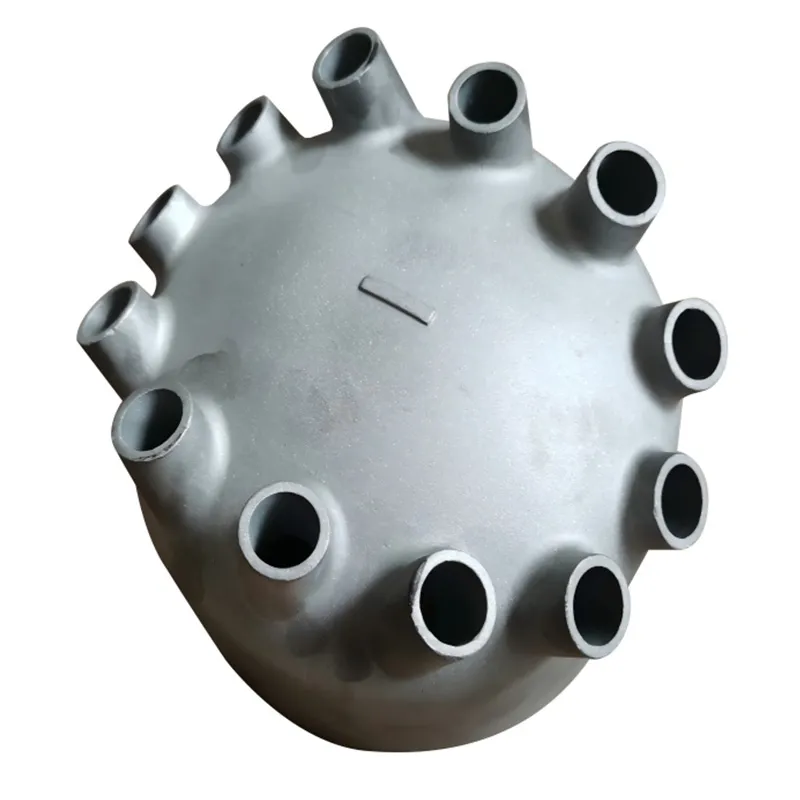
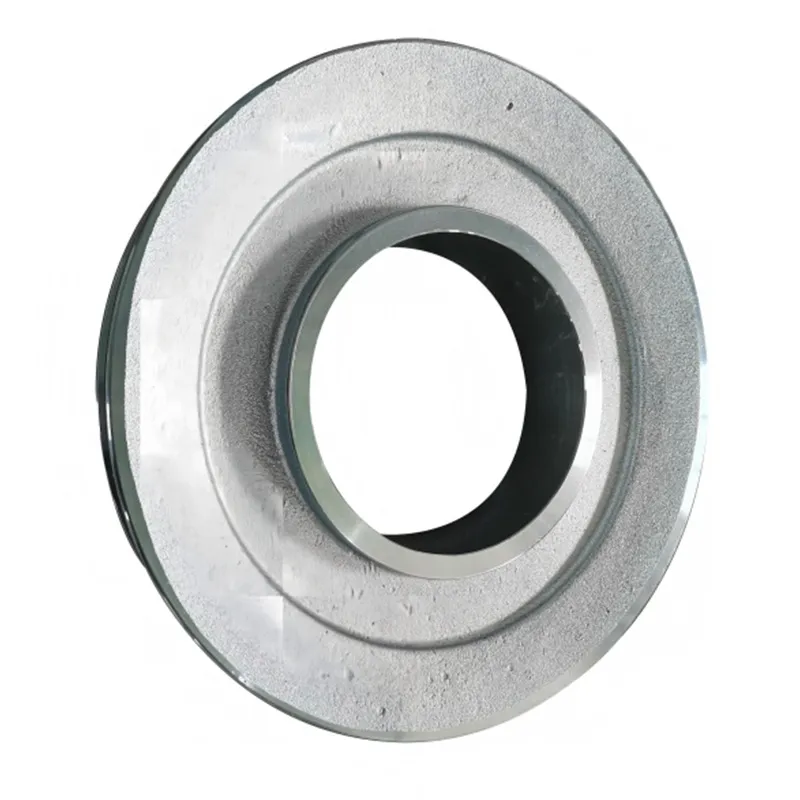
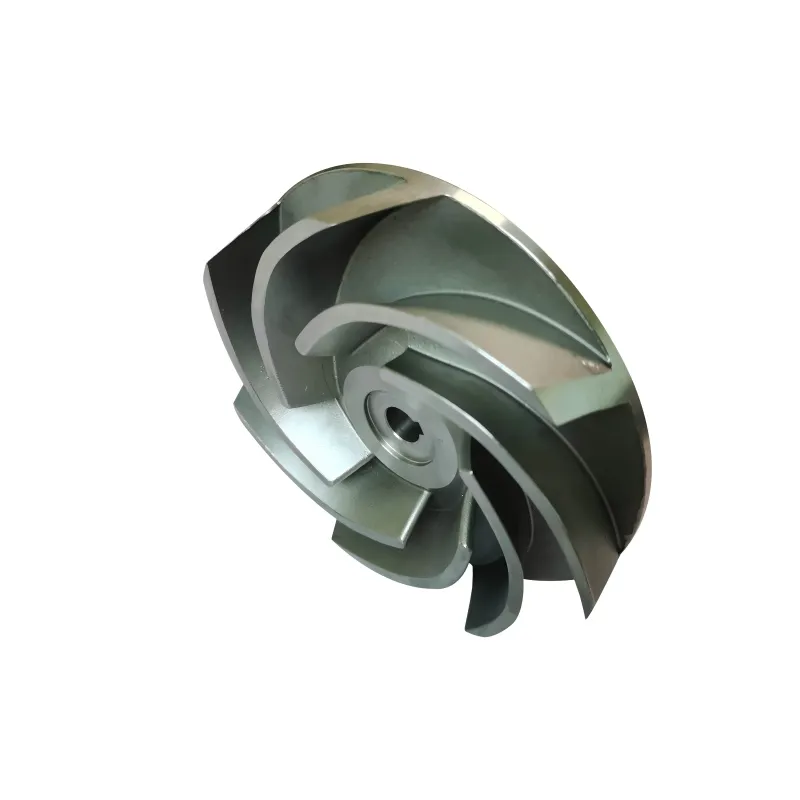
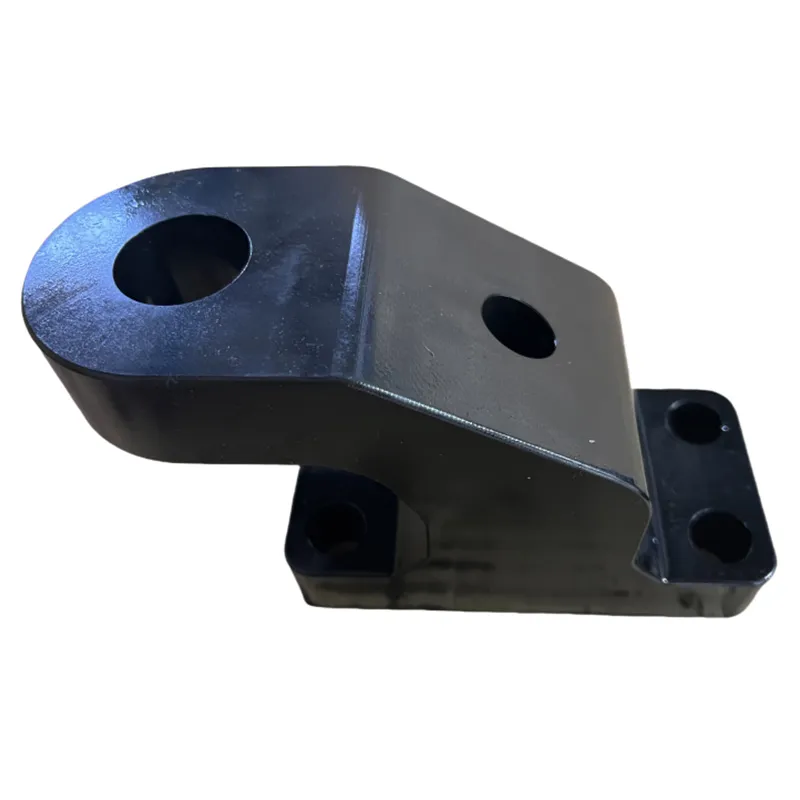
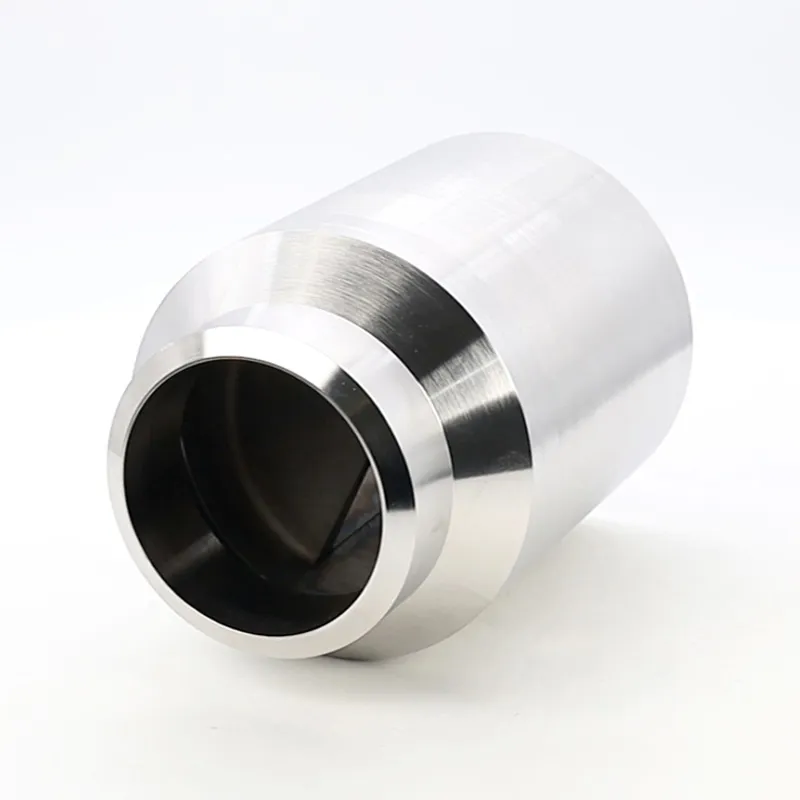
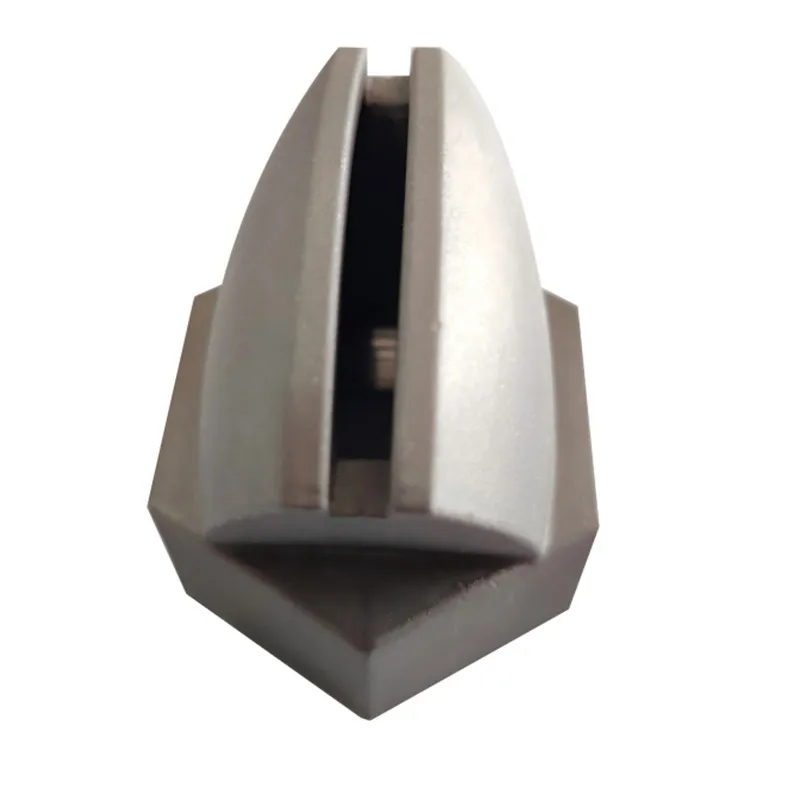
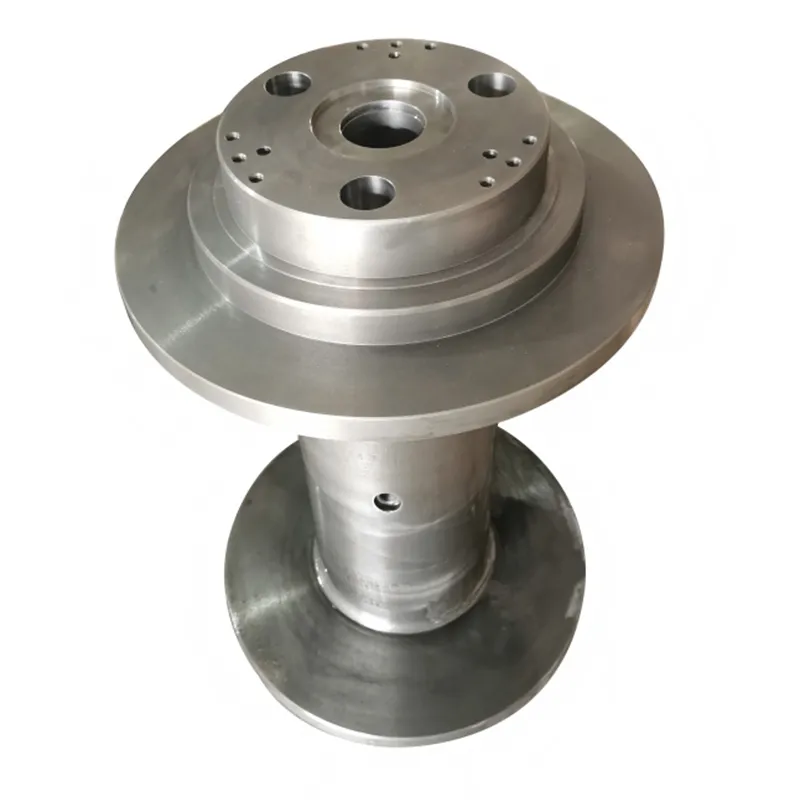
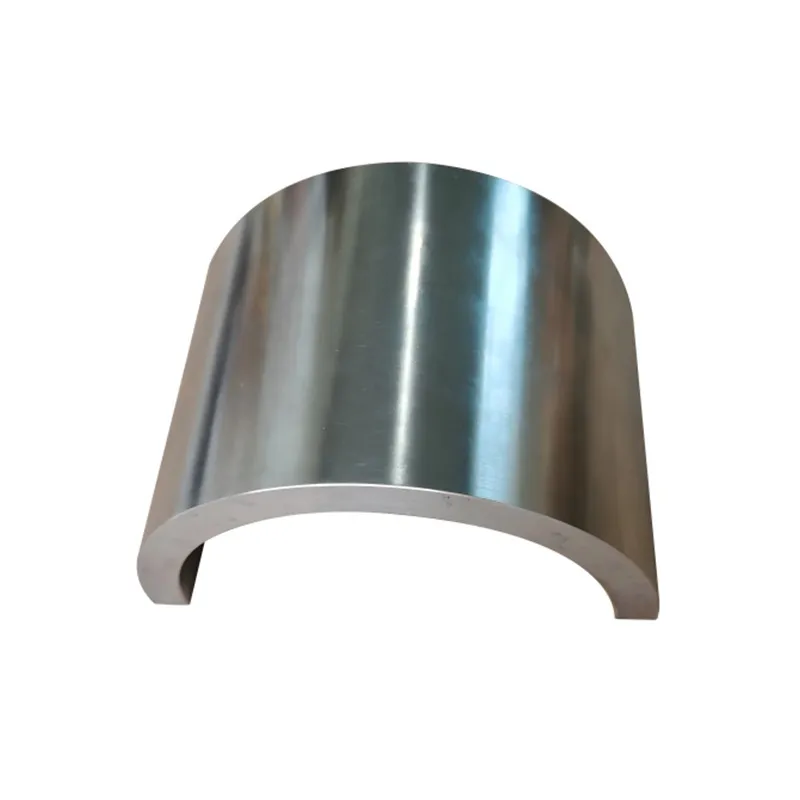
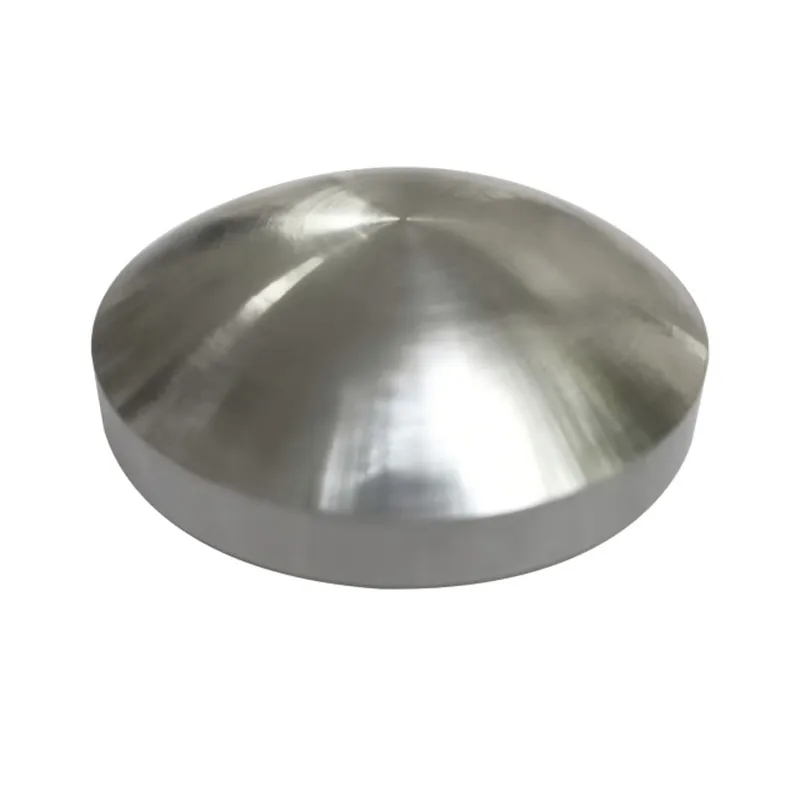
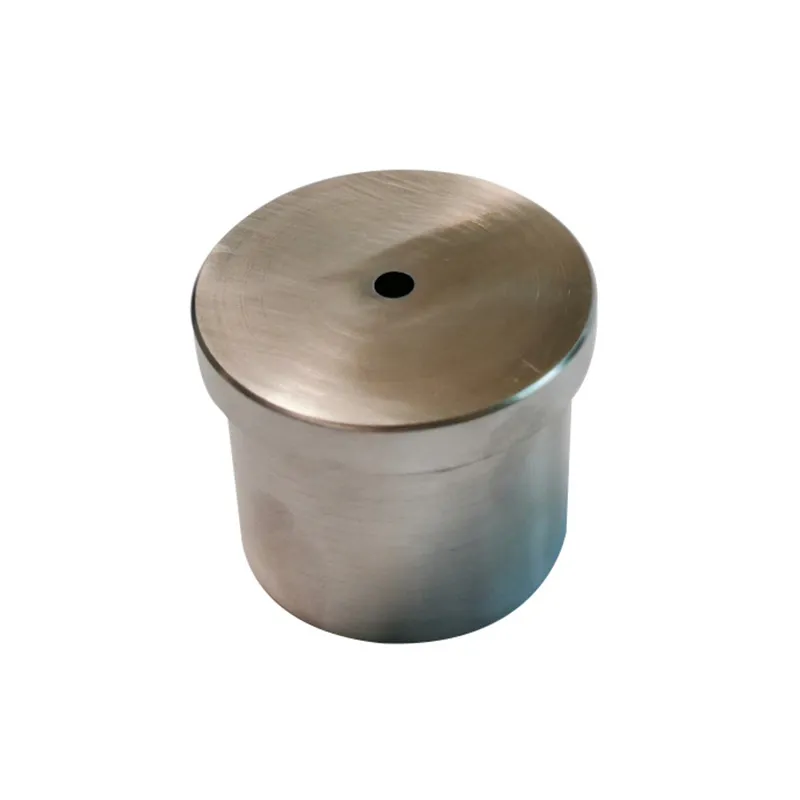
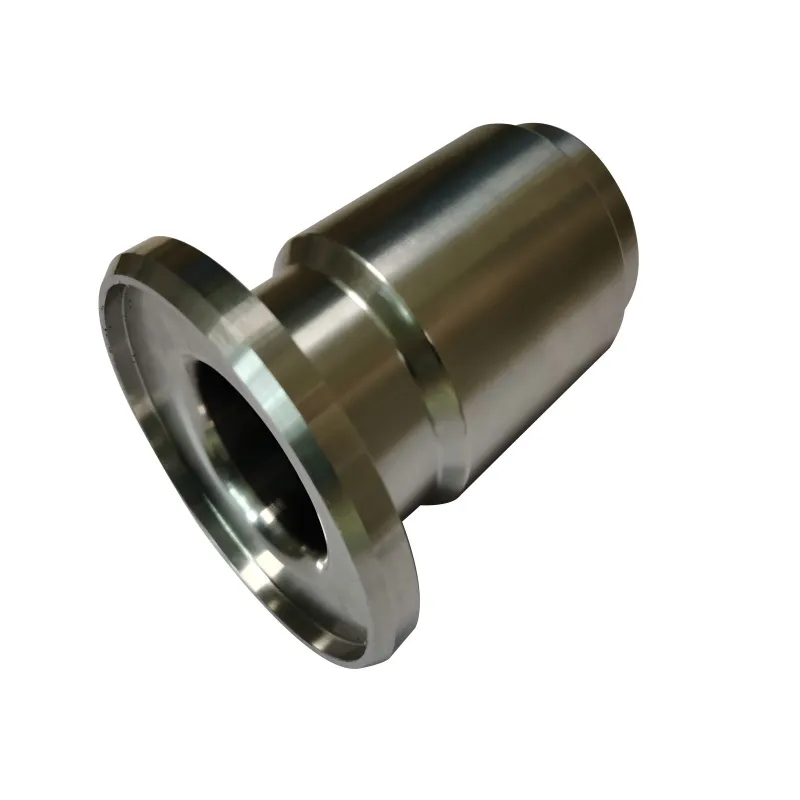
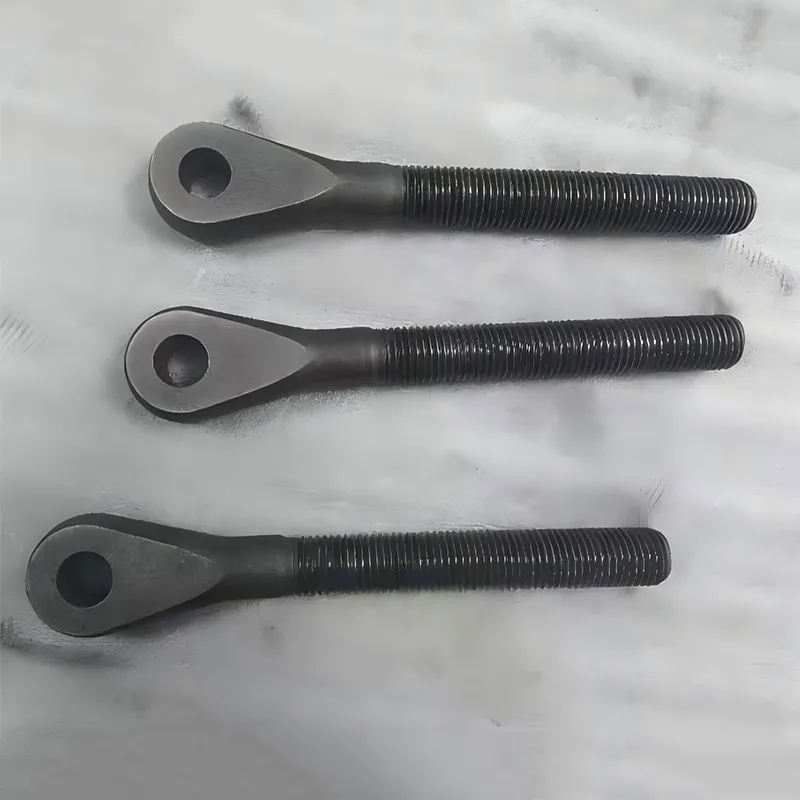
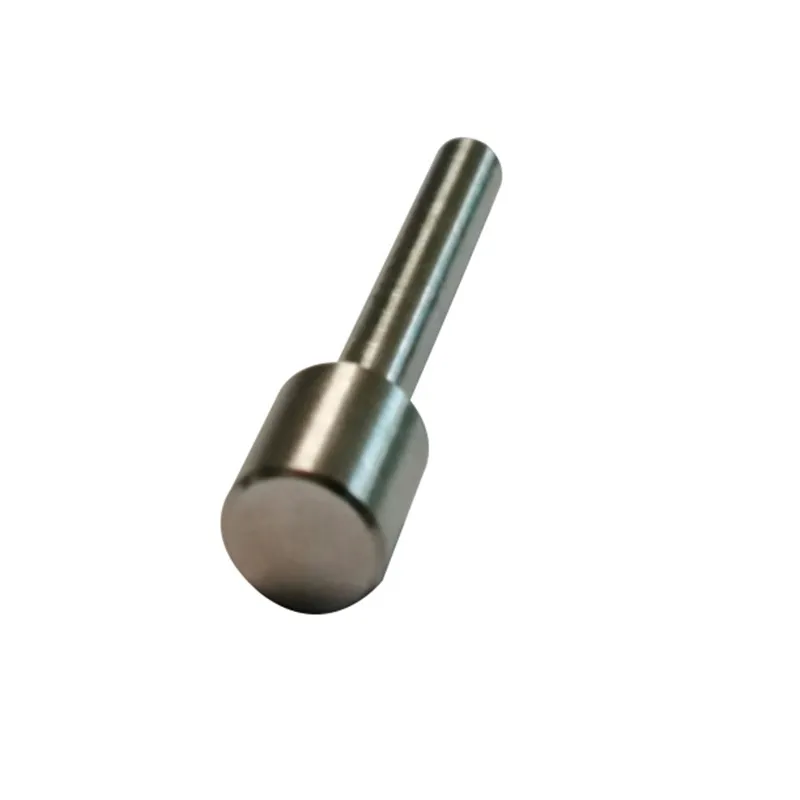
You see 304 everywhere. It's the default, the go-to, the stainless steel most people think of. But that's where the first trap lies – assuming it's all the same. The spec sheet says 18% chromium, 8% nickel, good corrosion resistance, yada yada. In a shop, on the floor, that's just the starting point. The real character of 304 reveals itself under the torch, at the lathe, or after six months in a coastal environment. It's a workhorse, but a finicky one if you don't respect its quirks.
The Good Enough Fallacy and Material Selection
I can't count how many times a client has requested 304 because it's stainless and fits the budget, only for the part to fail in a mildly aggressive environment it was never meant for. The classic is using it for marine hardware without proper passivation. It'll pit, and once pitting starts, it's a downhill slide. That 18/8 mix resists a wide range of oxidizers, but chlorides? That's its Achilles' heel. I've seen beautiful 304 stainless steel brackets on a dock turn into a speckled mess in under a year. The lesson wasn't that 304 is bad; it's that the application was wrong. Sometimes, you need to push for 316, even if it costs more upfront.
This is where experience with a full material portfolio matters. At a place like Qingdao Qiangsenyuan Technology Co., Ltd. (QSY), where they've handled everything from cast iron to nickel alloys for decades, the choice isn't just about the metal itself. It's about the process chain. Is this a casting that will later be machined? Because how 304 behaves in a shell mold versus an investment mold is different, and that affects the machining strategy later. The gating design, the cooling rate – it all leaves a fingerprint on the final grain structure that a machinist will feel when taking the first cut.
I recall a project for a food processing manifold. The print called for 304, investment cast. Looked straightforward. But the client needed a mirror finish on internal channels for cleanability. The as-cast surface from a standard process wasn't going to cut it. We had to adjust the ceramic slurry formulation and the de-waxing cycle to get a finer surface finish right out of the mold, saving hours of tedious internal polishing. That's the kind of nuance you learn by doing, not from a material property table. The website https://www.tsingtaocnc.com lists their specialties, and it's that combo – casting AND CNC machining – that lets them see these interdependencies clearly.
Machining 304: The Gummy Reality
Talk to any machinist about 304, and they'll likely groan. It's not the hardest material, but it work-hardens like a champion. You go in with a slightly dull tool, or you let the tool dwell for a split second, and you've just created a rock-hard spot that'll chew up your next pass. The key is aggressive and sharp. High feed rates, lower speeds sometimes, and never, ever letting the tool rub. Coolant is non-negotiable, and not just for cooling – it needs to lubricate to prevent built-up edge.
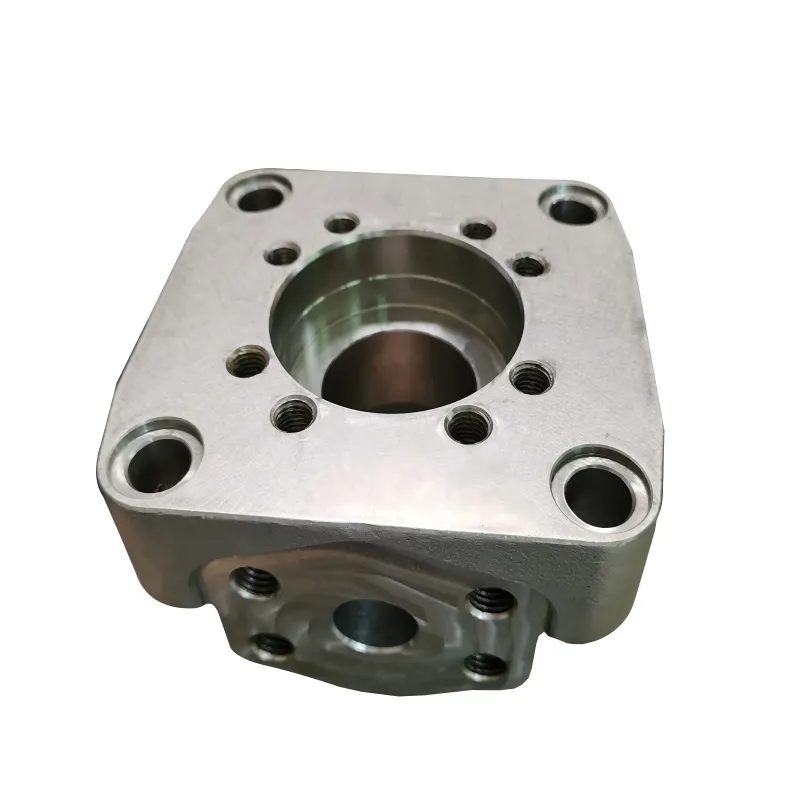
We learned this the hard way on a batch of valve bodies. The geometry had a deep, small-diameter bore. Everything was fine until the final finishing pass. The tool deflection, minimal as it was, caused just enough rubbing to work-harden the surface. The next tool broke. We had to switch to a specialized, high-positive rake tool with a tighter helix angle and through-tool coolant to push the chips out aggressively. Solved the problem, but it ate into the margin. It's a balancing act between tooling cost, cycle time, and scrap rate.
This is where integrated facilities show their value. Because QSY handles the CNC machining in-house after casting, they can optimize the casting process to make the machining easier. For instance, they might adjust the heat treatment of the 304 stainless steel casting to achieve a more consistent and machinable hardness profile throughout the part, something a standalone machine shop receiving a raw casting wouldn't have control over. That holistic view prevents a lot of headaches at the spindle.
Casting Considerations: More Than Just Melting
Pouring 304 isn't like pouring carbon steel. It's all about controlling the chemistry and the atmosphere. Even a slight carburization from the mold environment can deplete chromium at the surface, compromising corrosion resistance right where you need it most. In shell mold casting, which QSY specializes in, the resin binder systems can be tricky. You need a process that burns out cleanly without leaving carbon residues.
Shrinkage is another beast. 304 has a significant shrinkage rate. If your feeding and gating system isn't designed perfectly, you'll get shrinkage porosity, often hidden internally. It might pass a visual inspection, but fail under pressure or show up as a leak path. We once had a pump housing that passed all dimensional checks but leaked during hydrostatic testing. Radiography revealed a tiny, interconnected shrinkage cavity network. The fix was a complete redesign of the risers and chills. It added weight to the casting (more material cost) but it was the only way to ensure soundness.
And then there's weld repair. Most specs allow for some weld repair on castings. But with 304, you have to be surgical. The heat input changes the microstructure in the heat-affected zone. If you're not careful, you can sensitize the area, making it prone to intergranular corrosion. Sometimes, it's better to scrap a minor defect than to weld it and create a potential future failure point. This judgment call comes from seeing hundreds of castings pass through QC.
The Alloy Close Calls and Why 304 Endures
With all these nuances, why does 304 remain so prevalent? Cost and availability, sure. But also, for a huge swath of industrial and commercial applications, it genuinely works. The push towards alternatives like 304L (low carbon) is valid for parts that will be welded heavily, as the lower carbon reduces sensitization risk. But for many components, standard 304 is perfectly adequate if processed correctly.
I've been involved in projects where we debated 304 versus 316L for days, running corrosion tests on coupons in simulated service fluid. Sometimes the results were too close to call, and the decision came down to lifecycle cost and safety factors. Other times, we looked at proprietary machining grade 304 stainless steel variants with added sulfur or selenium. They machine like a dream, but your corrosion resistance takes a hit, and welding becomes problematic. It's always a trade-off.
That's the core of material selection in practice. It's rarely a clear-cut, textbook answer. It's a series of compromises between mechanical needs, corrosion requirements, manufacturability, and total cost. A company's experience across different processes, like the 30 years of casting and machining noted for QSY, builds an intuition for these trade-offs. You develop a feel for when to stick with the classic 18/8 and when to steer the client towards a more specialized alloy, even if it's from the same family. The goal isn't to use the most exotic material, but the most fit-for-purpose one. And often, with the right process controls and design awareness, 304 is exactly that.
Final Thought: The Material is a Partner
At the end of the day, 304 stainless steel isn't just a commodity. It's a material with a personality. You can't just throw it into a drawing and expect perfect results. You have to partner with it. Design for its shrinkage. Machine with its gummy nature in mind. Specify surface treatments like passivation to unlock its full corrosion potential. And choose a fabricator or foundry that understands this partnership.
Looking at a supplier's capability list tells a story. When you see shell mold casting, investment casting, and CNC machining all under one roof, as with QSY, it suggests they've probably wrestled with these material-process interactions on the shop floor. They've likely seen how a slight tweak in the casting cycle affects the machinability of a 304 stainless steel valve seat. That practical, chain-linked knowledge is what separates a parts supplier from a manufacturing partner.
So next time you specify 304, go beyond the ASTM standard. Think about how it will be made, how it will be cut, and where it will live. That's where the real engineering begins. The data sheet is the introduction; the shop floor is where you really get acquainted.