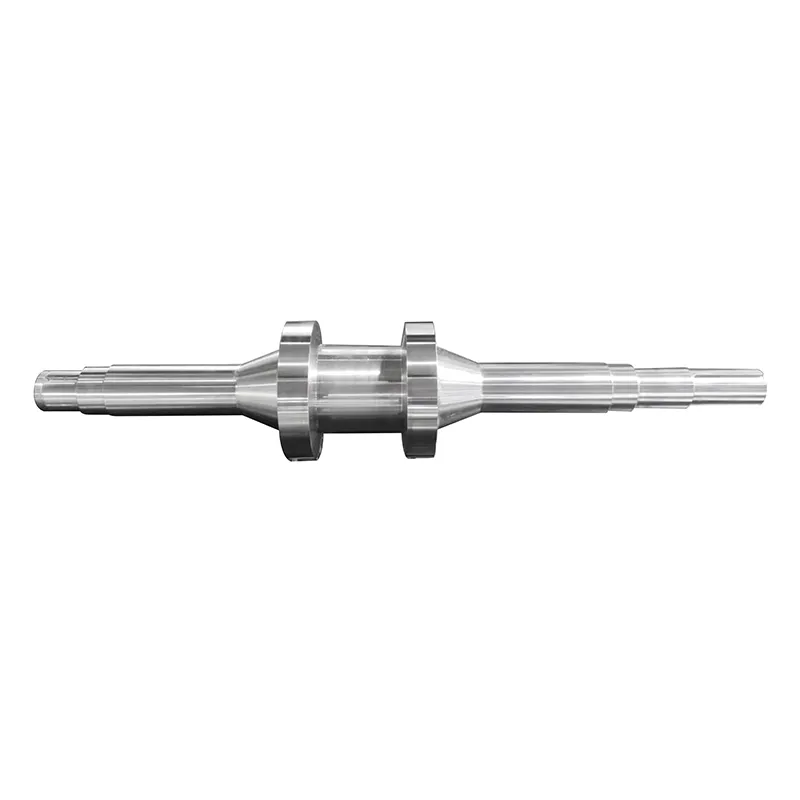
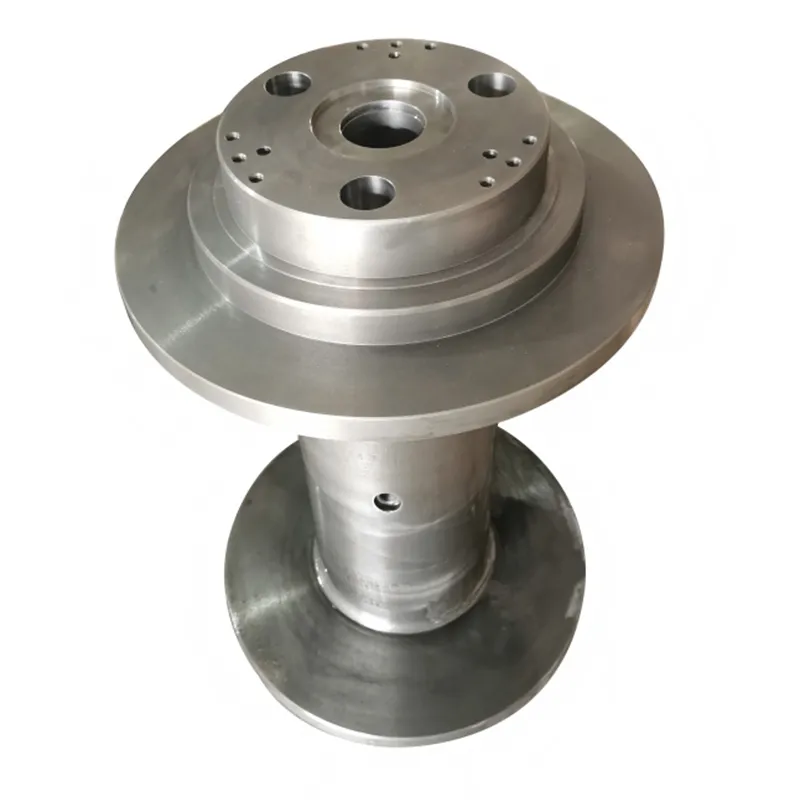
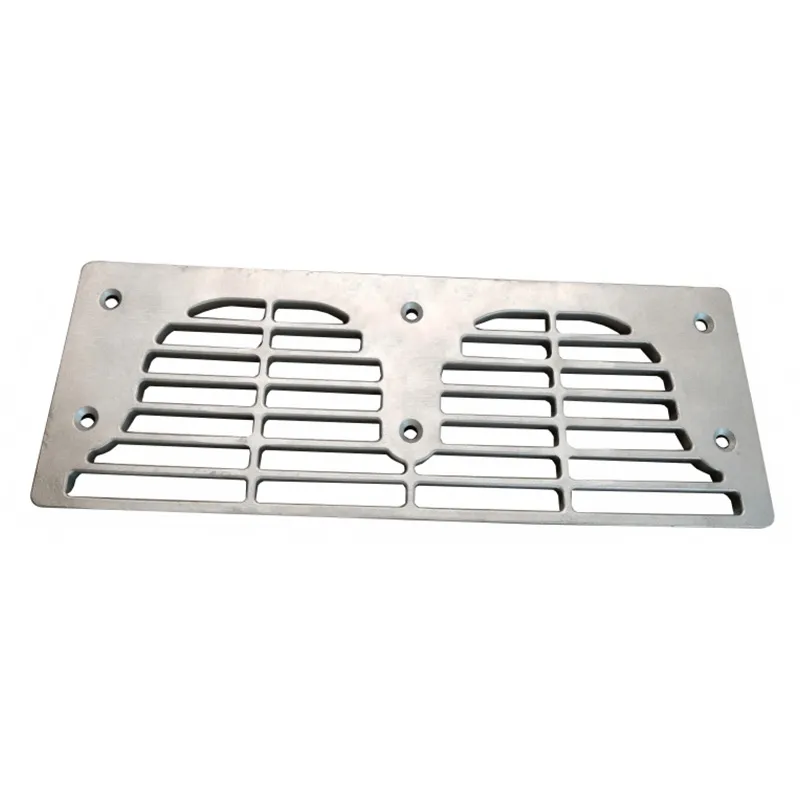
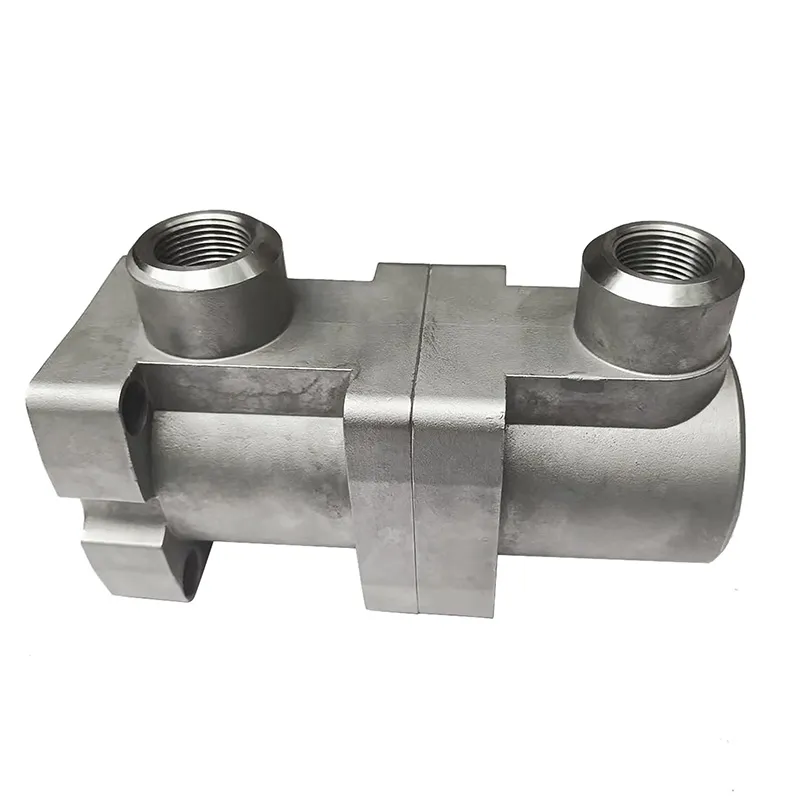
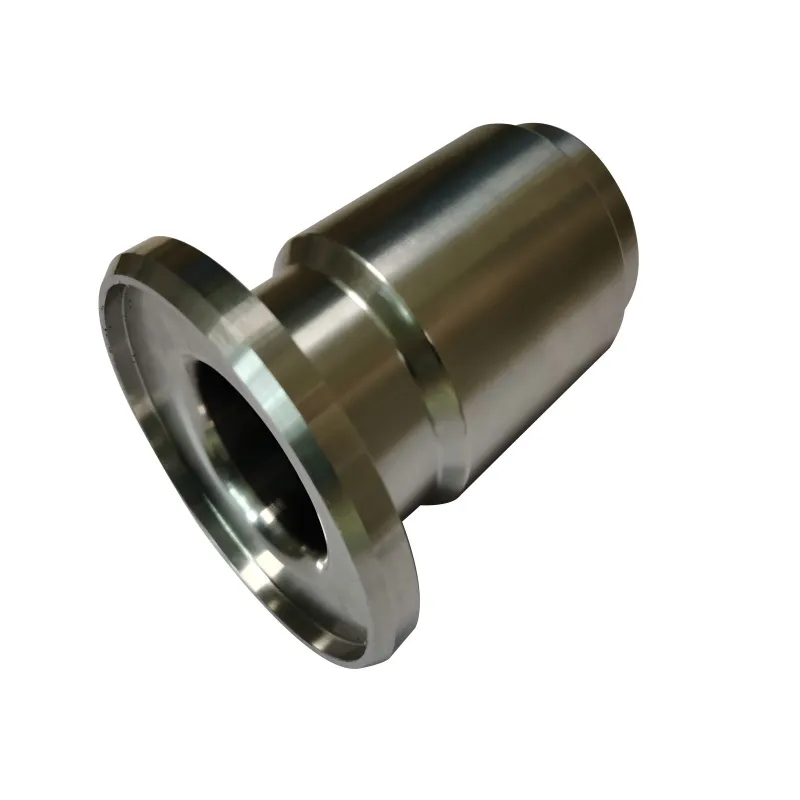
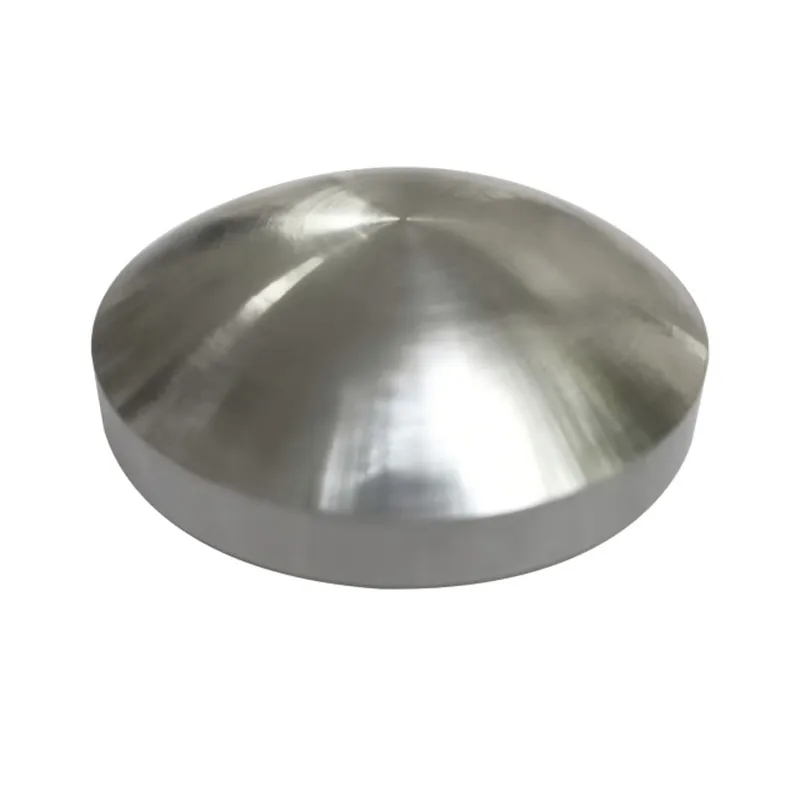
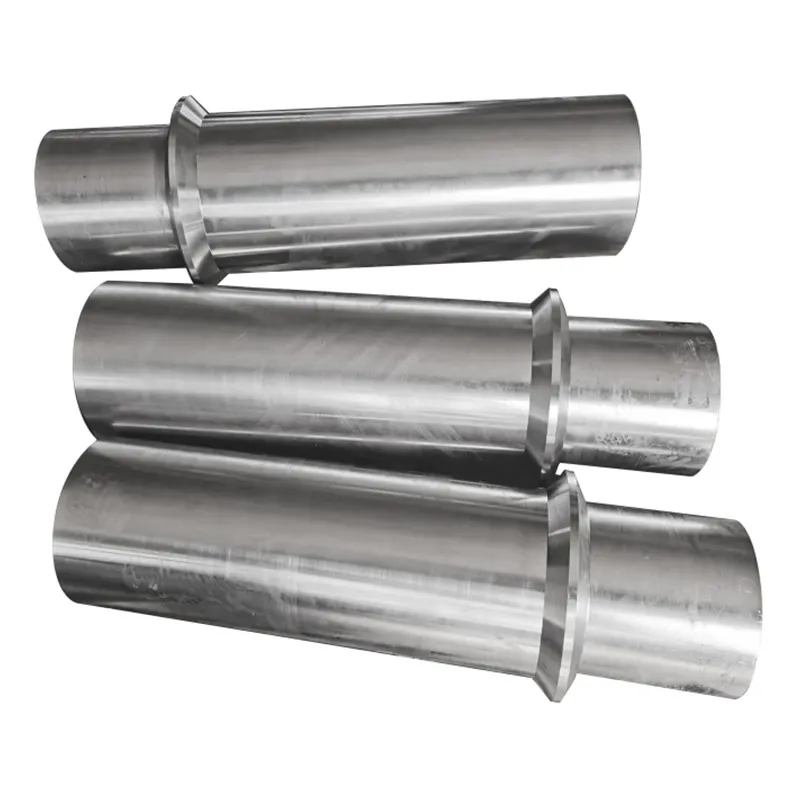
You see 304L stainless steel on so many spec sheets, it's almost background noise. The low-carbon variant of 304, good for welding, resists corrosion—everyone knows that, right? That's the first trap. In practice, the gap between the ASTM spec and how it actually behaves in a foundry or on a machine shop floor is where the real work happens. I've seen too many projects stumble because someone just ticked the box for 304L without thinking about the actual forming, the heat, or what it's really going to be exposed to. It's not a magic bullet; it's a material with quirks you learn by getting your hands dirty.
The L Isn't Just a Letter
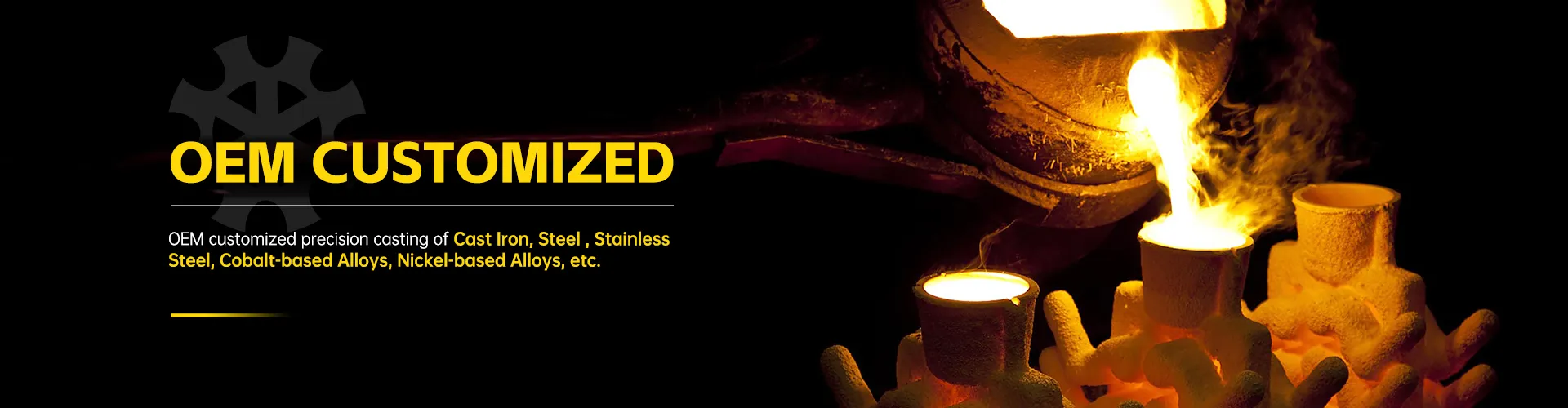
Everyone focuses on the carbon content, max 0.03%, to prevent carbide precipitation during welding. That's textbook. But in investment casting, which is our bread and butter at Qingdao Qiangsenyuan Technology Co., Ltd.(QSY), the L means something else during the pour. The melt behaves differently. It's a bit more sluggish, less fluid than standard 304. If your gating and risering system is designed for the flow characteristics of 304, you might end up with mistruns or shrinkage issues in thicker sections with 304L. It's a subtle thing, but it forces you to adjust the pattern and the process. We learned this early on, not from a manual, but from a batch of valve bodies that had to be scrapped.
Then there's the post-casting heat treatment. Solution annealing is critical, but the temperature window feels tighter. You're aiming to dissolve any carbides and get those chromium carbides back into solution, but you also can't afford to scale it up excessively. We run it typically between °C, followed by a rapid quench. The quench medium matters too. Water is aggressive and can cause distortion on complex, thin-walled castings; sometimes we opt for a forced air quench for more delicate parts. It's a judgment call based on the part geometry, something you build a feel for over time.
And welding? Sure, it's more weldable. But in our CNC machining and finishing department, we often get cast components that need weld repair or assembly. The weld itself might be sound, but the heat-affected zone (HAZ) on 304L, while more resistant to sensitization, can still undergo microstructural changes that affect local corrosion resistance if you're not careful with interpass temperature control. It's good, but it's not invincible. You still need a welder who understands the material, not just the procedure.
Machining 304L: The Gummy Reality
This is where theory meets the cutting tool, often with a disappointing screech. 304L is notorious for work hardening. If your tool isn't sharp, if your feeds and speeds are off, or if you dwell even for a moment, you'll harden the surface, making the next pass a nightmare. It doesn't chip nicely; it tends to form long, stringy swarf that's a pain and a safety hazard.
We've settled on a few rules in our shop. Positive rake geometry, without question. Sharp, coated carbide inserts—we've had decent results with AlTiN coatings. Constant, aggressive feed. You can't be timid; you have to get under the work-hardened layer. Coolant is non-negotiable, and plenty of it, not just for cooling but to help break the chip. We run lower surface speeds than you might for plain carbon steel, but with a higher feed rate. It's a balancing act that you tweak for every specific job. A complex pump housing with thin walls machines differently than a solid flange.
The worst is when you get a casting with inconsistent hardness. Sometimes, due to slight variations in cooling rates in the mold, you can get spots that are harder than others. Your tool is humming along, then suddenly it chatters and burns. You have to stop, check, maybe even anneal the whole piece again if it's bad. It's one reason why process control from the melt through to heat treatment is so critical. A company like QSY, with decades in shell mold casting and investment casting, builds that institutional knowledge into the workflow to minimize these variables, but surprises still happen.
Corrosion: It's About the Environment, Not Just the Grade
This is the biggest misconception. People specify 304L for corrosion resistance as a blanket term. But what kind of corrosion? Atmospheric? Sure, it's excellent. Mild chemical exposure? Probably fine. But I've seen failures in specific, nasty environments.
Chlorides are the arch-nemesis. Even at room temperature, chloride ions can cause pitting and crevice corrosion. We supplied some 304L fittings for a coastal plant's non-critical water lines. They looked fine for a year, then started leaking from pinprick pits under insulation traps where moisture collected. The material was to spec, but the environment was wrong. For that, you need to jump to 316L with molybdenum. The lesson wasn't about the steel's quality; it was about application engineering.
Then there's intergranular corrosion. The L grade protects against it from welding, but if the part is held in the 450-850°C range for too long during service—say, near a heat source—sensitization can still occur over time. It's a slow-motion failure. You have to think about the entire life cycle of the component, not just how it's made.
The Alloy Nuance in a Multi-Material Shop
Operating in a space like ours at QSY, where we handle everything from cast iron to special alloys like nickel-based ones, gives you perspective. 304L isn't viewed in isolation. It's part of a spectrum. Its big advantage is cost and general availability versus the high-nickel alloys. But its limitations define its place.
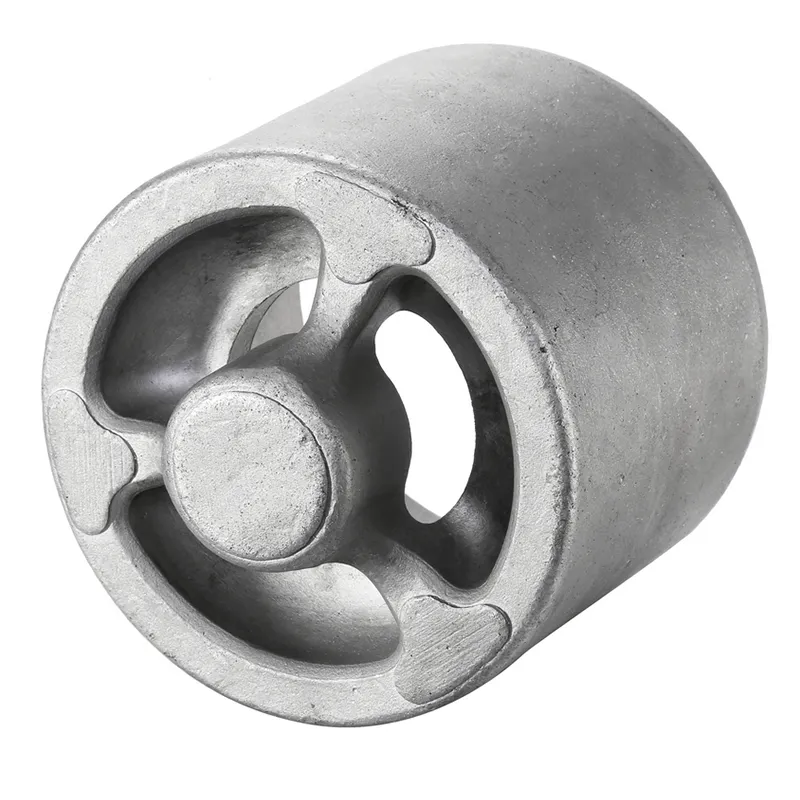
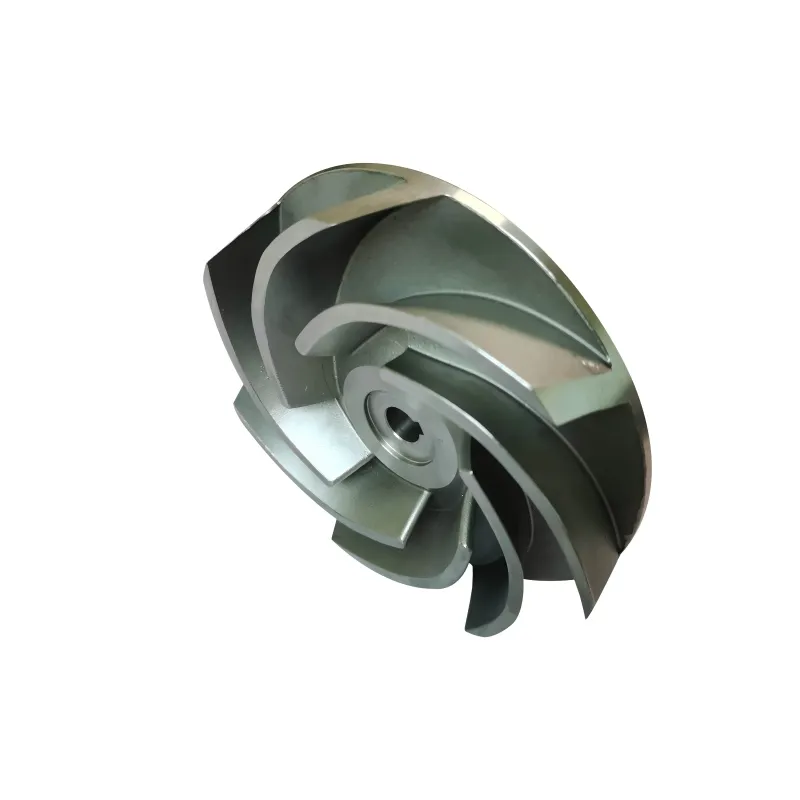
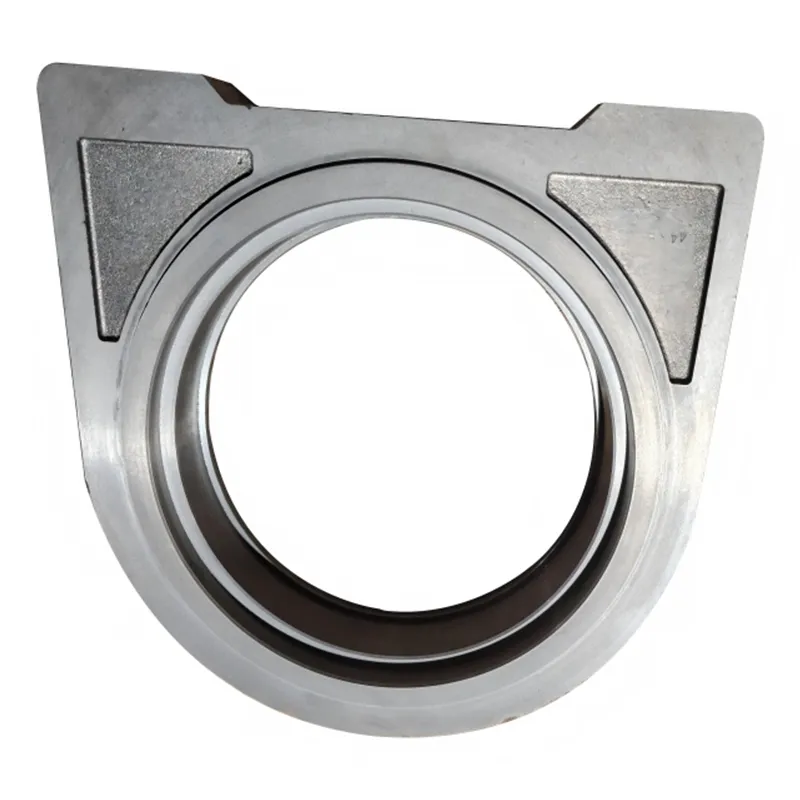
For instance, when a client needs high temperature strength, we steer them away from 304L toward our nickel-based alloys. When they need extreme corrosion resistance in reducing acids, maybe it's time for cobalt-based alloys. 304L sits in that sweet spot of good general performance and manufacturability for a huge range of industrial components—pump housings, valve bodies, food processing fittings, architectural hardware. It's a workhorse.
But even as a workhorse, trace elements matter. We pay close attention to the melt chemistry. A little too much sulfur might improve machinability but hurt corrosion resistance. The right balance of silicon can improve fluidity for casting. It's these sub-spec details that differentiate a batch that machines like butter and lasts for decades from one that causes headaches from day one.
Concluding Without a Bow
So, no, 304L isn't just a commodity. It's a material whose true performance is unlocked (or hampered) in the details of the process. At the end of the day, the success of a 304L component depends as much on the foundry's practice, the machinist's skill, and the engineer's environmental specification as it does on the chemistry meeting ASTM A743. It's a collaboration between the material and the maker. You can't just order it from a catalog and expect perfection. You have to understand its personality, its tendencies, and respect its boundaries. That's what three decades of casting and machining teaches you—to see the metal, not just the number.