Let's talk about 310S stainless. It's one of those grades that gets thrown around a lot, often with a bit of misplaced reverence. People hear high temperature, oxidizing atmosphere, and think it's a magic bullet. It's not. It's a fantastic alloy, don't get me wrong, but its performance is entirely conditional on the environment and, critically, on how it's processed. I've seen too many projects where 310S was specified almost by rote, leading to unexpected failures or blown budgets when a 314 or even a tailored nickel alloy might have been the smarter play. The high nickel and chromium content (25/20 nominally) gives it that great scaling resistance, but that same composition makes it a beast to work with—tough on tools, prone to work hardening, and a real challenge to weld without inducing sensitization or sigma phase embrittlement if you're not meticulous with heat input and post-weld heat treatment. This isn't textbook stuff; it's what you learn after scrapping a few pieces.
The Alloy's Promise vs. The Machining Reality
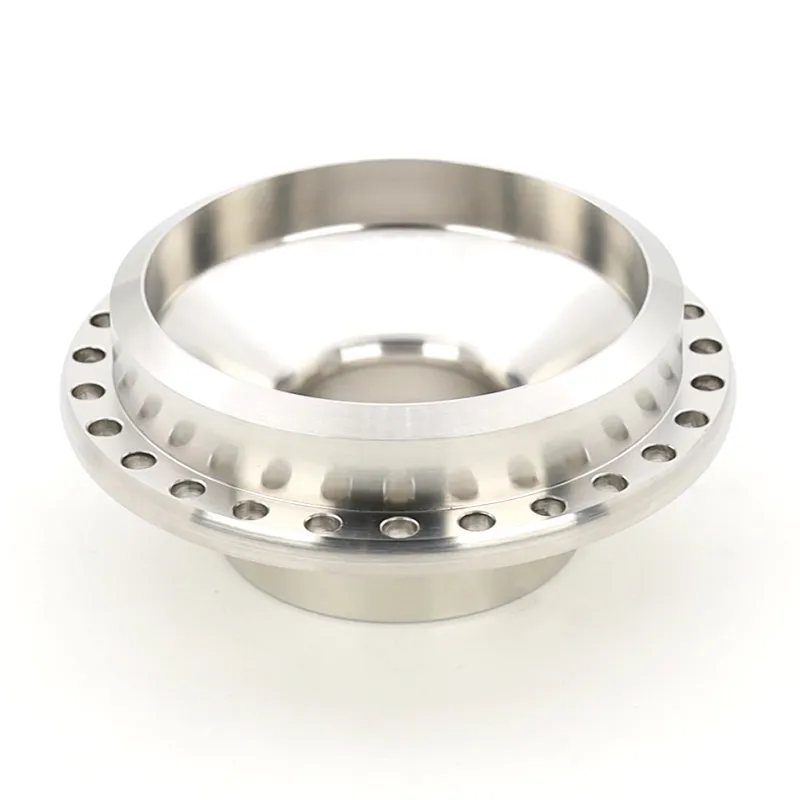
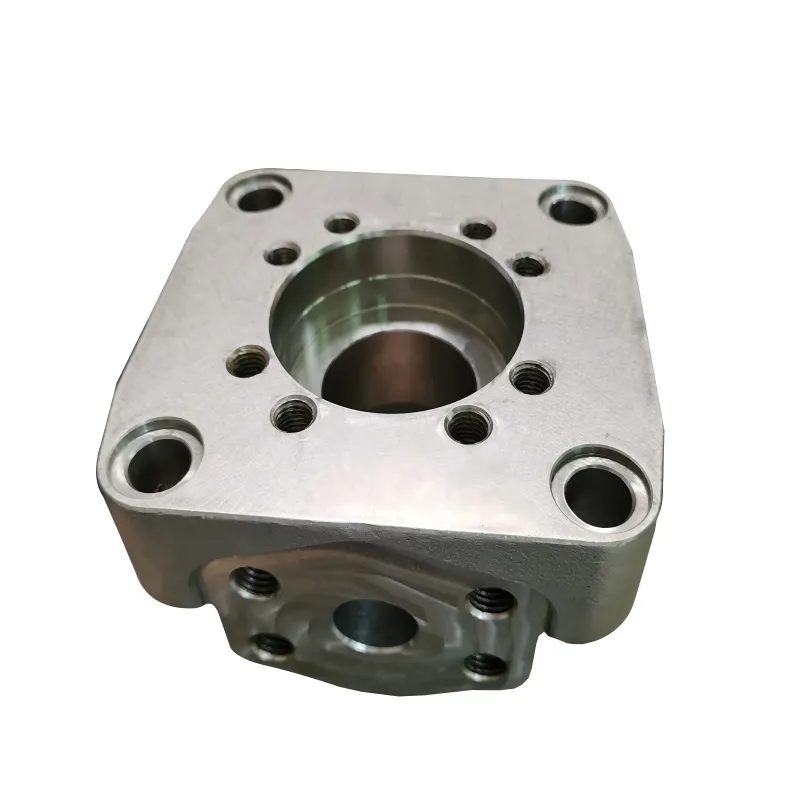
Where you really feel the difference with 310S stainless steel is on the lathe or the mill. Compared to 304 or 316, it's a different league. The high hot strength means it doesn't soften up as much under the cutting tool's heat, so you're fighting it constantly. We run a lot of CNC jobs here, and for 310S, we immediately drop speeds and feeds. You can't be aggressive. If you try to push it like mild steel, you'll burn up inserts in minutes. We've settled on specific carbide grades with sharp, positive geometries and robust chipbreakers. Coolant is non-negotiable—flood coolant, and lots of it, not just for cooling but to help break and evacuate those stringy, tough chips. If the chips start to bird's nest, you're asking for re-cutting and a ruined surface finish.
I remember a batch of custom furnace brackets we machined from 310S plate. The print called for tight-tolerance slots and a fine surface finish. First attempt, we used parameters that worked for 316L. Result? Chatter, poor finish, and insert failure on the first part. We had to step back, re-program with much lower SFM, increase the feed slightly to get under the work-hardened layer, and use a brand-new, dedicated set of tools. It added about 40% to the machining time, which the client wasn't initially thrilled about, but it was that or deliver a part that would fail in service. Explaining that cost driver is part of the job.
The other subtlety is the material's condition. We source our 310S stainless steel bar and plate from reputable mills, but even then, you get variations. Annealed condition is a must for machining. We once received a shipment that was ostensibly annealed but machined like it was half-hard. Hardness checks were borderline. Turned out the mill's annealing cycle might have been off, leaving some residual stress. We had to do a re-anneal in-house before proceeding, which delayed the whole project. Now, we test a sample from every new batch on a small operation before committing the full stock to the CNC machines. It's a small, time-consuming step that saves huge headaches.
Casting Considerations: It's Not Just a Melt and Pour
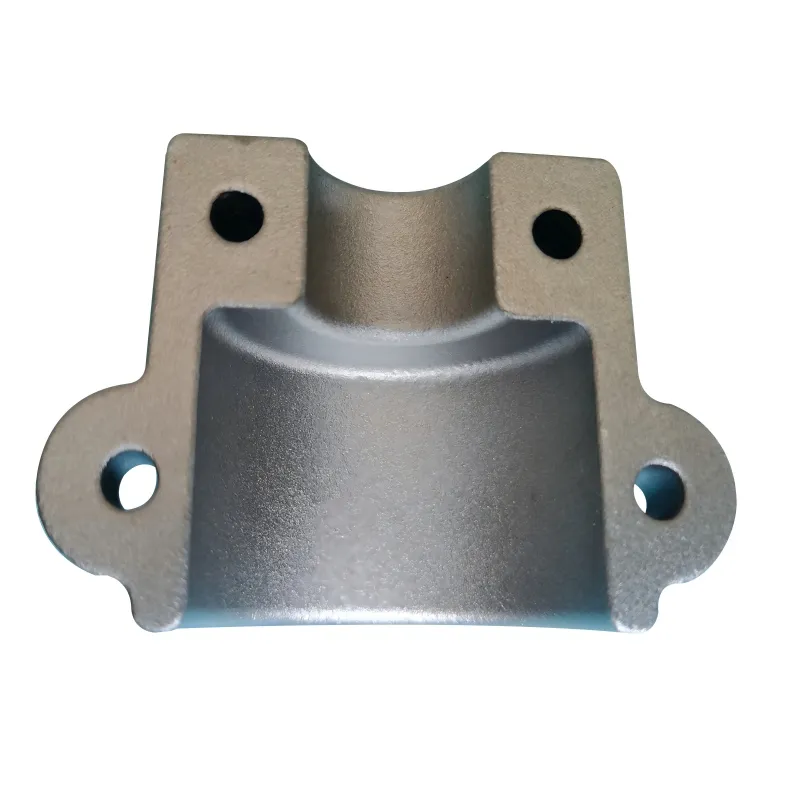
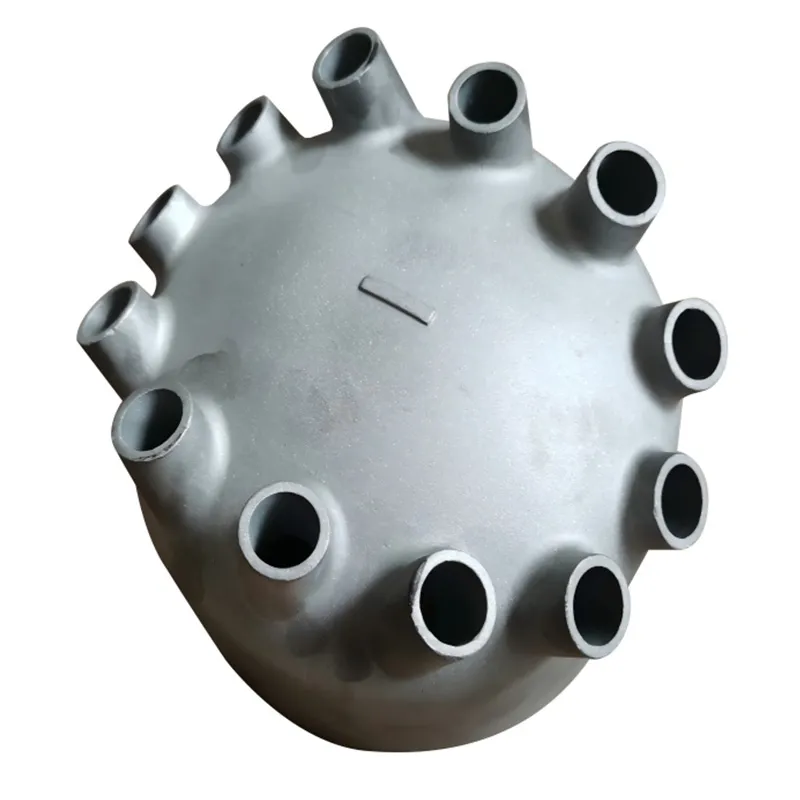
Our foundry work with 310S is mostly through investment casting and shell molding for complex, thin-walled components like burner nozzles, radiant tubes, and heat treatment fixtures. The casting process for this alloy is where its high-temperature properties are a double-edged sword. You need a much higher pouring temperature compared to lower-grade stainless steels—often pushing 1500°C or more. This demands superior refractories in the shell mold system. A standard zirconia-silica face coat might not cut it; we often upgrade to a fused silica or a specialized alumina-silicate blend to prevent metal-mold reaction and surface defects.
The solidification characteristic is tricky. It has a long freezing range, which is great for fluidity to fill intricate shapes but makes it susceptible to hot tearing and micro-porosity if the gating and risering system isn't designed perfectly. We learned this the hard way on an early order for a set of pyrolysis tube hangers. The design had some abrupt section changes. Even with what we thought was adequate feeding, we got fine cracks in the thick-to-thin transition zones. The fix involved redesigning the pattern to incorporate more gradual transitions and using exothermic risers to keep the critical sections molten longer, promoting directional solidification. It added pattern cost, but it was the only way to get sound castings.
Post-casting heat treatment is absolutely critical. As-cast 310S will have a cored structure with segregations and likely some secondary phases like sigma if it cooled too slowly in certain sections. A full solution annealing treatment—typically heating to °C followed by rapid quenching (water or rapid air)—is essential to re-dissolve the carbides and intermetallics and restore a fully austenitic, homogeneous structure. Skip this step, and the part's high-temperature corrosion resistance and ductility are compromised. We've had clients ask if they can skip the anneal to save cost on simple shapes. The answer is always a firm no. The property data in the spec sheets assumes a properly solution-annealed material.
The Welding Trap: Where Good Projects Go Bad
If there's one area that causes the most field failures with 310S, it's welding. It's deceptively easy to get an aesthetically sound weld that's metallurgically weak. The primary concern is carbide precipitation in the heat-affected zone (HAZ)—sensitization. While 310S is more resistant than 304 due to its higher chromium, it's not immune, especially if the component will see prolonged exposure in the 800-1000°F range in service. The weld metal itself also needs to be overmatched. We almost always use 310 or 310H filler metal, but even then, you have to watch the ferrite number. It's essentially zero, meaning the weld is fully austenitic and prone to hot cracking if restraint is high.
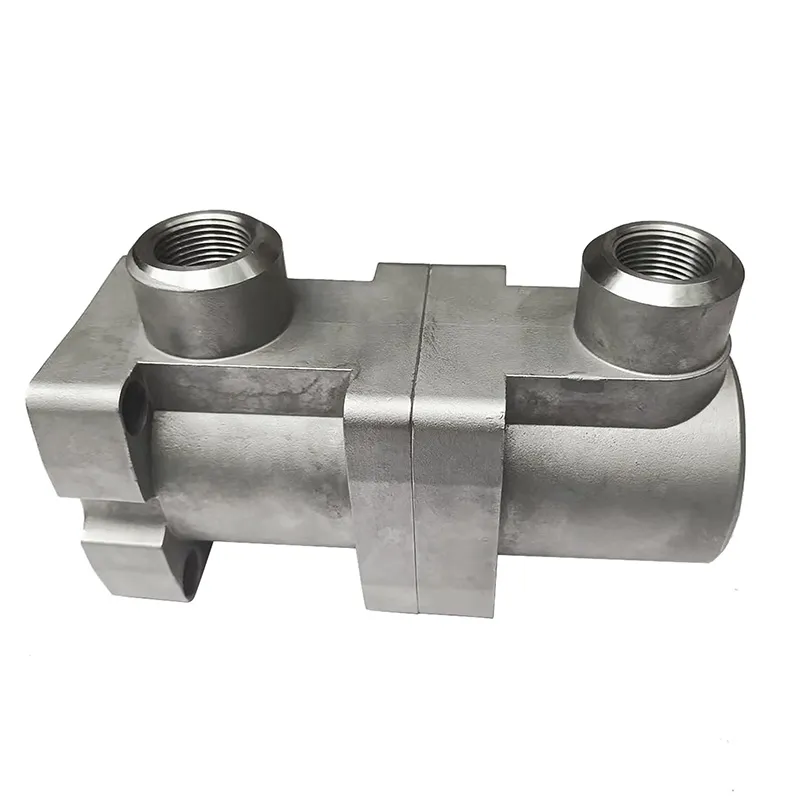
A case in point: we supplied a series of 310S manifolds to a thermal oxidizer company. They were beautiful investment castings, machined to spec. The client's own shop welded them into a larger assembly. Six months later, we got a call: cracks were radiating from the weld toes. Investigation pointed to a combination of factors: they used a 309 filler (common but not optimal for the full temperature range), the interpass temperature was too high, and the assembly was heavily restrained. The weld metal, with its different thermal expansion coefficient and low ductility in the as-welded state, couldn't handle the thermal stresses during cyclic operation. The solution was a re-weld procedure with strict controls on pre-heat (not too high, just enough to prevent moisture), low heat input stringer beads, and a final solution anneal of the entire assembly—which was a massive furnace operation. It was a costly lesson for them on why weld procedure specifications (WPS) exist for a reason.
For our own fabrications, we now insist on qualifying a WPS for any 310S stainless steel weld over a certain thickness. It involves documenting everything: filler metal lot, shielding gas (we add a bit of helium sometimes for better penetration on thicker sections), amperage, voltage, travel speed, and post-weld heat treatment parameters. It's paperwork, but it's the only way to ensure repeatability and defend against later claims.
Sourcing and the Importance of Traceability
Not all 310S is created equal. The difference between a top-tier mill and a discount supplier often isn't in the chemistry on the cert—they'll all meet ASTM A276 or A479—but in the consistency, the internal cleanliness, and the reliability of the heat treatment. For critical high-temperature applications, minor variations in silicon or cerium content can affect scale adhesion. Trace impurities can accelerate degradation. We've built a relationship with a few trusted mills over the years, and we pay a premium for that. It's worth it.
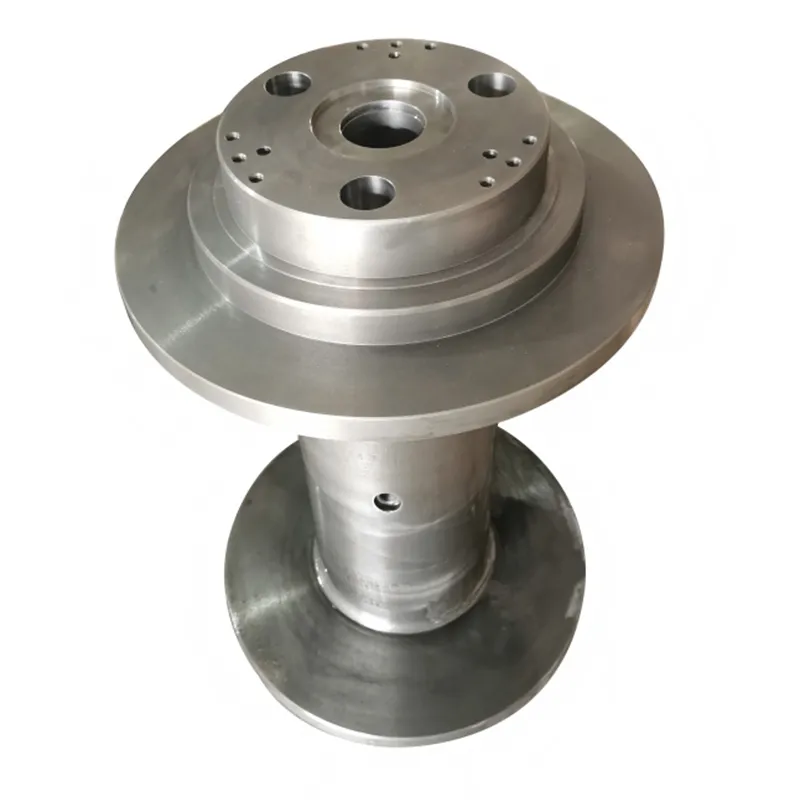
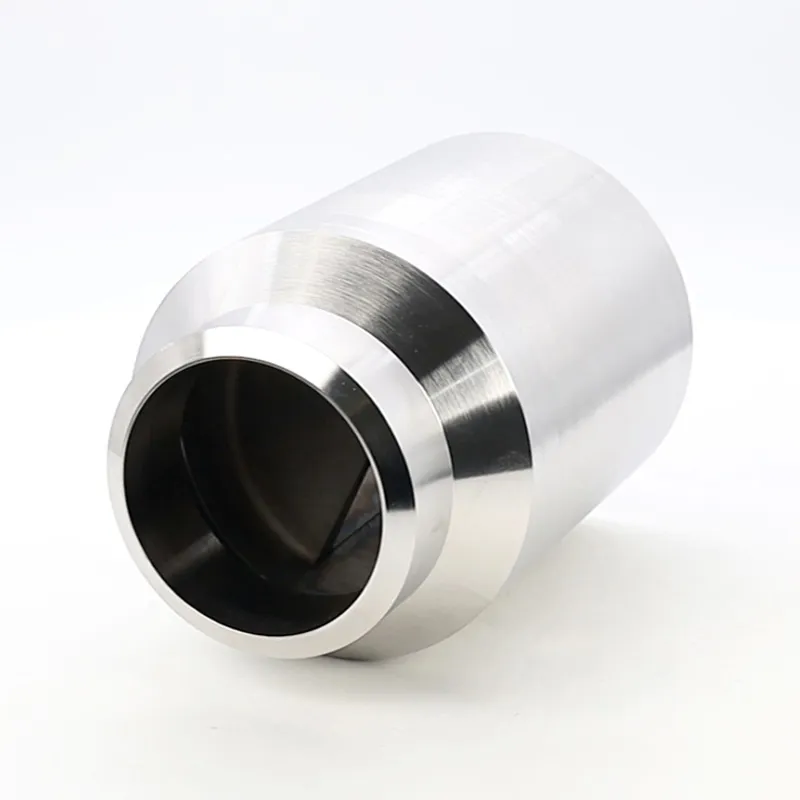
This is where a partner's full-process control matters. At our shop, Qingdao Qiangsenyuan Technology Co., Ltd. (QSY), handling an alloy like this is part of our DNA after three decades. We're not just cutting or casting to a print; we're managing the entire material lifecycle from the mill cert to the finished part. For a 310S stainless steel component, that might mean we procure the certified bar stock, perform the CNC machining under controlled parameters, then outsource the solution annealing to a furnace shop we've audited (or use our own for smaller parts), and finally conduct NDT like dye penetrant testing on all critical surfaces. That vertical integration—or at least, tightly managed horizontal integration—is what prevents the kind of failures I've described earlier. You can't just buy material and throw it at a machine shop. You need a supplier that understands the metallurgy behind the machining instructions.
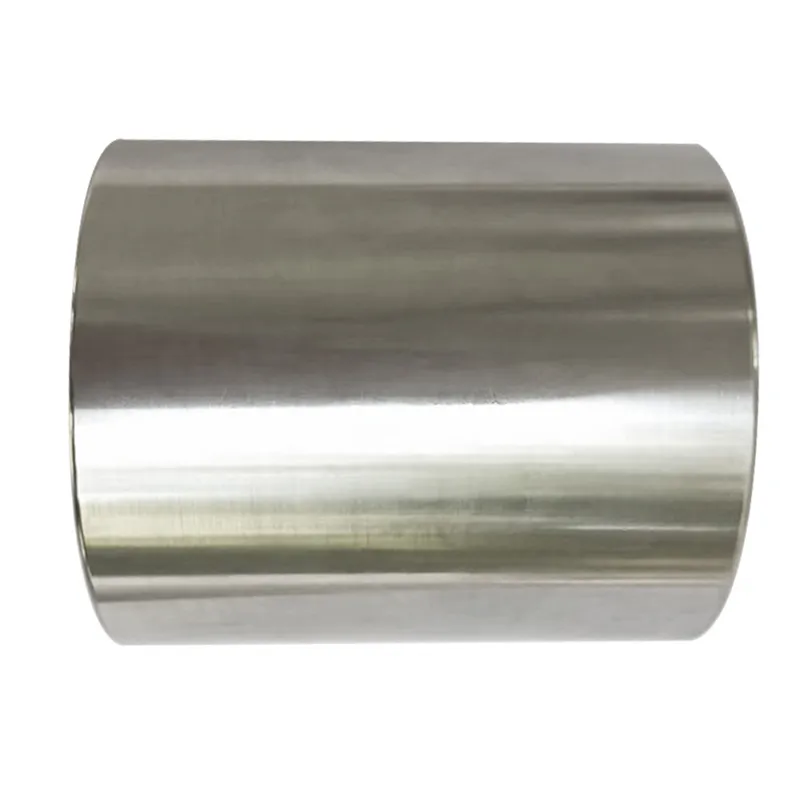
I recall a client who needed a replacement radiant tube for a carburizing furnace. They had been buying from a generic fabricator. The tubes were failing prematurely, sagging and cracking. We analyzed a failed piece. The chemistry was off (low nickel), the microstructure showed massive carbide networks, and the OD had machining tears. It was a cheap part that cost them a fortune in downtime. We made them a new set from properly sourced and processed 310S, with tighter tolerances on straightness and wall thickness. The last I heard, that set had outlasted the previous ones by a factor of three. The upfront cost was higher, but the total cost of ownership was lower. That's the real calculation with a material like this.
Concluding Without a Conclusion: It's a Tool, Not a Talisman
So, that's a brain dump on 310S. The key takeaway isn't a list of properties—you can get that from any handbook. It's that specifying and manufacturing with 310S stainless steel requires a respect for its particularities. It's not a drop-in replacement for other austenitic steels. Its value is unlocked only with precise, controlled processing. If you're designing something that will see continuous service above 1000°C in an oxidizing environment, and you can manage the fabrication challenges, it's an excellent choice. But if your temperature cycles or the atmosphere has reducing sulfides, you might be in 330 or an alloy 600 territory. And if you don't have a machine shop or foundry that truly knows how to handle it, you're gambling.
The conversations we have with engineers at places like QSY are less about quoting a price and more about reviewing the application. What's the max temperature? Is it cyclic? What's the atmosphere? What's the expected lifespan? Then we talk process: casting or machining from wrought? What heat treatment? What testing? That back-and-forth, that shared problem-solving, is what turns a specification on a drawing into a component that works and lasts. The material is just the starting point. The real magic, if you can call it that, is in all the steps that come after.
Maybe that's the final thought. With something like 310S, you're not really buying a steel. You're buying the expertise to transform it correctly. The confidence that when it's installed in some furnace or reactor, you won't be getting a panicked call in the middle of the night. That peace of mind comes from the gritty, non-glamorous details of feed rates, annealing charts, weld logs, and hardness tests. It's not sexy, but it's what makes the difference between a part that's merely made and one that's properly engineered.