You see 316 and 316L stainless steel specified all the time, but the real difference isn't just a letter on a datasheet. It's in the welds, the corrosion pits, and the parts that come back from the field. Too many think they're interchangeable. They're not, and I've seen the costly assumption.
The Carbon Content: It's Not Just a Number
The core difference is carbon. 316 has a max of 0.08%, while 316L stainless steel caps it at 0.03%. Sounds trivial, right? In theory, maybe. But in practice, that carbon wants to combine with chromium during welding, forming chromium carbides right at the grain boundaries. This sensitization steals the chromium that gives the steel its corrosion resistance, leaving a vulnerable path along the weld heat-affected zone. For a part that just sits there, maybe it's fine. For anything facing chlorides or acids, it's a pre-installed failure point.
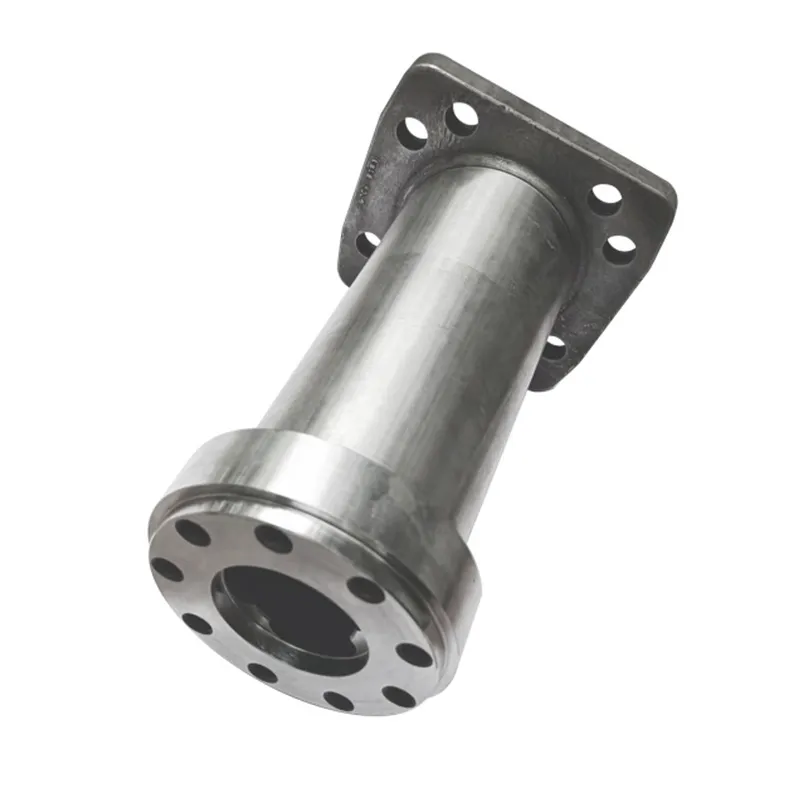
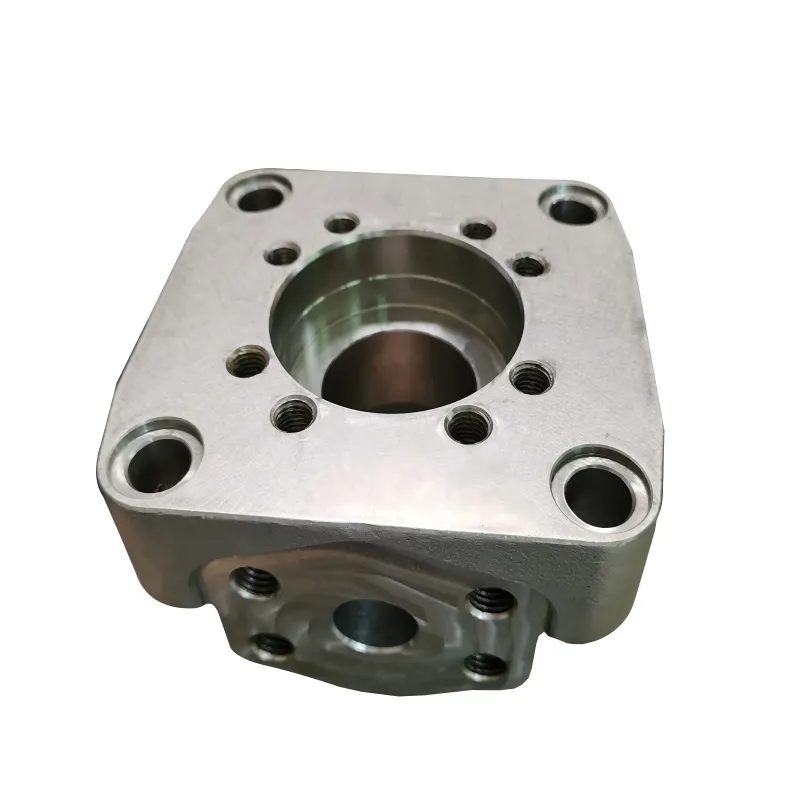
I remember a batch of valve bodies for a chemical processing client. The print just said 316 stainless. The shop, trying to save a few bucks per kilo, used standard 316 bar stock. The parts were beautifully machined, passed initial inspection. But six months later, we got pictures: fine, spider-web-like cracks emanating from every weld seam. Intergranular corrosion. The client was, understandably, furious. That's when you learn to ask, immediately: Is this going to be welded? What's the service environment? If the answer is yes to welding, you push for the L grade. No debate.
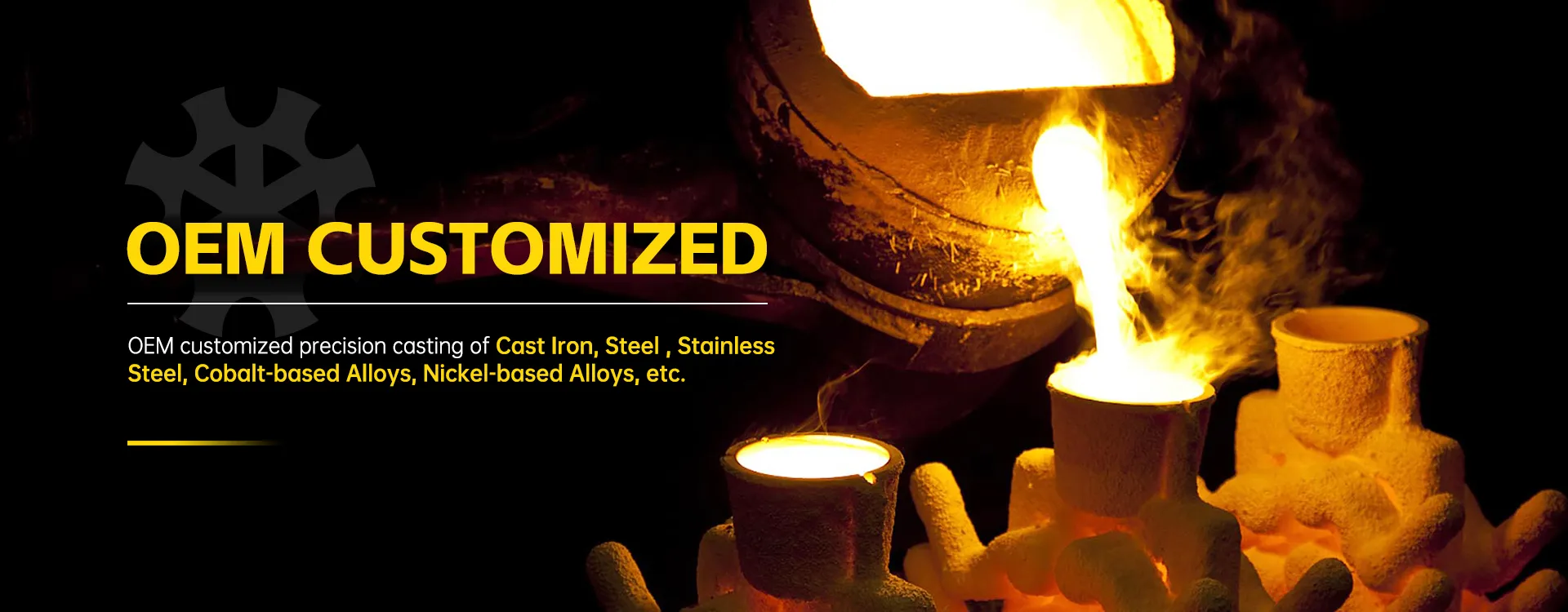
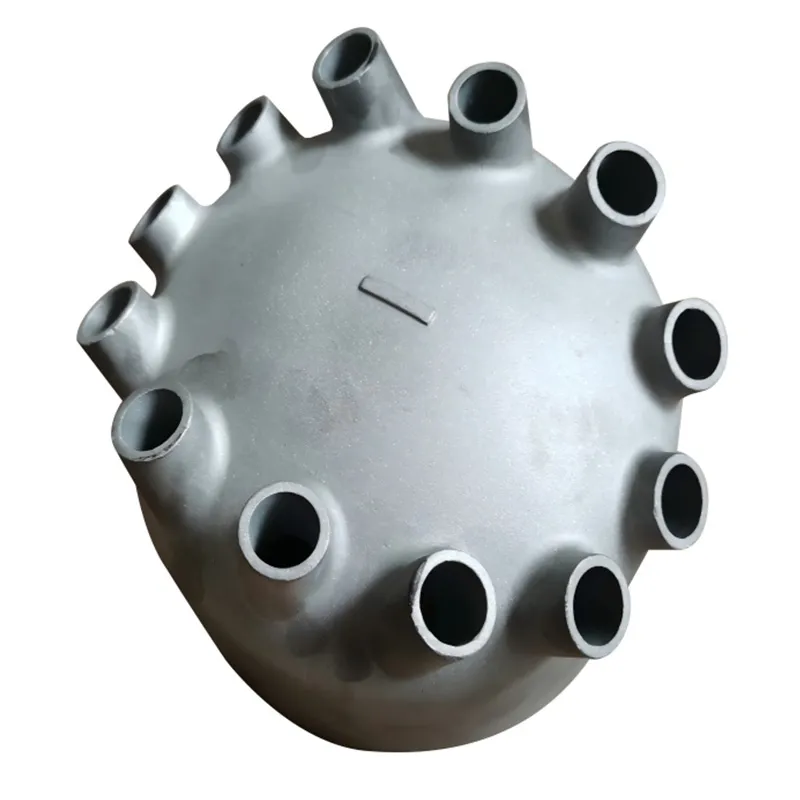
This is why a supplier's material traceability matters. A company like QINGDAO QIANGSENYUAN TECHNOLOGY CO.,LTD. (QSY), with their three decades in casting and machining, would get this. When you're doing investment casting or CNC machining components that will be part of a larger welded assembly, starting with the low-carbon grade isn't an option—it's the only sane choice. Their experience with special alloys likely means they've seen the consequences of material missteps firsthand.
Machinability and Formability: The Shop Floor Reality
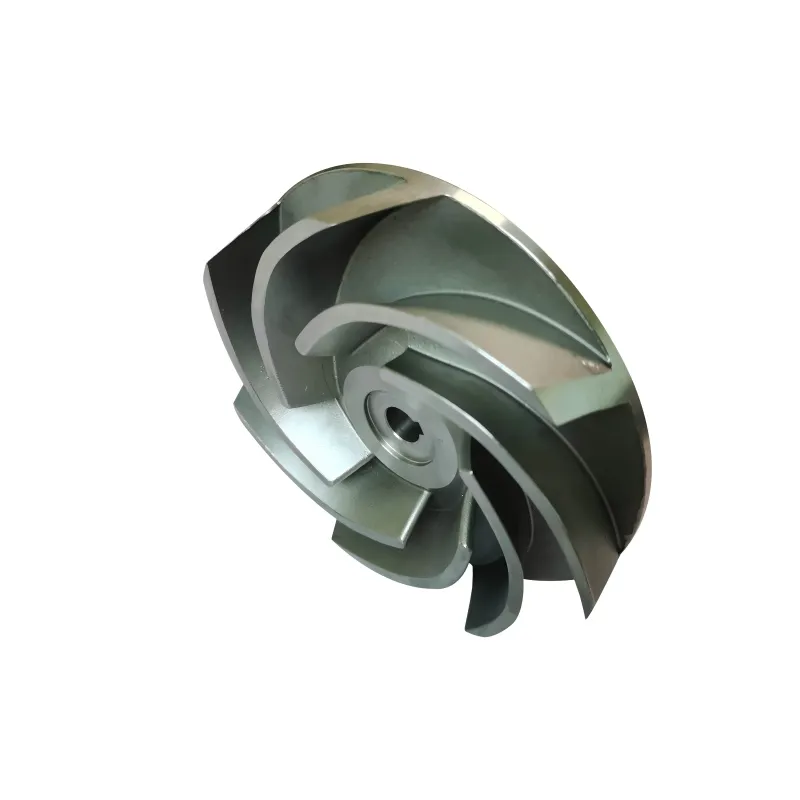
Let's talk about cutting and shaping. Neither 316 nor 316L is a machinist's dream—they're gummy, they work-harden like crazy if you're not careful. But between the two, I'd give a slight edge to 316L for machining stability in complex parts. The lower carbon seems to result in a slightly more consistent chip break, less tendency to built-up edge on the tool, especially in continuous operations like turning the profiles for pump impellers.
For forming or forging, 316L is generally more forgiving. Its lower yield strength and higher ductility at the start make it easier to push into intricate shell mold casting patterns without springback issues. We once had to deep-draw some thin-walled cups from 316 sheet. The first run with standard 316 resulted in a 30% scrap rate from micro-cracks at the drawn radius. Switched to 316L, and the issue virtually disappeared. The material just flowed better.
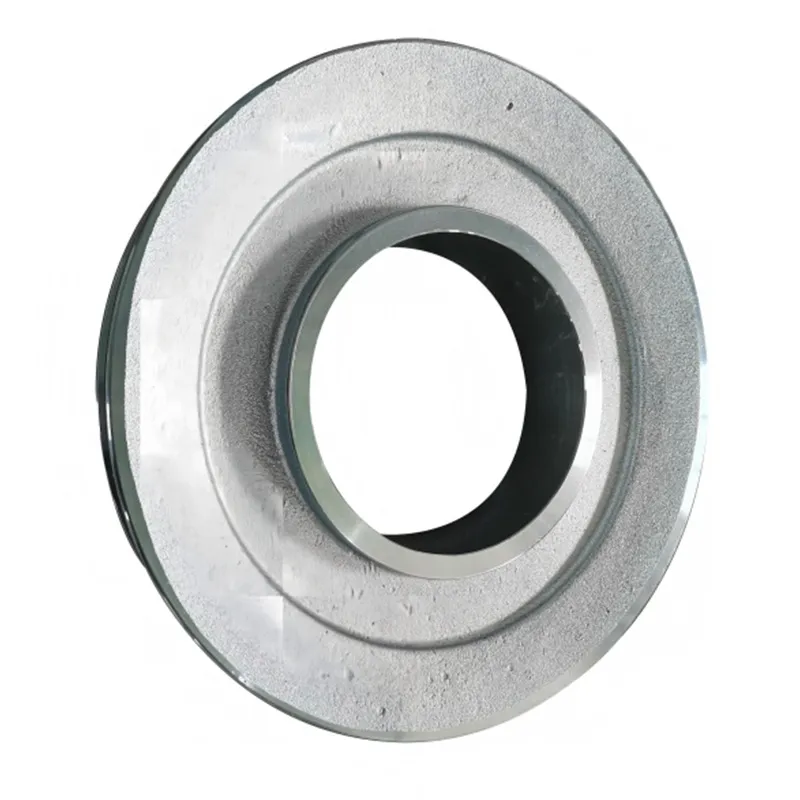
This is a critical point for fabricators. If you're sourcing pre-formed castings or machined blanks, specifying the correct grade for the manufacturing process is half the battle. A partner who understands the process, like what you'd find at tsingtaocnc.com, isn't just selling you metal; they're applying their CNC machining and casting knowledge to select the grade that will behave predictably under their tools and molds, saving everyone headaches down the line.
The Corrosion Myth and the Molybdenum Truth
A common myth is that 316L is more corrosion resistant than 316. Not exactly. Their base resistance, provided by that 2-3% molybdenum and the chromium-nickel matrix, is identical in the annealed, non-welded state. The molybdenum is the key—it's what bumps the resistance to pitting and crevice corrosion in chloride environments over 304. The L grade's advantage is solely in preserving that inherent resistance after thermal cycles like welding.
But here's a nuance: in highly oxidizing acids (like nitric), the story can flip. There's some data and anecdotal evidence from old hands that standard 316 can sometimes perform marginally better in these specific, non-chloride environments. Something about the passive film stability. I haven't bet a project on it, but it's a reminder that material science is rarely absolute. You have to know the exact enemy the part is facing.
For standard marine, chemical, or food processing applications—where chlorides, organic acids, or sterilizing solutions are present—the welded superiority of 316L stainless steel makes it the default. It's the safer, more versatile choice for fabricated equipment. When I look at the material portfolio of a specialist like QSY, which includes these steels and nickel-based alloys for even harsher duties, it signals they're used to dealing with these nuanced, application-driven specifications, not just moving generic metal stock.
Cost and Sourcing: The Practical Calculus
Yes, 316L typically carries a small premium. But that cost analysis is naive if it stops at the raw material invoice. You have to factor in the total cost of fabrication and lifecycle. If using standard 316 means you must anneal the welds to dissolve the carbides (an extra, costly, and often distorting step), or you risk field failures, the math changes instantly. The L grade often eliminates that post-weld heat treatment need.
Sourcing is another thing. With the global push for standardized, weldable structural stainless, 316L is often more readily available in a wider range of forms—plate, pipe, fittings, castings—than standard 316. Trying to find a specific size in true 316 bar stock for a machining job can sometimes take weeks longer than finding its 316L counterpart.
This availability feeds into reliable supply chains for manufacturers. A long-standing operation, such as Qingdao Qiangsenyuan Technology Co., Ltd., which emphasizes materials like stainless steel and special alloys, likely has established channels for the right grades. Their 30-year history suggests they've built relationships to source not just metal, but the correct metal for the job, which is often the harder task.
Application Judgment: When to Use Which
So, a simple rule of thumb: if it will be welded and face a corrosive service, use 316L stainless steel. Full stop. This covers 90% of the industrial applications—piping systems, pressure vessels, food processing machinery, marine fittings, pharmaceutical tanks. The extra confidence is worth the minor cost difference.
When might you consider standard 316? For non-welded components, or applications where high-temperature strength (above about 800°F) is a primary concern, as the slightly higher carbon can offer better creep strength. Think of certain furnace parts, non-welded shafts, or some fasteners. But even then, you're trading a potential high-temperature benefit for a guaranteed weldability penalty. It's a niche choice.
Ultimately, it comes down to informed specification. It's not about one grade being better, but about one being more appropriate. The goal is to match the material's inherent properties to the manufacturing process and the end-use abuse. That's the kind of practical judgment that separates a parts supplier from a true manufacturing partner. It's the difference between just making a shape and delivering a component that performs, and lasts, in the real world.