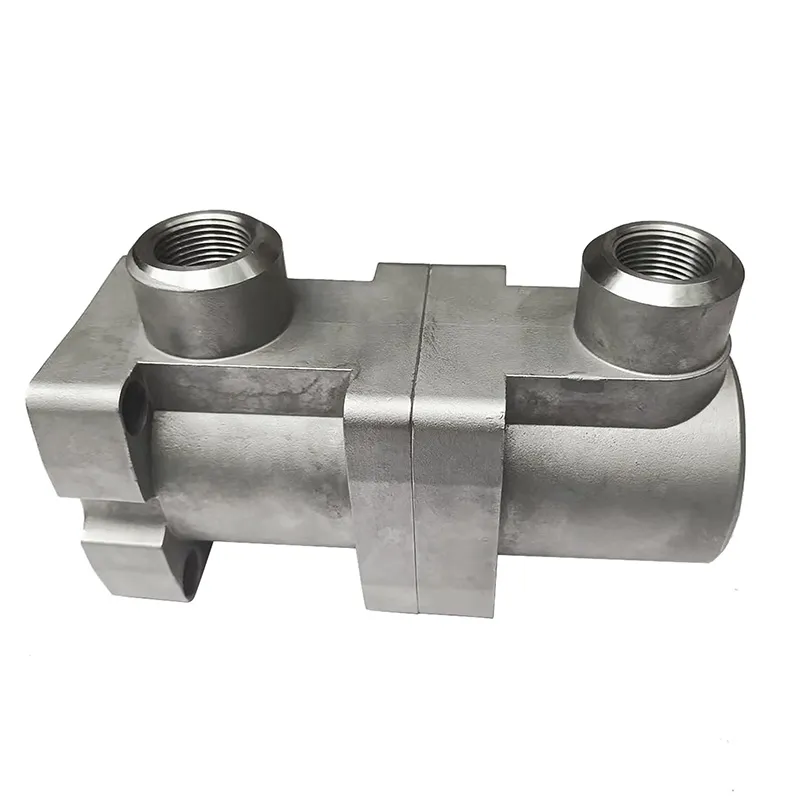
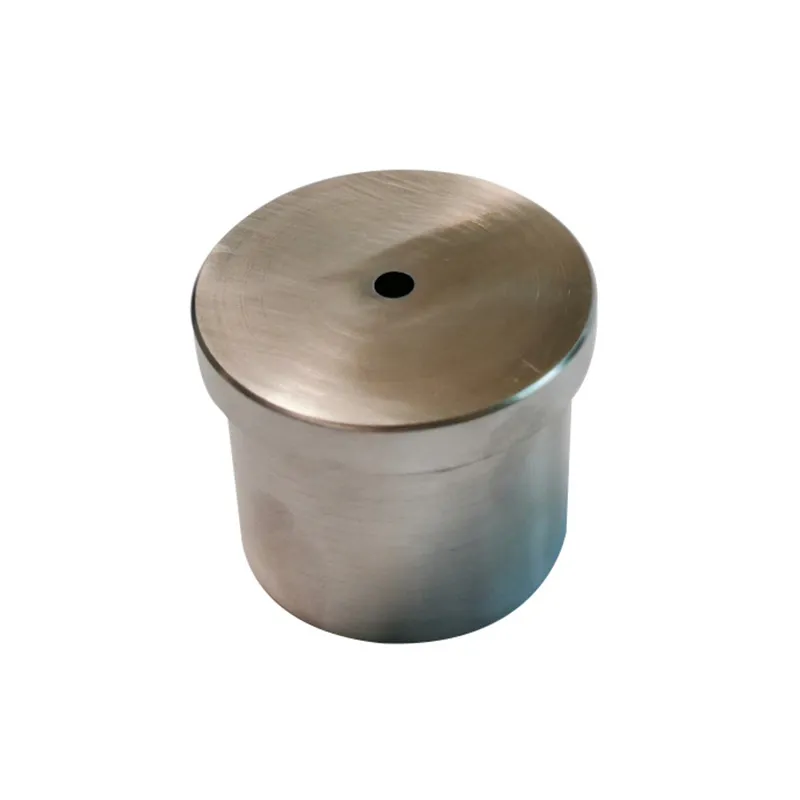
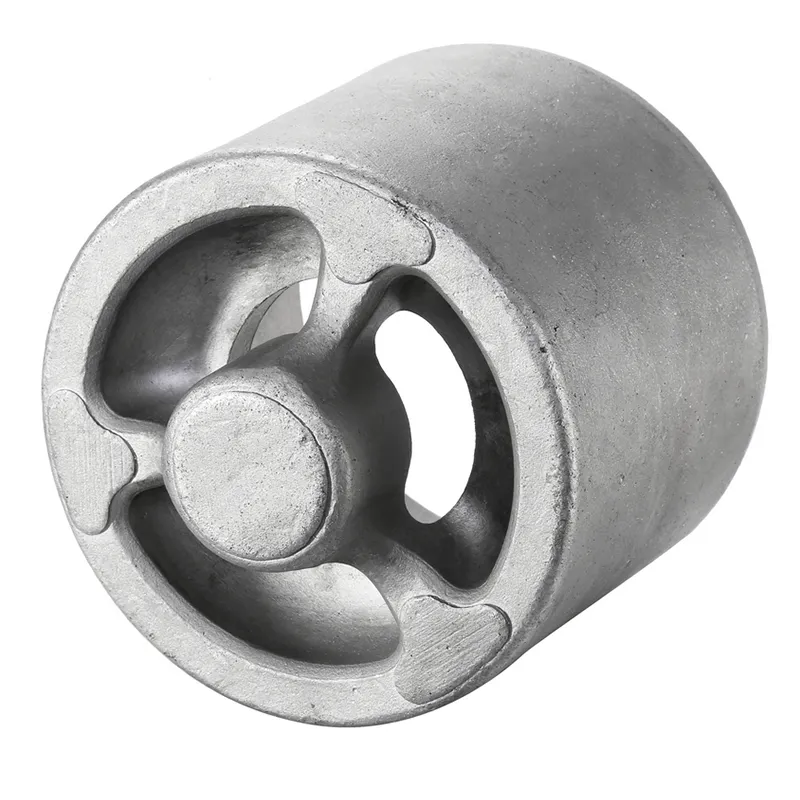
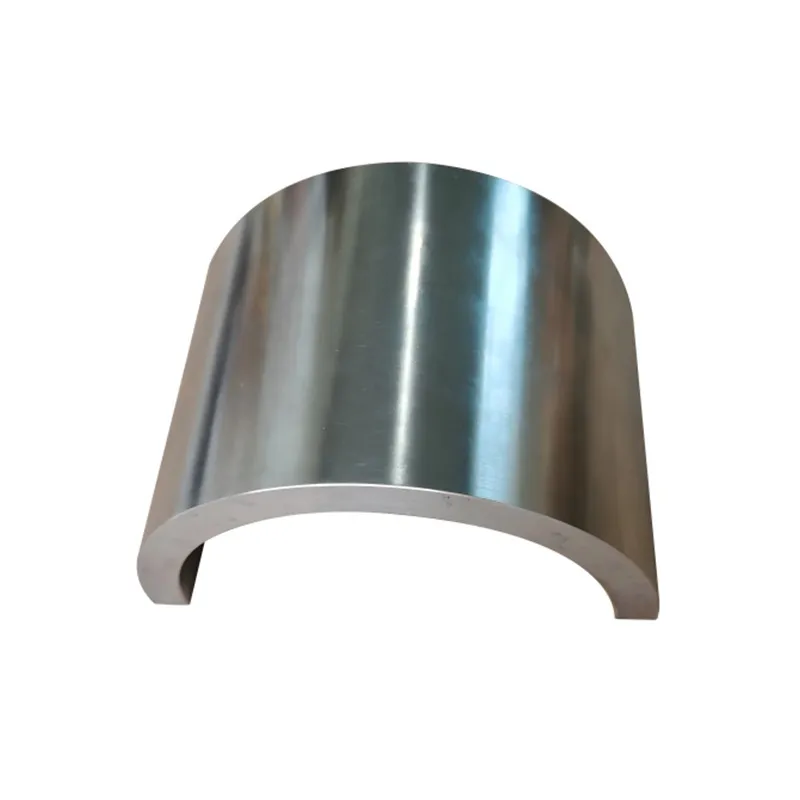
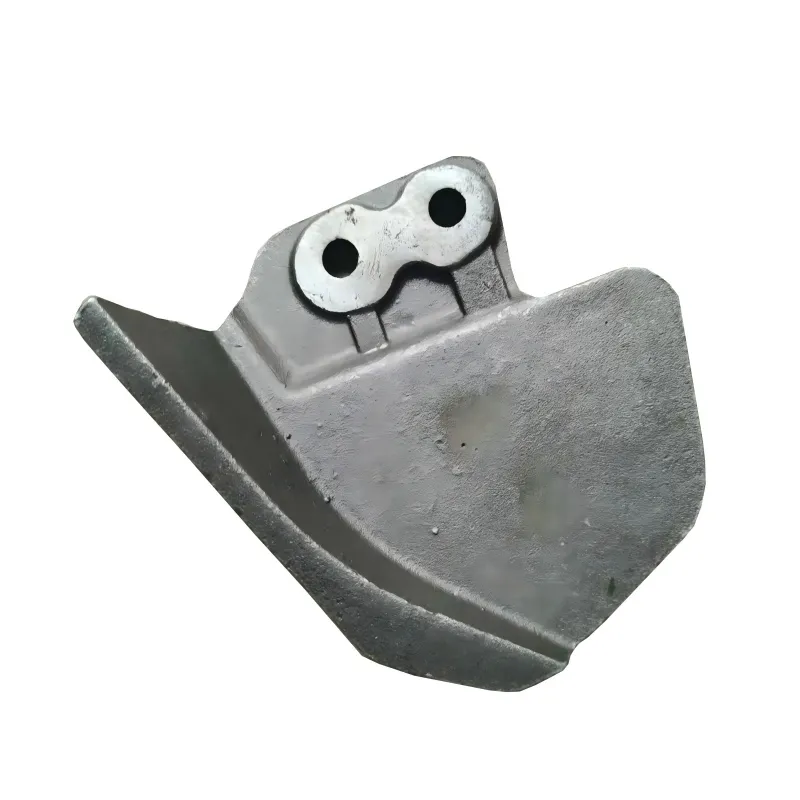
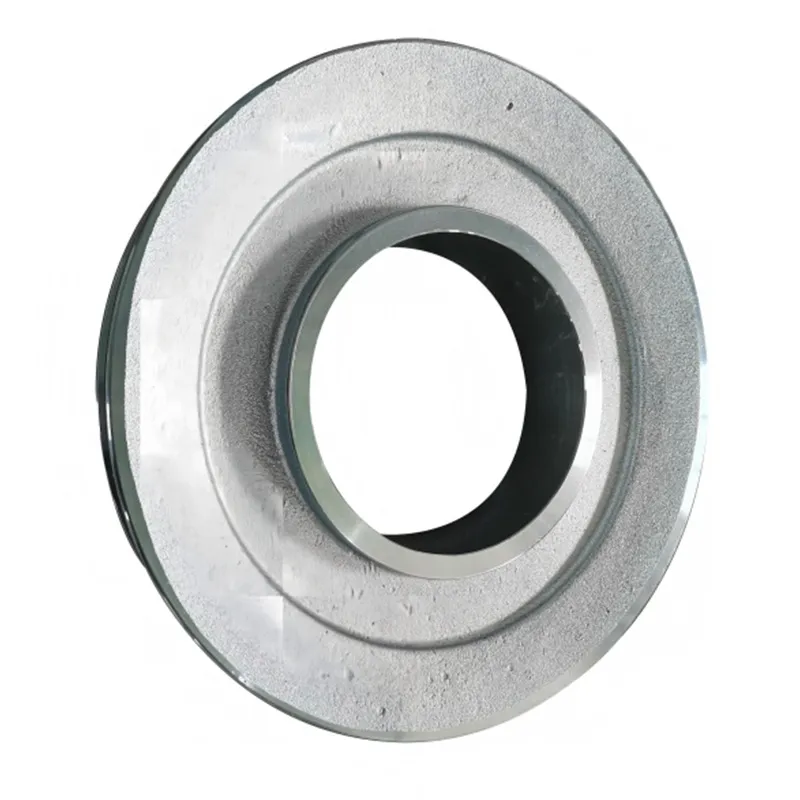
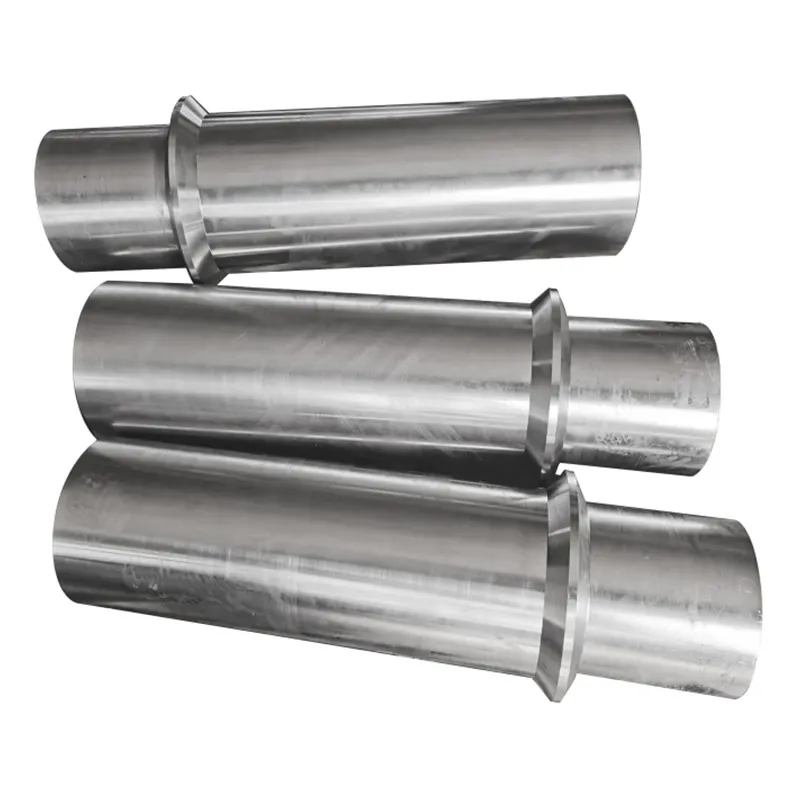
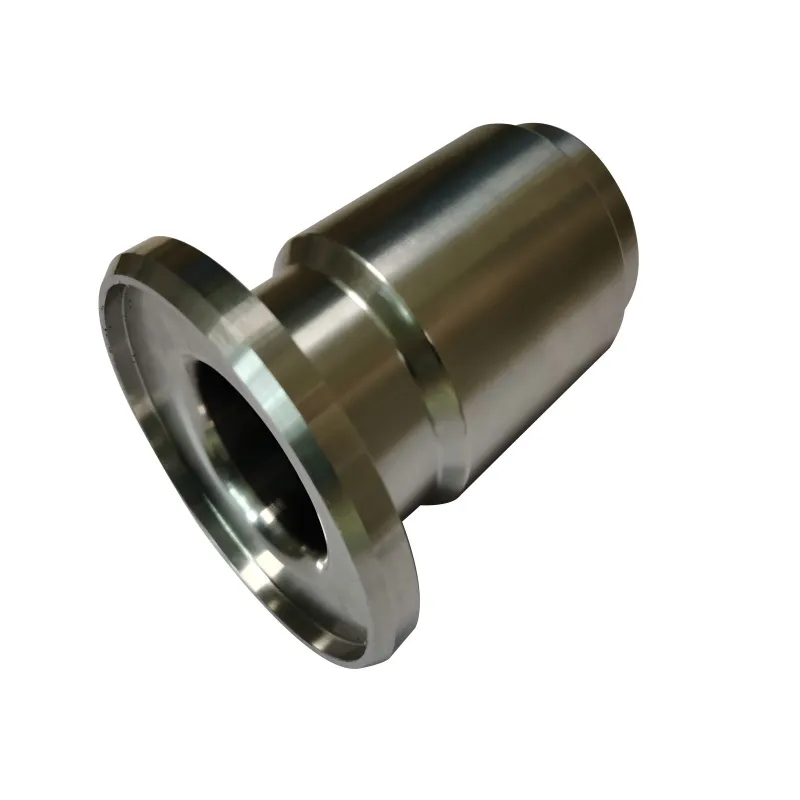
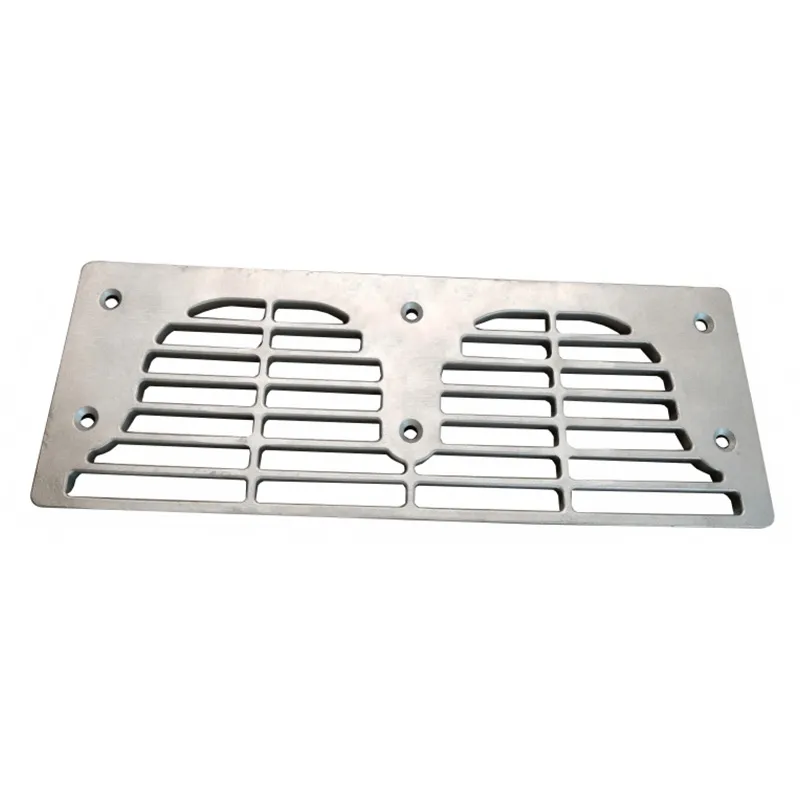
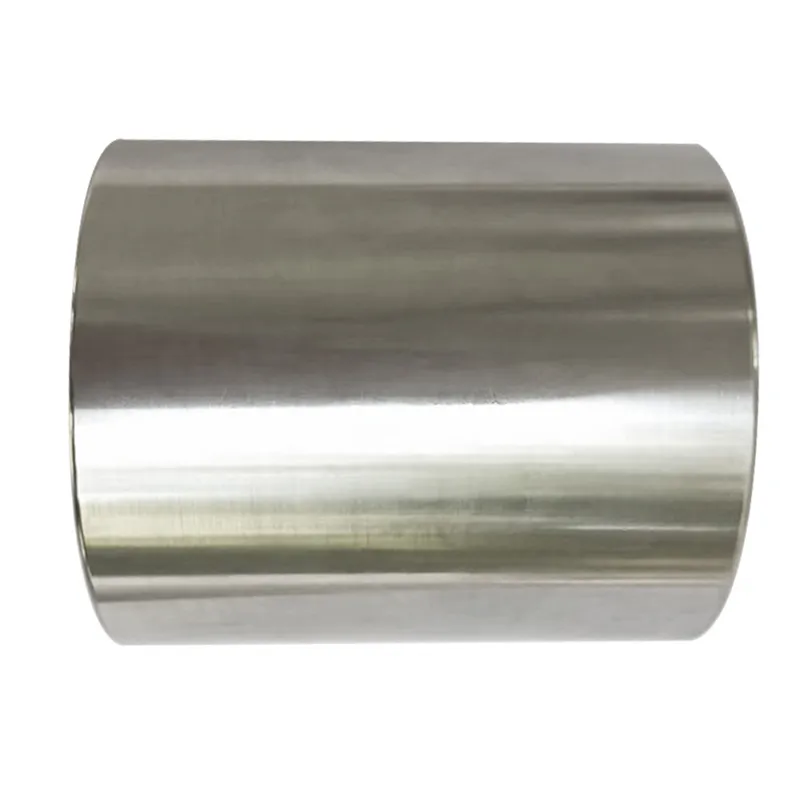
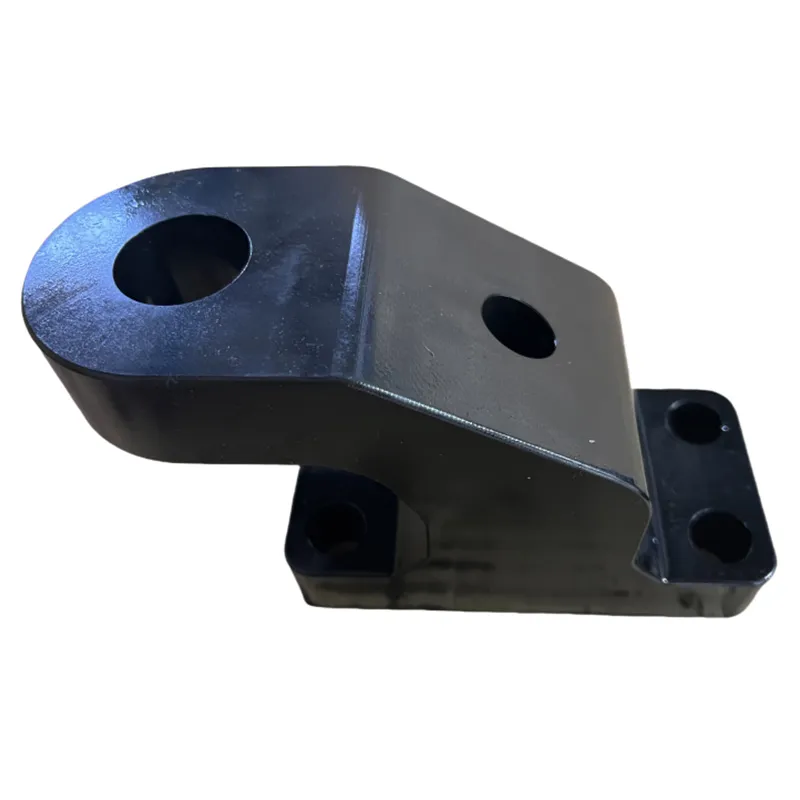
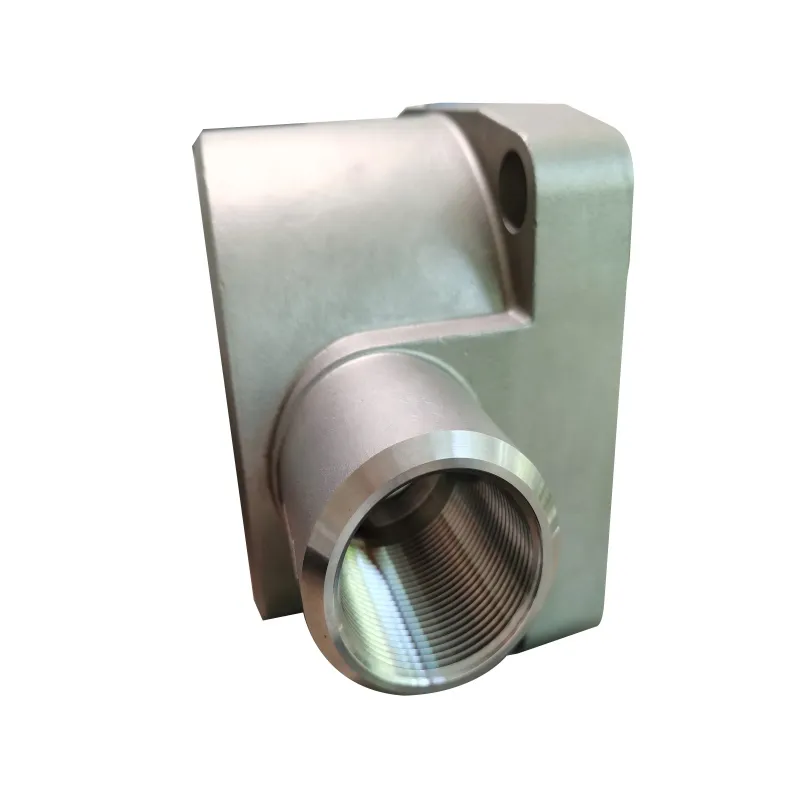
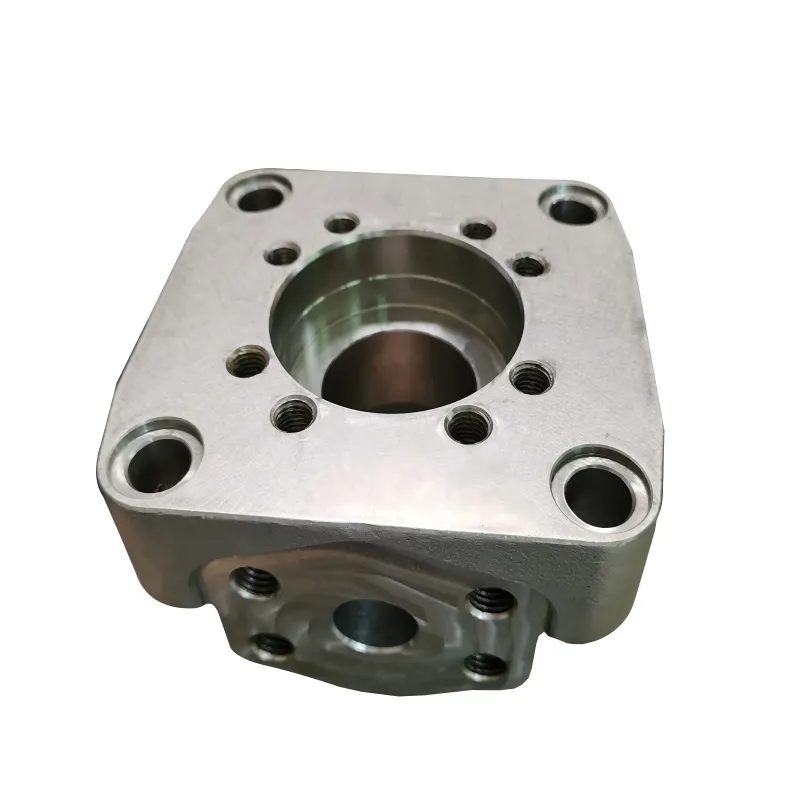
When you say '410 stainless steel', a lot of folks, even some buyers, immediately think 'stainless, good for everything'. That's the first trap. It's martensitic, which means it hardens with heat treatment, unlike the more common 304. It's magnetic, it can rust if you push it, and its weldability is a whole different conversation. I've seen too many drawings where it's spec'd just because it's a cheaper stainless option, without considering the service environment or the post-processing needed. It's not a drop-in replacement for 304 or 316. Getting that wrong leads to parts failing in corrosive atmospheres or cracking during fabrication. The real knowledge isn't in the data sheet's composition chart (11.5-13.5% Cr, right?), but in knowing when to use it, how to machine it, and crucially, how to heat treat it for the job.
Material Characteristics and Common Misapplications
The core appeal of 410 stainless steel is its combination of moderate corrosion resistance, decent mechanical properties after hardening, and relatively low cost. That 'moderate' is the key. In a mild atmospheric or fresh water setting, it's fine. But throw in chlorides, acids, or even just persistent moisture with contaminants, and you'll see surface rust. It's not a marine grade. I recall a batch of fasteners for a coastal utility structure that specified 410 to save cost. They showed significant brown staining within six months. The client was upset, but the spec was wrong for the environment. We had to switch to 316 for the replacement.
Where it shines is in applications needing hardness and wear resistance. Think pump shafts, valve components, cutlery, or turbine blades. But here's the catch: that hardness comes from heat treatment. In the annealed condition, it's quite machinable. Once you harden it to, say, HRC 40-45, machining becomes a specialist job. You need the right tools, speeds, and feeds. If you're sourcing a part, you need to be crystal clear with your supplier about the final condition required. Do you want it supplied annealed for you to machine and treat? Or do you need it fully hardened and ground? This communication gap causes more delays than anything.
This is where a foundry and machine shop with deep material experience is critical. A company like Qingdao Qiangsenyuan Technology Co., Ltd. (QSY), with their 30 years in casting and machining, would typically handle this flow seamlessly. They'd cast the part using their shell or investment process, then proceed with the necessary annealing, rough machining, heat treatment (quenching and tempering to the specified hardness), and final precision CNC machining or grinding. Trying to split these stages between multiple vendors who aren't aligned on the material's behavior is asking for trouble with dimensional stability or cracking.
The Heat Treatment Dance: Getting It Right and Where It Goes Wrong
Heat treating 410 is its own art. The standard cycle involves austenitizing around 980-1010°C, oil quenching, and then tempering. The tempering temperature dictates the final hardness and toughness balance. Lower tempering (around 200-400°C) gives higher hardness but lower impact resistance. Go higher (600-700°C), and you get better toughness but lower hardness. You have to match this to the part's function.
A practical headache is distortion. Especially with complex cast or machined parts, quenching introduces stress and warpage. For a precision component like a shaft or a valve seat, this can be catastrophic. We once had a run of investment cast valve discs that came out of heat treat with runout beyond salvageable limits. The solution? Sometimes it's about fixturing during quench, sometimes it's about stress-relieving intermediate stages during rough machining, and sometimes you have to budget for a hard grinding operation post-heat treat to bring back the geometry. It's never just 'send it for hardening'.
Another subtle point is the cooling rate during casting itself. For investment cast components, the as-cast structure can affect how evenly it responds to subsequent heat treatment. A foundry that understands this will control their process parameters to produce a more uniform grain structure, giving more predictable results downstream. This isn't textbook stuff; it's accumulated process knowledge from running thousands of heats and casts.
Machining and Fabrication Notes from the Shop Floor
Machining annealed 410 is reasonably straightforward—it behaves somewhat like a low-alloy steel. Use positive rake tools, good coolant, and you're fine. The challenge is with the hardened material or even the 'half-hard' condition. Carbide tools are a must, and ceramic or CBN can be needed for high-volume production of hardened parts. The material tends to work-harden, so you need aggressive enough cuts to get under the hardened layer formed by the previous tool pass. Light, skimming cuts will just burn up your tool.
Welding is a notorious pain point with 410 stainless steel. It's considered weldable, but with major caveats. Pre-heat (around 200°C) and Post-Weld Heat Treatment (PWHT) are almost always mandatory to prevent cold cracking in the heat-affected zone (HAZ). The HAZ becomes hard and brittle if you just weld it and leave it. I've seen welded assemblies crack audibly while cooling on the shop floor. For repair welds or fabrications, using 309L filler metal is common to introduce more austenite and improve crack resistance. But honestly, if a design involves significant welding of 410, it's worth re-evaluating the material choice.
Application Realities and Sourcing Considerations
So where does 410 genuinely make sense? It's perfect for dry-running mechanical components. Bushings, gears, and fasteners in oil & gas equipment (where the environment is controlled, not the wellhead), paper mill machinery parts subject to abrasion, and food processing equipment where corrosion conditions are mild but cleanability is required. Its high strength-to-weight ratio after treatment is also a benefit.
When sourcing, you're not just buying a material, you're buying a process capability. You need a supplier who gets the entire chain. Looking at QSY's scope—shell mold casting, investment casting, CNC machining, and experience with special alloys—it indicates they're set up for this kind of vertically integrated production. For a critical rotating part made of 410, you'd want them to cast it, heat treat it under controlled conditions, and then finish machine it, all under one roof. This controls variables. Sending a cast blank out to a generic heat treater and then to a separate machine shop introduces too many handoffs where specifications can get diluted.
Cost is always a factor. 410 sits in a sweet spot between carbon steels and the higher nickel austenitic stainless steels. But the total cost must include processing. A part that requires intricate machining after hardening will be more expensive than one designed for grinding. A good engineering partner will highlight these trade-offs early.
Final Thoughts: It's a Specialist, Not a Generalist
To wrap this up, 410 stainless steel is a tremendously useful material, but it demands respect. It's not a 'stainless steel' in the colloquial, set-it-and-forget-it sense. Its behavior is fundamentally tied to its thermal history. Success with it comes from treating it as a system: design for manufacturability, specify the required condition precisely, choose a fabricator with proven metallurgical and processing chops, and never assume its corrosion resistance.
The failures I've witnessed almost always trace back to one of those links being weak—a designer treating it like 304, a purchaser shopping only on piece-part cost, or a machine shop without the right heat treatment protocols. When the chain is strong, 410 produces durable, cost-effective performance parts that last. It's a workhorse, but one that needs a skilled handler.