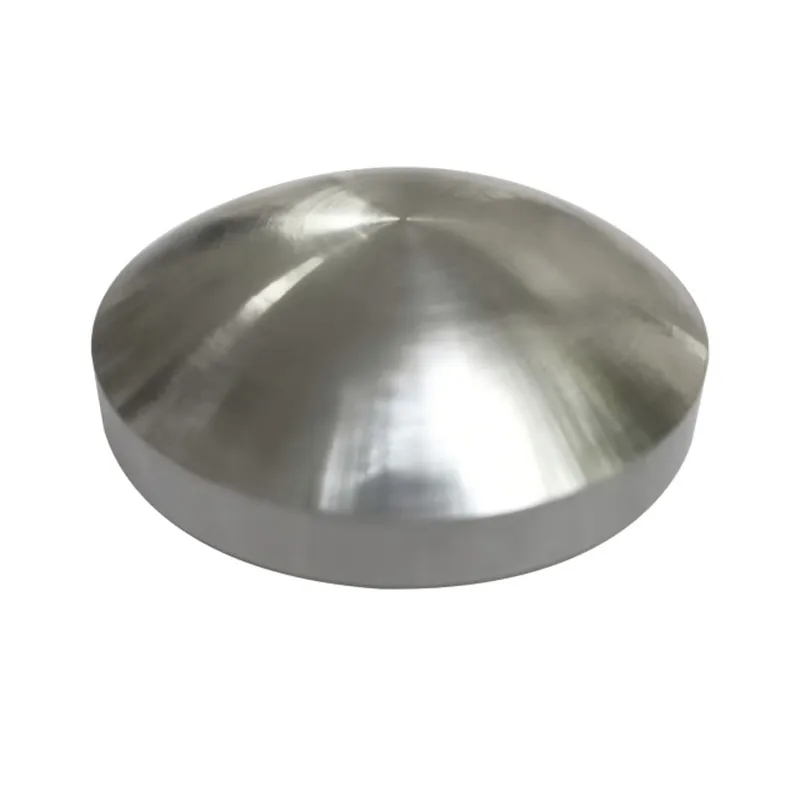
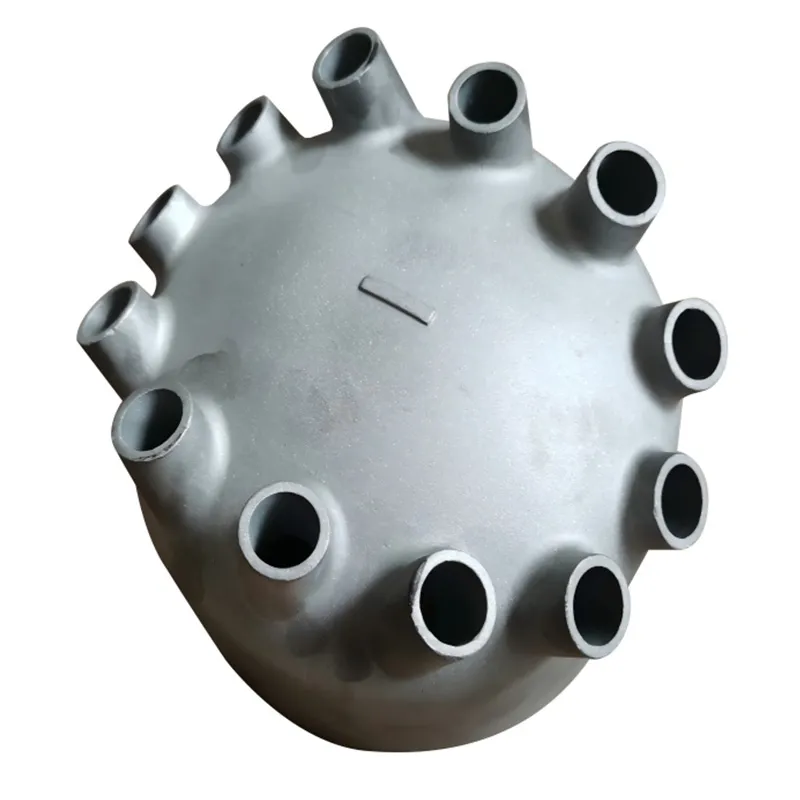
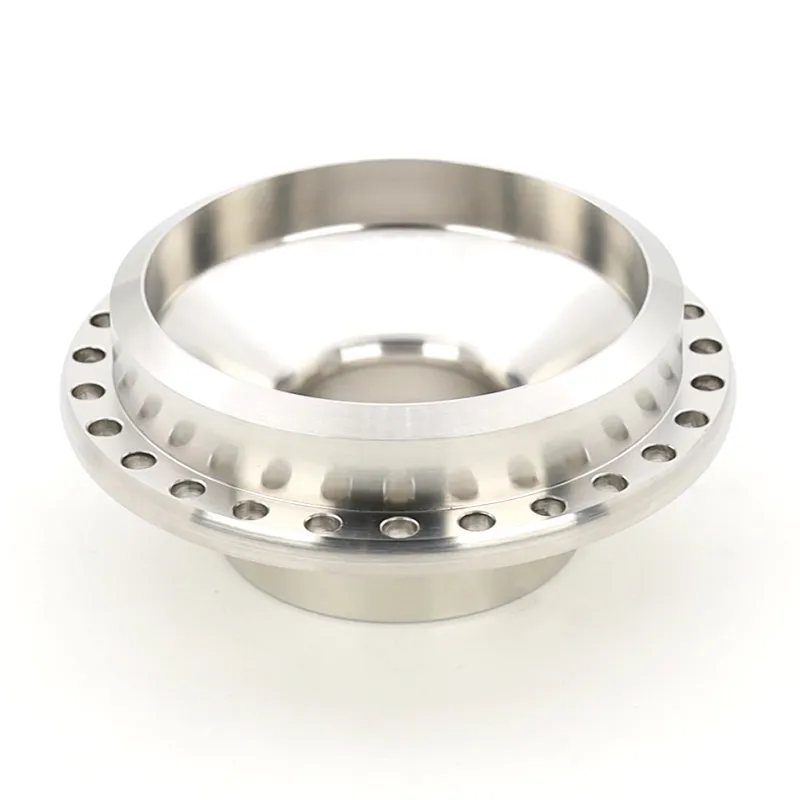
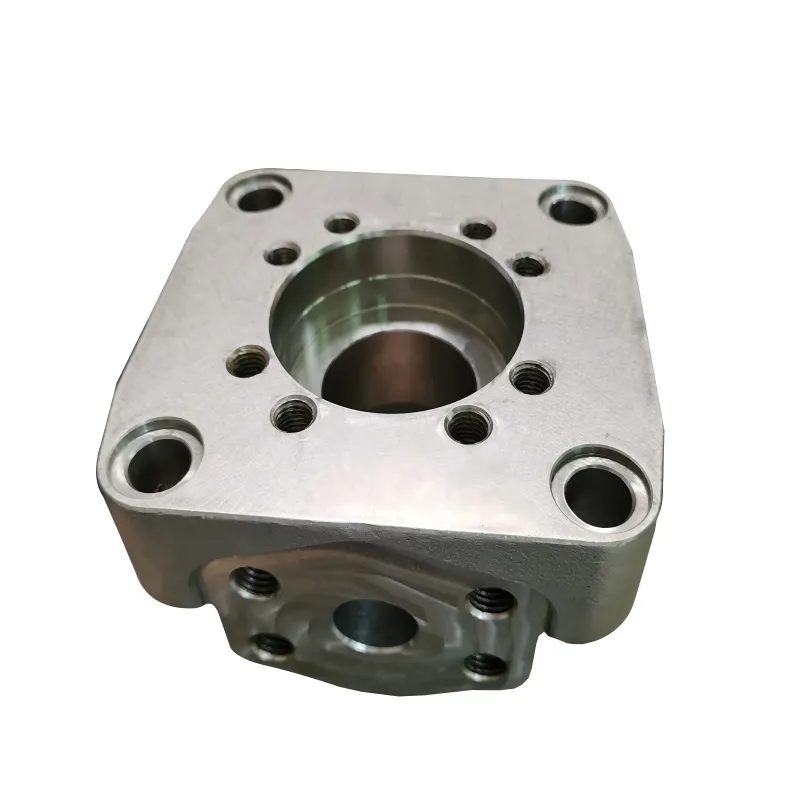
When you hear '420 stainless steel', the first thing that probably comes to mind is 'knives'. And you're not wrong, but that's also where the oversimplification starts. In the foundry and machining world, treating 420 as just a 'cutlery grade' is a quick way to run into problems. It's a martensitic stainless, which means it's hardenable, but that very characteristic is a double-edged sword. I've seen too many projects where the spec called for 420 simply because it was a known name, without a real grasp of its behavior during and after processing. The gap between its theoretical properties and the reality of transforming a casting or a bar stock into a finished part is where the actual work—and the interesting lessons—happen.
The Hardenability Reality and Machining Headaches
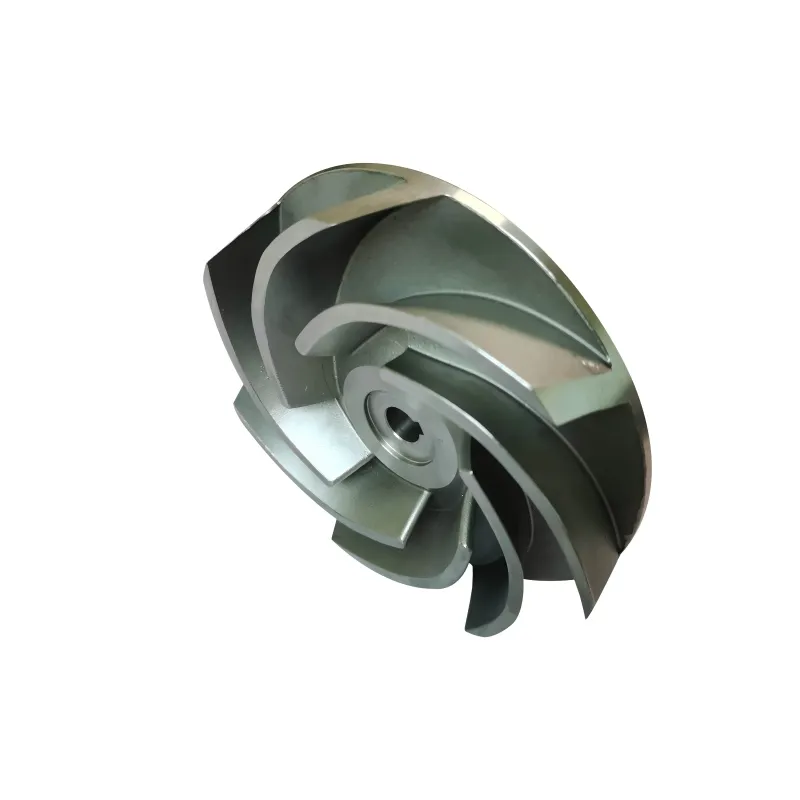
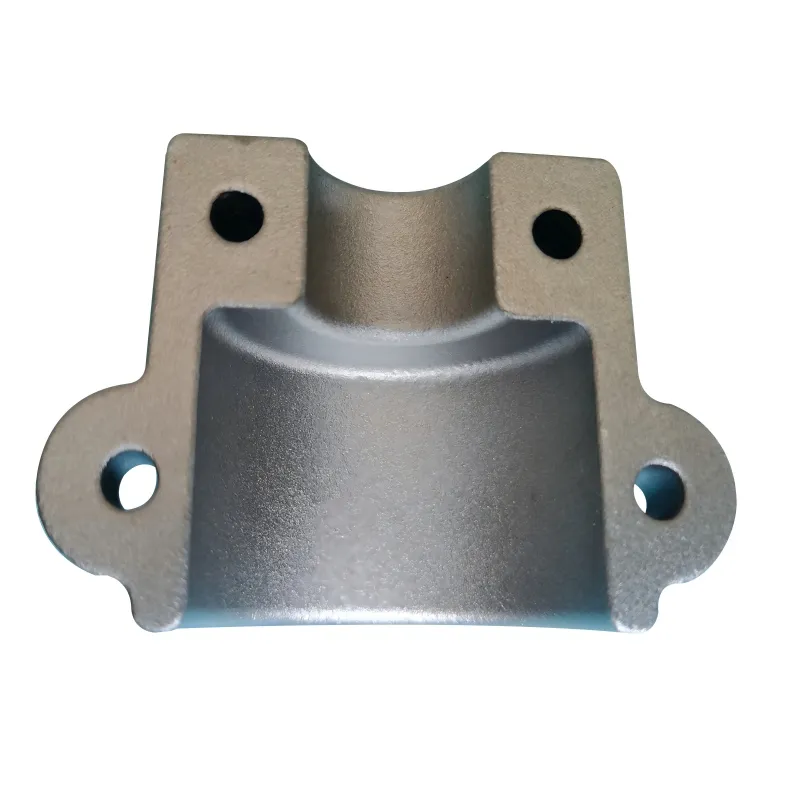
Let's talk about the core of 420: its 12-14% chromium content with enough carbon (around 0.15% min) to allow hardening. On paper, you heat treat it and get decent wear resistance and strength. In practice, especially in investment casting which my company, QINGDAO QIANGSENYUAN TECHNOLOGY CO.,LTD., specializes in, the as-cast structure is critical. If you don't manage the cooling right from the pour, you can get excessive retained austenite or uneven carbide formation. That leads to inconsistent hardness later, no matter how perfect your subsequent heat treat cycle is. We learned this early on with a batch of valve components. The spec called for HRC 48-52 after hardening and tempering. We got everything from 44 to 55 across the same batch. The culprit? Minor, almost negligible variations in the wall thickness of the castings that altered the solidification rate. The data sheet doesn't warn you about that.
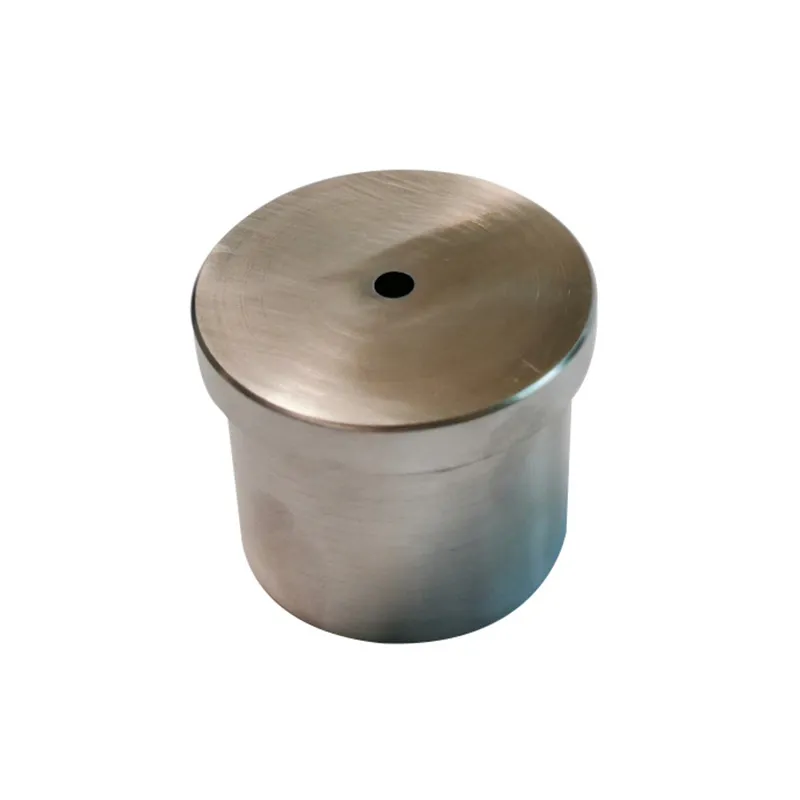
Then comes the machining. Pre-hardened 420 is abrasive. It loves to work-harden. You think you're taking a nice cut, and suddenly your tool is burning up because the material just got harder under the cutting edge. We do a lot of CNC machining in-house at our facility (you can see some of our capabilities at https://www.tsingtaocnc.com), and 420 demands respect. Tool geometry, coating, and feed rates aren't just best practices here; they're the difference between a profitable job and scrapping a whole set of expensive castings. Coolant choice and flow become a major talking point on the shop floor. It's not a 'set and forget' material like some mild steels.
I recall a project for a food processing blade. The client wanted the edge to hold a sharp finish longer. We suggested 420, but they had a tight budget and wanted minimal post-casting work. We tried to deliver the castings as close to net shape as possible to reduce machining cost. Bad move. The slight scale and surface decarb from the casting process meant the first machining pass was inconsistent, leading to chatter and poor edge quality. We ended up having to add a uniform rough machining and cleaning step before the final grind, which ate the profit but delivered the part. Lesson: with 420, sometimes you can't skip steps to save cost. The material will make you pay for it later.
Corrosion Resistance: The Stainless Misconception
This is a big one. People see 'stainless' and assume it's like 304 or 316. It's not. 420 has much lower corrosion resistance. The chromium is there primarily for hardenability, not for forming a robust passive layer. In a mildly corrosive environment, like a humid atmosphere or occasional contact with water, it's fine. But put it in constant contact with chlorides or acids, and it will spot and pit. We had a client in the marine industry who wanted 420 for a small, high-strength fastener. They were replacing a carbon steel part that rusted too quickly. The 420 part lasted longer, but within a year, it showed pitting. For their application, a 17-4 PH or even a 316 with proper hardening would have been better, but the upfront cost scared them off. We learned to have that corrosion conversation upfront, every single time, even if it means pushing back on the initial material choice.
The corrosion resistance is also heavily dependent on the surface finish. A perfectly polished 420 surface will perform much better than a rough machined or as-cast one. This ties back directly to our shell mold casting and investment casting processes. With investment casting, we can achieve a very good surface finish straight out of the mold, which provides a better starting point. With shell molding, there's often more surface cleaning required. So the choice of casting process itself can influence the final part's performance in corrosive settings, something that isn't obvious when you're just looking at a material properties table.
Post-weld or post-heat-treatment, the corrosion resistance takes another hit if you don't properly pickle and passivate. We don't just send out heat-treated parts without this step. It's an extra cost line item, but skipping it means the part might rust in transit or storage, which looks incredibly unprofessional. It's these little, non-glamorous process steps that define quality when working with grades like 420.
Working with Alloy Variations and Sourcing
420 isn't just one thing. There's 420, 420F (with added sulfur for machinability), and 420J2 variants with slightly different carbon ranges. The 420F is a dream to machine compared to standard 420, but its weldability is poor and the sulfide inclusions can be points of weakness for fatigue or corrosion. You have to match the variant to the function. For a complex, thin-walled casting that will need extensive CNC machining, we might push for 420F with the client's approval, detailing the trade-offs. For a part needing good impact toughness, we'd steer clear of the 'F' grade.
Sourcing consistent raw material is another subtle art. Over 30 years in this business, we've built relationships with mills and distributors we trust. The difference between a clean melt and a dirty one for 420 is huge for castability and final integrity. Impurities can lead to hot tearing during solidification or non-metallic inclusions that become failure points. When we procure material for a casting run, we're not just buying '420 stainless steel'; we're specifying a melt practice and requesting mill certs that we actually review. It's a level of diligence that separates a part that works from one that fails in the field.
This focus on material integrity is central to how QINGDAO QIANGSENYUAN TECHNOLOGY CO.,LTD. operates. Whether it's 420, other stainless steel grades, or the nickel-based alloys we also handle, the philosophy is the same: understand the material's soul, not just its numbers. You can find more about our approach to materials on our site, tsingtaocnc.com. It's this groundwork that allows us to tackle the tricky jobs with some confidence.
When to Choose 420 (And When to Walk Away)
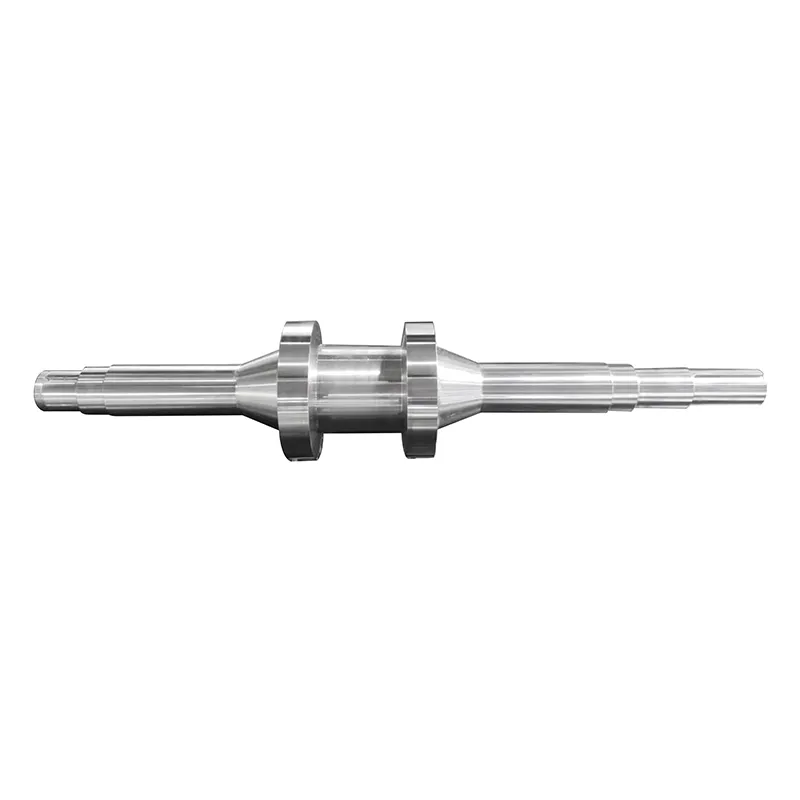
So, after all these potential headaches, why use 420 at all? Because when it fits, it's a cost-effective solution. It's excellent for parts requiring a combination of moderate corrosion resistance and high hardness/strength where the premium for grades like 440C or 17-4 PH isn't justified. Think of pump shafts, valve trim, surgical instruments (where it can be polished to a high degree), and yes, certain knives and blades that won't see harsh chemical environments. Its magnetic property is also a requirement in some applications.
The decision matrix for us usually goes like this: Does the part need to be hard? (Yes). Will it see only mild corrosion or be in a protected environment? (Yes). Is the geometry suited to controlled heat treatment to avoid distortion? (Critical). Is the budget sensitive? (Often). If most boxes are checked, 420 is a strong contender. We then have a technical discussion about casting design (uniform sections, generous radii), machining strategy, and heat treatment specs before we quote. This prevents surprises.
I've walked away from jobs specifying 420 for underwater components or parts for chemical dosing pumps. It's not a pride thing; it's about knowing the material's limits. Pushing a material into an application it's not suited for leads to callbacks, reputational damage, and unhappy clients. Sometimes, the most professional service you can offer is to say, This isn't the right material, and here's why.
The Heat Treatment Dance
You can't talk about 420 without diving deep into heat treatment. It's the make-or-break step. Austenitizing temperature, quench medium (oil is standard), and tempering cycle are not recipes you pull from a book. They are starting points. The exact parameters shift based on the part's mass, section thickness, and even the prior machining history. For instance, a part with heavy machining stresses needs a stress relief before the harden and temper, or it can warp dramatically.
We do our heat treatment in-house for critical jobs because we need that control. For a batch of high-precision scraper blades, we found that a double temper—something not always called for—dramatically improved dimensional stability. The first temper after quenching relieves the major stresses, but a second, slightly higher temper seems to even out the hardness and relieve more of the residual stresses from the quench itself. The result was less movement during the final micro-grinding. It's these nuances you pick up over hundreds of batches.
Monitoring is key. We track furnace temperatures with independent sensors, not just the controller readout. Quench oil temperature and agitation are controlled. It sounds basic, but I've seen shops where the quench tank is in a corner and the oil temperature swings with the seasons. You'll never get consistent results with 420 that way. The difference between a perfect, crisp part and a warped, cracked one is often just 50 degrees on the quench or 15 minutes too long in the austenitizing furnace.
In the end, 420 stainless steel is a tool. A very specific one. It demands a practitioner's understanding—respect for its quirks, knowledge of its limits, and a meticulous process to unlock its potential. It's not a material for the casual or the rushed. But when you get it right, when the casting is sound, the machining is clean, and the heat treatment spot-on, it delivers a robust, functional part that performs exactly as needed. That's the satisfaction that keeps you in this game, figuring out the dance between metal, process, and application, one batch at a time.