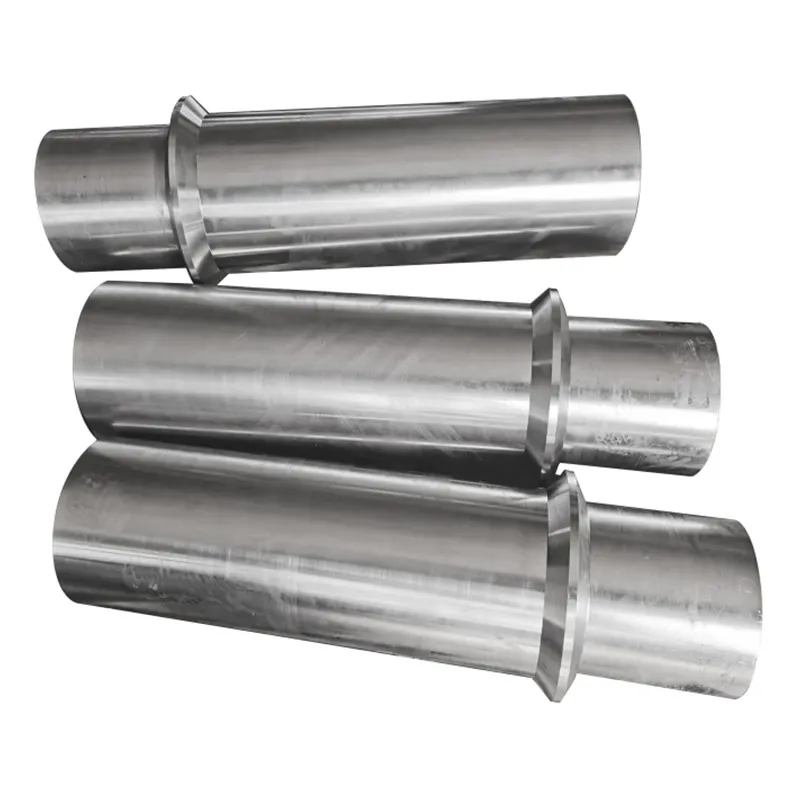
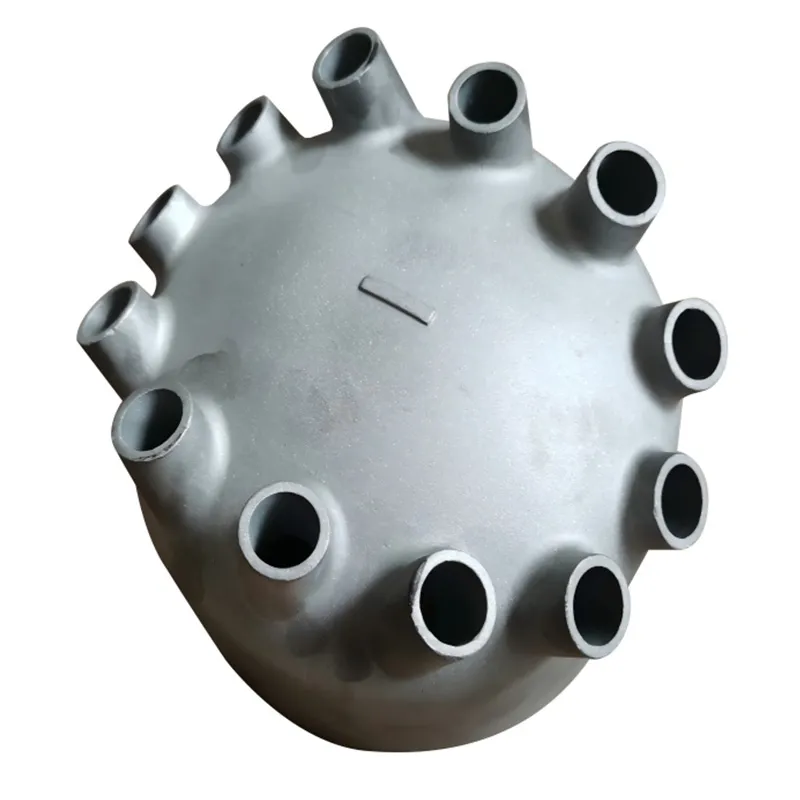
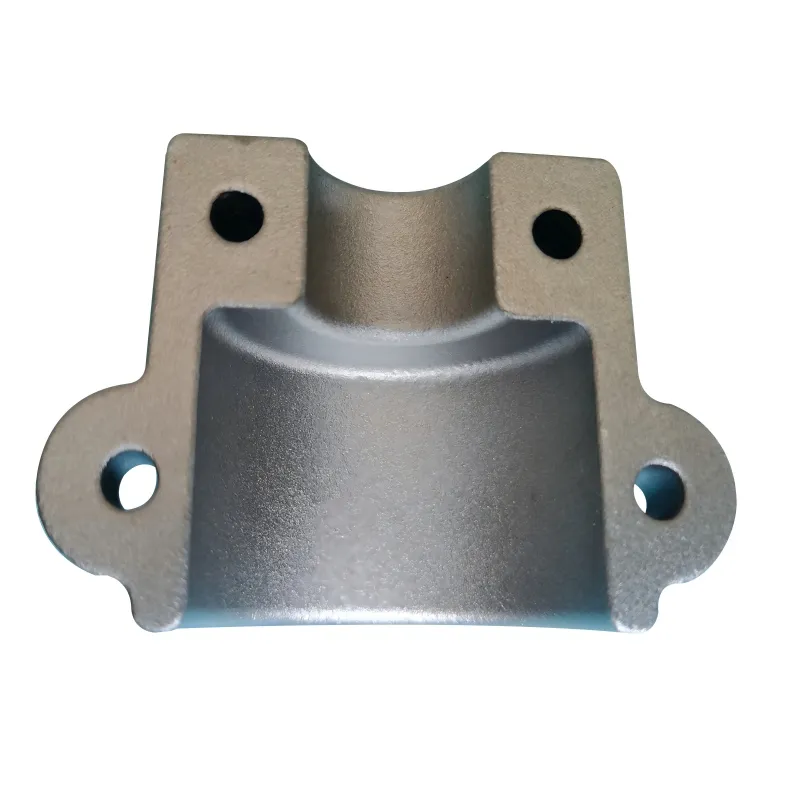
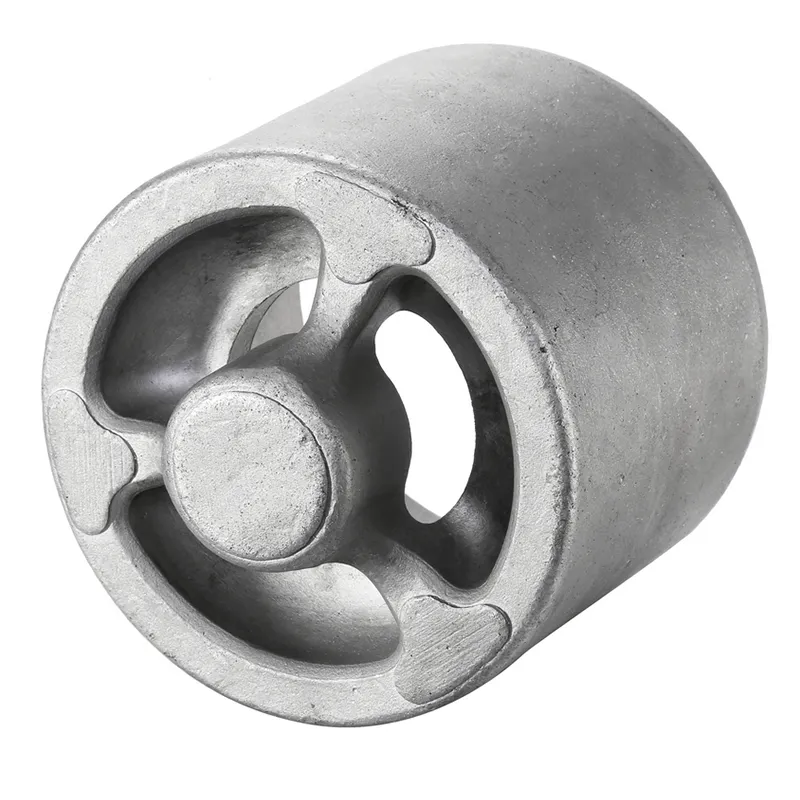
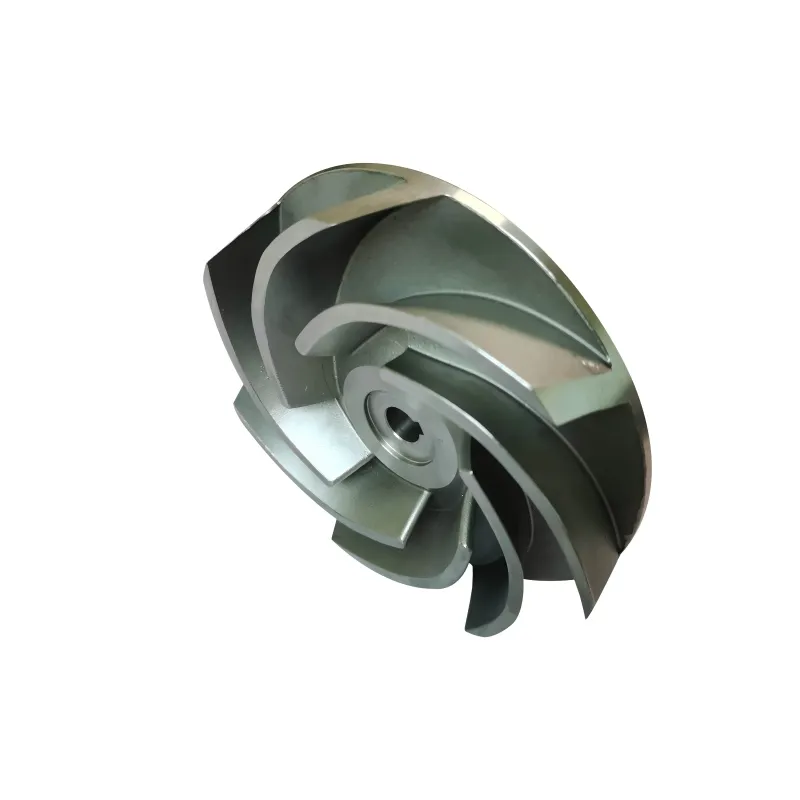
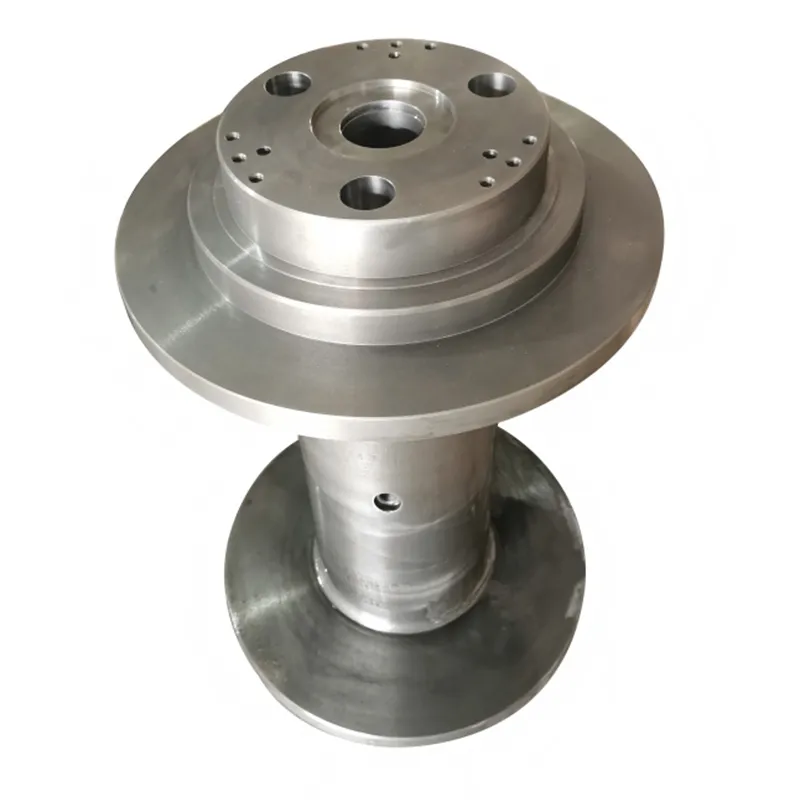
When most folks hear 'powder metallurgy', they immediately picture that classic press-and-sinter gear or bushing. It's the entry point, sure, but it's also the biggest misconception—that PM is just a cheap alternative for simple shapes. The reality, especially when you get into high-performance sectors, is a different beast entirely. It's less about replacing a machining step and more about creating a material structure you simply can't get from a melt. I've seen too many designs fail because someone specified a PM part based on a textbook density chart without grasping what happens during consolidation under heat and pressure. The gap between the ideal isotropic property on the datasheet and the actual part sitting on the inspection table can be massive.
The Alloy Powder Puzzle: It Starts Before the Mold
Everyone obsesses over the pressing and sintering parameters, and rightly so. But the headaches often begin earlier, with the powder itself. We're not just talking about iron-copper-carbon pre-mixes here. When you work with special alloys, like the nickel-based or cobalt-based ones we handle alongside our casting work at QSY, the powder production method becomes critical. Gas atomization versus water atomization isn't just a cost difference; it's about oxide content, particle shape, and flowability. I recall a project for a high-temperature seal where the client insisted on a water-atomized nickel alloy powder for cost. The result? Persistent sintering issues and inconsistent density. We switched to gas-atomized, and the problem vanished. The lesson was that in powder metallurgy, the material's history is locked into those tiny particles, and you can't sinter away a bad start.
This ties back to why companies with a strong metallurgical background, like Qingdao Qiangsenyuan Technology Co., Ltd. (QSY), often have a leg up. Having operated for over 30 years in casting and machining, you develop a gut feeling for how alloys behave under thermal cycles. That intuition is transferable. When we look at a nickel-based alloy powder for a PM component, we're not just seeing a powder; we're thinking about its solidification behavior, its phase stability—knowledge honed from decades of investment casting with similar alloys. It changes the conversation from just make this shape to what microstructure are we aiming for?
Another subtle point is powder handling. It seems trivial, but moisture pickup, even in a controlled environment, can wreak havoc. For stainless steel powders, it's a killer. You might get a beautiful green part off the press, only to find blistering and discoloration after sintering. The fix is often in the logistics and storage—something that's easy to underestimate if you're coming from a traditional machining or casting background where you start with solid stock.
Where PM and Machining Collide (and Cooperate)
A pure powder metallurgy part, straight out of the sinter furnace, is often a fantasy for high-tolerance applications. That's where the synergy with CNC machining becomes non-negotiable. The mindset at a integrated manufacturer matters immensely. At our facility, the PM division and the CNC machining floor aren't siloed. The machinists know that a sintered part isn't a uniform block of steel; there might be slight density gradients, and they adjust feeds and speeds accordingly. This isn't textbook stuff; it's tribal knowledge passed on between the sintering tech and the CNC operator.
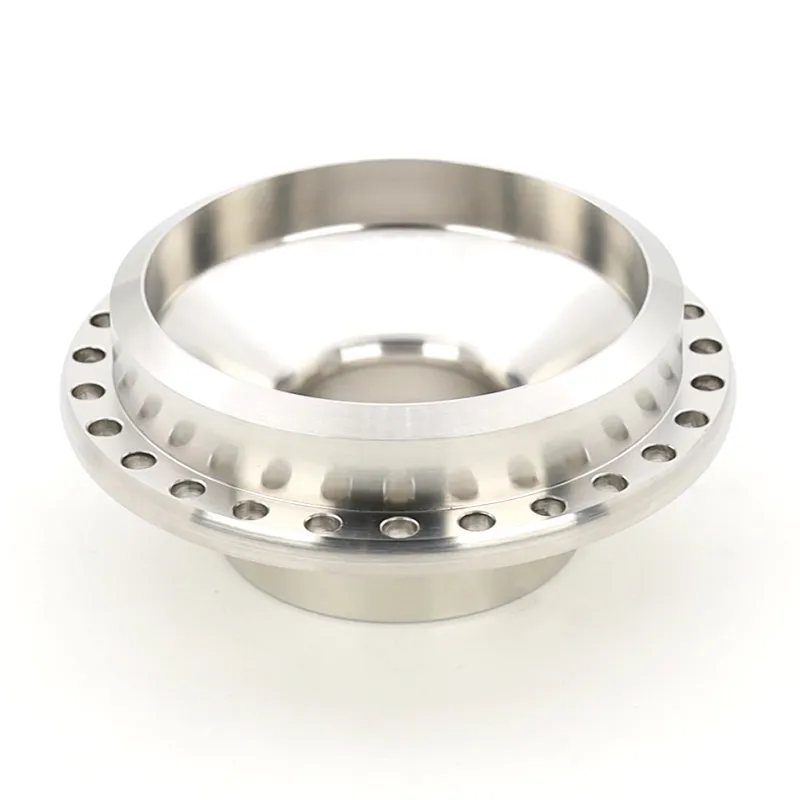
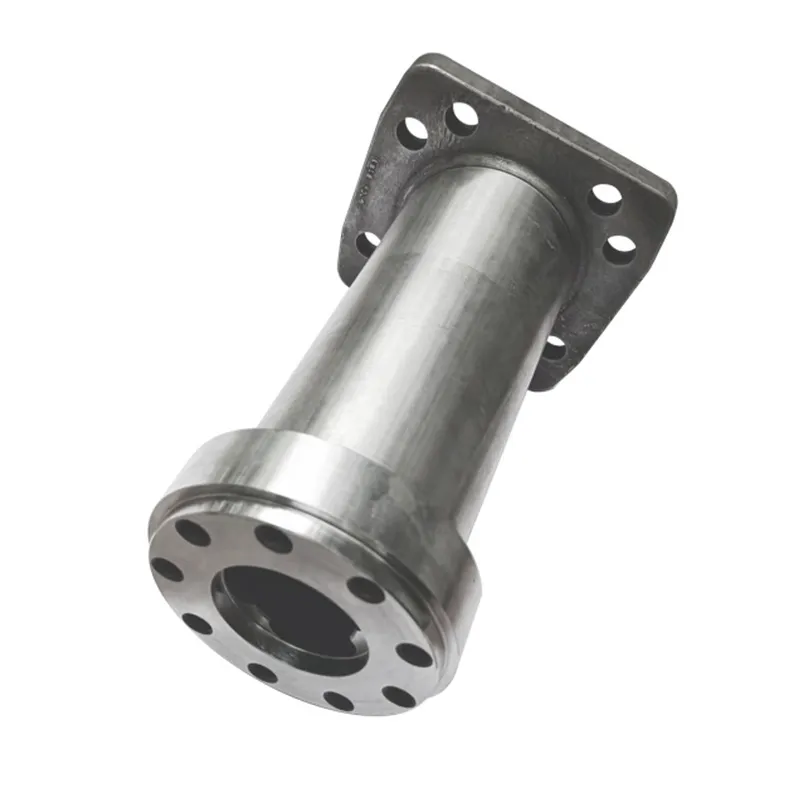
I remember a complex flanged component with internal helical gears. The gear teeth were formed via PM to near-net shape—trying to machine those from solid would have been a nightmare of waste and time. But the flange face needed a Ra 0.4 finish and tight perpendicularity. The sintering alone couldn't hit that. So, we sintered it, then clamped it on a CNC mill. The trick was in the fixturing: you can't crush a sintered part like you would a forging. We designed a soft-jaw fixture that distributed the clamping force across a broader area of the flange. A small detail, but it prevented distortion and ensured the final machined face was true. This kind of process bridge is where the real value is created.
This integrated approach is what you see at a place like QSY. Our website, https://www.tsingtaocnc.com, outlines our core services in shell mold casting, investment casting, and CNC machining. What it implies, and what we live daily, is a process-agnostic philosophy. The goal isn't to sell a PM part or a cast part; it's to deliver a functional component that meets spec, reliably. Sometimes that means a PM core with machined features. Other times, it means advising a client that for their particular load case and geometry, a shell-mold casting might be more robust than a PM version, despite the higher tooling cost. That honesty comes from having multiple tools in the box.
The Density Dilemma: It's Never Just a Number
Density is the holy grail of PM, but it's a sneaky metric. Achieving 7.4 g/cm3 on an iron-based part is one thing; ensuring that density is uniform throughout the part is another. Porosity isn't always the enemy—it's great for self-lubricating bearings—but its distribution is critical. In high-stress applications, a localized low-density zone is a crack initiation site waiting to happen.
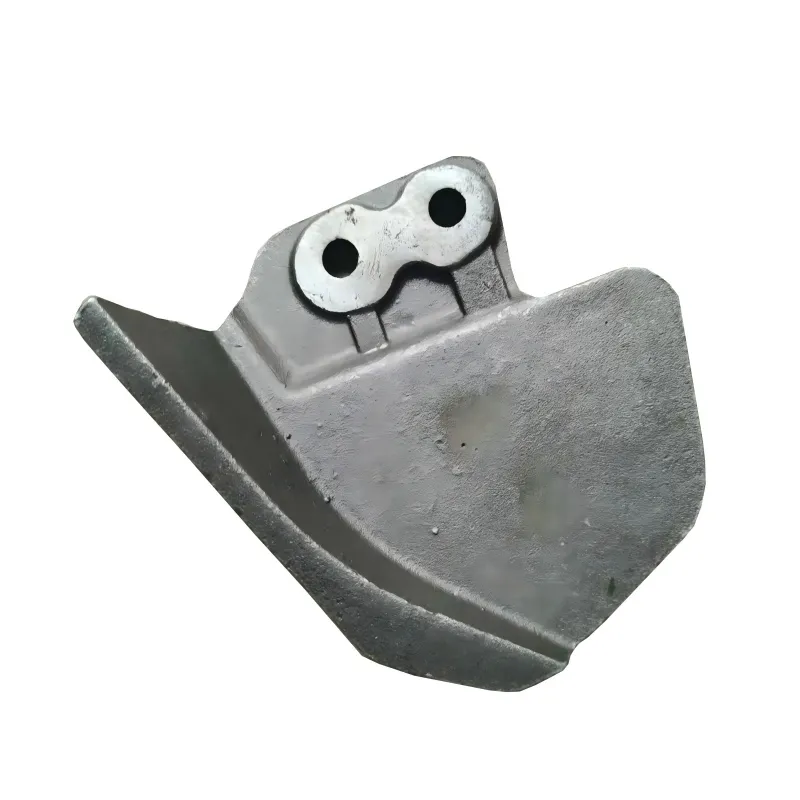
We learned this the hard way on a lever component for a hydraulic system. The part passed its average density check with flying colors. But in field testing, it kept failing at a specific pivot point. A metallographic cross-section revealed a subtle density gradient aligned with the original powder fill pattern in the die. The fix wasn't just increasing the compacting pressure globally (which risks tool wear and lamination). We had to redesign the tool with multiple lower punches to compact the powder more uniformly from multiple axes. It added cost and complexity to the tool, but it solved the problem. This is the kind of powder metallurgy nuance that separates a prototype from a production-ready component.
This is also where post-sintering operations like sizing or coining come in. They're not just for hitting a dimensional tolerance; they can work-harden the surface and close off superficial porosity. It's a secondary process that adds cost, but for parts facing wear or corrosion, it can be the difference between a one-year and a five-year service life. The decision to add that step comes down to a practical judgment call on the part's duty cycle, not just the print.
When PM Isn't the Answer: The Casting Alternative
With our deep roots in casting, we're constantly comparing the two families of processes. There's a zone where they compete, and a zone where one is clearly superior. For ultra-complex internal geometries—think cooling channels in a turbine blade—investment casting is still king. Powder metallurgy struggles with certain undercuts and very thin, deep walls in the green state before sintering.
However, for materials that are notoriously difficult to cast with a sound structure, like some high-speed tool steels or tungsten-heavy alloys, PM is a godsend. It eliminates segregation and gives a fine, uniform carbide distribution. We had a case for a wear plate in a mining application. The material was a high-chromium iron alloy. The casting version kept getting isolated shrinkage cavities. We switched to a PM route using a similar alloy composition powder, followed by a high-temperature sinter and a quick CNC grind to size. The wear life increased by over 300%. The cost per part was higher, but the total cost of ownership plummeted.
This is the core of practical manufacturing: choosing the right process map. It's not about favoring one technology you happen to own. At QSY, the fact that we have both casting and PM capabilities (along with finishing CNC) forces us to be objective. We can run the analysis without a sales bias. Sometimes, the best solution is a hybrid. We've done parts where the main body is a cost-effective shell mold casting, but a critical wear surface is a PM insert that's brazed or mechanically locked in place post-casting. It sounds messy, but it works brilliantly in the field.
The Future Isn't Just Additive
A lot of the buzz today is around metal additive manufacturing, which is, at its heart, a form of powder metallurgy. But traditional press-and-sinter and MIM (Metal Injection Molding) aren't going away. For high-volume, repeatable components, they are often more economically viable than 3D printing. The evolution I see is in the powders themselves—engineered powders with nano-scale coatings or composite structures that allow for sintering at lower temperatures to finer final microstructures.
The practical challenge on the horizon is sustainability. Powder recycling is a big deal. Not all powder can be reused, especially after certain sintering atmospheres. How you handle the waste stream—the overspray, the out-of-spec powder batches—is becoming a client concern, not just an EPA one. It's another layer of process control that gets added to the list.
So, when I think 'about powder metallurgy', I don't just think of a process. I think of a material state, a set of compromises and opportunities, and a necessary partnership with other manufacturing disciplines. It's a powerful tool, but only if you understand its language—a language spoken in density gradients, particle size distributions, and sinter curves, not just on a data sheet.