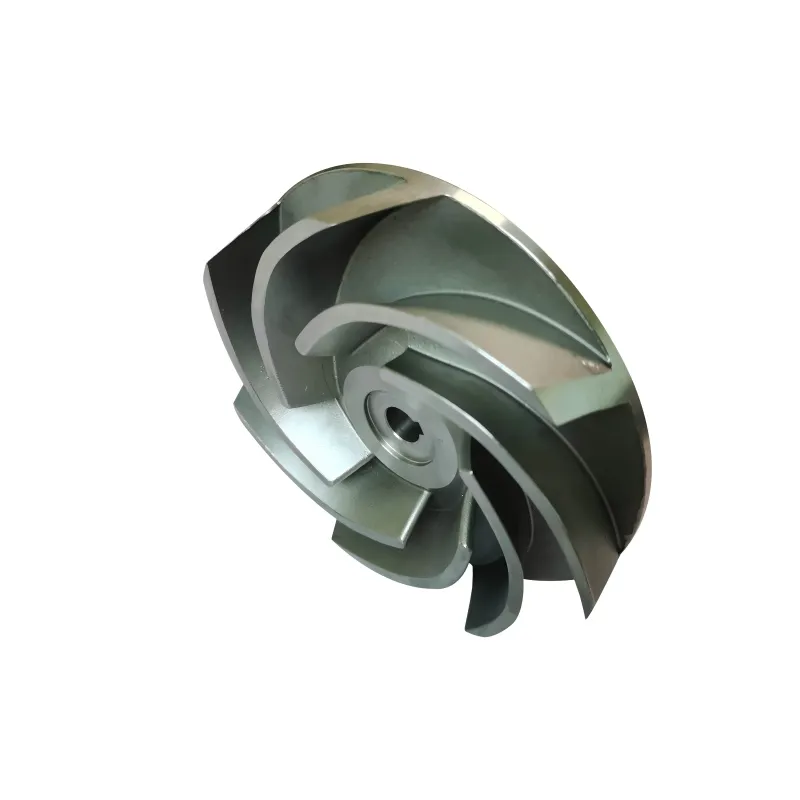
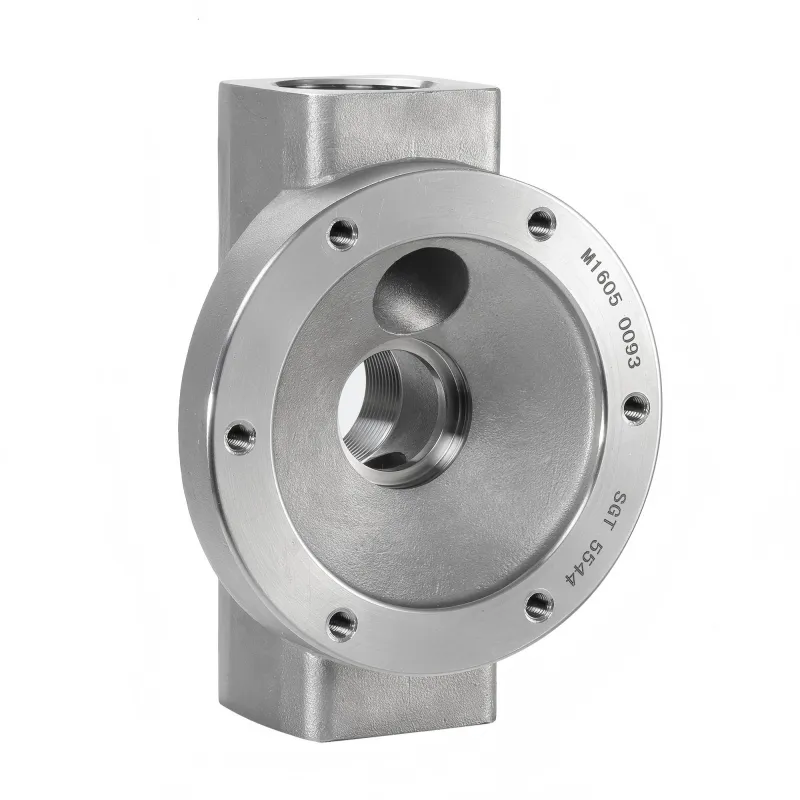
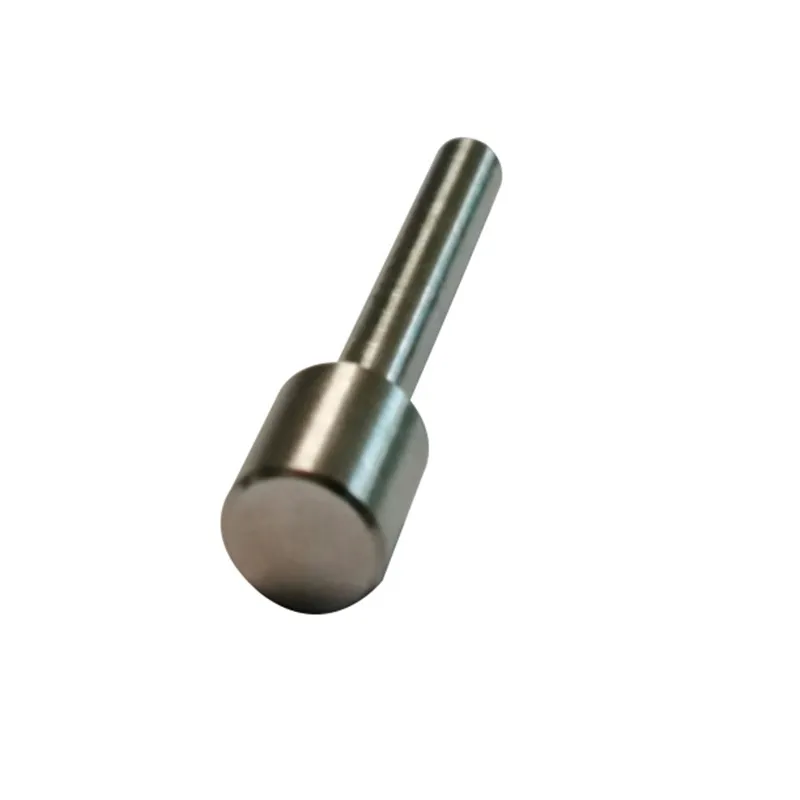
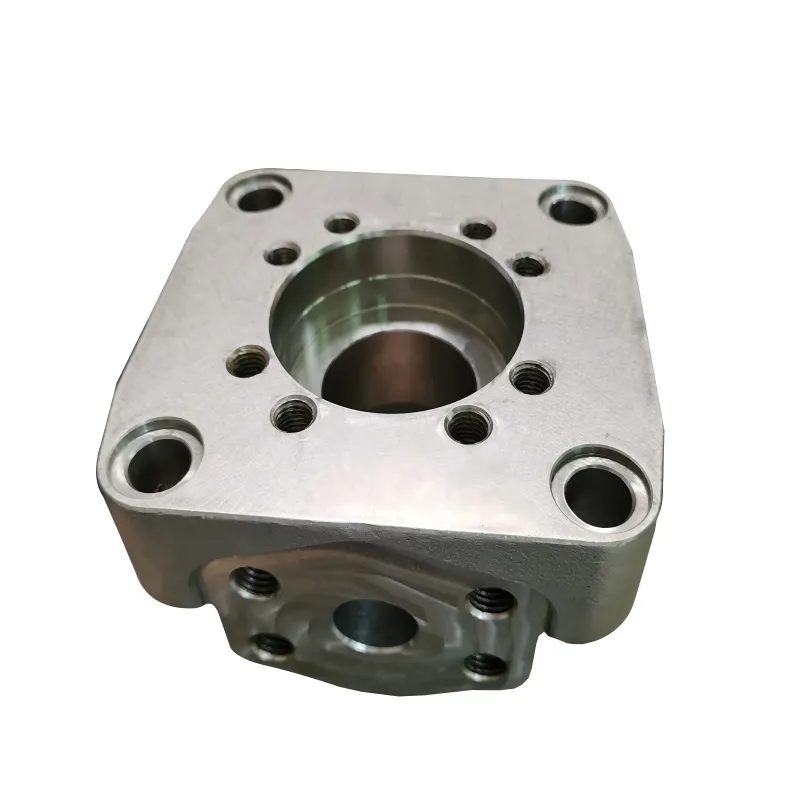
When you hear 'advance precision machining', most minds jump straight to micron-level tolerances and shiny CAD renders. That's part of it, sure, but it's the easy part. The real story starts when you've got a batch of Inconel 718 castings on the table, the print calls for ±0.02mm, and you're factoring in thermal drift, tool wear from the last run, and whether the coolant concentration is spot-on. That gap between the theoretical spec and the physical part—that's where this game is actually played. It's not just about having a five-axis machine; it's about knowing what that machine will actually do at 3 PM on a humid Friday.
The Foundation: It Starts with the Casting
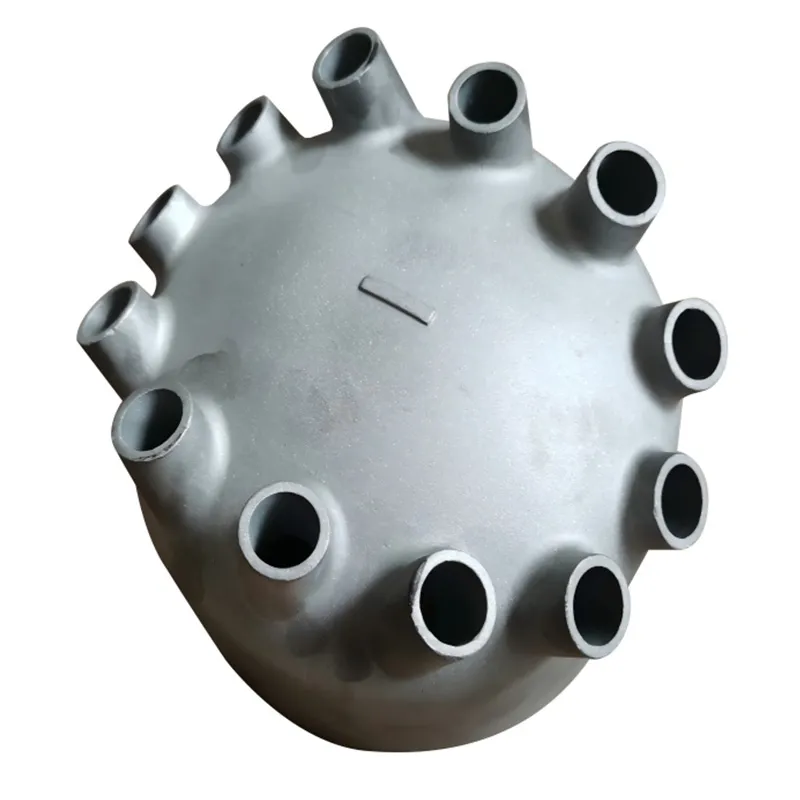
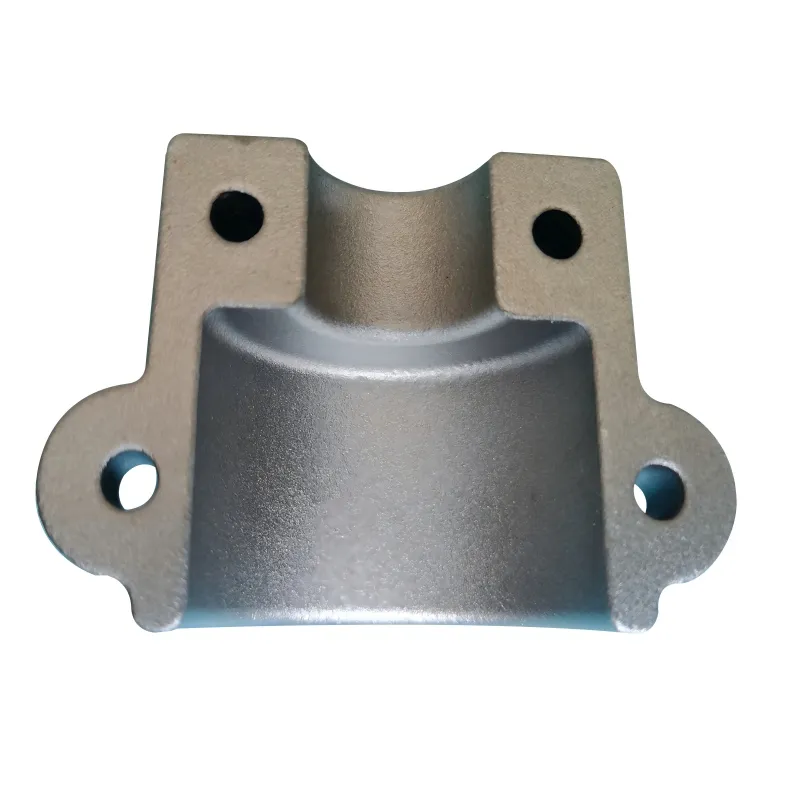
You can't machine precision into a bad casting. I've seen too many projects derailed because someone thought the CNC stage could magically correct core shifts or subsurface porosity from the foundry. The machining is the final, critical definition, but the part's integrity is born much earlier. This is why the integration of casting and machining under one roof, like at Qingdao Qiangsenyuan Technology Co., Ltd. (QSY), isn't just a logistical convenience—it's a fundamental quality control strategy. When the same team that machines the part also oversees the shell mold or investment casting process, you eliminate a whole layer of finger-pointing and uncertainty.
Take their work with nickel-based alloys. Machining these isn't just a matter of selecting the right insert grade. You need to understand the grain flow from the casting process, how the material's stress-relief state will interact with your clamping forces, and where those stubborn hard spots might be hiding. If the casting isn't produced with subsequent advance precision machining in mind, you're fighting an uphill battle from the first tool contact.
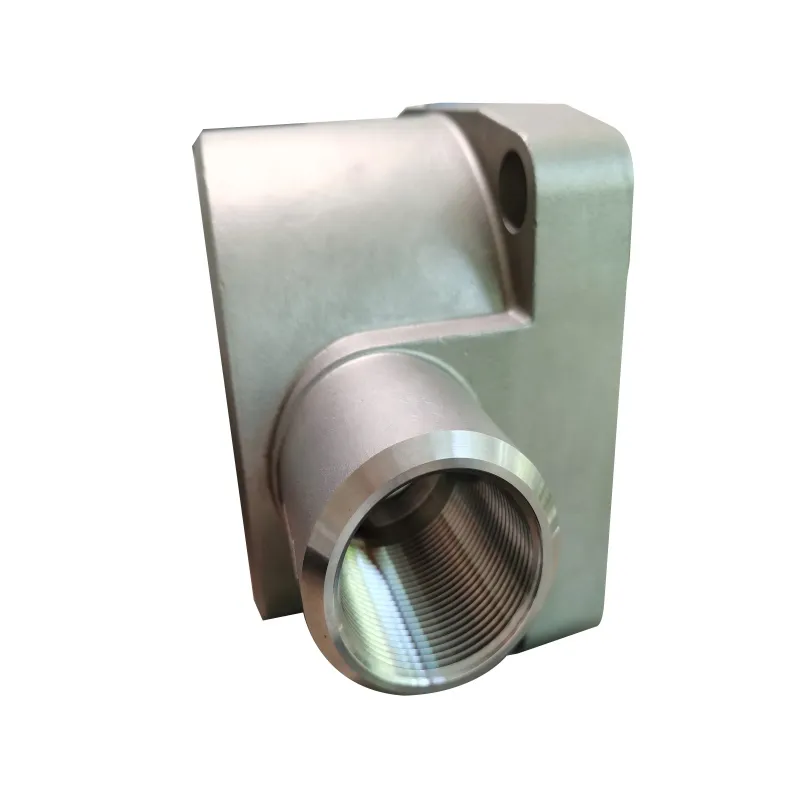
I recall a component for a hydraulic manifold, a complex ductile iron piece. The drawing was aggressive. The foundry that produced the initial blanks wasn't integrated with the machining shop. The result? Inconsistent wall thickness behind critical sealing faces, leading to a nightmare during finishing. Some parts scraped through, others leaked. Had the casting process been optimized with the final machining coordinates as a guiding input—something an integrated supplier like QSY does as routine—that waste and rework would have been avoided at the source.
The Toolpath is a Conversation, Not a Command
CAM software gives you a toolpath. The machine tries to follow it. The naive view is that this is the end of the story. The experienced view is that this is where the conversation begins. For true advance precision machining, especially on complex geometries from near-net-shape castings, the programmed path is merely a first draft.
You have to listen to the cut. The sound, the chip color and form, the slight variations in load meter readings—they're all feedback. On a stainless steel valve body, we might program a constant surface speed and feed. But if you're not adjusting for the moment the end mill engages an internal cross-bore versus a clean outer wall, you'll get chatter or deflection. The 'advance' part is this adaptive, almost intuitive, layer of control that sits on top of the G-code. It's the machinist or programmer knowing that for this particular batch of 17-4 PH stainless from a specific melt, they need to drop the feed 5% in the pockets.
This is where the 30 years of background QSY mentions becomes tangible. It's not just 30 years of running machines; it's 30 years of building a mental library of how materials from cobalt-based alloys to cast iron behave under the tool. That library informs those micro-adjustments that separate a good part from a perfect one.
Metrology: Measuring is Knowing (Maybe)
Here's a common trap: over-reliance on the CMM report. You get a first-article inspection sheet with all green values and think you're golden. But what was the part temperature when measured? Were the datum features cleaned of all coolant residue and micro-burrs? Was the clamping during measurement perfectly simulating the clamping during machining? If not, that beautiful report is a work of fiction.
In precision work, measurement is a craft in itself. We often use a combination of methods. The CMM for overall geometric tolerances, yes. But for critical seal surfaces, maybe a surface profilometer. For bore diameters in deep, small features, a calibrated air gage or even a specific pin gage set. The goal is correlation—making sure all your measurement stories agree. I've had situations where the CMM said a bore was in tolerance, but a master plug gage wouldn't fit. The culprit? A barely perceptible taper or lobing that the CMM's point-cloud sampling missed. The 'advance' mindset is one of healthy skepticism towards your own data.
For a company handling everything from large cast iron bases to delicate alloy turbine components, this metrology philosophy has to be scalable and material-aware. Measuring a machined steel bracket isn't the same as measuring a thin-walled investment-cast cobalt alloy part that might flex under its own weight on the CMM stage.
The Special Alloys Arena: Where Theory Meets the Tool
Anyone can look up the recommended speeds and feeds for Inconel in a handbook. Following them to produce a viable part is another matter. Advance precision machining of special alloys like nickel-based or cobalt-based ones is a study in controlled aggression. You need enough heat in the shear zone to keep the material plastic, but not so much that you work-harden the surface into an impenetrable layer that will destroy the next pass's tool.
Tool selection becomes hyper-critical. Not just any ceramic or carbide will do. The geometry of the insert, the coating, the chipbreaker design—all of it needs to be tailored. Coolant isn't just for cooling; it's for lubrication and chip evacuation at pressures that can exceed 1000 psi. A failure in any link of this chain means a scrapped part, and these materials aren't cheap. The margin for error is virtually zero.
This is a core competency for a supplier like QSY. Their mention of these materials isn't a buzzword; it's a signal that they've invested in the specific machine tool rigidity, high-pressure coolant systems, and most importantly, the operator knowledge to run this gauntlet successfully. It's not a side business; it's a dedicated capability.
Integration: The Unseen Efficiency
Finally, let's talk about flow. The biggest enemy of precision is inconsistency, and inconsistency often comes from hand-offs. When a casting is made in one factory, shipped to another for rough machining, then to a third for finishing, you introduce variables at every stage. Different temperature environments, different clamping philosophies, different tooling standards.
An integrated operation that handles shell mold/investment casting and advance precision machining in a coordinated flow eliminates these variables. The part never cools down to an unknown state between major operations. The same technical team can plan the casting's gate and riser locations based on where final critical features will be machined, minimizing excess stock and distortion. It allows for a truly holistic process design.
This is the subtle advantage behind a vertically-focused model. It's less about the individual machines and more about the seamless thread of control from molten metal to finished, inspected component. The precision isn't just machined in; it's baked into the entire process from day one. When you're sourcing complex, high-performance parts, that end-to-end ownership of the process isn't a luxury—it's often the only way to guarantee the result the print demands.