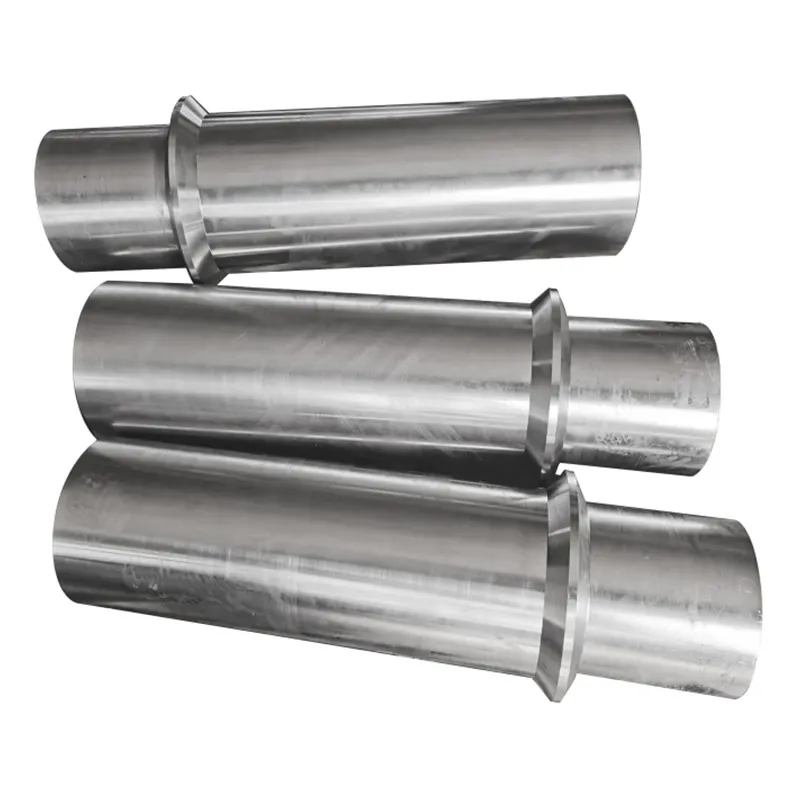
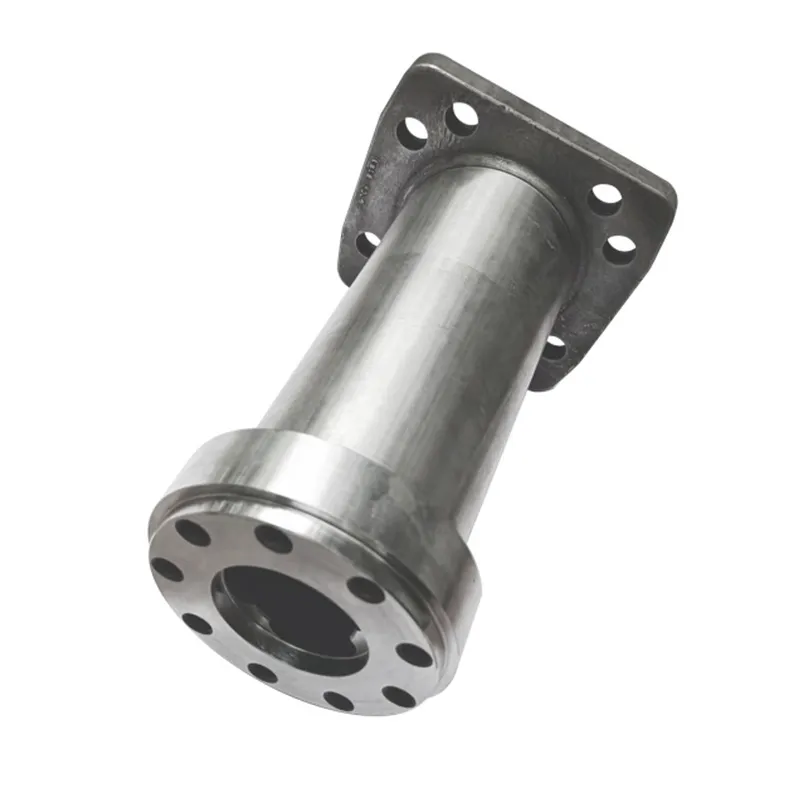
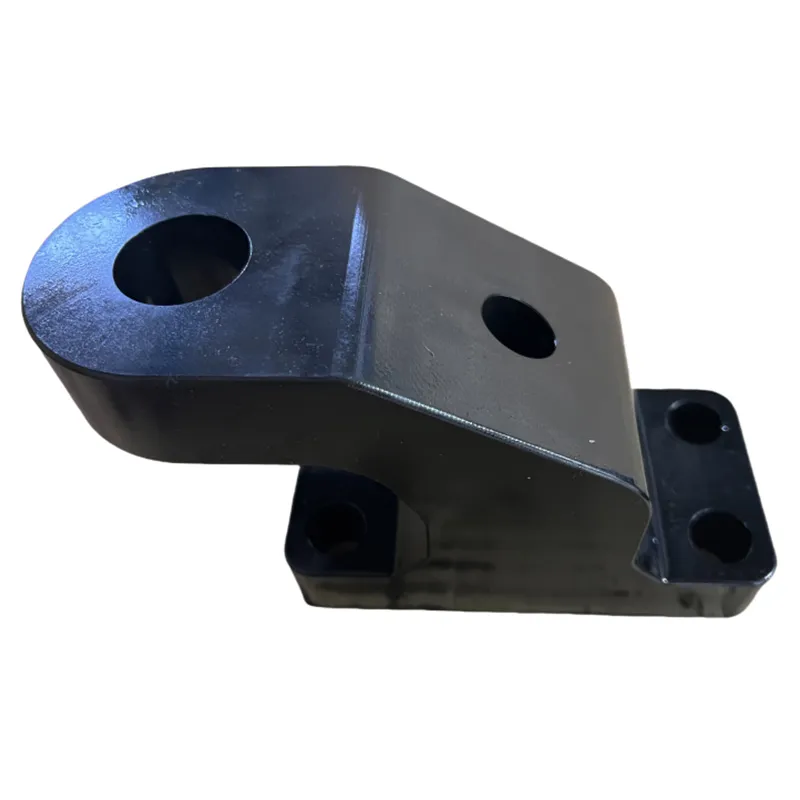
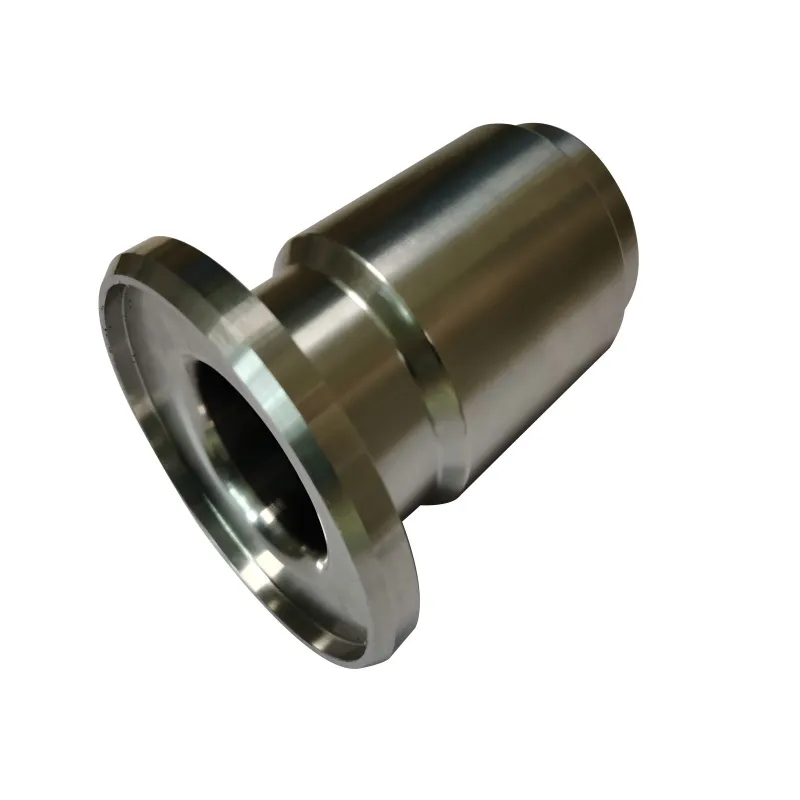
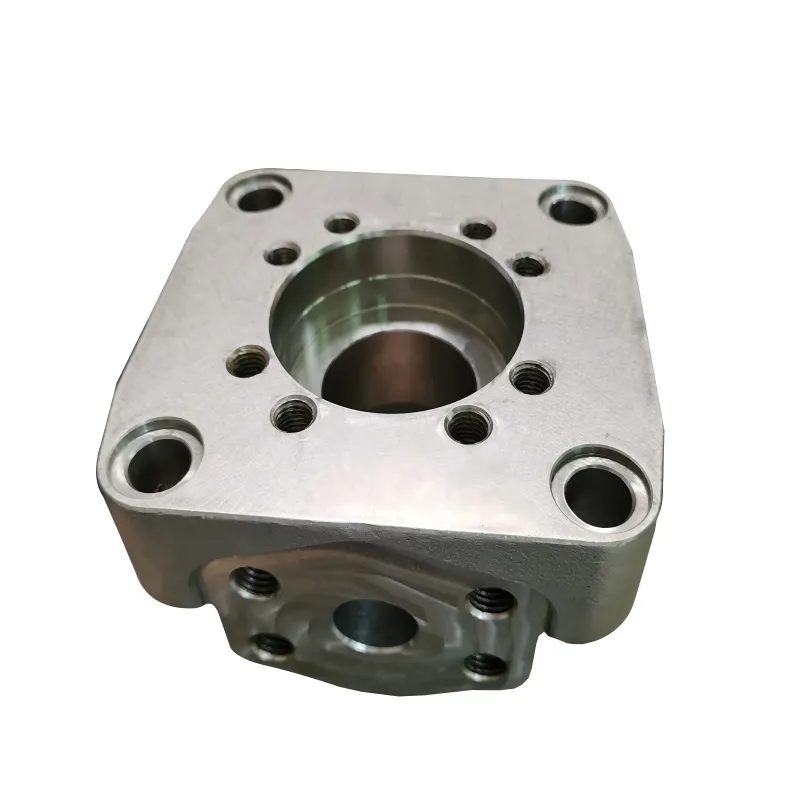
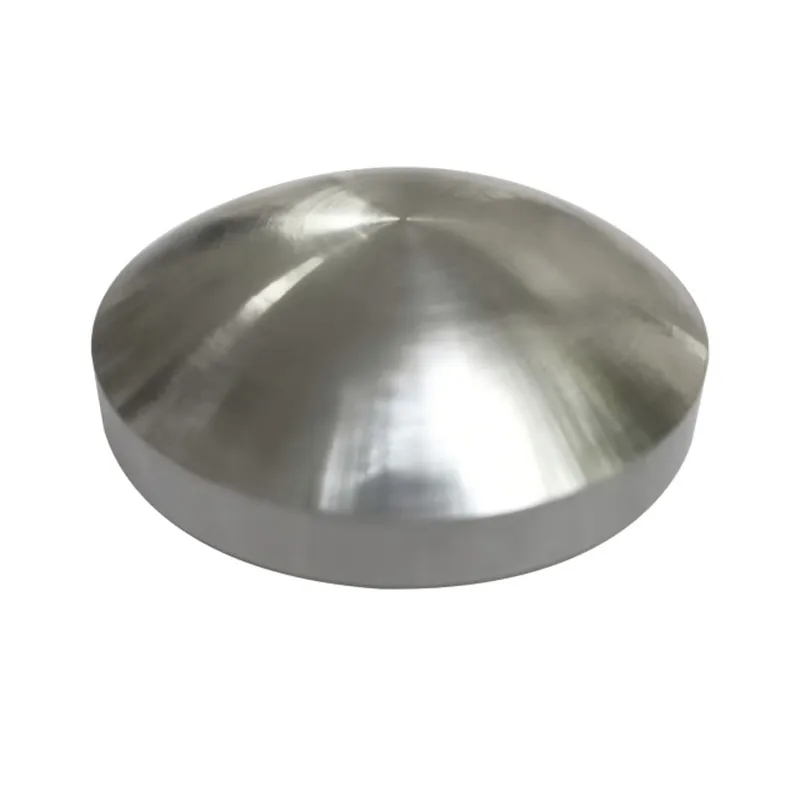
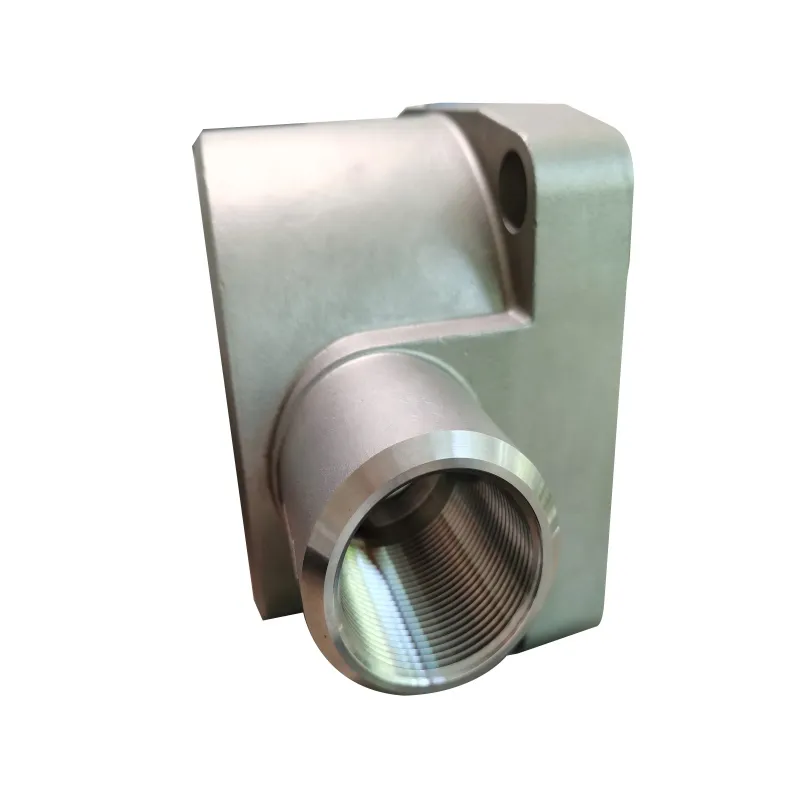
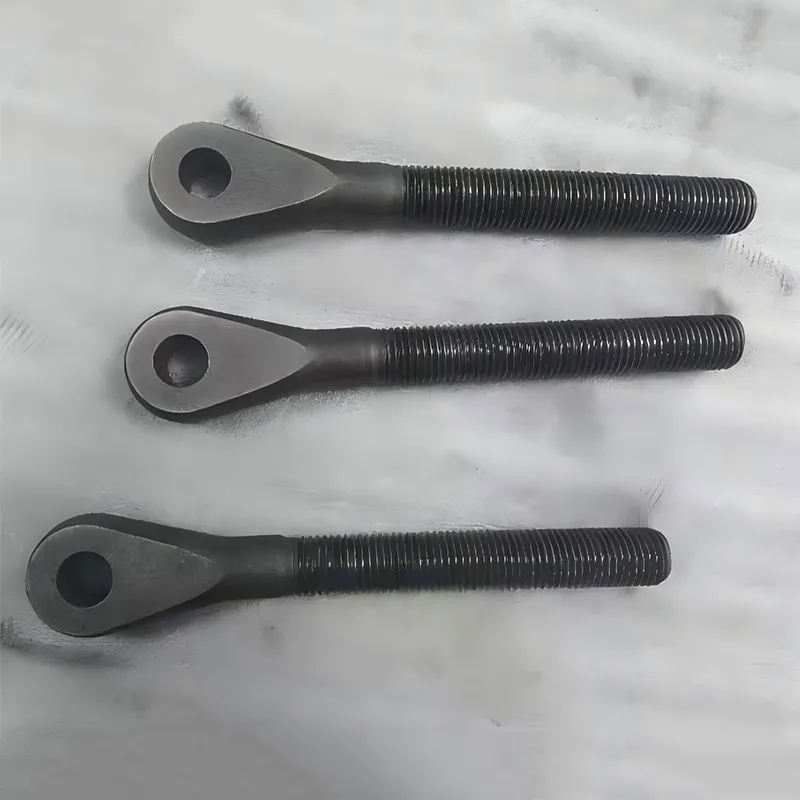
When you hear a name like 'Advanced Precision Machining Inc,' it conjures a very specific image, doesn't it? Spotless floors, rows of gleaming five-axis machines humming away, and tolerances measured in microns. That's the marketing ideal. The reality, the day-to-day grind, is messier, more nuanced, and frankly, more interesting. The term 'advanced' gets thrown around so much it's lost its edge. It's not just about having a Mori Seiki or a DMG; it's about what you do with it when the print calls for a cobalt-based alloy part with a thin-wall section and internal channels. That's where the real test begins, and where many shops that just bought the badge find out they're not as 'advanced' as they thought.
The Advanced Misconception and Material Reality
Let's talk materials first, because that's where precision either lives or dies. Anyone can run aluminum. The challenge, and what separates a job shop from a true advanced precision machining partner, is handling the difficult stuff. Think cast iron for heavy-duty bases where vibration damping is critical, or 316 stainless for corrosive environments. But the real game is in the special alloys. I'm talking about Inconel, Hastelloy, cobalt-chrome. These aren't just 'harder' metals; they behave differently. They work-harden instantly, they're brutal on tooling, and they demand a symphony of correct speeds, feeds, coolant pressure, and tool path strategy. A shop claiming advanced precision machining capabilities must have this symphony down pat, not just for one-off prototypes but for consistent production runs.
This is where you see a clear divide. I recall evaluating a supplier a few years back for a series of nickel-alloy sensor housings. They had the latest machines, sure. But their process was guesswork. They'd burn through a $200 end mill in two parts, their surface finish was inconsistent, and thermal distortion was a constant battle. They had the hardware, but not the ingrained, almost intuitive knowledge. Contrast that with operations that have grown with the material science, like the team over at Qingdao Qiangsenyuan Technology (QSY). When you've been in casting and machining for over 30 years, as they have, you develop a feel for it. You know how a cobalt-based alloy will move after you cut it, how to stage operations to manage stress. That's advanced. It's in the tribal knowledge, not just the spec sheet.
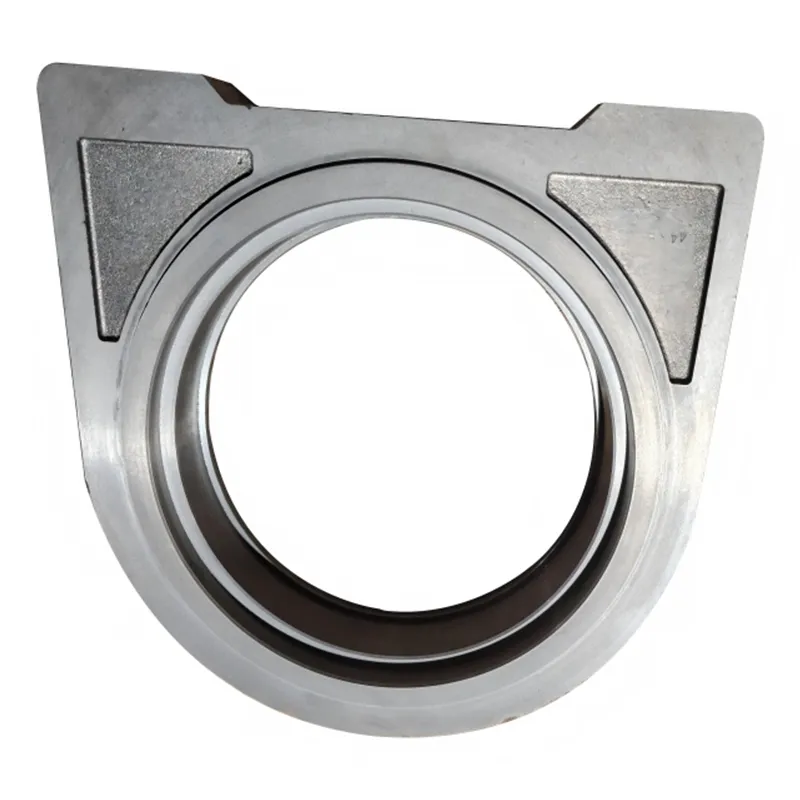
The link between casting and machining is another underrated aspect of true precision. Many precision machining inc operations prefer to start with billet stock. It's predictable. But for complex geometries, starting with a near-net-shape casting—like the shell or investment castings QSY specializes in—can be a smarter path. The trick, and it's a significant one, is the machining prep and understanding the casting's inherent structure. You can't just clamp a raw casting and go. You need datum surfaces, you need to account for potential porosity in your tool paths, you need to understand the skin effect. Getting this right requires deep collaboration between the foundry and the machine shop, something that's streamlined when both capabilities are under one roof.
Precision as a Process, Not a Moment
Precision isn't a single measurement on a CMM report. It's a process that starts at the quote and ends at shipping. I've seen beautiful parts get scrapped because the inspection plan was an afterthought. For a true advanced precision machining operation, metrology is integrated. It's not just a final check; it's in-process. Probing routines, tool wear monitoring, SPC data collection on critical dimensions. This is especially vital for components that will be assembled. A perfect part that doesn't mate with its counterpart is useless.
One failure that sticks with me was a batch of stainless steel valve bodies. The bores were to a tight concentricity callout. We machined them perfectly—or so we thought. The CMM showed everything in spec. But during assembly, they bound up. The issue? We measured in a temperature-controlled room, but the parts were assembled on a shop floor that was 10 degrees warmer. The thermal expansion differential on the stainless was enough to cause interference. A rookie mistake, but one that cost a week's production. It taught me that 'precision' includes the environmental chain of custody. Now, for critical assemblies, we specify not just the measurement temp, but the assembly temp range. That's the level of detail that matters.
This process mindset extends to fixturing. For high-volume precision machining, your fixture is as important as your cutter. Designing a fixture that locates off cast features, provides uniform clamping force without distortion, and allows for efficient loading/unloading is an art. It's not glamorous, but a poorly designed fixture will guarantee variability, no matter how 'advanced' your mill is.
The CNC Factor: It's About the Programmer, Not Just the Machine
CNC is the backbone, but it's a silent, dumb backbone without the right mind behind it. The difference between a good part and a great part often sits in the CAM software. Tool path optimization for hard materials is critical. You want constant tool engagement, you want to climb mill where possible, you want to manage heat. A programmer who just uses the default strategies will get a part, but they'll burn through tooling and risk inducing stress.
I remember working with a programmer on a titanium component. He was using a conventional zig-zag pattern. The tool life was terrible, and the finish was poor. We switched to a trochoidal milling path for the roughing. It looked strange on the simulation—these looping, sweeping motions—but it kept the tool in a constant, light cut. Tool life tripled, the finish improved, and we reduced cycle time by 15%. That's the 'advanced' in CNC machining. It's software intelligence applied to physical limits.
Another subtle point is post-processing. The machine controller needs clean, efficient code. A clunky post processor that doesn't leverage the specific high-speed machining functions of your Okuma or Makino is leaving performance on the table. Tuning these posts, often in collaboration with the machine tool builder, is a dark art that pays massive dividends in smooth motion and reduced cycle times.
Integration: When Casting Meets Machining
This is where the model of a company like QSY makes a lot of practical sense. Having shell mold casting, investment casting, and CNC machining under one management structure eliminates a huge amount of friction. The biggest headache in complex component manufacturing is the handoff. When the casting vendor and the machining vendor are separate, you get the blame game. A machining issue? The casting house says the stock allowance was fine. A casting defect? The machine shop says the material was flawed.
With an integrated provider, accountability is clear. More importantly, the feedback loop is instantaneous. The machining team can tell the foundry, We're seeing consistent porosity in this corner of the mold, can we modify the gating? The foundry can advise, This alloy tends to shrink towards this feature, so add an extra 0.5mm stock there. This collaborative, iterative process is how you achieve reliability and cost-effectiveness for complex parts. It turns the supply chain into a conversation, not a series of transactions.
For example, a pump impeller in duplex stainless steel is a classic candidate for this. It's a complex, hydraulically sensitive shape perfect for investment casting, but it requires ultra-precise balancing and bore machining. Having one team manage the entire journey from molten metal to balanced, finished component ensures the design intent is preserved at every step. The machinists know why a certain casting draft angle was used, and the foundry engineers understand the critical datums for the machining ops.
The Human Element in a Digital World
Finally, for all the talk of automation and advanced precision, it still comes down to people. The veteran machinist who hears a change in the sound of a cut and stops the machine before a tool breaks. The quality inspector who spots a visual anomaly the CMM probe missed. The process engineer who pores over SPC charts looking for a trend, not just a pass/fail.
This expertise is built over decades, not downloaded. It's the core asset of any serious precision machining inc. You can't buy it with a new machine. You cultivate it through challenging projects, through failures (like my thermal expansion blunder), and through a culture that values the craft as much as the technology. When I look at a supplier's capability, I spend as much time on the shop floor talking to the operators as I do in the conference room looking at their capital equipment list. The feel of the place, the attention to detail on the workbenches, the way they handle in-process parts—it tells you more than any brochure.
So, when you're evaluating an 'Advanced Precision Machining Inc,' look past the shiny facade. Ask about their worst material to machine and why. Ask for a case study on a part that failed initially and how they solved it. Ask about the relationship between their design, casting, and machining teams. The answers will tell you if they've earned the title, or if it's just a sign on the door. The real precision is in the thinking, long before the spindle ever turns.