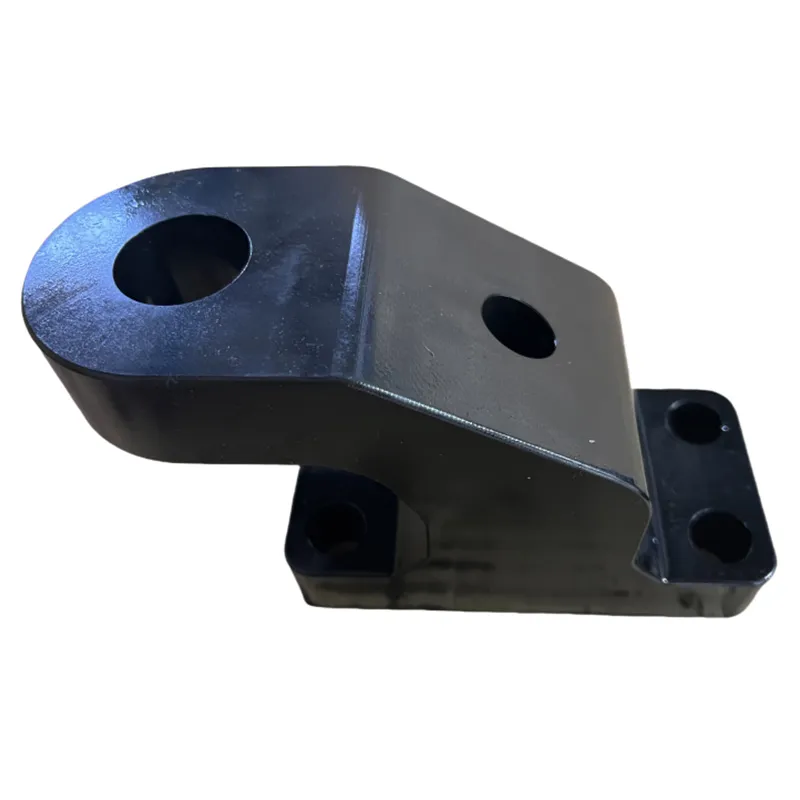
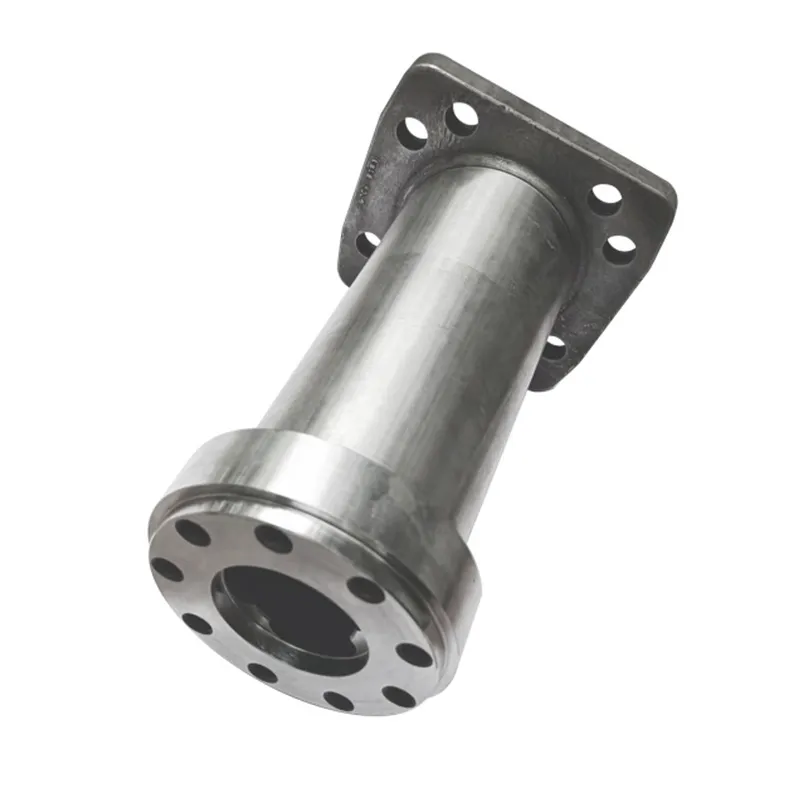
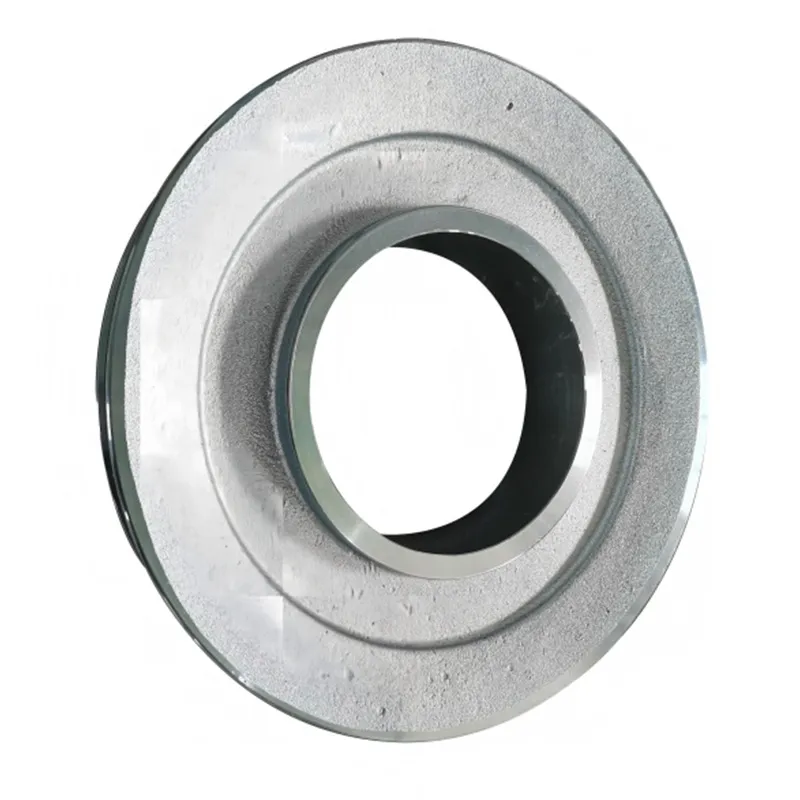
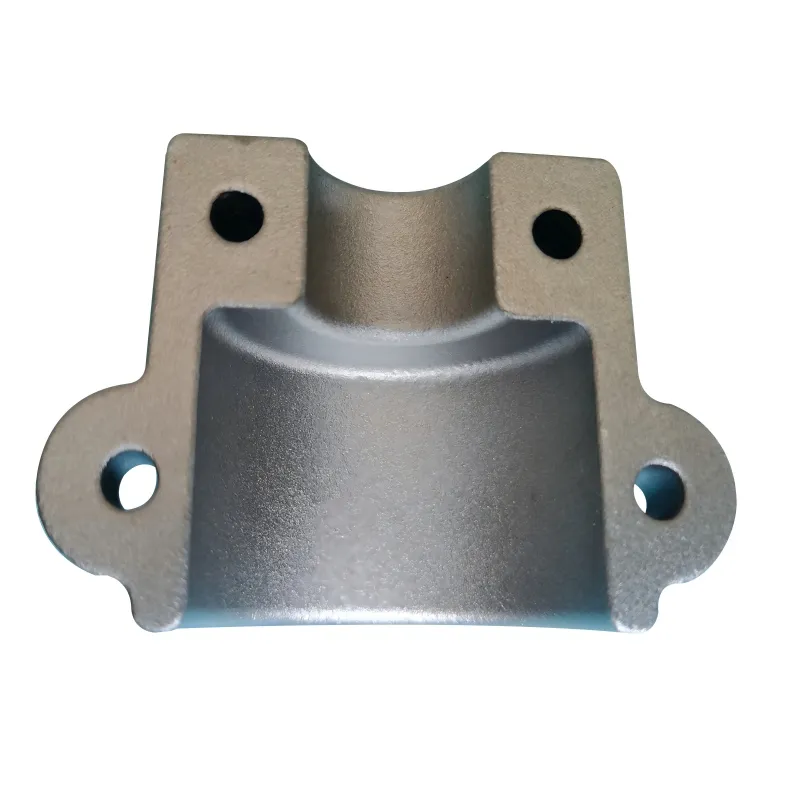
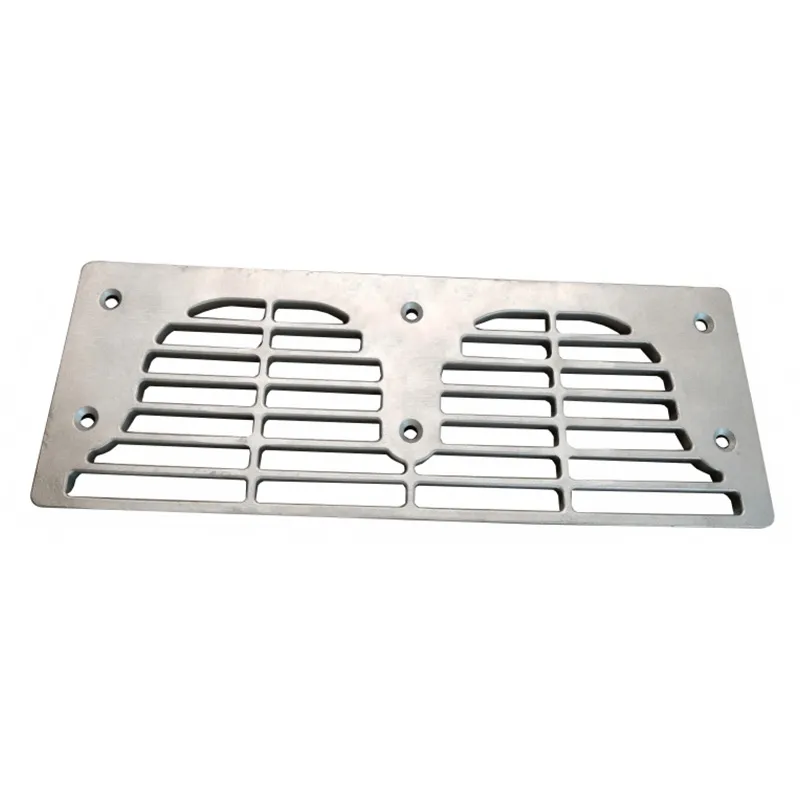
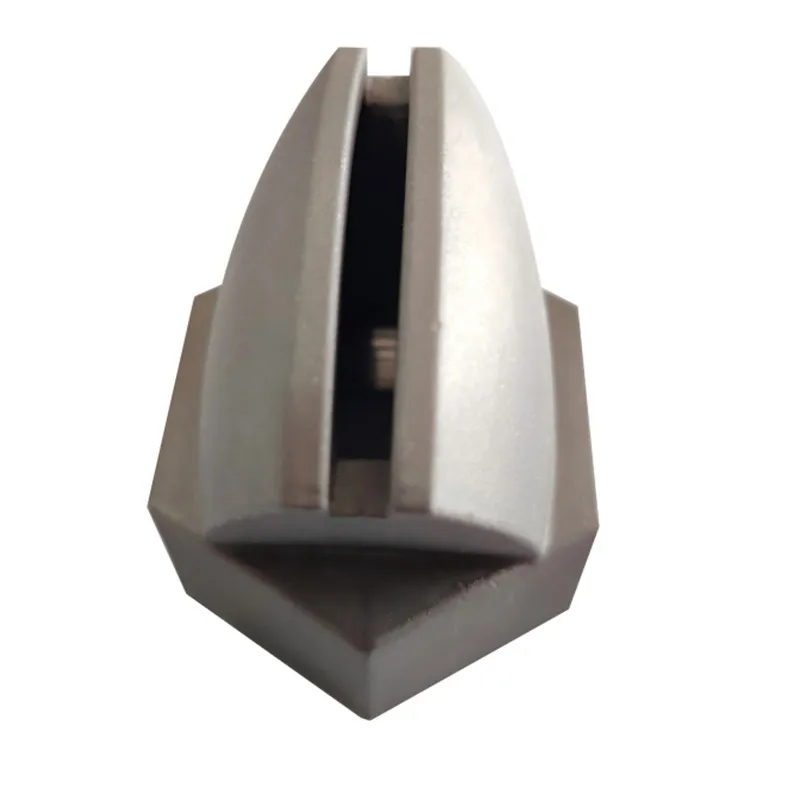
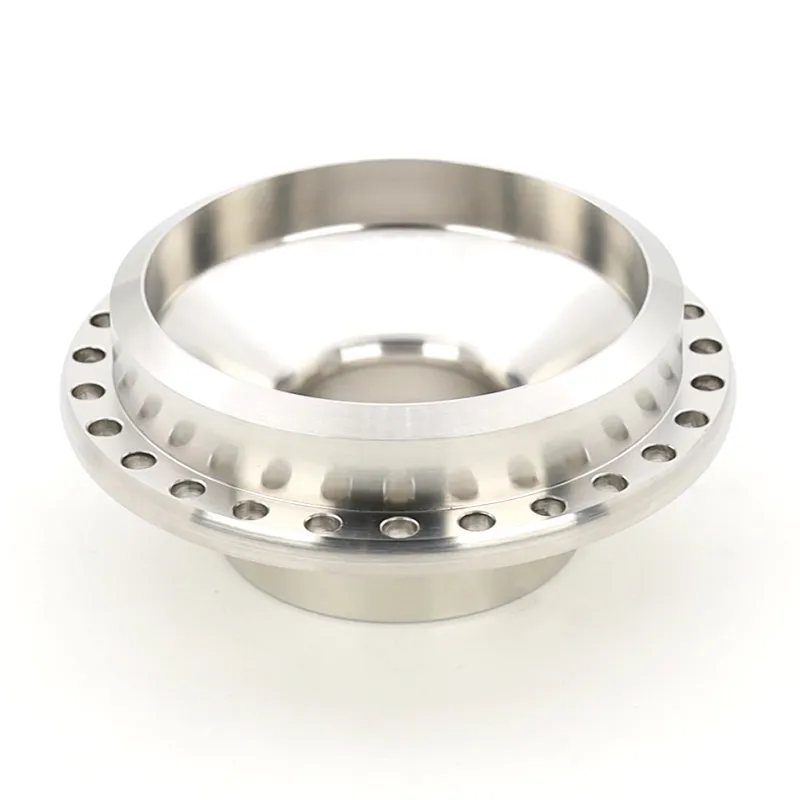
When you hear 'aero investment casting', the immediate image is often of flawless, high-tech turbine blades for jet engines. That's not wrong, but it's a dangerously narrow view. In practice, it's as much about managing the mundane realities of wax patterns, ceramic slurry viscosity, and thermal expansion mismatches as it is about aerospace glory. A common industry pitfall is over-promising on tolerances for thin-walled structural brackets simply because it's an aerospace casting – the process isn't magic. It's a chain of meticulously controlled steps, and a weak link anywhere, from the initial mold design to the final heat treatment, will ground a part faster than you can say NDT failure.
The Core Illusion: Precision Isn't a Given
Many procurement specs from design engineers treat investment casting as a near-net-shape silver bullet. They'll draft a complex aluminum housing with internal channels, specify a ±0.005 as-cast tolerance across a 15-inch dimension, and expect it straight out of the shell. That's a recipe for disappointment and cost overruns. The truth is, the aero investment casting process inherently introduces variables. The wax injection phase alone – temperature, pressure, dwell time – can cause pattern distortion that only manifests after ceramic shell building. I've seen a batch of actuator housings where the flange flatness was out simply because the wax room ambient temperature fluctuated more than 5°C that week. The precision is earned, not assumed.
This is where the partnership with the foundry becomes critical. It's not just sending a CAD model and waiting. A shop like Qingdao Qiangsenyuan Technology Co., Ltd. (QSY), with their three decades in shell and investment casting, will immediately look at the part orientation in the tree, the gating design, and potential hot spots. Their experience with steel and nickel-based alloys means they're thinking about solidification shrinkage patterns from the get-go. A good foundry doesn't just quote; they do a manufacturability analysis that often involves suggesting subtle draft modifications or recommending a shift from a 17-4PH stainless to a different grade of stainless steel that behaves better during the investment casting process for that specific geometry.
The investment in the name isn't just about the ceramic shell being sacrificed. It's an investment in iterative pre-production. For a recent project involving a cobalt-based alloy exhaust component, we went through four separate first-article cycles. The first two were purely about dialing in the feeding system to eliminate microporosity in a critical cross-section. The third was for dimensional verification after we adjusted the wax die. Only the fourth was for mechanical property testing. Each cycle cost time and money, but skipping it would have guaranteed a failure in qualification.
Material Choices: It's Not Just About Strength
Aerospace material specs are driven by data sheets: ultimate tensile strength, creep resistance, fatigue life. But in the foundry, you're dealing with the material's casting characteristics. A high-performance nickel-based superalloy might have fantastic high-temperature properties, but if it's a nightmare for shell reaction or prone to hot tearing, the yield rate plummets. You end up with a theoretically perfect material and an unsustainable cost per part.
This is where the alloy specialization of a foundry shows. Browsing their portfolio at https://www.tsingtaocnc.com, you see QSY lists cobalt and nickel alloys alongside standard steels. That operational history implies they've likely developed proprietary shell recipes or pre-heat protocols to handle the more reactive alloys. For instance, pouring certain nickel alloys requires extremely clean melting practices and often a specific shell face coat to prevent alpha-case formation, a brittle surface layer. A foundry without that specific experience might miss it until the machining stage, when tools start chipping on the hardened surface.
I recall a case where we switched from a common 300-series stainless to a precipitation-hardening grade for a lightweight bracket. The strength-to-weight gain was clear. However, the PH alloy had a much narrower sweet spot for pouring temperature. Too hot, and grain growth weakened the part; too cool, and mist runs became a risk. The foundry team had to recalibrate their entire thermal profile for that specific alloy on that specific part geometry. It wasn't just about melting metal; it was about controlling its entire thermal history.
The Machining Handshake: Casting Isn't the Finish Line
No aero investment casting is truly complete until it's machined. The interface between the casting and CNC departments is a major friction point. A perfectly in-spec casting can be ruined by poor fixturing or an incorrect first cut. The ideal scenario is a vertically integrated provider. When the casting and CNC machining are under one roof, like at QSY, the feedback loop is tight. The machining team can directly tell the foundry, We're seeing consistent hard spots in this corner of every casting, and the foundry can investigate whether it's a local cooling issue or an inclusion problem.
We learned this the hard way years ago. We sourced castings from Foundry A and sent them to Machine Shop B. A batch of titanium castings for a structural link kept failing during the finish milling of a precision bore. Endless blame-shifting ensued. The machinist said the castings had inconsistent hardness; the foundry said the machinist was using wrong speeds/feeds. It took weeks of meetings and third-party lab analysis to find the root cause: a slight variation in the cooling rate during shell removal, which altered the surface microstructure just enough to cause tool chatter. Had it been one facility, they would have traced the process line in a day.
The datum structure is another critical handoff. The casting must provide reliable, machinable datum features. Sometimes, you have to add small sacrificial pads to a non-critical face just to give the CNC a secure, clean location to clamp and zero from. This is a collaborative design decision made in the early stages, not an afterthought.
Failure as a Forcing Function
You haven't really understood investment casting until you've had a spectacular, expensive failure. One that sticks with me was a set of large, thin-walled duct components in 316L stainless. They passed dimensional and dye-penetrant inspection beautifully. But during a routine pressure test in the assembly, one cracked with a sound like a gunshot. Fracture analysis showed it wasn't a porosity or inclusion issue. It was residual stress locked in from uneven cooling within the cluster. The part was technically to print but fundamentally flawed.
The solution wasn't to pour more carefully. It was to redesign the entire cluster layout to promote more uniform heat dissipation, and to introduce a controlled stress-relief cycle before any machining. That added cost and time, but it was the only way. This is the unglamorous side of the process: sometimes, the fix is counter-intuitive and lives in the thermal management of the shell after it leaves the furnace, not in the furnace itself.
These experiences force a humility in approach. You stop looking at the CAD model as a finished product and start seeing it as a blueprint for a thermal and mechanical dance between wax, ceramic, molten metal, and air. Every design decision has a process consequence.
The Real Measure: Consistency Over Time
Anyone can get lucky and produce a few good castings. The real test of a foundry's capability, like the long-standing operation at Qingdao Qiangsenyuan Technology Co., Ltd., is production consistency over months and years, across multiple batches and material heats. Can they maintain surface finish quality on part number 5000 identical to part number 50? Does the mechanical property report from a lot cast this month fall within the same tight scatter band as one from two years ago?
This consistency stems from controlled, documented processes and a deep institutional memory. It's the veteran furnace operator who can hear a subtle change in the sound of the vacuum pump and know to check a seal. It's the quality manager who has a histogram of dimensional data for a flagship part going back a decade. When you're sourcing flight-critical components, this historical data and proven stability are more valuable than a marginally better price from an unproven shop.
Ultimately, successful aero investment casting is a partnership built on transparent communication of both capabilities and limitations. It's about aligning the designer's performance requirements with the foundry's process reality. The goal isn't just to make a part that looks like the drawing, but to produce a component with the right internal integrity, residual stress state, and material properties to perform reliably in the harsh, unforgiving environment of aerospace service. It's a demanding discipline, where the margin for error is as thin as the wall of the casting itself.