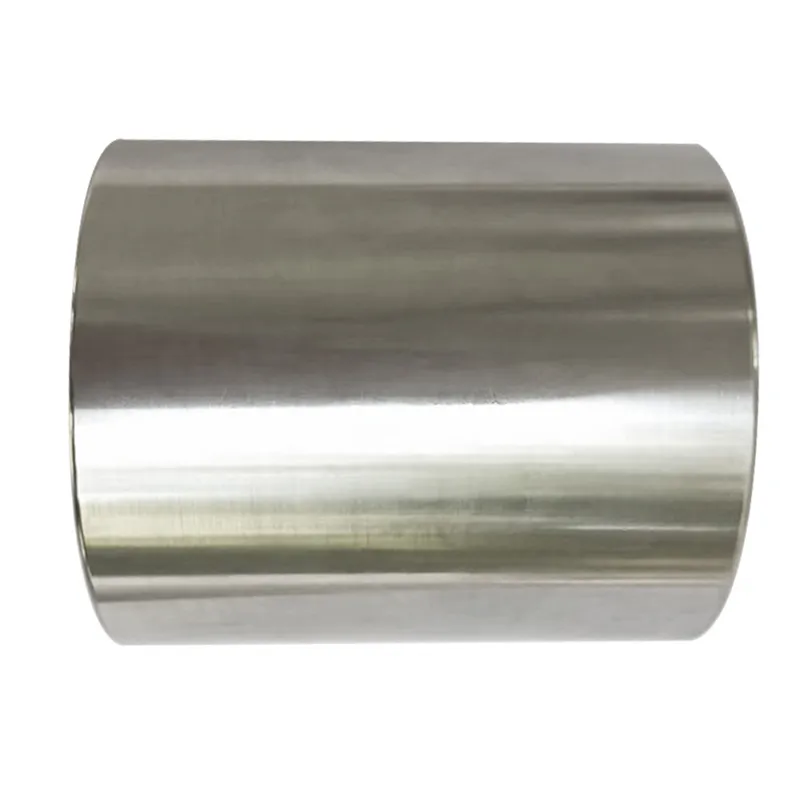
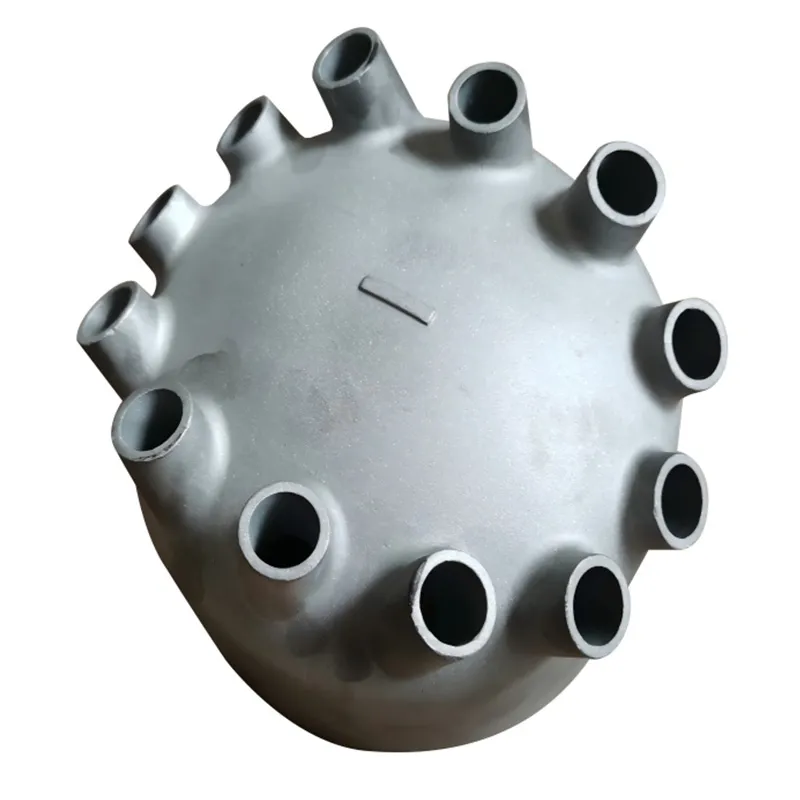
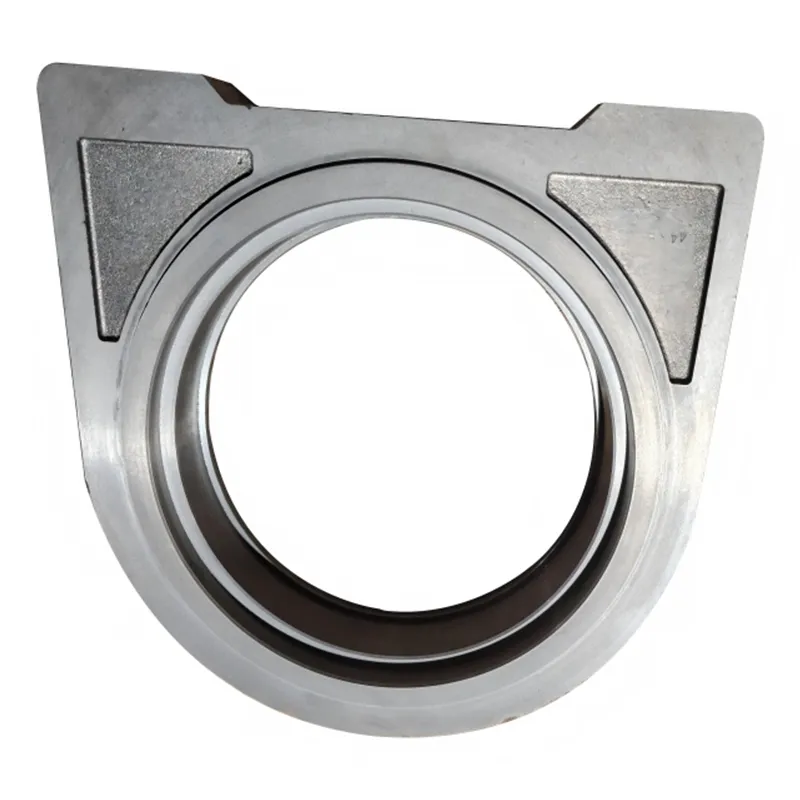
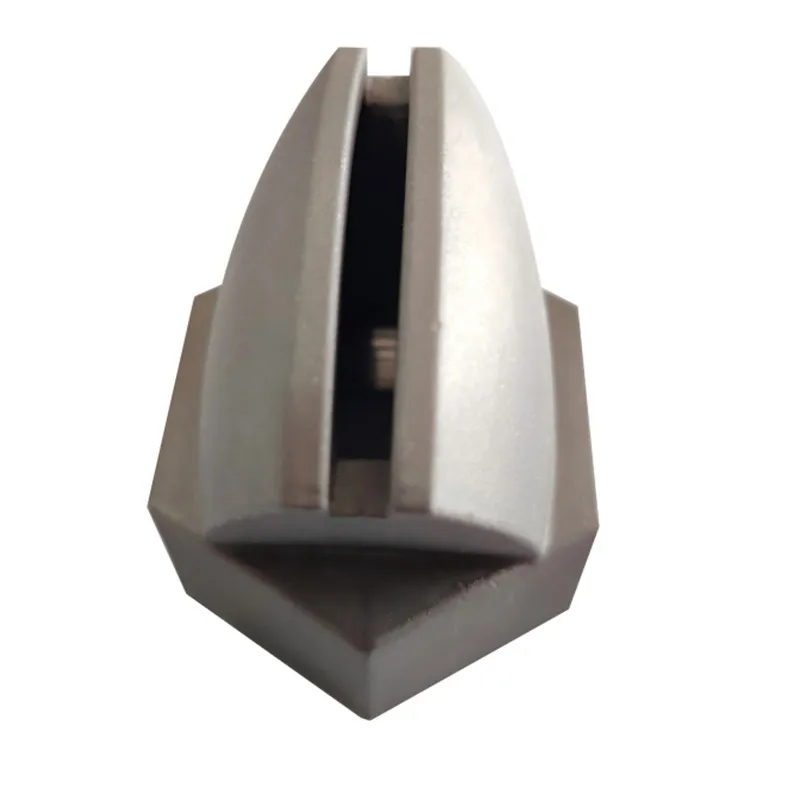
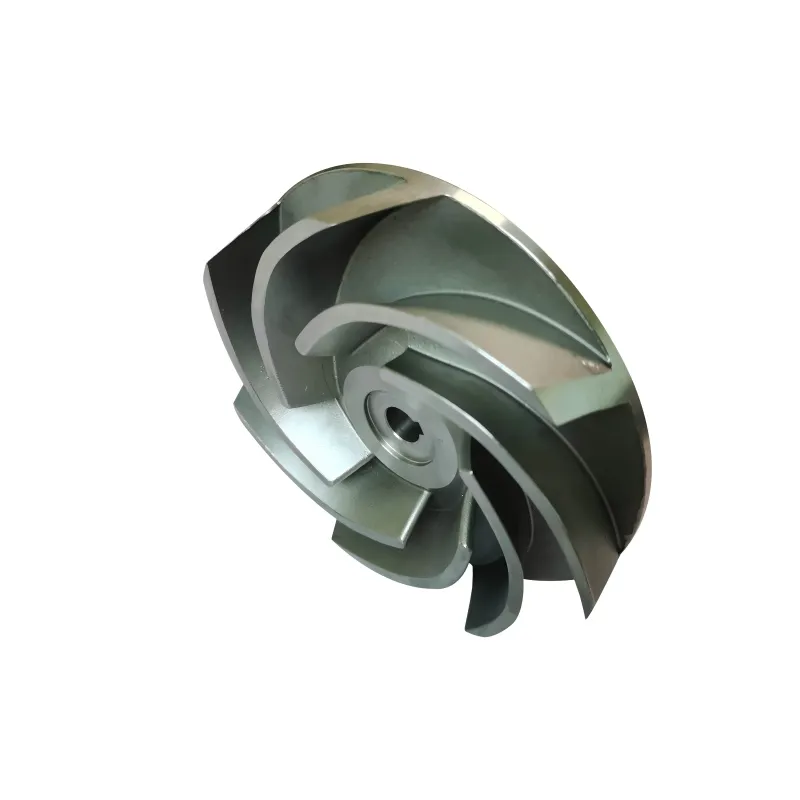
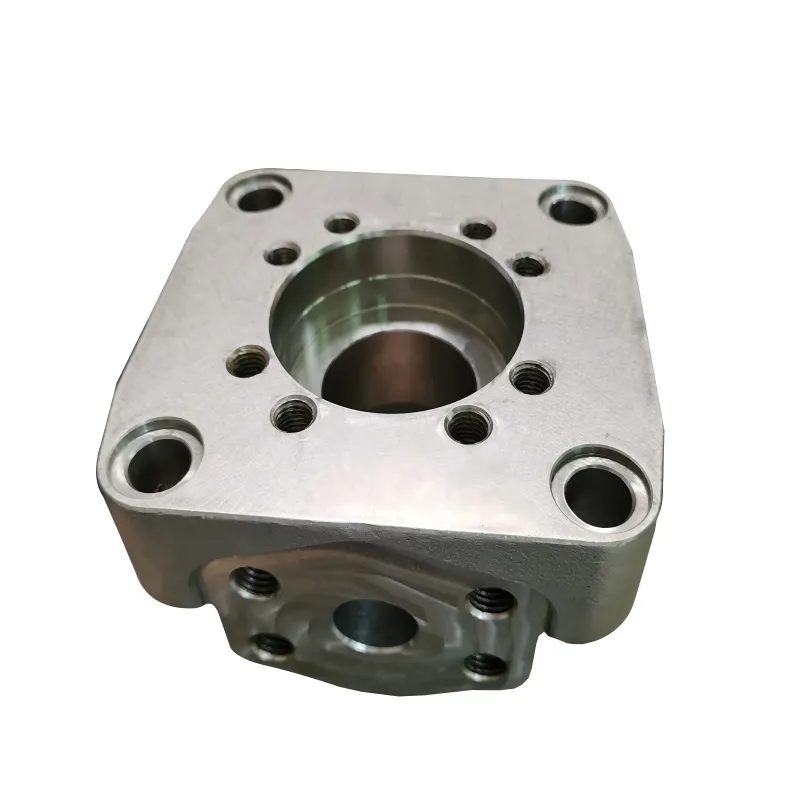
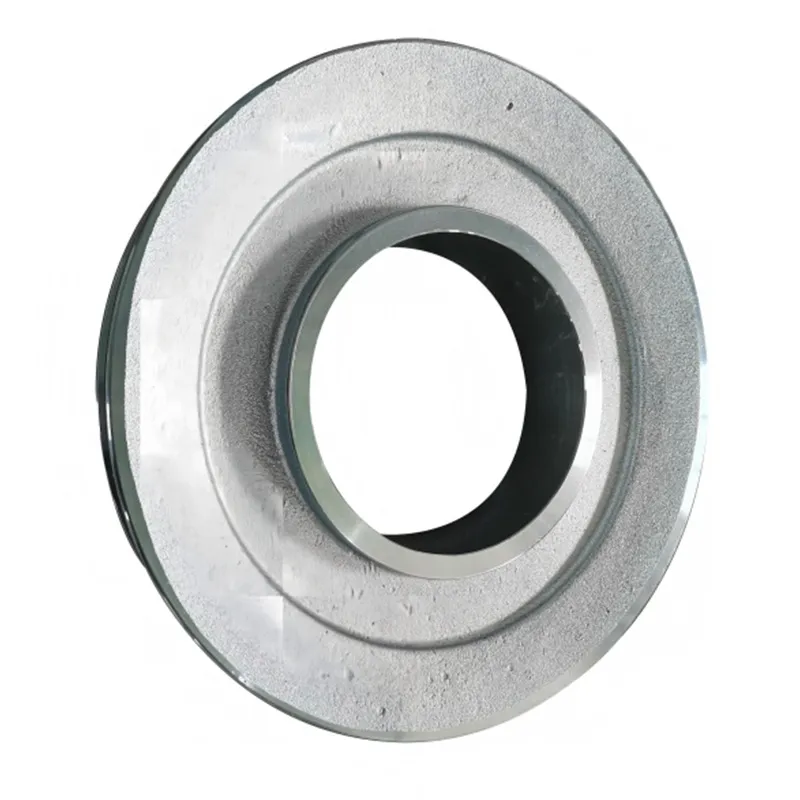
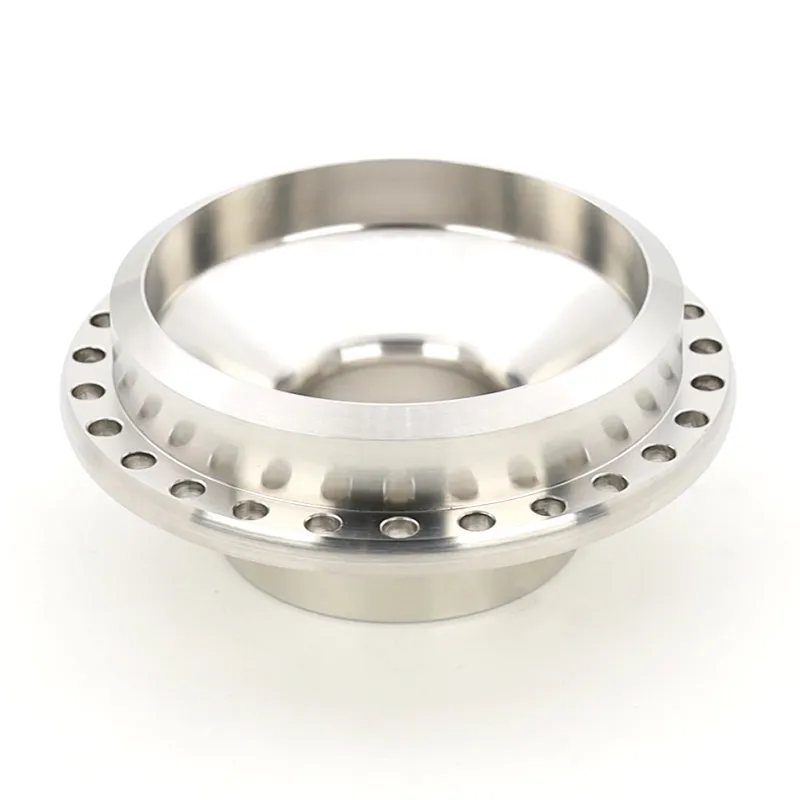
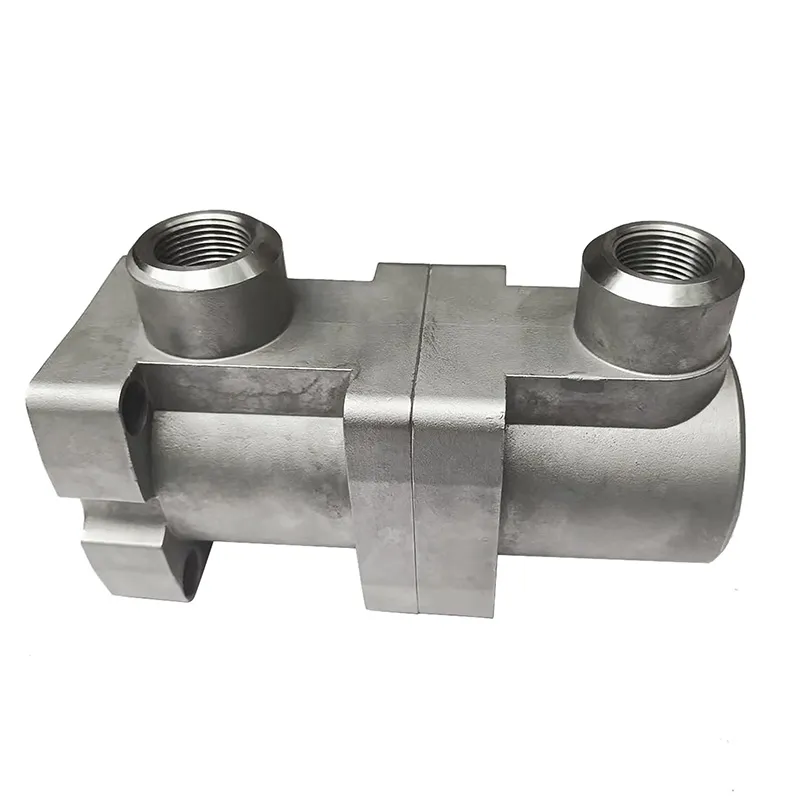
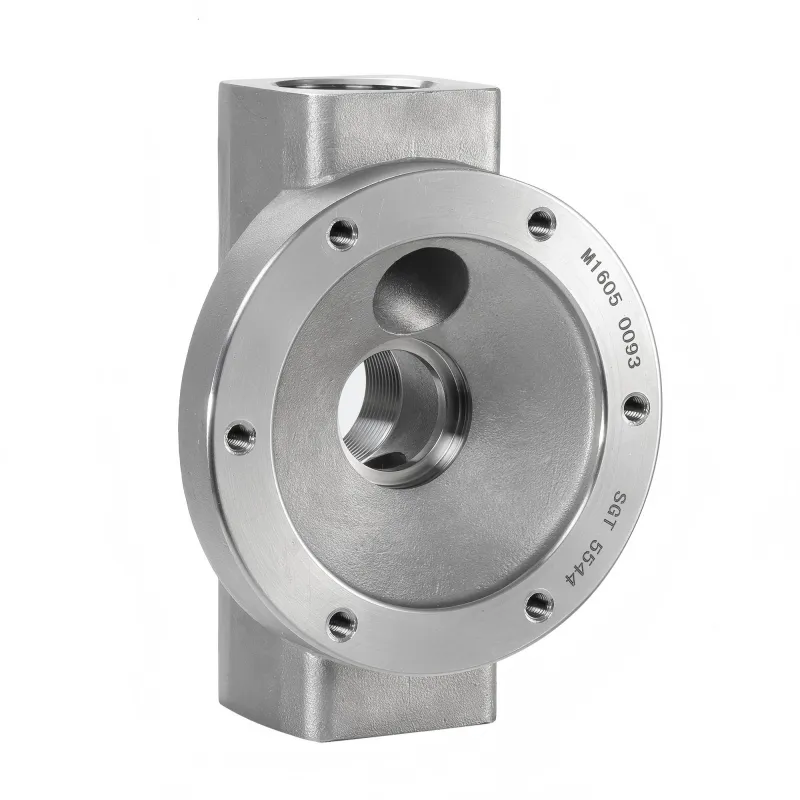
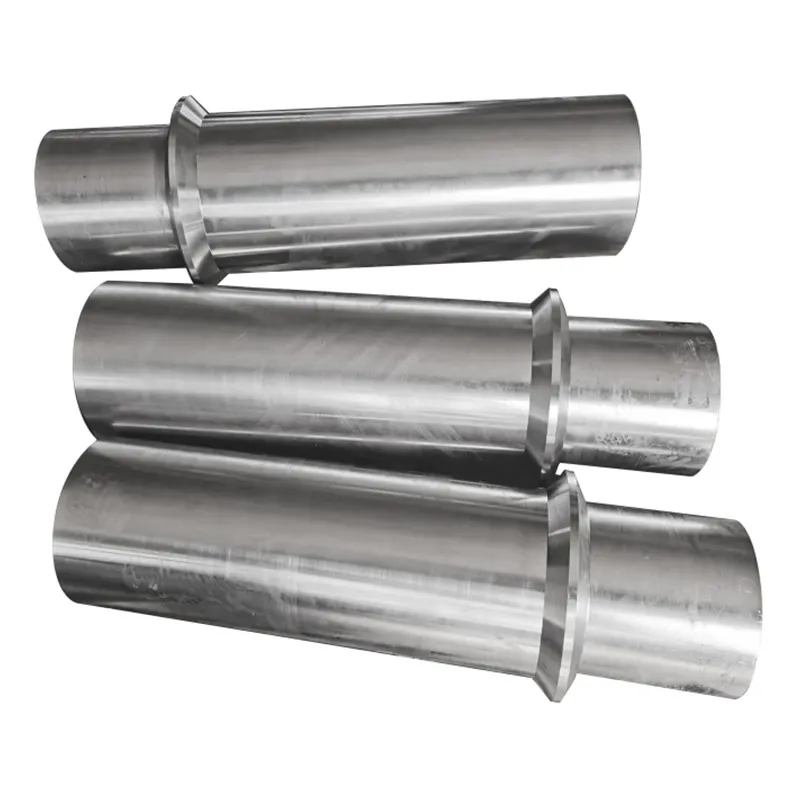
Let's be honest, when most people hear 'aerospace investment casting', they picture a flawless, near-net-shape turbine blade coming straight out of a sci-fi movie. The reality is far messier, more iterative, and frankly, more interesting. It's not just about making complex shapes; it's about managing a chain of variables from wax to heat treat, where a 0.1mm deviation isn't a statistic, it's a scrapped part. A lot of marketing glosses over the sheer grit involved.
The Core Illusion: Complexity vs. Consistency
The biggest misconception is equating geometric complexity with the pinnacle of the craft. Sure, we can cast internal cooling channels that would be impossible to machine. The real challenge, however, is doing it for the 10,000th time with the same metallurgical integrity as the first. I've seen beautiful first-article castings that could never be scaled. The art is in the process control, not just the CAD model. For a component like a turbine vane, the aerospace investment casting process is chosen not merely for shape, but for the controlled grain structure it can yield post-directional solidification.
This is where decades of shop floor experience become non-negotiable. A company like Qingdao Qiangsenyuan Technology Co., Ltd. (QSY) having over 30 years in casting and machining isn't just a sales line. It translates to ingrained knowledge on how a specific nickel-based alloy, say Inconel 718, behaves during shell de-waxing in their specific climate. That's tacit knowledge you can't download. Their focus on both investment casting and full CNC machining under one roof is critical. It means the foundry engineer designs the wax pattern with the machinist's fixturing points in mind, avoiding nightmare scenarios later.
I recall a project for a structural bracket, a magnesium-zirconium alloy. The geometry was simple, but the spec called for ultrasonic inspection standards typically reserved for titanium. The failure point wasn't the casting itself, but the residual shell material causing subsurface initiation points during fatigue testing. It took three iterations of binder systems and stucco application techniques—details never in the brochure—to crack it. That's the unsexy 90% of the work.
Material Alchemy: It's Never Just Metal
Speaking of materials, the term special alloys gets thrown around loosely. In aerospace, it's the difference between a grade of stainless steel for a duct and a cobalt-based alloy like MAR-M 247 for a high-pressure turbine nozzle. They are different beasts entirely. The latter requires precise pre-heat of the ceramic shell before pouring to prevent thermal shock and catastrophic cracking. Get that wrong, and you've lost a week and a small fortune in metal.
QSY's listed material range—from cast iron to nickel-based alloys—is telling. It shows a vertical capability, but the real test is in the segregation. You don't pour ductile iron and Hastelloy X in the same bay, with the same team, using the same protocols. Cross-contamination is a silent killer. The fact they list them suggests separate, dedicated lines or rigorous purge procedures, which is a significant operational overhead. For a true aerospace investment casting supplier, the nickel and cobalt alloys line is where the real cost and expertise sit.
We learned this the hard way early on. Attempted to run a batch of 17-4PH stainless steel (precipitation-hardening) parts right after a carbon steel job. Traces of carbon in the furnace atmosphere, or perhaps embedded in the refractory, altered the precipitation response during aging. The parts passed dimensional checks but failed hardness and impact tests spectacularly in qualification. A costly lesson in material housekeeping.
The Shell Game: Where the Battle is Often Won or Lost
Shell mold casting is the literal foundation. Most think of it as just a mold. It's a functional ceramic composite engineered for collapsibility, thermal stability, and chemical inertness. The number of layers, the slurry viscosity, the stucco grain size and material (fused silica vs. zircon), the drying environment—each step adds a variable. For thin-walled aerospace components, the shell must be strong enough to handle molten metal but weak enough to be removed without shot blasting that work-hardens the surface.
I've spent days with suppliers tweaking the first coat slurry recipe for a new aluminum-silicon alloy. The goal was perfect wettability on the wax pattern to capture every detail, without entrapping air bubbles that become surface scars. It's a hands-on, almost tactile process. You judge the drip rate, the coating thickness by feel and experience. This is where a long-standing operation's tribal knowledge is invaluable. You can find their approach to this integrated process detailed on their operational page at https://www.tsingtaocnc.com.
A common pitfall is over-engineering the shell. Too many layers, too thick, and you create a massive heat sink that alters the solidification front, leading to shrinkage porosity in critical sections. Sometimes, the solution is a thinner, more refractory shell with strategic ceramic cores for support. It's a balancing act between mechanical and thermal properties.
From Casting to Component: The Machining Handshake
This is the crux most pure-play foundries struggle with. You deliver a perfect casting, only for the machine shop to complain there's no datum for clamping, or the residual stock allowance is uneven, causing tool chatter. An integrated house like QSY, which does both investment casting and CNC machining, has a huge advantage. The process is designed as one continuum.
The wax pattern is designed with machined reference pads in mind. The gating system is placed not only for sound metal flow but also to leave material in locations that become machining fixtures later. This synergy cuts lead time and reduces the risk of distorting a precision casting during secondary machining. I've seen parts where the as-cast surface was left on aerodynamic profiles, while only the mating faces were machined, all planned from day one.
A practical example: a sensor housing made from duplex stainless steel. The casting included integral mounting flanges. Because the machining team was involved in the initial tooling review, they specified adding minimal extra stock on the flange faces but ensured the as-cast bolt holes were core-drilled to a pilot size. This eliminated a costly EDM operation later. That's the kind of cost-saving that comes from integrated manufacturing, not just outsourcing.
Failure as a Forcing Function
You don't truly understand aerospace investment casting until you've presided over a major scrap event. Early in my involvement with a hot-gas valve body project, we had a series of mysterious cracks in the heat-affected zone of welded repairs. The casting was a cobalt alloy. We blamed the welder, the procedure, everything. Metallurgical analysis finally pointed back to the casting process: minor carbide precipitation at grain boundaries from a slightly too-slow cooling rate after pouring. The casting passed X-ray, but the welding thermal cycle exacerbated the brittleness.
The fix wasn't in welding; it was in refining the post-pour cooling protocol in the furnace. That experience shaped my entire view. Now, I look at a casting and immediately think about its thermal history, not just its geometry. It forces you to consider the entire value chain, a philosophy that seems embedded in a full-service provider's approach, where control over the entire process from melt to machined part is built into their model, as seen with QSY's described vertical integration.
These failures, while painful, are the real source of depth. They move the craft from a recipe to a deep understanding. The next time you hold a precision casting, remember it's not just a shape. It's a frozen record of a hundred controlled decisions, and probably a few past mistakes that were learned from. That's what separates a part from a component.