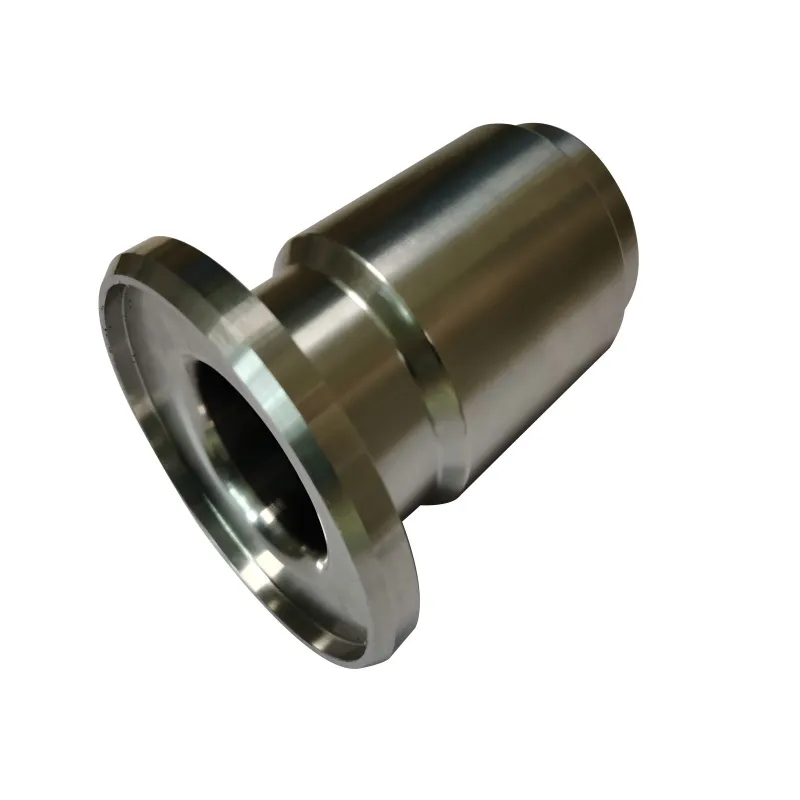
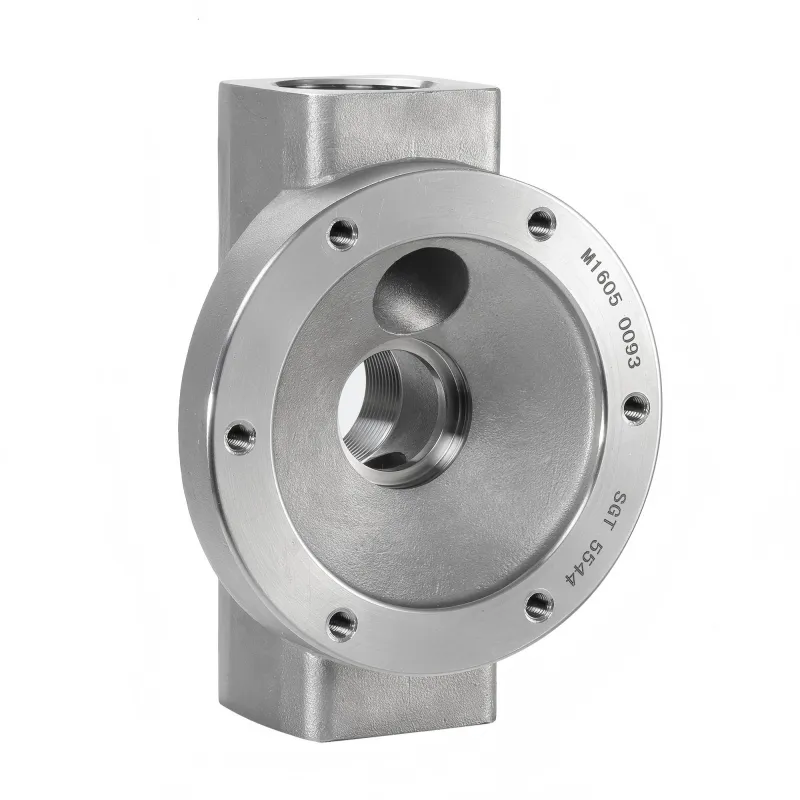
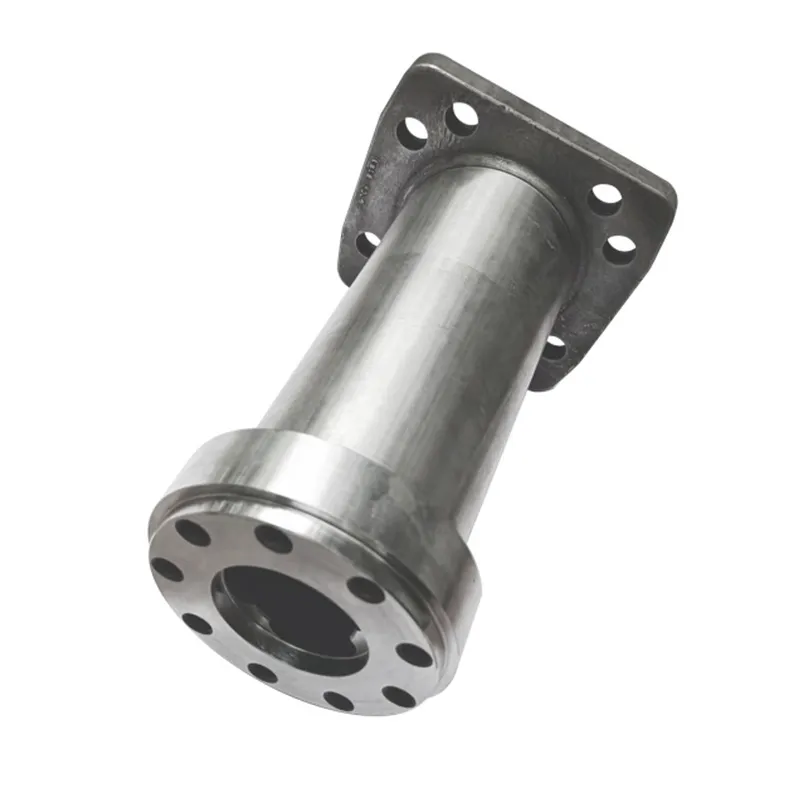
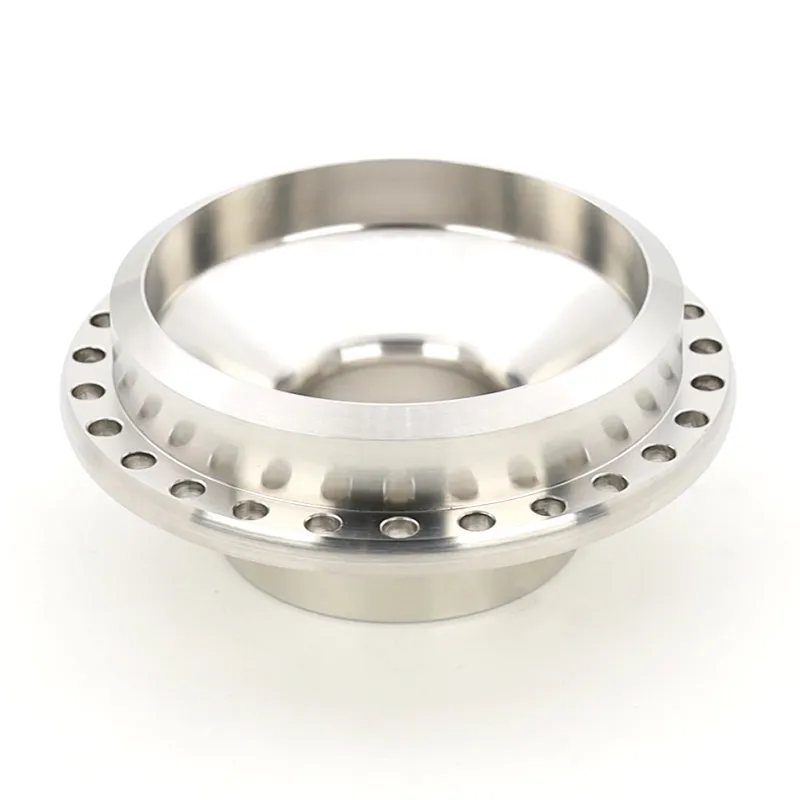
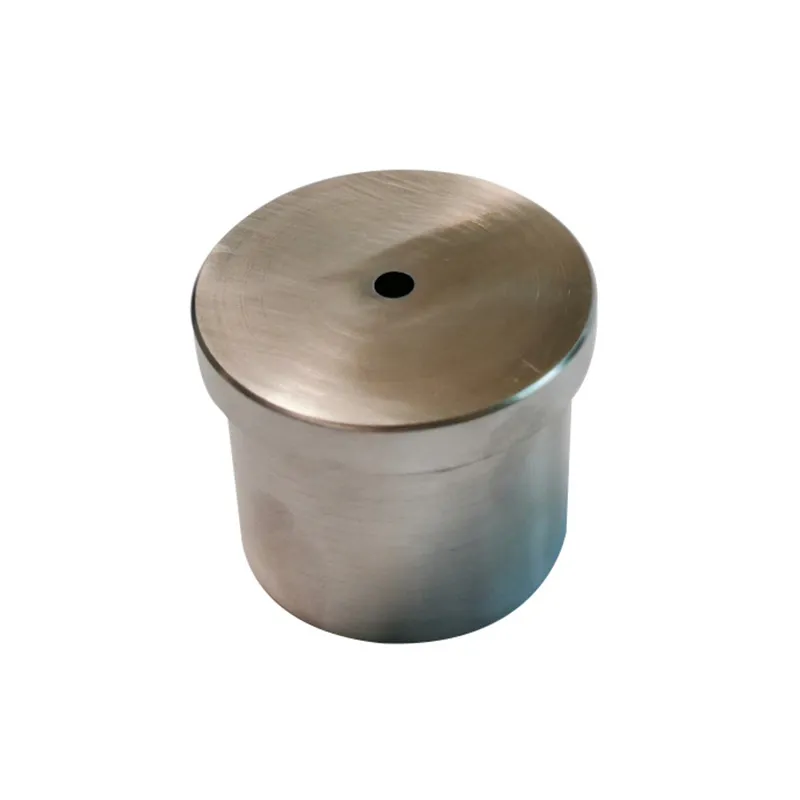
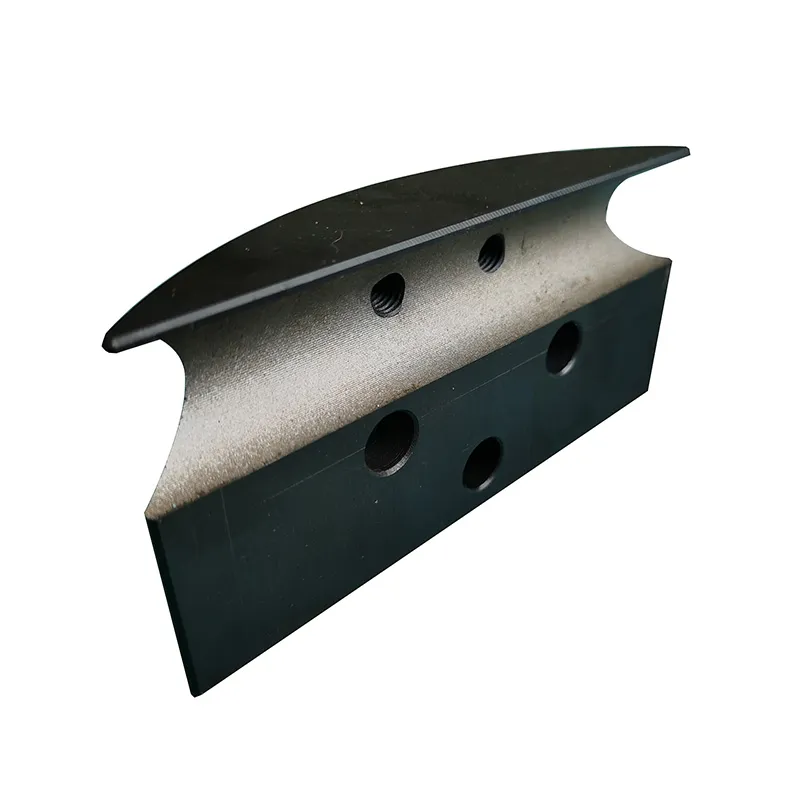
When you hear 'aerospace precision machining', most minds jump straight to tight tolerances and fancy 5-axis machines. That's part of it, sure, but it's the easy part. The real story is in the material conversation, the unspoken compromises between design intent and manufacturability, and the sheer weight of traceability. I've seen too many beautiful CAD models that are a nightmare to fixture, or perfect aluminum parts that fail because someone didn't account for thermal dynamics in assembly. It's not just about making a shape; it's about making a shape that survives, performs, and can be proven to have been made correctly, every single time.
The Material is the First Customer
You can't talk precision without starting with the blank. This is where many projects get their first reality check. Aerospace isn't just about aluminum and titanium anymore. We're deep into nickel-based alloys like Inconel 718, or cobalt-based alloys for extreme environments. These aren't metals you just cut. They work-harden, they're abrasive, they fight you. A supplier's experience here is non-negotiable. I recall a project for a turbine seal component where the drawing called for a specific surface finish on a Hastelloy X part. The toolpath strategy that worked for stainless steel just glazed the surface, creating a stress riser. We had to go back, slow everything down, use a completely different tool geometry—a specialized wiper insert with a much more aggressive coolant delivery. The cycle time tripled, but the part passed its fatigue tests. That's the hidden cost of precision.
This is why a company's history matters. A shop that's been in casting and machining for decades, like Qingdao Qiangsenyuan Technology Co., Ltd. (QSY), has a different starting point. They've seen how a material behaves from its molten state in investment casting all the way to its final machined form. That ingrained knowledge of grain flow, residual stress from the casting process, and how it interacts with a cutting tool is invaluable. It prevents a lot of first-article heartbreak. You're not just buying machine time; you're buying that accumulated material intuition.
I think a common mistake is treating the machining process as an isolated event. With these advanced materials, the entire chain is linked. How was the raw stock produced? Was it forged, cast, or bar? What was its heat treatment history before it even hit our receiving dock? We once had a batch of 17-4 PH stainless steel brackets that kept warping unpredictably after machining. After a lot of head-scratching and failed inspections, we traced it back to an inconsistent aging treatment from the material supplier. The precision was lost before we even powered on the spindle. Now, material certs and process history are the first documents we scrutinize.
Precision is a System, Not a Machine
Everyone gets excited about the latest CNC machining center with sub-micron resolution. But the machine is just the actor; the stage matters more. Temperature stability in the shop is a bigger factor than most admit. A 4-degree Celsius swing over a day can throw a long, thin aerospace actuator housing out of flatness tolerance. We had to implement a basic climate control system for a bay dedicated to large-format, high-tolerance work. It wasn't fancy, but it cut our scrap rate on those parts by over 60%.
Then there's metrology. You can't machine to aerospace tolerances without measuring to an order of magnitude better. But it's not just about having a CMM. It's about knowing what to measure and when. For a complex manifold with intersecting internal passages, a first-article inspection might involve a 3D scan and hours on the CMM. But for production batch control, you identify the critical-to-function features—maybe a specific bore diameter, its roundness, and its perpendicularity to a mounting face—and you create a streamlined, in-process check with air gauges or dedicated fixtures. This pragmatism is what keeps a project on schedule and budget.
Fixturing is another unsung hero. For low-volume, high-mix work, modular fixturing systems are great. But for a production run of a critical flight component, you often need a dedicated, hardened steel fixture designed to minimize part deflection during aggressive cuts. I've designed fixtures that cost more than the raw material for the parts themselves. It seems counterintuitive until you run the numbers on reduced cycle times, improved consistency, and eliminated setup errors. The fixture becomes part of the aerospace precision machining process recipe, as documented and controlled as the toolpaths.
Where Casting and Machining Collide
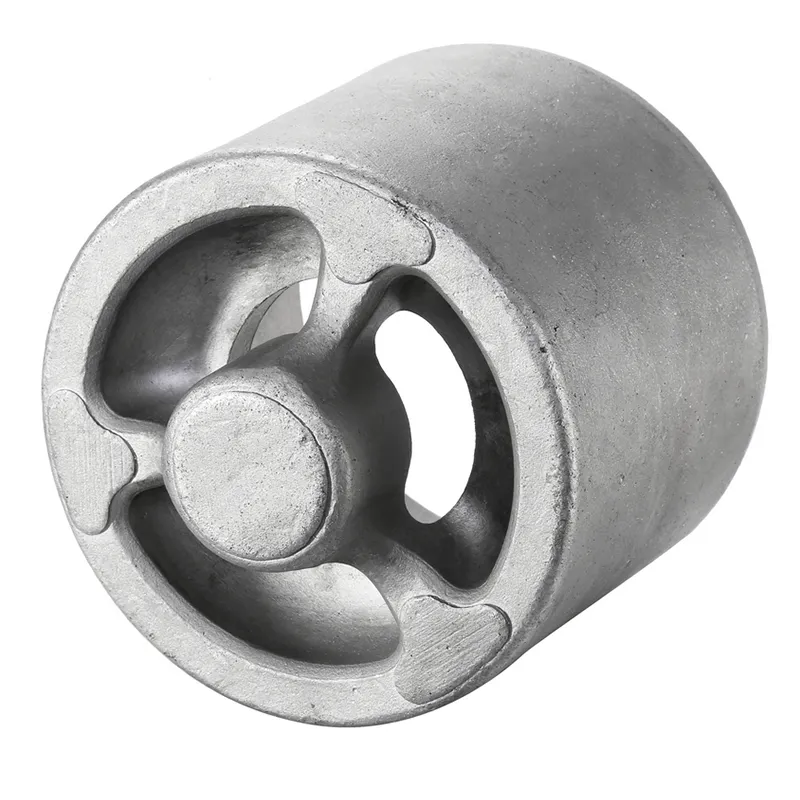
This is a particularly interesting space. Many complex aerospace components start as near-net-shape castings to save weight and material. The precision machining then brings the critical features into spec. The synergy here is massive, but so is the potential for conflict. If the casting house and the machine shop are separate entities, you get the blame game. Your casting has too much variation. Your machining process is too rigid.
Having both under one roof, as with a vertically integrated provider, changes the dynamic. The machining team can sit with the casting team during the design review and say, If you can hold an extra 0.5mm of stock on this flange, and guarantee it's within this envelope, we can eliminate a setup and improve the bore concentricity. The casting team might say, We can do that, but we need to add a small venting boss here. Can you machine it off in your first op? This kind of collaborative process optimization is where real value and reliability are built. It turns a chain of handoffs into a continuous, feedback-driven loop.
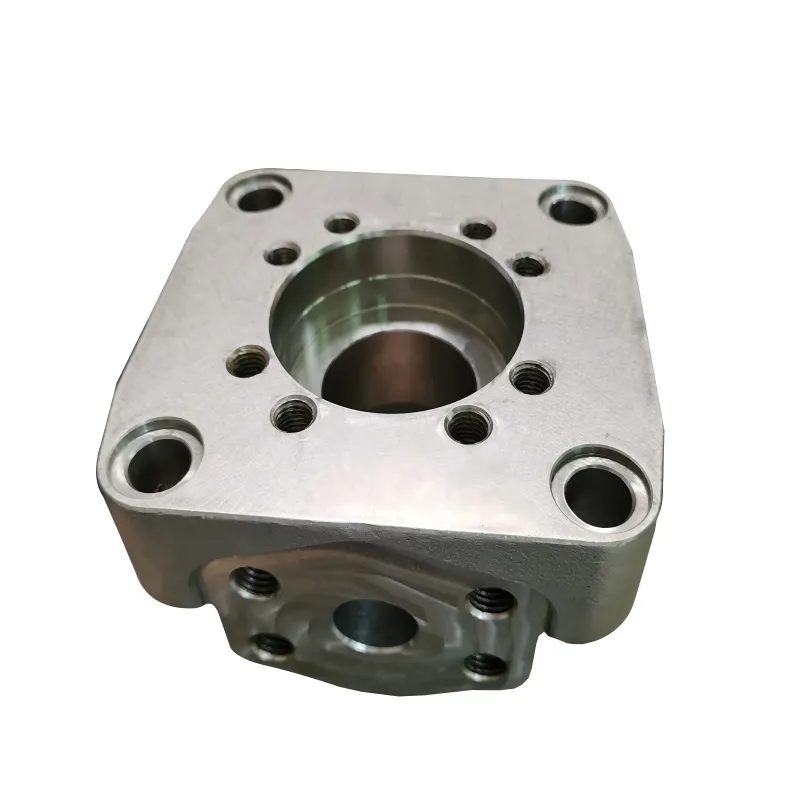
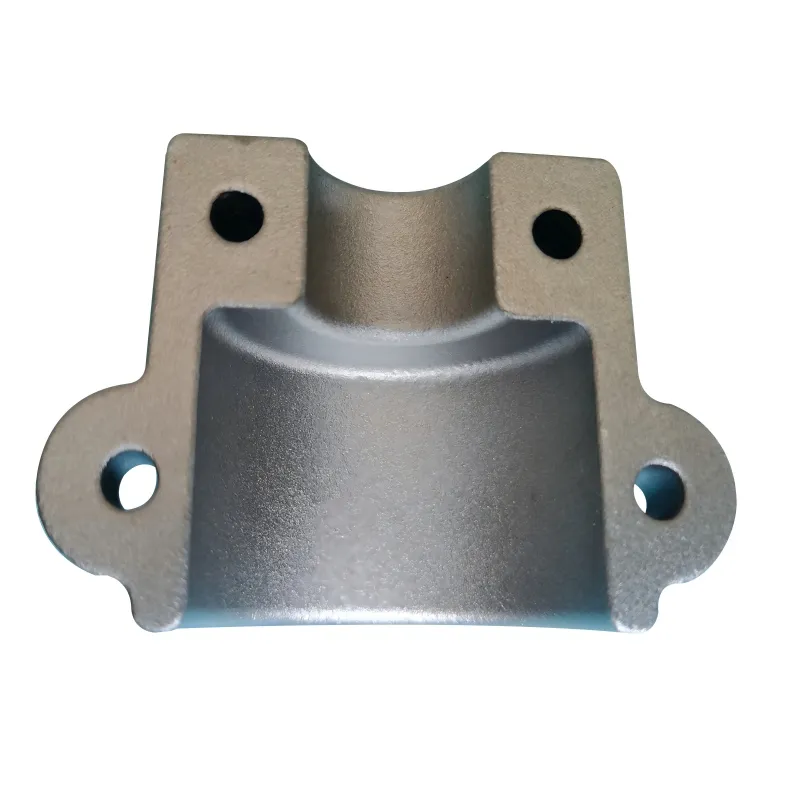
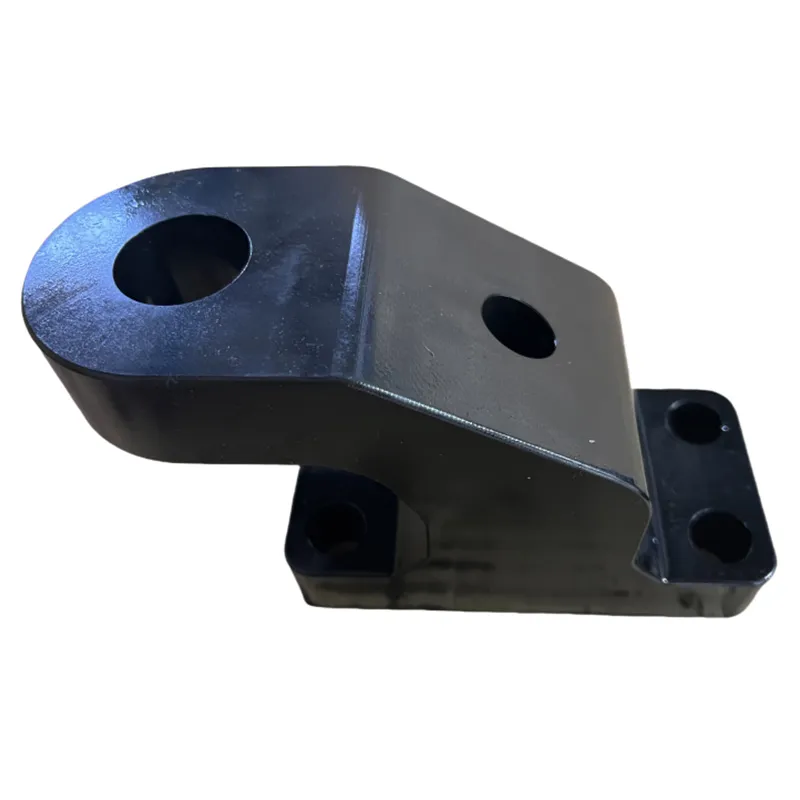
QSY's model of offering both shell mold casting, investment casting, and CNC machining speaks directly to this need. For an engine bracket or a hydraulic valve body, they can control the entire journey from molten metal to finished part. This control over the initial geometry and internal integrity of the casting directly informs and de-risks the subsequent precision machining stages. The machinists know the expected hardness zones, the potential shrink areas, and can program accordingly from day one.
The Documentation Burden
This might be the least glamorous but most critical aspect. In aerospace, if it wasn't documented, it didn't happen. Every piece of material must be traceable back to its melt lot. Every tool change, offset adjustment, and even maintenance event on the machine might need to be logged for certain projects. The paperwork can easily outweigh the physical part.
This isn't bureaucracy for its own sake. It's failure analysis insurance. If a part fails in service, investigators need to reconstruct its entire history. We had a situation where a batch of landing gear pins showed anomalous wear. Because we had full traceability, we could isolate the issue to a specific batch of tool inserts that had a coating flaw from the supplier. We could then identify every part machined with those inserts and quarantine them. Without that granular documentation, we would have had to scrap every similar part for months, a catastrophic cost.
Implementing this isn't just about software; it's a culture. The machine operator needs to understand why logging that they changed a worn insert at 3 PM is as important as the cut they're making. It requires discipline and systems that are integrated into the workflow, not bolted on as an afterthought. A shop's ability to handle this seamlessly is a huge marker of its aerospace maturity.
The Good Enough Paradox
Finally, a thought on the pursuit of perfection. There's a constant tension in aerospace precision machining between the ideal tolerance on the drawing and what is functionally necessary and economically viable. Sometimes, engineers specify tolerances based on legacy drawings or best practices that don't align with the part's actual function.
A good machining partner should be able to have that conversation. Not to cut corners, but to apply precision judiciously. Does that non-functional aesthetic surface really need a 0.8-micron Ra finish, or would a 1.6 suffice, saving 30% of the machining and polishing time? Does this bore, which houses a flexible seal, need to be a true geometric cylinder to within 2 microns, or is its diameter consistency over its length more critical? Asking these questions, backed by experience and sometimes even proposing a functional test to validate a relaxation, is part of the service. It's about achieving reliability and performance, not just hitting abstract numbers on a print. That's where the craft meets the science.