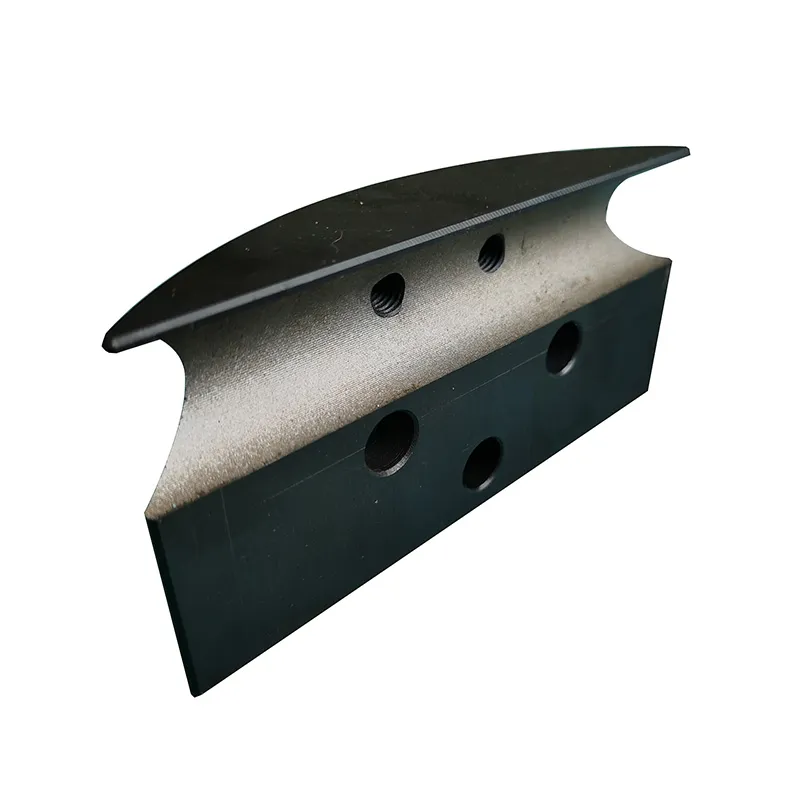
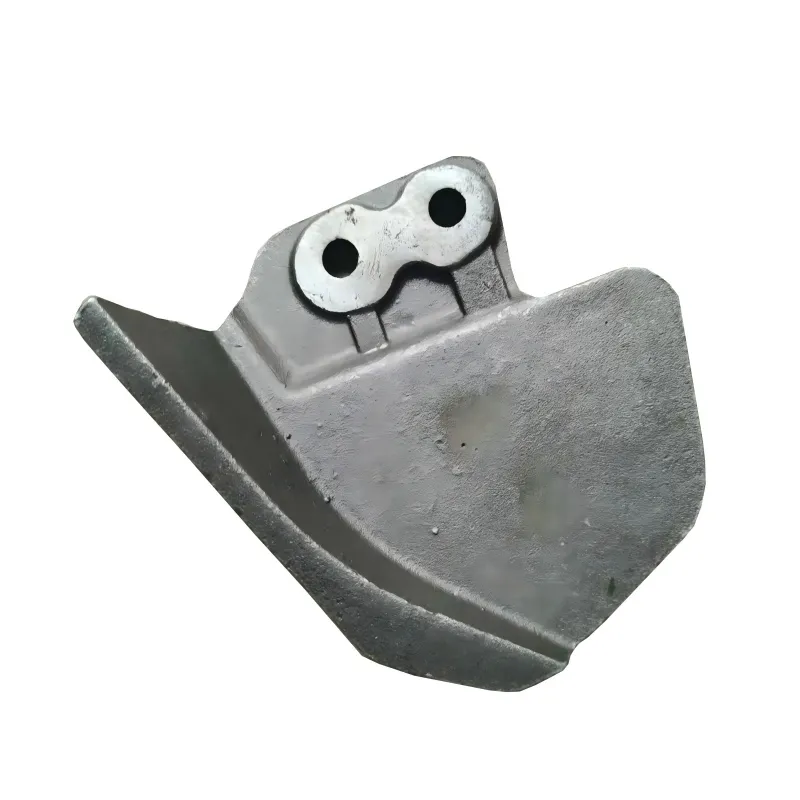
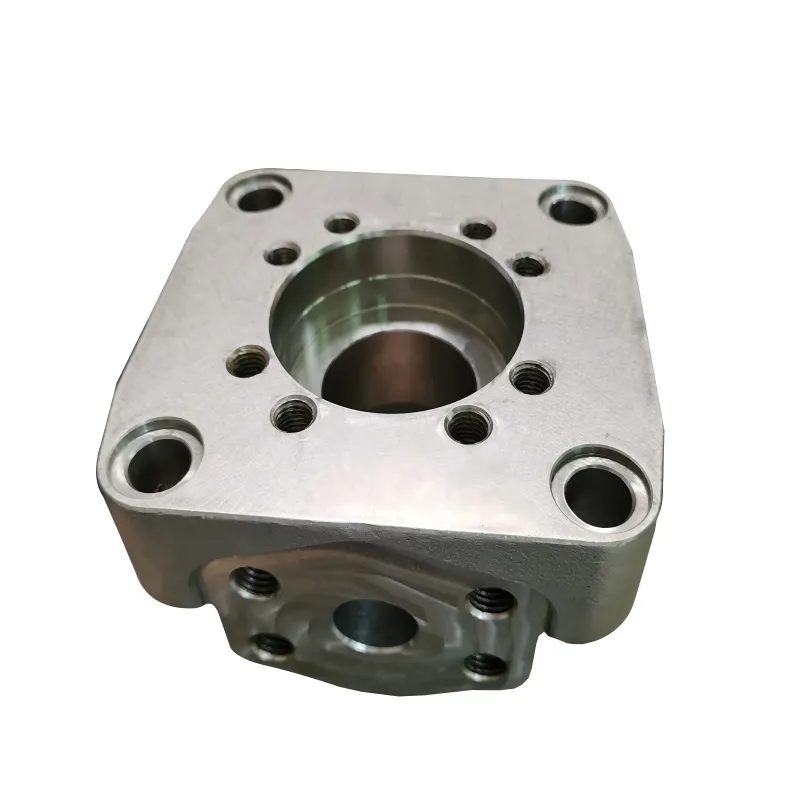
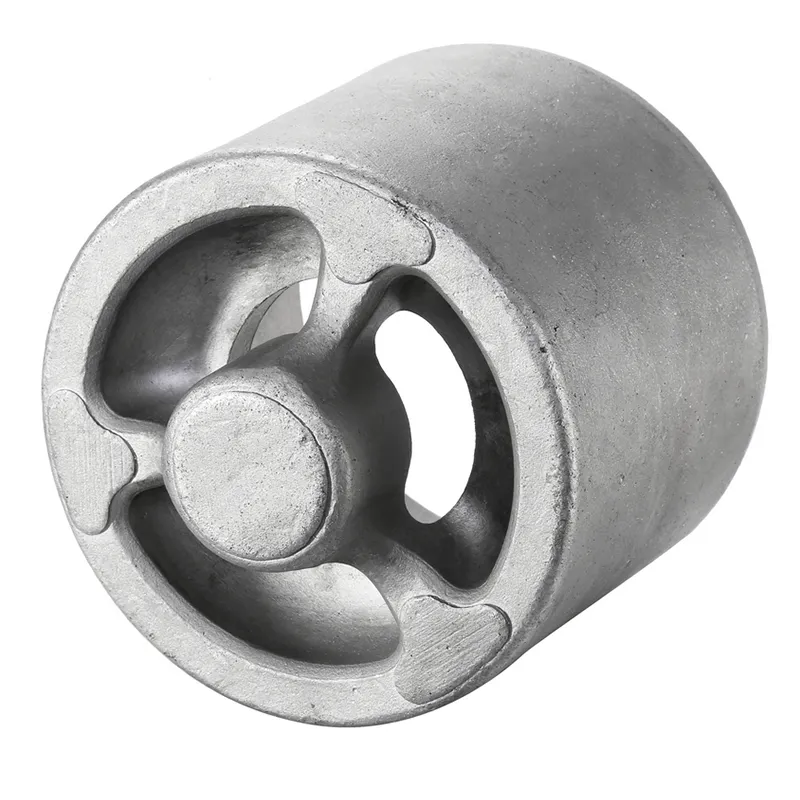
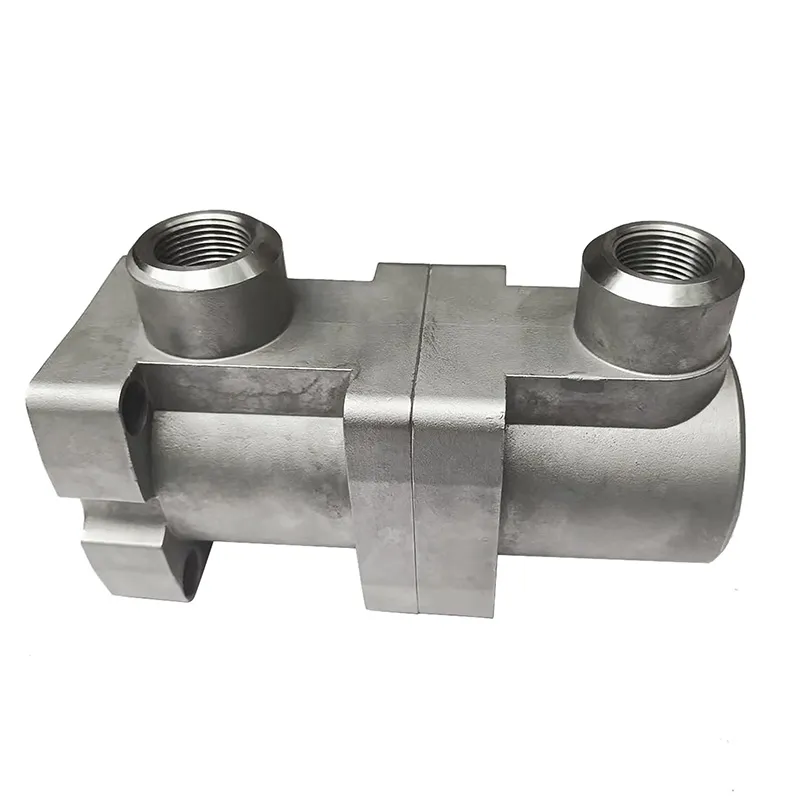
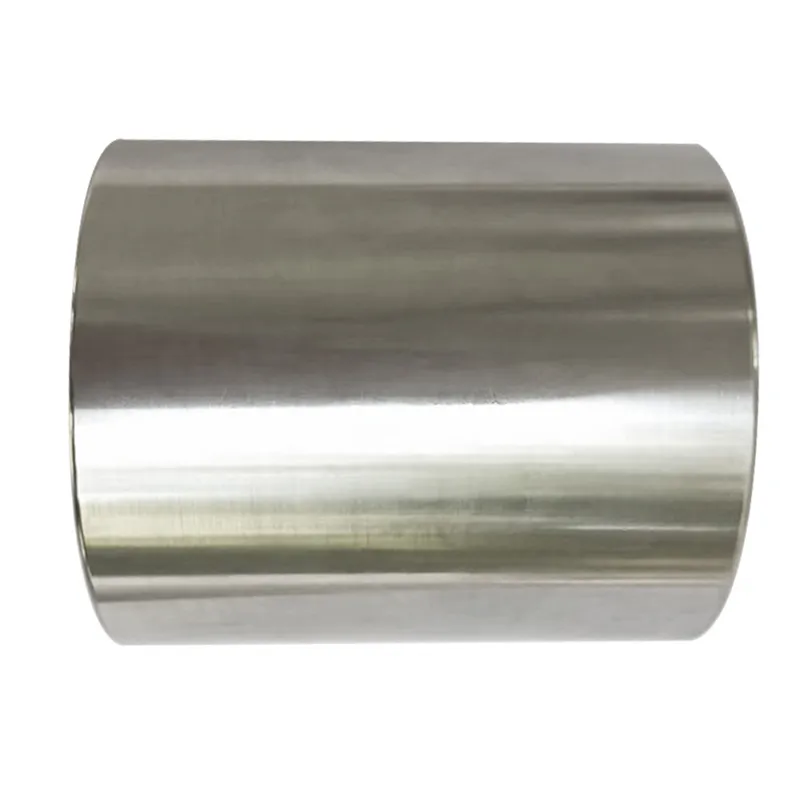
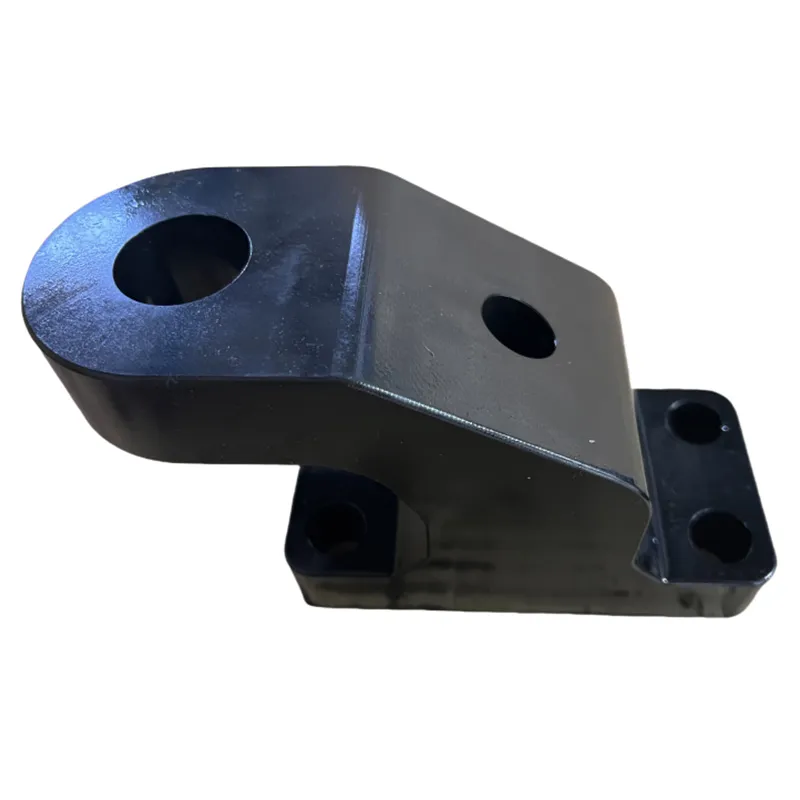
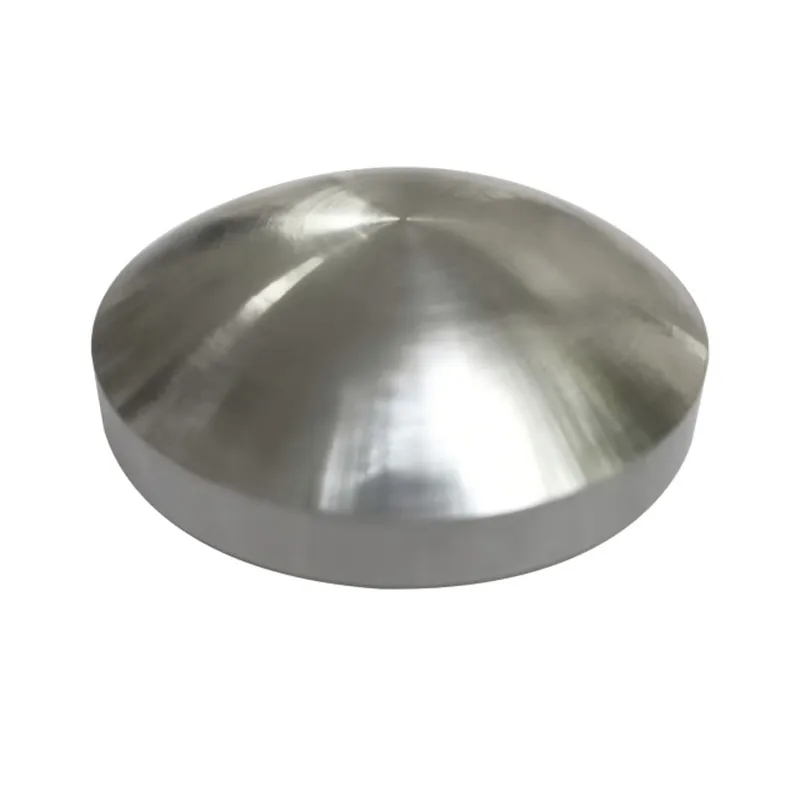
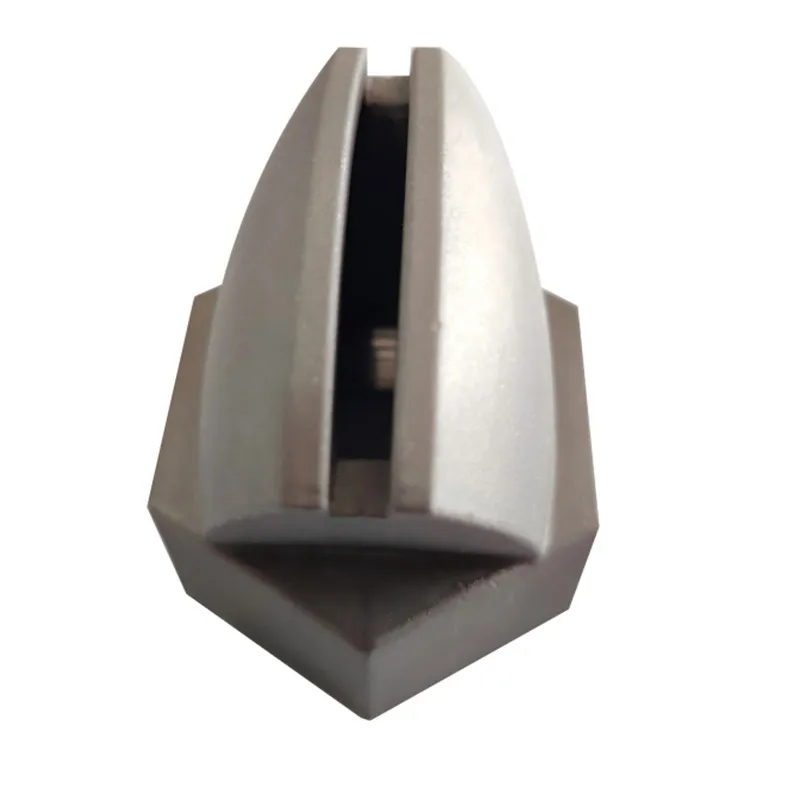
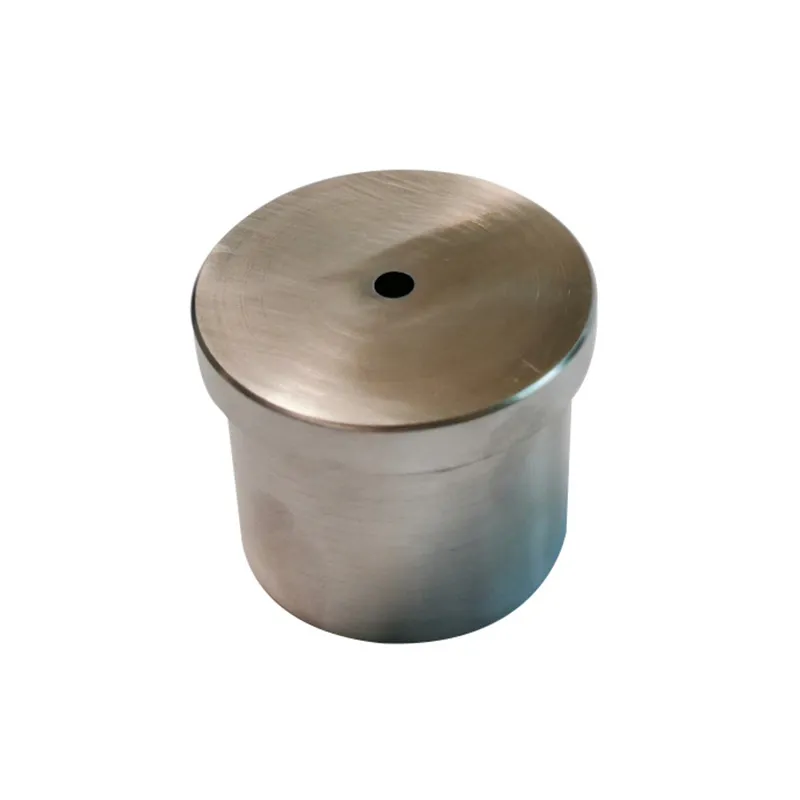
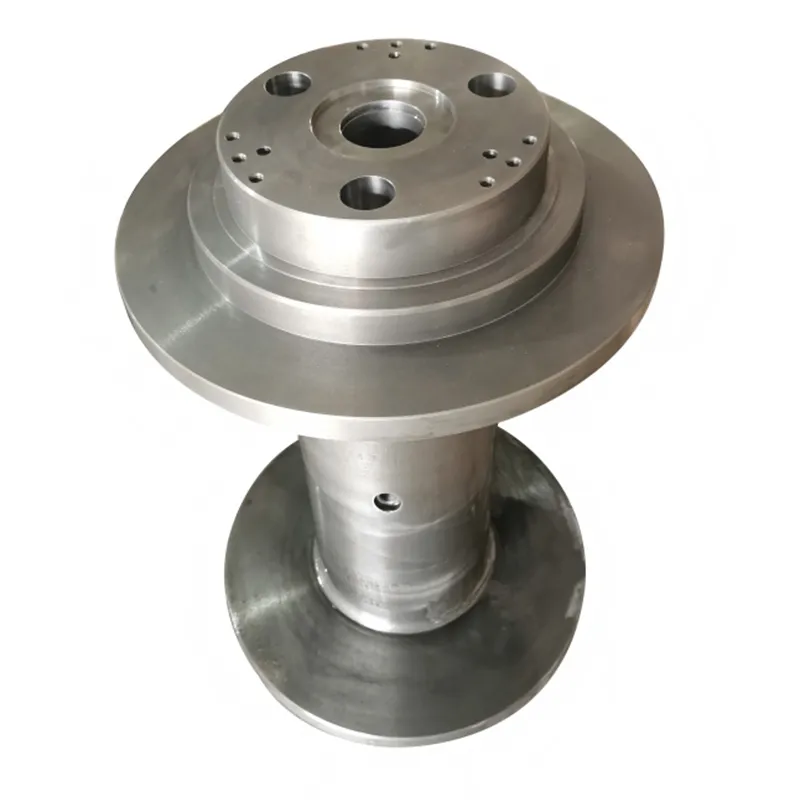
When most folks hear 'agricultural machinery parts', they picture a generic gear or a standard plough blade. That's the first mistake. In reality, it's a world defined by material fatigue under constant vibration, the chemical warfare of fertilizer and moisture, and the sheer, brutal torque demands of a 500-horsepower tractor pulling through clay. The spec sheet is just the starting point; the real test happens after 10,000 acres.
The Core Misconception: Interchangeability vs. Integrity
There's a pervasive belief, especially among smaller operations or new buyers, that a part is a part. If the bolt pattern matches and the dimensions are right, it should work. I've seen this lead to costly downtime. A agricultural machinery parts supplier's value isn't just in inventory, but in understanding the application. For instance, a PTO shaft shield might look identical from two sources, but one might use a grade of polymer that becomes brittle after one season of UV exposure, while another uses a UV-stabilized compound. The failure isn't immediate; it's a mid-harvest surprise.
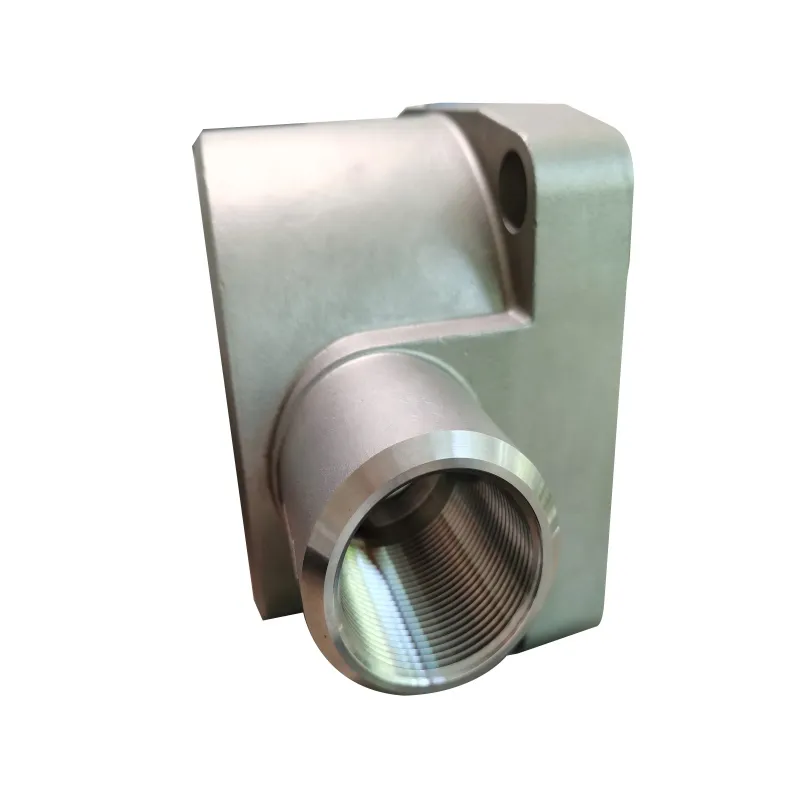
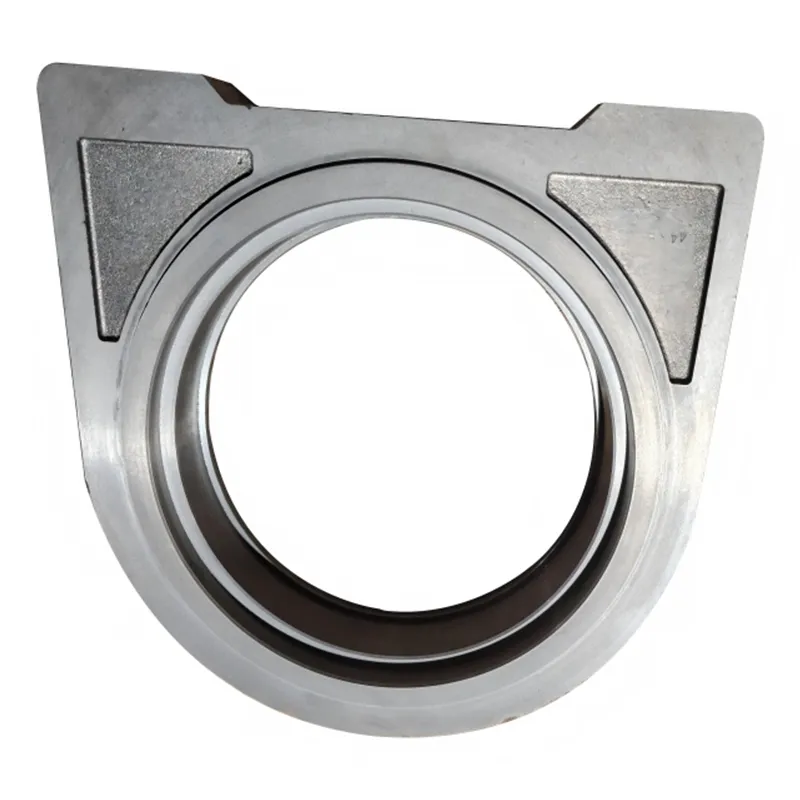
This is where legacy matters. A company that's been in the casting and machining game for decades, like Qingdao Qiangsenyuan Technology Co., Ltd.(QSY), has likely seen these failure modes firsthand. Their 30-year operation suggests they've iterated based on field feedback, not just CAD models. When you're dealing with shell mold or investment casting for complex housings—say, for a combine's grain elevator gearbox—the internal grain structure of the metal and the precision of the cast are what prevent crack propagation. You can't inspect for that upon delivery; you have to trust the process.
I recall a case with a hydraulic valve body for a large planter. The part kept cracking at a specific mounting ear. The drawings were followed, but the foundry had used a standard cooling process for the ductile iron casting. The solution, which a more experienced partner provided, wasn't a redesign but a change in the riser placement and cooling cycle during casting to relieve stress in that high-load zone. That's the kind of nuance you get from a specialist, not a general machine shop.
Material Selection: It's Never Just Steel
Specifying materials is another area ripe for error. Stainless steel is a category, not a specification. For parts constantly exposed to manure, silage juice, and chemical sprays, like fertilizer spreader components, 304 stainless might pit. Moving to 316 or even a duplex grade can triple the service life. But it's a cost-benefit analysis the farmer needs to understand.
This is where QSY's stated expertise in special alloys like nickel-based or cobalt-based alloys becomes relevant, though more for extreme wear applications like tillage points or crusher rollers in processing equipment. For the majority of agricultural machinery parts, the workhorse is still high-quality cast iron and forged steel. The key is the alloying elements and heat treatment. A properly normalized and tempered manganese steel part will absorb impact; a poorly treated one will shatter.
We tried to cut costs on a batch of subsoiler shanks once by sourcing a lower-grade alloy steel. The hardness was right on paper after initial treatment. But in the field, they didn't just wear down—they bent permanently on the first pass through rocky soil. The yield strength was insufficient. The loss wasn't just the part cost, but the labor to replace a dozen shanks in the field. Lesson learned: mechanical properties in a lab don't always translate to dynamic, unpredictable field conditions.
The Machining Finish: Where Tolerance Meets Reality
CNC machining gets all the glory for precision, and rightly so. But for agricultural components, precision needs context. A bearing seat for a spindle needs to be held to a tight tolerance, sure. But for a linkage arm, the critical factor might be the surface finish and deburring more than the tenths of a millimeter. A sharp edge from machining can become a stress riser and a rust initiation point.
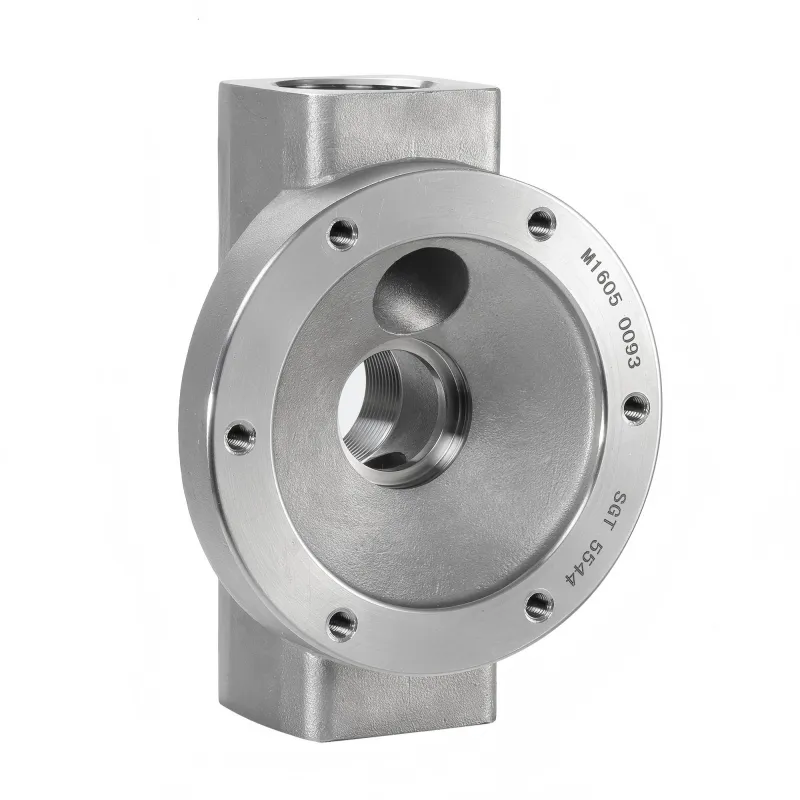
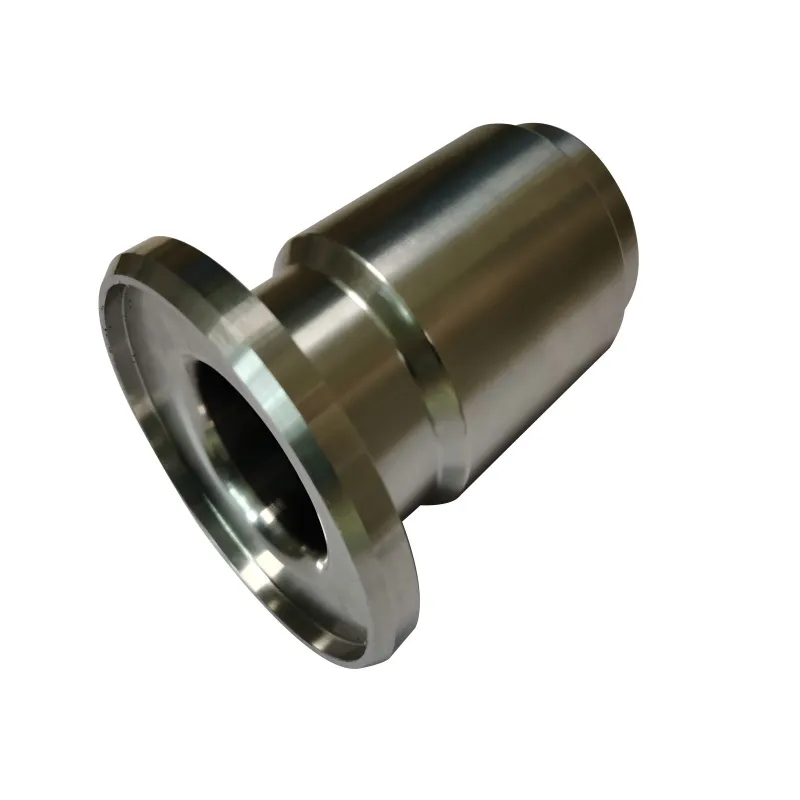
The integration of casting and machining under one roof, as QSY does, is a massive advantage. It allows for design for manufacturability from the start. They can machine critical features directly onto a cast part, ensuring alignment and saving the customer from a secondary machining operation. I've visited facilities where the cast part is shipped out for machining, and the cumulative tolerances stack up, causing assembly headaches. Controlling the entire process from molten metal to finished part minimizes that.
One detail often overlooked is thread quality on cast and machined parts. Hydraulic ports, mounting bolts—these threads see constant assembly and disassembly for maintenance. Rolled threads are superior to cut threads for fatigue resistance, but they require more care in production. It's a small thing that speaks volumes about the manufacturer's attention to the part's entire lifecycle.
Failure Analysis and the Feedback Loop
The best agricultural machinery parts suppliers aren't just order-takers; they're problem-solvers. They have a system for failure analysis. When a part comes back broken, do they just ship a replacement, or do they ask for photos, context, and the operating conditions? The latter builds institutional knowledge.
A practical example: gear failures in a rotary cutter gearbox. The initial diagnosis was overloading. But after analyzing several returned units, the pattern showed pitting starting on specific teeth. The issue wasn't load, but slight misalignment induced by the housing's thermal distortion during operation. The fix was a minor change to the housing's rib design and a more consistent heat treatment post-casting to stabilize the structure. That fix came from a supplier who cared enough to look deeper.
For a manufacturer with a long history like the one behind https://www.tsingtaocnc.com, their 30-year tenure implies they've navigated these cycles of failure and improvement repeatedly. Their portfolio in shell mold and investment casting is particularly suited for complex, thin-walled parts that need both strength and lightness—think brackets for modern sensor arrays or housings for precision metering systems. These aren't commodity items.
Sourcing Strategy: Building a Reliable Pipeline
Finally, from a buyer's perspective, finding a reliable source for these parts is about reducing risk. It's not about finding the absolute cheapest per-unit cost. It's about total cost of ownership: part price + freight + installation labor + risk of premature failure x cost of downtime during planting or harvest.
Developing a relationship with a technically competent manufacturer, one that can advise on material selection and design tweaks, pays off. It turns a transactional purchase into a partnership. You can send them a broken part or a sketch of a modification and get a workable solution. Companies that offer both casting and CNC machining, as QSY does, provide a single point of accountability for the finished component, which simplifies logistics and quality control immensely.
In the end, successful sourcing for agricultural machinery parts hinges on recognizing that these components are the connective tissue of the food production system. They operate in the harshest environments with the highest reliability demands. The choice of supplier should reflect that reality—prioritizing proven metallurgy, integrated manufacturing control, and a depth of field experience that turns potential failures into engineered solutions before they ever reach the field. That's the difference between a part that fits and a part that works.