When most people hear 'agriculture machinery', they picture a big, loud tractor kicking up dust. That's part of it, sure, but it's a surface-level view. The real story is in the components—the unglamorous, critical parts that actually do the work in the field or the processing plant. The gears, housings, hydraulic manifolds, and cutter blades that take the punishment day in, day out. That's where the material science and manufacturing precision separate the gear that lasts a season from the one that lasts a decade. A lot of folks sourcing parts get fixated on initial cost or basic specs, not fully grasping how a component's genesis—its casting method and post-processing—dictates its fate under stress. I've seen too many harvests delayed because a cheaply sourced gearbox housing cracked, not from a single impact, but from fatigue. That's the hidden cost.
The Foundation: Why Casting Method Isn't a Minor Detail
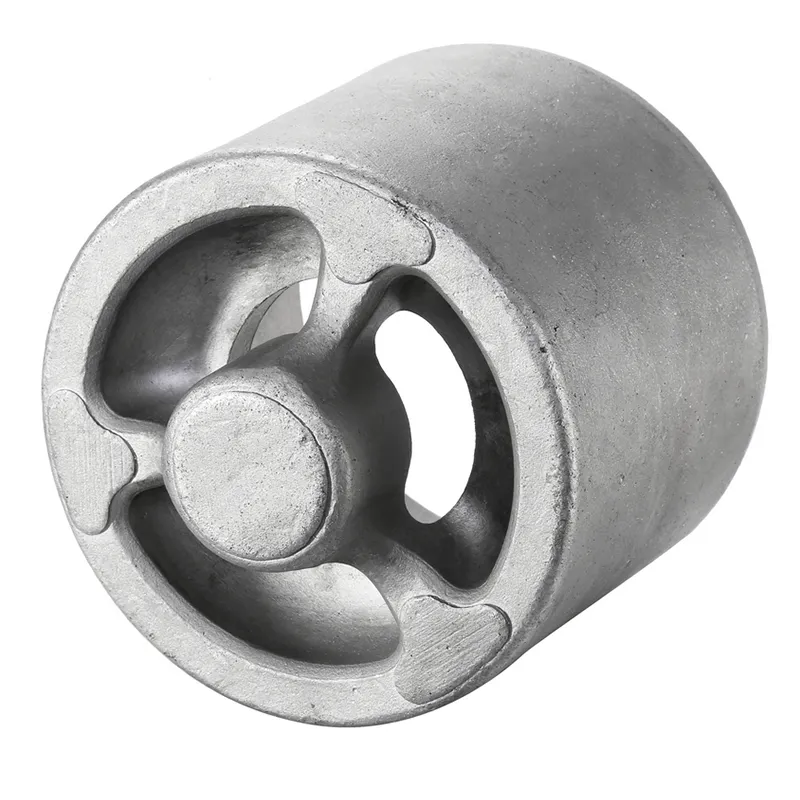
Let's talk castings. For heavy-duty agri components like transmission cases, differential housings, or even complex brackets for sensor arrays, the casting process is everything. You can't CNC mill strength into a part if the base material has micro-porosity or inconsistent grain structure. I recall a project years back for a rotary tiller gearbox. The client had been using standard sand-cast units, and failure rates spiked when operators pushed into more abrasive, rocky soils. The issue wasn't the design; it was the material integrity. Sand casting can leave a rougher, more porous surface and internal structure, which becomes a nucleation point for cracks under high cyclic loads.
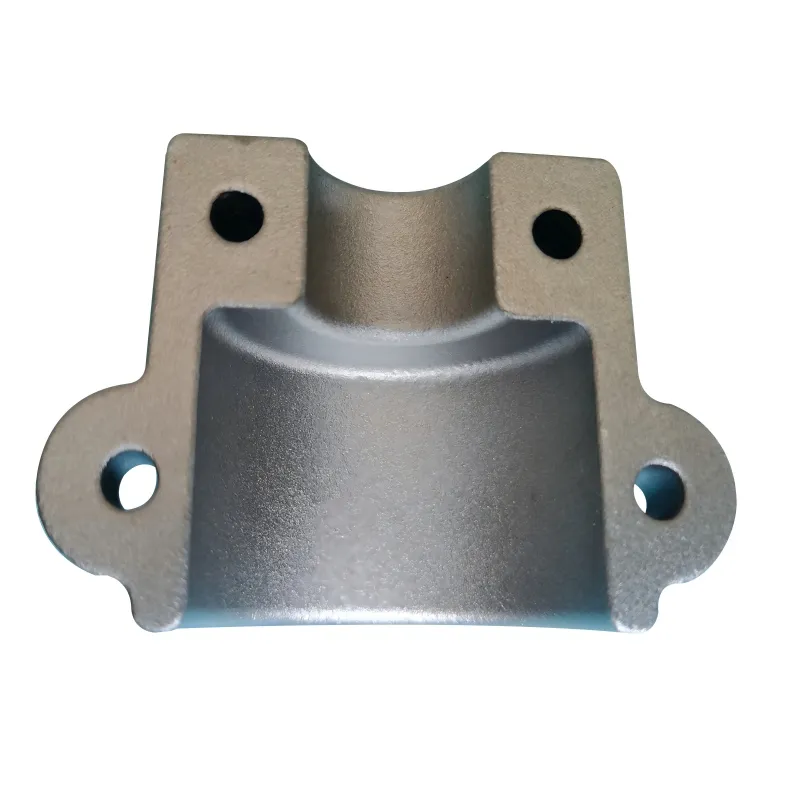
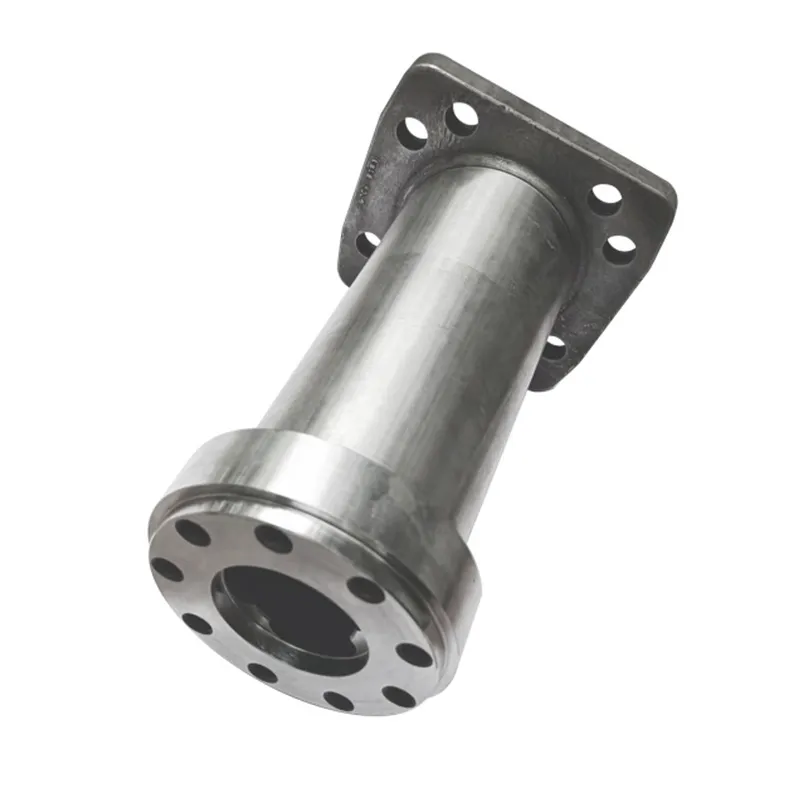
This is where processes like shell mold casting and investment casting come into their own for critical parts. Shell mold gives you a much smoother surface finish and dimensional accuracy right out of the mold. It reduces machining time later, but more importantly, it yields a denser, more uniform part. For the really complex, thin-walled components—think intricate hydraulic valve bodies or lightweight structural elements for modern cab frames—investment casting is often the only way to get the geometry without weakness. I worked with a manufacturer, Qingdao Qiangsenyuan Technology Co., Ltd. (QSY), on a prototype for a combine harvester's reel arm bracket. The shape was organic, with internal reinforcing webs. Doing it as a weldment would have been a nightmare of alignment and stress points. We went with investment casting in a high-strength low-alloy steel. The first batch saved about 15% in weight and passed fatigue testing that the old welded design couldn't touch. Their experience, which they note spans over 30 years in casting and machining, was evident in how they approached the gating and riser design to prevent shrinkage in the critical load-bearing sections.
The point is, specifying the right casting method is a foundational engineering decision, not just a purchasing checkbox. It dictates the component's fatigue life, weight, and ultimately, the machine's uptime. A failure here means a failure in the field, miles from the workshop.
The Critical Link: Machining Where It Counts
Even a perfect casting is just a rough blank. Precision happens on the machine floor. For agriculture machinery, this isn't about achieving micron-level tolerances on every surface—that's overkill and expensive. It's about strategic precision. Where does the bearing seat? Where does the seal run? Where do mounting faces mate? Get those interfaces right, and the rest can have a more forgiving tolerance. I've always believed in fitness for purpose machining.
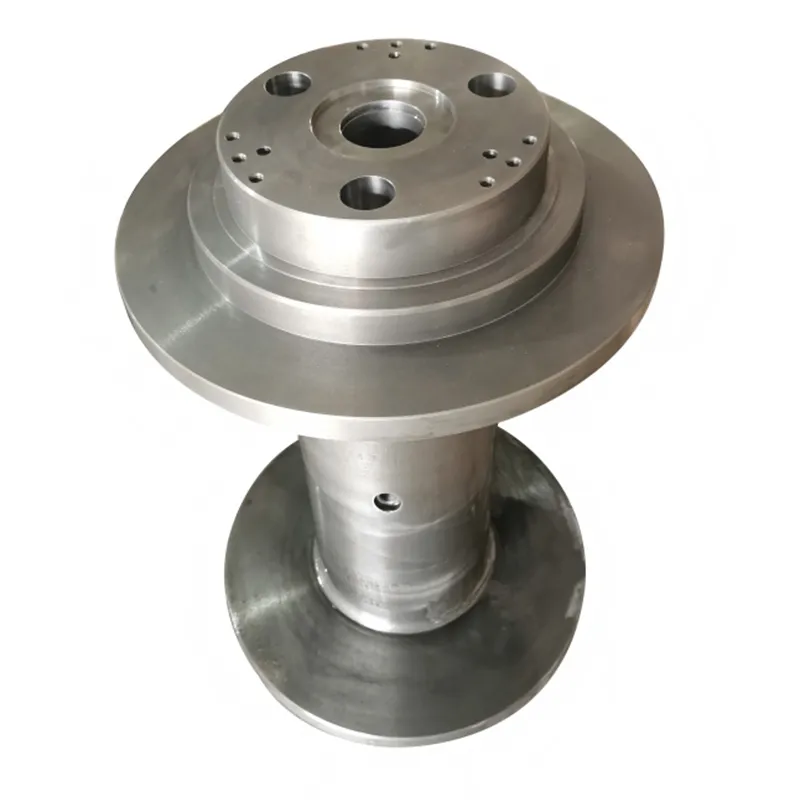
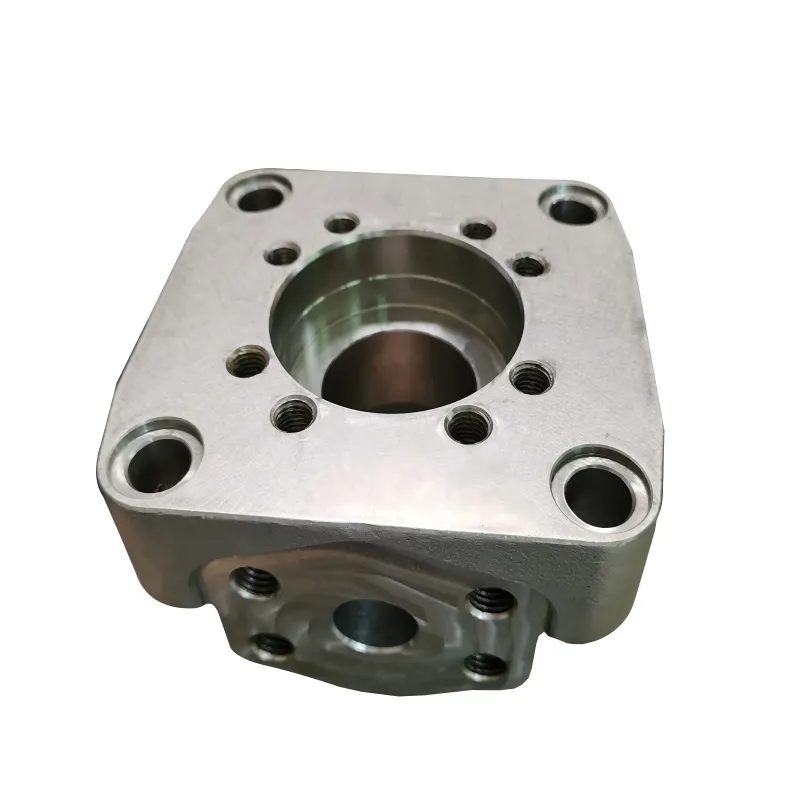
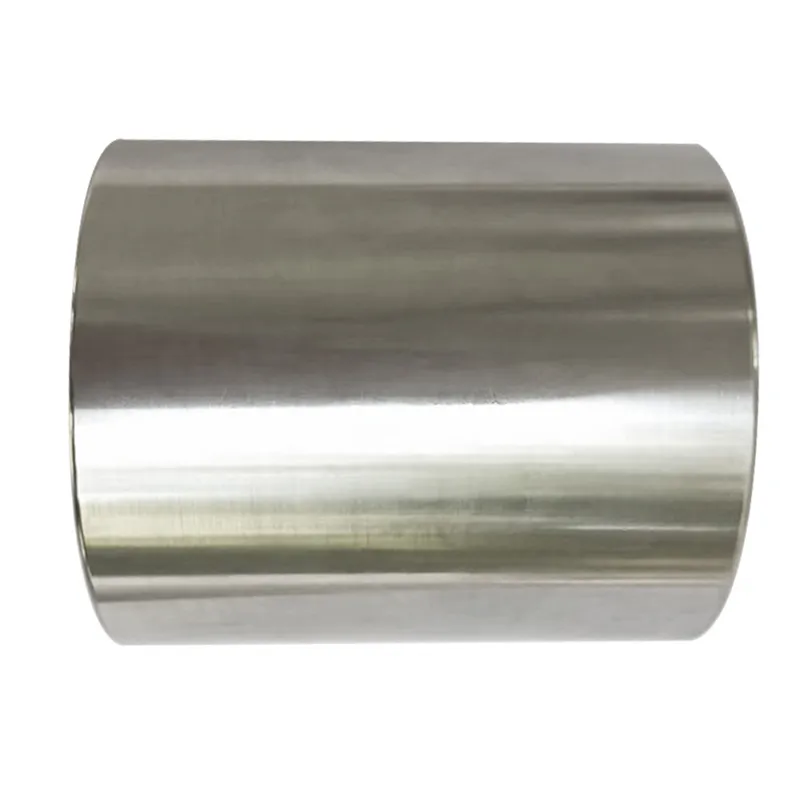
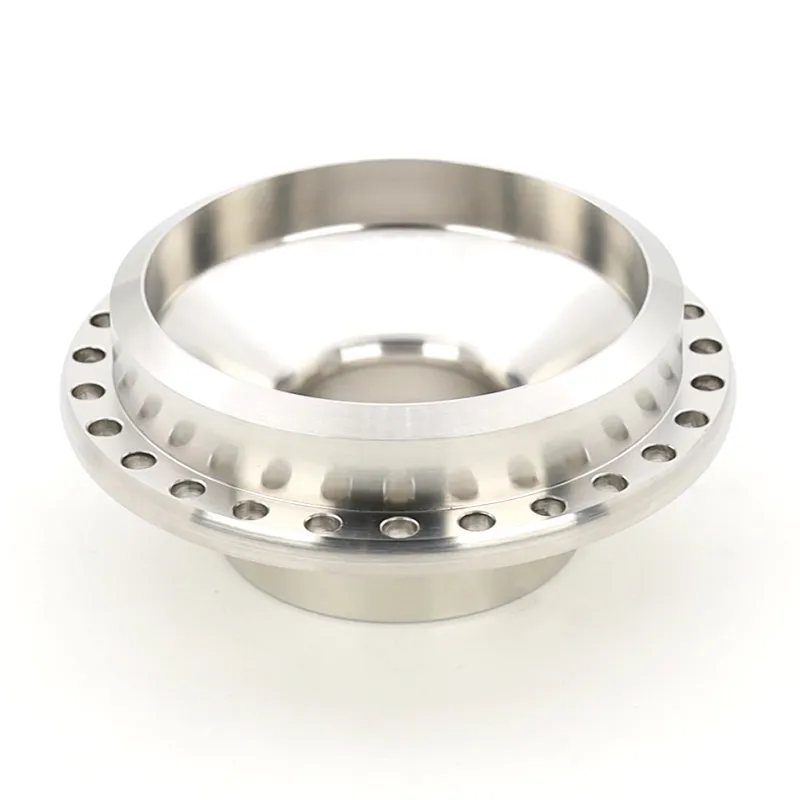
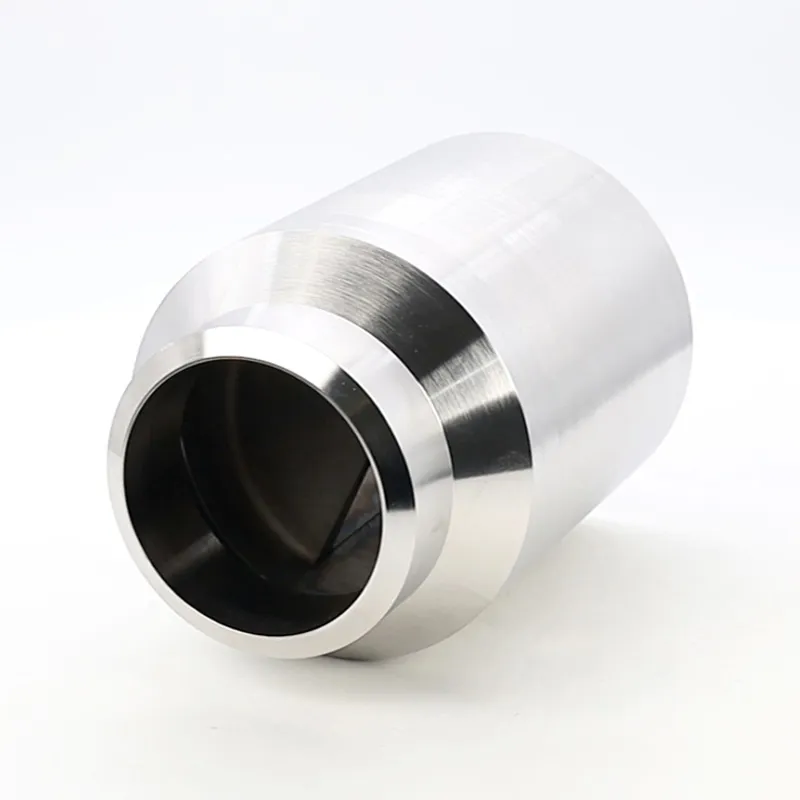
CNC machining brings the consistency needed for volume production and interchangeability. But programming isn't just about following a CAD model. You have to understand the part's function. For instance, machining a PTO shaft yoke: the critical thing is the spline profile and its alignment with the bearing journals. A tiny misalignment here causes vibration, wear, and eventual failure. The machinist needs to know how to fixture the part to maintain that relationship through the machining steps. It's tacit knowledge. On their platform, tsingtaocnc.com, QSY highlights their work with materials like cast iron and stainless steel—common in agri applications. Stainless for corrosion resistance in manure spreaders or chemical applicators, cast iron for its damping characteristics in engine blocks and heavy housings. But machining stainless versus cast iron requires different tooling, speeds, and feeds. Get it wrong, and you work-harden the stainless, ruining the part and destroying tools.
A practical headache I've encountered is with large, irregular castings. Fixturing them securely for CNC work without inducing stress is an art. You can't just clamp it down hard; you'll distort it, and it will spring back after machining, losing all accuracy. We once had a batch of plow frame brackets come off the CNC with perfect bore dimensions, but when bolted to the frame, they wouldn't align. The culprit? Residual stress in the casting released during machining, compounded by overly aggressive fixturing. The solution involved a stress-relief heat treatment before rough machining, then a lighter finishing pass. It added a step, but it eliminated field assembly issues. This is the kind of process nuance that separates a job shop from a true partner.
Material Choices: Beyond Steel
Saying a part is made of steel is almost meaningless in our context. Is it a mild steel, a high-carbon steel, an alloy steel like 4140, or a stainless like 304 or 316? Each behaves wildly differently. For wear parts—tiller blades, combine cutter bar sections, plough shares—you need high hardness and abrasion resistance. Often, this means high-carbon steels or alloys, sometimes surface-hardened. But high hardness can mean brittleness. It's a trade-off.
Then there are the extreme applications. Think about components in a biomass boiler feeding system or parts exposed to high-temperature engine exhaust. Or even wear parts in soil heavily amended with certain fertilizers. That's where special alloys like nickel-based or cobalt-based ones come in. They're expensive, so you only use them where you must. I was involved in testing a nickel-based alloy for a wear plate in a high-throughput grain auger that was also exposed to corrosive elements from treated seed. A standard carbon steel plate would wear out in a season. The nickel alloy version showed negligible wear after two, justifying its cost through reduced downtime and replacement labor. Suppliers who can handle these materials, like those working with cobalt-based or nickel-based alloys, are crucial for pushing machinery into more demanding operational envelopes.
The mistake is to see material choice as a static spec. Soil conditions change, fertilizers change, and duty cycles intensify. What worked for a 100-horsepower tractor's linkage might fail on a 400-horsepower model, even if the design looks similar. The increased load cycles can induce fatigue in a material that was previously adequate. It's a dynamic calculation.
The Integration Challenge: From Component to System
A perfectly cast and machined component is useless if it doesn't play well with others. This is the systems integration challenge in agri machinery manufacturing. It's where engineering meets practical assembly. Tolerances stack up. A hydraulic valve body might be flawless, but if the manifold it mounts to is off, you get leaks. A beautifully machined gear might not mesh correctly if the housing bore locations have drifted.
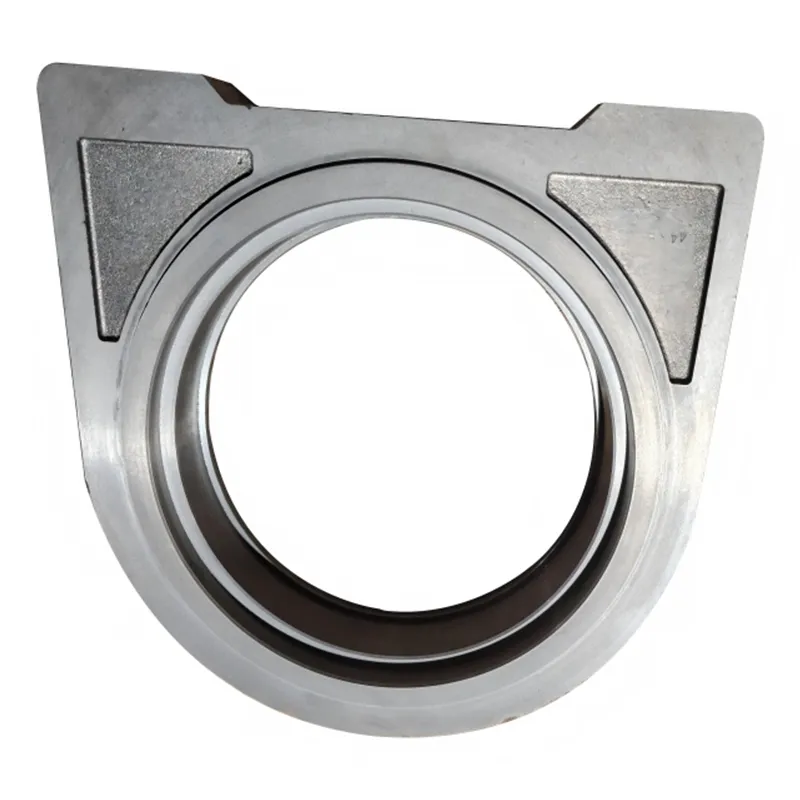
This is why having a supplier that controls both the casting and significant machining in-house, like the integrated process from casting to CNC machining that QSY describes, can be a major advantage. It reduces the blame game and allows for feedback loops. For example, if the machining team consistently finds a certain wall difficult to hold tolerance on, they can feed that back to the foundry to adjust the casting design or process, perhaps adding a little more stock in that specific area. This co-location of processes mitigates risk.
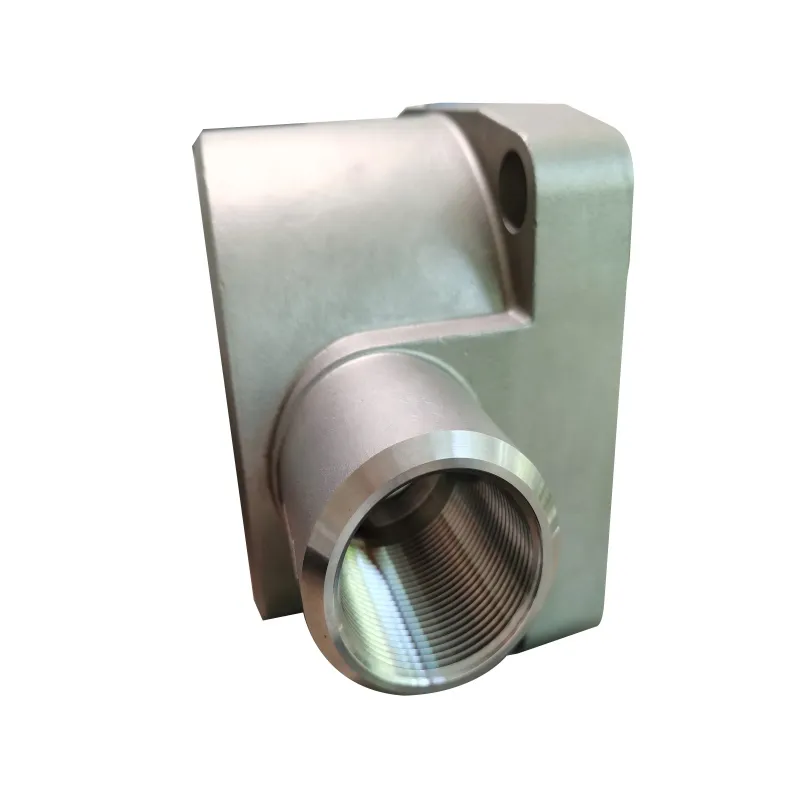
I remember a case with a complex pump housing for a crop sprayer. It had multiple port connections and an internal cavity. The casting came from one vendor, machining from another, and assembly was done by us. We had persistent leakage. The casting vendor blamed the machining for distortion; the machining vendor blamed the casting for hidden porosity. It was a costly mess. Bringing the entire part fabrication under one roof, with shared accountability, resolved it. The issue turned out to be a combination of minor porosity in a critical area and a slightly off-angle machining of a seal groove. A single-source provider could have caught that correlation during process validation.
Looking Forward: Durability as a Sustainability Metric
There's a lot of talk about high-tech precision ag, and rightly so. But from a ground-level perspective, the most sustainable practice is often durability. A component that lasts twice as long halves the resource and energy footprint of its replacement, not to mention the downtime and logistical carbon cost of getting a service truck out to a remote field.
This brings us back full circle to agriculture machinery fundamentals. The path to durability isn't always a flashy new material or a radical design. Often, it's the meticulous execution of the basics: selecting the optimal casting process for the stress profile, applying precision machining to the right interfaces, and choosing a material grade that matches the actual chemical and physical environment. It's unsexy work. It's foundries managing melt chemistry, and machinists dialing in feed rates. But when that gearbox hums through its tenth season in rocky soil, or that hydraulic valve cycles millions of times without a leak, that's the real payoff. It's what farmers rely on. The industry's move towards more sophisticated, higher-value machinery only makes this foundation more critical, not less. The margin for error shrinks as the power and price tags go up. That's where the real work is.