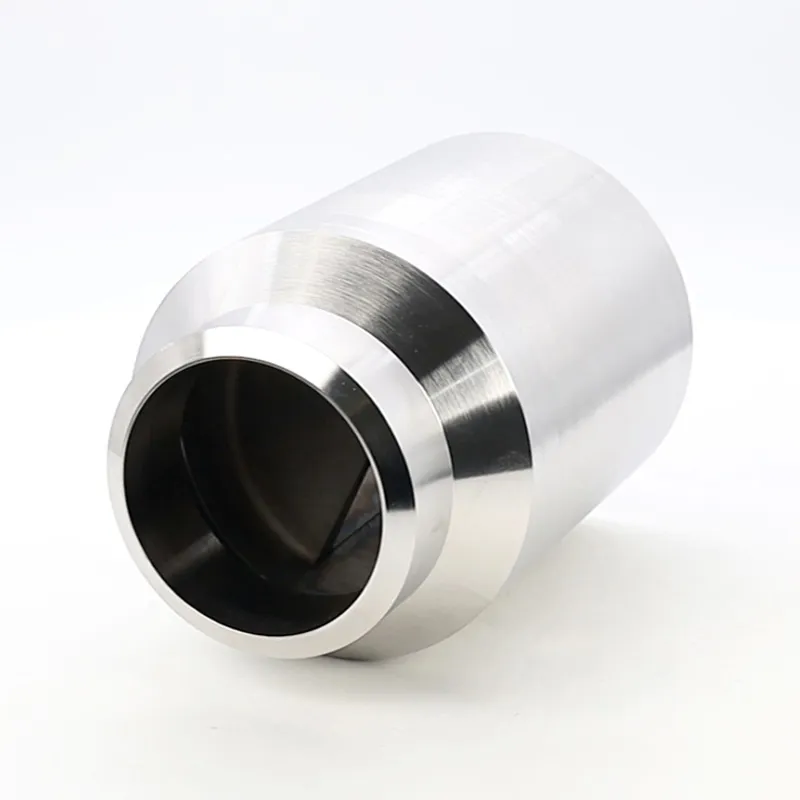
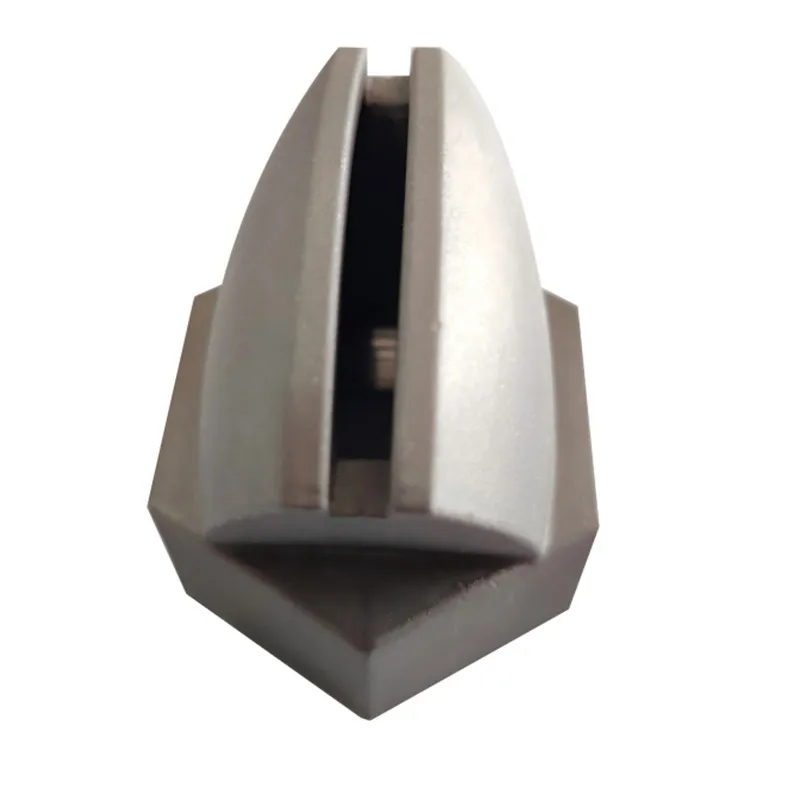
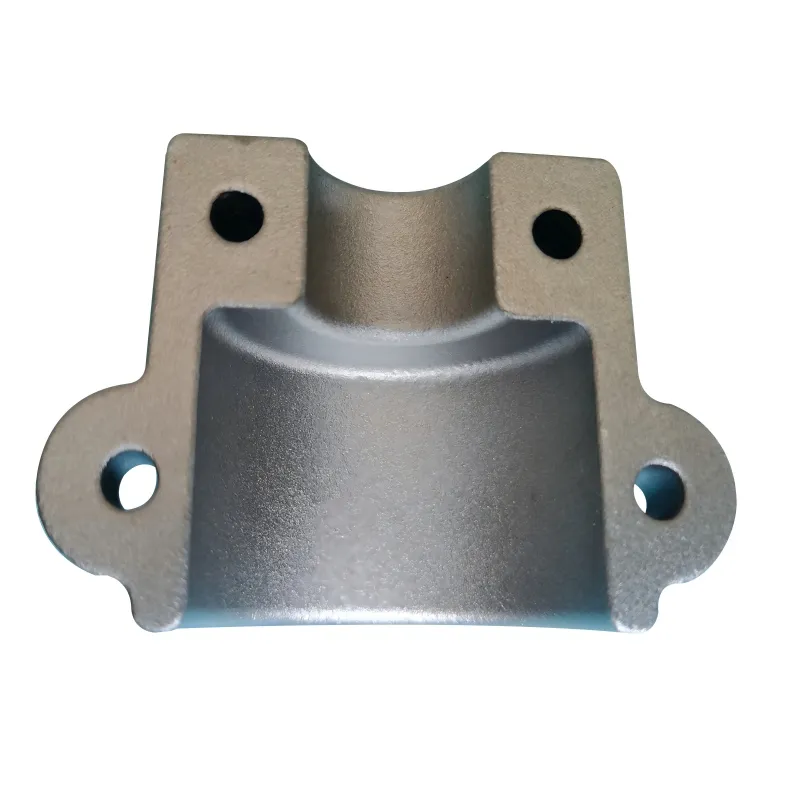
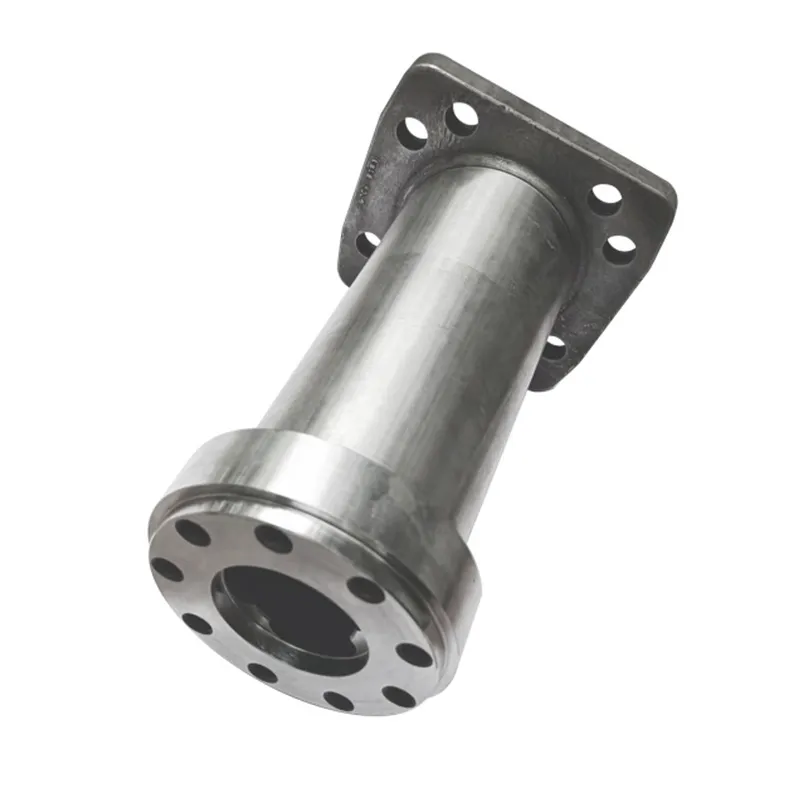
When you hear 'air set sand casting', the immediate image is often just another sand casting variant, maybe a bit cleaner. That's the first misconception. It's not just about using air to cure the binder. The real nuance, and frankly where many shops stumble, is in the interplay between the sand mixture's reactivity, the local humidity on the shop floor that day, and the specific binder catalyst timing. It's a process that feels forgiving until it absolutely isn't.
The Core Mechanism and Its Daily Grind
The principle is straightforward: a synthetic resin binder is mixed with dry silica sand, and a liquid catalyst is introduced to start the curing process. The 'air set' name comes from the fact that it cures at room temperature once gassed. But here's the catch—the work time, or 'bench life', is brutally sensitive. In summer, with high humidity, your mix might start setting up in 4 minutes flat, turning a perfect batch into a lumpy, unusable mass before it even reaches the mold flask. Winter dryness can stretch that time, risking weak molds if you rush to strip the pattern. You're constantly adjusting catalyst ratios by feel and experience, not just by the data sheet.
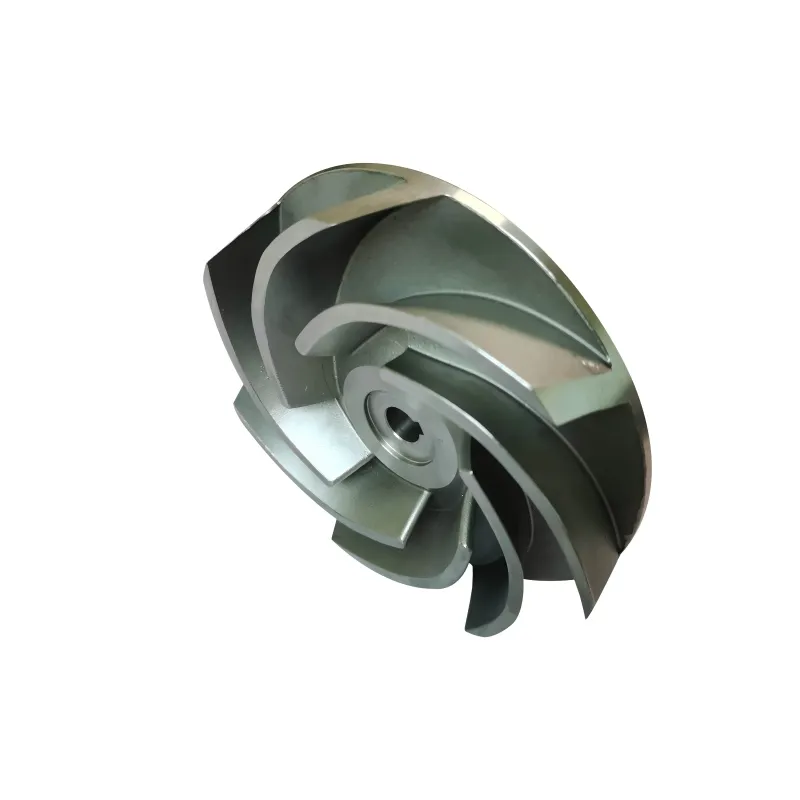
We learned this the hard way on a run of pump housings for a client. The spec called for a fine surface finish on internal waterways, making air set sand casting the ideal choice over traditional green sand. The first day went smoothly. The second day, a front moved in, humidity spiked, and we didn't compensate. The result? A series of molds with friable, crumbly surfaces that transferred straight onto the castings. Every single one was a scrap. The cost wasn't just in metal; it was in lost time and a frantic re-scheduling of the production line.
That's where the real skill lies. It's a tactile process. A seasoned molder will grab a handful of the mixed sand, squeeze it, and judge the onset of cure by the heat generated and the way it breaks. No instrument can replace that for speed on the floor. The advantage, when you nail it, is exceptional dimensional accuracy and a surface finish that often needs minimal machining, which is a godsend for complex geometries.
Material Compatibility and QSY's Niche
This process isn't for every metal. It shines with alloys that are prone to gas reactions or require precise thermal gradients. We've had great success with ductile iron and low-alloy steels. The dry, chemically bonded sand minimizes gas generation from moisture, reducing pinholing defects. However, for high-chromium stainless steels or superalloys, the game changes. The heat retention of the mold is different, and the binder breakdown can sometimes lead to surface carburization if you're not careful with the facing sand composition.
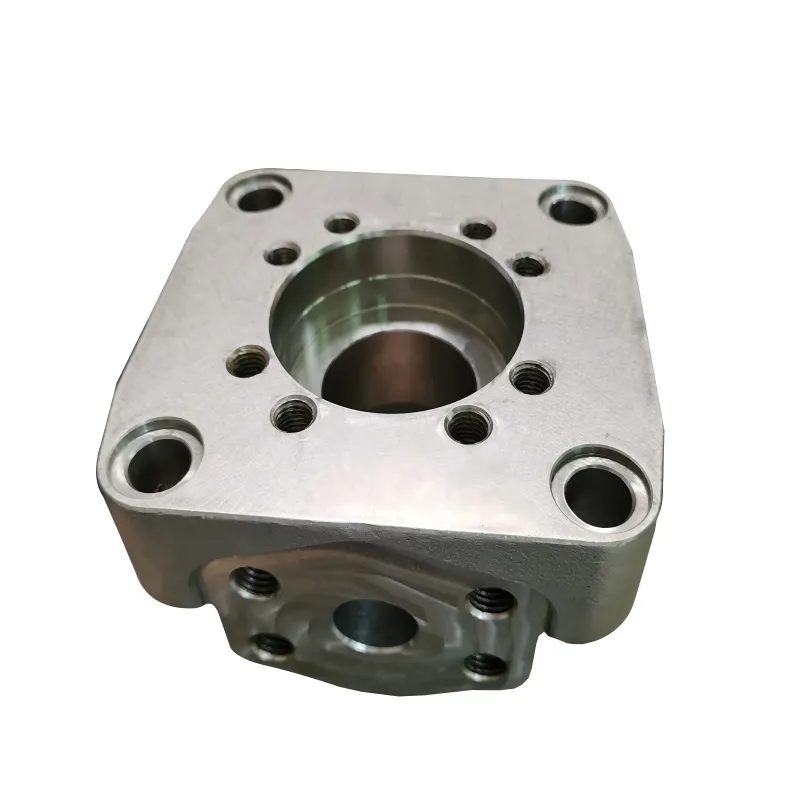
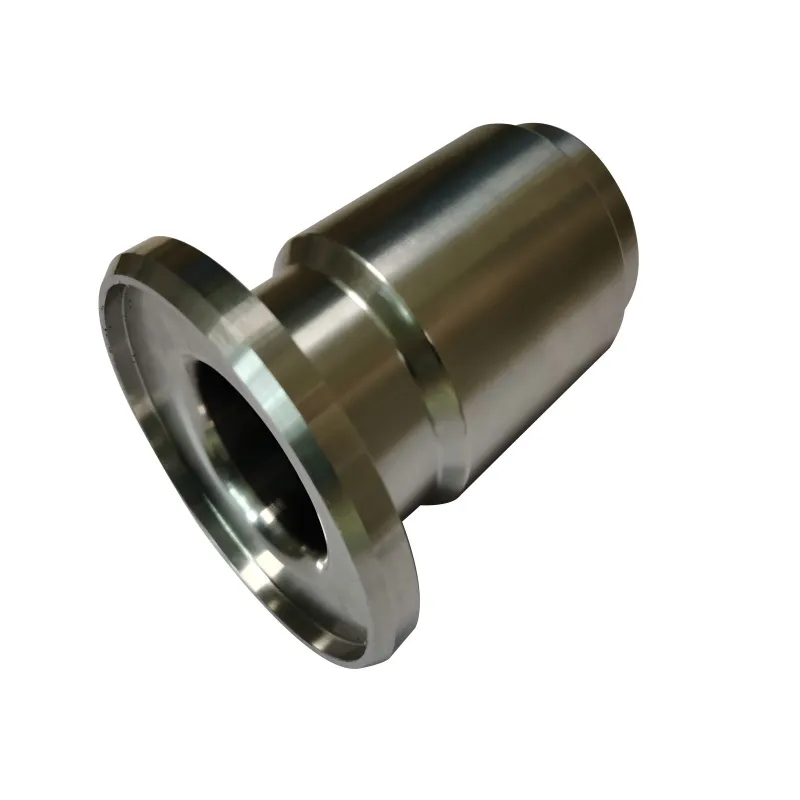
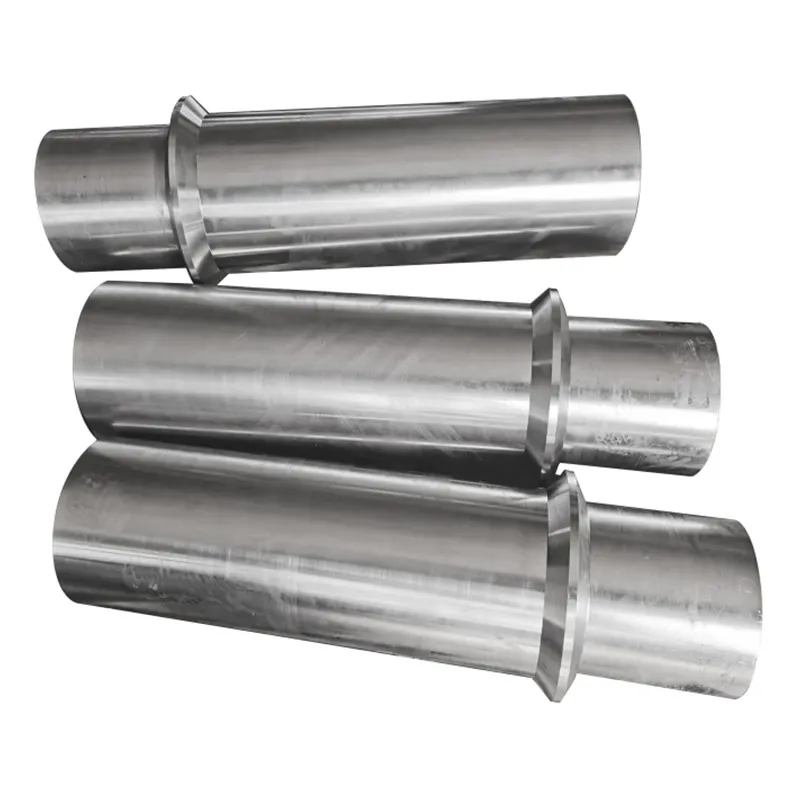
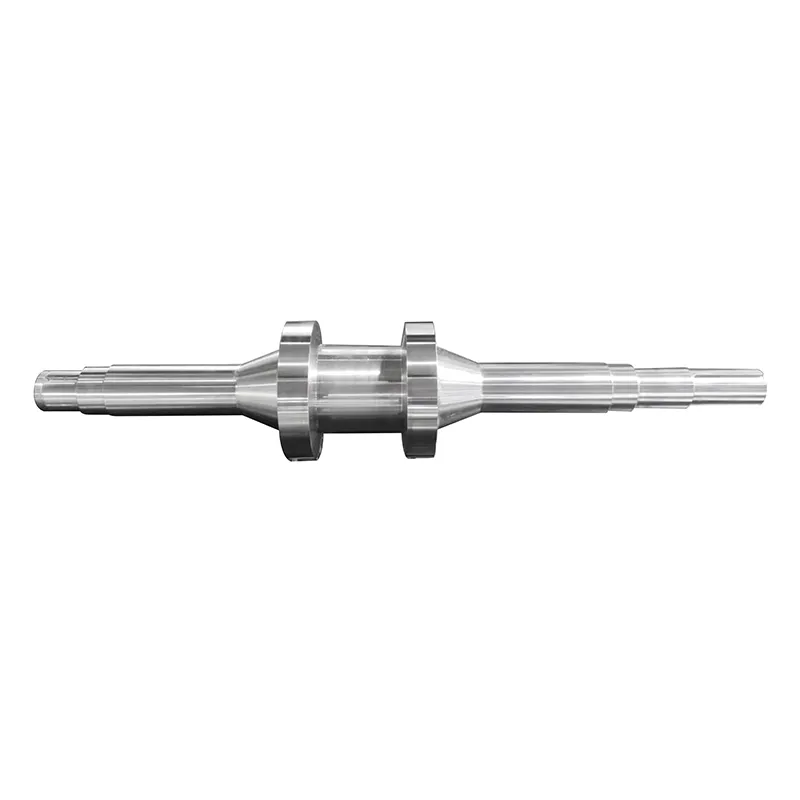
This intersects directly with the expertise of a foundry like Qingdao Qiangsenyuan Technology Co., Ltd. (QSY). With their three decades in casting and machining, they understand that the process is only half the battle. A company like QSY, which lists shell molding, investment casting, and working with special alloys like nickel-based ones, would approach air set sand casting with a clear understanding of its limits and synergies. For instance, a complex valve body in duplex stainless steel might start as an air set sand casting for its core assembly and main shape, then move to their CNC shops for precision boring and flange facing. The air set process gives them a near-net-shape with good integrity, minimizing the expensive alloy waste during machining.
I recall a project for marine-grade fittings where the material was a specified nickel-copper alloy. Green sand was out due to moisture concerns. Investment casting was overkill and costly for the part size. Air set was the perfect middle ground. The key was developing a custom facing sand—a zirconia-based mix—against the pattern to prevent metal-mold interaction, while using standard silica for the backing sand. It was a hybrid approach that a versatile operation is built for.
The Pattern Maker's Burden
This process is ruthless on pattern quality. Any undercut, any slight backdraft you could get away with in green sand, will lock the pattern in an air set mold. The resin bond is strong. We use draft angles that feel excessive to a machinist's eye—often 3 degrees minimum on vertical surfaces. Pattern material matters too. Wood can warp with the exothermic reaction of the curing resin over time. We shifted to high-density polyurethane or metal patterns for any production run over 50 pieces. The initial cost is higher, but the consistency and reduced downtime for pattern repair pay for it.
Venting is another subtle art. The molds are rigid. You can't rely on sand permeability alone to let gases escape during the pour. We add explicit vent channels carved into the parting surface or use vent waxes on the pattern that burn out. Getting this wrong leads to mistruns or swollen casting dimensions, defects that are only found at the final inspection.
Economic Reality and Process Selection
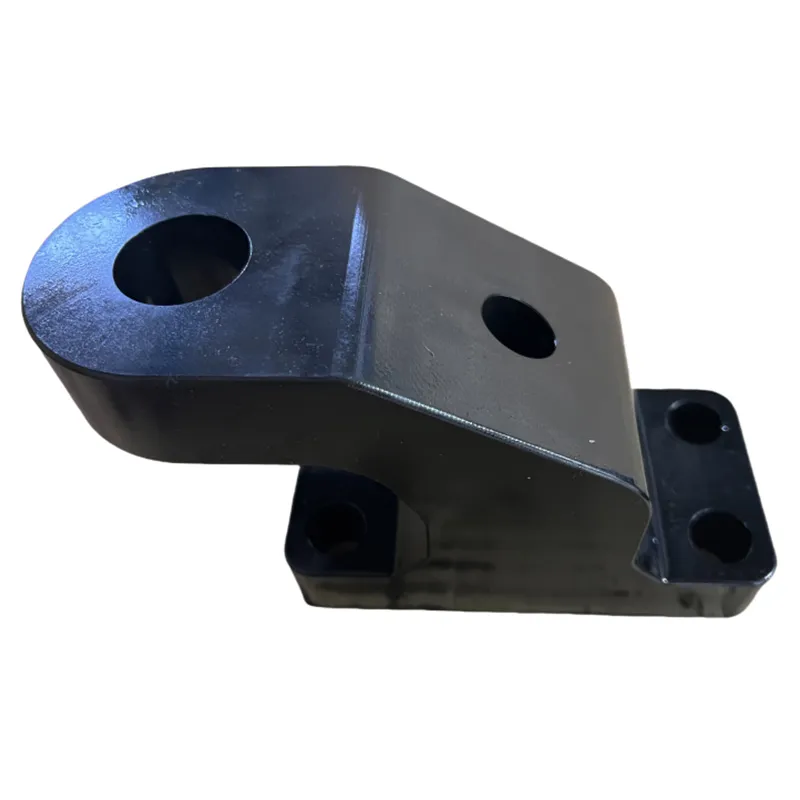
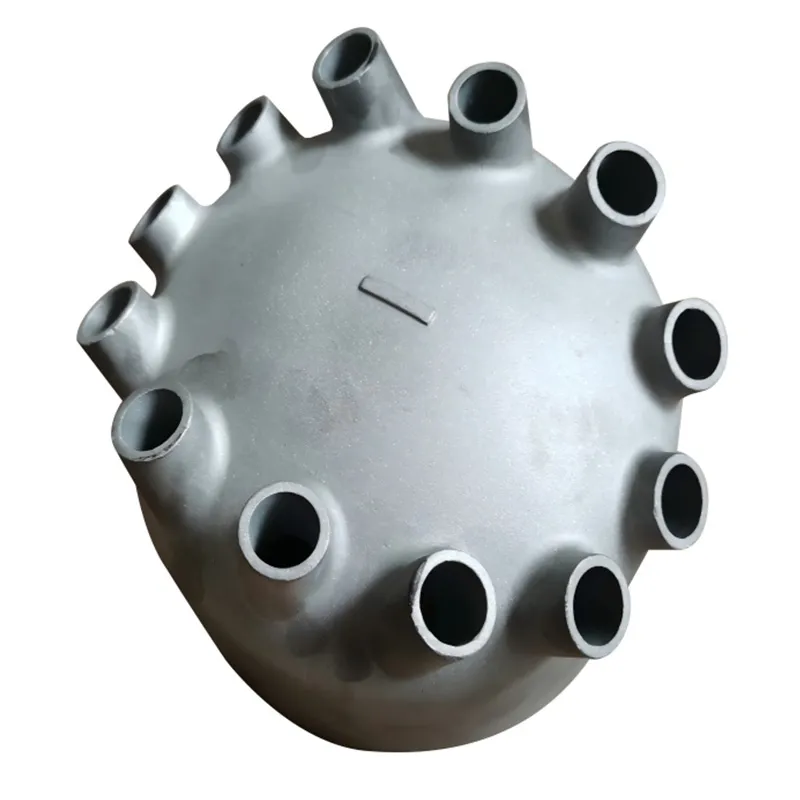
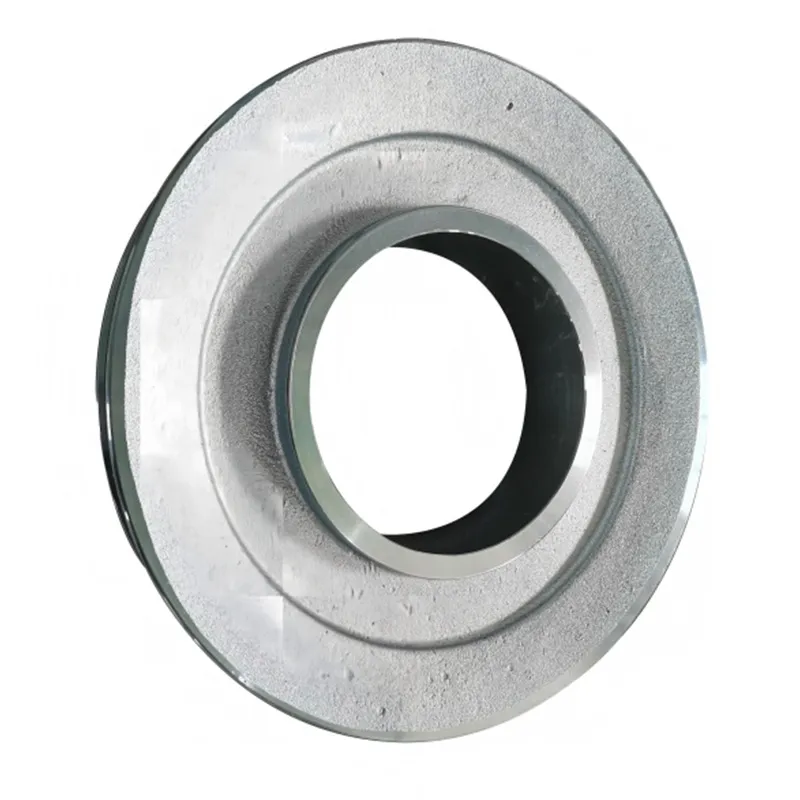
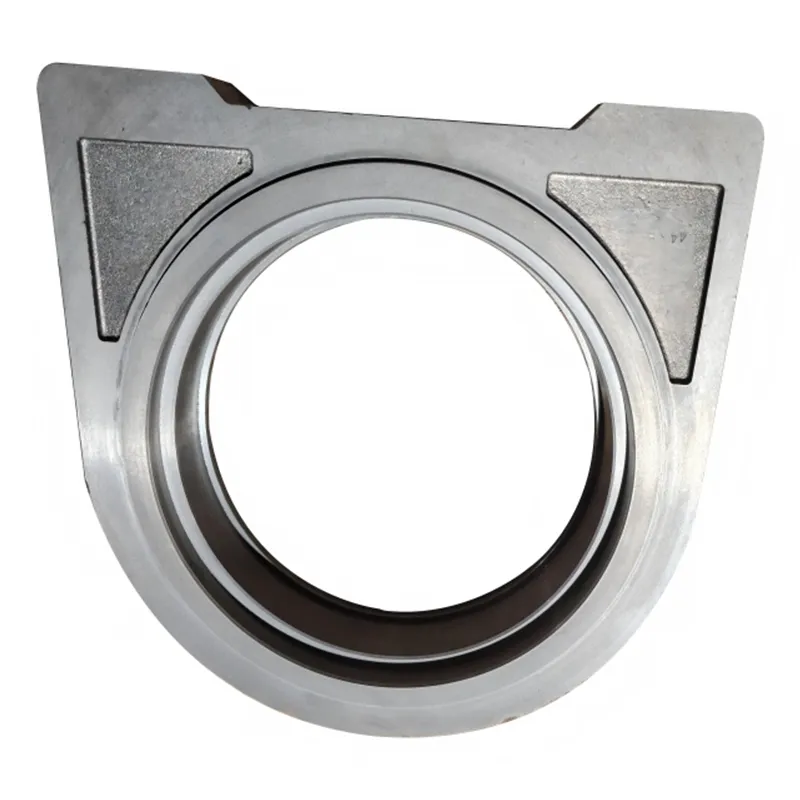
So when do you choose it? It's not a default. For simple, high-volume grey iron parts, green sand is faster and cheaper. For intricate jewelry or turbine blades, you go investment. Air set sand casting occupies a crucial middle space: low to medium volumes of parts that need better finish and tolerance than green sand, but are too large or geometrically simple to justify the full investment casting route. Think engine brackets, gear cases, large valve bodies, or architectural hardware.
The economic calculation includes the binder cost, which is significant, but offsets it with reduced cleaning room labor and lower machining allowances. A saving of 2mm of stock all around on a 100kg steel casting translates to hours less on a milling center. For a integrated manufacturer like QSY, this holistic view—from foundry to finished machined part—is where the true value of the process is captured. It allows them to quote competitively on a finished component, not just a raw casting.
The takeaway? It's a specialist's tool. It demands respect for chemistry and environmental factors. It won't forgive inattention. But when applied to the right part, with the right support from pattern making through to post-casting operations, it produces results that are hard to beat. It's about fitting the process to the product's lifecycle, not forcing a product into a familiar process. That's the judgment that comes from seeing both its brilliant successes and its messy, expensive failures on the shop floor.