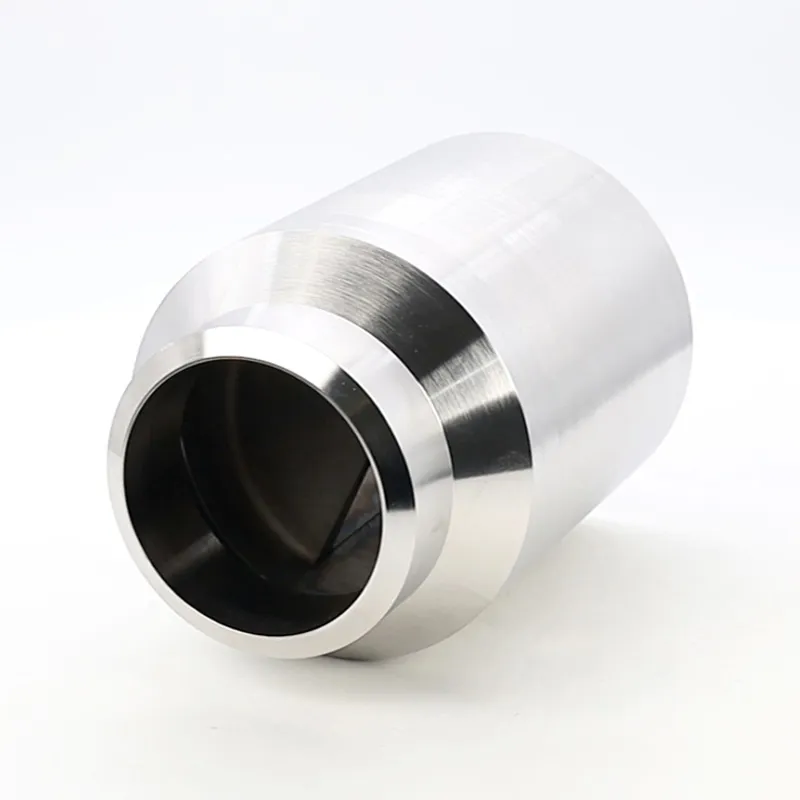
When you hear 'AISI 8620 investment casting', the immediate thought for many is about its carburizing properties for gears or shafts. That's correct, but it's also where the oversimplification starts. In reality, specifying 8620 for a casting isn't just ticking a material box on a drawing; it's committing to a process chain where the foundry's skill in handling low-alloy steel's solidification behavior becomes as critical as the chemistry itself. I've seen too many designs fail not because 8620 was the wrong choice, but because the casting process wasn't tailored to its specific characteristics, leading to inconsistent case hardness or hidden shrinkage. This isn't a theoretical material; it's a hands-on challenge.
The Alloy's Nature and the Casting Compromise
AISI 8620 is a workhorse nickel-chromium-molybdenum steel, praised for its core toughness and reliable response to carburizing. However, its casting behavior is distinct from its wrought form. The key is managing the carbon gradient from the start. In investment casting, the rapid cooling of thin sections can sometimes lead to a finer-than-expected as-cast structure, which is good, but it also increases the risk of micro-porosity if the gating and feeding system isn't optimized for this specific alloy's solidification range. You can't just use the same riser design you'd use for a simple carbon steel.
I recall a project for a sensor housing that required both pressure tightness and a wear-resistant surface. The client insisted on aisi 8620 investment casting. The first few batches passed dimensional checks but failed in pressure testing. The issue? Isolated micro-shrinkage. We hadn't fully accounted for how the molybdenum in 8620 slightly alters the feeding requirements. The fix involved not just enlarging risers, but repositioning them to create more directional solidification towards the critical sections. It was a reminder that the alloy's spec sheet doesn't list its casting personality.
This is where long-term foundry experience pays off. A company like Qingdao Qiangsenyuan Technology Co., Ltd. (QSY), with its three decades in shell and investment casting, would have built a library of such empirical data. They'd know, for instance, that for 8620, the pour temperature needs a tighter window than for some other low-alloy steels to balance fluidity and grain size. It's this granular, process-specific knowledge that separates a functional casting from a high-reliability one.
Where the Process Makes or Breaks the Part
The allure of investment casting for 8620 components is obvious: complex geometries, excellent surface finish, and near-net-shape form. But the shell-making process itself interacts with the alloy. The ceramic shell must have high thermal stability to avoid reaction with the manganese and chromium in 8620 during pour, which can lead to surface defects. A poor-quality shell or an incorrect pre-heat temperature can introduce surface carburization or decarburization even before the part goes into the heat treat furnace, throwing off the entire case hardening calculation.
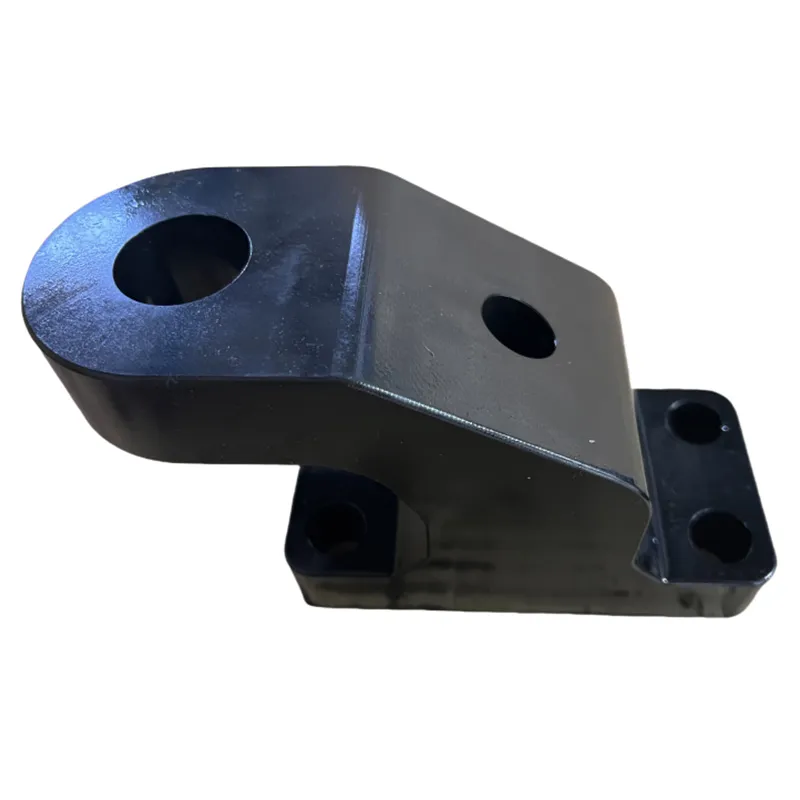
Post-casting, the road is equally nuanced. Stress relieving is almost non-negotiable before machining, especially for parts with varying cross-sections. I made the mistake of skipping it once on a prototype batch of linkage arms, assuming the as-cast stress was low. The result was distortion during rough machining that scrapped half the batch. The cost of that stress relief cycle is trivial compared to the cost of machined scrap.
Then comes heat treatment. The standard practice is carburizing and quenching. But the initial casting quality dictates everything. If there's any dendritic segregation or minor inclusion bands from the casting process, the quench can exaggerate them, leading to uneven hardness or even quench cracking. A good foundry partner won't just deliver a casting; they'll provide a validated heat treatment protocol based on the actual casting conditions. From QSY's description of working with special alloys, this integrated approach to material and process is likely a standard part of their service, which is essential for a material like 8620 where the final properties are process-created.
CNC Machining: The Critical Finish
This is where the 'investment' truly pays off. A well-cast 8620 part should have minimal stock allowance, but that stock must be uniform. The machinability of as-cast 8620 is different from its annealed wrought counterpart. The cast skin is harder and can be abrasive on tools. A robust process uses softer cuts to break through the skin before proceeding to heavier machining. Trying to save time by using wrought material parameters often leads to accelerated tool wear and poor surface integrity on the final machined face.
For a component like a transmission planet carrier, the bearing journals and splines are machined post-casting. The consistency of the casting's hardness and the absence of internal voids are paramount. If the casting process introduced slight porosity below the surface, a machining pass can open it up, creating a reject. This is why process control in the foundry phase is an investment in machining yield. A supplier that offers integrated investment casting and CNC machining, like QSY, has a direct feedback loop. Their machining team can immediately flag a recurring casting defect to their foundry team, enabling root-cause correction that an external machine shop might just report as a 'bad batch'.
The synergy is key. They can plan the casting's orientation and gate locations with the final machining fixtures in mind, sometimes even casting in preliminary datum features. This level of coordination reduces total manufacturing time and cost, turning a raw casting into a finished, high-precision component efficiently.
Real-World Applications and Misapplications
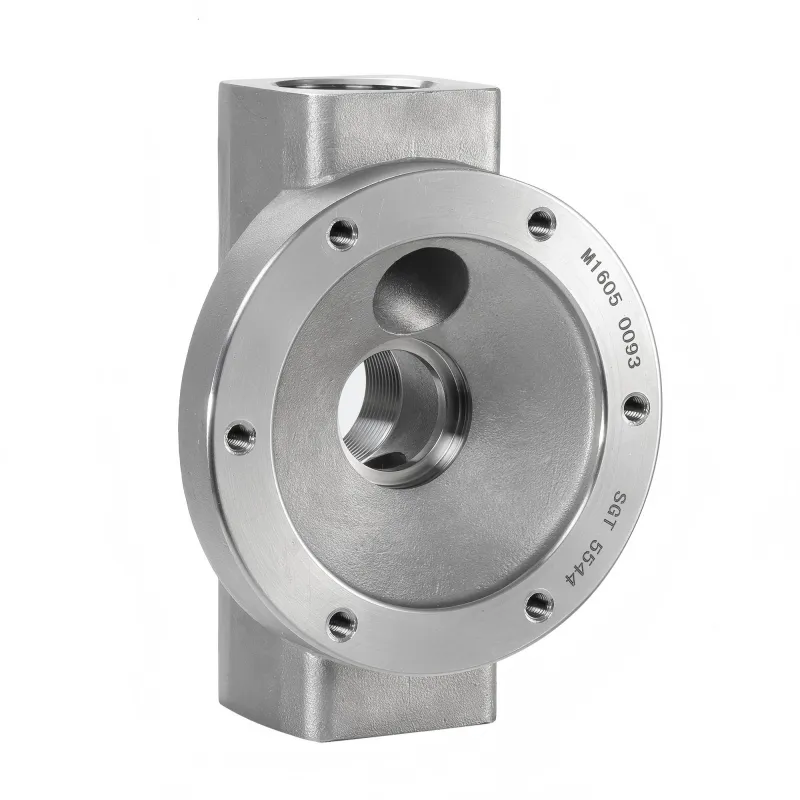
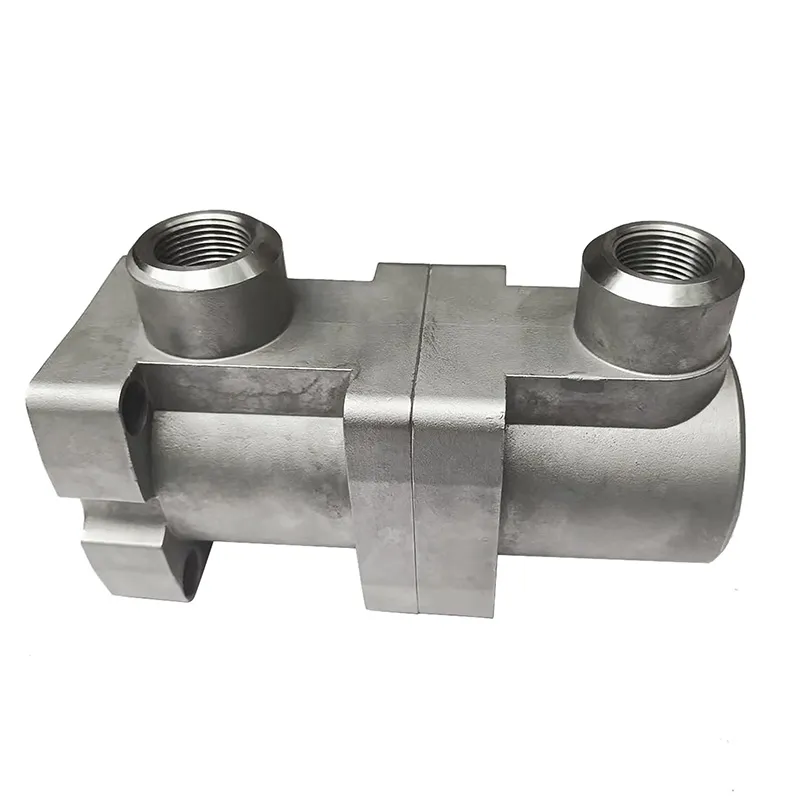
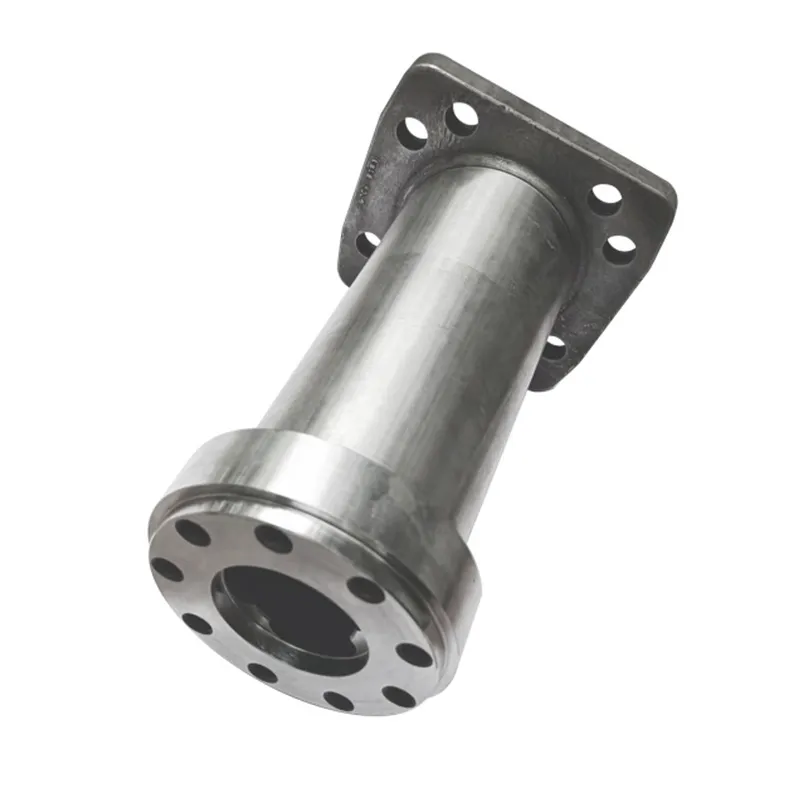
8620 investment castings shine in applications demanding a tough core and a hard, wear-resistant surface. Think of hydraulic valve bodies, where internal ports need a hard surface to resist erosion from fluid flow, but the body needs strength to handle pressure. Or certain non-magnetic sensor components where its properties are favorable. However, it's a poor choice for high-temperature service or highly corrosive environments—that's where the nickel or cobalt-based alloys come in, areas QSY's material portfolio also covers.
A common misapplication is using it where through-hardening is needed. 8620 is fundamentally a case-hardening steel. I've seen designs call for a 8620 casting to be through-hardened to 40 HRC. It can be done, but you're not utilizing its primary advantage, and you might be better served with a 4140 or 4340 grade that's designed for that. The decision should be driven by function, not just familiarity.
The economic calculation also matters. For simple, bulky shapes, forging or even machining from bar stock might be cheaper. The value of aisi 8620 investment casting is unlocked with complex, 3D geometries that would require extensive machining or multi-part assembly otherwise. The upfront tooling cost for the wax pattern is justified by the reduction in downstream machining and assembly labor.
Navigating Supplier Selection
Choosing a supplier for 8620 investment castings isn't just about getting a quote. It's a technical audit. You need to ask about their specific experience with low-alloy steels: What is their typical inclusion control level? How do they design gating for these alloys? Can they provide metallurgical reports including grain size and hardenability band tests? A supplier's willingness to discuss these details is a good indicator of their depth.
A company's longevity in the field, like QSY's 30-year history, often correlates with accumulated problem-solving knowledge. They've likely encountered—and solved—the issues of gas porosity in thick sections or achieving a perfect surface finish on a complex cored passage. This experience translates to fewer surprises during production.
Finally, look for integration. The ideal partner manages the journey from molten metal to finished part. This ensures accountability. If a heat treatment problem arises, there's no ambiguity about whether it was the casting structure or the heat treat cycle. For critical components, this seamless control from shell mold casting to final machining is not a luxury; it's a necessity for achieving the consistent performance that AISI 8620 is capable of delivering.