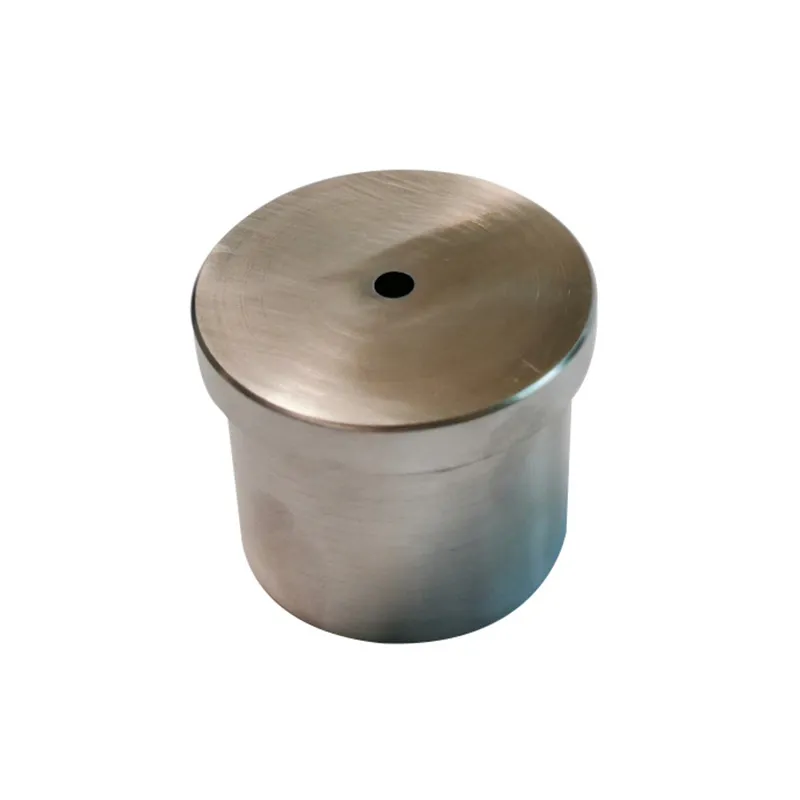
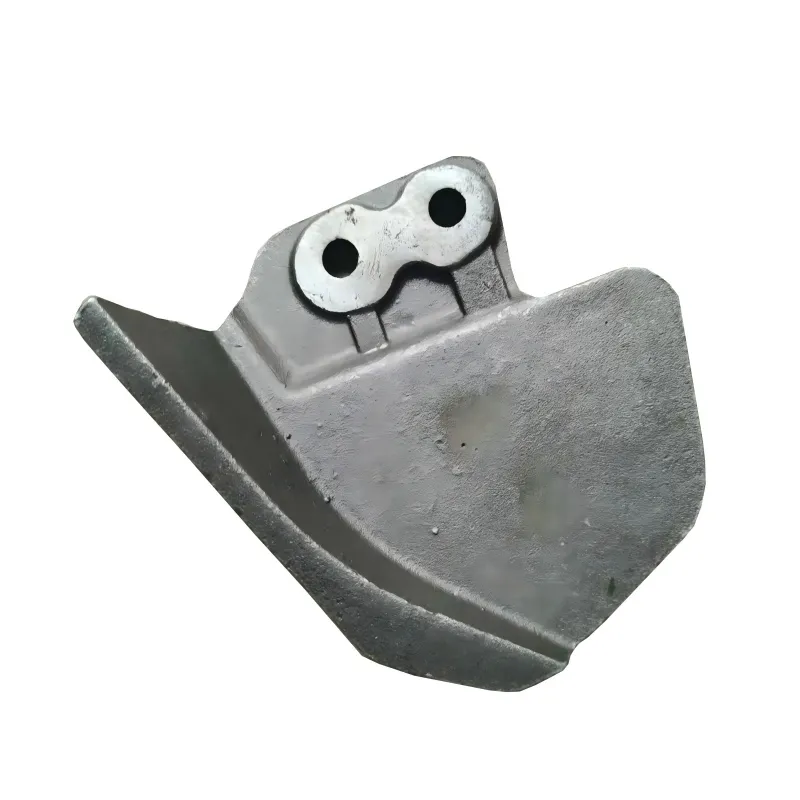
When you hear 'Alloy 1' in this business, the first reaction is often a dismissive shrug. It's not a flashy superalloy name, and that's the first trap. People assume it's a generic, low-cost workhorse, maybe a simple carbon steel variant. That assumption has cost more than one project in terms of performance and, frankly, money. In my three decades around foundries and machine shops, I've seen 'Alloy 1' specified on drawings where the engineer clearly just needed 'some kind of steel,' and I've also seen it be the absolute critical, non-negotiable choice for components failing under anything else. The truth is, 'Alloy 1' isn't one thing. It's a category, a starting point, and its behavior is entirely dictated by the specific heat treatment, the casting process, and the subsequent machining. Getting it right is less about the material certificate and more about the entire chain of custody from melt to finish.
The Foundry Floor Reality
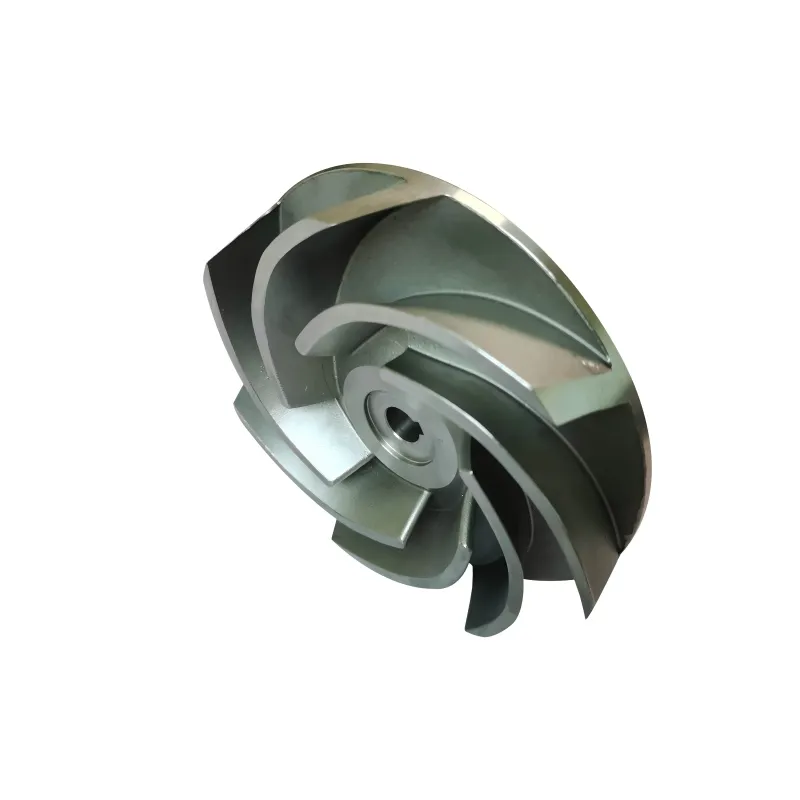
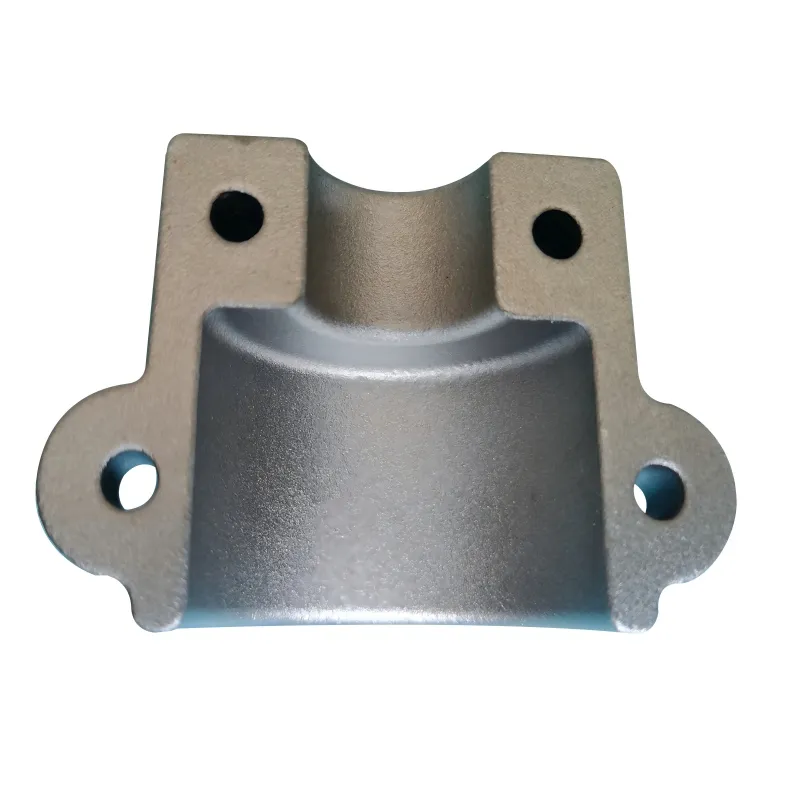
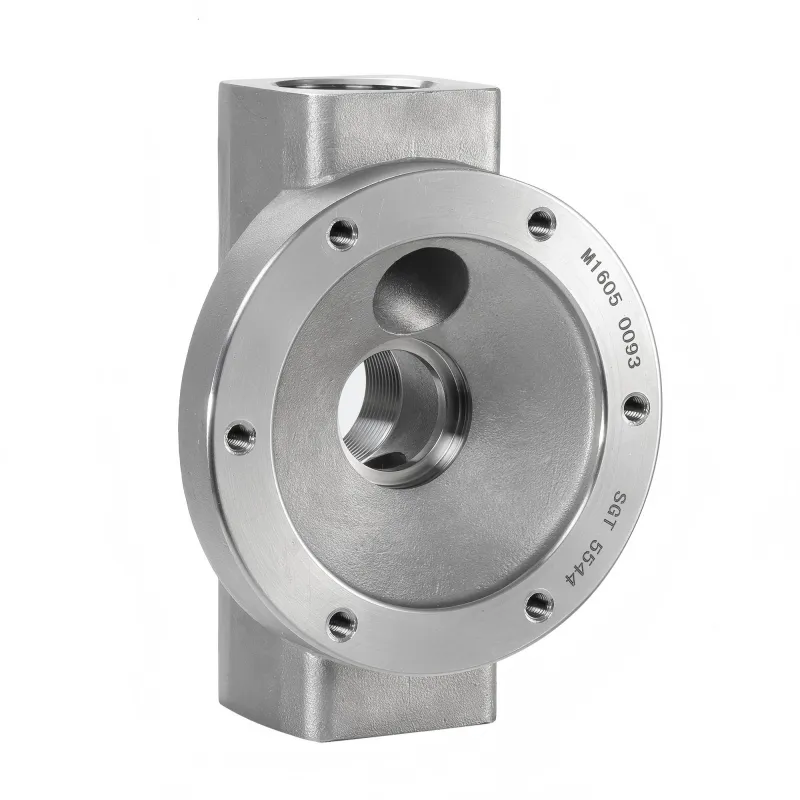
Let's talk about casting it. In shell mold casting, which we use heavily at our facility, Alloy 1 presents a unique challenge in fluidity versus shrinkage. It's not as runny as some gray irons, so the gating system design becomes paramount. I recall a batch of pump housings, maybe 500 units, where we used a standard gating layout from a similar-sized ductile iron part. The result was persistent shrinkage porosity in the thick mounting flange. The alloy just solidified differently. We had to go back, increase the riser size, and change the pouring temperature by a mere 25°C. That fixed it. It's these subtle adjustments that separate a usable casting from scrap. The guys at Qingdao Qiangsenyuan Technology (QSY) have seen this a thousand times—thirty years in casting means you've built a library of these minor corrections for different geometries and alloys.
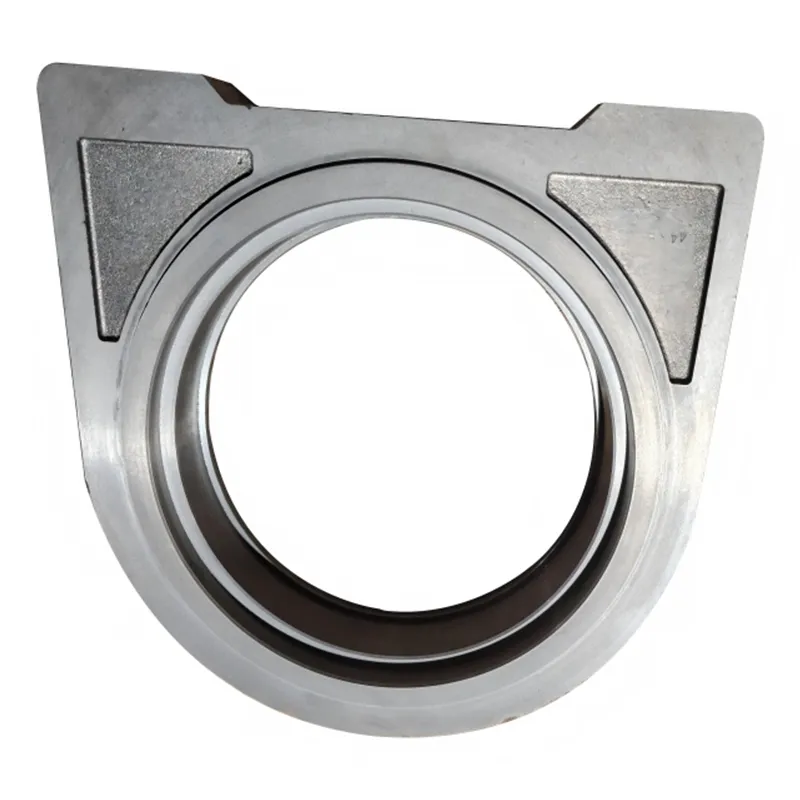
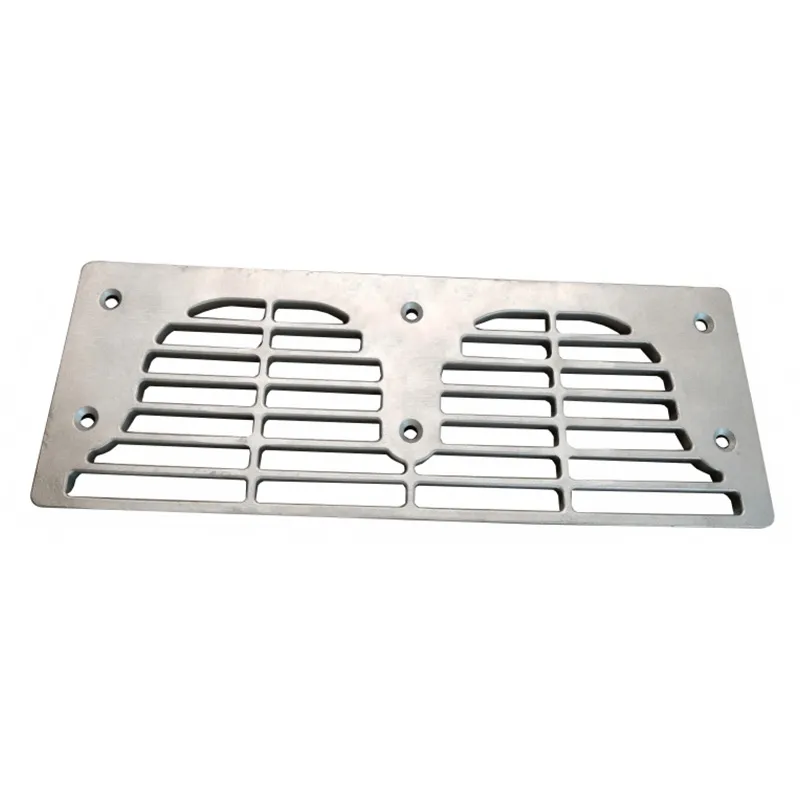
Investment casting is another story. Here, with Alloy 1, the surface finish is excellent, but the cost of the ceramic shell for a metal that isn't a high-temperature alloy can be a hard sell. You're doing it for the complexity and the near-net-shape benefit, not because the alloy demands it. We once machined an investment-cast Alloy 1 turbine sensor bracket that could have been shell molded, but the internal channels were so complex that machining them would have doubled the cost. So, the premium for the investment process was justified. It's a constant calculation.
The real pitfall is assuming consistent material properties from different suppliers. 'Alloy 1' from Mill A can machine like butter, while from Foundry B it work-hardens and eats tooling. The difference often lies in the trace elements and the deoxidation practice during melting. Aluminum-killed versus silicon-killed? It changes everything downstream. You develop a preference for a source, not just based on price, but on how predictably their material behaves on your CNC machines.
CNC Machining: Where Theory Meets the Toolpath
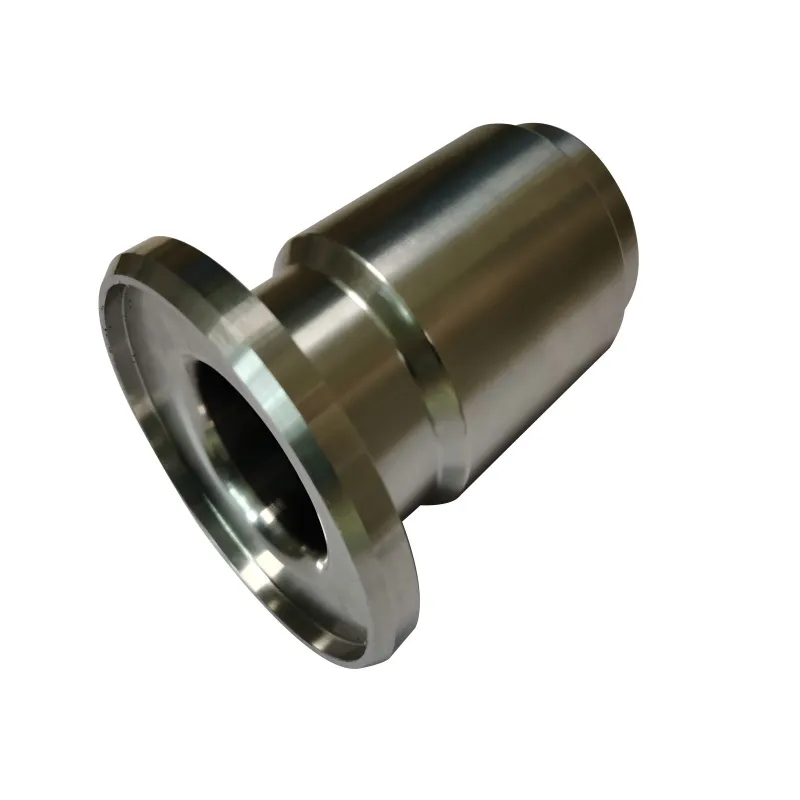
This is where the rubber meets the road. On paper, Alloy 1 has machinability ratings. In practice, those ratings are a suggestion. The first thing we do with a new batch is a test cut. We're looking for chip formation. Stringy, continuous chips are a nightmare for automation and a sign we might need to adjust feed or rake angle. The ideal is a broken, 'C'-shaped chip. With some batches of Alloy 1, you get that easily. With others, you're fiddling with coolant concentration and chip-breaker geometry all day.
Tool wear is the silent killer. It's not like machining stainless where you see built-up edge forming visibly. With Alloy 1, the flank wear is gradual. You might get a great surface finish for the first fifty parts, then on part fifty-one, you start seeing a slight tear or a dimensional drift. If you're running unattended lights-out production, this can ruin a whole pallet of workpieces. We learned this the hard way early on with a high-volume valve body job. We set tool life based on the supplier's data sheet. The data sheet was optimistic. We ended up with a hundred parts out of tolerance before the tool failure alarm triggered. Now, we build in a conservative safety margin and monitor spindle load religiously.
Coolant isn't just for cooling; it's a lubricant for the shear zone. For Alloy 1, a semi-synthetic coolant with good lubricity tends to work better than a straight synthetic. It reduces the cutting forces and helps with chip evacuation. But then you have to manage tramp oil and bacterial growth more aggressively. Every choice is a trade-off.
The Special Alloys Context
Why even use Alloy 1 when you have cobalt-based or nickel-based superalloys? It's the classic 'fit-for-purpose' argument. I was involved in a project for a chemical processing skid. The client's initial spec called for a nickel alloy for all wetted parts due to 'corrosion resistance.' After reviewing the actual chemical media—a mild organic solvent at ambient temperature—we proposed a properly passivated grade of Alloy 1 (a 316L variant, in that case). The cost saving was over 60%, not just in material, but in machining time. The part has been in service for seven years now with no issues. The instinct to over-specify is strong, especially in regulated industries, but experience teaches you to push back with data and alternative solutions.
That said, working with the exotic alloys gives you a deep appreciation for the processing window of Alloy 1. Nickel alloys are viscous when cast, cobalt alloys are brutally hard to machine. Alloy 1 is, by comparison, forgiving. But 'forgiving' doesn't mean 'easy.' It means the margin for error is wider, but errors still happen if you're careless. It's the difference between driving on a wide road and a narrow mountain pass; you still need to pay attention.
At QSY, the fact that they handle both ends of the spectrum—from common alloys to special ones—is a real advantage. It means the process planning for a job in Alloy 1 is informed by the extreme discipline required for the superalloys. That rigor trickles down.
Failures and Lessons Learned
The most instructive moments come from failures. There was a shaft, about 75mm in diameter, specified in Alloy 1 with a high tensile strength. It was induction hardened after machining. In testing, it developed radial cracks. The initial blame went to the heat treater. After a lot of back-and-forth, we traced it back to the melt. The material had a slightly higher than normal sulfur content, which created elongated manganese sulfide inclusions. These acted as stress concentrators during the rapid heating and quenching of induction hardening. The material met the standard chemical composition range on the cert, but it was at the edge of the range for sulfur. The lesson? For critical, post-machining heat-treated parts, you need to tighten the material spec beyond the standard ASTM range and specify inclusion control. You pay more for the melt, but you save a fortune in avoiding field failures.
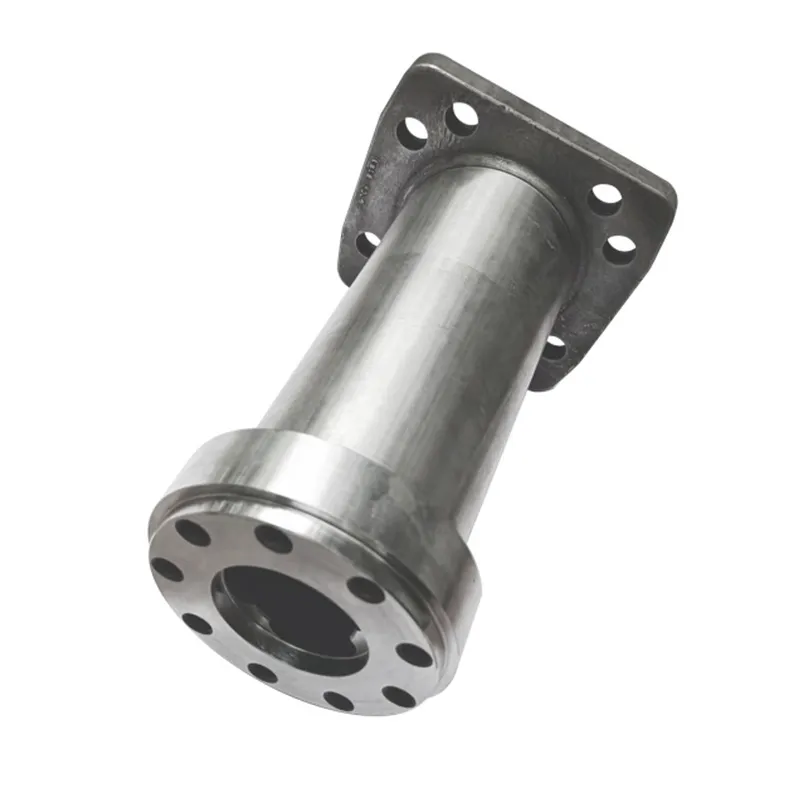
Another common, almost silly, failure mode is galvanic corrosion. Bolting an Alloy 1 (say, a carbon steel) flange to a stainless steel pipe with no insulation. It's basic, but in complex assemblies with multiple materials, it gets overlooked. The Alloy 1 component becomes the sacrificial anode and corrodes away. It's not a material failure; it's a design and assembly oversight. You see these parts come back for 'premature wear,' and the fix is a $0.50 insulating gasket.
These failures are what build the institutional knowledge in a company. It's why a shop with 30 years of history, like the one behind tsingtaocnc.com, has value beyond its machine list. They've likely encountered and solved these specific, gritty problems.
Concluding Without a Conclusion
So, where does that leave us with Alloy 1? It's not a topic you can conclude neatly. It's a material defined by its processing. Its performance is a collaboration between the metallurgist, the foundry engineer, the CNC programmer, and the heat treater. You can't just buy 'Alloy 1' and expect a result. You have to define it, shape it, cut it, and treat it with a specific purpose in mind.
The real expertise lies in knowing which levers to pull for which application. Does it need a normalized anneal or a quench and temper? Should it be rough machined before heat treat and then finish machined, or can you machine it all in the annealed state? There's no single answer. The data sheets give you a starting point, but the final process recipe is written through trial, error, and observation on the shop floor.
In the end, Alloy 1 is a testament to the idea that in manufacturing, there are no boring materials, only insufficiently understood processes. It demands respect not for its exotic nature, but for its ubiquity and the subtlety of its variations. Getting it consistently right, batch after batch, year after year, is what separates a job shop from a true manufacturing partner. That's the unglamorous, daily work that keeps the industry turning.