You see Alloy 20 on a spec sheet, and the first thought is often corrosion-resistant nickel alloy, lumping it in with Hastelloys and Inconels. That's where the oversimplification starts. In reality, its behavior, especially in fabrication and machining, sits in this nuanced, sometimes frustrating, middle ground. It's not as forgiving as 316L, but it doesn't command the same extreme reverence as C-276. I've seen projects stumble by treating it like either.
The Fabricator's Reality: Welding and Forming Nuances
Where you really learn about an alloy is in the shop, not from the datasheet. With Alloy 20, the welding procedure is critical. It's stabilized with niobium, but that doesn't make it immune to sensitization if you're careless with heat input. I recall a batch of fabricated headers for a phosphoric acid service where the welds looked perfect but failed prematurely in the heat-affected zone. The issue? Interpass temperature was too high. The spec said maintain below 150°C, and the crew got lax, thinking a nickel alloy could take it. It couldn't. That experience cemented the rule: treat its thermal cycle with the same discipline as you would for a more exotic alloy.
Forming is another point. It has decent ductility, but its work-hardening rate is significant. If you're doing cold forming, the tooling pressure needs adjustment compared to standard austenitic grades. We had to recut rolls for a shell and tube heat exchanger's baffles once because the initial passes induced too much hardening, leading to microcracks during subsequent trimming. It's a material that demands you plan for the springback and the increased strength after each deformation step.
This is where a foundry's experience matters. A partner like Qingdao Qiangsenyuan Technology Co., Ltd. (QSY), with their three decades in casting and machining, typically has these parameters dialed in. They've mentioned before that for their investment casting processes with alloys like this, controlling the solidification rate and post-casting heat treatment is non-negotiable to achieve the proper carbide distribution and avoid localized corrosion kick-off points.
Machining: The Delicate Balance of Tough and Gummy
If you've only machined 304 or even duplex steels, Alloy 20 will feel different. It's not the hardest thing out there, but it's tenacious. It doesn't break a chip cleanly; it tends to form long, stringy swarf that can wreak havoc if not managed. The key is sharp, positive-rake tooling and consistent, moderate feeds and speeds. Aggressive cuts lead to built-up edge and poor surface finish.
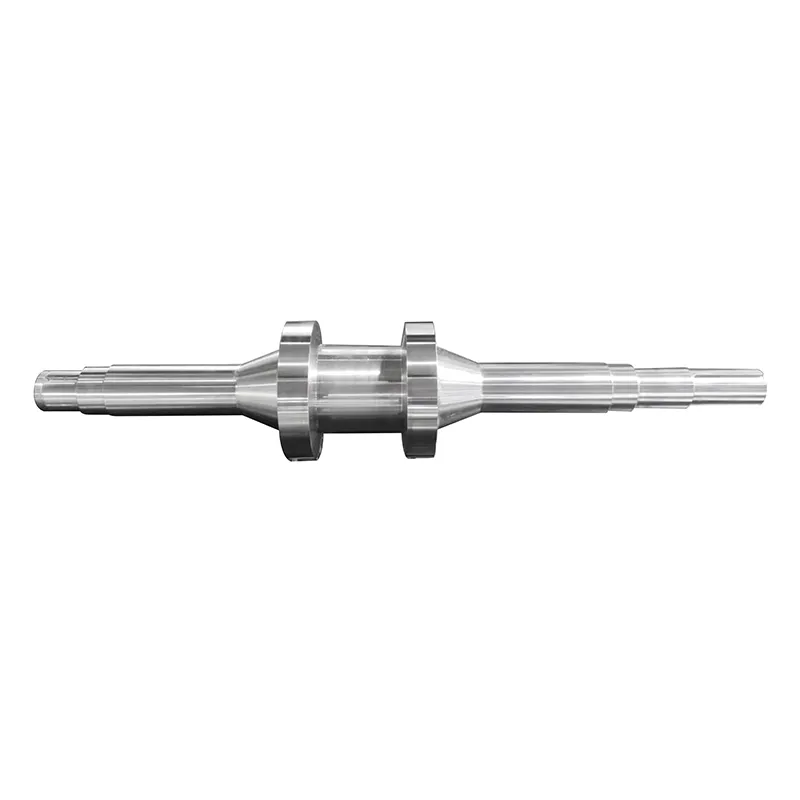
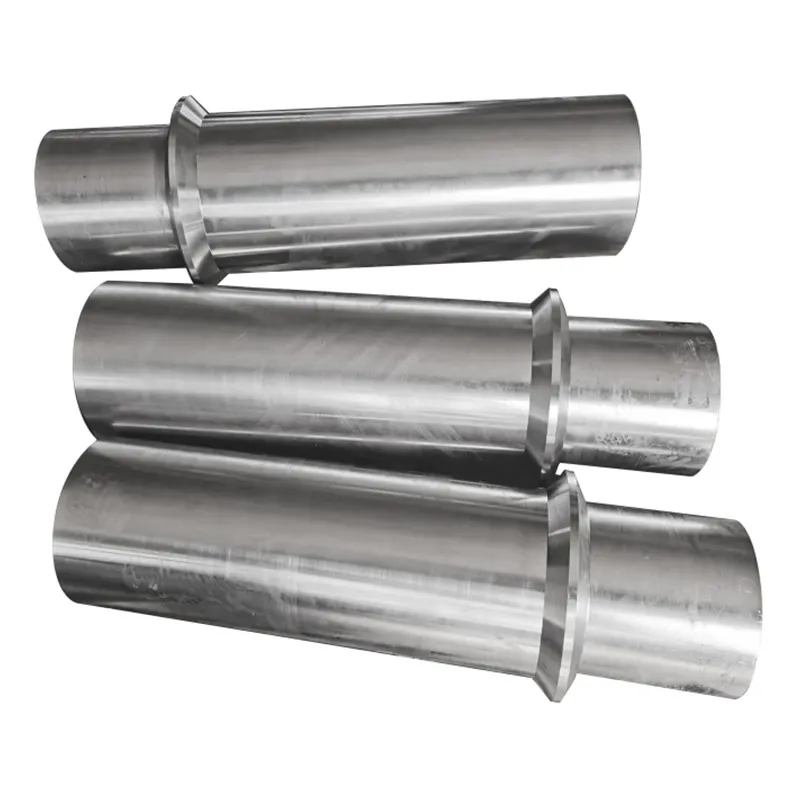
We learned this on a pump shaft job. Using the same parameters as for a 17-4PH stainless resulted in rapid tool wear and a scored journal surface. Backing off the speed, increasing the feed slightly (counterintuitive, but it helps in chip breaking), and using a high-lubricity coolant made all the difference. The material has a way of telling you when you're wrong.
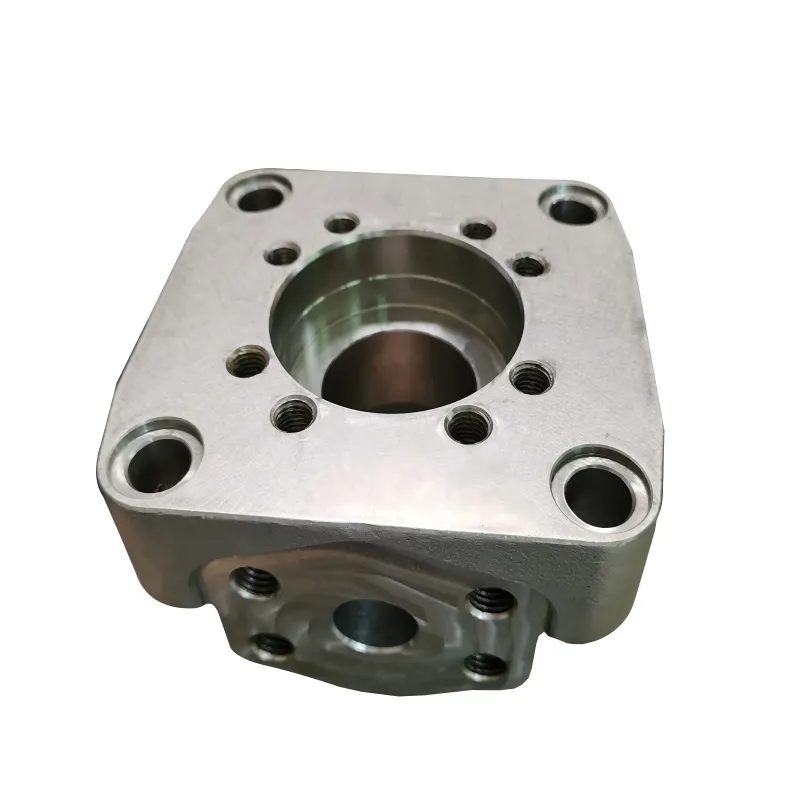
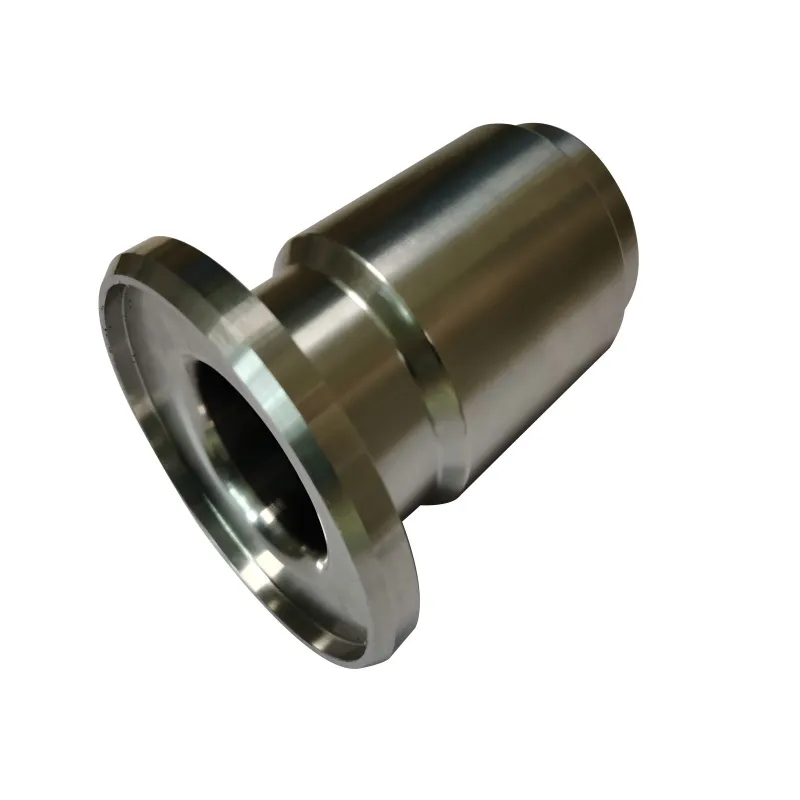
For complex components, this is where integrated CNC machining capability becomes a major advantage. A supplier that handles both the casting and the finish machining, like the services outlined on tsingtaocnc.com, can optimize the entire workflow. They can leave appropriate stock allowances from the casting stage, knowing exactly how their machines will handle the final cuts on this specific alloy, avoiding the stress of transferring a semi-finished, hardened casting to another machine shop.
The Special Alloy Context and Material Selection
Alloy 20 is often categorized under special alloys, and rightly so. But it's crucial to define what it's special for. Its sweet spot is sulfuric acid environments, particularly where chlorides are also present. It's the go-to for many mix tanks, piping, and fittings in chemical processing. However, I've seen it misapplied in expectation of universal resistance. It's not ideal for highly oxidizing conditions or hydrofluoric acid, for instance.
Selecting it often comes down to a cost-performance analysis against higher-nickel alloys. In one project for a pharmaceutical intermediate plant, the initial design called for Hastelloy C-22 for a whole reactor system. A review suggested that for the specific temperature and concentration of sulfuric acid present, Alloy 20 was more than adequate. The switch saved significant capital cost without compromising service life. That's the value of precise, not over-conservative, material selection.
This aligns with the material portfolio of a specialist like QSY. Their work with nickel-based alloys and cobalt-based alloys means they understand this tiered selection process. They're not just selling metal; they're often involved in early consultations to determine if Alloy 20 is the right fit, or if the service conditions demand a step up to something more robust, which they can also provide.
Casting Considerations: Soundness and Detail
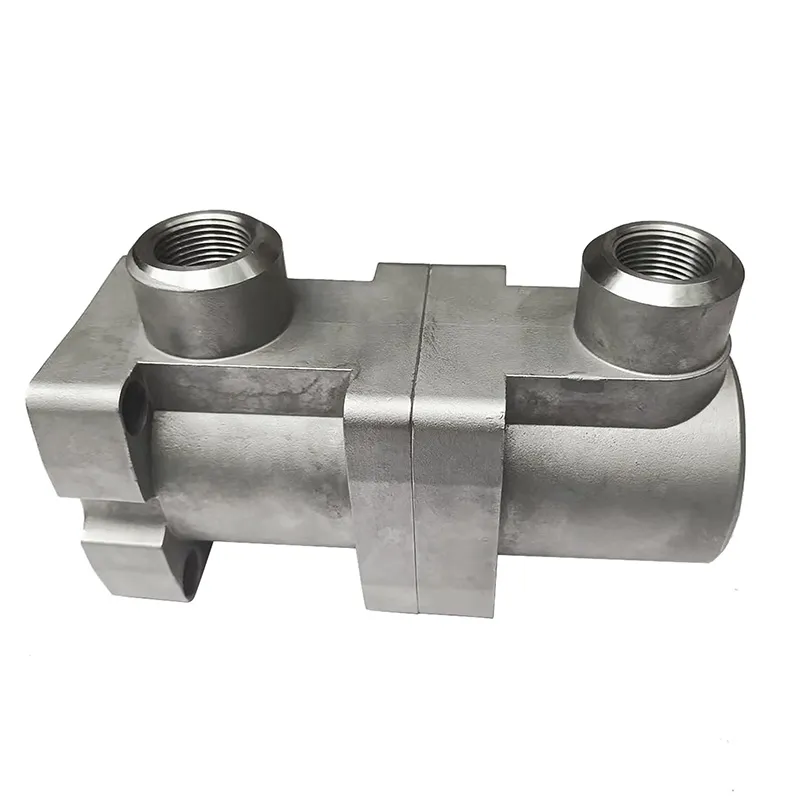
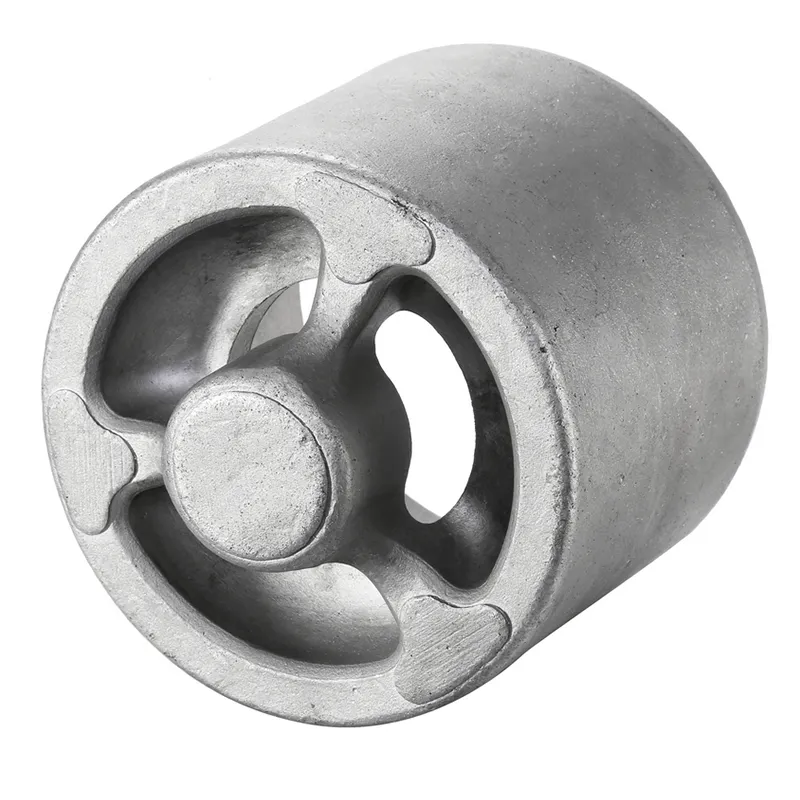
Casting Alloy 20, particularly via the shell mold casting or investment casting methods QSY specializes in, presents its own set of challenges. The alloy has a relatively high melting point and specific shrinkage characteristics. To get a sound, dense casting free from shrinkage porosity or hot tears, the gating and risering system design is paramount. It's not a pour and forget material.
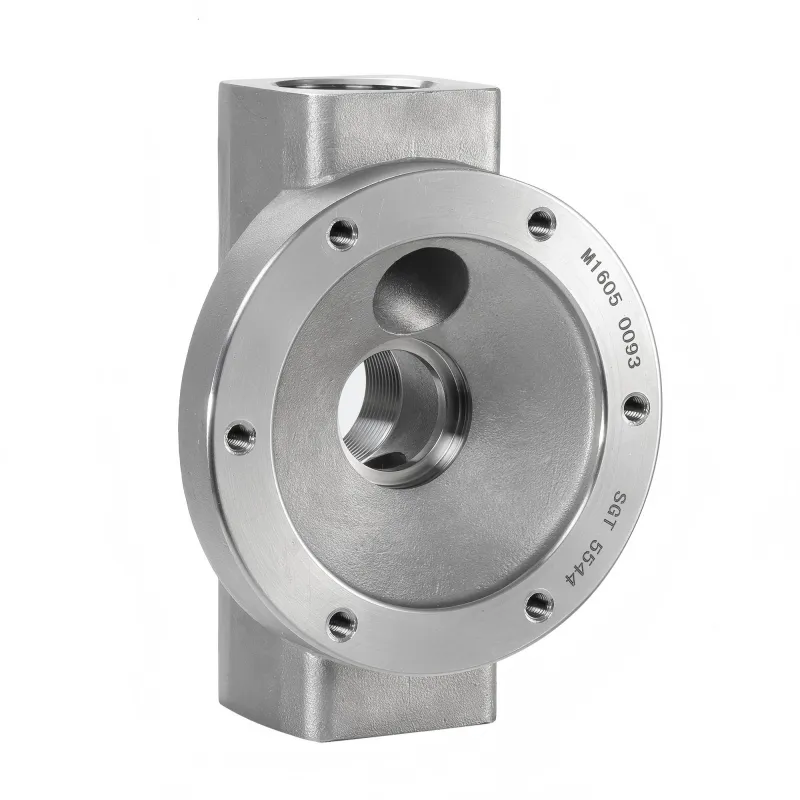
I've inspected cast valve bodies where corrosion started from internal micro-shrinkage cavities that weren't visible on RT. The foundry had used a risering design better suited for carbon steel. The fix involved switching to exothermic risers to keep the metal molten longer and promote directional solidification. A foundry's pattern engineering expertise is directly tested here.
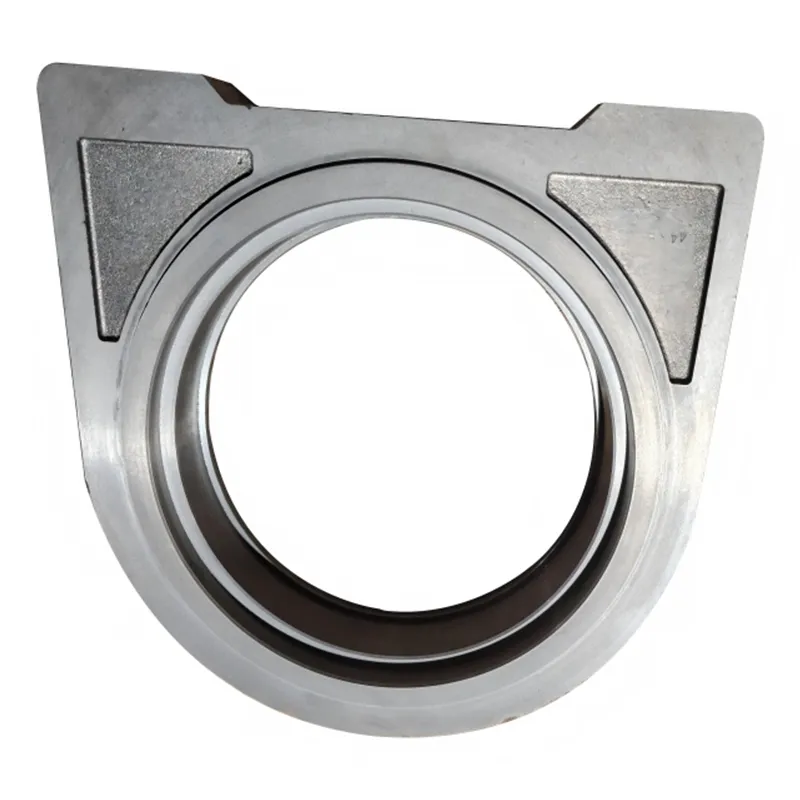
The advantage of a long-standing operation is the library of proven patterns and techniques they build up. For recurring components like pump casings or impellers in Alloy 20, this historical process data is invaluable for ensuring consistency and quality from the first pour to the hundredth.
In Service: The Long-Term Watch
The final proof of any material choice is in service. Alloy 20 components need a baseline inspection schedule, especially at welds and high-stress areas. We once tracked a set of heat exchanger tubes over five years. The parent material was impeccable, but a few tube-to-tubesheet welds showed signs of very slight knife-line attack. It wasn't a failure, but it highlighted that even a well-welded joint is the most vulnerable point. The solution wasn't to change the alloy, but to implement a more targeted inspection protocol for those joints during shutdowns.
It also has good mechanical properties at moderate temperatures, but you don't want to push its creep strength. For high-temperature, high-pressure sulfuric lines, it might be the wrong choice. Again, it's about knowing its lane.
Ultimately, working with Alloy 20 is about respecting its specific personality. It's a tremendously useful engineering material that fills a critical gap between standard stainless steels and premium nickel alloys. But its value is only fully realized when you acknowledge its nuances in fabrication, machining, and application. It's not a commodity; it's a precision tool. And like any precision tool, its performance depends as much on the skill of the people specifying, casting, machining, and installing it as it does on the chemistry of the alloy itself.