When you hear 'Alloy 21', the immediate association for many in our field is 'high-end nickel alloy', often lumped in with the likes of Hastelloy C-276 or Inconel 625. That's the first common pitfall—assuming it's just another corrosion-resistant workhorse. In reality, its specific composition, that balance of nickel, chromium, molybdenum, and the controlled iron content, gives it a particular niche. It's not always the first choice for the most aggressive reducing acids, but in mixed acid environments, especially where chlorides and oxidizing salts come into play, its stability is where I've seen it shine. I recall a project years back where a client insisted on C-276 for a complex valve body, but after reviewing the actual service conditions—involving hot nitric and hydrofluoric acid mixtures—we pushed for a switch to Alloy 21. The performance data and eventual service life validated that call. It's this kind of nuanced application knowledge that separates a standard job from a reliable engineering solution.
The Material's Character and Machining Nuances
Working with Alloy 21 in the shop is a different beast from reading its spec sheet. Its machinability is... let's say, demanding. It's not the toughest alloy out there, but it work-hardens aggressively. If your tool isn't sharp, you're not cutting; you're just burnishing the surface and building up heat. We learned this the hard way on an early batch of pump impellers. Used a slightly worn insert, feed rate was a bit conservative—ended up with a beautiful, hardened surface skin that made subsequent finishing passes a nightmare and nearly ruined the component's dimensional integrity.
The key, for us, became rigid setup and aggressive, positive-rake cutting. You have to get under the work-hardened layer. Coolant isn't just for cooling; it's for lubrication to prevent built-up edge. We standardized on high-pressure coolant through the tool for our CNC operations on this material. It made a world of difference in tool life and surface finish consistency. It's one of those materials where the machining parameters you'd use for 316 stainless will lead you straight to a costly failure.
Another subtle point is its behavior during shell mold or investment casting. Its fluidity is decent, but it's sensitive to pouring temperature and mold preheat. Too cool, and you risk mist runs or cold shuts in thin sections; too hot, and you can get excessive grain growth or reaction with certain mold refractories. We've settled on a fairly narrow temperature window, backed by pyrometer checks, not just visual cues. Post-casting, the heat treatment is critical for stress relief and optimizing corrosion properties—it's not an optional step.
Real-World Application and a Specific Case
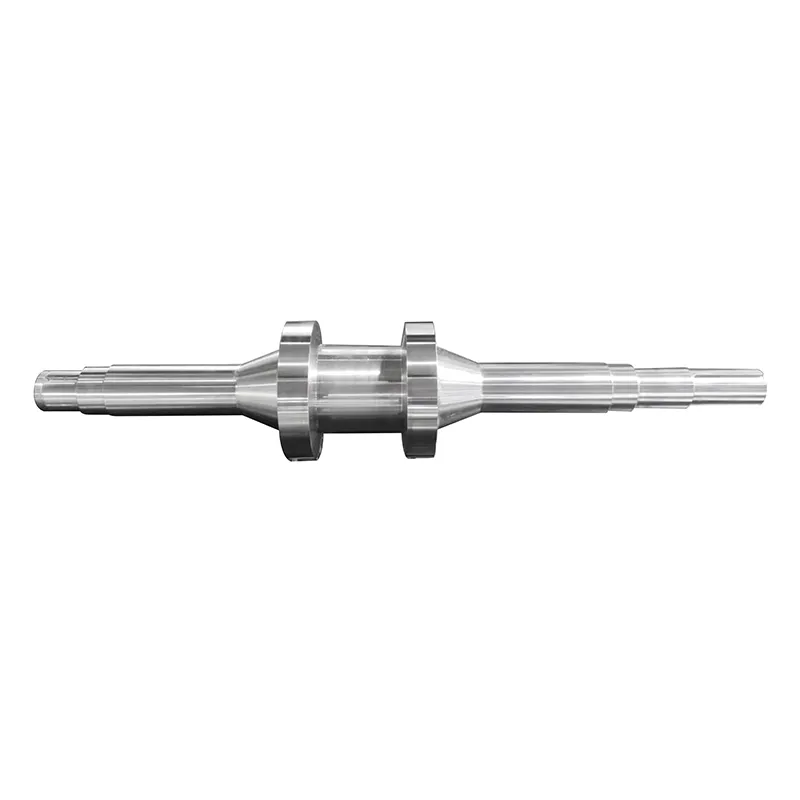
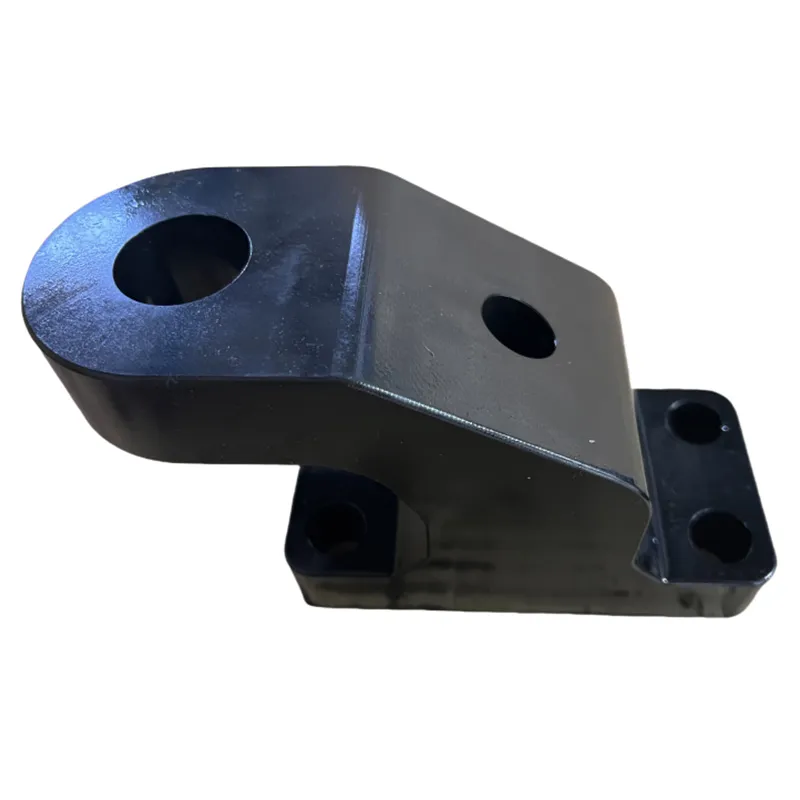
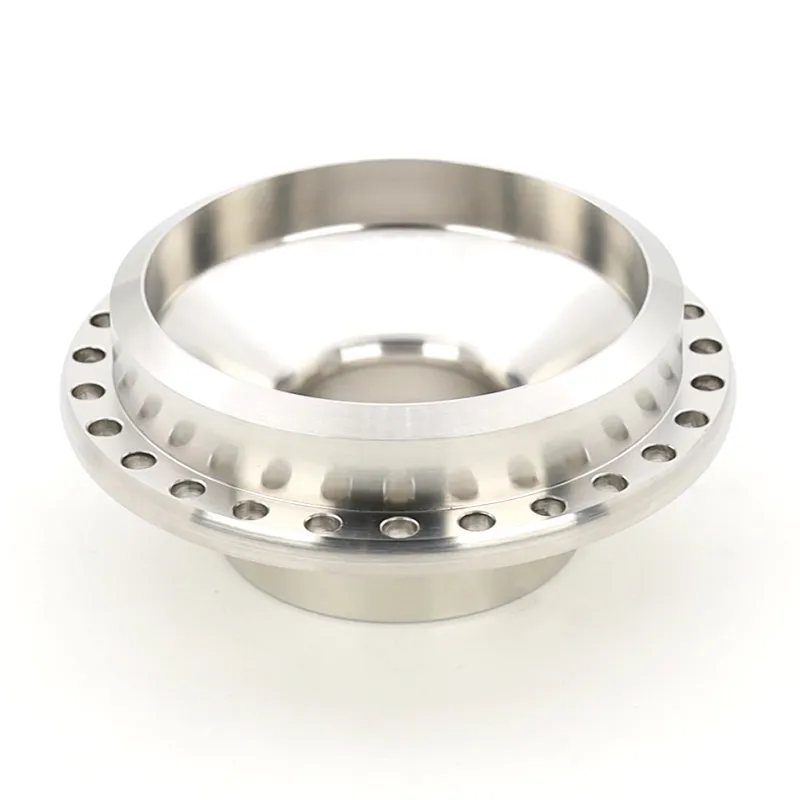
Most of our work with Alloy 21 ends up in chemical processing, but not always in the massive vessels. Some of the most critical applications are in smaller, complex components where its corrosion resistance and moderate strength are essential. Think valve internals, pump casings, agitator shafts, and especially fittings for systems handling mixed acids.
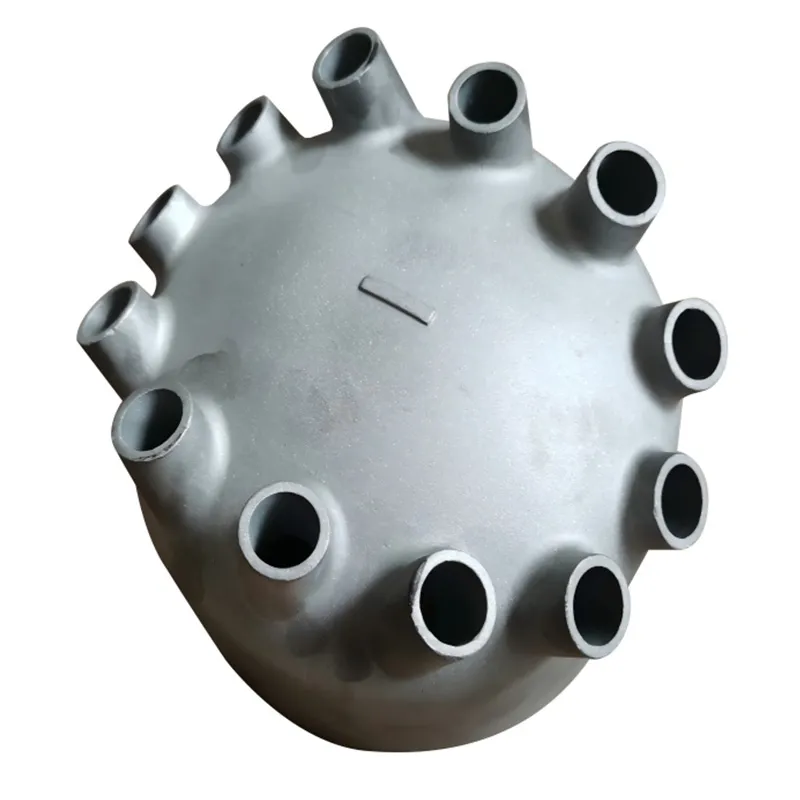
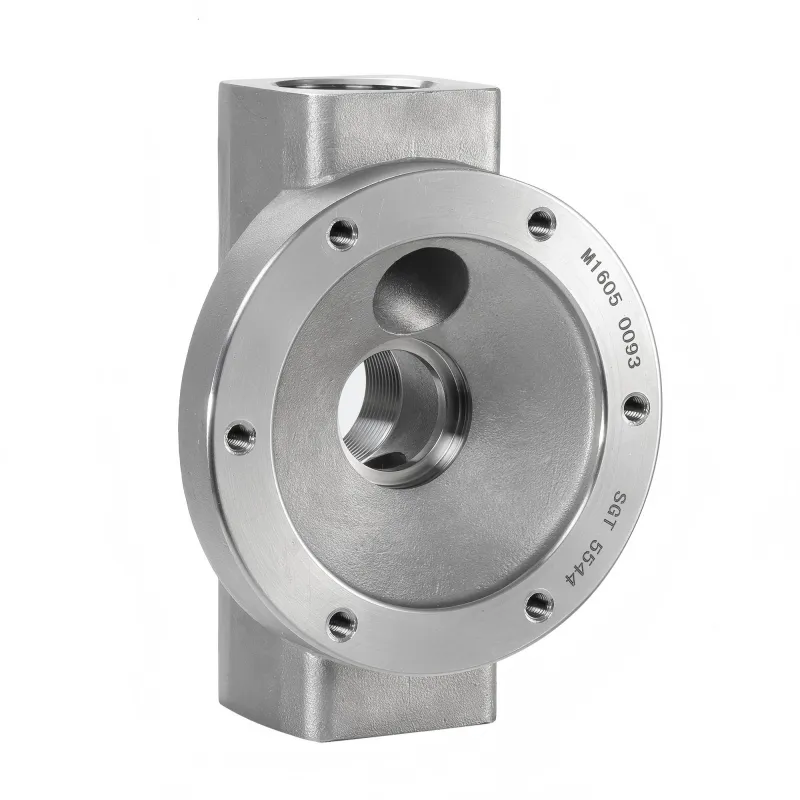
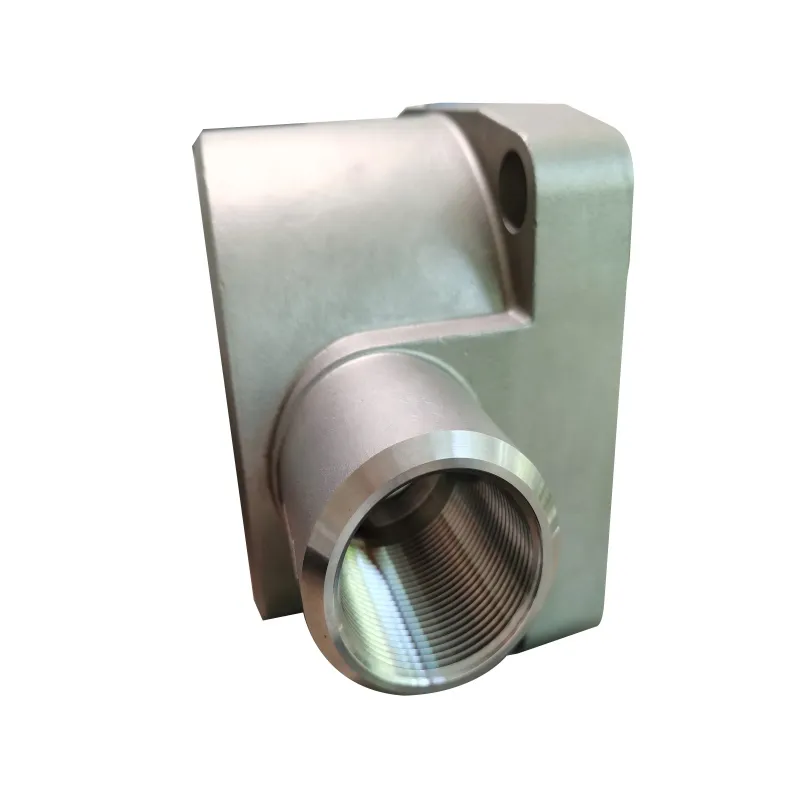
I remember a project sourced through Qingdao Qiangsenyuan Technology (QSY). They needed a set of custom-manifold blocks for a pilot plant testing a new pharmaceutical synthesis process. The environment was a cocktail of organic acids, chlorides, and traces of bromides at elevated temperatures. The initial design specified a duplex stainless steel. However, based on the chemistry breakdown provided, there was a high risk of pitting and stress corrosion cracking. We suggested Alloy 21 as a more suitable candidate.
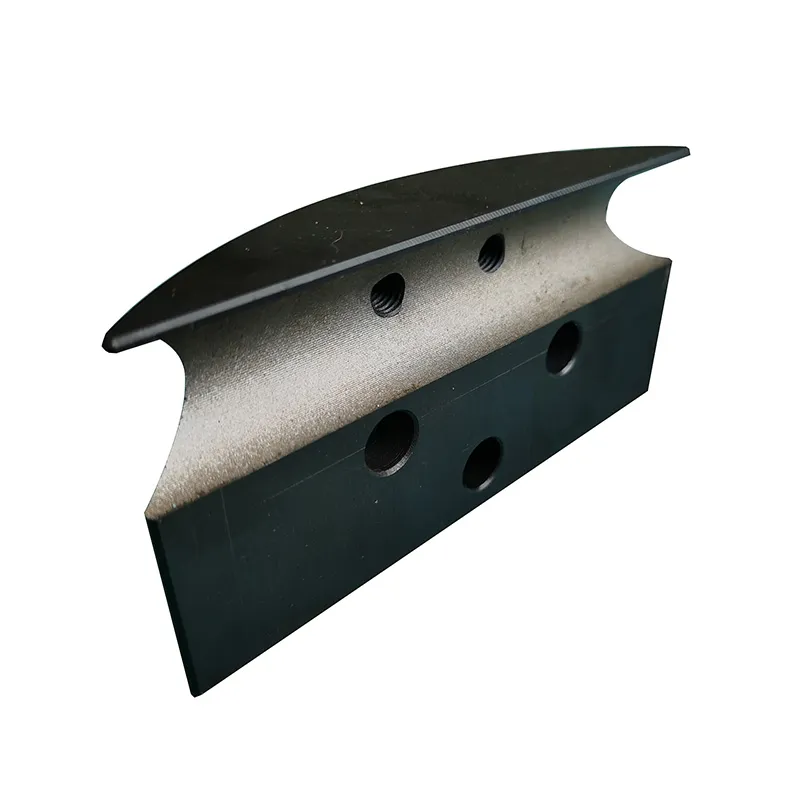
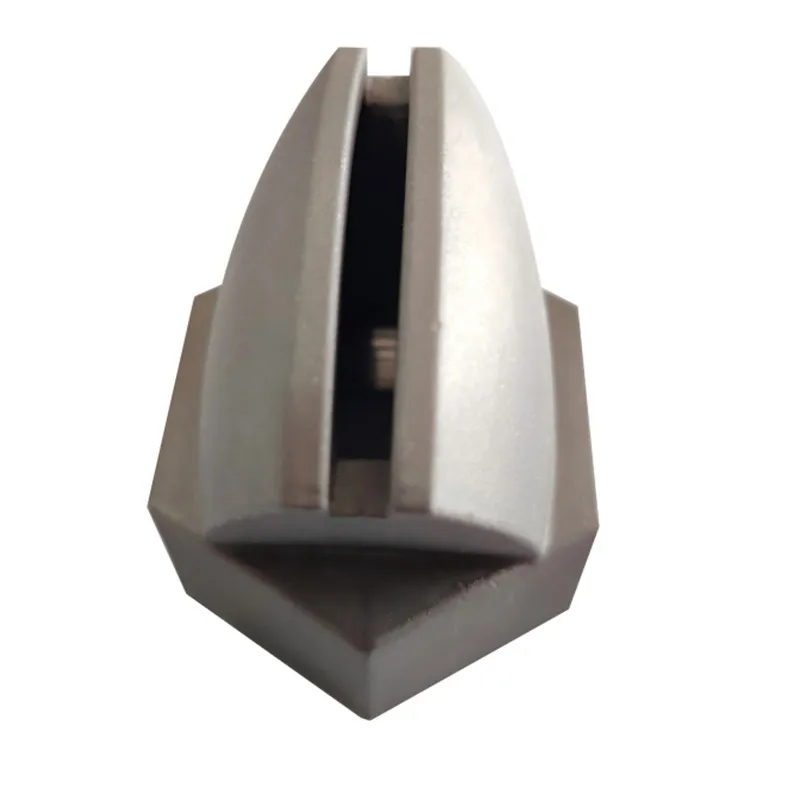
The challenge was the manifold's intricate internal channels. It required a combination of investment casting to form the basic passageways and high-precision 5-axis CNC machining to finish the port faces and mounting surfaces to tight tolerances. QSY's experience with both shell mold casting and CNC machining for special alloys was crucial here. The casting had to be sound, with no shrinkage porosity that could become a corrosion initiation site, and the subsequent machining had to be flawless to ensure seal integrity. The parts performed without issue for the two-year pilot run, which was the ultimate test. This synergy between material selection, casting integrity, and precision machining is where the real value is delivered.
Collaboration with a Specialized Foundry and Machinist
This brings me to the ecosystem for producing such parts. You can't just hand a drawing for an Alloy 21 component to any machine shop. The entire chain, from sourcing the certified alloy ingot to the final inspection, needs expertise. A company like Qingdao Qiangsenyuan Technology Co., Ltd. (QSY), with their stated decades in casting and machining, particularly highlighting special alloys, represents the kind of partner needed. Their long-term operation suggests they've likely navigated the learning curves of materials like this.
When evaluating a partner, I look for evidence of process control. For Alloy 21, it's about their melting practice (VIM or AOD?), how they handle the mold-making for investment casting to avoid contamination, and their CNC machining protocols for hard-to-cut materials. Do they have a history of producing pressure-containing parts or critical seals? The fact that QSY explicitly lists nickel-based alloys as a specialty is a relevant data point. It implies they've invested in the tooling, inserts, and technician knowledge required to handle these materials profitably and reliably.
In one collaboration, the value-add came from their machining team's feedback during the DFM (Design for Manufacturability) stage. They pointed out a few internal corner radii on a casting that were too tight for effective machining with the required surface finish on Alloy 21. We relaxed the tolerance slightly, which avoided a potential production bottleneck and cost overrun without compromising the part's function. That's the practical, hands-on knowledge you want.
Common Pitfalls and Material Misconceptions
A persistent misconception is treating Alloy 21 as a direct, drop-in replacement for other nickel-chromium-molybdenum alloys. It isn't. Its optimized composition gives it superior resistance to sulfuric acid, but it might not match, say, C-276 in severely reducing hydrochloric acid service. Material selection always comes down to the specific ion concentrations, temperature, and presence of oxidizers. I've seen specs that just say corrosive service – that's useless. We always demand a full process fluid analysis.
Another pitfall is neglecting post-weld heat treatment (PWHT) if the component is fabricated. While Alloy 21 has good weldability, the heat-affected zone (HAZ) can suffer from carbide precipitation, degrading local corrosion resistance in harsh environments. For critical service, PWHT is non-negotiable to restore the microstructure. We learned this after a field failure of a welded flange connection; the weld itself was sound, but pitting initiated right in the HAZ.
Finally, there's the cost-benefit analysis. Alloy 21 is expensive. You don't use it where a 904L stainless might suffice. Its justification comes from extended service life, reduced downtime, and safety in handling hazardous media. The calculation has to look at total cost of ownership, not just the initial piece price. Sometimes, convincing the client of this requires showing them case histories of failures with cheaper materials—a persuasive, if sobering, argument.
Concluding Thoughts on Practical Deployment
So, where does this leave us with Alloy 21? It's a specialist's material. Its value is unlocked through precise application, meticulous manufacturing, and a deep understanding of its quirks. It's not a set it and forget it alloy. Success depends on the entire supply chain's competency—from the metallurgist who approves the melt cert to the machinist who selects the last finishing pass parameters.
For engineers and procurers, the lesson is to look beyond the generic material grade. Engage with fabricators who demonstrate specific experience, like those whose core business involves the long-term management of special alloy projects. Ask for their machining parameters, their QC sheets for similar castings, their approach to non-destructive testing. The answers will tell you more than any glossy brochure.
In the end, materials like Alloy 21 are tools in the engineering toolbox. Their effectiveness depends entirely on the skill of the craftsman using them. Whether it's for a critical component in a chemical plant or a specialized part for advanced research, the principles remain: respect the material's characteristics, control the process, and validate the performance. That's how you move from a theoretical spec to a reliable, functioning component in the field.