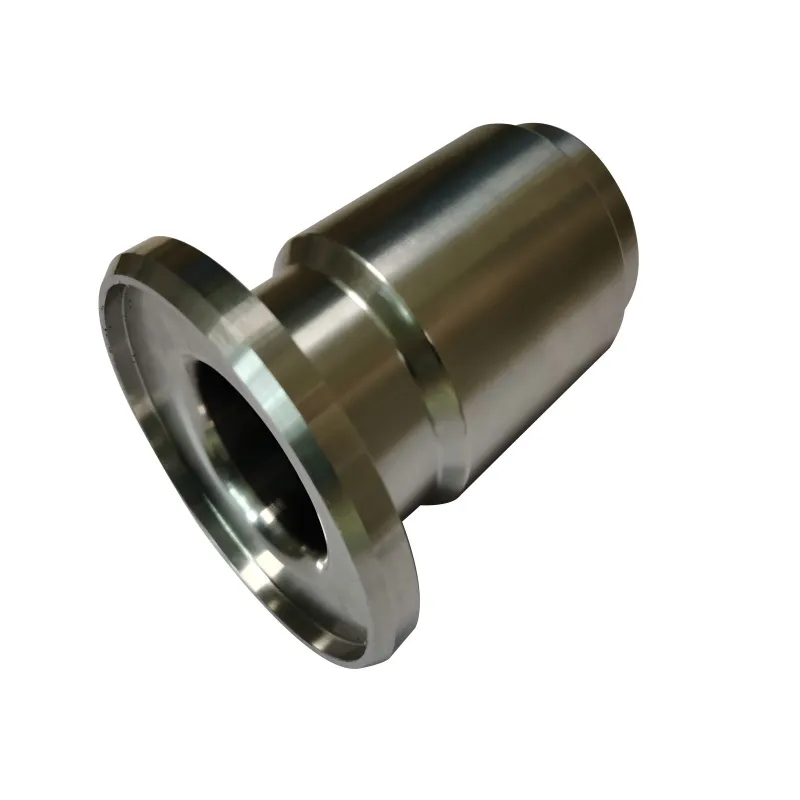
When someone mentions Alloy 4 in a foundry or machine shop, you often get one of two reactions: a knowing nod from the old hands, or a look of confusion from those who think it's just another generic stainless. It's neither. In my three decades around shell molds and CNC beds, I've seen this material get pigeonholed, underutilized, and sometimes blamed for failures that were really process issues. It's not a miracle alloy, but its specific balance makes it a quiet, reliable performer for components that need to withstand a certain kind of abuse—thermal cycling, moderate corrosion, and constant mechanical stress—without the cost of a superalloy. The confusion starts with the name itself; it's not a standardized designation like 316 or 17-4PH, which leads to a lot of assumptions, and assumptions are expensive.
The Reality on the Foundry Floor
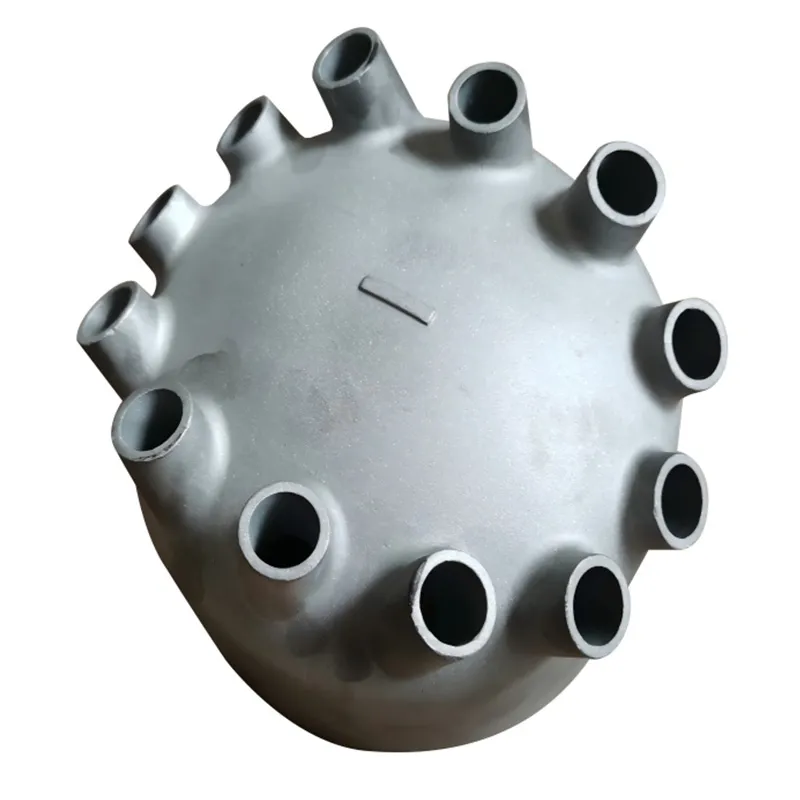
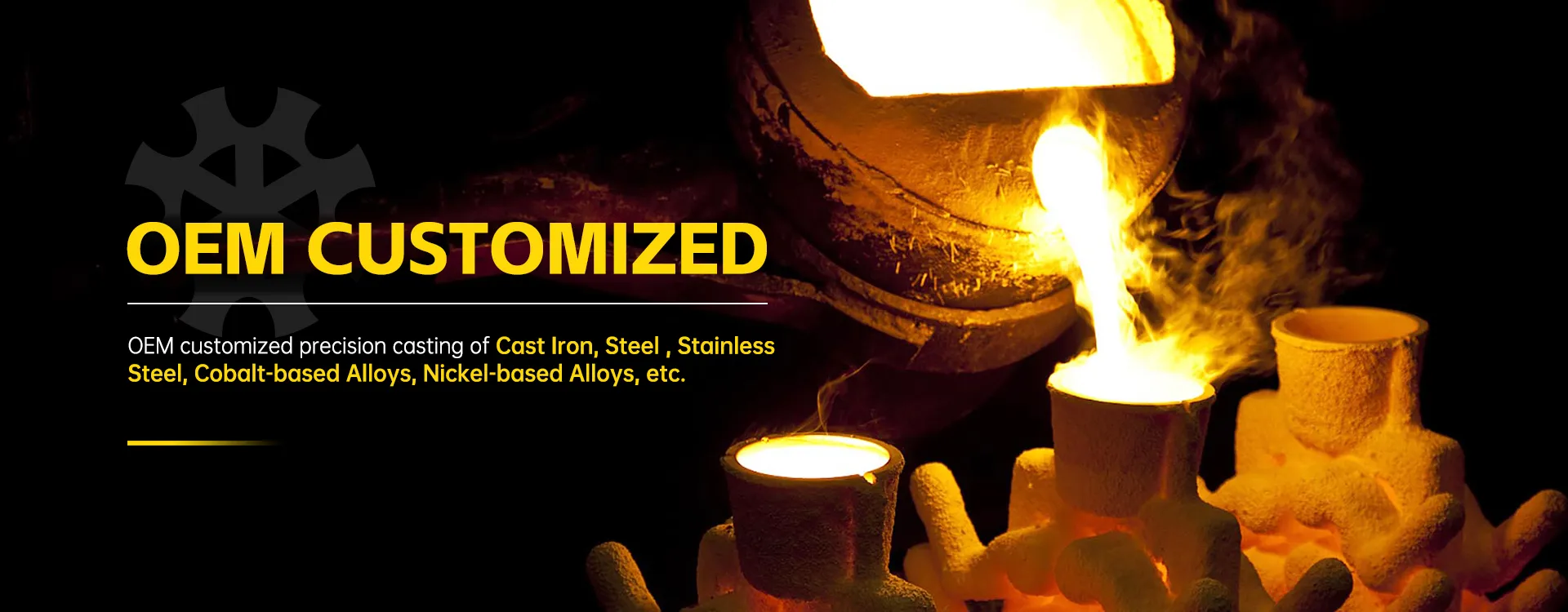
At our facility, which has evolved into Qingdao Qiangsenyuan Technology Co., Ltd. (QSY), we've run Alloy 4 through both investment and shell mold casting processes more times than I can count. The first thing you learn is that its fluidity is decent, not great. It doesn't pour like some of the more free-flowing carbon steels, so you need to be meticulous with your gating and riser design, especially for thin-walled sections. If you treat it like standard cast iron, you'll end up with mistruns or excessive porosity. We learned this the hard way on an early order for a series of valve housings. The prints called for complex internal channels, and we used our standard steel gating layout. The yield was terrible—maybe 60%. The scrap bins were full of incomplete castings. It wasn't the alloy's fault; it was ours for not adapting the process to the material.
Where Alloy 4 really starts to show its character is post-cast. Its machinability sits in that interesting middle ground. It's not a gummy nightmare like some pure nickels, but it's also not as buttery as leaded steel. You need a rigid setup and sharp tools. We found that using a slightly more positive rake and ensuring excellent coolant delivery at the cutting edge drastically improved tool life and surface finish on our CNC machining centers. Trying to rush it or use worn inserts just leads to work hardening, and then you're in for a real fight. The chips should come off a nice silver-blue, not the straw color that signals you're burning the tool.
The heat treatment response is another point of nuance. It doesn't undergo dramatic phase transformations like some martensitic steels. The typical protocol involves a solution anneal followed by an aging cycle, but the exact time and temperature windows are tighter than you might think. We had a batch of pump impellers a few years back that passed initial inspection but failed in field testing due to premature cracking. After a lot of head-scratching and metallurgical analysis, we traced it back to a slight overshoot in the aging furnace temperature. It shifted the precipitate distribution just enough to embrittle the material. It was a costly lesson in control. You can't be sloppy with the thermal profile.
Application Context: Where It Earns Its Keep
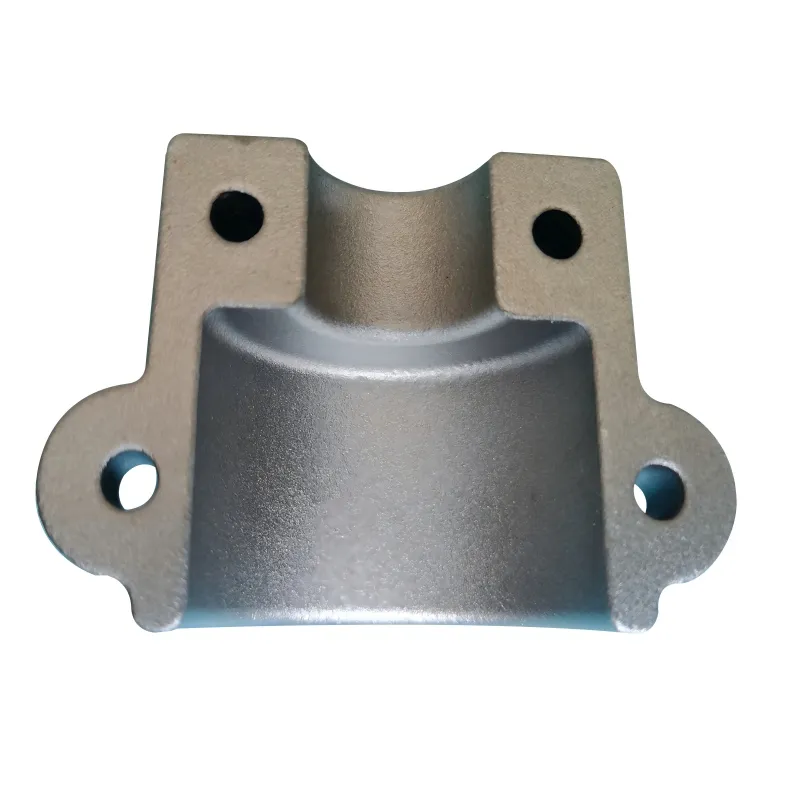
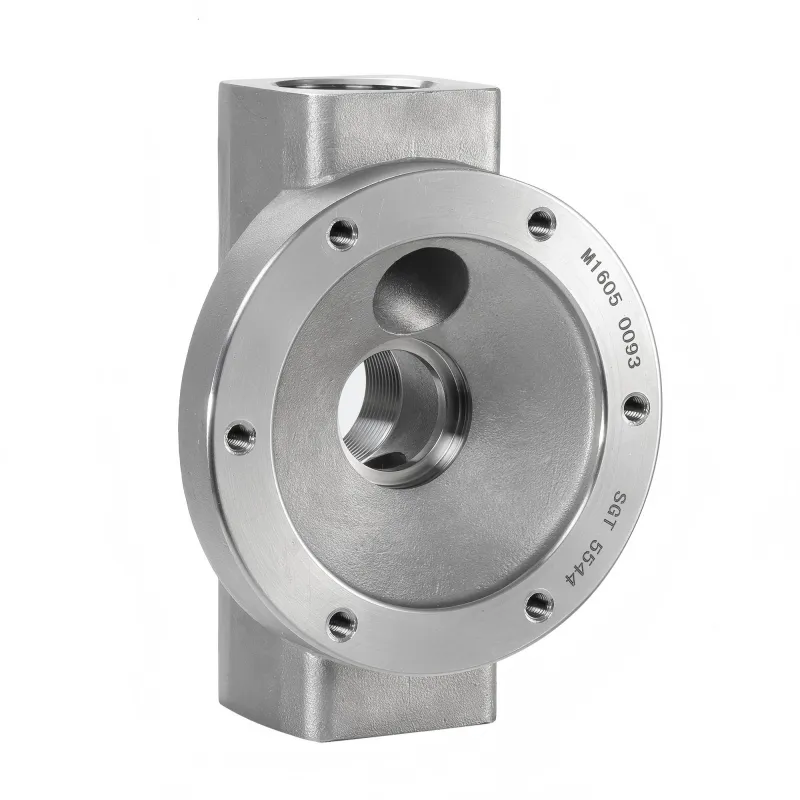
So where does Alloy 4 actually make sense? We've consistently seen it specified for components in the chemical processing and food equipment sectors. Not for the highly acidic environments—that's for higher nickel alloys—but for applications involving alkalis, organic solvents, and steam. Think of mixer shafts, housing for non-critical pumps, or certain types of valve bodies. Its strength and corrosion resistance profile fits that niche perfectly, offering a better lifespan than standard 304 stainless without jumping to the price point of Inconel or Hastelloy.
A concrete example was a project for a client needing custom agitators for a large-scale biodiesel reactor. The environment involved methanol, potassium hydroxide, and elevated temperatures. 316 stainless was a candidate, but there were concerns about stress corrosion cracking over time. A duplex stainless was overkill and much harder to machine. We proposed Alloy 4. The key was explaining the rationale: its specific composition resists that particular cocktail of chemicals better than 316, and its castability allowed us to integrate mounting features directly into the casting, reducing post-machining. The parts have been running for over five years now with no issues reported. That's the sweet spot.
It's also found a home in certain wear parts. We've machined it into guide rollers and bushings for high-temperature conveyor lines. The combination of decent hot hardness and oxidation resistance works well. However, you wouldn't use it for heavily abrasive service—that's where cobalt-based alloys come in. It's about matching the property profile to the actual failure mode, not just throwing a corrosion-resistant material at every problem.
Navigating Supply and Specification
One of the practical headaches with Alloy 4 is the supply chain. Because it's not an ASTM or DIN superstar, you can't just call up every mill and get it. The chemical composition, while generally consistent, can have minor variations from different melt shops. At QSY, we've built long-term relationships with a couple of specialized mills that understand the spec we need. We always run a full spectrographic analysis on incoming ingot or revert material. That upfront cost saves a fortune in rejected castings later. Assuming the cert sheet is always perfect is a recipe for disaster.
This ties directly into the drawing and RFQ process. When we see Alloy 4 on a print, the first thing we do is contact the engineer and ask for the specific governing specification or the detailed chemical/mechanical property requirements. Often, they'll reference an internal company standard or an old legacy spec. Sometimes, they don't really know and are just repeating what was used before. That's a red flag. We'll then provide our own typical analysis sheet and proposed heat treatment cycle for sign-off. This clarity prevents disputes down the line. It's not pedantry; it's essential for making a part that functions.
We also keep a small stock of certified Alloy 4 bar stock for machining prototypes or small repair jobs. It's not our main inventory item, but having it on hand speeds up the development process for clients who want to test a design before committing to a full casting run. The machinability data we gather from these small jobs directly informs how we'll approach the CNC programming for the production castings.
Lessons from the Machine Shop
On the machining side, specifically on our 5-axis CNC centers, fixturing is critical. Alloy 4 castings can have residual stresses, especially if they've been weld-repaired. Taking too aggressive a cut on the first op can cause the part to move, ruining tolerances. We always start with a light skin cut to relieve surface stress and establish a true datum before going to final depths. It adds a step, but it's cheaper than scrapping a near-finished part.
Tool wear follows a predictable curve, but it's not linear. You get a long period of stable wear, then a fairly rapid fall-off. We've set up tool life management in our CNC programs to flag inserts for change based on actual cutting time, not just a guess. For finishing passes, we switched to a dedicated grade of carbide with a specialized coating, which gave us a more consistent surface finish (often hitting Ra 0.8 or better) and extended the time between tool changes by about 30%. That's a significant saving on a production run of several hundred pieces.
Drilling and tapping can be tricky, particularly in sections that might have slight micro-porosity from the casting process. A rigid, sharp drill with a good pecking cycle is mandatory. For tapping, we almost exclusively use spiral-fluted taps to effectively evacuate chips. Trying to use a hand tap or a worn machine tap is a sure way to break a tap off in a hole, creating a massive rework headache. We learned to keep a dedicated, well-labeled set of taps just for this material.
Concluding Thoughts: A Material of Specificity
Looking back, Alloy 4 embodies a principle that applies to all the special alloys we work with at QSY: there are no universally superior materials, only appropriately applied ones. Its value isn't in being the strongest, the most corrosion-resistant, or the easiest to process. Its value is in its balanced, predictable, and cost-effective performance within a defined set of conditions. For a job shop that only does simple parts, it might not be worth the hassle. But for a vertically integrated operation like ours that handles everything from mold design to finished machining, it's a powerful tool in the kit.
The knowledge around it isn't from a datasheet; it's from the accumulated memory of furnace heats that went wrong, machining parameters that needed tweaking, and field performance reports from clients. It's in the subtle adjustments the senior pattern maker makes to the mold draft, or the way the CNC programmer selects a trochoidal milling path for a deep pocket. That's the real expertise with a material like this—the tacit knowledge that bridges the gap between its theoretical properties and a reliable, functioning component sitting in a customer's assembly line.
So, if you're considering Alloy 4 for a project, dig past the generic name. Define the environment, the stresses, the precision needed. And partner with a foundry that asks those questions upfront and has the scars to prove they've been through the process. It makes all the difference between a successful application and an expensive learning experience.