When someone mentions Alloy 6, the first thing that often comes to mind is just another cobalt-based hardfacing alloy. That's a bit of a surface-level take, and one I used to share. The spec sheets tout its excellent abrasion resistance and good impact strength, which is true, but the real story is in the application gaps and the subtle trade-offs you only learn on the shop floor or in the field. It's not a magic bullet; it's a specific tool, and understanding its temperament is key.
Beyond the Data Sheet: Composition and Inherent Trade-offs
The nominal composition—around 1% C, 30% Cr, 4.5% W, balance Co—is classic. The high chromium gives it solid corrosion and oxidation resistance, which is why it gets specified for things like valve seats in aggressive environments. The tungsten carbides are the primary source of that wear resistance. But here's the first nuance: the carbide size and distribution. In some batches, if the solidification isn't perfectly controlled, you can get a slightly more segregated structure. This doesn't always show up on a cert, but you'll feel it during machining—a spot that's just a bit tougher, causing tool chatter.
We've sourced castings from various foundries over the years, and the ones that consistently performed best in subsequent machining were from partners who emphasized process control over the melt and pour. It's a reminder that the alloy number is just the starting recipe; the chef's skill matters immensely. This is where a long-standing partner like Qingdao Qiangsenyuan Technology Co., Ltd. (QSY) shows its value. With their 30+ years in shell and investment casting, they get that consistency isn't just about hitting the chemistry numbers, it's about the entire thermal history of the part.
The trade-off, always, is between hardness/abrasion resistance and crack susceptibility. Alloy 6 is generally considered to have good impact resistance for its hardness class, but good is relative. If you design a part with sharp internal corners and specify a thick deposit of Alloy 6, you're asking for trouble. We learned this early on with a pump housing wear plate. The design had a 90-degree corner in the substrate. The Alloy 6 overlay, as it cooled and shrunk, cracked right through that stress concentrator. The solution wasn't a different alloy, but a design change to a radiused corner. The material told us what it needed.
Application Realities: Casting vs. Overlay
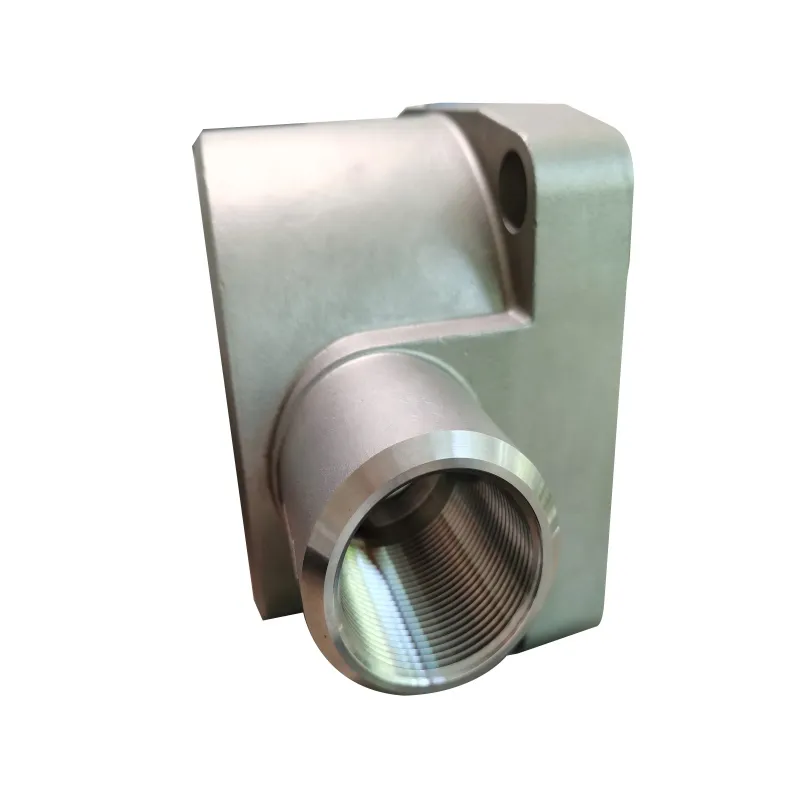
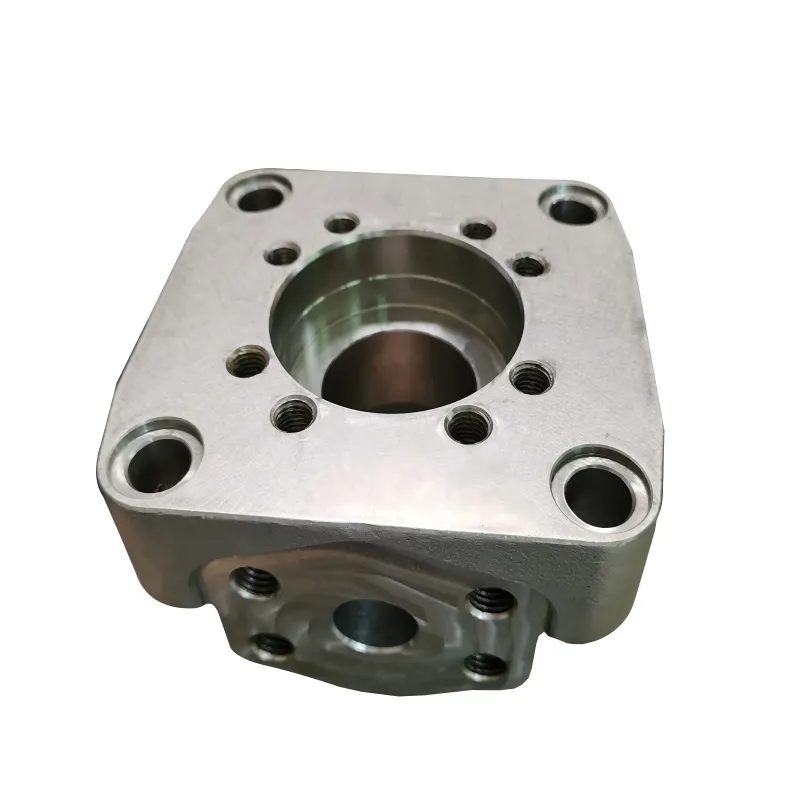
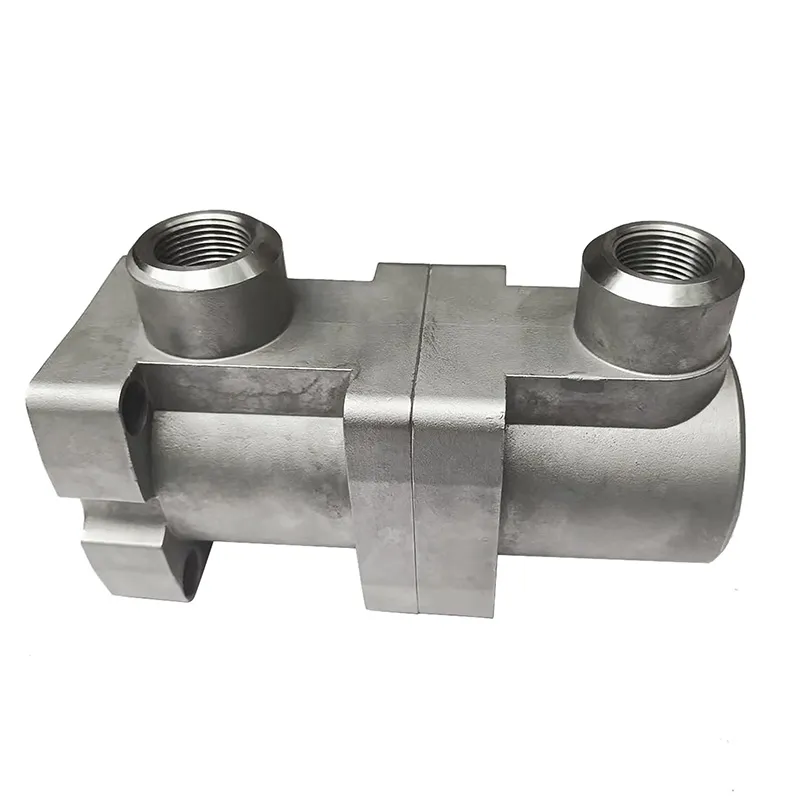
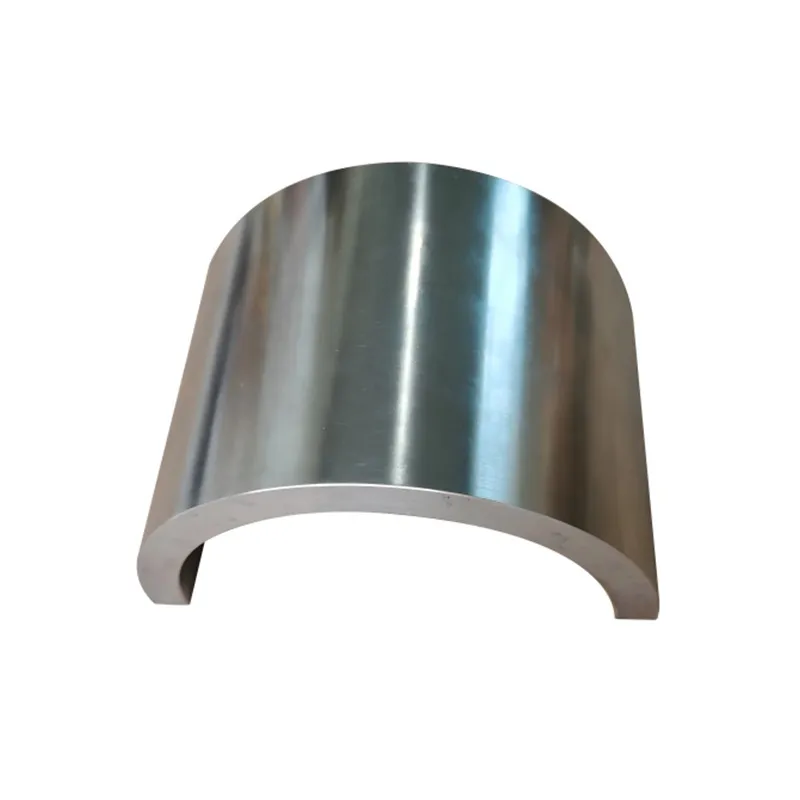
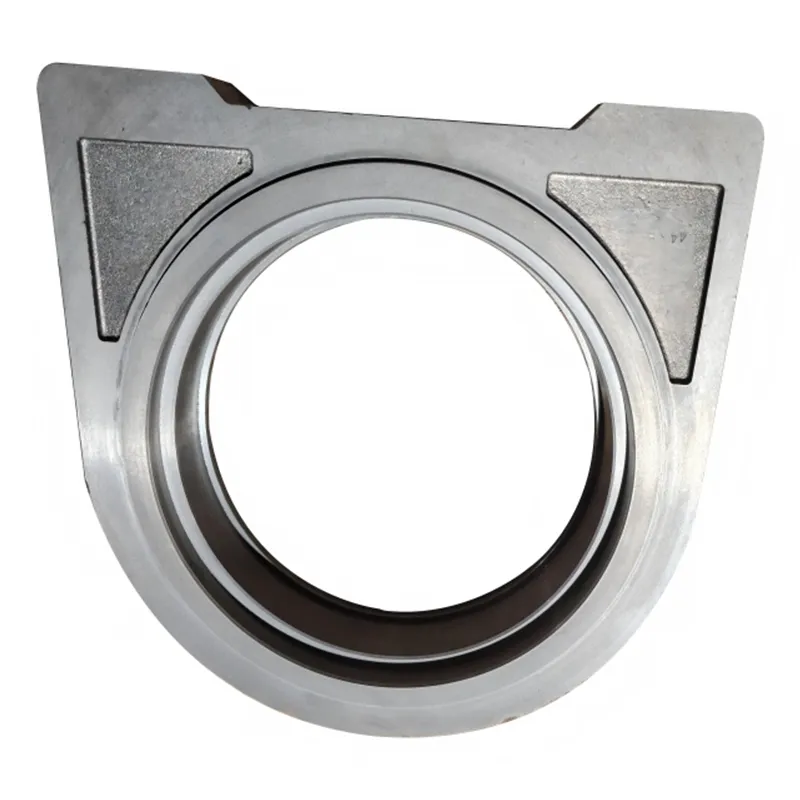
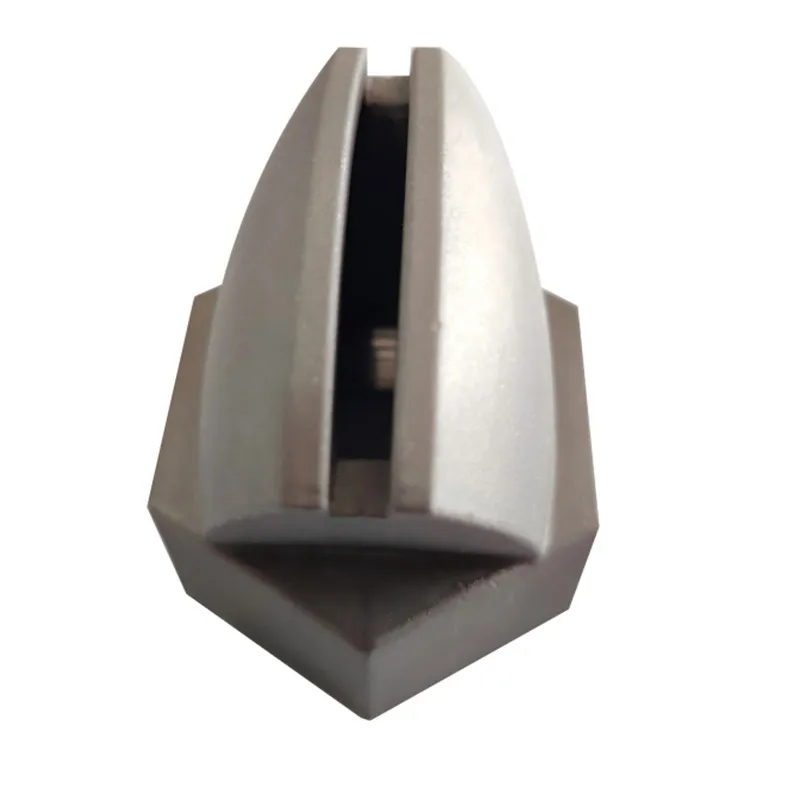
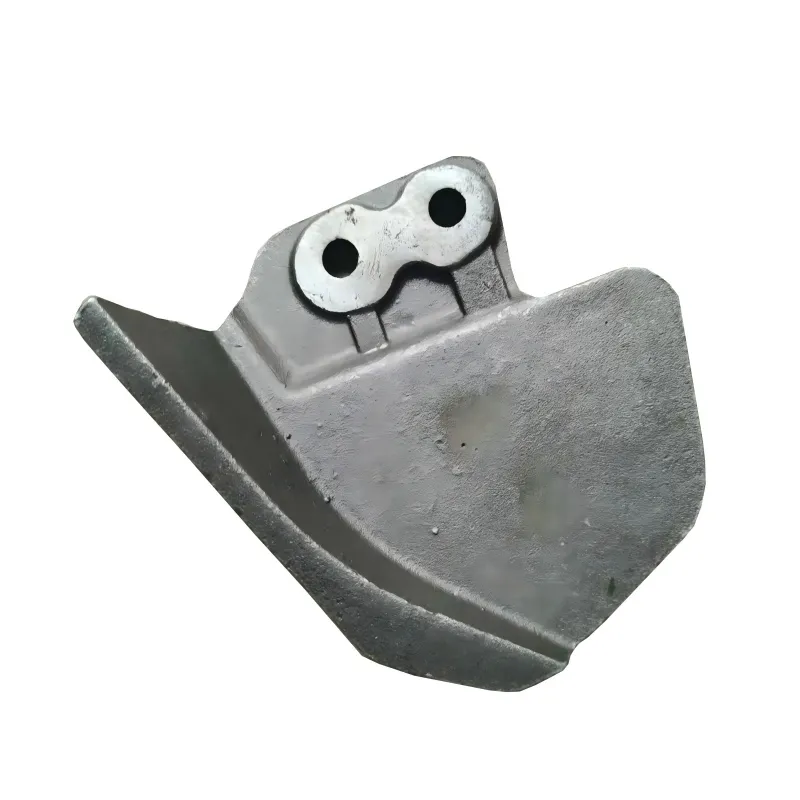
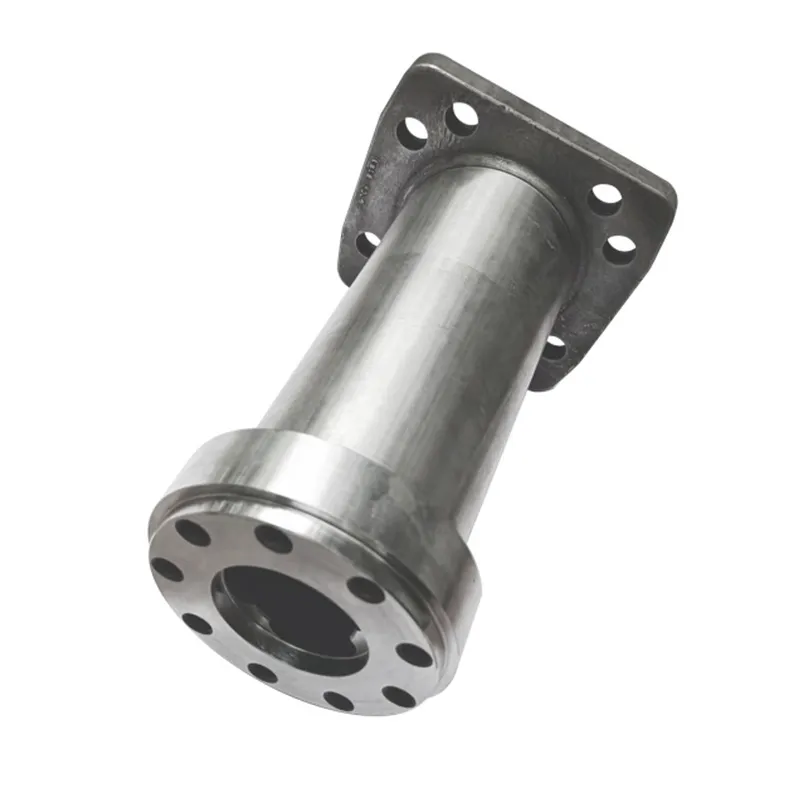
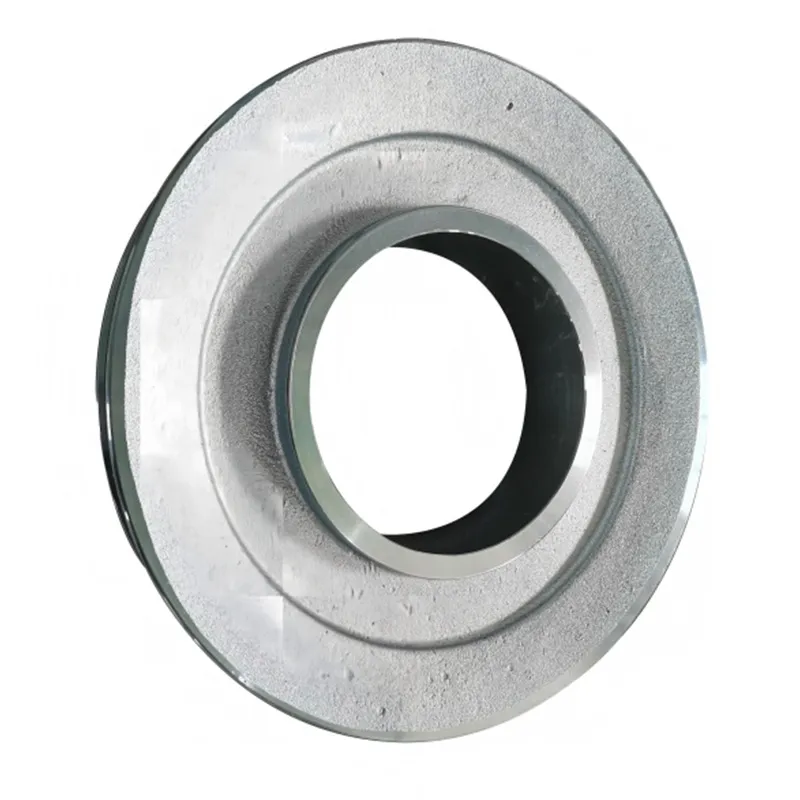
Most references to Alloy 6 are in the context of weld overlay or thermal spray. But its use as a cast component is a significant, if less flashy, domain. This is a core area for a foundry like QSY. Casting Alloy 6 into complex shapes—think turbine blade seals or proprietary tooling components—presents different challenges. Fluidity is lower than some nickel-based alloys, so the gating and risering system needs to be designed to avoid mistruns, especially in thin sections.
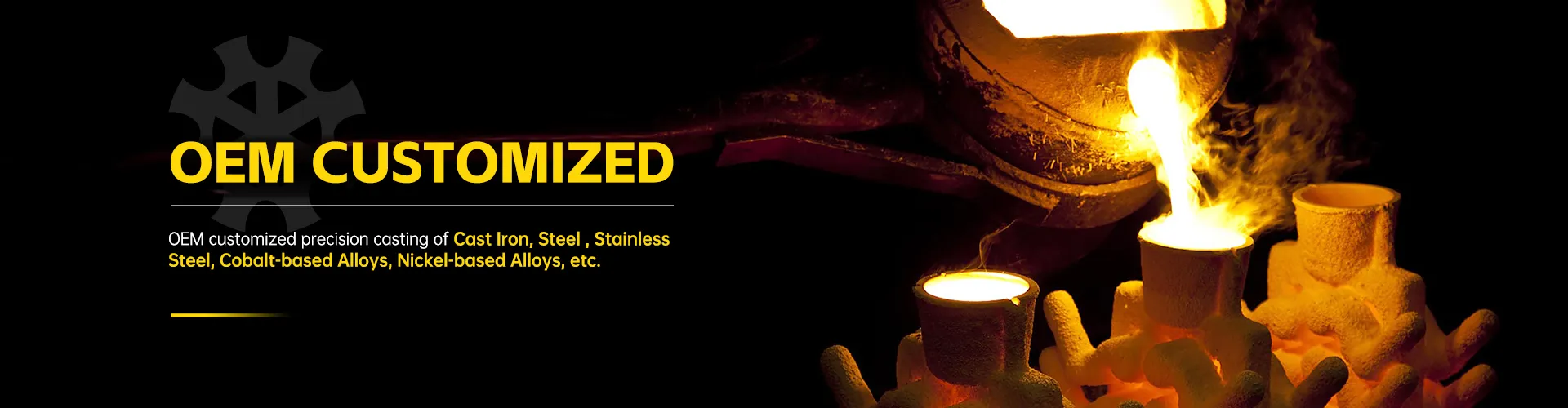
We had a project for a directional control valve component that required intricate internal channels. The initial pattern, designed for a standard steel, failed miserably with Alloy 6. The metal simply wouldn't fill the finest details before freezing. The fix, developed in collaboration with their engineering team, involved modifying the investment casting process parameters—specifically pre-heat temperatures of the mold and a slightly adjusted pour temperature. It wasn't a radical change, but it was the precise adjustment born of experience. You can find their approach to such specialized alloys detailed on their site at https://www.tsingtaocnc.com, which outlines their work with cobalt and nickel-based alloys.
Post-casting, the need for heat treatment is another decision point. For maximum abrasion resistance, you often leave it as-cast. But if you need to relieve stresses for dimensional stability during final machining, a stress relief cycle is necessary. The trick is keeping the temperature and time in a window that doesn't cause excessive grain growth or carbide coalescence, which would soften the material. It's a balancing act.
The Machining Grind: Literally
This is where theory meets the grinding wheel. Machining cast Alloy 6 is not for the faint of heart or the poorly equipped. It work-hardens aggressively. If your tool isn't sharp, if your speeds and feeds are timid, you'll glaze the surface and turn the next pass into a nightmare. We default to rigid CNC setups, ceramic or CBN inserts for turning, and diamond wheels for grinding. Even then, tool life is a fraction of what you'd get with steel.
A practical tip: when drilling, pecking is essential to break the chip and clear it. Letting a chip rub in the flute will generate enough heat to work-harden the bottom of the hole, potentially stalling the drill or breaking it. We ruined several expensive components before this became a non-negotiable part of the procedure. It sounds basic, but under production pressure, basics are the first thing to get rushed.
The finish matters too. A ground surface on an Alloy 6 seal face will perform very differently from a turned one in terms of wear-in and leakage characteristics. The specification needs to call out not just the alloy, but the final surface finish and how it's to be achieved. This level of detail separates a drawing that works from one that causes headaches in production and failures in service.
Failure Analysis: When Alloy 6 Isn't the Answer
I recall a case involving a slurry pump impeller. The customer insisted on Alloy 6 based on a previous success in a different application. The failure was rapid and catastrophic—not wear, but brittle fracture. The issue? The slurry in this new application had large, sharp-edged silica particles and significant cavitation. Alloy 6 resisted the abrasion well, but the combined effect of high-velocity impact from the particles and cavitation bubbles created micro-cracks that propagated quickly through the relatively brittle matrix.
This was a material selection error. A tougher, more ductile material like a high-chrome white iron might have deformed rather than shattered, or a nickel-based alloy with better damping characteristics could have been explored. It taught us that abrasion resistance is not a single property. You have to dissect the wear mechanism: is it pure sliding abrasion, low-stress scratching, high-stress grinding, or combined impact-abrasion? Alloy 6 excels in the first two, but its performance drops off in severe impact scenarios.
This is where having a foundry partner that understands context is crucial. A good technical discussion with an application engineer at a company like QSY isn't just about can you cast this? It's about what is this part supposed to endure? Their experience across different alloys allows them to ask the right questions and sometimes suggest alternatives that might be a better fit, even if it means a different material from their portfolio.
Sourcing and the Supply Chain Reality
The cobalt content makes Alloy 6 subject to price volatility and supply chain geopolitics. It's a reality that has forced many engineers to re-evaluate specifications. Can a function be achieved with a modified steel or a different cobalt-free hardfacing alloy? Sometimes yes, sometimes no. For critical applications where its unique combination of hot hardness and corrosion resistance is irreplaceable, you just have to manage the risk.
This makes long-term relationships with reliable suppliers critical. You need a foundry that has stable sourcing channels and the technical depth to potentially adjust secondary alloying elements within the spec to mitigate cost without compromising performance—though this is a delicate dance. The 30-year operational history of a firm like QSY suggests they've navigated these market cycles before and have the supply chain resilience to be a stable source, which is as important as their technical capability.
Finally, always, always get first-article testing. Even with a trusted supplier, run the parts through their paces—hardness checks, micrography to check carbide structure, and if possible, a simulated service test. It's the final, essential step to ensure the Alloy 6 you receive behaves like the Alloy 6 you designed with. It bridges the gap between the promise of the specification and the reality of the component in your hand.