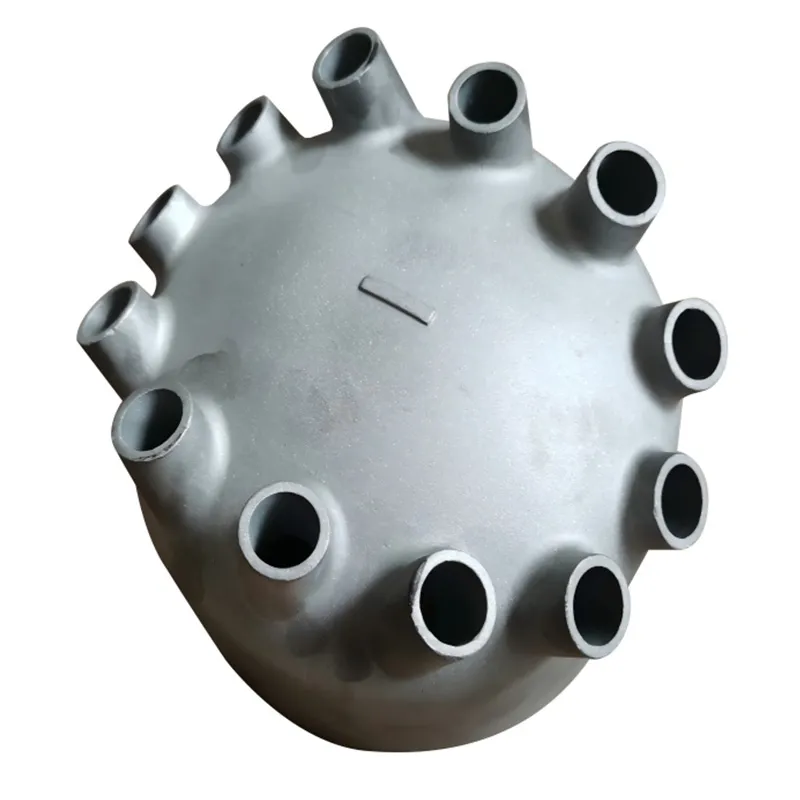
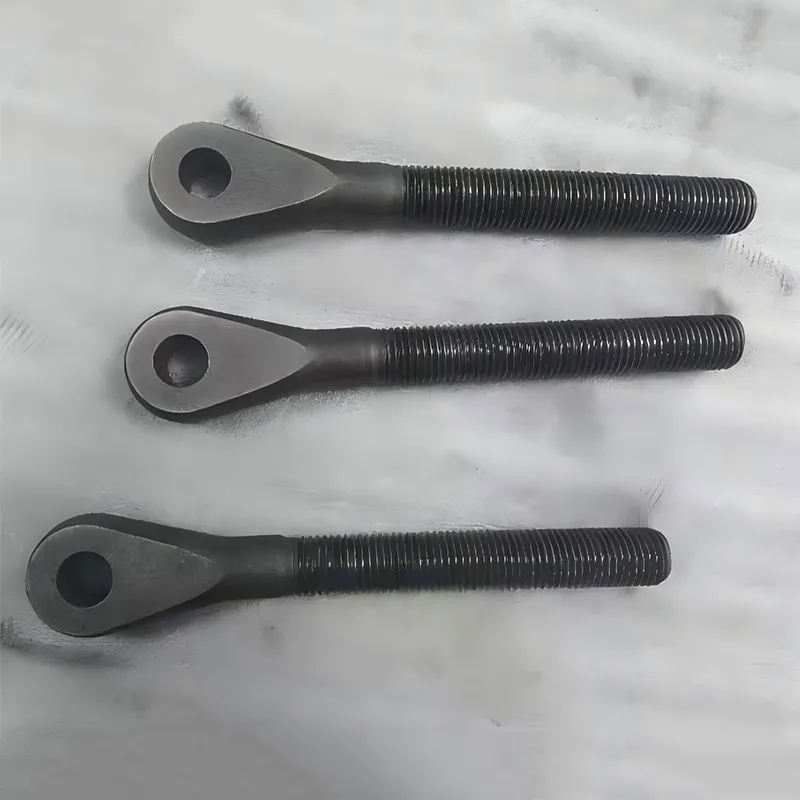
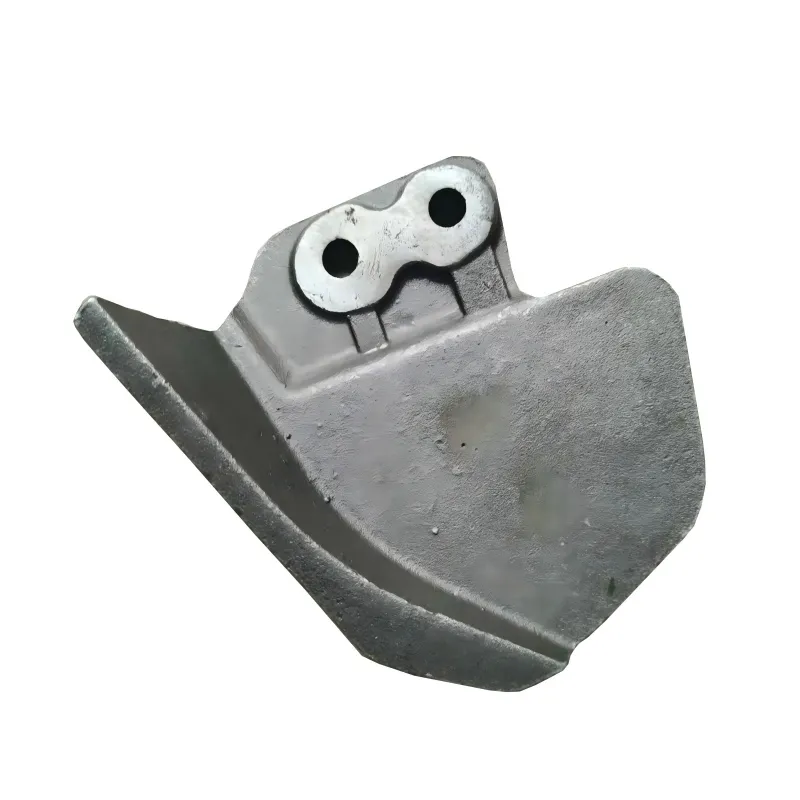
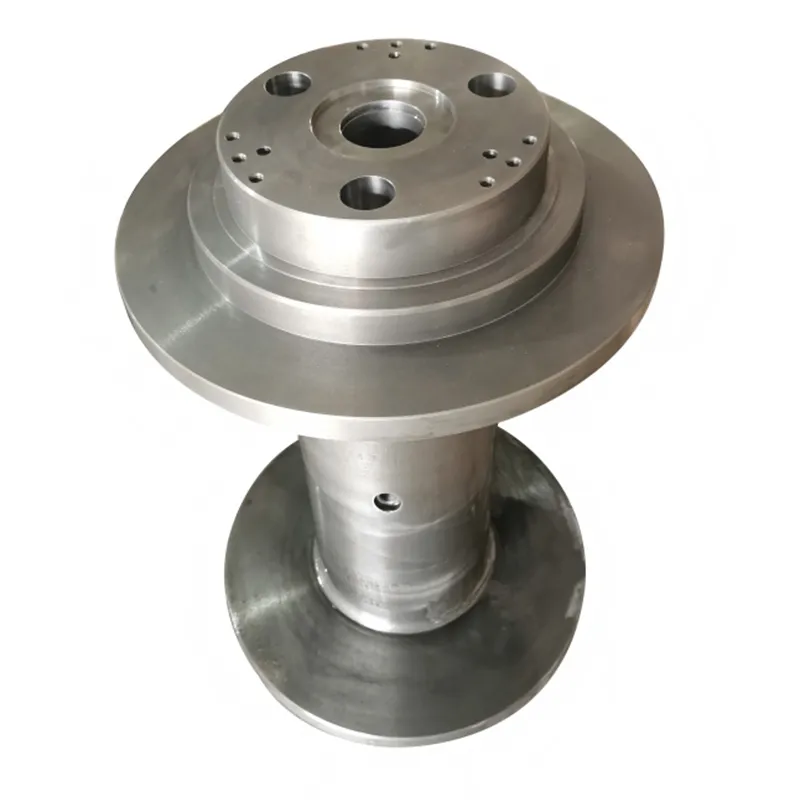
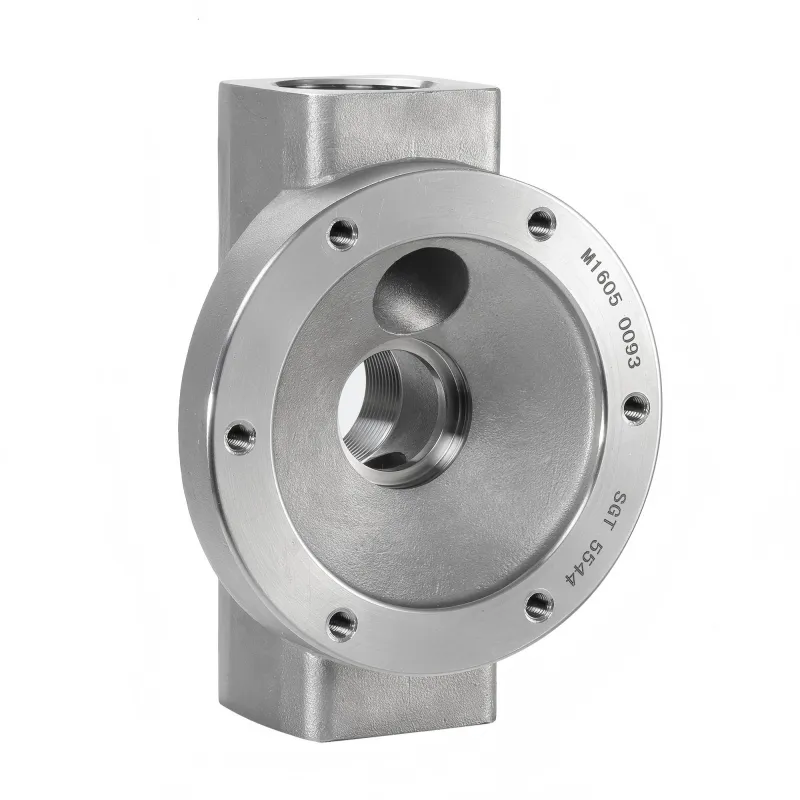
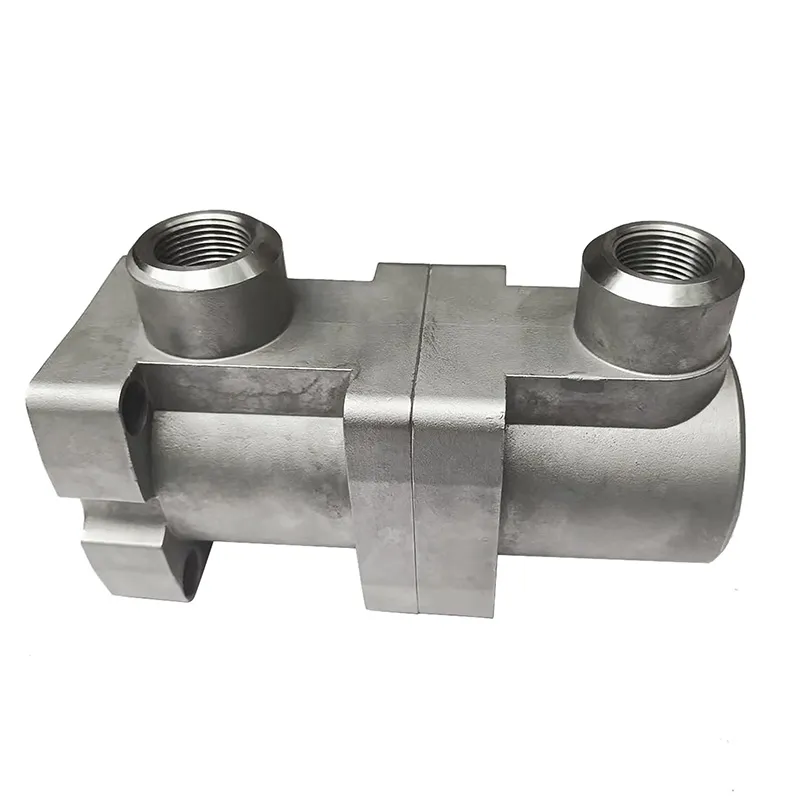
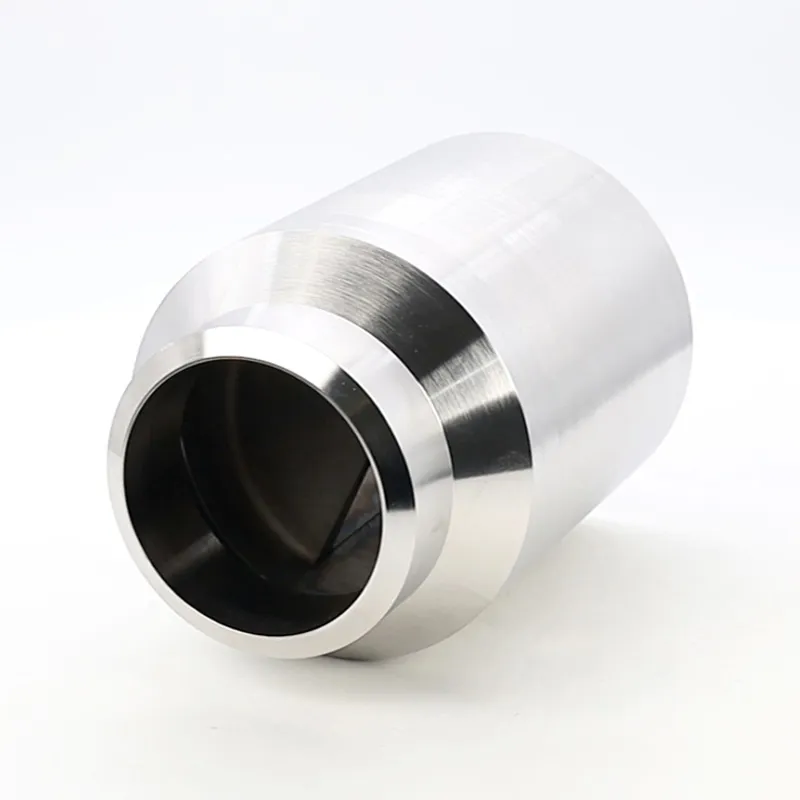
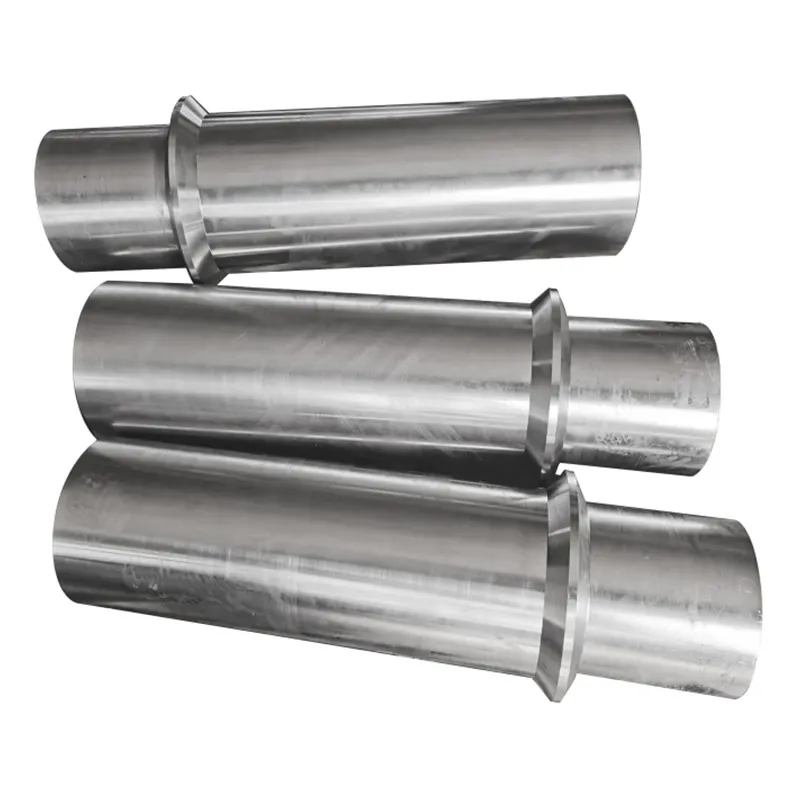
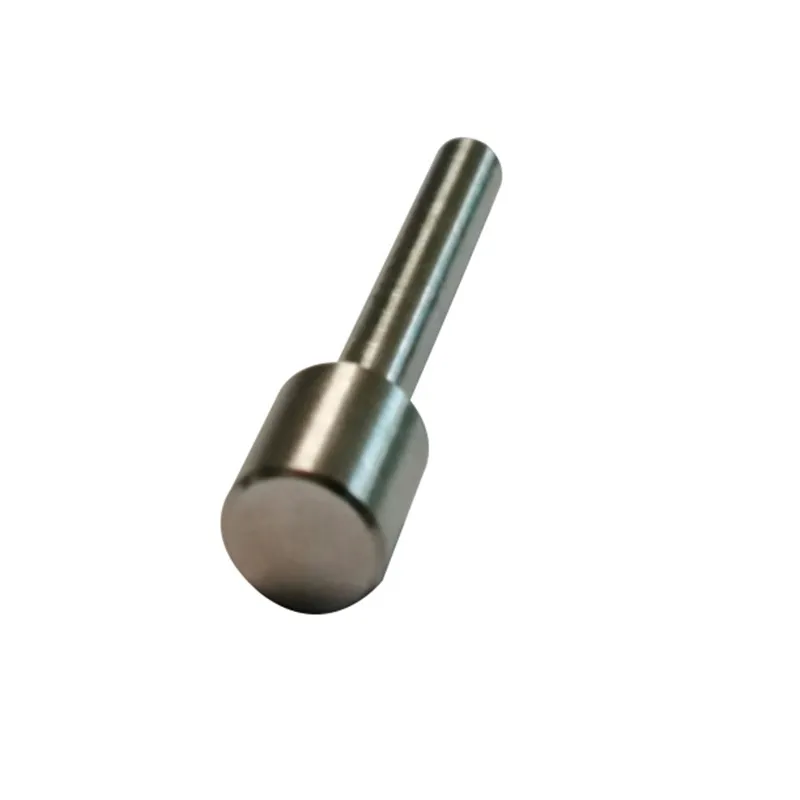
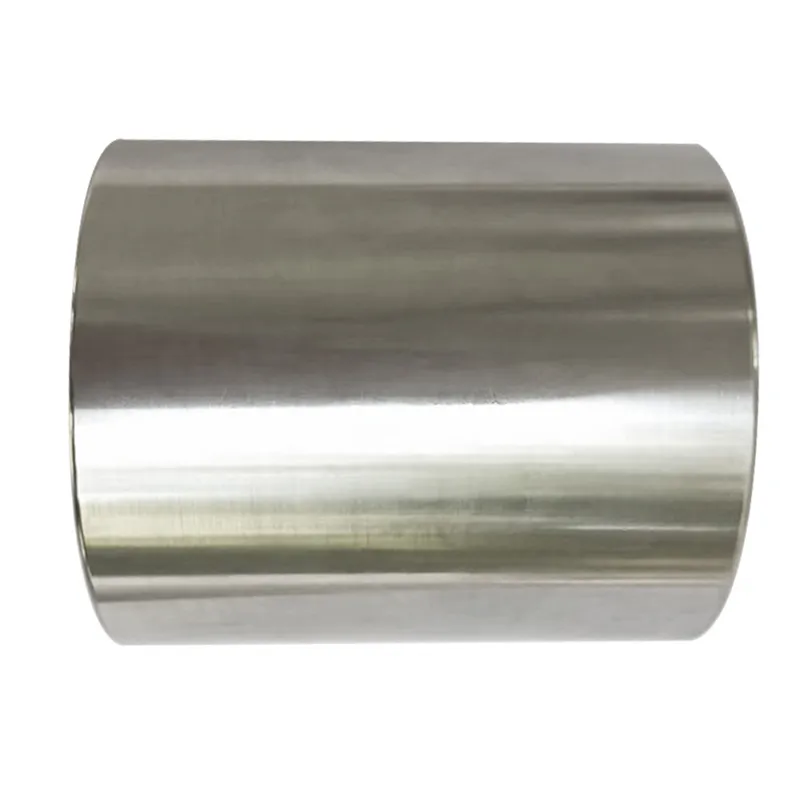
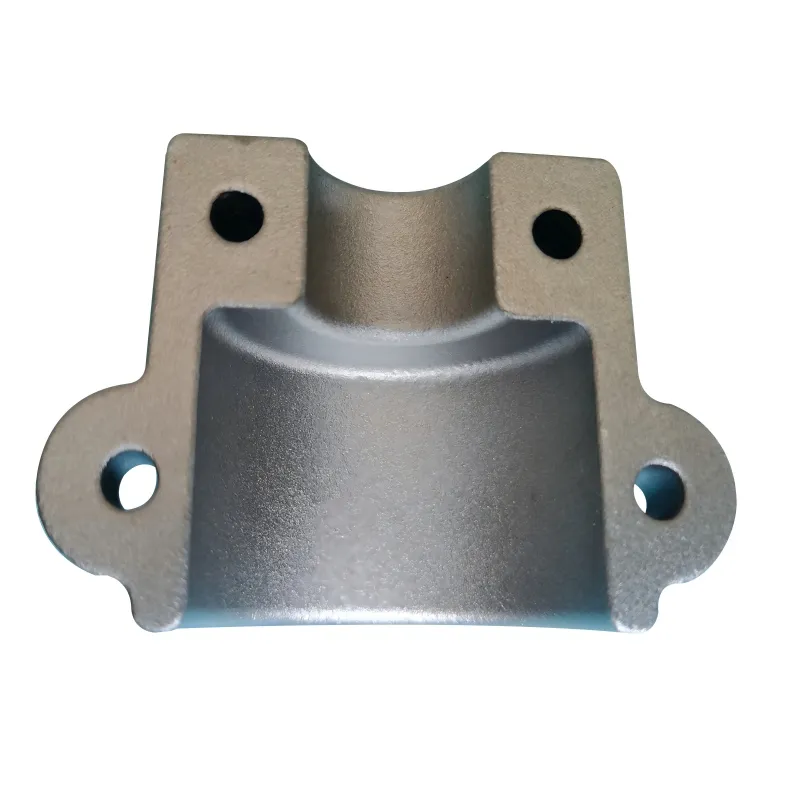
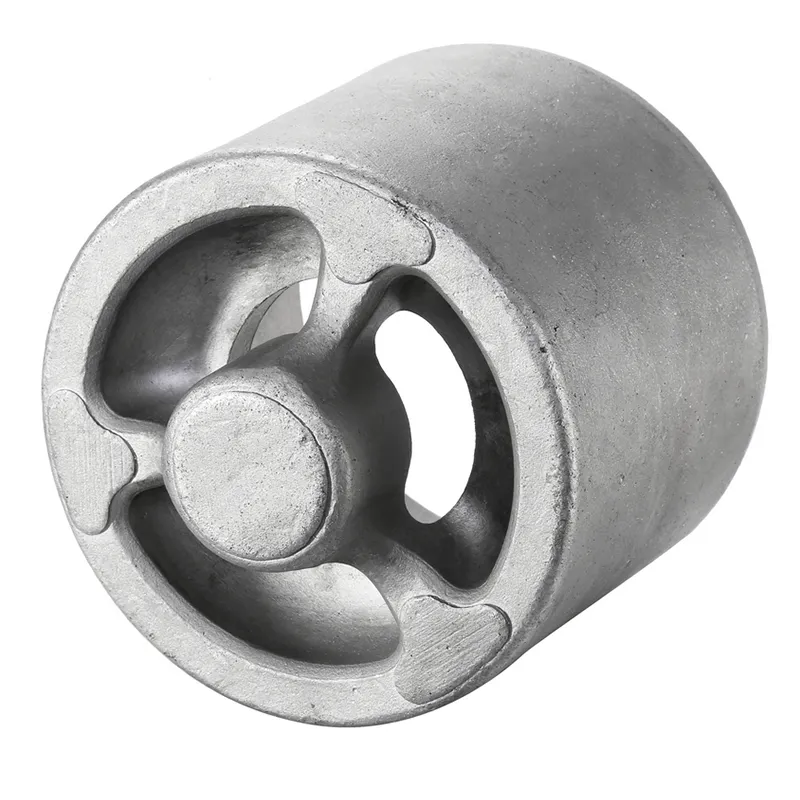
When you hear 'Alloy 6 parts,' what comes to mind? For a lot of procurement folks or even some designers fresh on the job, it's often just a line item on a spec sheet: 'Material: Alloy 6.' They think it's a solved problem—just send the drawing out and parts will show up. That's the first, and biggest, misconception. Alloy 6 isn't a single, uniform material like 304 stainless; it's a family, primarily cobalt-based, with that signature blend of wear resistance, corrosion resistance, and ability to hold strength at high temperatures. The devil, as always, is in the details of getting from a CAD model to a functional, reliable component sitting in an assembly. It's not just about having a CNC machine; it's about understanding how the material behaves when you cut it, grind it, or, more critically, how you cast it near-net-shape to avoid wasting a fortune in machining time on one of the more expensive alloys out there.
The Casting Conundrum: It's Not Just Pouring Metal
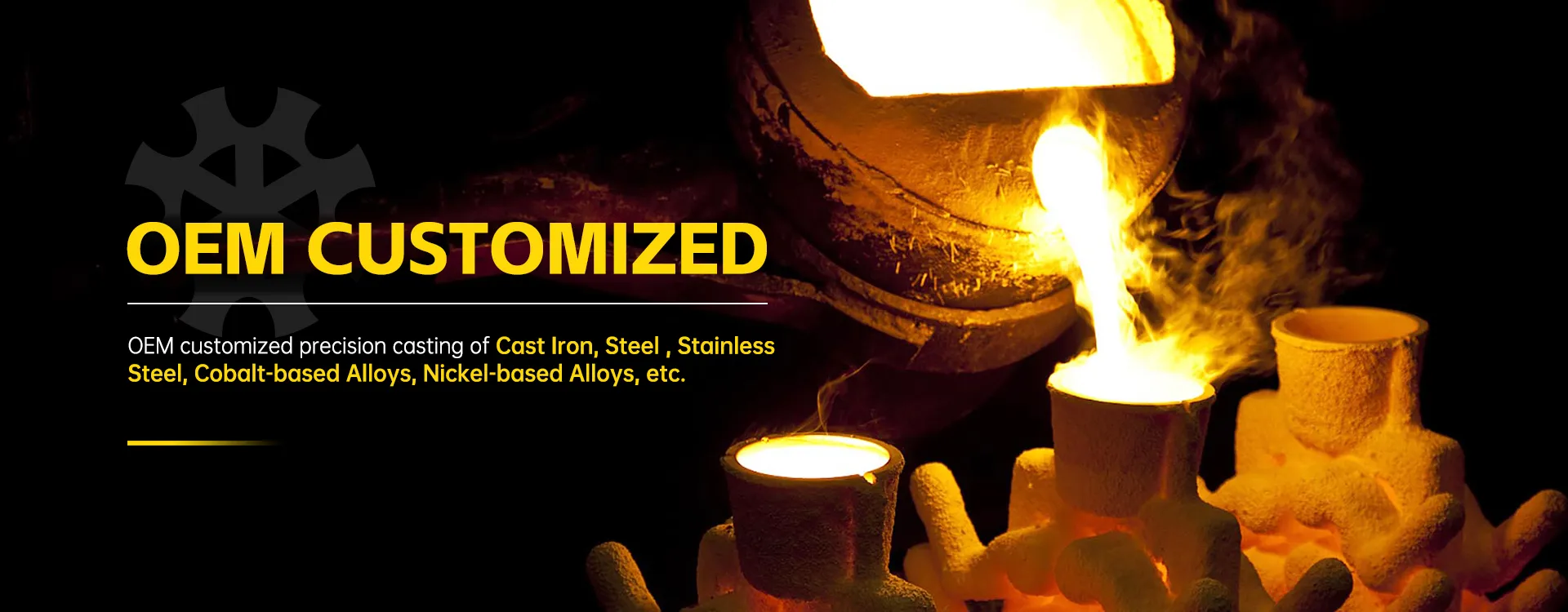
Let's talk about the foundation. For complex geometries or parts that would be murder to machine from solid bar stock, casting is the logical first step. We've done a ton of work with Alloy 6 parts via investment casting. The clean, precise finish you can get from a good shell mold is ideal for the tight tolerances these components often demand. But here's the catch: Alloy 6 has a high melting point and its molten state is... finicky. It doesn't flow like aluminum. If your gating and riser system isn't designed with that specific viscosity and solidification pattern in mind, you'll end up with shrinkage porosity right in a critical section. I've seen it happen. A batch of valve seats came back from the customer with failures during pressure testing. The X-ray showed a beautiful part, except for a tiny, hidden pocket of porosity that became a leak path. The fix wasn't a machine setting; it was a redesign of the pouring cup and sprue angles to control the heat gradient better.
This is where experience, like the 30-plus years at a shop like Qingdao Qiangsenyuan Technology Co., Ltd. (QSY), really counts. It's not just about running the furnace. It's about pattern design, mold pre-heat temperatures, and knowing exactly how the alloy will react in your specific shop environment. Their focus on both shell mold and investment casting for materials like this is telling—it means they've likely wrestled with these metallurgical puzzles across different casting methods, which builds a deeper intuition. You can't fake that.
And then there's the post-casting cleanup. The ceramic shell has to be removed without damaging the part or inducing thermal stress. Sand blasting parameters need to be just right—too aggressive and you work-harden or micro-crack the surface, too gentle and you leave residue that interferes with subsequent machining or coating. It's a balancing act that's more art than science sometimes.
Machining: Where the Real Cost (and Headache) Hides
Okay, so you have a good casting, or maybe you're starting from a wrought bar. Now you have to machine it. This is where the term 'Alloy 6 parts' starts to translate into real shop floor hours and tooling budgets. This material is abrasive. It laughs at standard HSS tools. You need carbide, and often specialized grades with specific coatings. Even then, tool life is a fraction of what you'd get with steel.
We learned this the hard way on a pump shaft project. Programmed it like a tough stainless steel. The first insert lasted about three minutes before the edge was completely gone. The finish was terrible, and we had to stop and reassess everything—speeds, feeds, coolant concentration and pressure (flood cooling is a must, not an option), even the tool path strategy. Climb milling versus conventional milling made a noticeable difference in edge stability. You end up running slower than you'd like to preserve the tool, which drives up the machining time, which drives up the cost. Every minute on the spindle with this material is expensive.
This is why a supplier's CNC machining capability needs to be discussed in the context of the material. A shop that primarily does aluminum isn't automatically equipped for Alloy 6. They need the right machine rigidity, spindle power, and, most importantly, the process knowledge. Looking at QSY's listed materials—cast iron, steel, stainless, then specifically calling out cobalt and nickel alloys—that's a signal. It says they've had to calibrate their machining processes for this whole spectrum, from the relatively friendly to the downright difficult. They've probably burned through their share of inserts to get the parameters dialed in.
The Fixturing Side-Quest
A quick but vital tangent: fixturing. Because you're cutting slower and the material is tough, cutting forces are different. Your fixture needs to be rock-solid to prevent chatter, but you also can't clamp so hard that you distort a thin-walled casting. For a run of seal rings we did, we had to design a custom mandrel with a specific thermal expansion coefficient close to Alloy 6's, because the heat from machining would expand the part on a standard steel mandrel, and when it cooled, it would be out-of-round. Little details like that separate a usable part from a scrap one.
The Special Alloys Label and What It Actually Means
Suppliers often lump materials like this under special alloys. It's a convenient bucket, but as a buyer or engineer, you need to dig deeper. Special means it requires special handling, special process controls, and special attention to detail. For Alloy 6 parts, one of the key control points is heat treatment. While it's often used in the as-cast or solution-treated condition, sometimes a specific aging treatment is needed to precipitate carbides for optimal wear resistance. If the shop isn't equipped with precise, calibrated furnaces and isn't documenting the time-temperature curves, you can get inconsistent performance from batch to batch.
Traceability is another big one. This isn't a commodity. You need a cert that goes back to the melt. Reputable foundries and machinists will provide this as a matter of course. It's part of the package when you're dealing with high-performance alloys. When evaluating a partner, their willingness and ability to provide full material traceability is a quick filter for their overall seriousness about quality.
This circles back to the operational history of a company. A firm that's been in casting and machining for over three decades, like QSY, has presumably built systems for this. They've weathered the quality audits, dealt with non-conformance reports, and refined their process sheets. That institutional knowledge is what you're really buying, not just the physical removal of metal.
Failure as a Teacher: The Bearing Cage Story
I'll share a brief case that wasn't a success, but taught us more than a dozen smooth projects. It was a bearing cage, a relatively simple lathed part from Alloy 6 round stock. The prints called for a very fine surface finish on the ID. We achieved it in the shop, measured it, it looked perfect. But in service, it failed prematurely due to galling. The post-mortem analysis pointed to the machining process itself. We had achieved a fine finish, but in doing so, we had also created a specific surface microstructure that was prone to adhesive wear under load. The solution wasn't a finer finish; it was a controlled, slightly rougher finish from a different grinding media that created a more favorable surface topography. The spec was wrong, and we didn't have the experience to question it. Now we always ask about the application environment and load conditions before finalizing a surface finish callout on these alloys.
Sourcing and the Realistic Timeline
Finally, a pragmatic point on sourcing Alloy 6 parts. Lead time. If you need them fast, you're often out of luck. The raw material might not be on the shelf. The casting cycle, including pattern making, mold building, pouring, cooling, and cleaning, is measured in weeks, not days. Machining takes longer due to the cautious speeds and feeds. Quality checks are more involved. Rushing any of these stages is a recipe for disaster. A realistic supplier won't promise a one-week turnaround; they'll walk you through their process timeline. A good partner manages expectations upfront. Checking a supplier's website, like tsingtaocnc.com, for their stated capabilities is a start, but the real test is in the conversation: do they ask the right questions about your application, or do they just quote a price and a date? The former usually indicates they're thinking about how to make the part work, not just how to make it.
In the end, successful Alloy 6 parts manufacturing is a collaboration. It's between the designer who understands the functional requirements, the metallurgist or foundry engineer who understands the material's behavior, and the machinist who understands how to shape it without compromising its properties. It's never just a purchase order. It's a process, with all the wrinkles, revisions, and problem-solving that entails. The goal is to end up with a component that doesn't just meet the print, but survives in the real world where the prints never go.