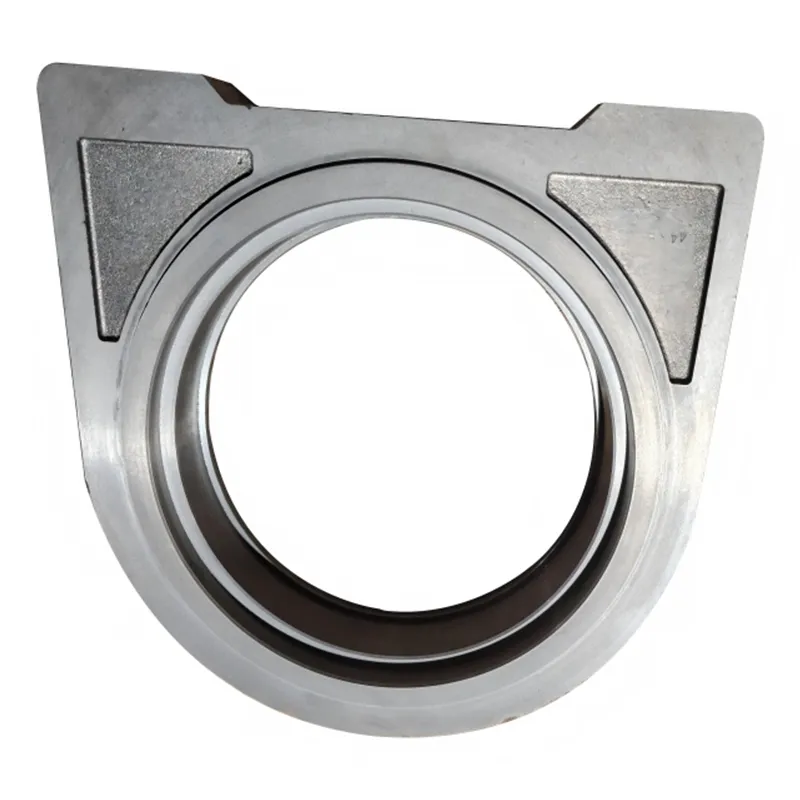
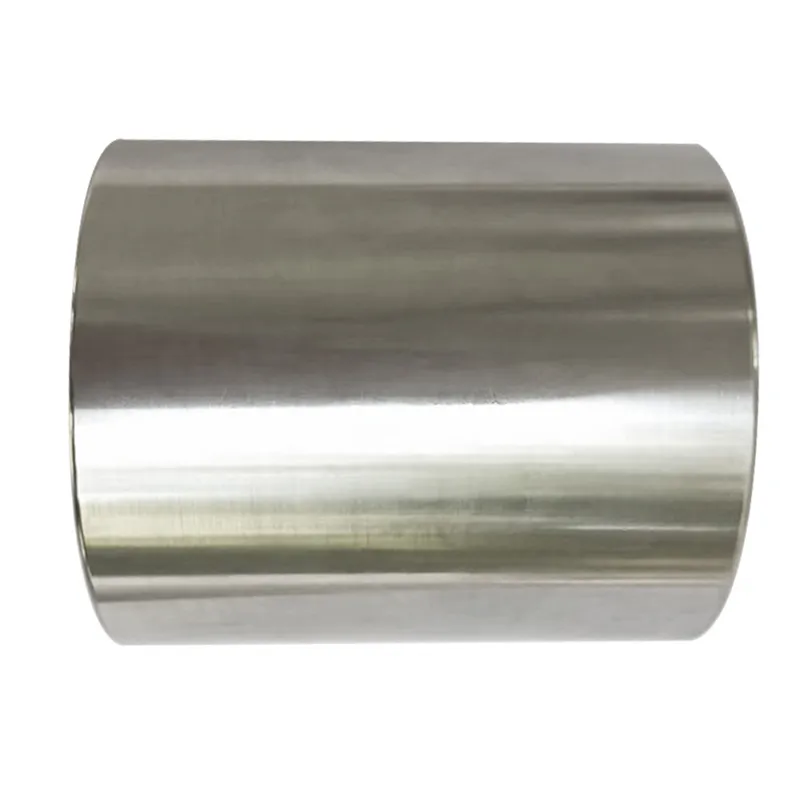
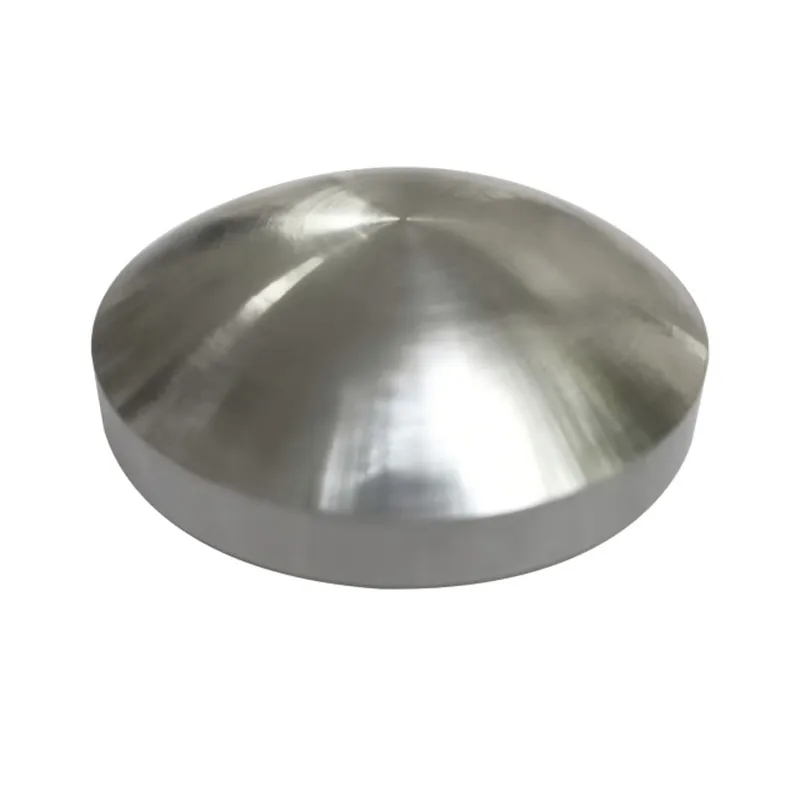
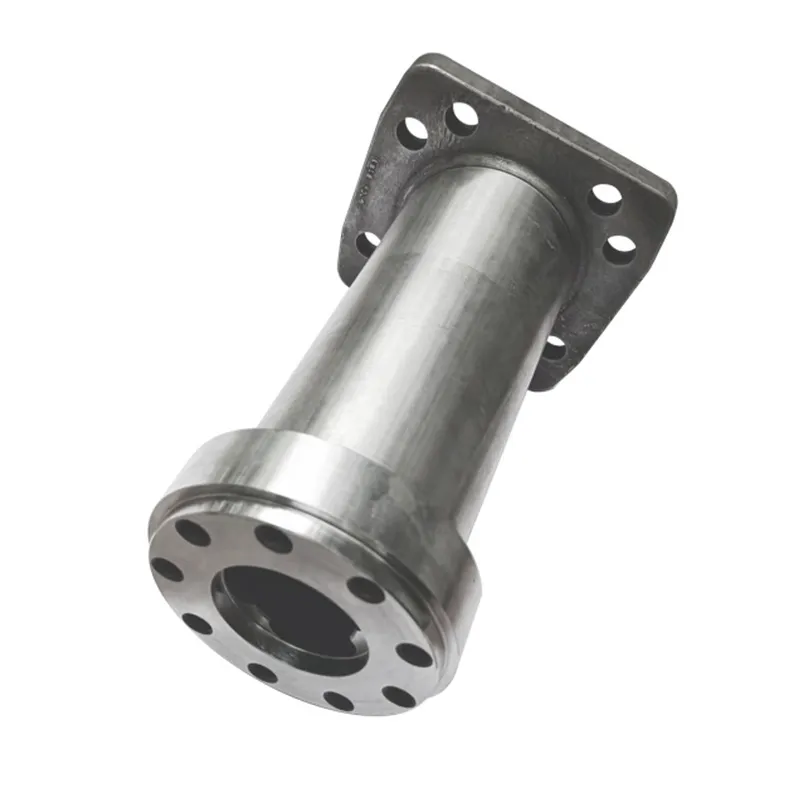
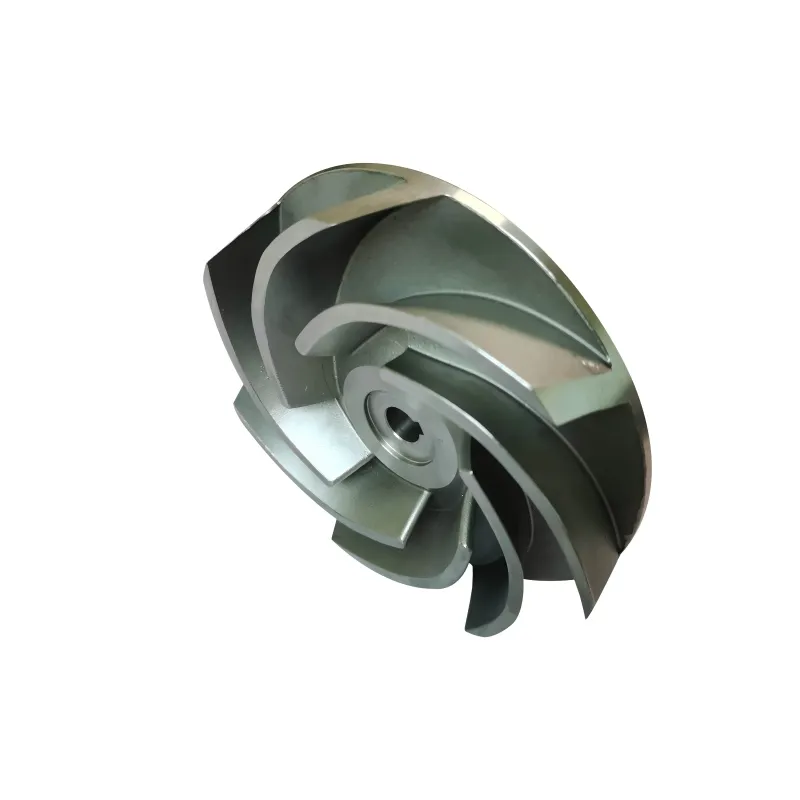
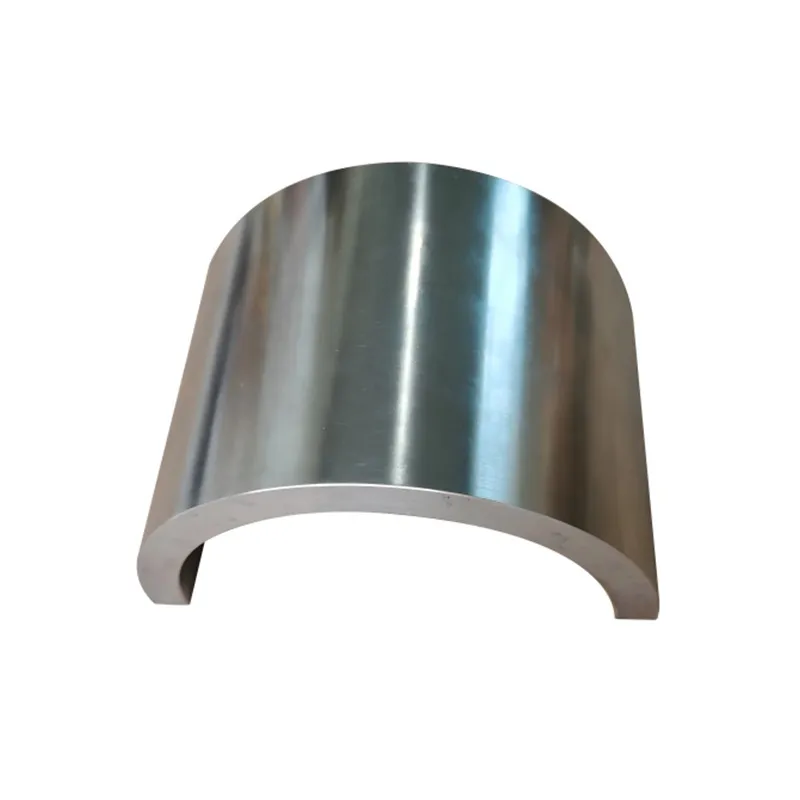
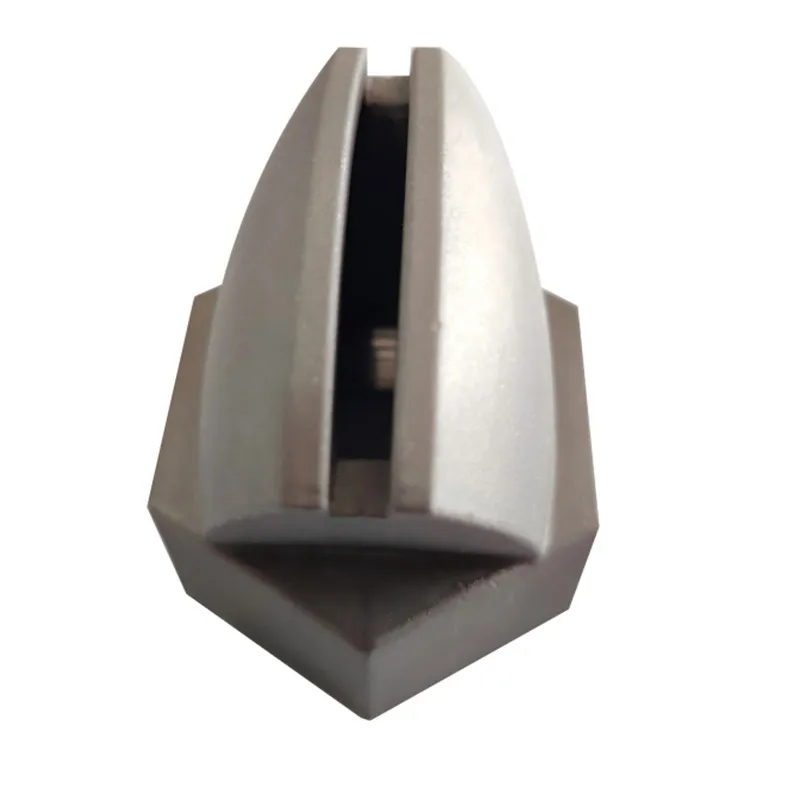
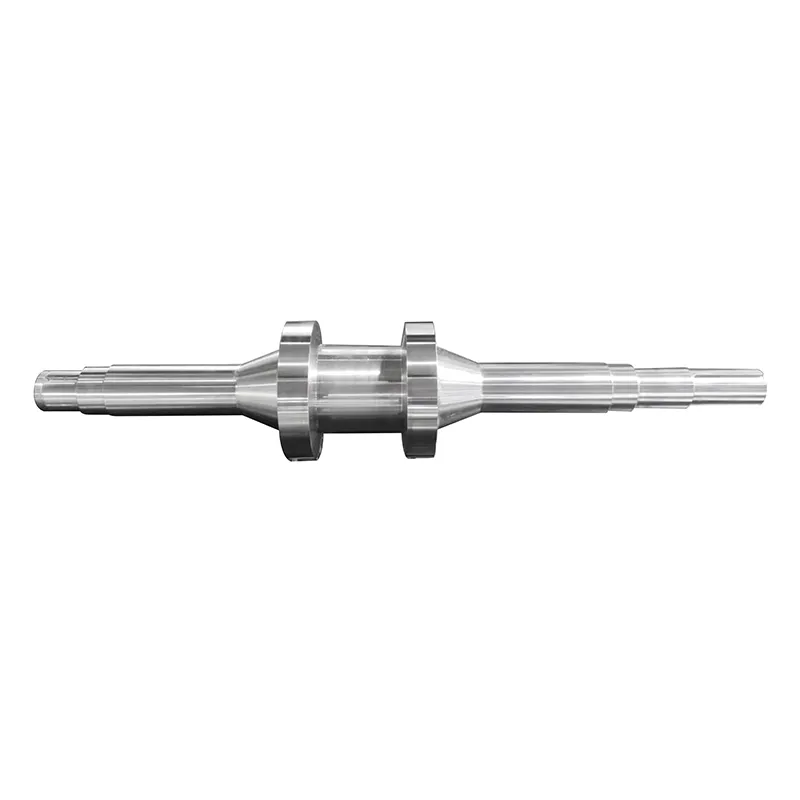
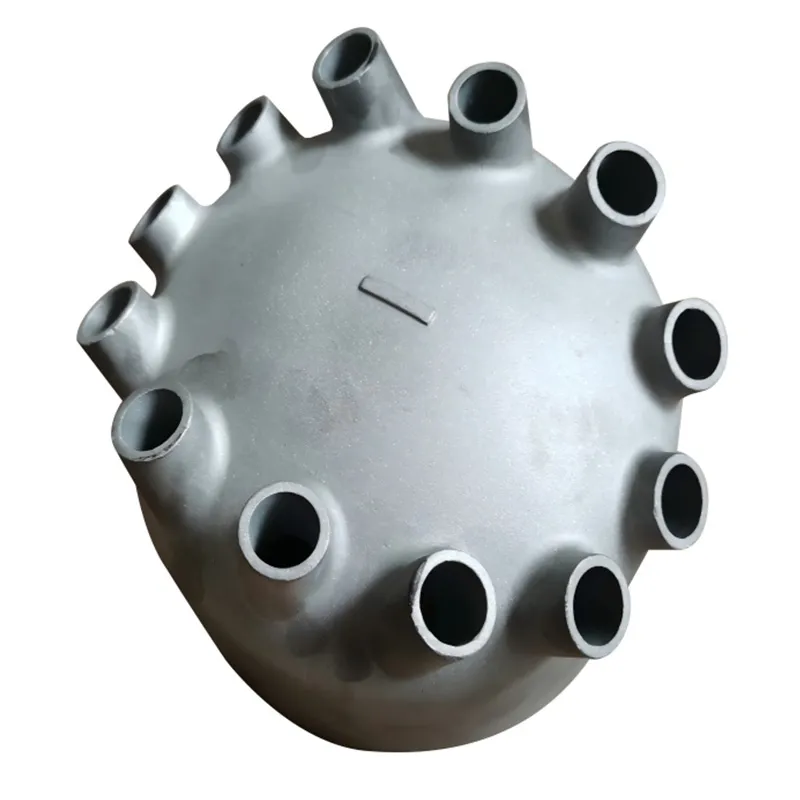
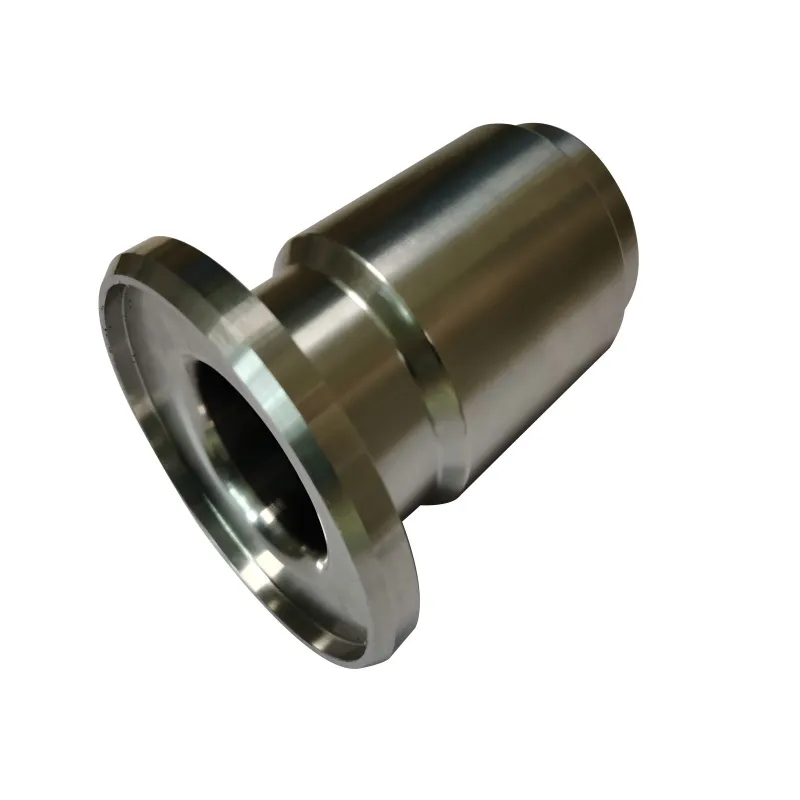
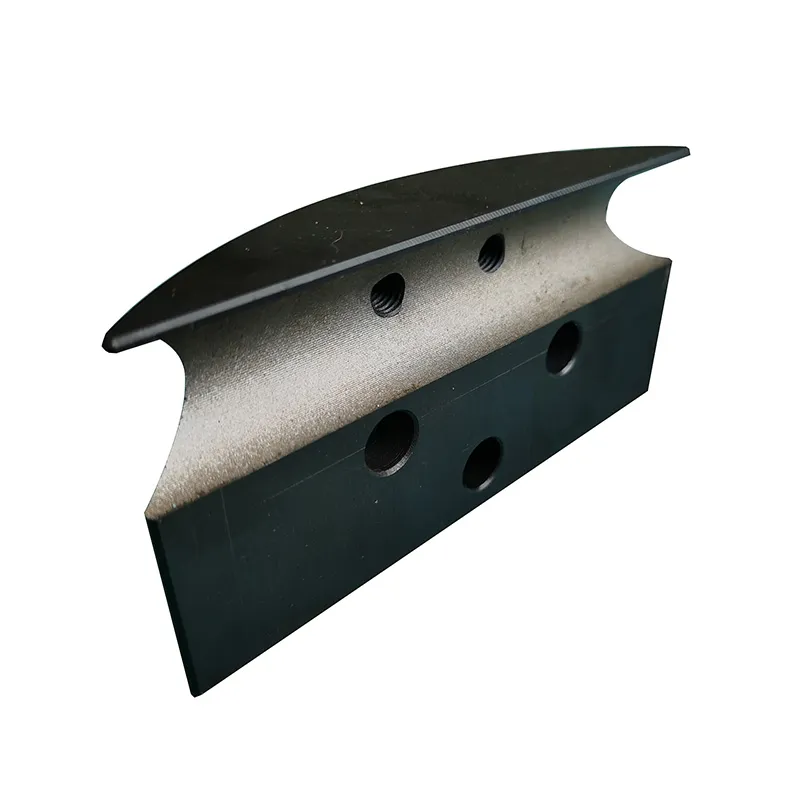
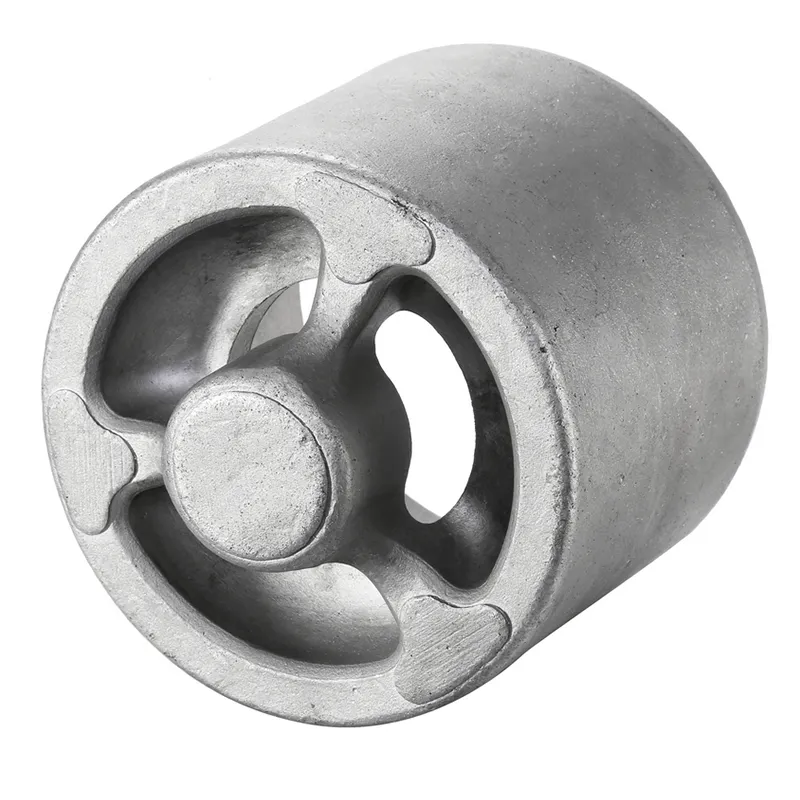
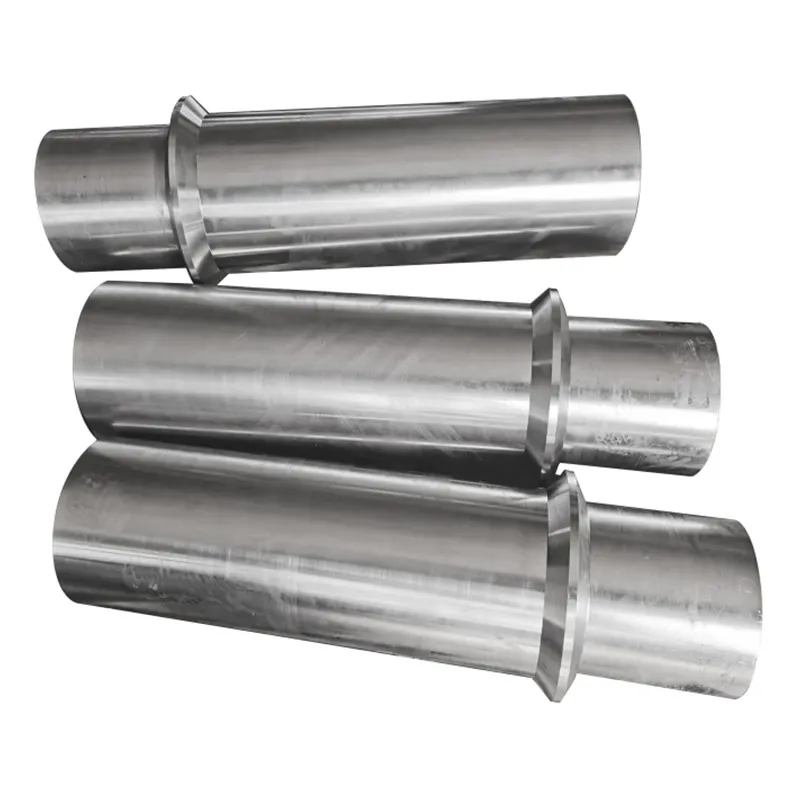
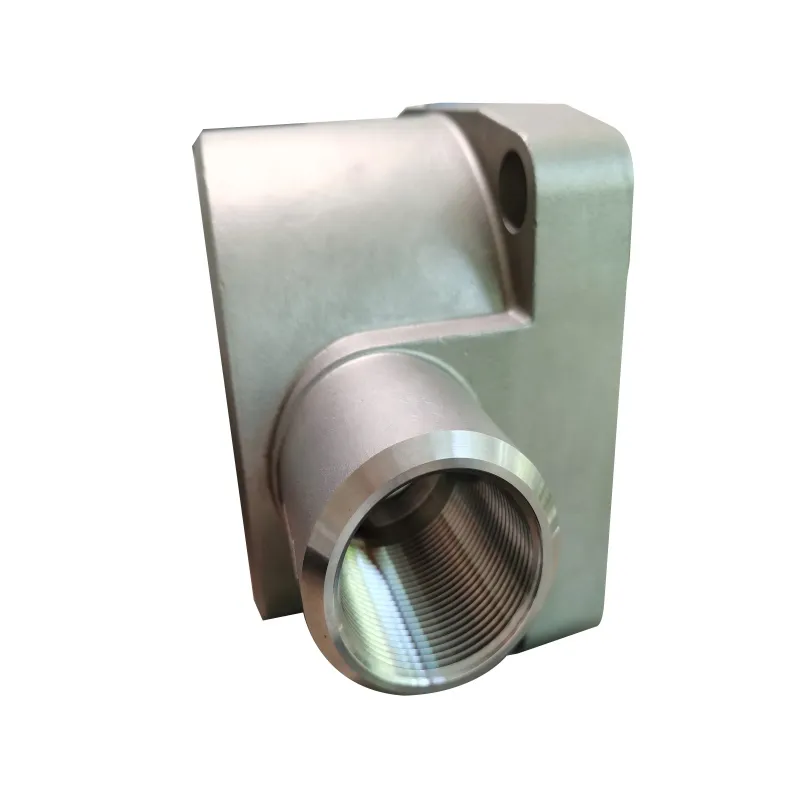
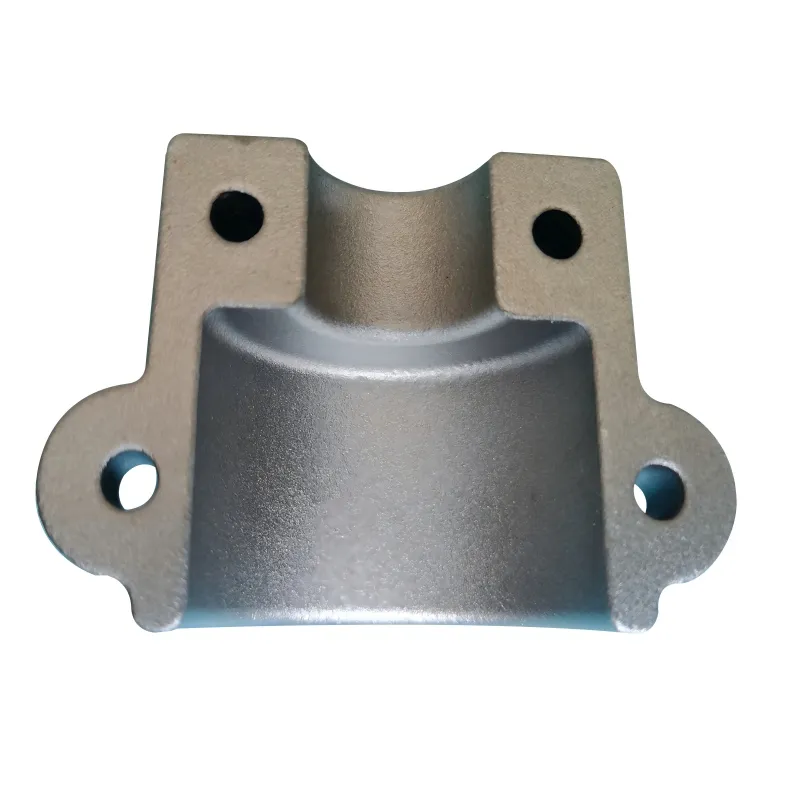
When you hear 'alloy investment casting', the immediate image is often of pristine, net-shape aerospace components. That's true, but it's only the glossy brochure version. The reality on the foundry floor is messier, more nuanced. A common misconception is that it's a one-stop solution for any complex part. In truth, its viability hinges on a brutal cost-benefit analysis of geometry against volume. Is it worth the ceramic shell, the wax patterns, the extended lead time? For a simple bracket, almost never. For an impeller with internal vanes, it's often the only way. The real art isn't just in making the cast; it's in knowing when not to use investment casting at all.
The Core Dance: Wax, Shell, and Metal
The process seems linear in textbooks: wax pattern, assembly, shell building, dewax, burnout, pour. In practice, each step is a negotiation. Take the wax. Its formulation isn't generic; a wax for a thin-walled stainless steel part behaves differently than one for a thick-section cobalt alloy. Shrinkage rates vary, and if your wax pattern doesn't account for the subsequent metal shrinkage accurately, you're machining away profit margins later. I've seen projects where the initial wax injection parameters were copied from a 'similar' job, only to yield distorted patterns that compromised the entire shell integrity. It's a foundational step that gets overlooked.
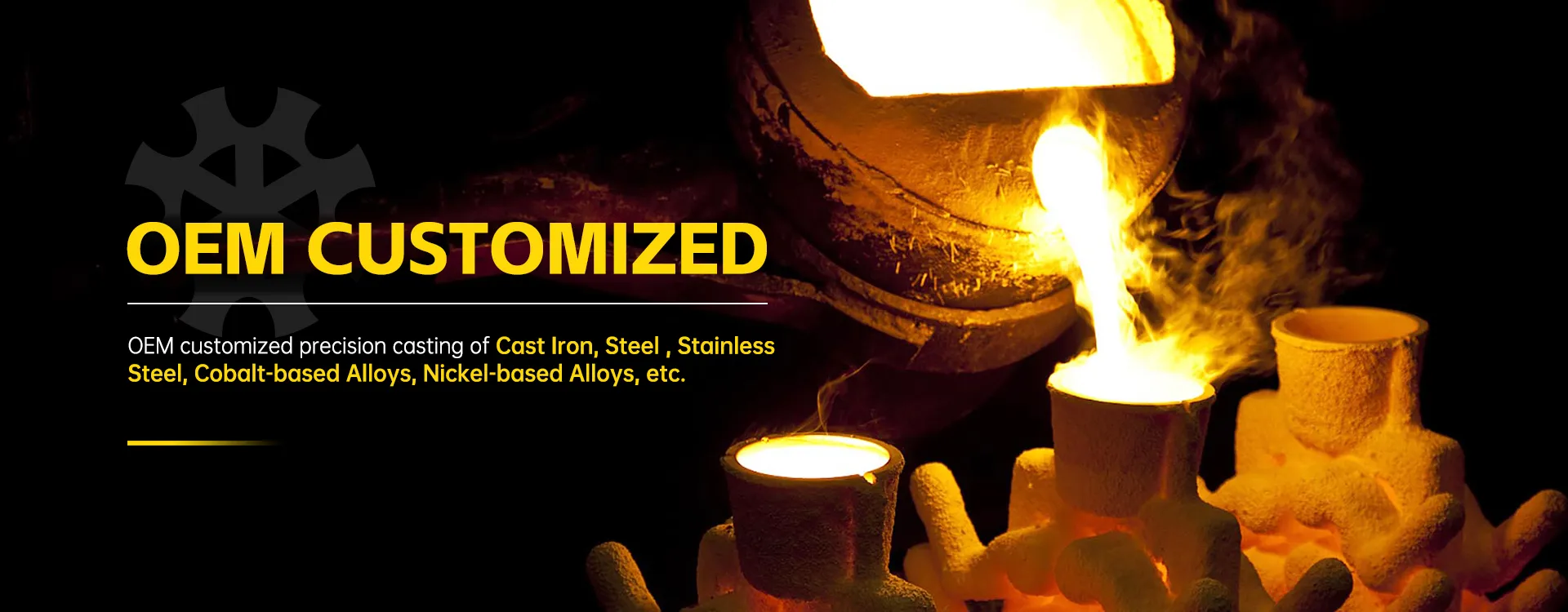
Then comes the ceramic shell. The dip-and-stucco cycle count isn't arbitrary; it's a function of alloy pouring temperature and part mass. A high-nickel alloy poured at over 1500°C needs a robust shell to resist thermal shock and metal penetration. Too few layers, and you risk a runout or a 'finned' casting from shell cracking. Too many, and you trap gases during dewaxing, leading to shell bubbles that become defects on the final casting. It's a tactile skill – judging the shell thickness by its green-state weight and sound when tapped.
The burnout phase is critical, yet often treated as a simple oven cycle. It's not just about melting wax out; it's about converting the shell to a strong, permeable ceramic. Ramp rates matter. Too fast, and the expanding wax can crack the shell. Too slow, and you leave carbon residue that can cause surface defects on the casting. For alloys sensitive to carbon pickup, like some duplex stainless steels, this is a disaster. The furnace atmosphere needs watching too.
Material Choices: It's Not Just Stainless Steel
Clients often specify stainless steel as if it's one material. The casting behavior of 304L versus 316L, let alone a precipitation-hardening grade like 17-4PH, is wildly different. Fluidity, hot tearing tendency, feeding requirements – they all change. This is where long-term foundry experience pays off. A company like Qingdao Qiangsenyuan Technology Co., Ltd. (QSY), with their 30-year background, would have built a deep, practical library of these behaviors. You can read a datasheet, but knowing that a particular nickel-based alloy, say Inconel 718, has a nasty habit of forming freckles if the pour temperature isn't tightly controlled, comes from having scrapped a few batches to learn the hard way.
Special alloys, like cobalt or nickel-based ones, introduce another layer. They're often chosen for corrosion resistance or high-temperature performance, but they can be absolute beasts to cast. They have high melting points, which stresses the shell system, and their solidification ranges can be tricky. Gating and risering for these materials isn't standard. You need oversized feeders to combat the high shrinkage, which then impacts yield. The economic calculation shifts dramatically. The part cost isn't just in the expensive alloy ingot; it's in the metal you pour only to cut off and remelt.
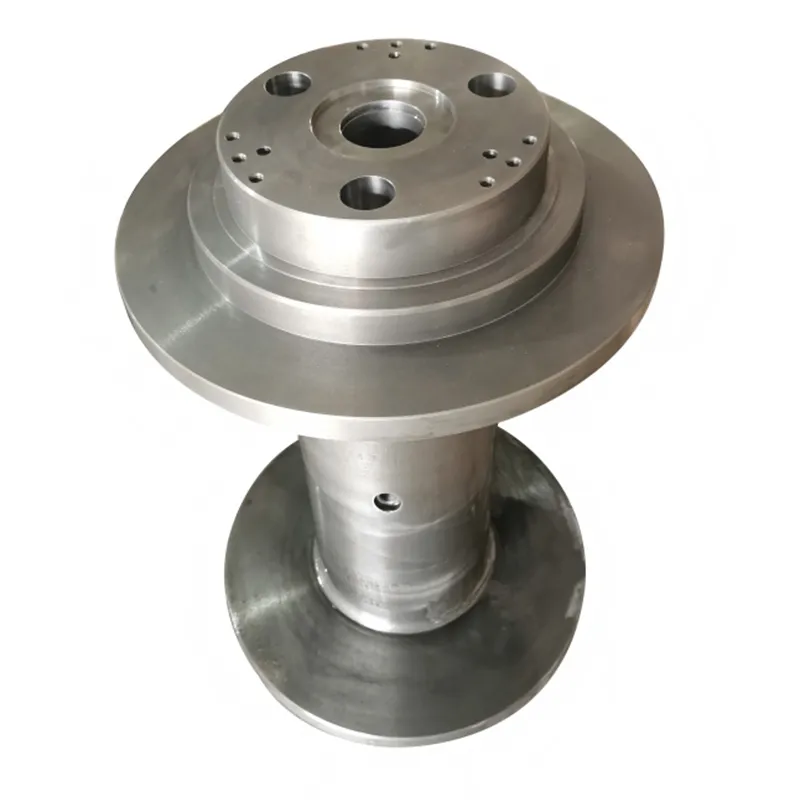
This is where integrated machining becomes non-negotiable. A foundry that only casts is leaving money and quality control on the table. Casting is a near-net-shape process, but 'near' is the operative word. Critical datum faces, threaded holes, tight-tolerance diameters will need machining. Having CNC capability in-house, as QSY does, means the part can be designed with the entire process chain in mind. You can leave strategic stock in certain areas knowing you'll machine it precisely later, which is far more efficient than trying to cast to a micron-level tolerance everywhere, which is physically impossible.
Real-World Pitfalls and Compromises
Textbook processes assume perfect conditions. Reality doesn't. A recurring headache is core shift. Even with a perfectly made shell, during pouring, the buoyant force of the molten metal can lift or shift internal ceramic cores. I worked on a valve housing where the internal passage core shifted by a mere 1.5mm, rendering the entire batch useless. The fix wasn't in the pouring; it was in redesigning the core prints and supports in the wax pattern stage. It added two weeks to the prototyping timeline.
Surface finish expectations also need managing. Investment casting gives a good finish, but 'as-cast' is not the same as 'machined'. For parts facing fluid flow, like pump components, a certain surface roughness might be acceptable. For a medical implant, it's not. Often, you're balancing the cost of achieving a finer as-cast finish (through finer ceramic stucco materials, more coats) against simply specifying a light machining or blasting operation post-cast. The latter is usually more reliable and cost-effective.
Lead time is the other silent killer. People see the fast pour and think it's quick. They forget the 2-3 weeks for pattern tooling, the week for shell building and drying, the days for burnout. It's a process measured in weeks, not days. Any rush request usually means compromising on shell drying time, which is a direct ticket to shell mold failure. No reputable foundry should agree to it.
The Integration Advantage: From Casting to Finished Part
This is where the model of a combined foundry and machine shop, like the one implied by QSY's services, shows its true value. When casting and machining are under one roof, the feedback loop is tight. The machinist finds a persistent hard spot or a subsurface porosity in a specific zone of the casting. That information goes directly back to the foundry engineer. Was it a localized cooling issue? An insufficient riser? They can adjust the gating design for the next run. This closed-loop problem-solving is impossible when the casting is shipped out to a third-party machine shop who just writes a complaint on a quality report.
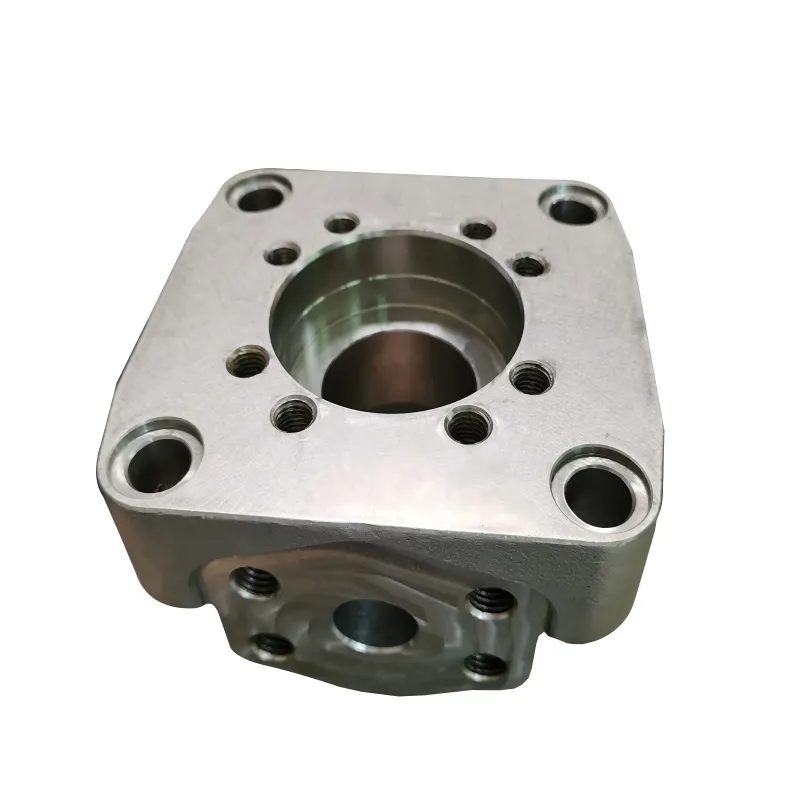
Consider a stainless steel manifold. Cast, it has flange faces and bolt holes. In an integrated setup, the CNC program can be developed with the casting shrinkage factor already baked in. The part is fixtured using as-cast reference points established during the wax pattern design. This coordination minimizes setup time and ensures the machining envelope respects the casting's actual dimensions, not just its theoretical CAD model. It reduces scrap and speeds up delivery.
The material knowledge extends here too. Machining a cast cobalt alloy is different from machining a wrought bar of the same specification. The microstructure, hardness, and potential for abrasive inclusions differ. An integrated team knows how to select the right tooling, speeds, and feeds from experience, avoiding broken tools and poor surface finishes on the final, valuable component.
Concluding Thoughts: A Pragmatic Craft
So, what's the takeaway? Alloy investment casting is a powerful, sometimes indispensable, manufacturing method. But its success is buried in details that aren't in the sales pitch: in the wax blend, the shell room humidity, the burnout curve, and the intimate knowledge of how a specific alloy fills and shrinks. It's not magic; it's a series of controlled, messy, physical compromises.
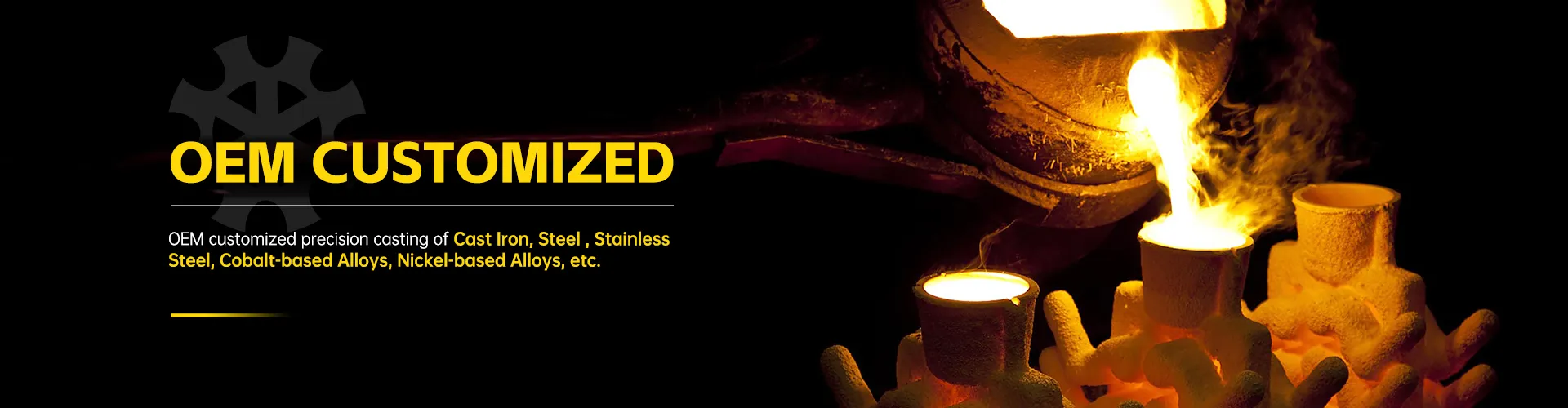
The trend, rightly, is toward vertically integrated providers. It just makes sense. The challenges of producing a high-integrity casting are so intertwined with the steps that come before and after it that separation introduces risk and cost. When you look at a supplier's capability, their list of materials like cast iron, steel, stainless, and special alloys is a start. But the real question is: how many times have they poured these, machined these, and solved the problems that only appear when you try to do both to make a functional part? That's the experience that matters.
In the end, it's a pragmatic craft. You're not just buying a casting; you're buying the accumulated, often hard-won, judgment of a team that knows how to navigate the entire journey from a 3D model to a finished, reliable component in your hand. That judgment is the real product.