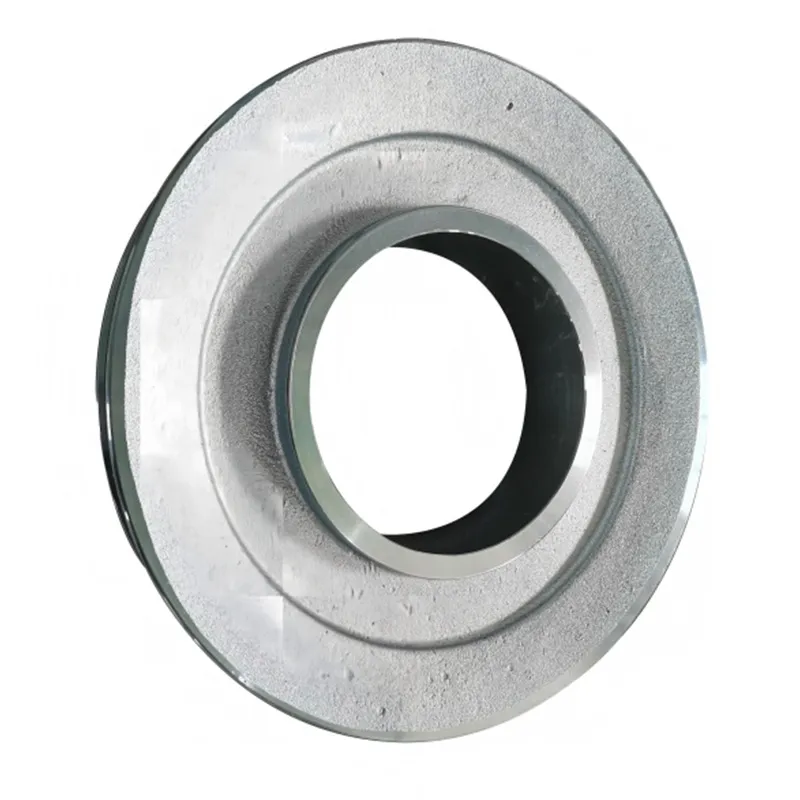
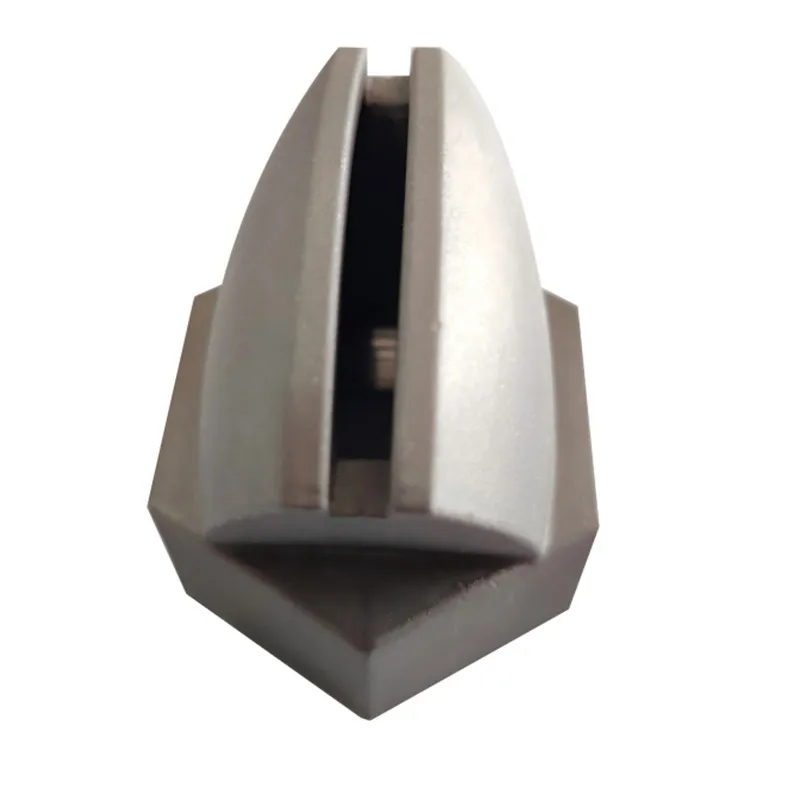
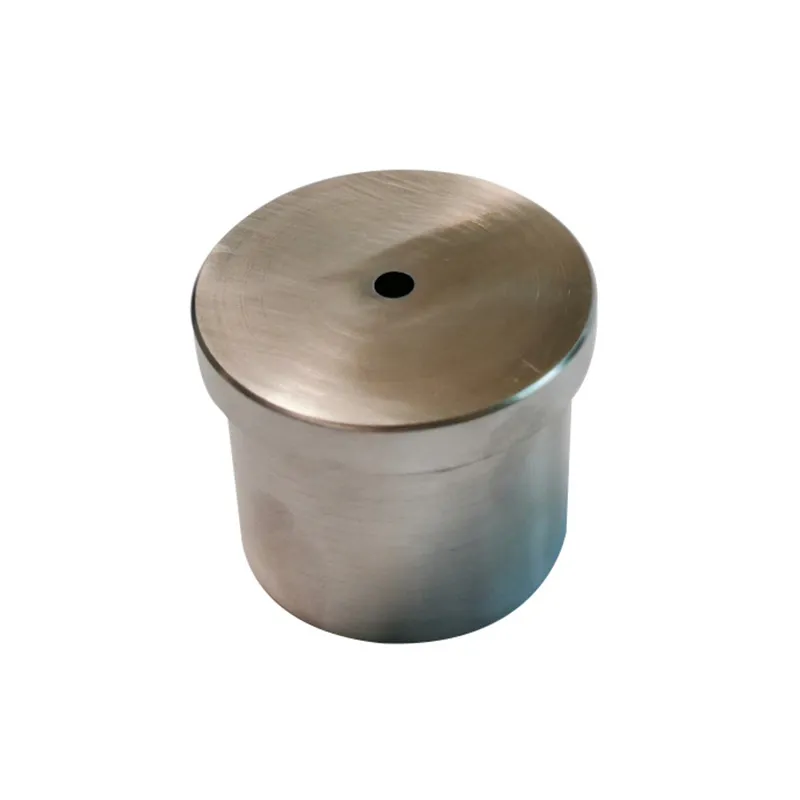
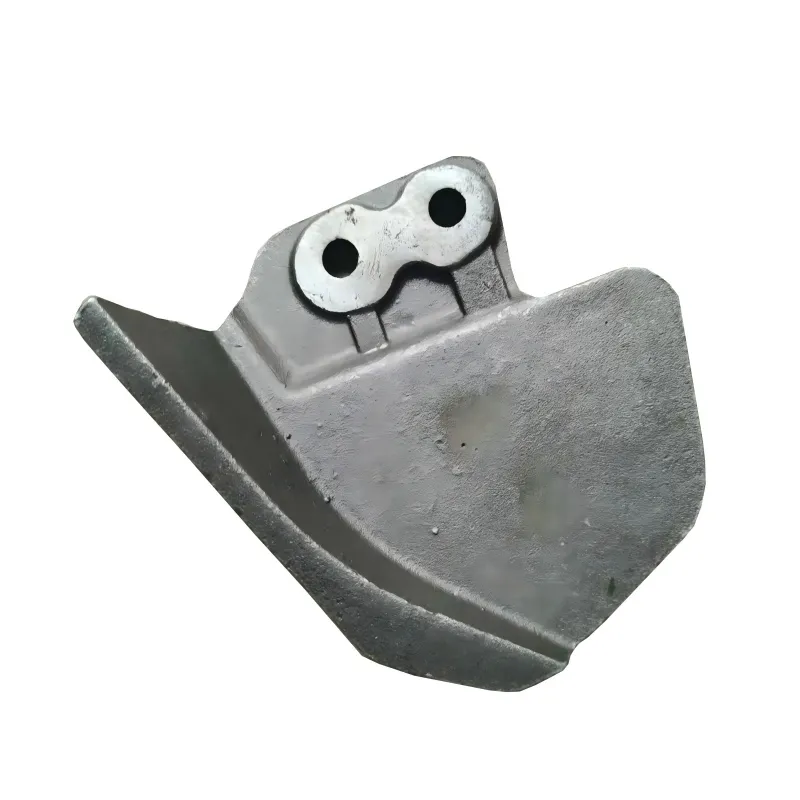
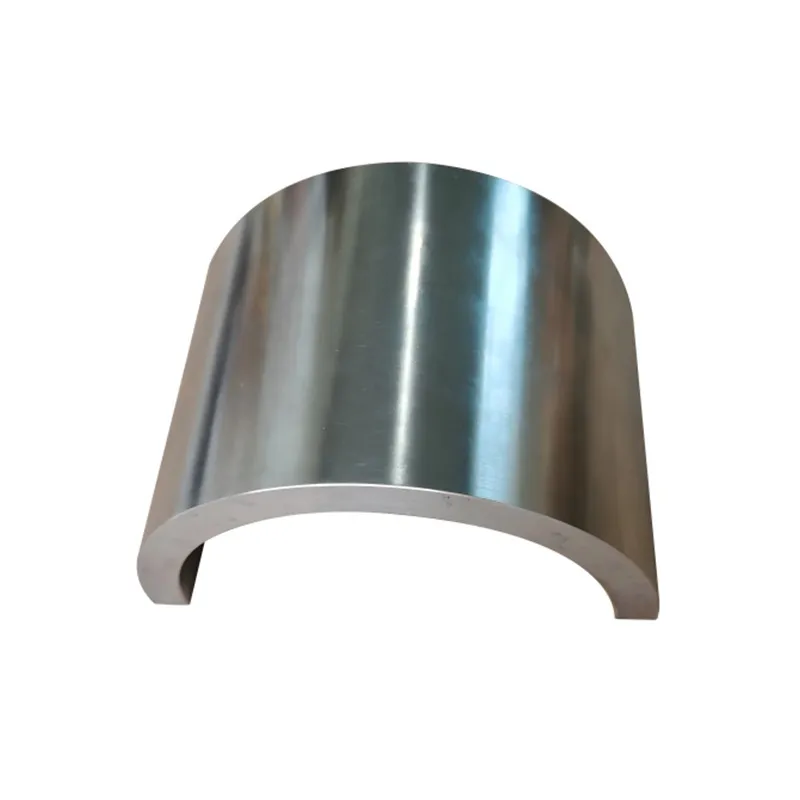
When you hear 'alloy precision machining', most minds jump straight to the machine—the latest 5-axis CNC, the sub-micron tolerances. That's part of it, sure, but it's the easy part. The real story starts long before the toolpath, with the material itself. I've seen too many projects stumble because someone ordered a block of Inconel 718 or Hastelloy C-276 thinking it's just 'harder steel'. It's not. It's a different beast entirely, and machining it is a negotiation, not a command.
The Foundation: It Starts with the Casting
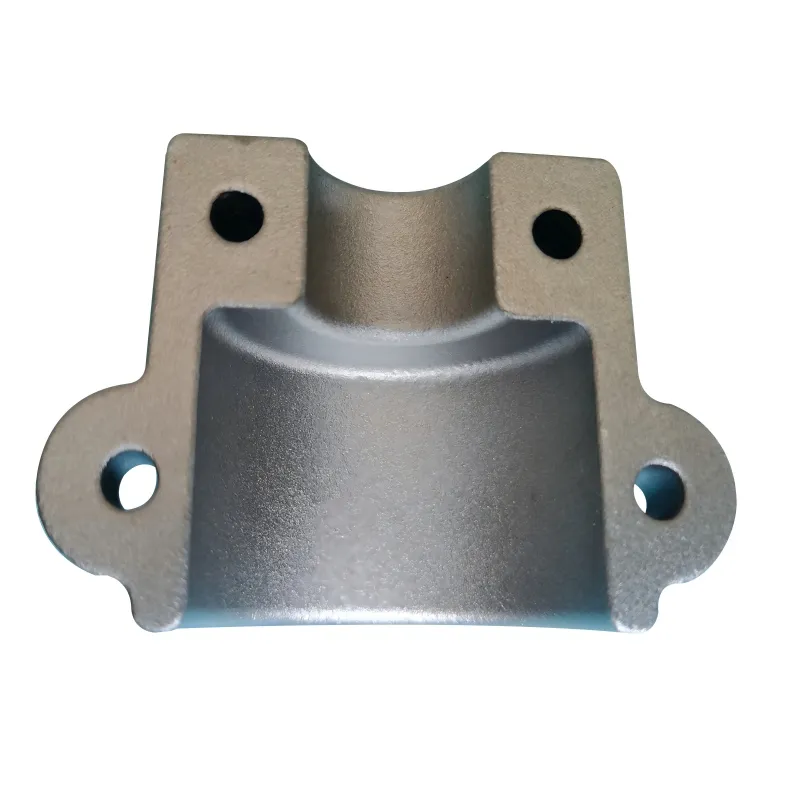
You can't talk about machining exotic alloys without talking about how you get the stock. A perfect billet from a mill is one thing, but a lot of complex components, especially for industries like valves or turbo machinery, start as castings. This is where the relationship between the foundry and the machine shop gets critical. A poorly run casting, with inconsistent grain structure or hidden micro-porosity, will ruin your tools and your schedule no matter how good your machinist is.
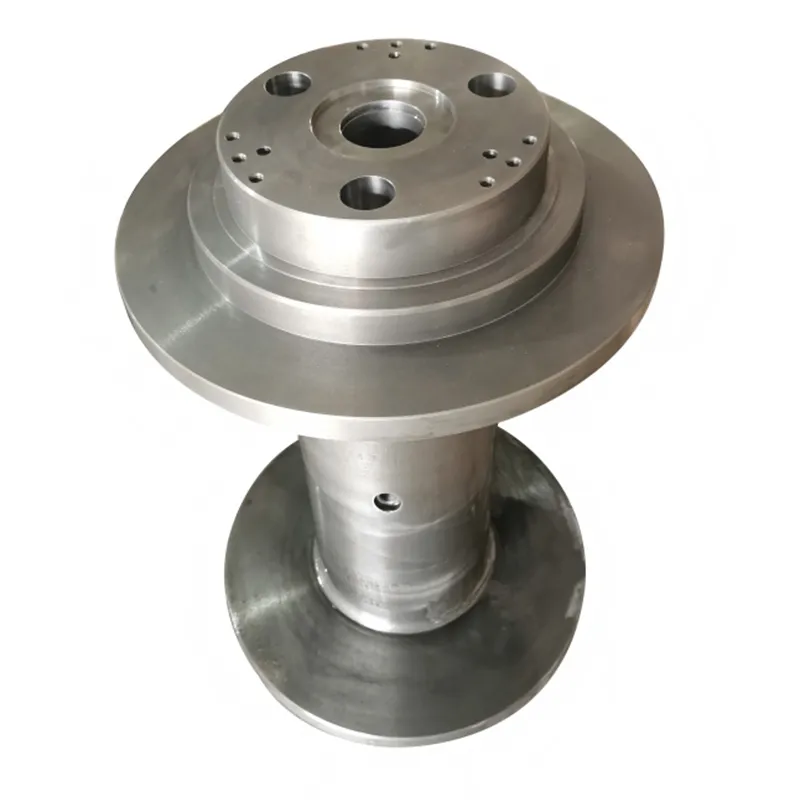
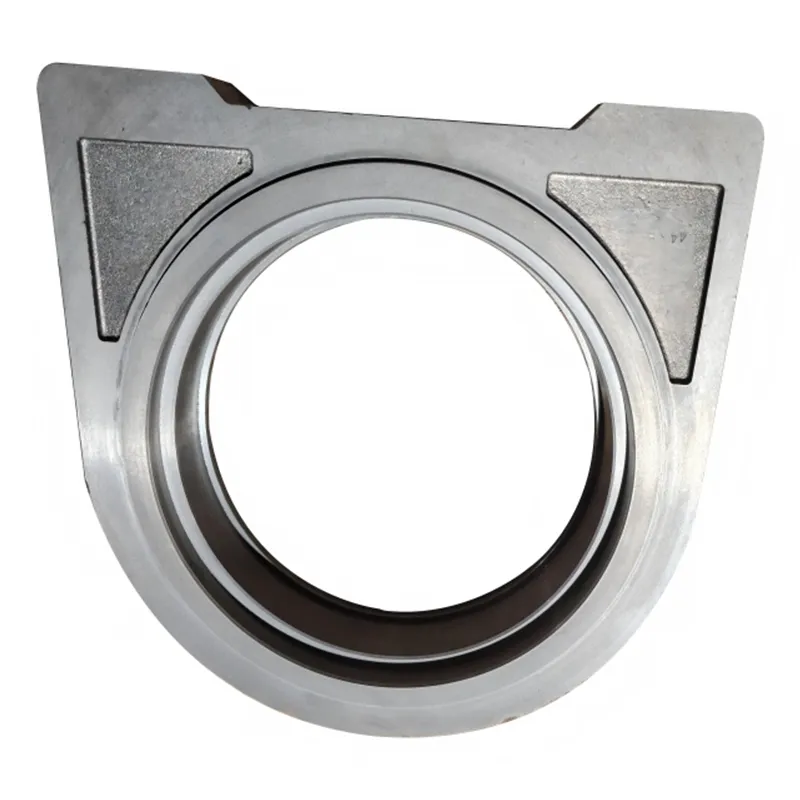
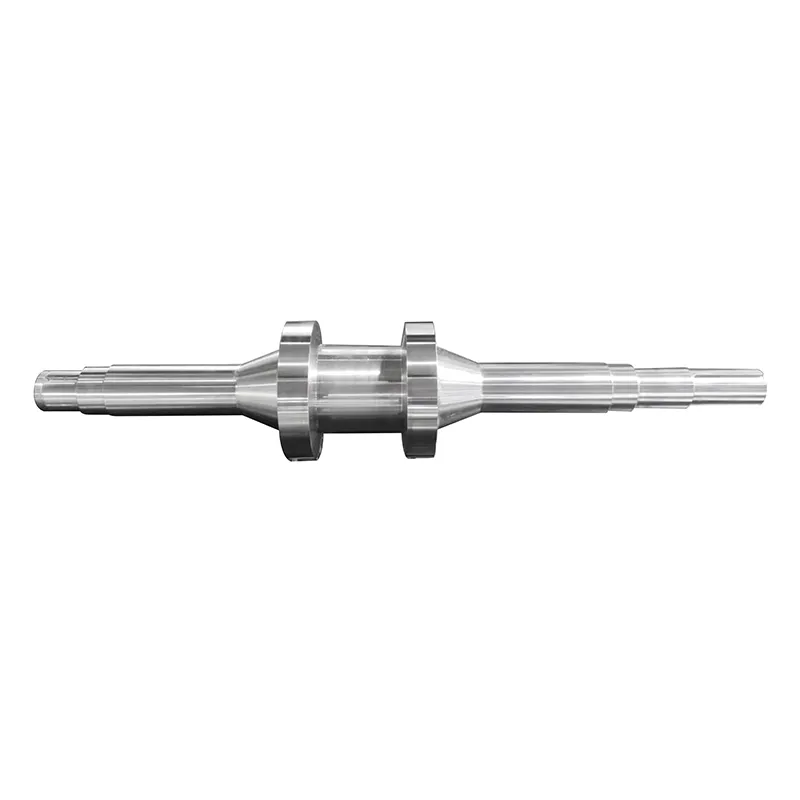
I remember a job a few years back, a series of pump housings in duplex stainless. The prints called for alloy precision machining on all sealing faces. The castings came in from a supplier focused on price, not process. Visually, they were fine. But during the first heavy roughing pass, we hit a sand inclusion. Then another. The inserts were chipping like crazy. We spent more time inspecting and welding/repairing the castings than actually machining them. The lesson was brutal: your machining capability is capped by your raw material quality. This is why integrated operations have an edge. A company that controls both the casting and the machining, like Qingdao Qiangsenyuan Technology Co., Ltd. (QSY), can align the processes from the start. Their three decades in shell and investment casting mean they're building a part for manufacturability from the pattern stage, which is a huge head start for the machinist.
This synergy is non-negotiable for special alloys. With cobalt or nickel-based alloys, which are often cast into near-net shapes to save on the horrific cost of wasted material, the casting's integrity is everything. Any internal defect becomes a landmine for a $200 end mill.
The Tooling Dance: No Universal Solution
There's no magic 'super-alloy' insert grade. Anyone who claims that is selling something. Machining a nickel-based alloy like Inconel 625 is a different world from tackling a cobalt-chrome alloy like Stellite 6. The former work-hardens like crazy, demanding constant, aggressive engagement to get under the hardened layer. The latter is more about abrasive wear; it'll just slowly grind your cutting edge down to a nub.
We learned this through expensive trial and error. For a batch of valve seats in Stellite, we started with our standard high-performance carbide for nickel alloys. The tools lasted about 15 minutes. Switched to a grade with a much harder, more abrasion-resistant substrate and a sharper edge preparation. Life tripled. It sounds simple in retrospect, but that switch required a shift in thinking: we weren't cutting, we was more like controlled fracturing. Coolant pressure and delivery become paramount here too. A through-spindle system isn't a luxury; it's the only way to prevent heat buildup and wash away the abrasive chips.
The setup matters as much as the tool. Rigidity isn't just a recommendation; it's the law. Any chatter in a cobalt alloy will not just ruin the finish, it will initiate a crack that can propagate. We use monolithic toolholders exclusively for finish work, no collet chucks. The extra cost is irrelevant compared to scrapping a part that's already had 20 hours of machining sunk into it.
Speed vs. Stability: The Eternal Trade-off
The textbook feeds and speeds for these materials are often... optimistic. Or they're for ideal conditions, perfect clamping, brand-new machine tools. On the shop floor, you dial it back. I'd rather run at 70% of the theoretical SFM and get a predictable, reliable 8-hour tool life than push for maximum metal removal and have a tool fail catastrophically at 3 AM. Consistency trumps raw speed in precision machining. The goal is to hit those tenths (.0001) tolerances on a bore, not to win a speed race.
The Human Factor: Data and Instinct
CNC machining is automated, but running alloys isn't. The programmer needs to understand the material's behavior, not just the G-code. The operator needs to listen to the cut—the sound of a nickel alloy starting to work-harden has a specific, high-pitched whine that means you need to adjust, now. You watch the chip color and form. Blue chips on stainless? Too hot. Long, stringy chips on Inconel? Your chip breaker isn't working; prepare for bird's nests and re-cutting.
This is where experience from a broad material base pays off. A shop that has handled everything from cast iron to superalloys develops a library of instincts. They know that 316L stainless has a tendency to 'gum up' on the tool, requiring a different rake angle. They know that pre-heating a titanium alloy casting before machining can relieve stresses and prevent distortion post-machining. This isn't always in the manual; it's in the shared knowledge on the floor. A company like QSY, with its history in cast iron, steel, stainless steel, and special alloys, likely has that depth of tribal knowledge built over 30 years. It's the kind of thing you can't buy with a new machine.
Documentation is key, but it's personal. We keep run sheets for every alloy job—not just the final successful parameters, but the failed attempts too. Tried insert grade XYZ, failed at 0.015 DOC due to chipping. That note saves the next guy a thousand dollars in tooling and four hours of downtime.
Precision in Context: What Are You Really Making?
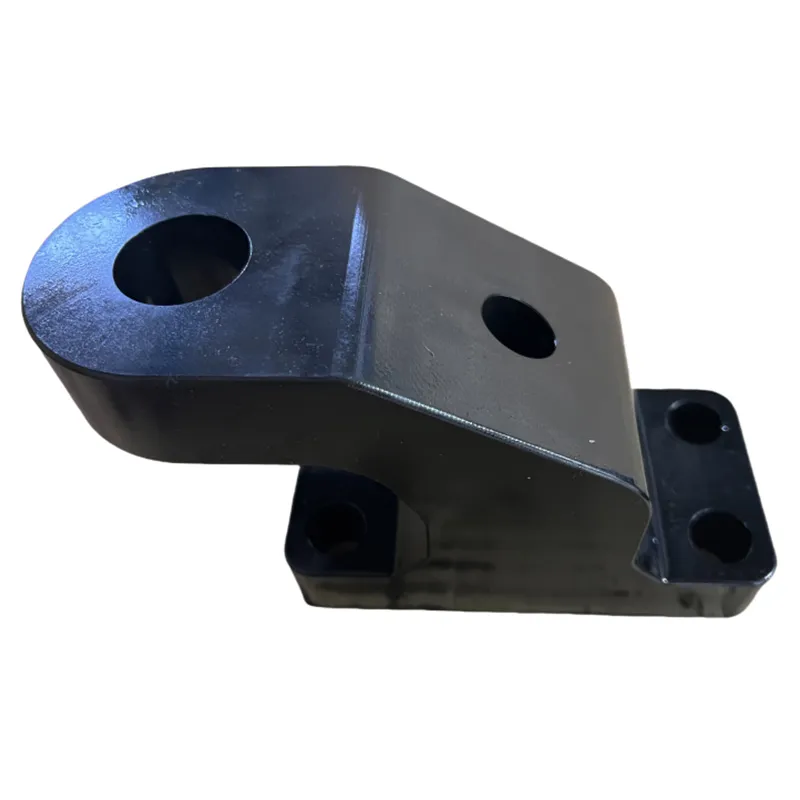
Precision isn't an abstract number. It's defined by the part's function. A turbine blade might have a tolerance stack-up on its airfoil profile that's insane, but the mounting flange might be relatively loose. A valve component's precision is all about the sealing surfaces and the bore concentricity; other features might be less critical. You allocate your machining strategy and tolerance budget accordingly.
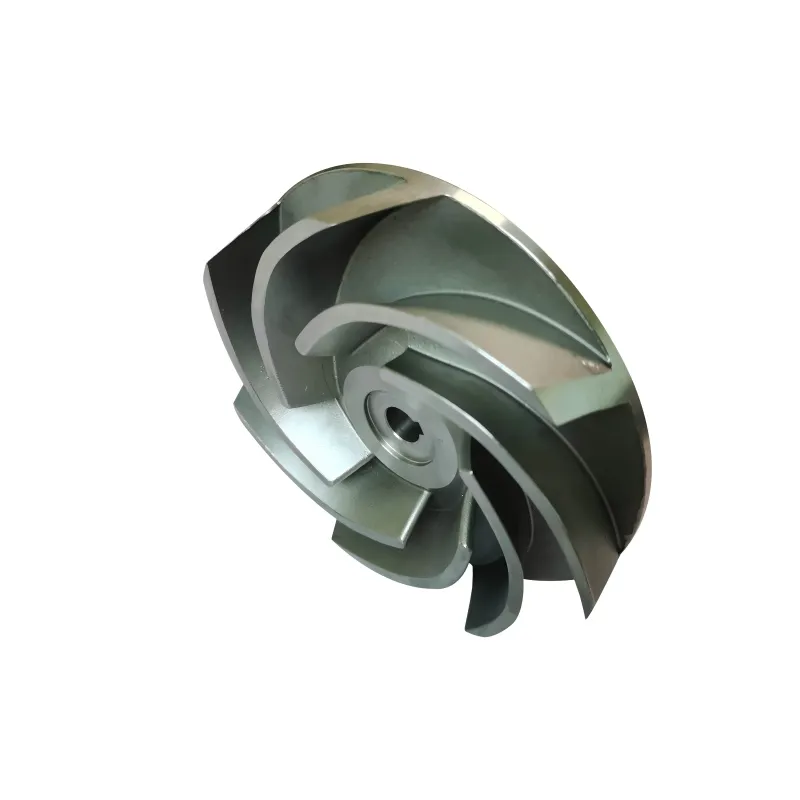
I worked on a component for a chemical processing pump, a large impeller in Hastelloy C-22. The dimensional tolerances on the vanes were tight, but the real challenge was the surface finish in the internal passages. Any micro-pitting from poor tool control would become a site for corrosion and crack initiation. We spent more time on toolpath optimization for finish passes than on the entire roughing cycle. The CNC machining strategy was built backwards from that final surface integrity requirement.
This is where the integration of casting and machining shows its value again. If the foundry can cast a smoother surface in those complex internal passages, the machinist's job becomes achievable. If they can't, you might be looking at EDM or even hand polishing, which blows the cost and timeline apart. It's a systems problem.
The Bottom Line: Control the Variables
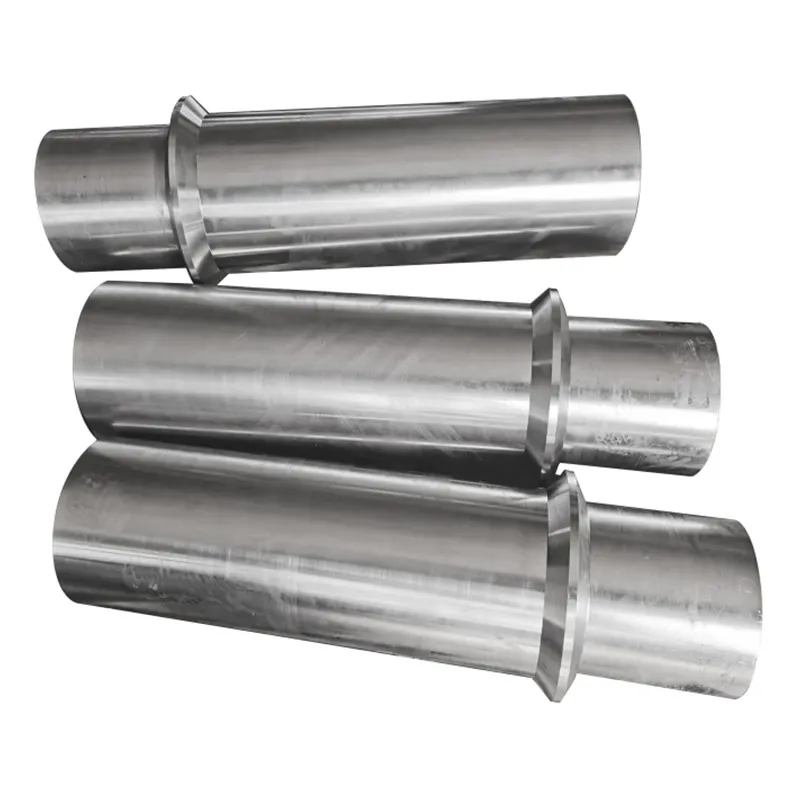
At the end of the day, successful alloy precision machining is about controlling as many variables as you can. You start by controlling the quality and consistency of the raw material—whether it's a bar stock or a complex casting. You control the process by selecting tooling and parameters based on specific alloy behavior, not general principles. You control the environment with rigid setups and effective cooling. And you control the outcome with experienced people who can interpret data and react.
It's never a set-it-and-forget-it operation. There's always a new alloy variant, a more complex geometry, a tighter tolerance. The shops that last, the ones that can reliably deliver a functional part from a print for a cobalt-based alloy, are the ones that respect the entire chain, from the melt to the final inspection. They don't just own machines; they own the process. And that process, frankly, is what you're really paying for.