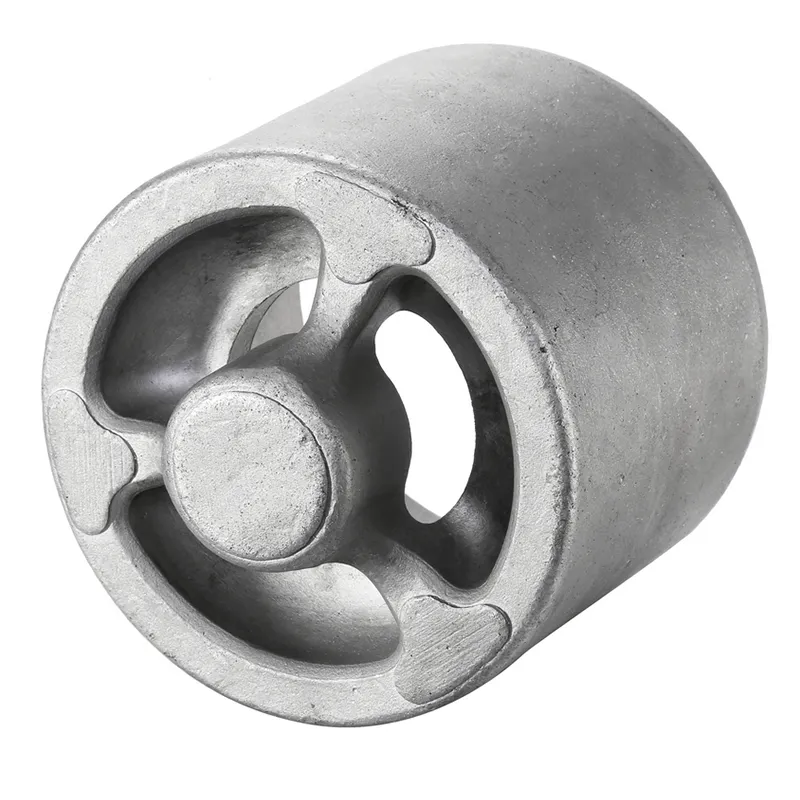
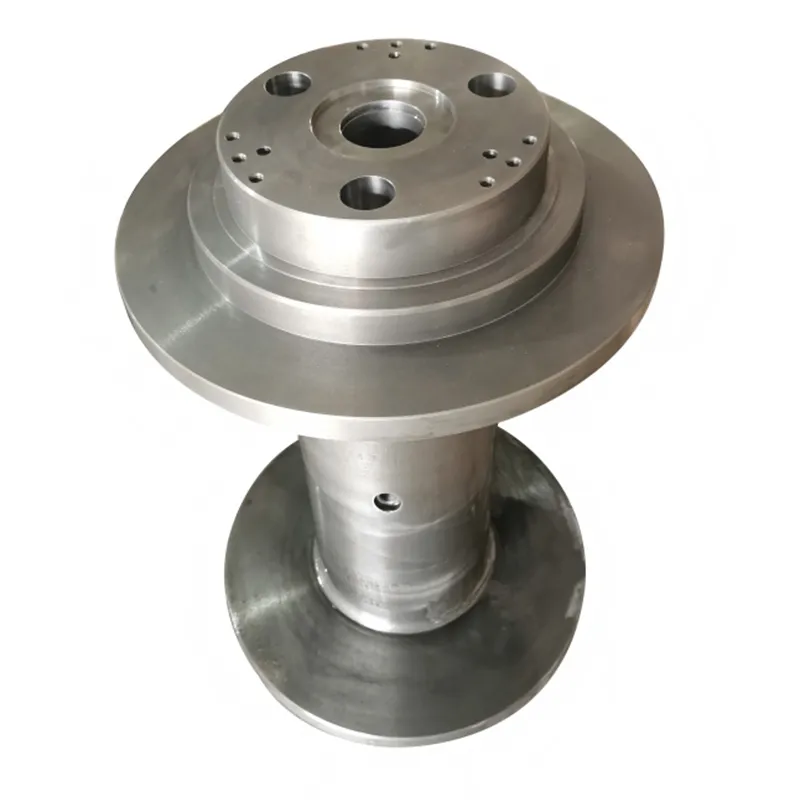
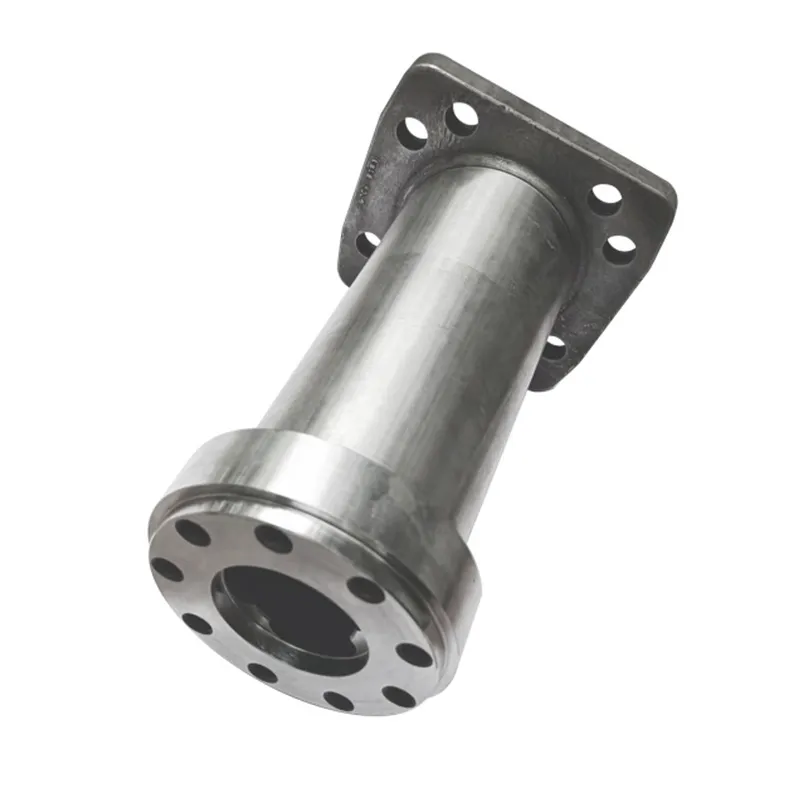
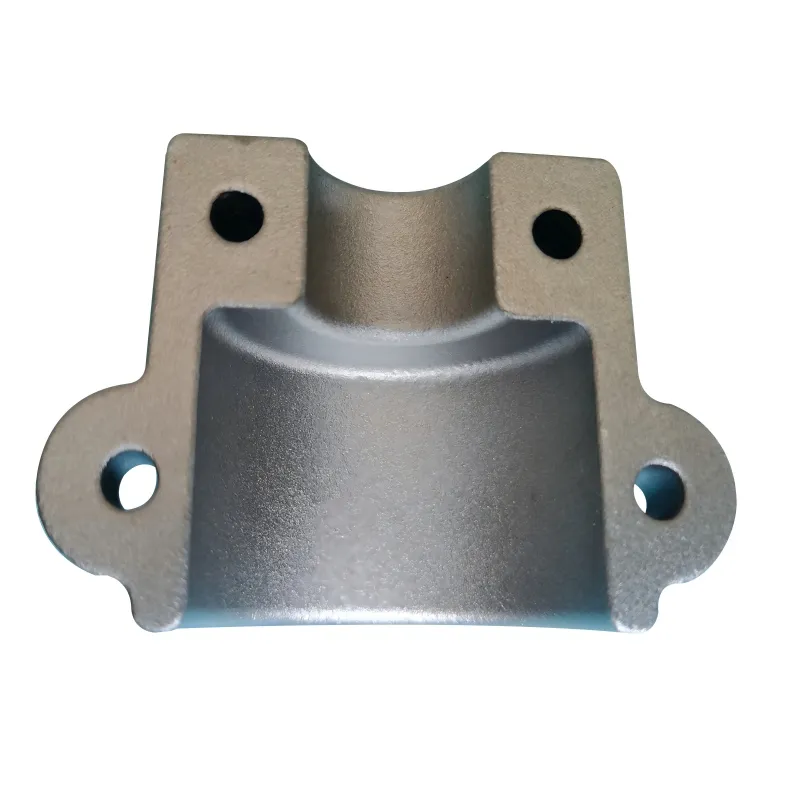
When you hear 'alloy steel investment casting', the immediate thought often jumps to material grades – 4140, 4340, 8620 – and the promise of complex geometries. That's the brochure talk. The real story, the one that determines if a part lives or dies in service, starts after you've ticked the box on the chemistry. It's about the 'how', not just the 'what'. I've seen too many designs that specify a high-performance alloy only to fail because the process understanding wasn't there. The allure is clear: near-net-shape parts, excellent surface finish, design freedom. But the gap between that allure and a functional component sitting in an assembly is where the actual work happens.
The Core Dance: Alloy Behavior and Process Windows
Let's talk about the melt. With alloy steels, you're not just pouring liquid metal; you're managing a cocktail of elements that each want to behave differently during solidification. Chromium, molybdenum, nickel – they're there for strength and hardenability, but they also shift the solidification pattern. A common pitfall is treating the pour like it's a standard carbon steel. It's not. The viscosity changes, the fluidity changes. If your gating and risering system is designed for a generic 'steel', you're inviting shrinkage porosity in the worst places, often hidden internally. I recall a batch of lever arms for a hydraulic system, in 8630, that passed initial inspection but failed in fatigue testing. The fracture surface showed a classic shrinkage cavity right at the high-stress fillet. The pattern was perfect, the wax assembly was fine. The issue? The pouring temperature was a bit too high for that specific alloy's thermal characteristics, promoting a certain shrinkage mode. We dialed it back, not by a handbook number, but by feel and successive trials, and the problem vanished.
This is where the shell becomes critical. It's not just a passive mold. For alloy steels, which often have higher pouring temperatures, the shell's thermal shock resistance and permeability are non-negotiable. A shell that's too weak will crack or deform; one with low permeability traps gases, leading to surface pitting or blows. We've standardized on a multi-layer fused silica system with specific binder ratios for our high-alloy work. It's a recipe born from years of cracking shells (literally) and examining the failures. You learn that the dewaxing autoclave cycle matters as much as the slurry viscosity – residual ash from a poorly burned-out pattern can cause surface defects on an otherwise sound casting.
Heat treatment is where the alloy's potential is unlocked or ruined. You can cast a perfect geometry in 4140, but if the heat treat is wrong, you might as well have used a cheaper material. The challenge with investment castings is the often-variable section thickness. A thin section will cool and transform differently from a thick hub during quenching. We've moved towards high-pressure gas quenching in vacuum furnaces for more uniform cooling on critical parts. But even then, it's not set-and-forget. You need to know where to place thermocouples, how to fixture the parts to minimize distortion. It's an iterative dialogue between the foundry and the heat treater. I've had arguments with customers who want a single hardness value across a part with a 4:1 section variation – it's just not physically possible without compromises elsewhere. The key is managing expectations and focusing on the hardness and microstructure in the critical functional areas.
Precision Machining: The Necessary Partner
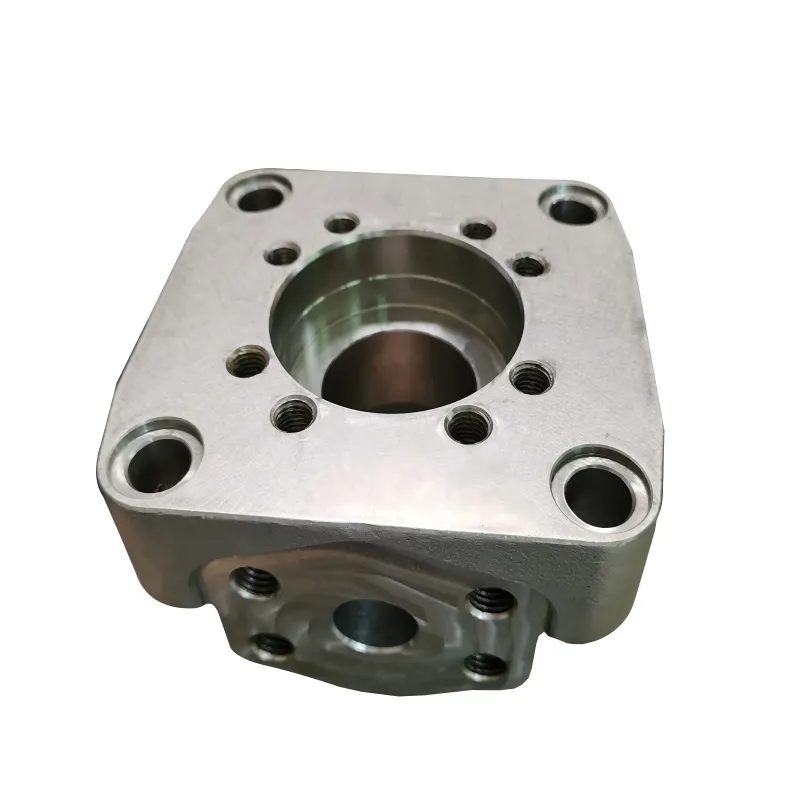
No investment casting is truly 'net-shape' for a high-tolerance alloy steel component. There's always a mating surface, a bore, or threads that need machining. This is where the synergy – or disconnect – between casting and machining defines the final cost. We do our own CNC machining in-house, and that vertical integration is a game-changer. Why? Because the machinist who encounters hard spots or unexpected porosity in a critical bore can walk directly to the foundry floor and discuss the pour log with the melting foreman.
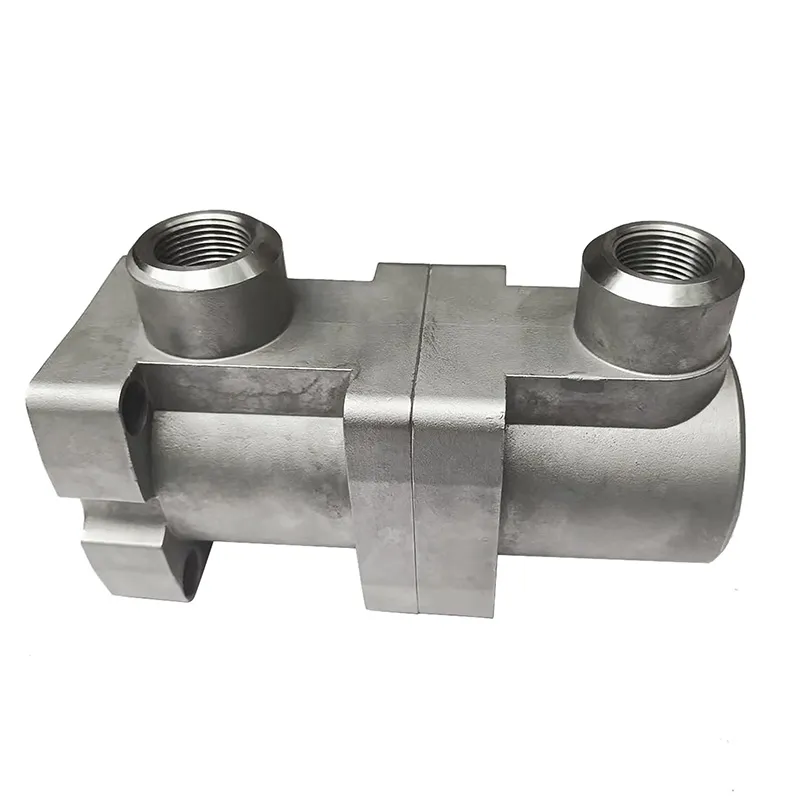
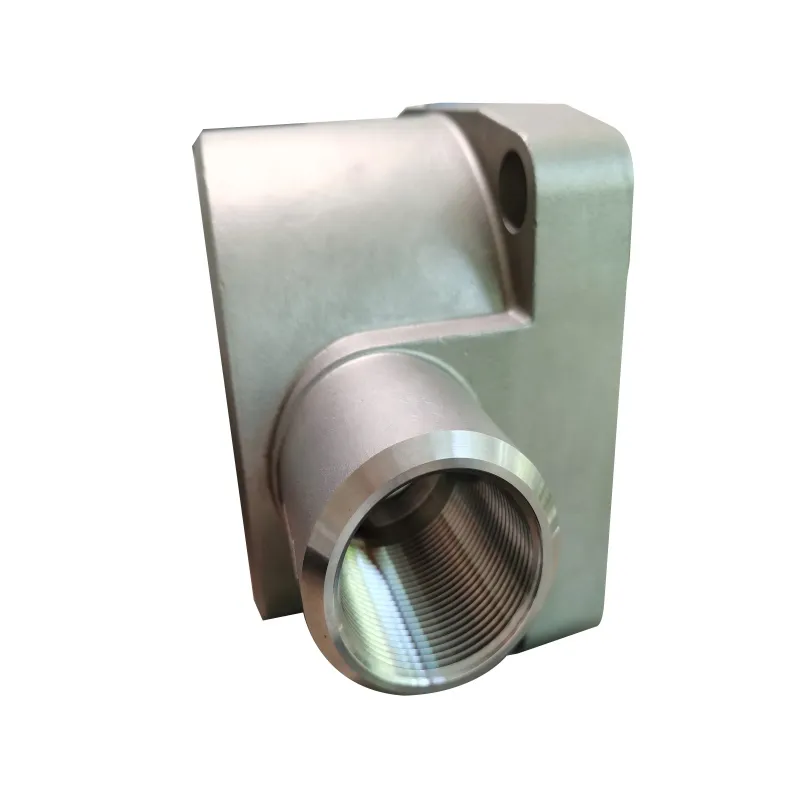
Take a pump housing we made from CF8M stainless (similar challenges to many alloy steels regarding machinability). The as-cast flange face was fine, but the bore for the shaft seal needed a mirror finish and tight tolerance. The initial cuts revealed a few scattered, tiny inclusions. Not enough to leak, but enough to worry the customer. Because we controlled both processes, we could trace it back to a specific ladle lining condition on that heat. We adjusted the practice, and the next batch machined like butter. If the machining was outsourced, the feedback loop would have been weeks long, with blame-shifting in between. For companies like Qingdao Qiangsenyuan Technology Co., Ltd. (QSY), this integrated approach, spanning over three decades, is what solves problems. You can see their philosophy on their site at https://www.tsingtaocnc.com – they list shell mold casting, investment casting, and CNC machining as core services for a reason. It's a recognition that the part isn't finished until it's machined.
Fixture design for machining castings is its own dark art. You're not clamping on a billet; you're clamping on a sometimes-irregular casting. Locating off cast surfaces requires careful planning to avoid amplifying casting tolerances. We often design fixtures that reference specific datums established during the casting process itself – sometimes even incorporating cast-in location pads that get machined off in the final operation. It adds a step, but it guarantees positional accuracy between features that are cast and those that are machined.
Material Nuances: When Steel Isn't Enough
The term 'alloy steel' is a massive bucket. The choice between a low-alloy like 4110 and a tool steel like H13 is fundamental, not incremental. For high-wear applications like valve trim or wear plates, we've moved into modified grades with added vanadium for carbide formation. The casting process for these is brutal – higher superheat, more aggressive shell systems, and very controlled cooling to prevent cracking. It's high-risk, high-reward. We lost an entire tree of H13 tooling inserts once due to a combination of a slightly too-cold pour and a shell that was a bit too thick. The thermal stress was enough to cause hot tears in every single part. A costly lesson in respecting the process window boundaries of each specific alloy family.
Then there's the world of special alloys mentioned by operations like QSY – the nickel-based and cobalt-based ones. While not strictly 'steels', they often fall under the alloy casting umbrella for many buyers. The principles are similar but amplified. Reactive elements, tighter thermal controls, and often full HIP (Hot Isostatic Pressing) requirements post-casting. Working with these materials teaches you humility. Your margin for error shrinks to almost nothing. A success here, however, like a reliably cast Inconel 718 turbine blade, is what builds a foundry's reputation for serious alloy steel investment casting work.
Material certification is another layer. For commercial grade alloys, a melt certificate might suffice. For aerospace or defense work, you're looking at full traceability: heat number, bar stock source, chemistry from a certified lab, mechanical test coupons cast from the same heat and processed alongside the parts. The paperwork trail is as important as the casting itself. It's a system that ensures reliability but adds significant overhead. You can't just 'whip up' a batch of certified 4340; it's a documented, controlled event from raw material to final inspection.
The Design Feedback Loop
This is perhaps the most valuable service a good foundry provides: advising on design for manufacturability. Engineers design for function, which is correct. But sometimes a radius is specified as 0.5mm because the CAD system defaulted to it, not because it's functionally critical. Casting that in alloy steel is asking for trouble – stress concentration, difficulty in shell building, almost guaranteed shrinkage. We'll push back, suggest a more castable 2mm radius, and 99% of the time, it's accepted. It's these micro-conversations that optimize a part.
We once had a design for a bracket with a beautiful, intricate lattice structure to save weight. Looked fantastic on screen. In alloy steel, it was a nightmare. The thin members cooled too fast, creating brittle areas, and the shell couldn't be reliably stripped from the complex cavities. We worked with the designer, showed them the failure modes from our trials, and collaboratively developed a simpler, more robust rib structure that met the stiffness and weight targets. The final part was a success, but it looked different from the original vision. That's collaboration. A source like QSY, with its long history, implicitly offers this depth of experience. It's not just about making a wax pattern; it's about guiding the entire manufacturable realization of a concept.
Simulation software is a tool, not a prophet. We use solidification modeling religiously. It shows us probable hot spots and guides riser placement. But the software's material databases are generic. The real-world behavior of your specific 4150 melt, with your local recycling returns mix, in your plant's humidity, is different. The simulation gives you a starting point, a hypothesis. You then run real-world trials, section sample castings, measure dendrite arm spacing, and calibrate your model to your reality. It's an ongoing process. Blind faith in the simulation color map has led more than one foundry down a rabbit hole.
Economics and Real-World Viability
Finally, let's be blunt: alloy steel investment casting is not cheap. The tooling cost for wax patterns is high. The process is labor and energy-intensive. It only makes economic sense when you need the combination of complex geometry, good surface finish, and the mechanical properties of the alloy. The break-even point versus fabrication or machining from solid is usually around medium volumes – hundreds to a few thousand pieces. For one-off prototypes, it's often prohibitively expensive unless no other process can make the part.
The value is in consolidation. We recently made a gearbox component that traditionally was made from five separate forged and machined pieces, bolted together. We cast it as a single investment casting in 8620, with only the bearing journals and bolt holes needing machining. We eliminated assembly time, alignment issues, and potential leak paths. The upfront tooling cost was absorbed over the production run, and the total cost per unit dropped by about 30%. That's the sweet spot.
So, when you're evaluating a source, look beyond the equipment list. Ask about their alloy-specific practices. Ask for examples of how they solved a porosity or distortion problem. Ask if they machine what they cast. The answers will tell you if you're dealing with a commodity shop or a technical partner. It's the difference between getting a casting and getting a component that works. That's what the game is really about.