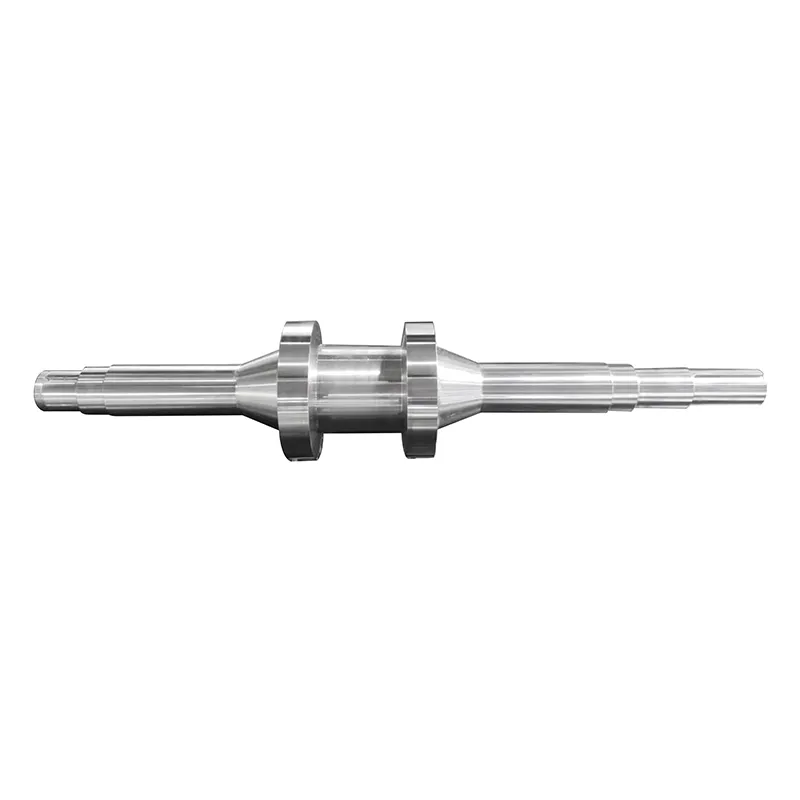
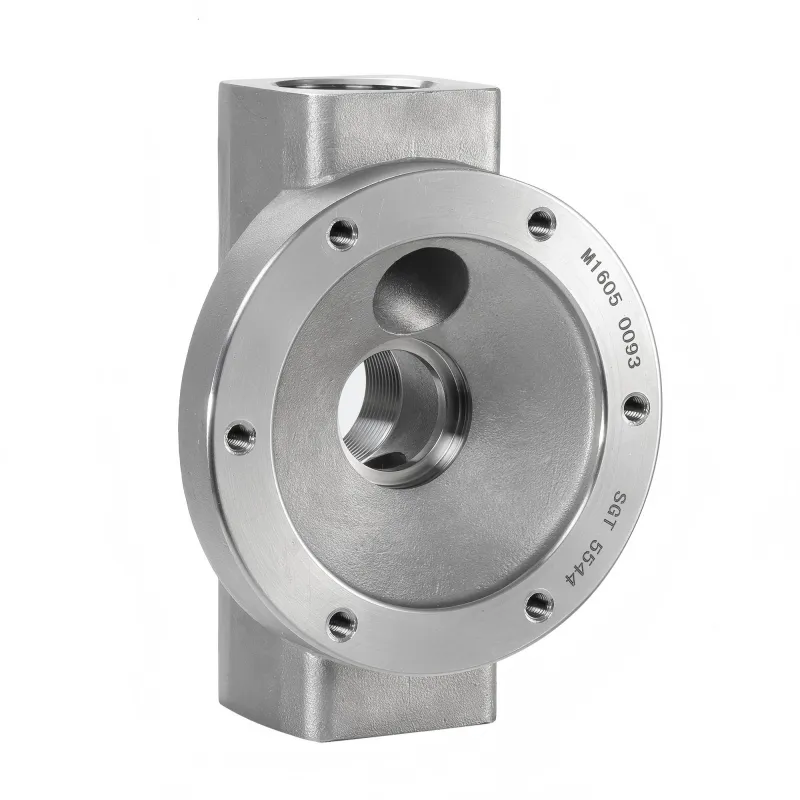
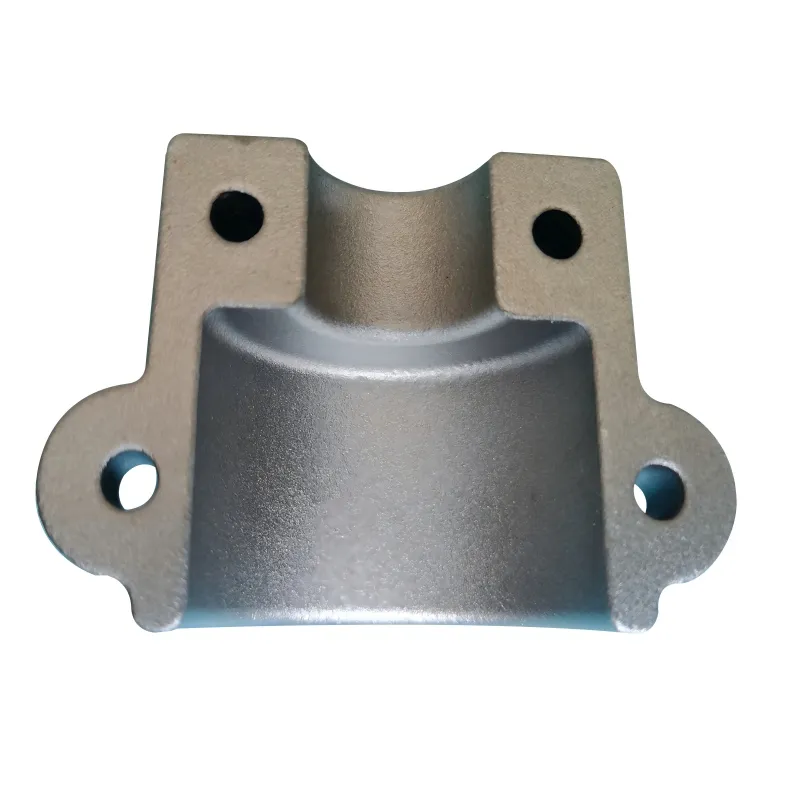
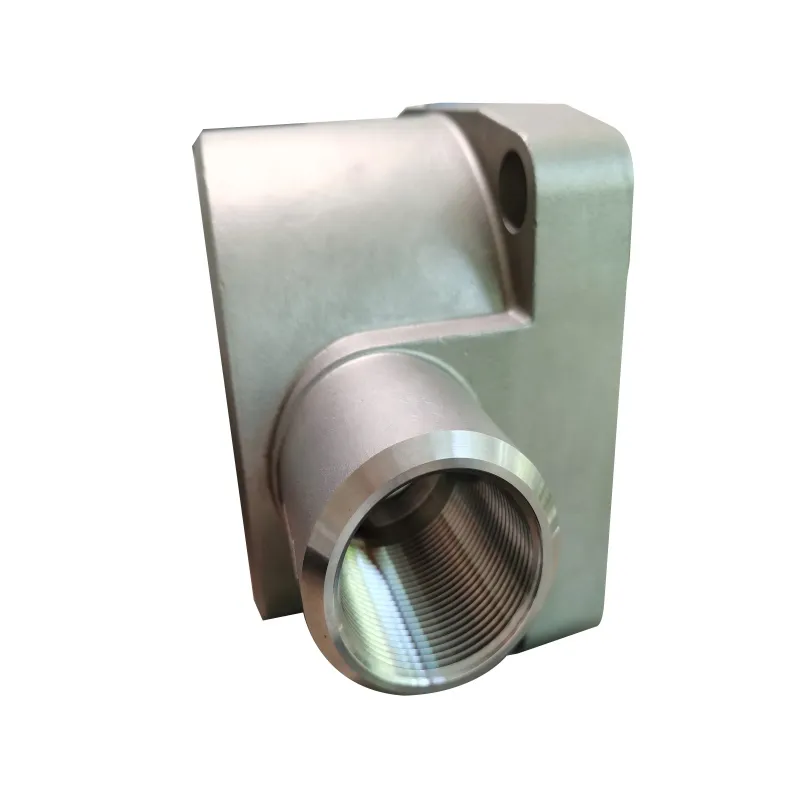
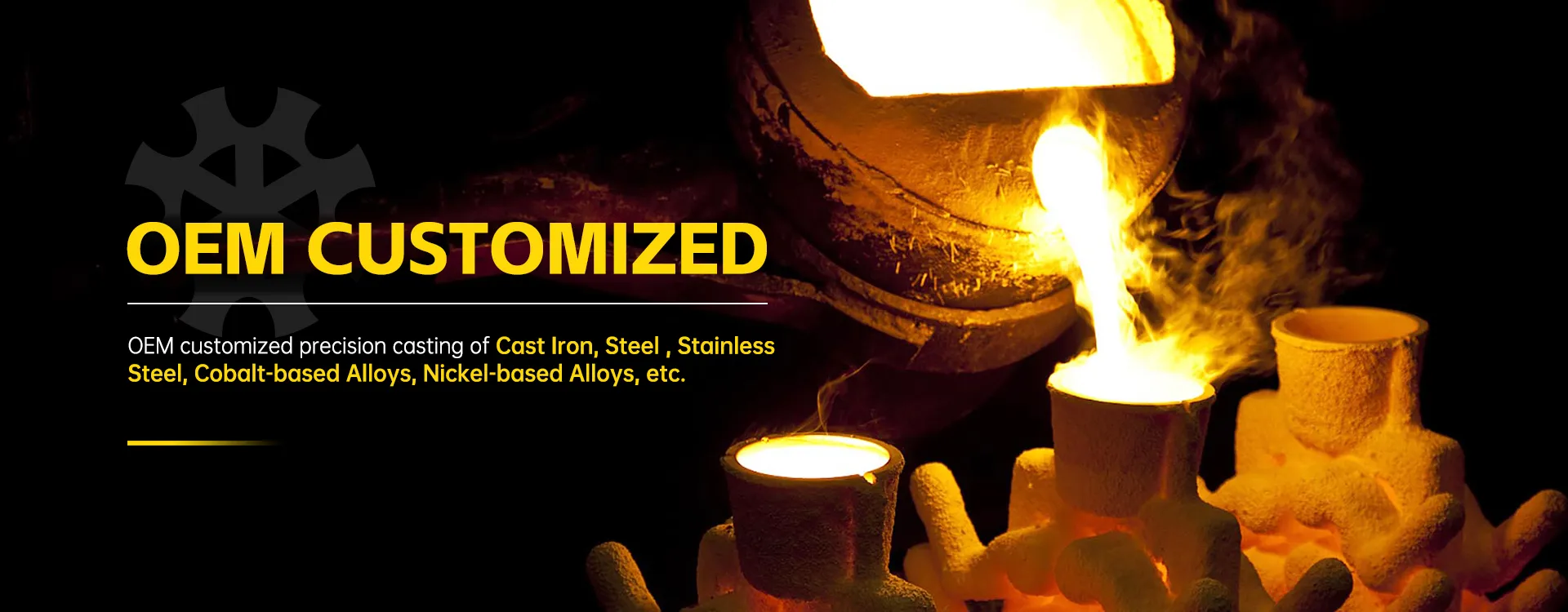
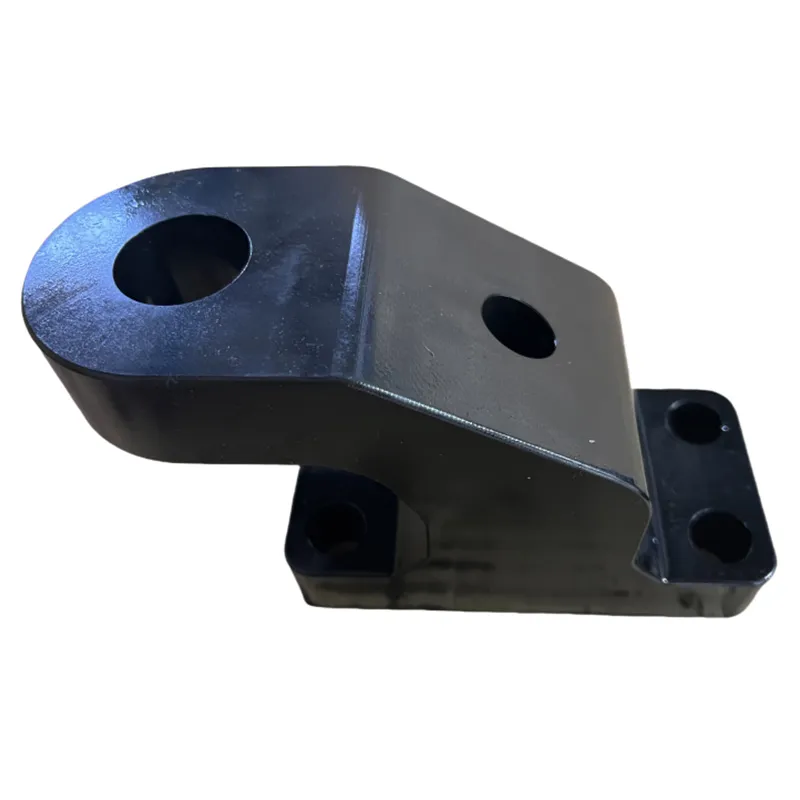
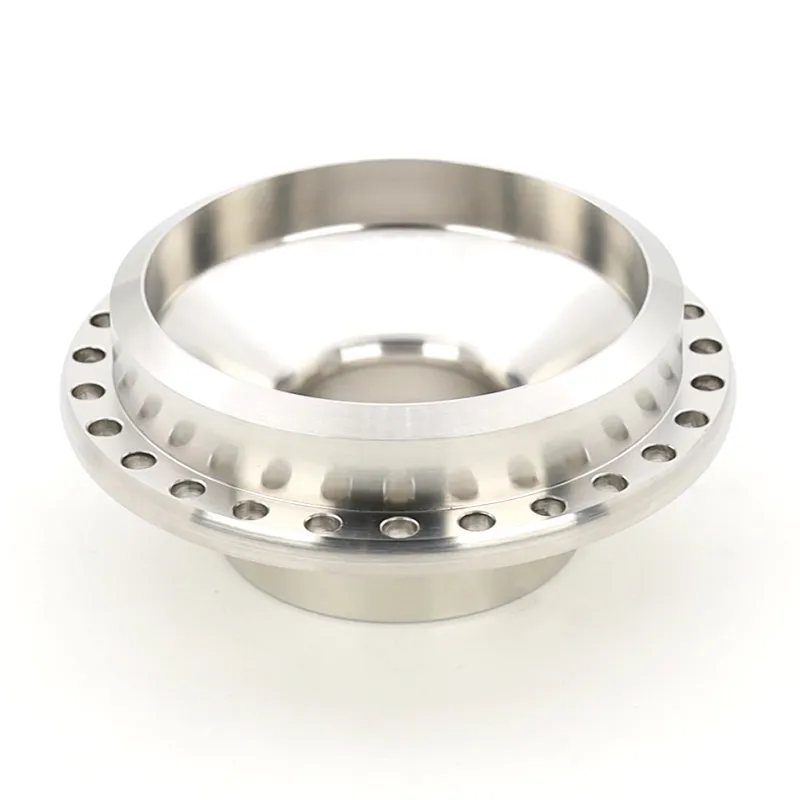
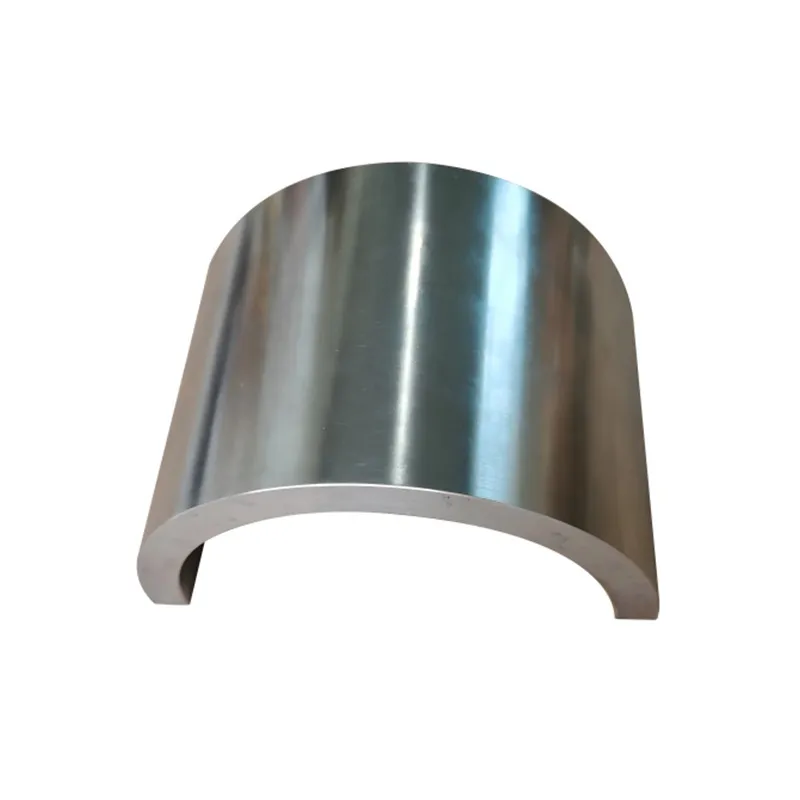
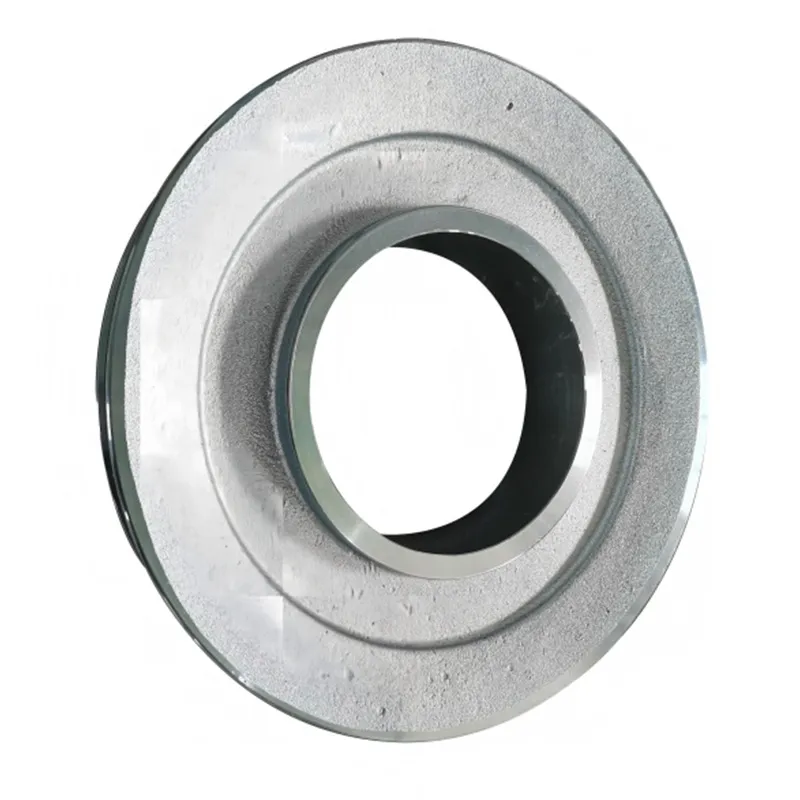
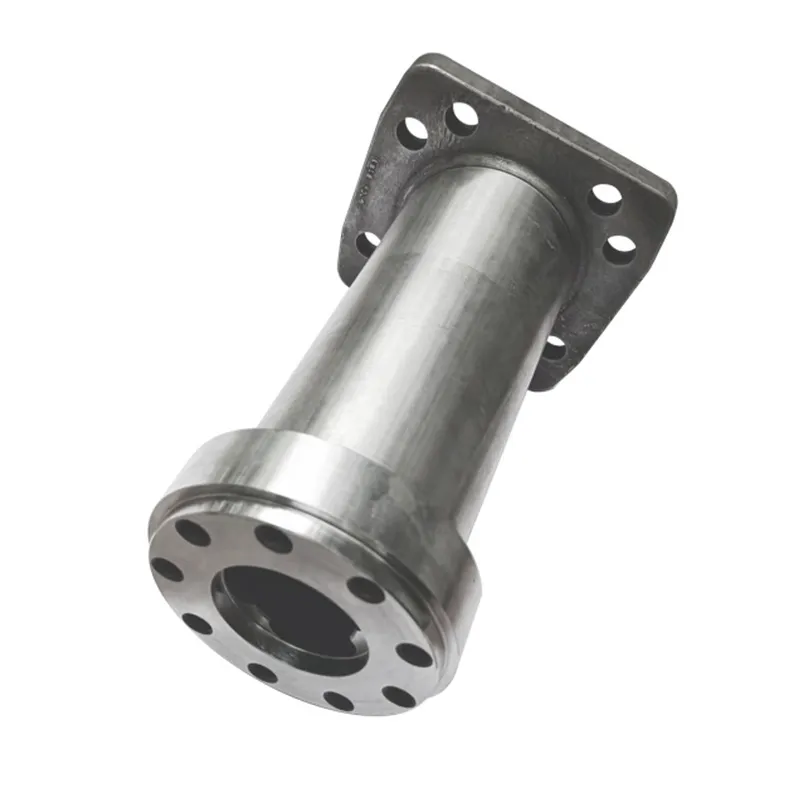
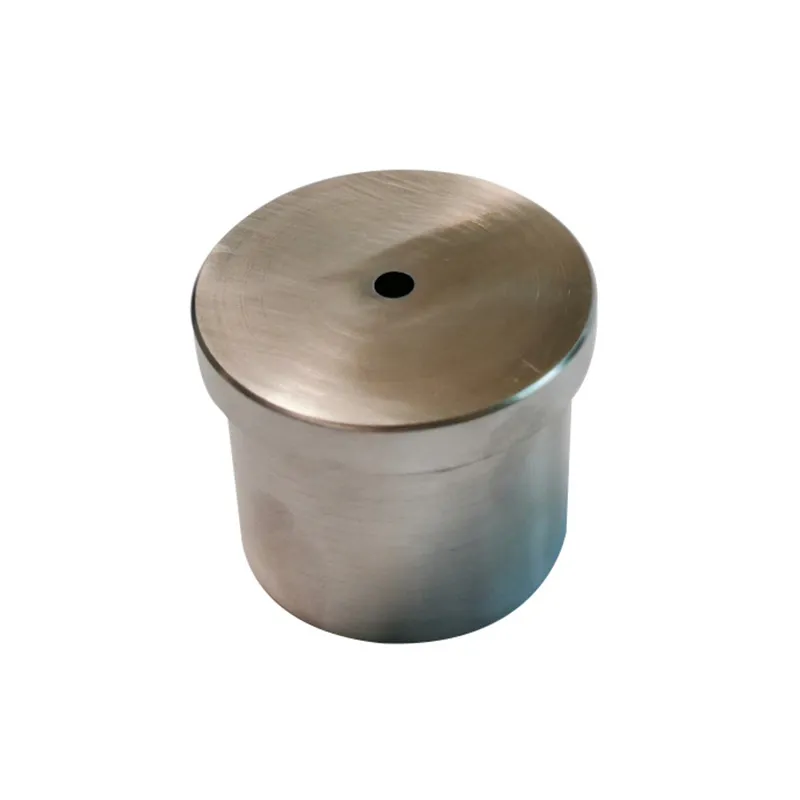
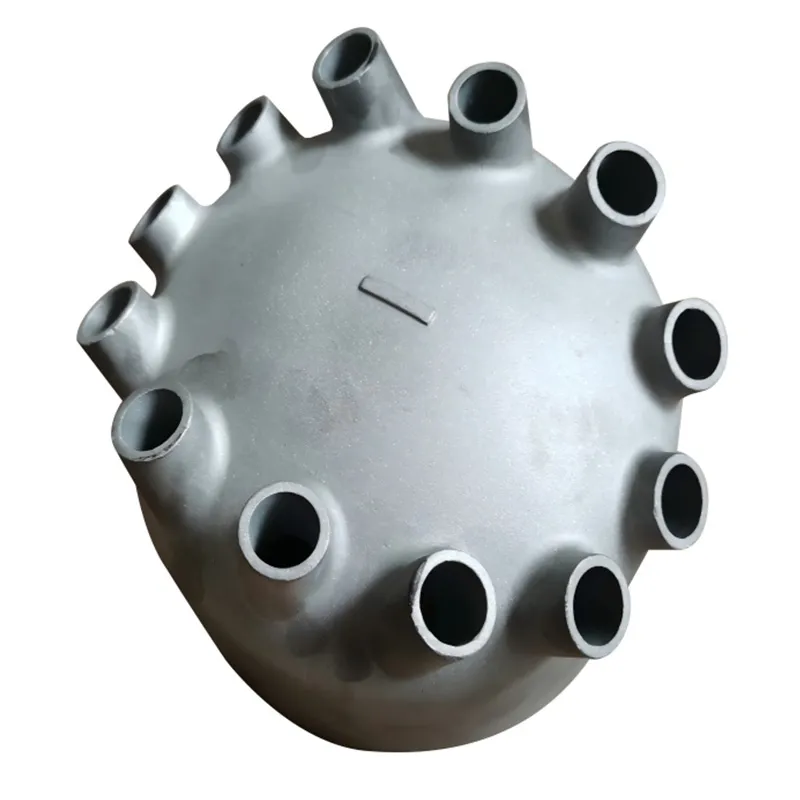
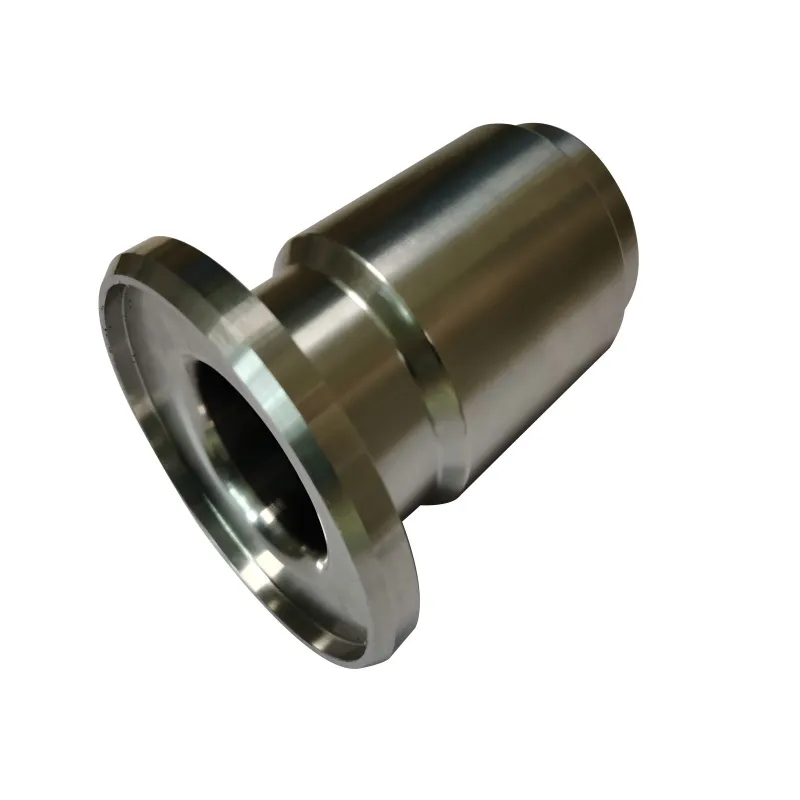
When most people hear 'aluminum sand casting foundry', they picture a basic, almost archaic process for making simple, rough parts. That's the first misconception. The reality is more nuanced; it's a foundational method that, when executed with precision and understanding, competes in spaces you wouldn't expect. It's not just about dumping metal into a sand hole. It's about managing variables—sand composition, moisture, binder systems, gating design, solidification control—that separate a usable casting from a scrap part. I've seen too many projects fail because the design was thrown over the wall to a foundry without considering these fundamentals. The choice of a foundry often boils down to their grasp of these details, not just their equipment list.
The Core of the Process: It's All in the Sand
Let's get into the grit. Literally. The 'sand' in sand casting isn't your backyard variety. It's a engineered mixture, typically silica, zircon, or chromite, bonded with clay (green sand) or chemical binders (like furan or phenolic resin for no-bake molds). The difference is night and day. For aluminum, I lean towards chemically-bonded sand for complex geometries or tighter tolerances. Green sand is faster and cheaper for high-volume, simpler shapes, but you trade off on surface finish and dimensional stability. The skill is in selecting the right system for the job. A common pitfall? Assuming all sand is the same. I've had parts come out with terrible surface veining because the sand's thermal expansion wasn't right for the aluminum alloy's solidification pattern. It took weeks of trial and error with different sand grades and binder ratios to fix it.
Pattern making is another subtle art. Wood patterns are fine for prototypes or short runs, but for anything sustained, you need metal or epoxy patterns. The draft angle, the finish, the allowance for shrinkage—each alloy shrinks at a different rate—it all gets built into that pattern. A miscalculation of a few percent on shrinkage can render a whole batch out of spec. I remember a batch of pump housings where we used the standard shrinkage rule for A356 aluminum, but the specific modification and pouring temperature shifted it just enough to cause a fit issue with a machined mating part. We had to adjust the pattern, which is a costly and time-consuming lesson.
Then there's gating and risering. This is where the foundry's experience truly shows. You're designing the channels that feed molten aluminum into the mold cavity and the reservoirs that feed shrinkage as it cools. Poor gating leads to turbulence, which causes oxide inclusions and weak spots. Insufficient risering leads to shrinkage porosity. It's not just textbook theory; it's a feel developed from looking at thousands of cut-up castings. A good foundry engineer will sometimes place a small riser where the simulation software doesn't flag an issue, based purely on a hunch from a similar past job. And they're often right.
Where Aluminum Sand Casting Fits (And Where It Doesn't)
This process isn't for everything. For high-volume, thin-walled, intricate parts like turbine blades, you'd look at investment casting or die casting. But for low to medium volumes, larger parts (think engine blocks, transmission cases, large structural brackets), and where design flexibility is key, sand casting is incredibly cost-effective. The tooling cost is a fraction of die casting. The real sweet spot is for one-offs, prototypes, and heavy-sectioned components. I've worked on marine equipment components weighing over 200 kg that were perfectly suited for sand casting. Trying to do that as a die casting would be prohibitively expensive.
However, the post-casting work is critical. An aluminum sand casting foundry that also offers in-house machining is a huge advantage. It ensures they understand the casting's structure and can plan machining datums and allowances from the start. This integrated approach prevents nightmares where a part casts beautifully but can't be held properly for CNC work, or where a critical sealing surface ends up in a porous zone of the casting. It's about controlling the process from mold to finished part.
This is why a company's breadth of capability matters. Take a firm like Qingdao Qiangsenyuan Technology Co., Ltd. (QSY). With over 30 years in casting and machining, they get this link. Their website, tsingtaocnc.com, shows they handle multiple processes. While they list shell mold casting and investment casting as specialties, the principles of mold-making and metallurgy translate. A foundry that understands precision shell molds will have a disciplined approach to sand control and process documentation that benefits their sand casting work. Their work with special alloys like nickel-based ones also suggests a deeper metallurgical competency, which is invaluable when dealing with complex aluminum alloys like high-silicon or high-magnesium grades that are tricky to cast without hot tearing.
The Devil in the Details: Porosity, Finishing, and Real-World Compromises
Porosity is the eternal battle in aluminum casting. It can be gas porosity from moisture in the sand or hydrogen in the melt, or shrinkage porosity from inadequate feeding. A competent foundry will have degassing procedures (like rotary degassing with argon) and strict sand drying controls. But sometimes, you have to accept a certain level. The key is defining it contractually—using ASTM or similar standards for radiographic inspection—and ensuring it's not in critical areas. I've approved castings with some isolated porosity in non-structural areas to save a project timeline, but never near a threaded hole or a pressure seal.
Surface finish is another practical consideration. As-cast surfaces from sand molds have a characteristic texture. If you need a smoother finish, it requires blasting (shot or sand) or grinding. This adds cost. The design must specify which surfaces are 'as-cast' and which are 'machined'. I've seen drawings that call for an unrealistic 3.2 μm Ra on an as-cast surface—it's just not possible. Clear communication here saves immense frustration later.
Heat treatment is almost a given for most engineering-grade aluminum sand castings like A356 or A357. It's done to achieve the required temper (T6 is common). But the foundry's relationship with the heat treater matters. If they're separate entities, distortion can become a blame game. Was it the casting's residual stress or the fixturing during solution heat treatment? An integrated facility, or at least a tightly managed partnership, simplifies this. The goal is a dimensionally stable, fully heat-treated part ready for final machining.
Case in Point: Learning from a Near-Miss
Let me describe a real scenario, slightly anonymized. We had a chassis component for a specialized vehicle. The design was complex, with varying wall thicknesses and several cored passages. We went with a reputable aluminum sand casting foundry. The first sample passed visual and dimensional checks. But during prototype assembly, a mounting ear snapped during torque-down. Failure analysis revealed a cold shut—a discontinuity where two metal streams met but didn't fuse properly—right at the high-stress root of the ear.
The root cause? The gating design filled that section of the mold last, and the metal had lost too much heat. The foundry's initial simulation had flagged a potential issue, but it was deemed low risk. The fix wasn't just adding more metal; it was redesigning the gating to change the fill pattern and adjusting the pouring temperature for that specific alloy batch. It delayed the project by a month. The lesson was twofold: never ignore even minor simulation warnings, and always specify and perform liquid penetrant or radiographic testing on high-stress areas in first-article inspections, even if it's not in the standard spec.
This is where a foundry's problem-solving culture is tested. The good ones don't get defensive. They dive in, cut up the casting, analyze the defect, and propose a validated solution. They treat it as a joint engineering challenge. The bad ones point fingers at the alloy supplier or the design. The foundry that acts as a partner is worth its weight in gold.
Looking Ahead: The Niche is Secure
With all the talk about 3D printing for molds and direct metal printing, is aluminum sand casting obsolete? Far from it. For production quantities beyond a handful, it's still vastly more economical. The technologies are converging, though. I've seen hybrid approaches where 3D-printed sand cores are used for impossibly complex internal passages within a traditional sand mold. This opens new design freedoms while keeping the bulk of the process cost-effective.
The future of a successful foundry lies in this kind of adaptability. Combining traditional craft—the feel for the sand, the eye for solidification—with modern simulation, process monitoring, and complementary technologies like CNC machining. It's about offering a total solution. A company that has evolved from a pure foundry to a integrated manufacturer, like QSY with its stated decades in both casting and machining, is positioned for this. They understand that the casting is often just the first step in delivering a functional component.
So, when you evaluate an aluminum sand casting foundry, look beyond the price per kilogram. Look at their pattern shop, their sand lab, their quality control protocols for melt chemistry and mechanical testing, and crucially, their willingness to engage in the design process early. Ask for case studies of challenging parts. The best work comes from foundries that see themselves not as metal pourers, but as manufacturing partners solving a geometry and material problem. That mindset makes all the difference between a part that works and one that ends up as expensive scrap.