When you hear AMS 5387, the first thing that often comes to mind is just another high-temperature alloy spec sheet. That's the common trap. In reality, dealing with this specification for cobalt-based superalloys, particularly Stellite 6, is less about the chemical composition table and more about the gritty, hands-on dance between the foundry and the machine shop. It's a material that promises excellent wear and corrosion resistance up to what, 800°C? But the promise on paper and the part in your hand are two different worlds. I've seen too many projects stumble by treating AMS 5387 as a simple material substitution. It's not. The entire fabrication philosophy has to shift.
The Foundry Floor Reality
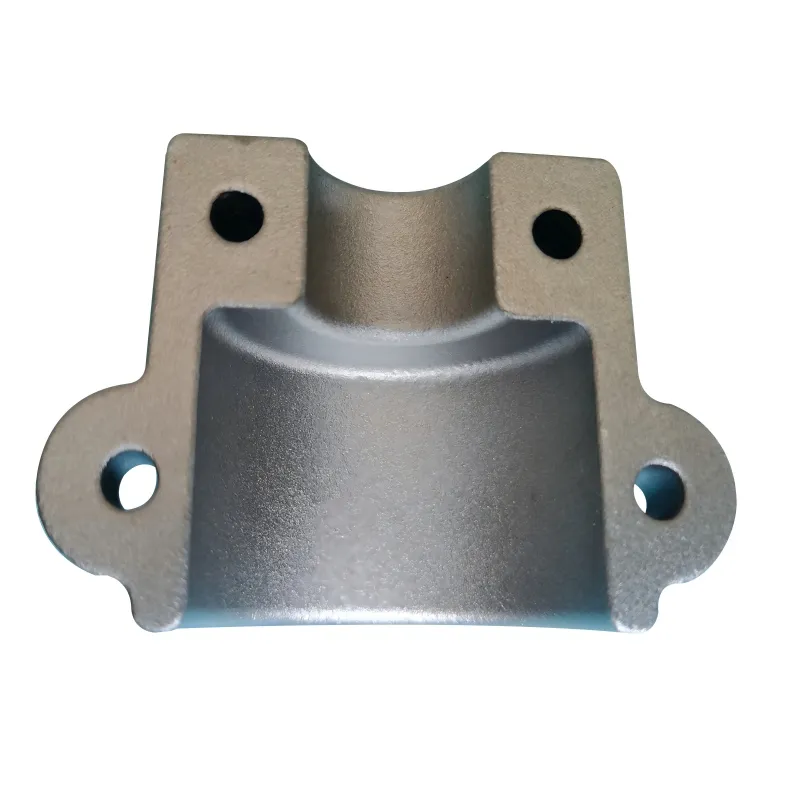
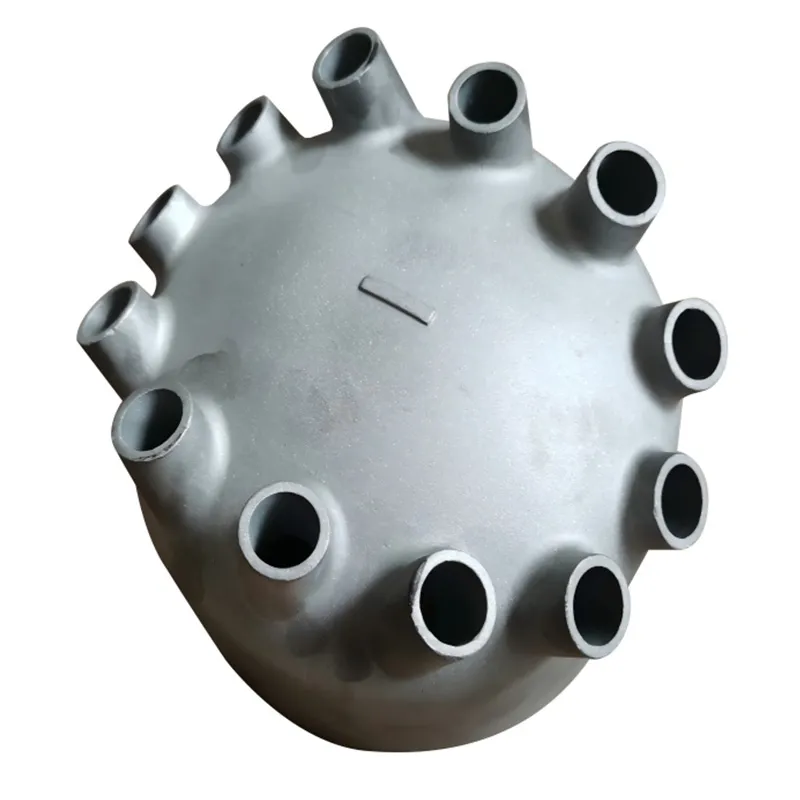
Let's talk about the casting side first. AMS 5387 material, typically poured as Stellite 6, is a beast to cast cleanly. The high cobalt and chromium content means it's prone to forming hard, brittle phases if the cooling rate isn't just right. We learned this the hard way years ago on a valve seat project. The prints called for AMS 5387, and we sourced the alloy. The initial shell mold casting runs looked perfect—beautiful surface finish. But during pressure testing, several parts developed hairline cracks. Not obvious ones, but the kind you find with dye penetrant. The issue? Our gating and risering system, perfectly adequate for standard stainless steels, didn't account for this alloy's much narrower solidification range. We were essentially feeding the shrinkage wrong, creating internal stress points.
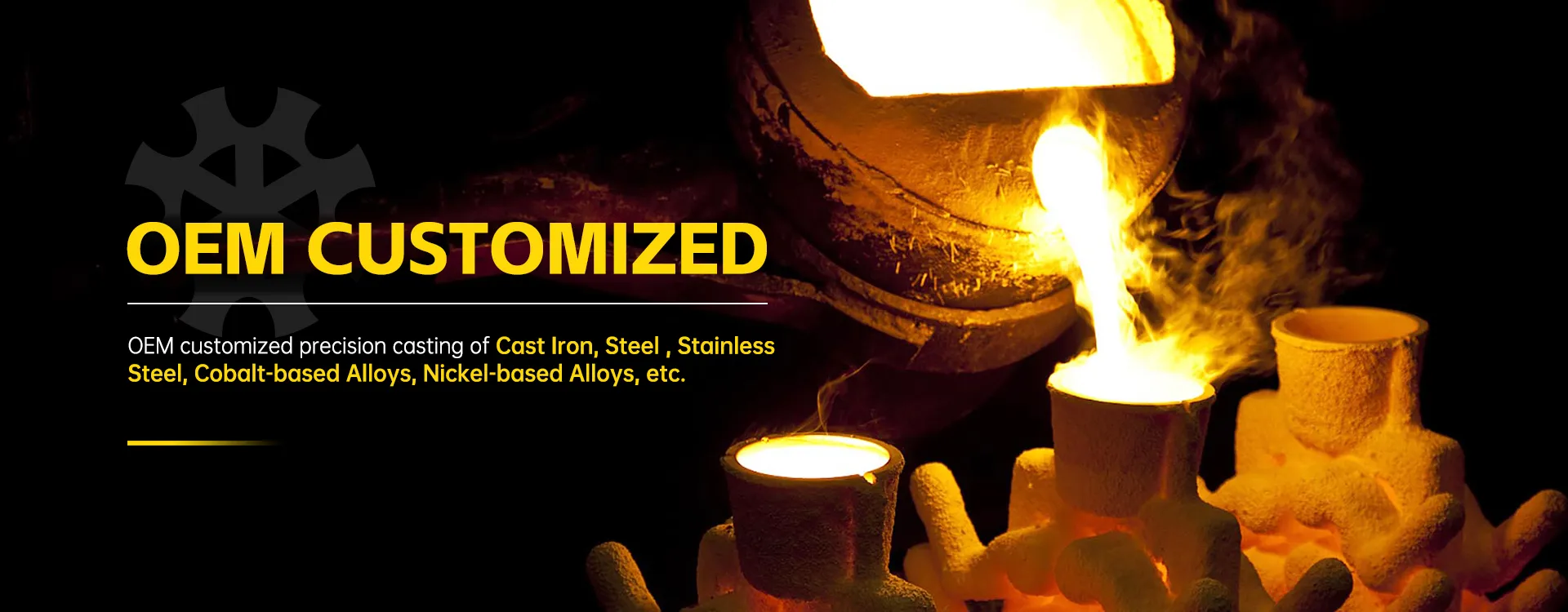
This is where a foundry's long-term experience becomes non-negotiable. A company like Qingdao Qiangsenyuan Technology Co., Ltd. (QSY), with their three decades in shell and investment casting, would have the process parameters—mold preheat temperatures, pour speed, post-casting cooling protocols—already dialed in for these sensitive alloys. It's not something you find in the spec. It's tribal knowledge on the shop floor. For AMS 5387, the difference between a sound casting and a scrap pile often comes down to how you manage the thermal profile from the ladle to the cooling room. You can't just wing it.
The other subtlety is the as-cast hardness. AMS 5387 specifies a range, but the as-cast state often lands at the higher end. That's great for wear resistance, but it immediately signals a challenge for the next stage: machining. If you're not coordinating the casting hardness with your machining team, you're setting them up for a world of hurt with premature tool wear. It's a classic handoff failure between departments.
Machining: Where Theory Meets the Tool Bit
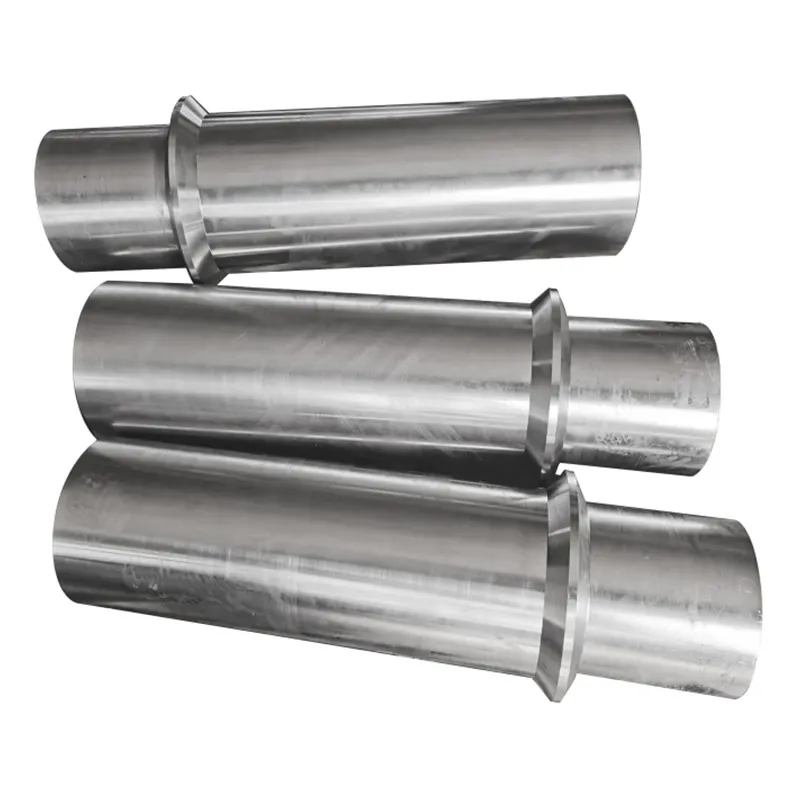
This is where the real character of AMS 5387 shows up. Machining Stellite 6 is not like machining 304 or even 17-4 PH stainless. It work-hardens aggressively. You take a cut, and the surface you just exposed becomes harder than the material underneath. If your feeds and speeds are timid, you're essentially polishing and hardening the part with each pass, leading to catastrophic tool failure. The key is to get underneath that work-hardened layer. You need a positive rake, sharp tools—carbide or ceramic, not HSS—and you must maintain a consistent, confident feed rate. Hesitation is the enemy.
I recall a component for a thermal processing fixture we machined from a AMS 5387 casting. The geometry involved thin walls and deep pockets. Our first attempt used a conservative, high-speed milling strategy with small stepovers. It was a disaster. Tools chipped constantly, and the part distorted from the heat input. We stepped back, switched to a much more rigid toolholder system, reduced the spindle speed, and significantly increased the feed per tooth. It felt counterintuitive to be more aggressive, but it worked. The chip formation changed from a dusty, glowing stream to a thicker, curled chip that carried the heat away. The part finish and dimensional stability were perfect. The lesson? This material demands respect, but not kid-glove treatment. It requires decisive, knowledgeable cuts.
Coolant is another debated point. Some swear by high-pressure through-tool coolant to manage heat and break chips. Others, myself included, have had good results with a heavy-duty emulsion flood coolant, provided it's directed perfectly at the cutting interface. The goal is thermal management and lubrication. For drilling and tapping AMS 5387, however, I'm firmly in the high-pressure coolant camp. It's the only way to evacuate chips from deep holes and prevent the tool from welding to the workpiece.
The Integration Challenge: From Casting to Finished Part
This is the critical piece many miss. AMS 5387 isn't just a material choice; it's a system choice. The success of a component hinges on a seamless workflow from the casting pattern design all the way to the final machining operation. For instance, if you know you have a deep bore to machine, you need the foundry to place a chill in the mold core to refine the grain structure in that specific area, giving you better machinability right where you need it. This level of integration is what separates a parts supplier from a true manufacturing partner.
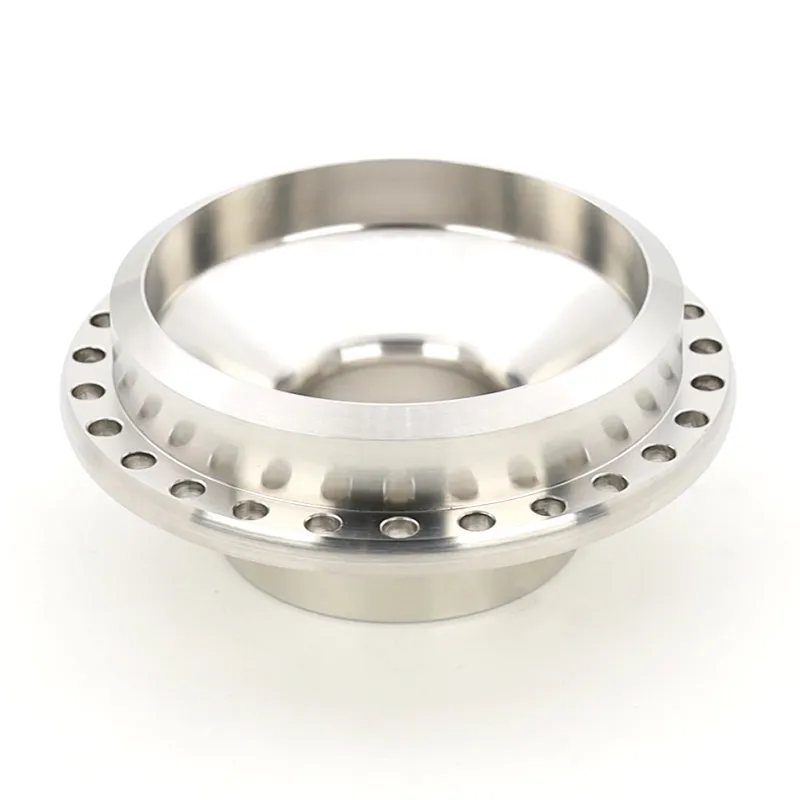
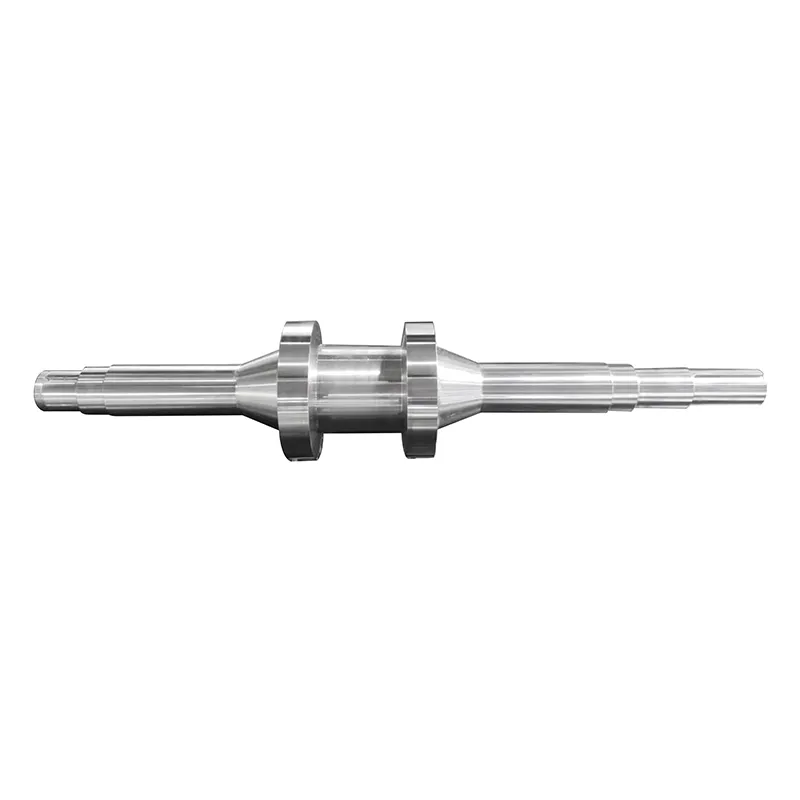
Look at a provider's capability holistically. A company like QSY, which lists both investment casting and CNC machining for materials including cobalt-based alloys, is positioned to manage this entire value stream. They can optimize the casting process for machinability because they are also the ones holding the cutting tools. They can add stock in critical areas, adjust draft angles for better tool access, or even suggest a slight design change to avoid an unmachinable internal corner. This internal feedback loop between casting and machining teams is invaluable for a challenging spec like AMS 5387. You avoid the blame game between separate vendors.
We once had a pump wear ring that failed in field testing. It was specified as AMS 5387, and the casting was fine, the machining was to print. The failure was in a sharp corner at the root of a groove. The casting, while sound, had a slightly rounded internal fillet there. The machining operation, trying to clean it up to a sharp corner, left a micro-notch that became a stress concentrator and initiation point for cracking under thermal cycling. Had the casting and machining been under one roof, the process would likely have been reviewed as a whole. The solution might have been to change the design to allow a radius, or to alter the casting technique to achieve a nearer-net shape in that corner. It's these interconnected details that define success.
Material Sourcing and Verification
Don't assume the AMS 5387 tag on a bar or ingot is the whole story. The spec covers a range, and minor variations within that range can impact both castability and machinability. The silicon content, for instance, affects fluidity during pouring. We've had batches that cast beautifully and others from a different melt that were sluggish, requiring adjustments to pour temperature. A reliable supplier with consistent metallurgical control is worth the premium. It reduces process variability, which is the mortal enemy of high-integrity superalloy parts.
Certification is table stakes. You need the mill certs, but also consider running your own verification. For critical components, we often do a quick spark test or OES check on a runner or a cutoff piece from the casting lot just to confirm the major alloying elements are where we expect them. It's a 15-minute check that can save weeks of headache. The hardness of the as-cast material is also a good, fast indicator of whether the heat treatment (if any was applied post-casting) was performed correctly and if the material is in the expected condition for machining.
Finally, remember that AMS 5387 is often a baseline. Many applications will have additional customer-specific requirements—higher minimum hardness, stricter NDE (like radiographic inspection for the casting), or specific surface treatments. These add-ons must be factored into the initial process planning. You can't machine a part to a mirror finish only to have it sent out for a coating that requires a rough grit-blasted surface. The sequence matters.
Concluding Thoughts: It's a Process, Not a Purchase
So, when you're specifying or manufacturing with AMS 5387, you're really specifying a chain of specialized processes. It's not a commodity. The choice of manufacturing partner is as critical as the material choice itself. You need someone who understands the material's personality from the melt to the final inspection. They need the foundational experience in casting high-performance alloys and the machining prowess to handle them. It's about finding that integrated expertise, the kind built over decades of tackling problems just like the ones this alloy presents.
In the end, working with specs like AMS 5387 is what separates job shops from engineering partners. It's easy to make a part from mild steel. Making a reliable, high-performance component from a superalloy requires a deeper commitment to process understanding and control. Every step, from reviewing the alloy certs to listening to the sound of the cut on the CNC mill, is part of the judgment call. There's no autopilot.
The real value lies not just in delivering a part that meets the print, but in delivering one that will perform under the extreme conditions it was designed for. That's the unspoken promise behind the AMS 5387 designation, and it's a promise that's fulfilled on the shop floor, not in the procurement office.