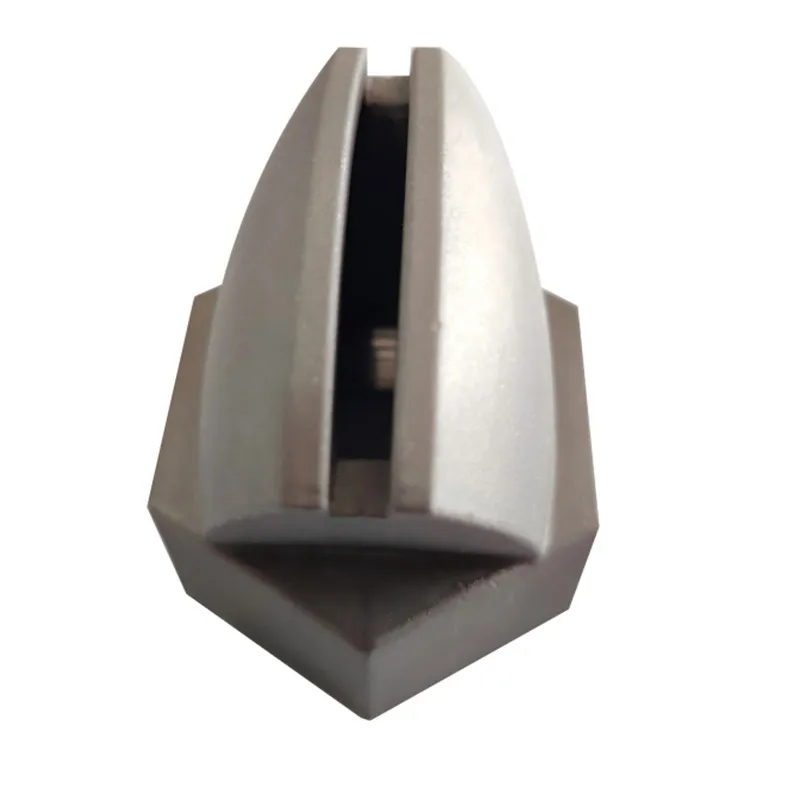
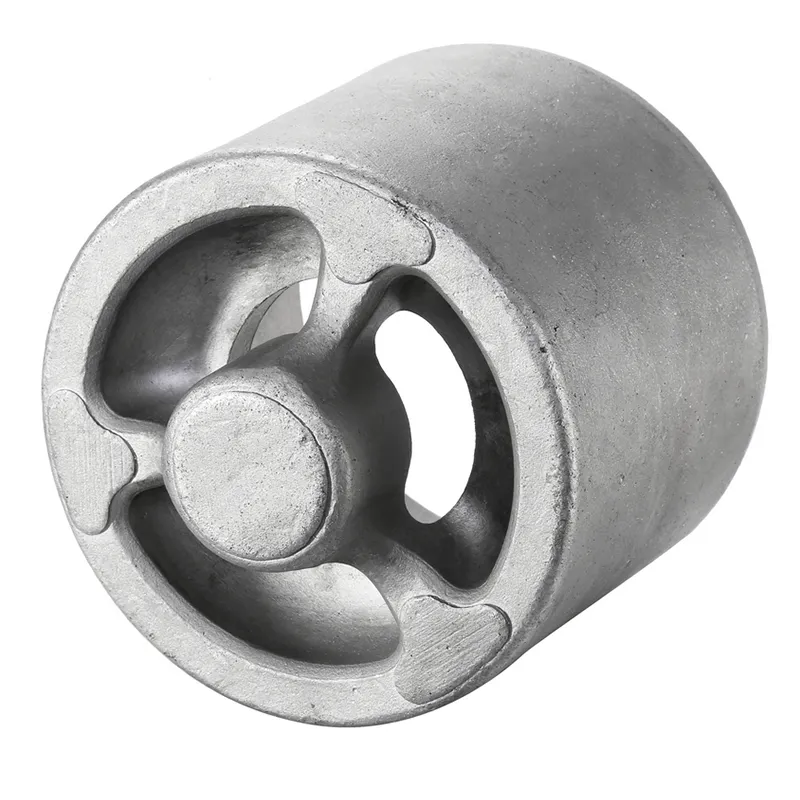
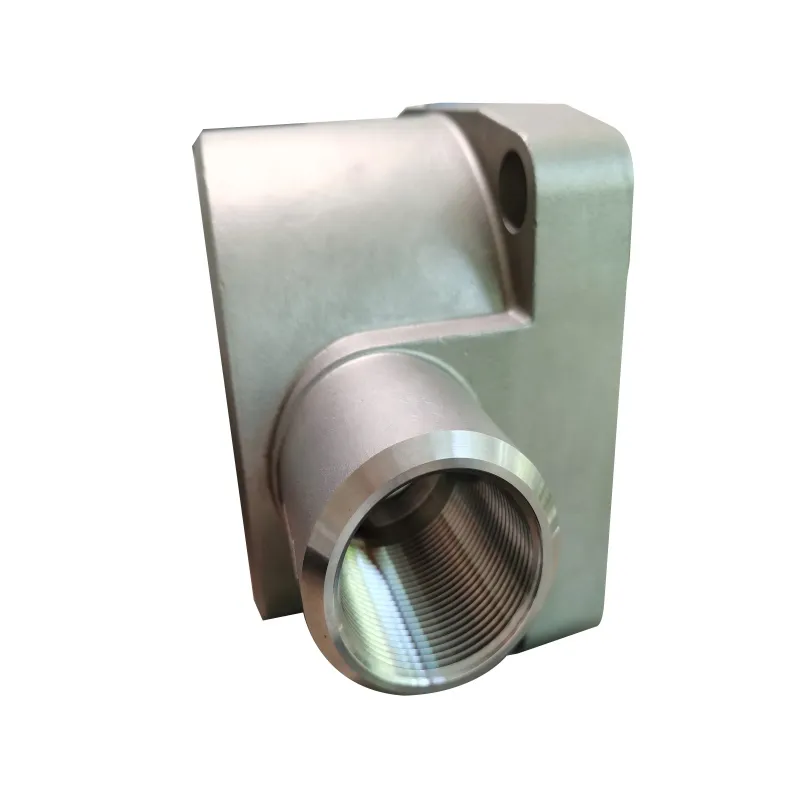
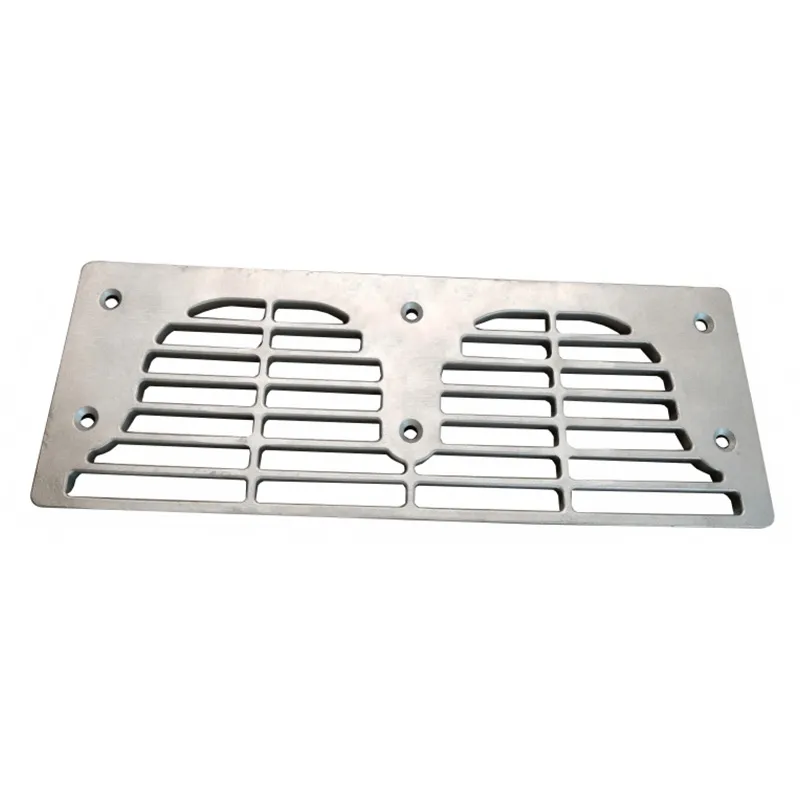
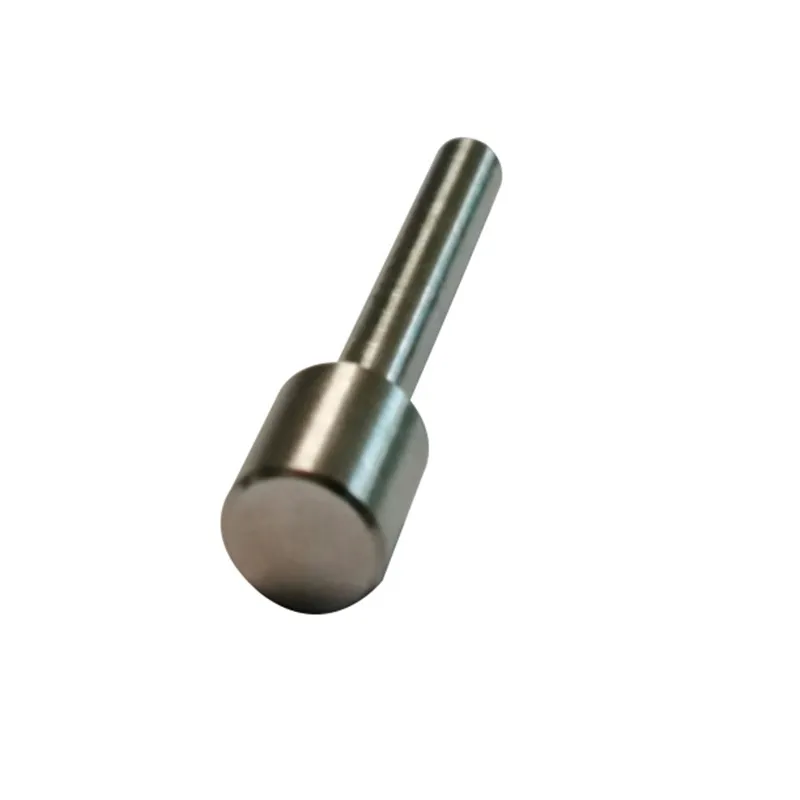
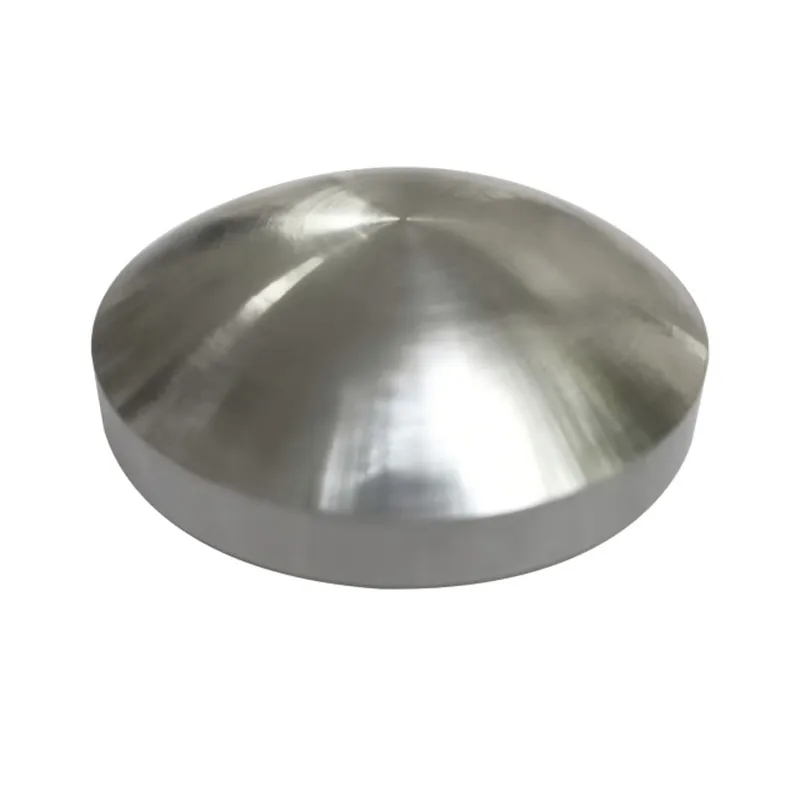
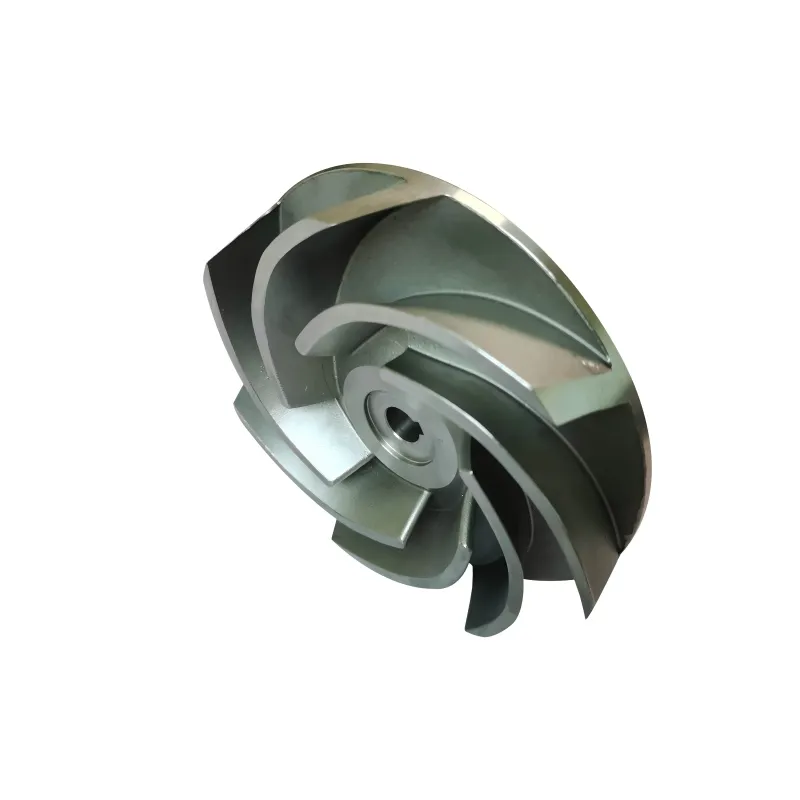
When someone says 'stainless steel,' most people immediately picture the shiny, non-rusting stuff in their kitchen. In the foundry and machining world, that's almost always an Austenitic stainless steel, typically the 304 or 316 grades. But here's the first common pitfall: assuming all austenitics are created equal for a job. I've seen too many drawings just specify stainless and leave us to guess, which inevitably leads to a conversation, or worse, a callback. The high nickel and chromium content gives it that corrosion resistance and makes it non-magnetic, sure, but the machinability? That's a different story. It's gummy, it work-hardens like crazy if you're not careful with your feeds and speeds, and that beautiful surface finish everyone wants requires a meticulous process, not just a sharp tool.
The Foundry Floor Reality: Casting Austenitic Grades
Casting it is an art form in itself. At our shop, we deal with a lot of investment and shell mold casting for complex components. Pouring an austenitic alloy like CF8M (the cast equivalent of 316) isn't like pouring carbon steel. The fluidity is different, the shrinkage is more pronounced, and you have to be incredibly vigilant about inclusions. We learned this the hard way early on with a batch of valve bodies for a marine client. The specs called for pressure integrity, but we had a few units failing hydro tests. After sectioning, we found micro-shrinkage porosity that wasn't visible on the surface radiography. The issue? It wasn't the material certs—they were fine—it was our gating and risering design for that particular geometry. We were using a pattern that worked beautifully for carbon steel but choked the feed path for the austenitic's solidification characteristics.
That's the thing with Austenitic stainless steel in casting: you can't just copy-paste processes from other material families. The high alloy content changes everything about how the metal flows and cools. We had to go back, simulate the solidification again with the correct thermal parameters for the specific grade, and redesign the feeding system. Added a couple of extra risers in tricky sections. Solved the problem, but it cost us time and a few good ingots of material. It drilled into the team that stainless in a drawing needs to come with a specific grade, and even then, our process engineering has to be tailored.
This is where long-term experience in a facility matters. A company like Qingdao Qiangsenyuan Technology Co., Ltd. (QSY), with over three decades in casting and machining, has inevitably built a deep library of these subtle, grade-specific process parameters. It's not something you find in a textbook; it's in the logs from past jobs, the notes from the furnace operators, the slight adjustments the pattern makers know to make. When they say they specialize in materials including stainless steel and special alloys, that specialization isn't just about having the furnaces—it's about having the accumulated, often hard-won knowledge of how to get a sound casting from liquid metal to finished shape without hidden defects.
Machining: Where Theory Meets the Chip
If casting it is an art, machining it is a disciplined science with a lot of room for error. The work-hardening tendency of austenitic steels is legendary. You can take a perfect cut, but if your tool lingers or rubs, you've just created a spot harder than your tool's cutting edge, guaranteeing a ruined finish and a chipped insert on the next pass. I remember setting up a CNC job for a 316L flange on a new machine. The programmer used parameters from a similar-looking carbon steel part. The first part looked okay, but by the third, the surface was tearing, and the tool was screaming. We had to stop, reevaluate everything.
The key is controlling heat and maintaining consistent, positive chip evacuation. Coolant isn't just for cooling here; it's for lubricity and washing away that stringy, tough chip before it gets wrapped around the workpiece or tool. We switched to a more aggressive, sharp geometry insert with a dedicated stainless steel coating, dropped the speed a bit, and increased the feed to get under the work-hardened layer from the previous cut. Night and day difference. The chips turned from blue, tangled birds' nests to a nice, consistent silver curl. The surface finish went from a ragged Ra 3.2 to a clean Ra 1.6.
This is the practical, hands-on tuning that defines real machining capability. It's why a shop's claim of CNC machining expertise needs to be material-specific. Anyone can run aluminum fast. Running 316 or 304 efficiently, with tight tolerances and good surface integrity, especially on thin-walled castings where you can't clamp too hard for fear of distortion, that's the benchmark. It requires technicians who understand the material's behavior, not just the G-code.
The Alloy Nuances: Not All 304 is Just 304
Another layer is the subtle variations within the austenitic family. Take 304 versus 304L. The 'L' denotes low carbon, specifically to combat sensitization—the formation of chromium carbides at grain boundaries during welding or high-temperature exposure, which depletes local chromium and kills corrosion resistance. For a part that will be welded post-machining, specifying 304 instead of 304L is a fundamental error. I've seen it happen. A customer provided their own material certs for 304 bar stock for a welded assembly. We machined it, they welded it, and six months later, they had fine cracks along the heat-affected zones in a corrosive environment. The material was to spec, but the wrong spec for the application.
Then there are the special austenitics, like the high-molybdenum grades (316, 317) for chloride environments, or the stabilized grades like 321 with titanium. Each one machines slightly differently. 321, for instance, has those titanium inclusions which can be abrasive on tools. You need to account for that. When a company's material list includes special alloys like nickel-based ones, it often implies they've had to navigate these nuances. The mindset and tooling strategies start to overlap. The attention to detail required for Inconel directly benefits the machining of a tricky austenitic stainless.
This gets to the core of material selection support. A good manufacturing partner doesn't just take an order; they should be able to spot these potential application mismatches. If a drawing for a seawater pump component calls for 304, there should be a flag raised, a conversation started. Maybe 316 is needed, or perhaps a duplex stainless for better strength. That consultative layer is born from seeing things fail and succeed in the field.
From Raw Casting to Finished Part: The Integrated Challenge
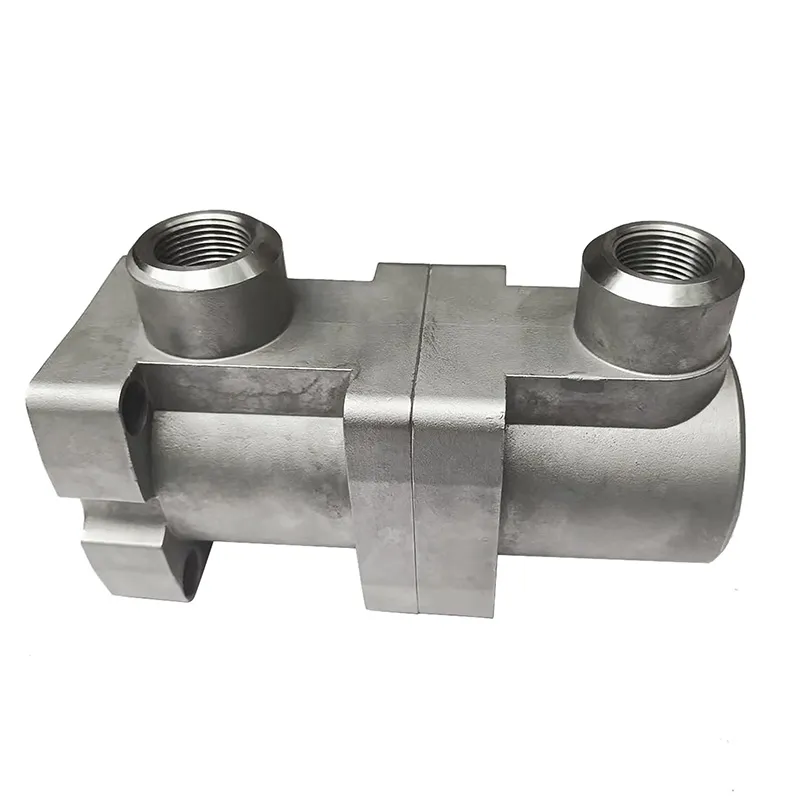
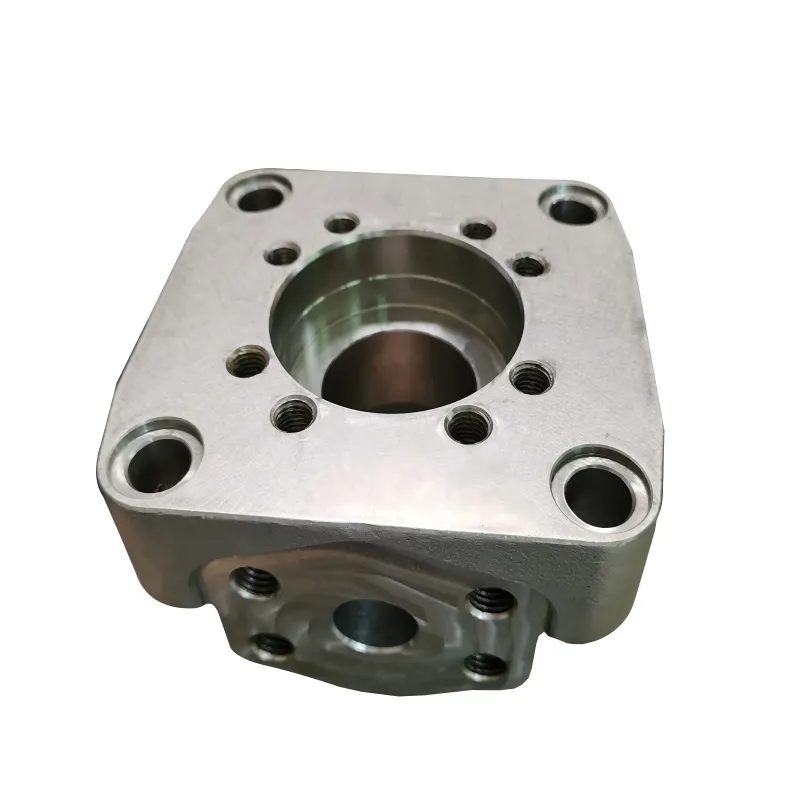
The real test comes when you're handling the entire value chain, like a shell mold casting that then needs precise CNC machining on critical faces and bores. The as-cast surface of austenitic steel has a hard, oxidized scale and a decarburized layer. Your first machining pass has to be deep enough to get under all that, to clean, sound metal. If your casting has slight variation, your CNC program needs allowances for that. We integrated a probing routine on our machines to find the actual stock on a datum face before the full finishing cycle begins. It adds a minute to the cycle time but saves a part from being scrapped because a cut was too shallow over a low spot.
This integration is a significant advantage. At a place like QSY, where the processes of shell mold casting, investment casting, and CNC machining are under one roof, the feedback loop is short. The machining team can tell the foundry if they're consistently finding a hard spot in a certain area of the casting, which might point to a chilling issue in the mold. The foundry can adjust the casting process to provide a more consistent, machinable starting point. This synergy is critical for materials that are challenging to both form and cut.
It also allows for more efficient handling of near-net-shape casting. For an austenitic stainless part, you want to minimize the amount of expensive alloy you have to turn into chips. By casting closer to the final shape and only machining the critical interfaces, you save massive amounts of material cost and machine time. But this requires incredible coordination between the design of the casting pattern and the setup of the machining fixtures. It's a high-level game of manufacturing efficiency that's only possible with deep, cross-process expertise.
Concluding Thoughts: Respect the Material
So, what's the takeaway after years of working with it? Austenitic stainless steel is a phenomenal family of materials, but it demands respect. It's not a drop-in replacement for milder steels. Its success in an application hinges on three things: selecting the right grade for the service environment, employing a forming process (like casting) tailored to its specific solidification behavior, and executing a machining strategy that acknowledges its unique cutting mechanics. Get any one of those wrong, and the excellent corrosion resistance and toughness you paid for might never be realized in the final part.
The companies that consistently deliver good austenitic stainless components aren't just order-takers. They are problem-solvers with a granular understanding of metallurgy and process interaction. They ask questions about the end-use, they have the historical data to avoid past pitfalls, and they have the in-house capabilities to adjust multiple stages of manufacturing in concert. That's the real definition of specialization in this field—it's less about the equipment list and more about the accumulated, practical wisdom applied to every job that comes through the door.
In the end, it comes down to treating the material as a partner with its own personality, not just a commodity to be shaped. When you do that, you unlock its full potential, and that's what separates a functional component from a reliable, long-lasting one. That's the goal, anyway. We're still learning new tricks every time a challenging print lands on the desk.