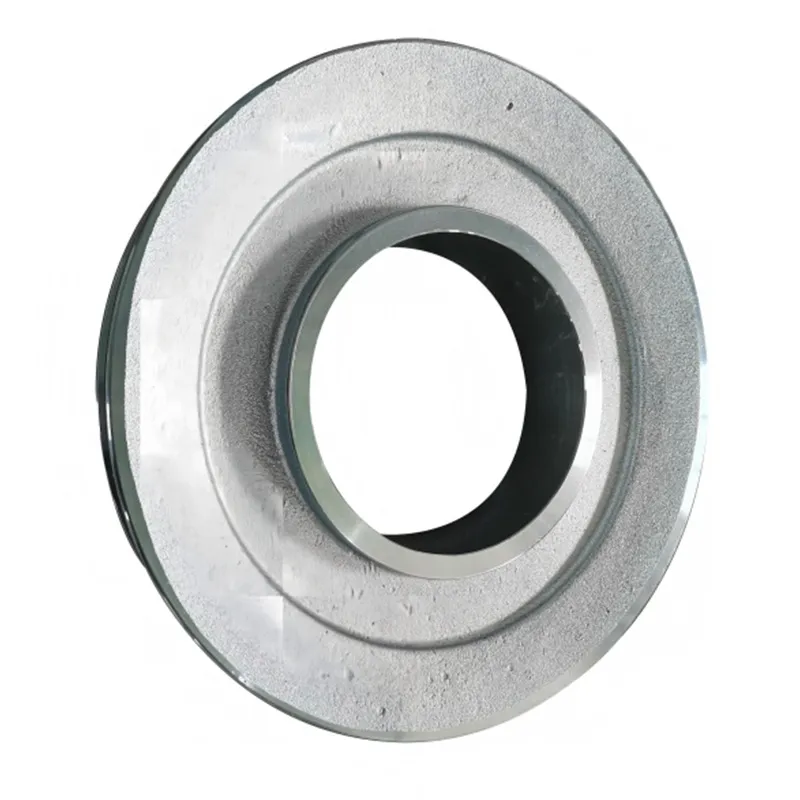
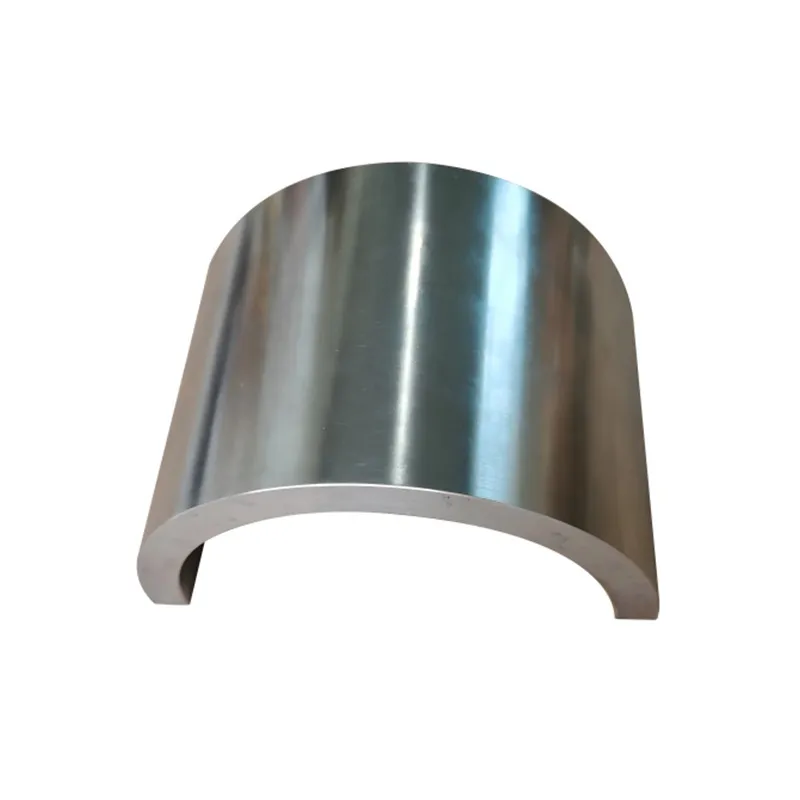
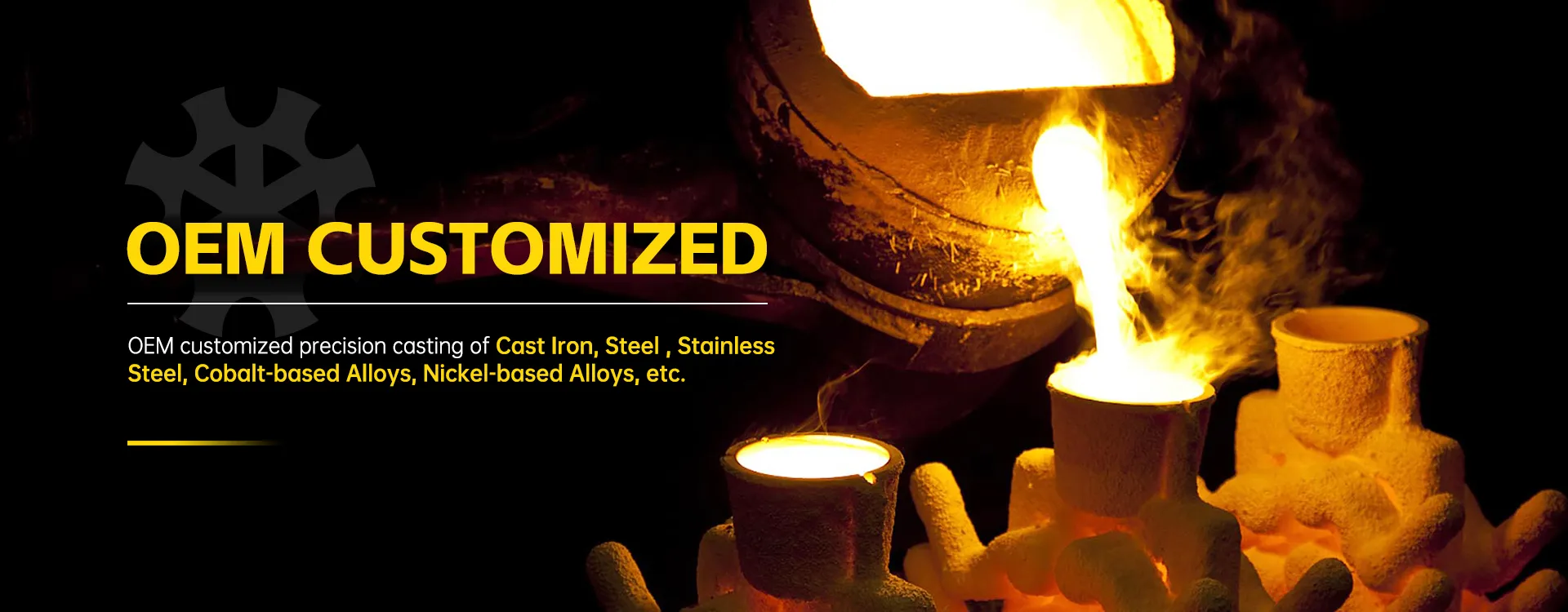
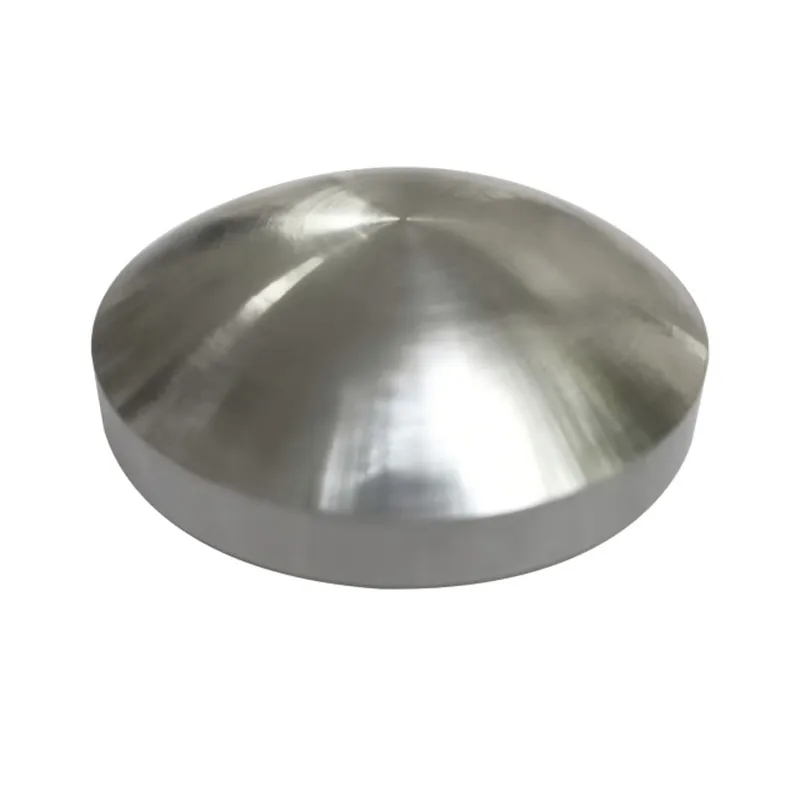
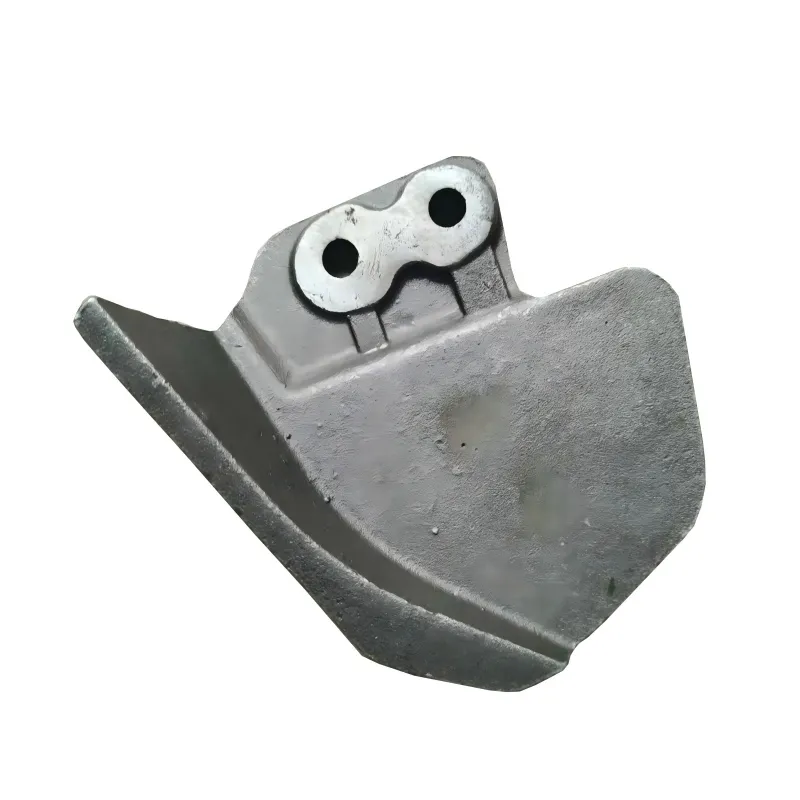
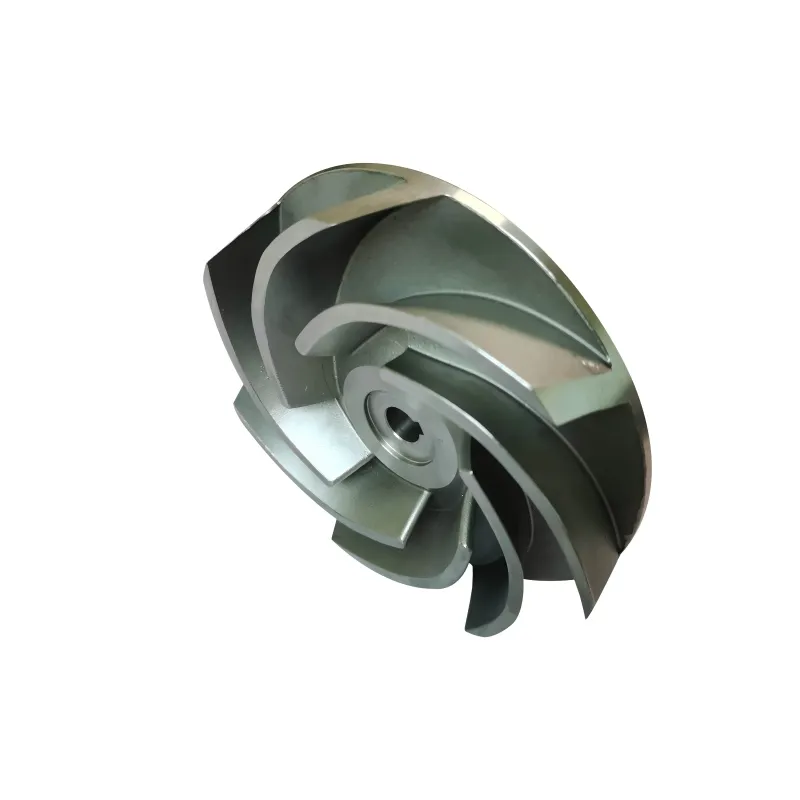
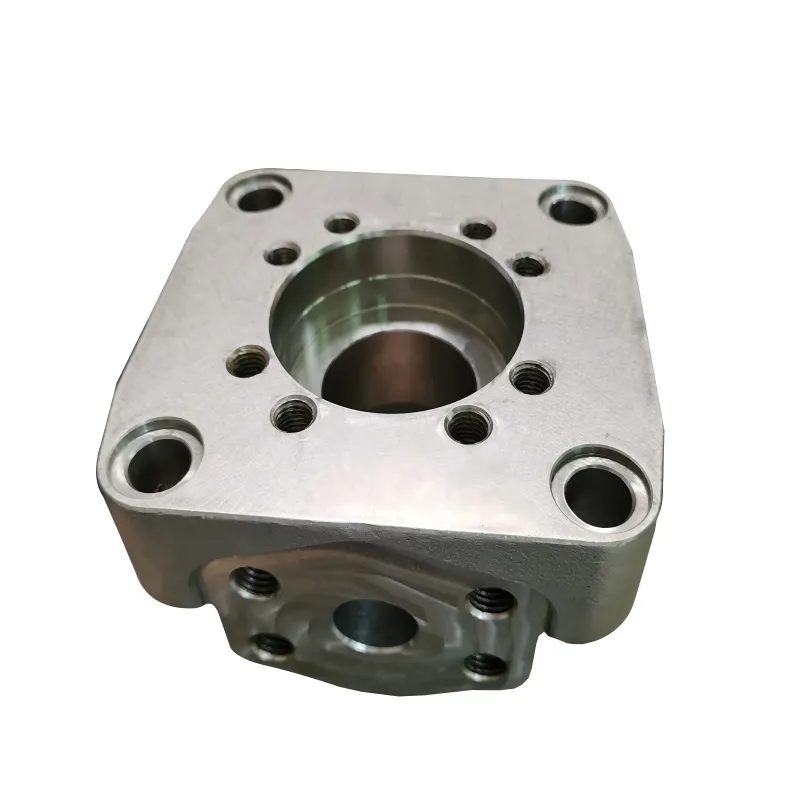
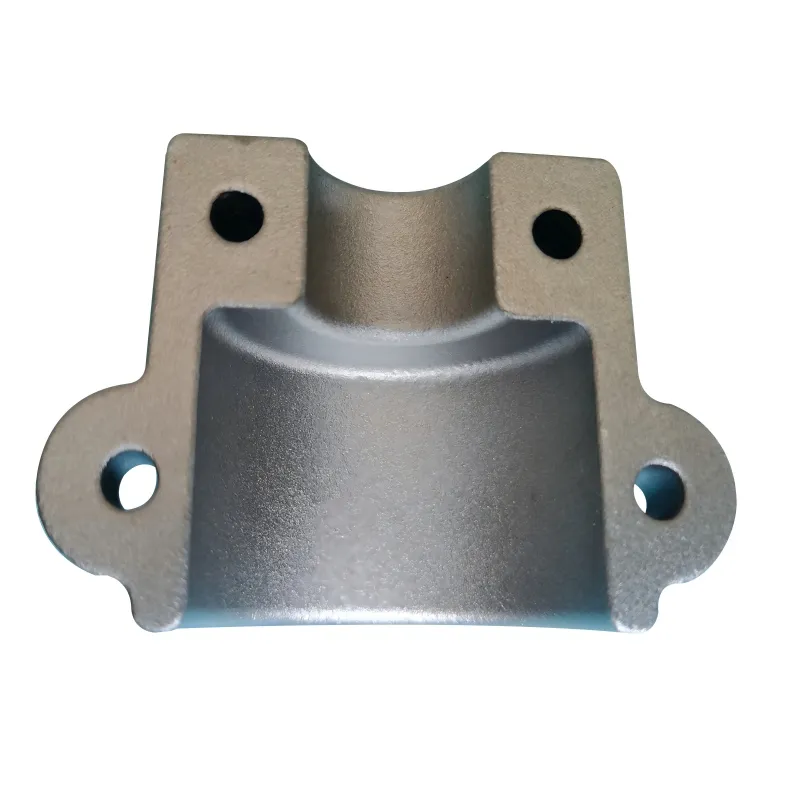
Let's talk about automated sand casting. Most folks hear that and picture a fully lights-out factory, robots whirring, pouring molten metal untouched by human hands. That's the marketing dream, but the reality on the ground is more... layered. It's less about total replacement and more about stitching together islands of automation where it genuinely cuts cost or solves a quality headache. The real shift isn't just in pouring; it's upstream in mold handling and sand reclamation, and downstream in shakeout and cleaning. Many shops jump in thinking automation is a silver bullet for labor shortages, only to find it introduces new complexities in maintenance and process control that their old manual systems never had.
The Core of It: What Automation Actually Means Here
In our context, at its most effective, automation often starts with the mold line. Think automated pattern handling, controlled sand filling and compaction—like using a automated sand casting system with high-pressure squeeze or impact molding. The goal is consistency. Human operators are brilliant at adjustment, but for a high-volume job like engine blocks or hydraulic valve bodies, you want every mold cavity to have the same density, the same hardness. That's where machines win.
But here's the catch everyone learns the hard way: your sand preparation needs to be rock-solid first. Automating a flawed sand mixing process just makes bad molds faster. We learned this years ago on a run for pump housings. We had a semi-automatic molding line, but the bentonite and water addition were still manual. Variations in sand moisture led to a spike in gas defects. The automation amplified a pre-existing problem. The fix wasn't more robots; it was automating the mulling station first.
This ties back to companies that have grown with the technology. Take a foundry like Qingdao Qiangsenyuan Technology Co., Ltd. (QSY). With over 30 years in casting and machining, they've likely seen this evolution firsthand. They specialize in shell and investment casting, but the principles cross over. To handle materials from cast iron to nickel-based alloys reliably, the foundation—whether it's sand or ceramic shell—has to be perfect before you speed things up. Their move into CNC machining for finishing also speaks to the need for precision that often starts with a consistent casting process.
The Pouring Paradox: Where Human Judgment Still Matters
Pouring automation is the poster child, but it's tricky. Automated pouring systems—lip-pour furnaces, pour cups with laser level control—are fantastic for repeatability and safety. They eliminate human fatigue from handling heavy ladles. For a long series of identical castings in ductile iron or standard steel, it's a no-brainer.
However, for short runs or alloys with tricky solidification behavior, like some of those cobalt or nickel-based special alloys, a seasoned pourer's eyes are worth their weight in gold. They watch the metal flow, the thermal signature, and can make micro-adjustments on the fly. I've seen an automated pour on a complex stainless steel gate valve body lead to mistruns because the program's timing was a fraction off for that particular gating design. The machine did exactly what it was told. Sometimes, that's the problem.
The hybrid approach often works best: automate the transport and positioning of the ladle to the mold, but let a skilled operator trigger and guide the pour. It reduces physical strain but keeps that critical judgment in the loop. This is where the automated in automated sand casting needs a pragmatic definition.
The Hidden Bottleneck: Shakeout and Cleaning
This is where many automation projects stumble. You can make perfect molds and pour them beautifully at high speed, only to create a mountain of hot castings that need to be separated from sand, have their gates and risers removed, and be cleaned. If this stage is manual, it becomes the new constraint.
Vibratory shakeout tables connected to conveyor belts are the first step. But then you need automated shot blasting, and potentially sawing or grinding robots for degating. The capital cost jumps here. For a shop like QSY, integrating CNC machining later means the casting needs to be presented accurately. Inconsistent gate removal can ruin that fixturing. So, the cleaning automation isn't just about labor; it's about preparing a precision workpiece for the next stage.
We implemented a robotic grinding cell for aluminum castings once. Programming the robot's path for each new part geometry was a significant upfront time cost. The payoff only came after hundreds of identical parts. It taught us that automation's ROI is deeply tied to part volume and design stability.
Data and the Digital Mold
The less-discussed side of automation is data collection. Modern automated molding machines are data hubs. They log mold hardness, squeeze pressure, cycle times. This creates a digital fingerprint for every mold. When a casting defect appears—say, a shrinkage cavity in a thick section of a cast steel bracket—you can trace it back to see if that specific mold was outside parameters.
This moves quality control from inspection (finding bad parts) to prevention (stopping bad molds from being made). It's a fundamental shift. For a multi-process operation, this traceability is gold. If QSY machines a casting and finds a hidden flaw, being able to trace it to a specific mold cycle on a specific line informs corrections not just in sand casting, but potentially in their shell or investment processes too, creating a feedback loop across their 30-year expertise.
But the data is useless without people who can interpret it. You need process engineers who understand what a spike in compaction pressure variance actually means for the sand's green strength. The machine gives you the what, the human provides the why.
Looking Ahead: Integration, Not Isolation
The future of automated sand casting isn't a standalone cell. It's about how the casting cell talks to the melting furnace (adjusting pour temperature based on real-time thermal analysis), how the sand reclamation system adjusts based on sand temperature and LOI (Loss on Ignition) readings, and how the finished casting data prepares the CNC machining program.
The real competitive edge for foundries now is this vertical integration of information. It allows for handling more complex materials and geometries profitably. A company's ability to not just make a casting, but to reliably and repeatedly produce a near-net-shape component ready for final machining—like what QSY outlines with their combined casting and machining services—is where the market is heading.
So, when evaluating automation, the question isn't just can a machine do this step? It's how does this step's data affect the next ten steps? That mindset shift, from automating tasks to integrating processes, is what separates a modern, viable foundry from one that's just keeping the lights on. The tools are just tools; the real craft is in the system you build with them.