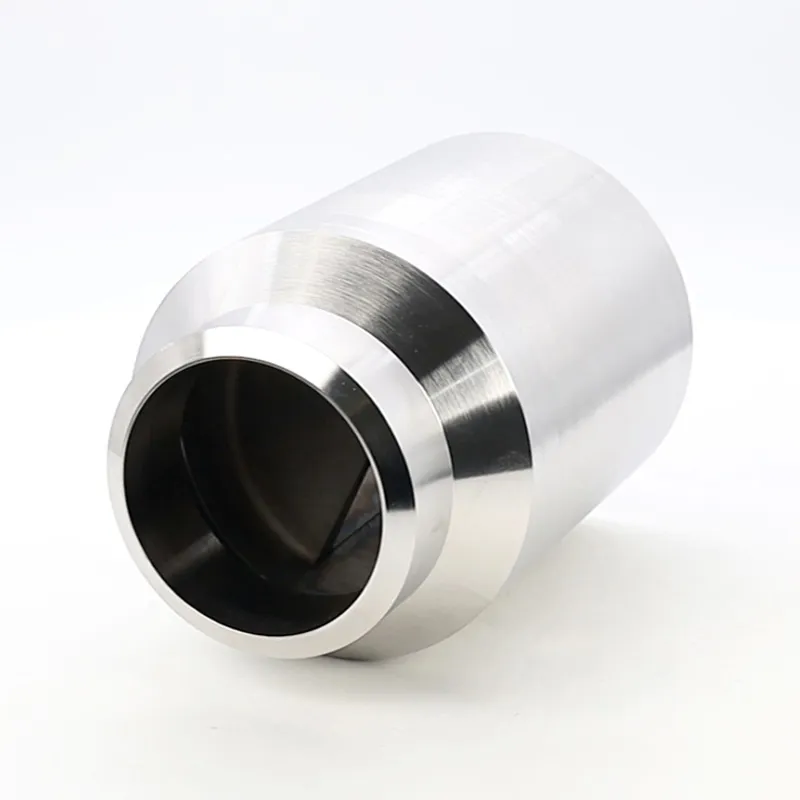
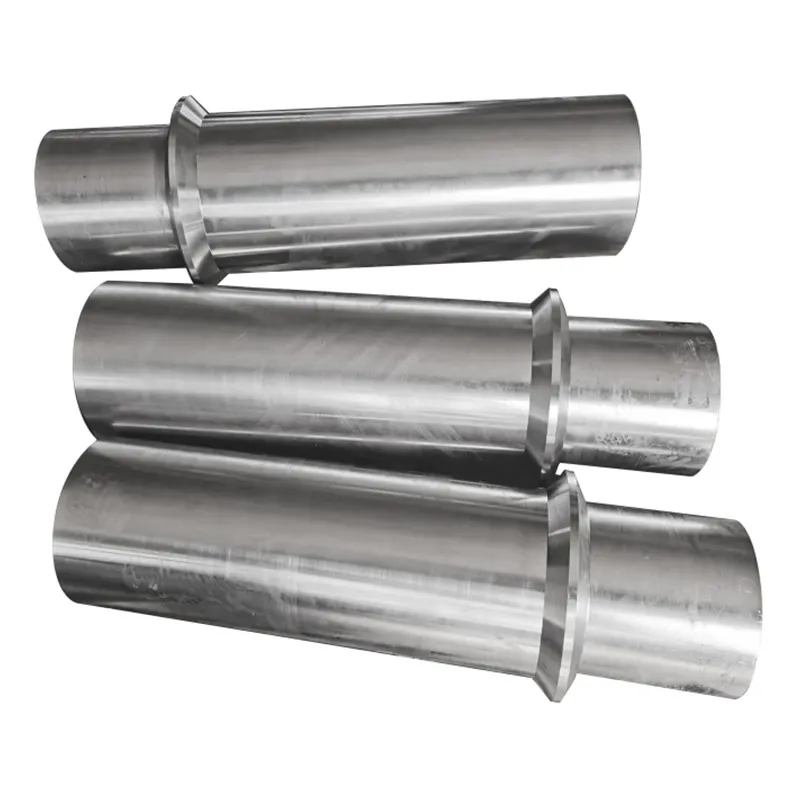
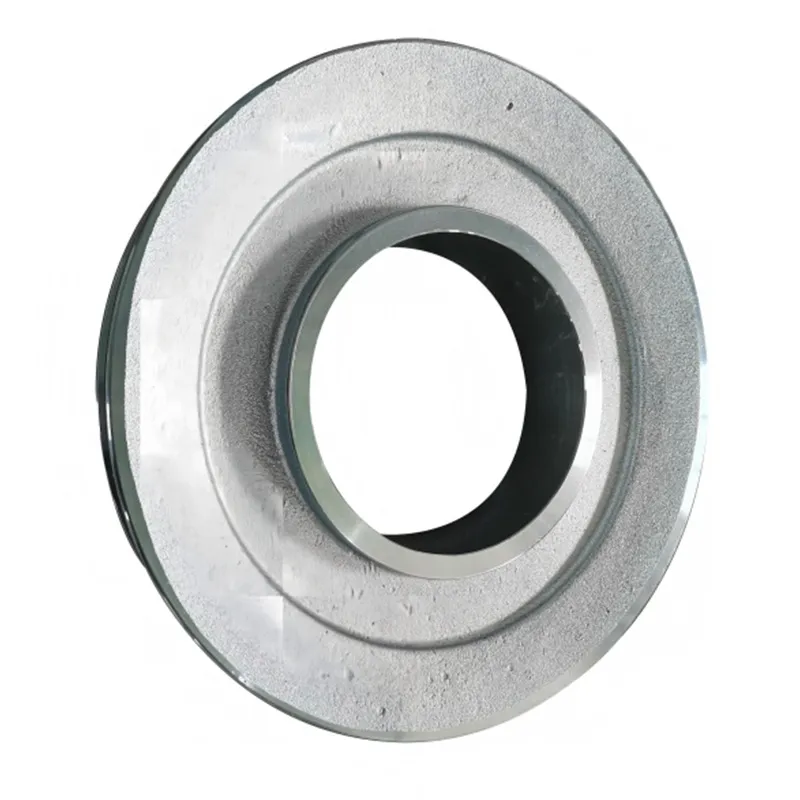
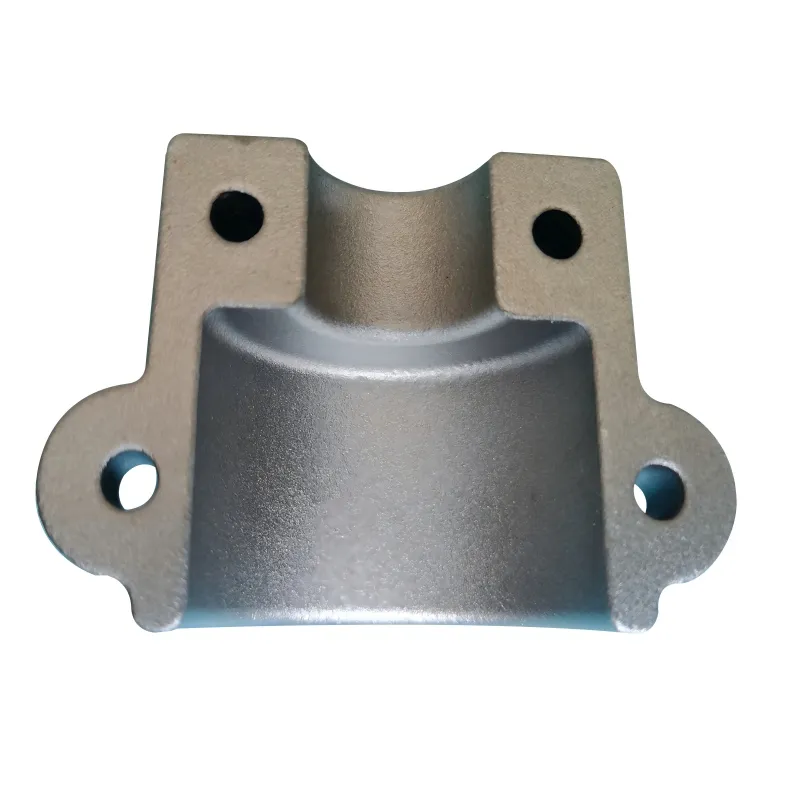
When you hear 'bushing sleeve', most think it's just a simple ring of metal, a spacer. That's the first mistake. In practice, it's a component defined entirely by its function within an assembly, and getting that function right is where decades of foundry and machining experience either pay off or leave you with a costly paperweight. I've seen too many drawings where the tolerance callout for the bushing sleeve OD is tighter than necessary, while the bore finish or material spec is an afterthought. That mismatch between design intent and manufacturable reality is where problems start.
Material is More Than a Spec Sheet
You pick a material for a bushing sleeve based on what it needs to do, not just what's cheap or available. A sleeve for a high-load, low-rotation agricultural pivot? 1045 steel, hardened, might be perfect. But for a pump shaft in a chemical environment, slapping in a standard carbon steel sleeve is a recipe for rapid corrosion and seizure. That's where the alloy knowledge from a supplier like Qingdao Qiangsenyuan Technology Co., Ltd. (QSY) becomes critical. They’ve been dealing with cast iron, stainless, and those special nickel or cobalt-based alloys for 30 years. The difference isn't just corrosion resistance; it's about differential thermal expansion, galling resistance against the shaft material, and how the material behaves under continuous load.
I recall a project for a hydraulic cylinder manufacturer. The sleeve was for a guide. They initially specified a standard ductile iron. It machined beautifully, but in field testing under side load and impact, it developed hairline cracks. The failure analysis pointed to fatigue strength. We switched to a higher-grade, heat-treated alloy steel from QSY's portfolio, which they could both cast and machine. The cost went up, but the warranty claims went down to zero. The lesson was that the material choice for a bushing isn't passive; it actively participates in the failure mode.
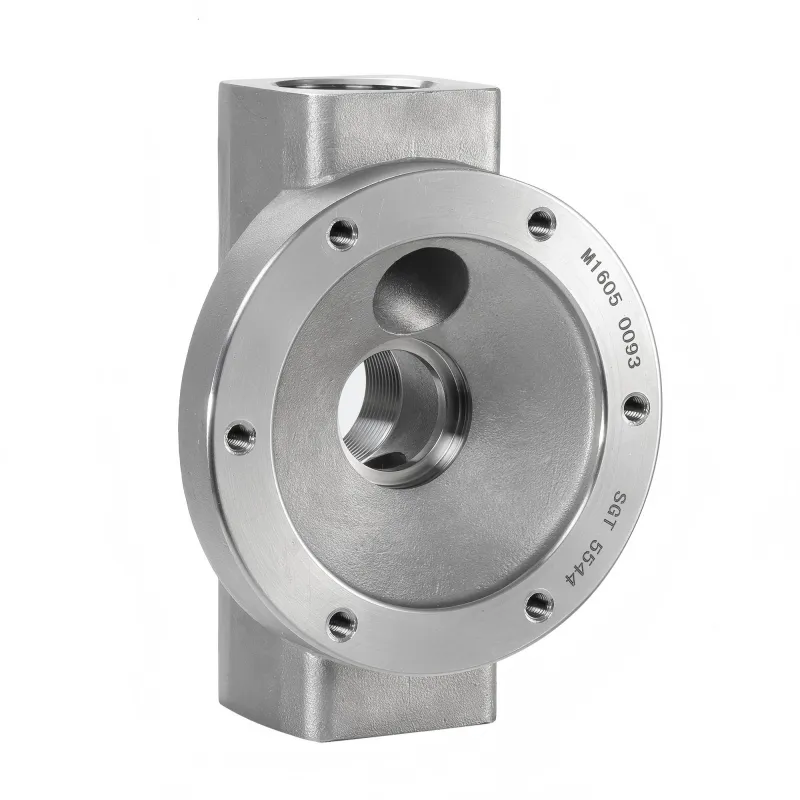
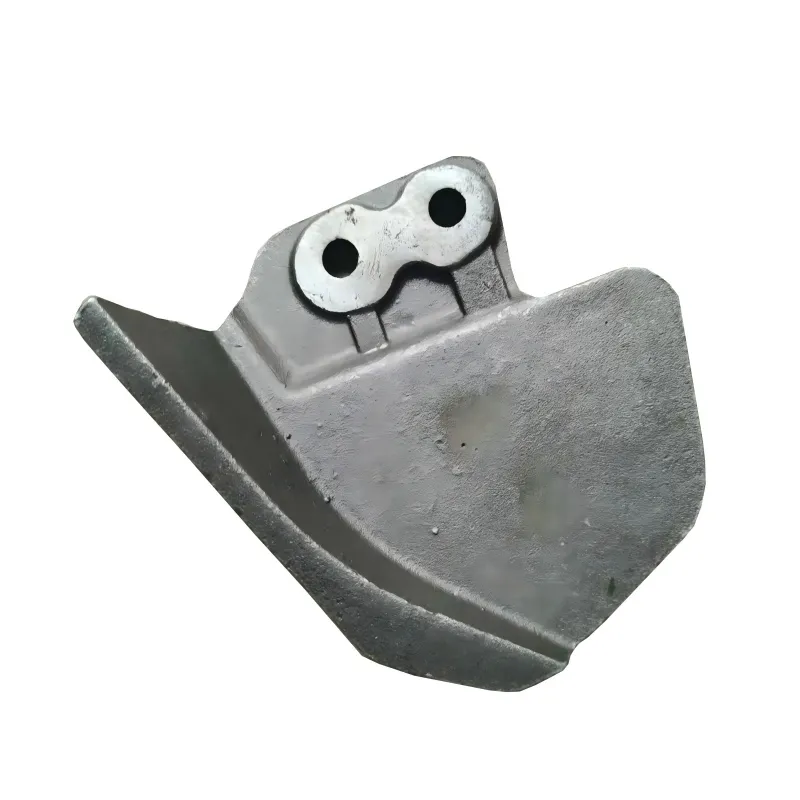
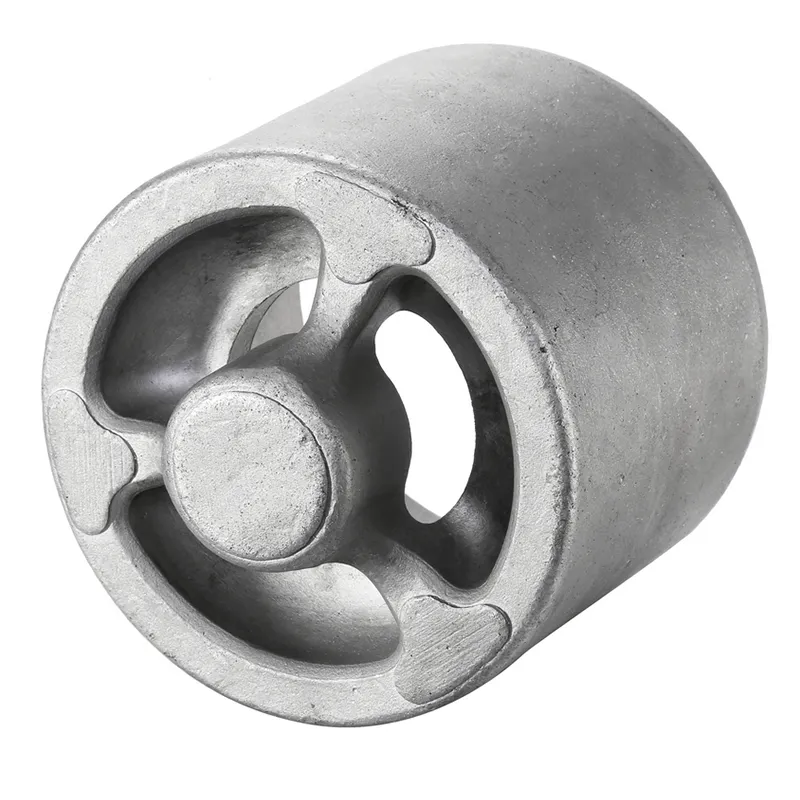
Another nuance is the casting process itself. For complex sleeve geometries with internal galleries or flanges, shell mold or investment casting from a specialist often yields a nearer-net shape than trying to hog it all out from a solid bar. This reduces machining waste and can improve grain flow in the metal. Checking their site at https://www.tsingtaocnc.com, you can see they combine casting with CNC machining. That integration is key. It means the guy machining the bore understands the casting skin and potential porosity, so he can set his tools and feeds to account for it, ensuring the final ID is clean and true.
The Devil's in the Dimensions (and the Finish)
Tolerancing a bushing sleeve is an exercise in understanding the entire stack-up. The OD press-fit into the housing, the ID running clearance for the shaft, the concentricity between the two, and the squareness of the faces. It sounds basic, but I've witnessed assemblies bind because the sleeve, once pressed into its housing, distorted slightly, turning a perfectly round bore into a subtle oval. The fix? Sometimes it's adjusting the press-fit interference, sometimes it's specifying a stress-relief heat treatment post-machining, or sometimes it's just machining the bore after the sleeve is pressed in place for critical applications.
Surface finish on the ID is another silent killer. Too rough, and it acts like a lap, wearing down the shaft. Too smooth (and yes, there is such a thing), and it won't retain lubrication film. A honed or bored finish to a specific Ra is typical, but the direction of the tooling marks matters too. They should ideally run axially to aid in lubricant distribution, not circumferentially. This is the kind of detail you only specify when you've seen the wear patterns from getting it wrong.
Length and wall thickness are often overlooked. A sleeve that's too short for its guiding function can cant under load. A wall that's too thin will deflect, losing its interference fit. There are basic calculations, but experience gives you a feel. For a heavy-duty application, I'd rarely go below a wall thickness that's at least 1/8 of the bore diameter, adjusted for material strength. It's a starting point, not a rule, but it comes from looking at broken parts.
When a Sleeve Isn't Just a Sleeve: Integration and Function
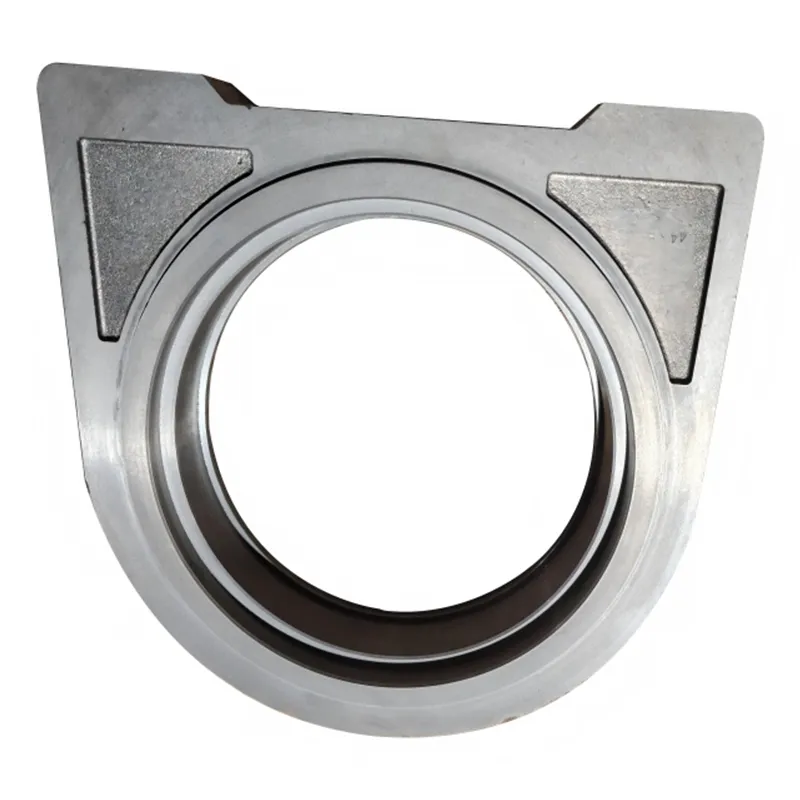
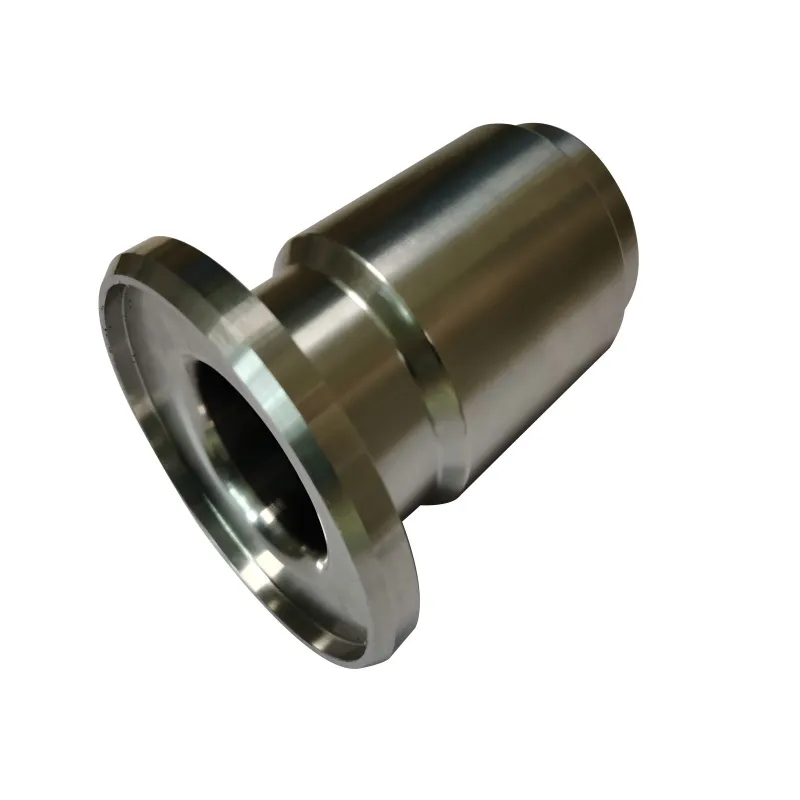
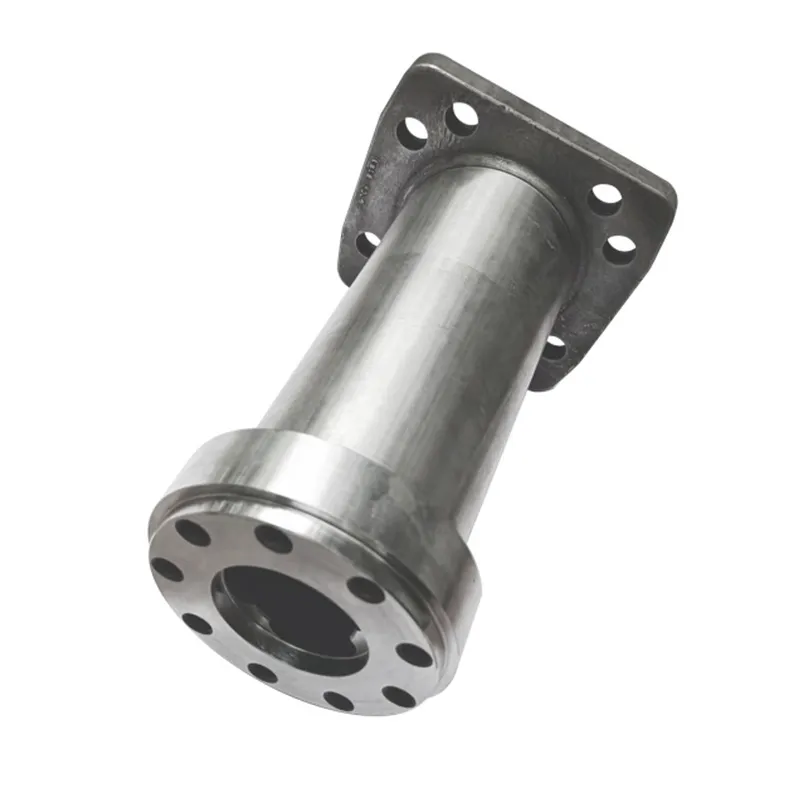
Not all bushing sleeves are simple cylinders. Some are flanged for axial location. Some have grooves for O-rings or grease channels. Some are split (sleeve bearings, really). The manufacturing approach changes completely. A flanged sleeve might be best as a casting to avoid welding. Machining deep, small-diameter grease ports requires the right tooling and coolant pressure to avoid breaking drills inside the part—a frustrating and expensive delay.
I worked on a compressor assembly where the bushing sleeve had a spiral oil groove in the ID. The design called for it to be machined post-installation. However, the housing material and the sleeve material machined at different rates, leading to an inconsistent groove depth. The solution, worked out with the machining team, was to pre-machine the groove slightly undersized in the sleeve alone, then do a final finishing pass after installation. It added a step but guaranteed performance. This is where a supplier's CNC machining capability, like what QSY offers, transitions from a basic service to a problem-solving partnership.
The integration of casting and machining under one roof, as seen with Qingdao Qiangsenyuan Technology, minimizes these handoff errors. The machinist isn't receiving a mysterious black box from the foundry; they're part of the same process flow. This controls variables like datum consistency from the cast blank to the finished part, which is absolutely vital for a component where a few hundredths of a millimeter define success or failure.
Failures and What They Teach
The most instructive moments come from failures. A classic one is fretting corrosion. A sleeve with a correct press-fit, in the right material, still fails. Why? Because under cyclic vibrational load, microscopic movement occurs at the interface between the sleeve OD and the housing ID. This wears away the protective oxide layer, exposes fresh metal, oxidizes, and repeats. The result is a fine, abrasive powder that loosens the fit. The fix might involve a different surface treatment on the OD, like phosphating, or using a retaining compound in addition to the press fit.
Another failure is thermal locking. In a high-temperature application, if the sleeve and shaft material have different coefficients of thermal expansion, a perfect room-temperature clearance can turn into an interference at operating temp, seizing the shaft. We learned this the hard way on a turbine auxiliary drive. The stainless steel sleeve expanded more than the carbon steel shaft. The calculation was missed in the first design iteration. It required a full re-spec: a different alloy for the sleeve to better match the shaft's expansion rate.
These aren't theoretical problems. They're the reasons why the 30 years of background QSY mentions isn't just marketing copy. It's the repository of lessons learned across thousands of cast and machined components, where a bushing sleeve was a critical link in the chain. That experience informs the questions they ask when they receive a drawing: What's the operating environment? What's the mating material? Is this for alignment, wear resistance, or both?
The Pragmatic Takeaway
So, when specifying or sourcing a bushing sleeve, move beyond the simple print. Think of it as a system interface. The material must be chosen for the entire duty cycle—load, speed, temperature, environment. The dimensions must account for assembly deformation and thermal effects. The manufacturing process must be capable of delivering the required geometry and finish without inducing stress or defects.
Partnering with a manufacturer that controls both the metallurgy (through casting) and the precision machining is a significant advantage. It allows for feedback loops. For instance, the machinists can tell the foundry if a particular alloy is consistently causing tool wear, prompting a review of the heat treatment or an alternative suggestion. This collaborative, ground-level problem-solving is what separates a functional component from a reliable one.
In the end, a bushing sleeve is a humble part. But its humility is deceptive. Its success is quiet and unnoticed; its failure is loud and costly. Getting it right is a blend of correct physics, practical metallurgy, and precise manufacturing—a blend that turns a simple ring of metal into a dependable piece of engineering.