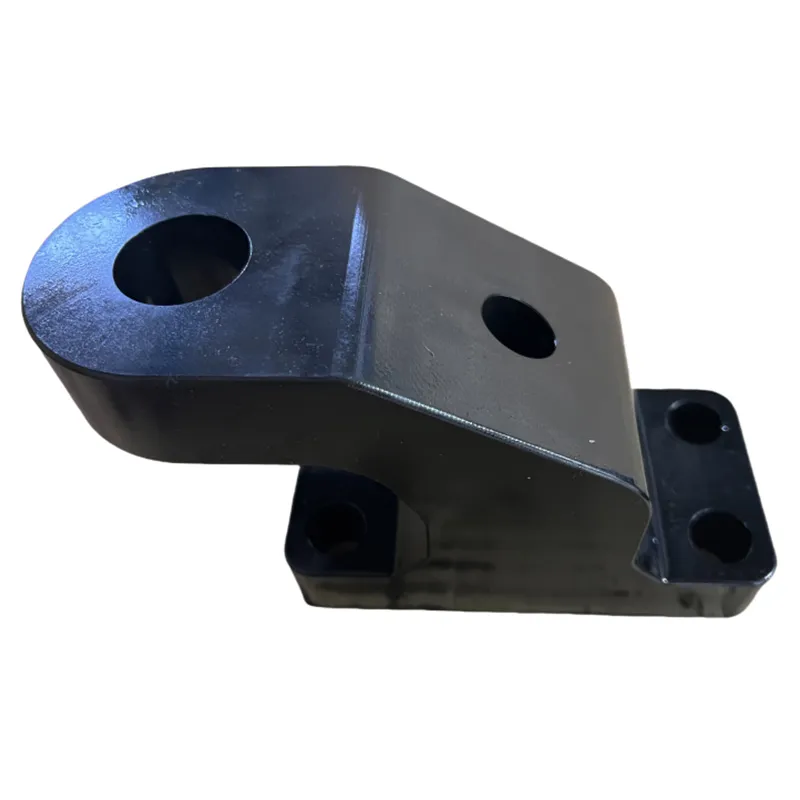
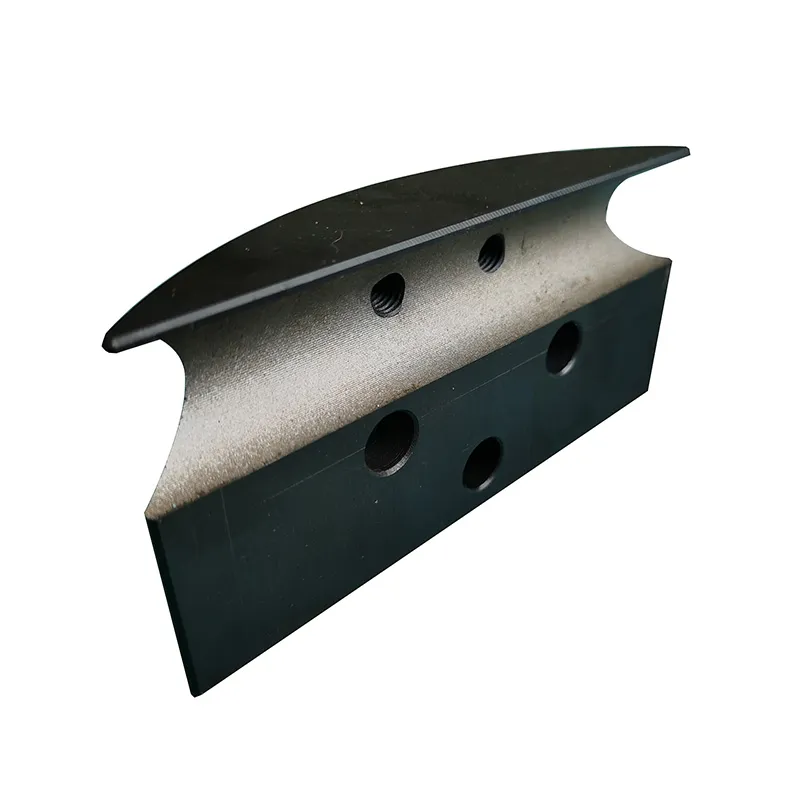
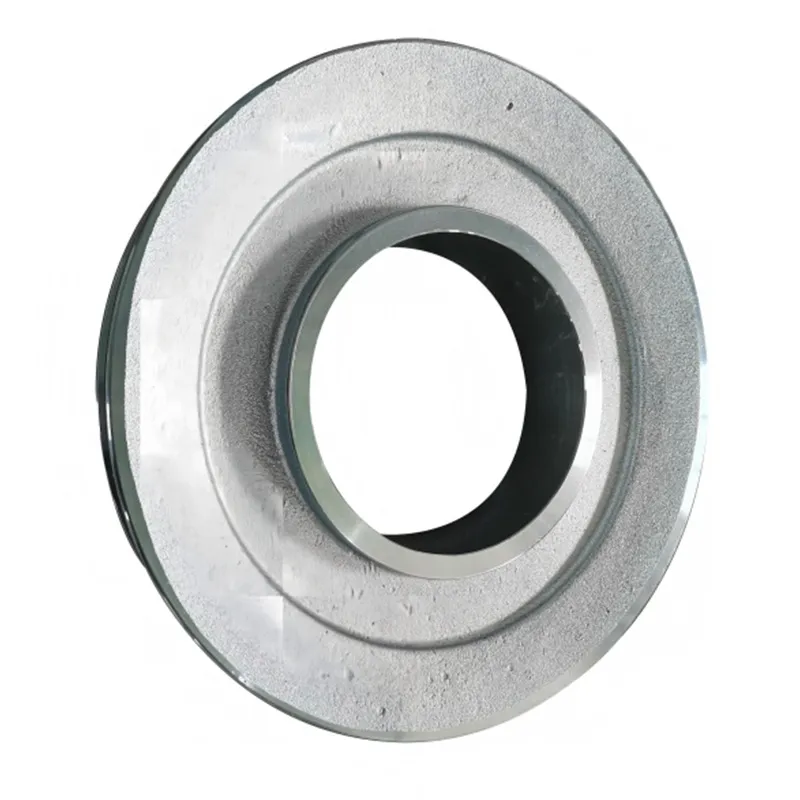
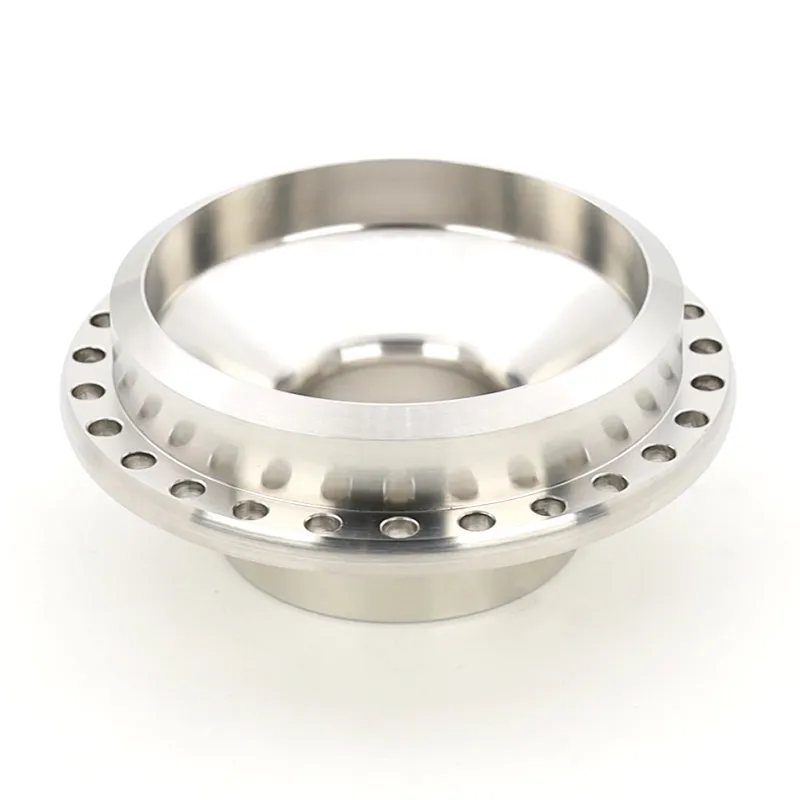
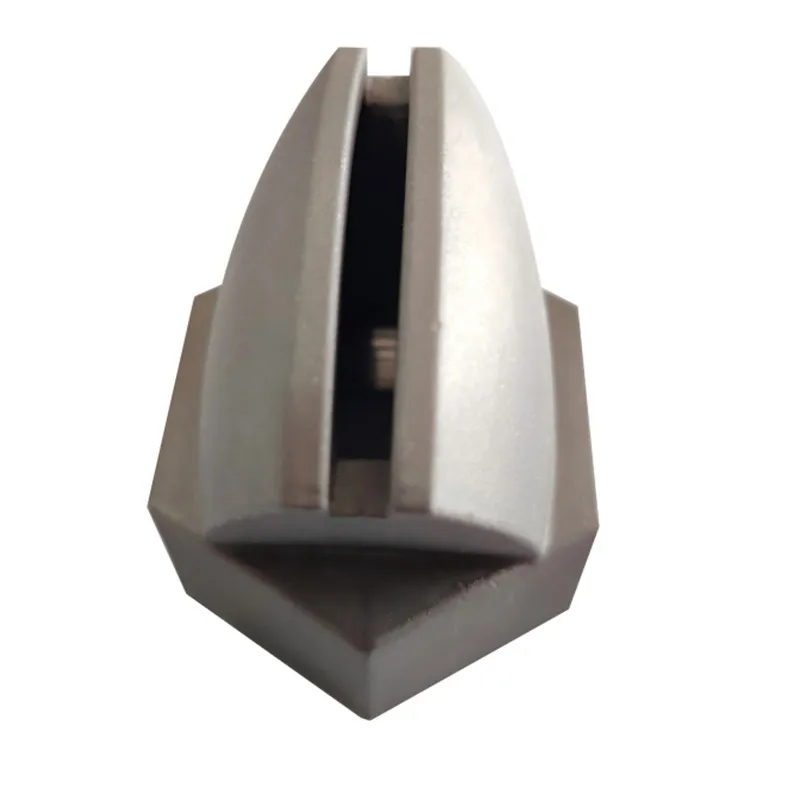
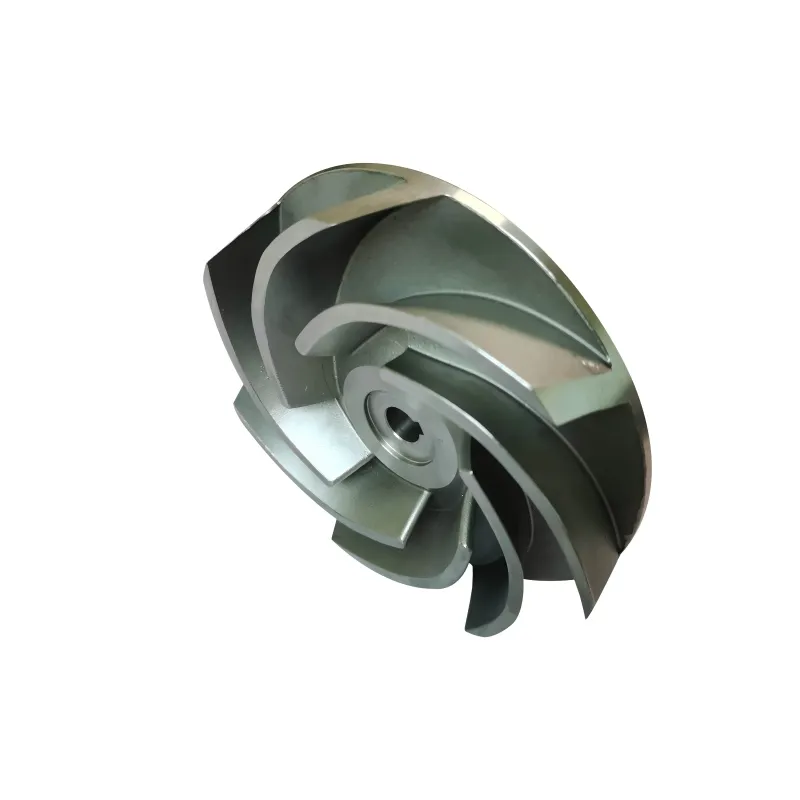
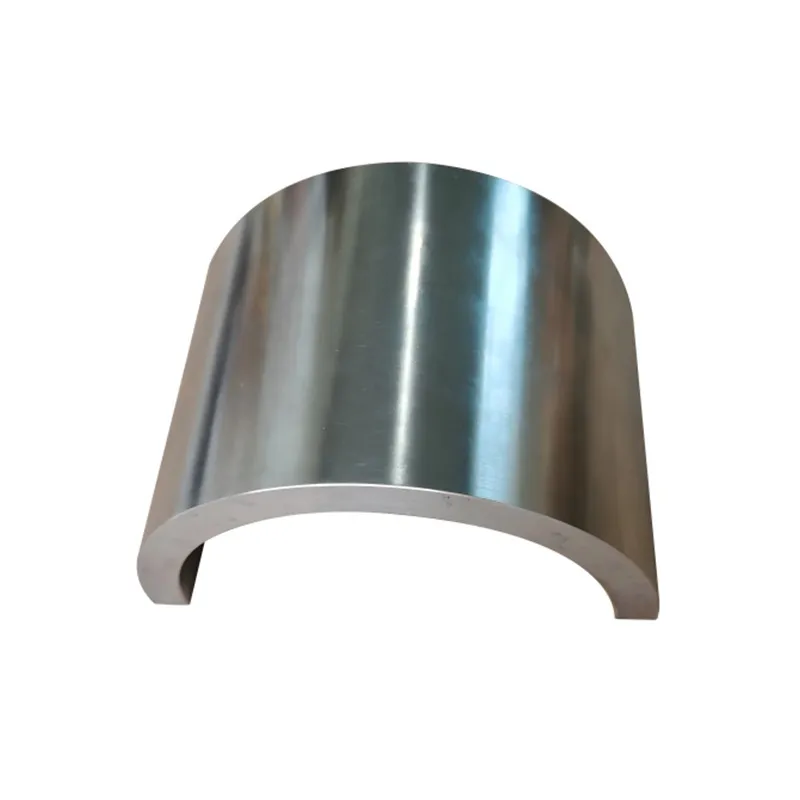
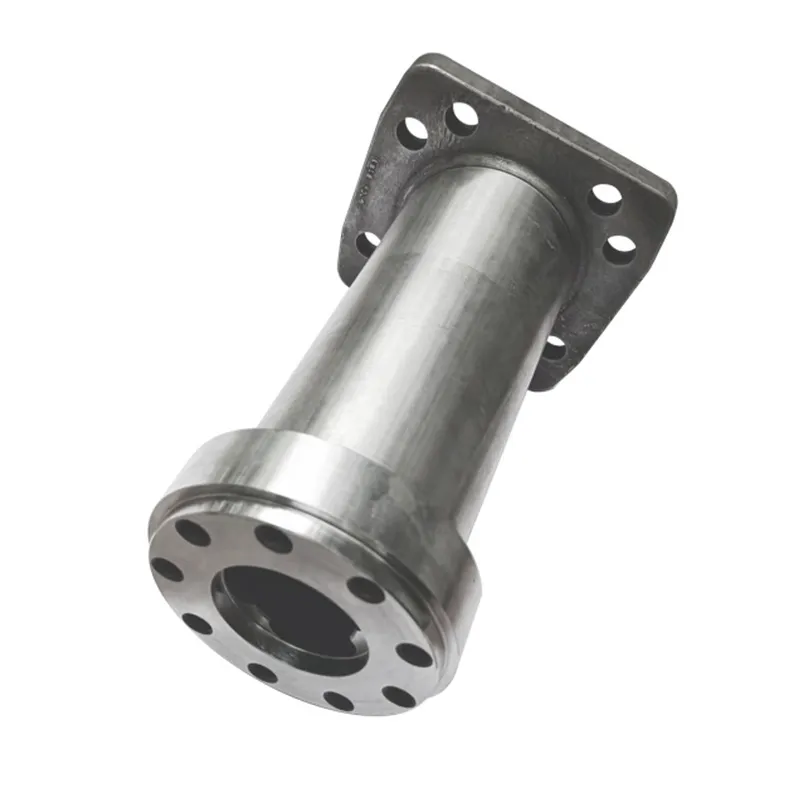
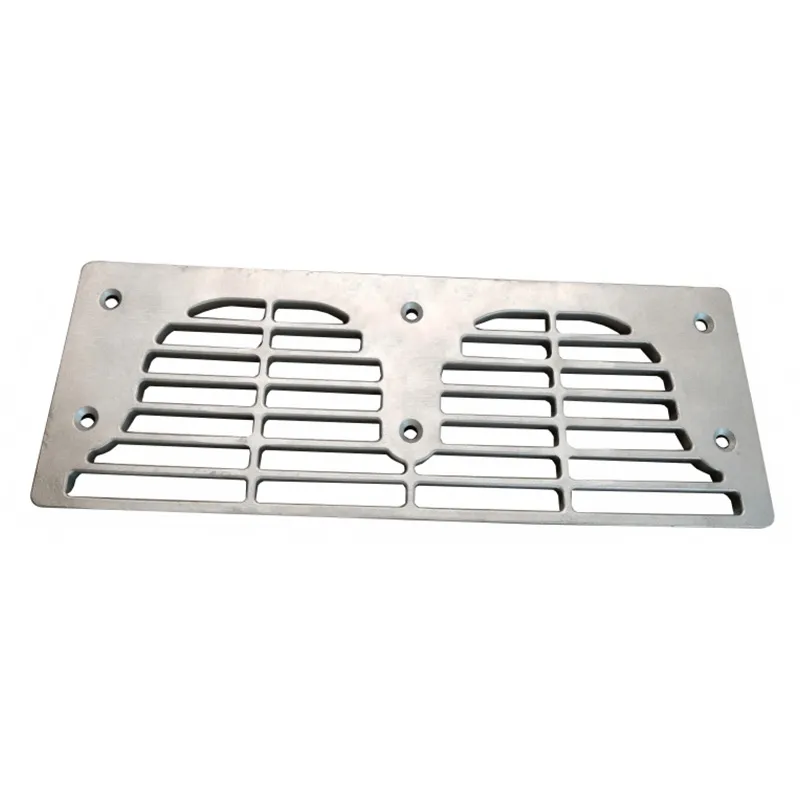
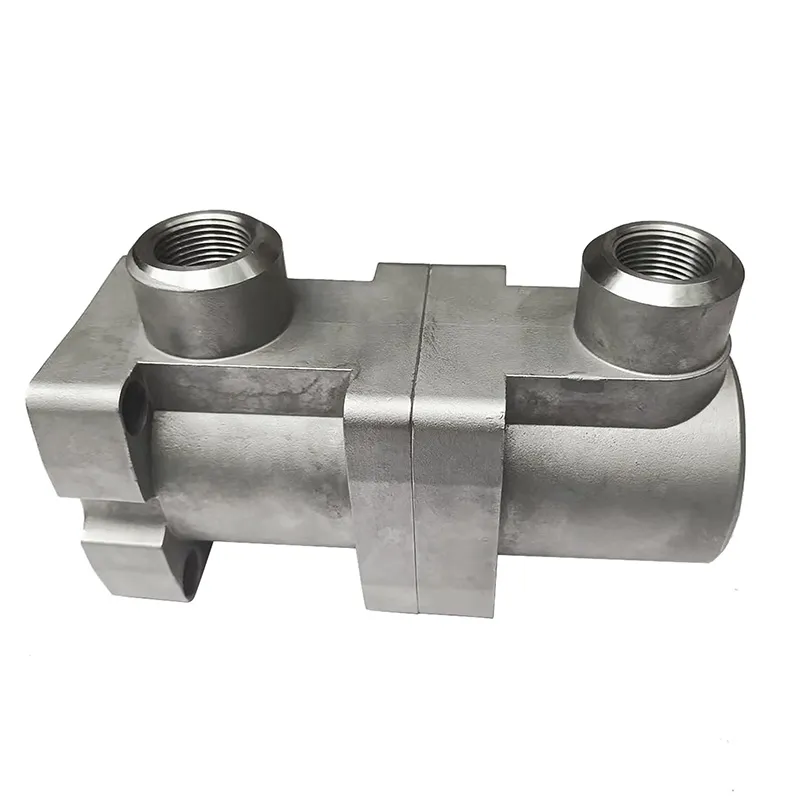
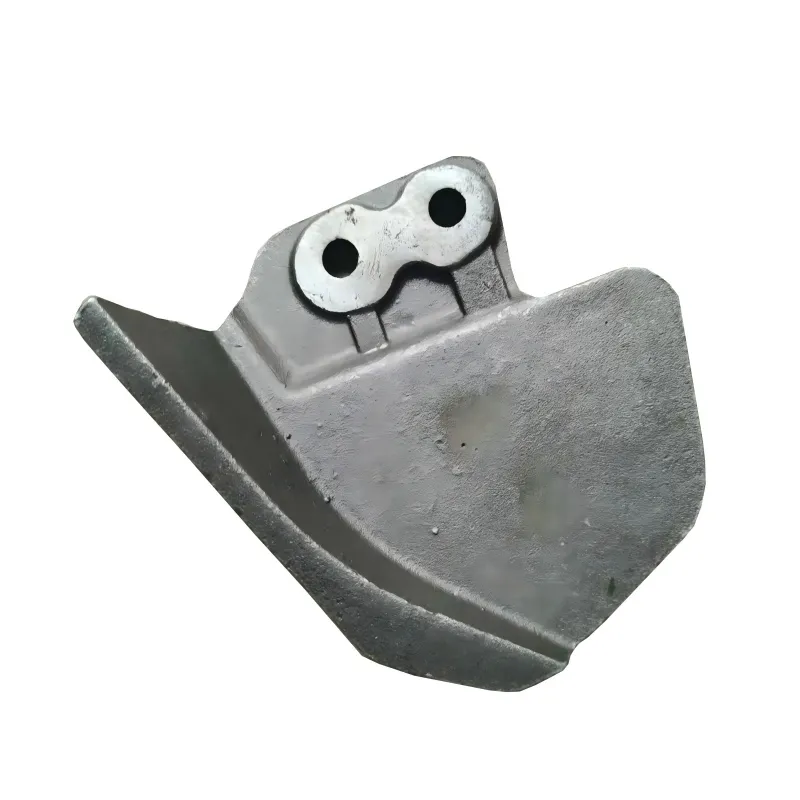
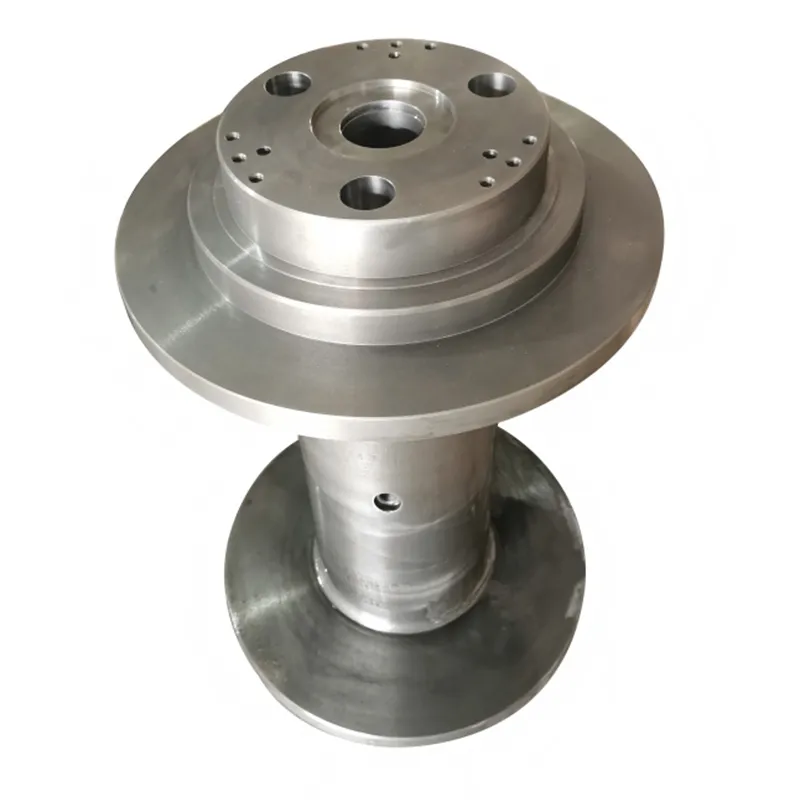
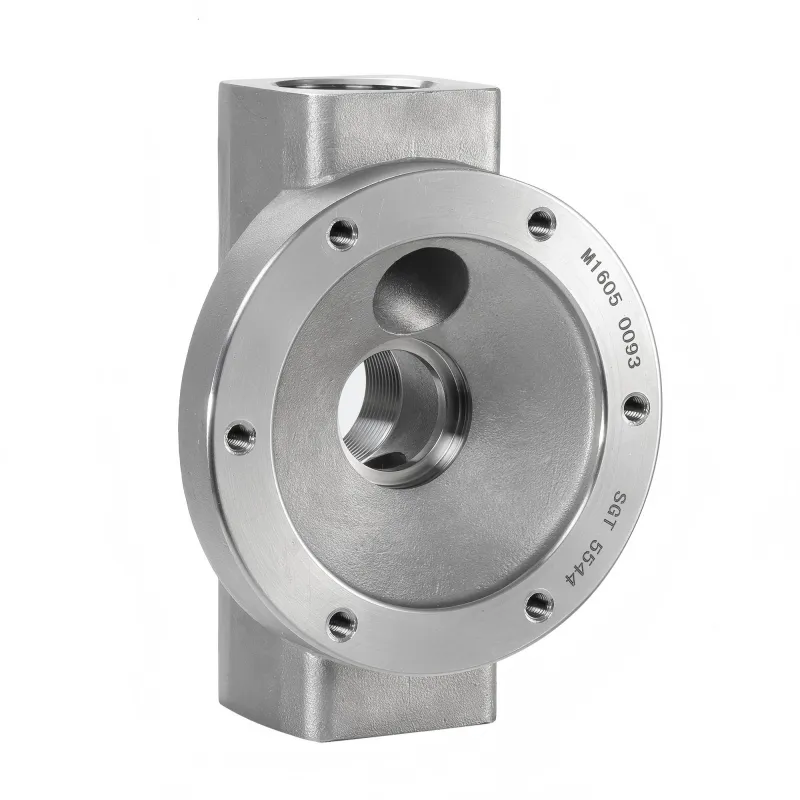
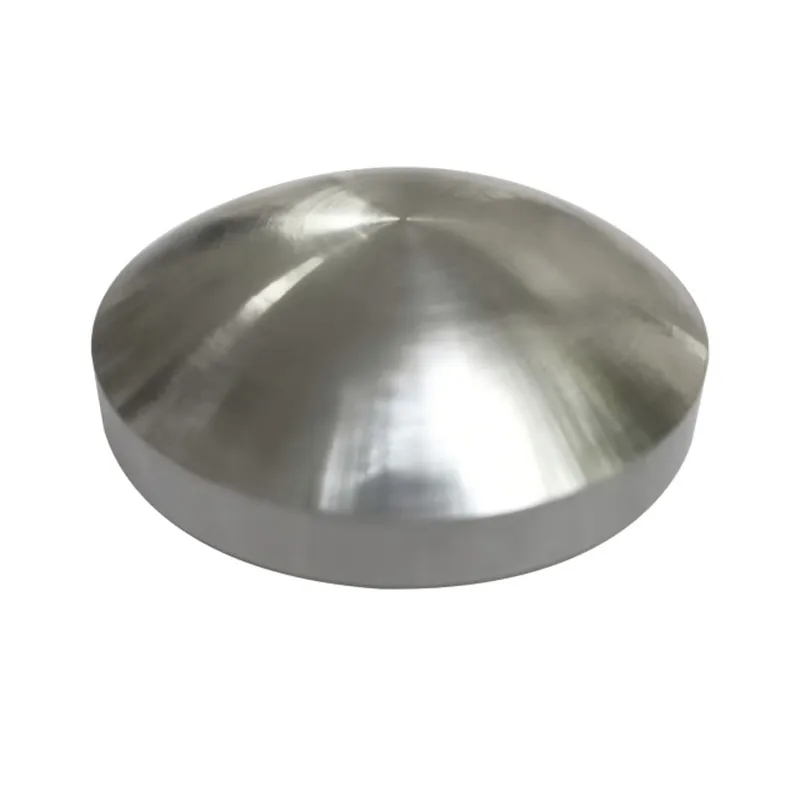
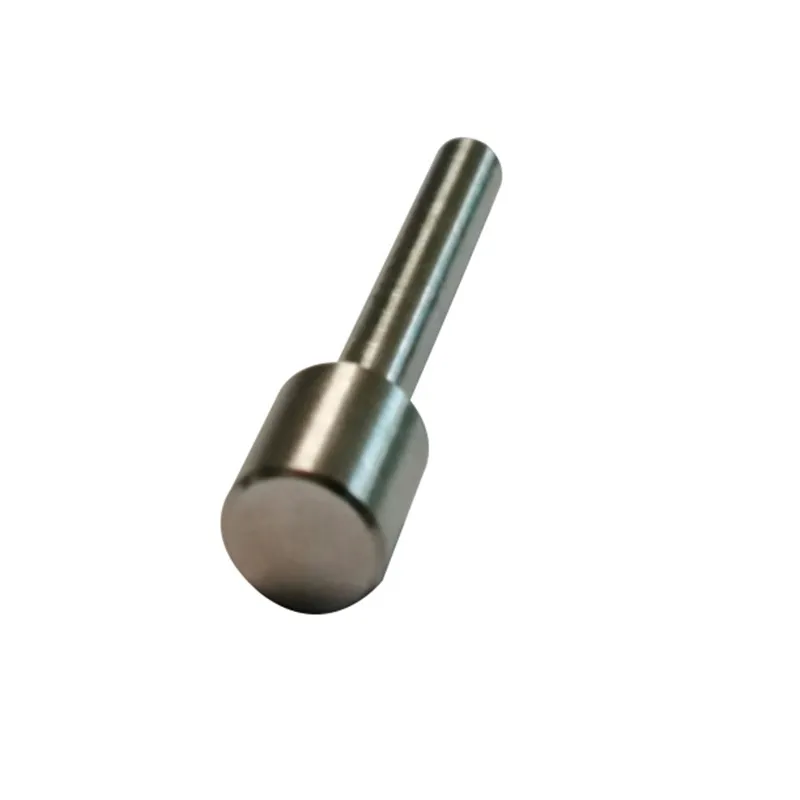
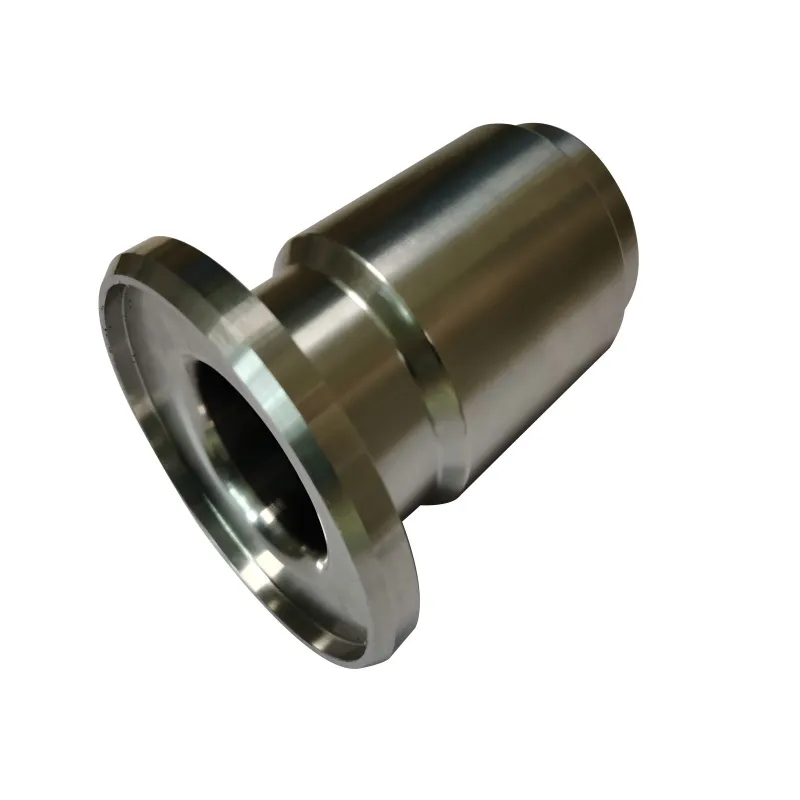
When people talk about carbon steel investment casting parts, the first thing that often comes to mind is cheap, simple components. That's a common misconception. In reality, the process for carbon steel is deceptively tricky. The fluidity isn't as good as some alloys, and getting the surface finish right without defects like slag inclusions or cold shuts requires a very dialed-in process. It's not just about pouring metal into a ceramic shell; it's about controlling everything from the dewaxing cycle to the heat treatment to manage that final microstructure. I've seen too many projects stumble by treating it as a commodity process.
The Core Challenge: It's Not Just Steel
Let's get specific. Carbon steel covers a wide range. A simple 1020 steel casting for a bracket behaves completely differently during solidification compared to a 1045 or 4130 part meant for a load-bearing application. The carbon content directly impacts the shrinkage, the feeding requirements, and the risk of hot tearing. You can't use the same gating and risering system across the board. Early on, we had a batch of mounting plates, medium carbon grade, that kept cracking near the gate after heat treatment. The problem wasn't the treatment itself; it was that the gating design created a stress concentration point that only revealed itself after quenching. We had to go back, redesign the runner system to be more forgiving, and adjust the pour temperature. It added a week to the lead time, but it fixed the issue.
This is where experience with the material pays off. A shop that's only done stainless might struggle because the thermal dynamics are different. For instance, carbon steel has a higher thermal conductivity than most stainless grades, which means the metal loses heat faster in the thin sections of the shell. If your shell preheat temperature isn't optimized—and I mean optimized for that specific grade and part geometry—you'll end up with mistruns. I remember a valve body we quoted; the client provided a print originally designed for sand casting. We had to advise significant wall thickness adjustments and draft angle modifications to make it viable for investment casting in carbon steel. They pushed back initially, but the first article inspection proved the point.
Another subtle point is the deoxidation practice. Carbon steel is more prone to oxidation during the melt, which leads to pinholes and subsurface defects if not properly managed. It's a step that's easy to overlook if you're rushing. We use a combination of aluminum and calcium-silicon for final deoxidation, but the exact amounts depend on the melt analysis. There's no one-size-fits-all recipe, which is why having in-house spectrometers is almost non-negotiable for consistent quality in carbon steel investment casting parts.
The Shell System Dance
The ceramic shell isn't a passive container. Its interaction with carbon steel is critical. For high-integrity parts, we often move away from the standard fused silica slurry for the primary coats when dealing with higher carbon grades. The thermal expansion mismatch can be problematic, leading to veining or even shell cracking during the pour. We've had good results with a zircon-based primary system for more demanding geometries. It's more expensive, sure, but it reduces the scrap rate on complex parts dramatically.
Shell permeability is another knob to turn. Carbon steel pours tend to generate more gases from binders and residues. If the shell doesn't allow those gases to escape adequately, you get gas porosity. We learned this the hard way with a series of pump impellers. The parts looked perfect on the outside, but X-ray revealed clustered porosity in the hub. The fix was adjusting the stucco sand size and the drying environment between coats to create a more open shell structure. It sounds simple, but dialing in that process took nearly two months of trial runs.
Then there's the dewaxing step. With carbon steel, you have to be careful not to crack the shell from thermal shock during autoclaving or flash firing, especially in winter. A cracked shell means a run-out, a safety hazard, and a mess. Our procedure now includes a controlled pre-heat zone for the shells before they enter the autoclave, something we implemented after losing a whole tree of parts one cold morning. It's these procedural nuances, often born from failure, that separate a reliable supplier from an average one.
Machining and Finishing: The Hidden Cost
A lot of clients focus on the casting price per kilogram but forget the downstream work. Carbon steel investment casting parts often come out with a decent surface finish, but almost always require some machining. The as-cast surface hardness can be inconsistent, and for mating surfaces or threaded holes, you need clean, precise material removal. This is where integration with a machine shop becomes a huge advantage.
Take a company like Qingdao Qiangsenyuan Technology Co., Ltd. (QSY). They've been in casting and machining for over 30 years. That vertical integration is key. When we produce a carbon steel gear housing, for example, we're already thinking about the CNC machining setup. We might add minimal extra stock on the flange face but more on the bolt hole pads to ensure clean-up. We design the casting with machining datums in mind. If the casting and machining are done in separate factories, you risk tolerance stack-up and communication gaps. At a place like QSY, where investment casting and CNC machining are under one roof, the process engineer for casting can walk over to the machining team to align on the fixturing plan. It cuts down on lead time and improves final quality.
Post-casting heat treatment is another area where machining considerations come in. Annealing or normalizing is standard to relieve stress and improve machinability. But if you over-soften the material, you get gummy chips that clog tools. If you under-treat it, you wear out cutters too fast. We typically aim for a Brinell hardness in a specific window, say 180-220 HB, depending on the carbon content and the client's machining capabilities. It's a balancing act. We provide test coupons with each heat treat batch so the machining side can verify the hardness before they start cutting the actual parts.
When It Works, and When It Doesn't
Investment casting in carbon steel shines for parts with complex internal passages, intricate external features, or those requiring a good surface finish that would be expensive to machine from bar stock. Think hydraulic valve bodies, small turbine blades, or firearm components. The near-net-shape capability saves a massive amount of material and machining hours.
However, it's not the answer for everything. For very large, bulky, simple shapes, sand casting is far more economical. The tooling cost for investment casting is higher. Also, if the part's design is overly simplistic—like a solid cube or a plain rod—you're better off with forged or machined stock. The value of investment casting is in complexity. I once had a client ask for a quote on a 2-kilogram carbon steel block with just four threaded holes. We advised them to buy a piece of plate and machine it. They'd save 60% on cost and get it faster. Being honest about the process's limitations builds more trust than trying to win every order.
Material grade selection is crucial here. For highly stressed, dynamic load applications, a low-alloy steel like 4140 or 4340 might be a better choice than a plain carbon steel, even within the investment casting process. The hardenability is better. We often have these discussions with engineers, reviewing their FEA or load requirements to recommend the most cost-effective material that still meets the spec. Pushing for a more expensive alloy when it's not needed is just as bad as recommending a cheaper one that will fail.
The Supply Chain Reality
Finally, let's talk about the ecosystem. Sourcing consistent, high-quality low-sulfur carbon steel bar stock or revert for melting is fundamental. Traceability matters, especially for parts going into automotive or industrial equipment. We maintain certs for every heat. The foundry environment itself needs control—humidity affects the shell, ambient temperature affects the melt. It's a hands-on process.
Working with a seasoned supplier makes a difference. A company like QSY, with its decades in shell mold casting and investment casting, has likely seen and solved most of the common pitfalls with carbon steel. They'd have established relationships with material suppliers, calibrated processes for different part families, and the in-house CNC machining to deliver a finished component. That end-to-end control is what ensures reliability for the final user. You're not just buying a casting; you're buying the accumulated knowledge that prevents those costly, project-delaying failures.
In the end, successful carbon steel investment casting parts come down to respect for the material's quirks, a meticulous and adaptive process, and a supplier partnership that goes beyond a simple purchase order. It's a specialized niche, but when the fit is right, the results are tough to beat with any other manufacturing method.