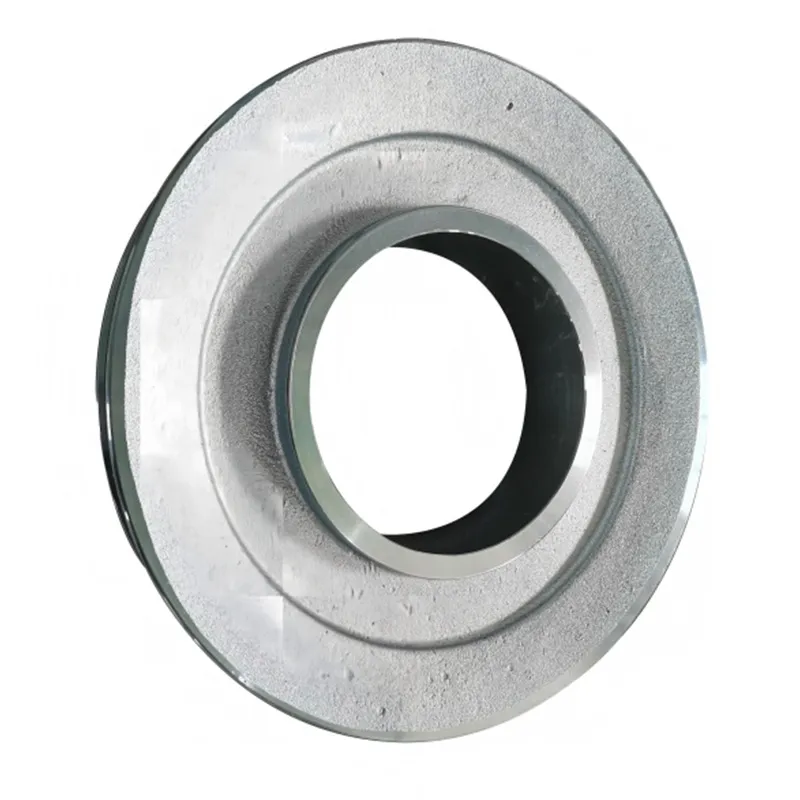
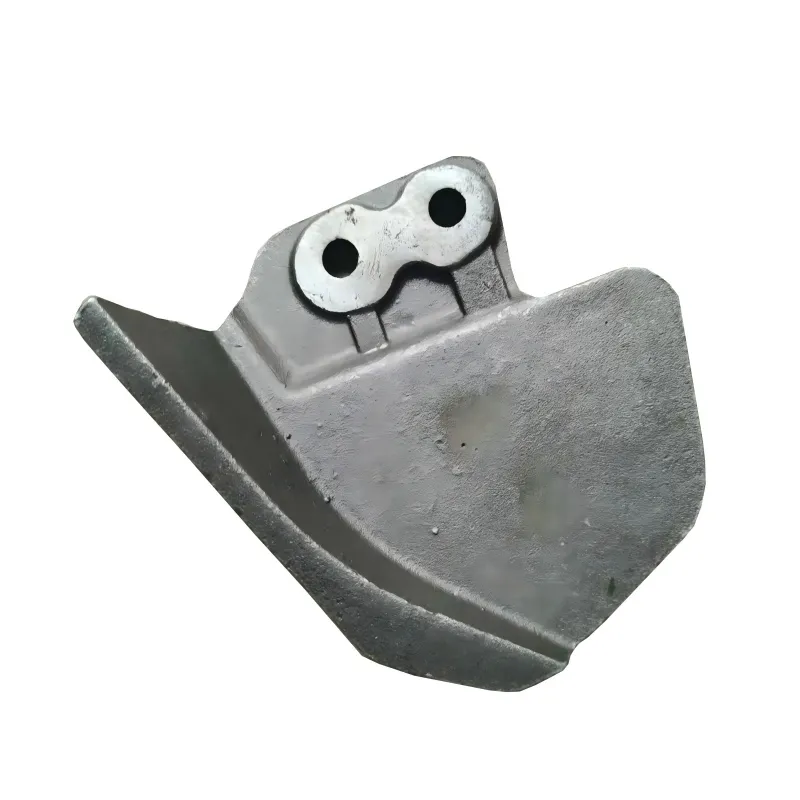
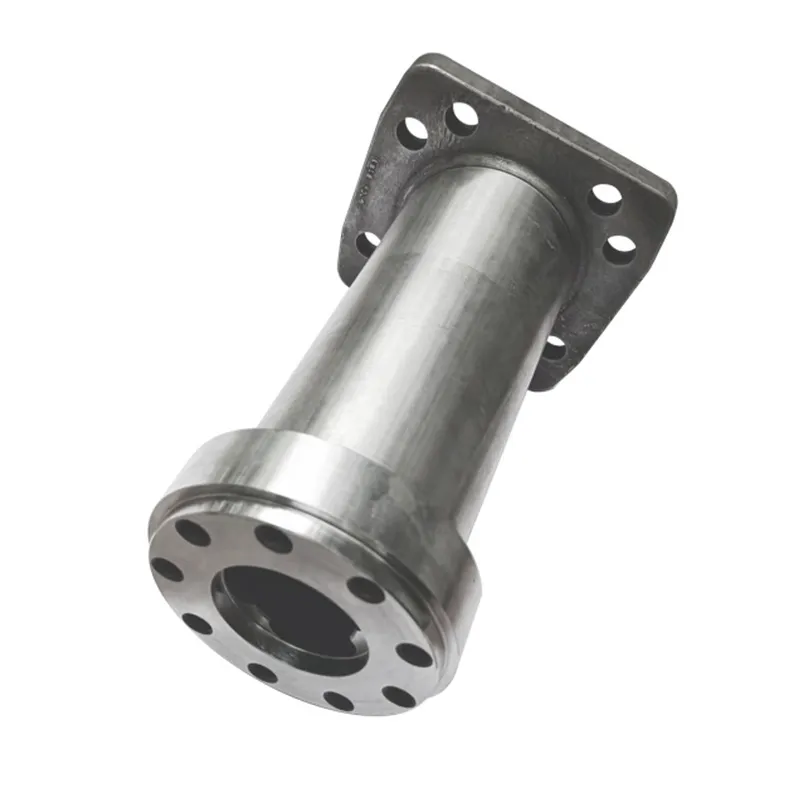
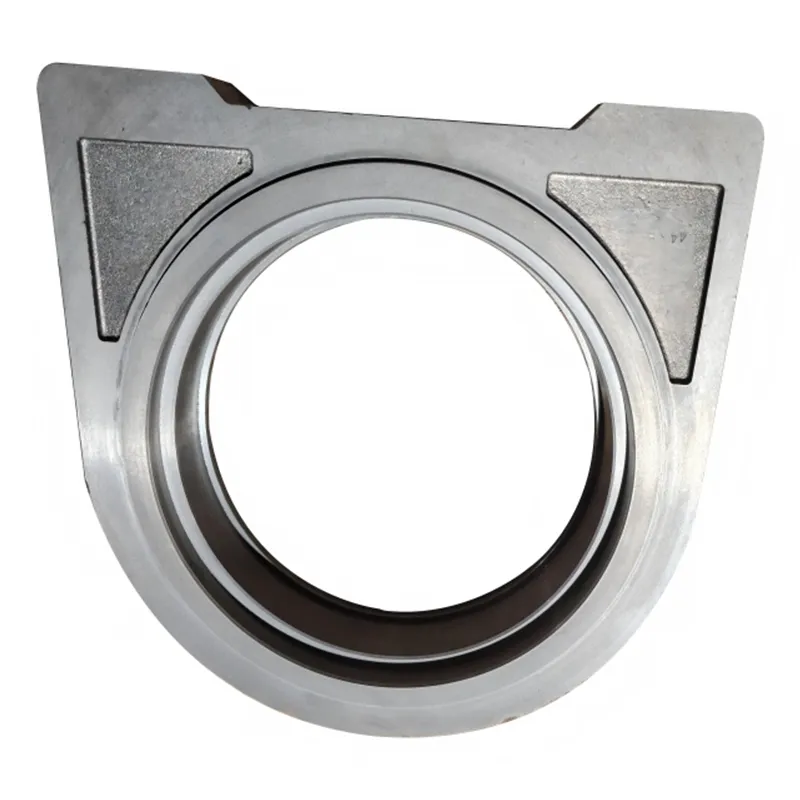
When you hear 'cast iron casing', most minds jump straight to 'heavy' and 'rust-prone'. That's the common trap. In practice, the story is about damping capacity, thermal stability, and cost-effectiveness for specific, often unforgiving, applications. It's not a one-size-fits-all solution, and its real value is understood only after you've seen a few fail in the field or succeed where fancier materials couldn't hold up.
The Misunderstood Materiality
Let's get the elephant out of the room: yes, it's heavy. But that weight is often the point. For base frames of high-vibration machinery—think large pumps or compressor housings—that mass is a feature, not a bug. The cast iron casing acts as a sink, absorbing and dissipating vibrational energy that would otherwise fatigue bolts, crack welds, or ruin bearing tolerances in a lighter alloy frame. I've seen aluminum housings on test stands literally shake themselves apart, while the old, greasy iron counterpart next to it just hummed along.
The rust concern is valid, but overblown in controlled environments. It's a surface issue, not typically a structural one for the thicknesses we're talking about. The real material challenge is brittleness. A sharp impact in the wrong spot, like a corner during handling or a tool drop, can cause a fracture that propagates. You can't just weld it up like steel; it requires specific pre-heat and post-heat procedures, and even then, it's a patch, not a guarantee. That's why foundry practice and quality control are non-negotiable.
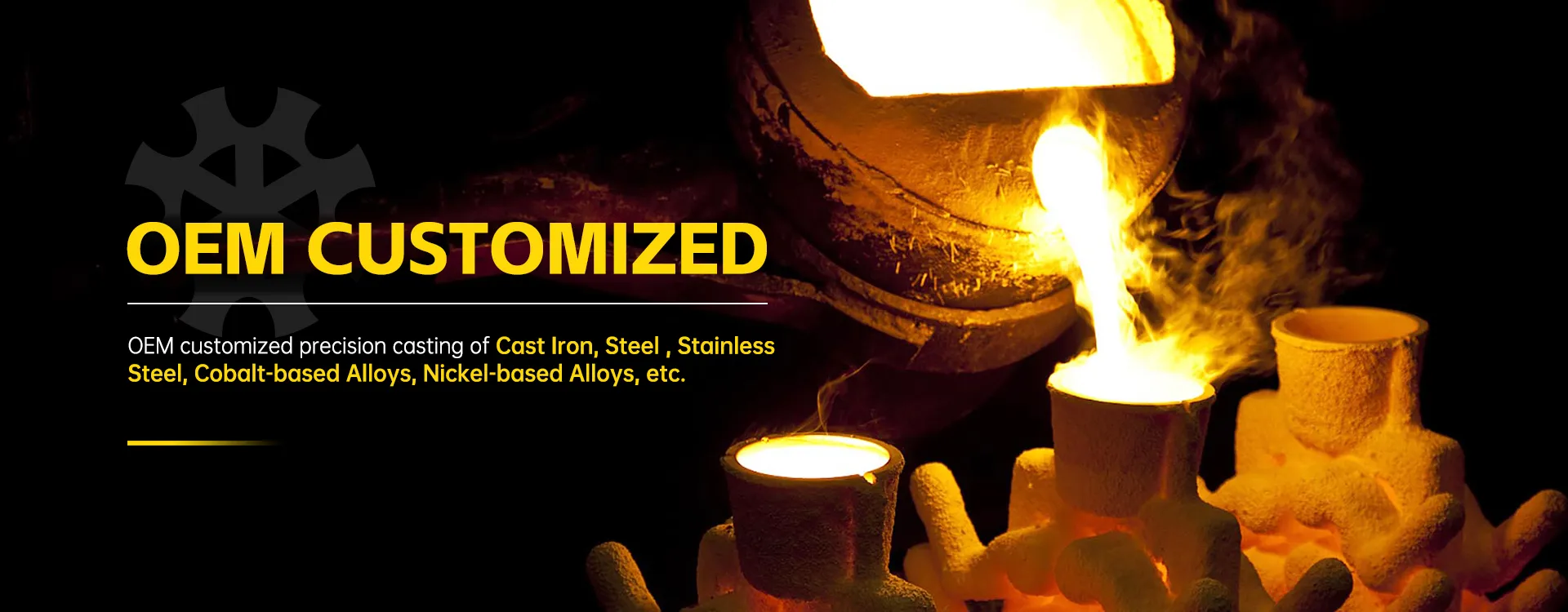
This is where a supplier's pedigree matters. A company like Qingdao Qiangsenyuan Technology Co., Ltd. (QSY) with their three decades in casting isn't just selling a shape; they're selling process control. Pouring temperature, cooling rate, inoculant type—these dictate the final grain structure, which directly impacts that brittleness and the damping I mentioned. You can't inspect that into a part; it has to be cast in from the start.
Process is King: From Mold to Machine
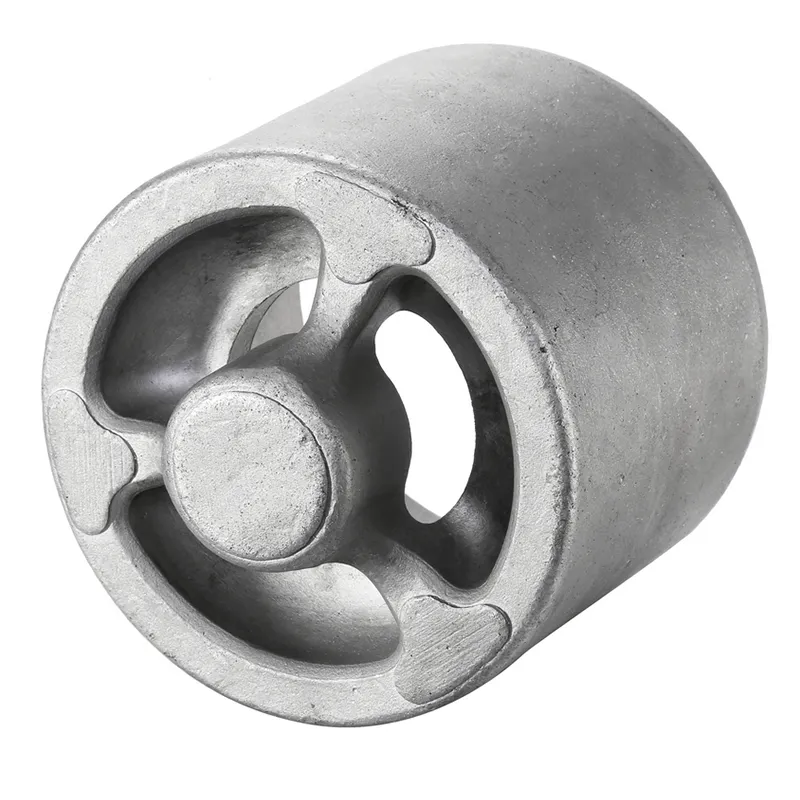
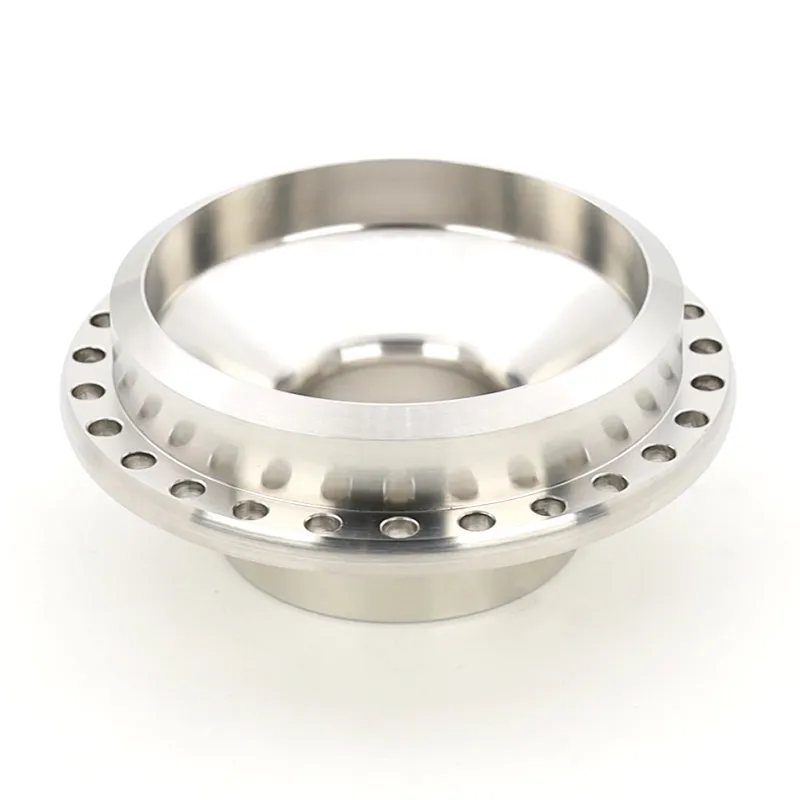
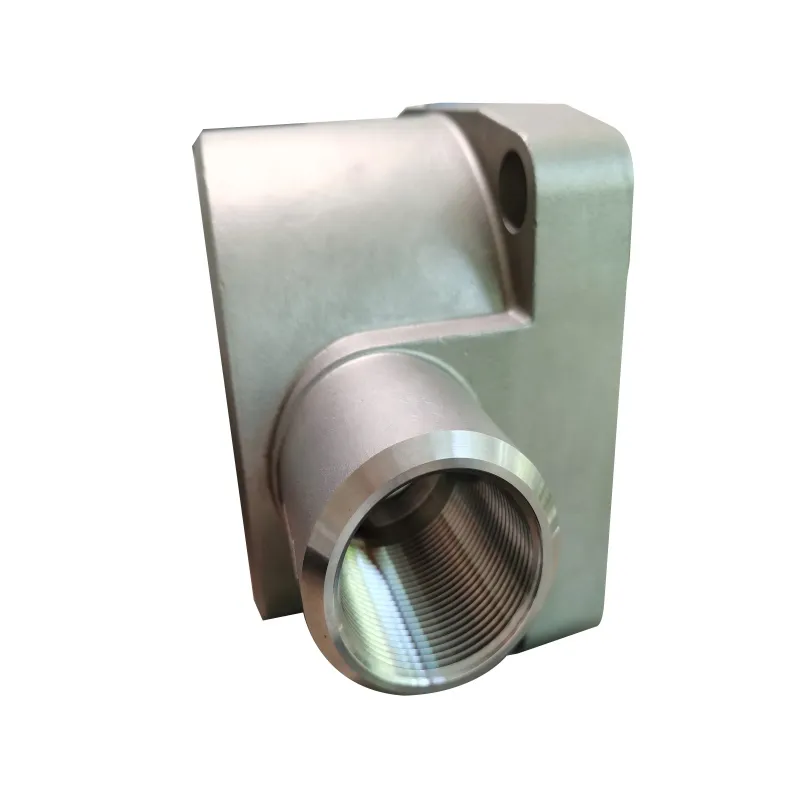
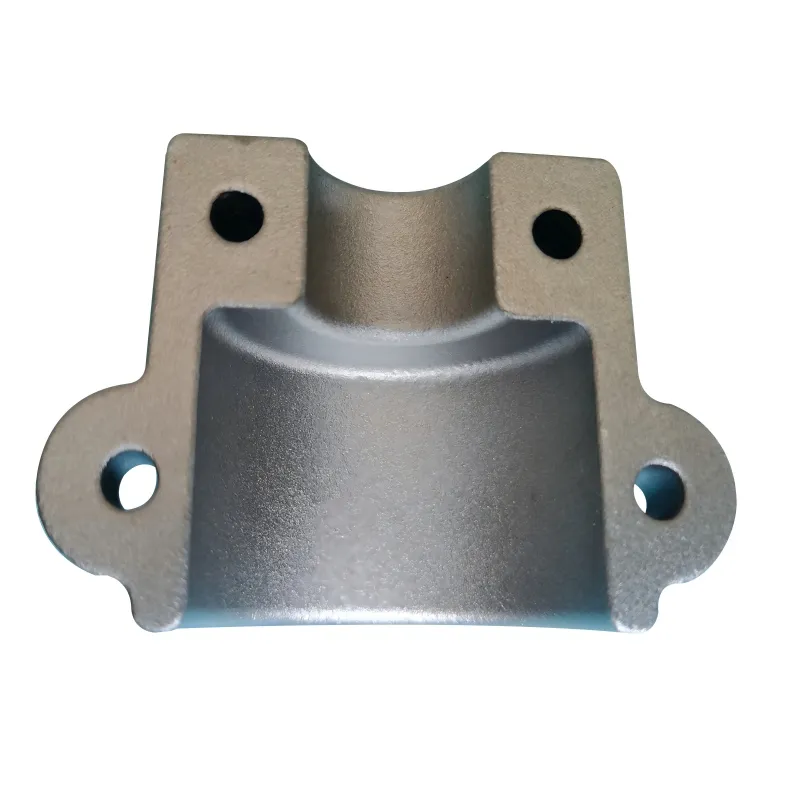
The term 'casing' implies it's an enclosure, but it's rarely just a box. It has mounting points, fluid ports, bearing seats, and often internal passages. How you form these features is critical. For complex internal geometries, shell mold or investment casting—both specialties noted on QSY's site—are often the starting point. They allow for finer detail and better surface finish than basic sand casting, which reduces the amount of subsequent machining needed.
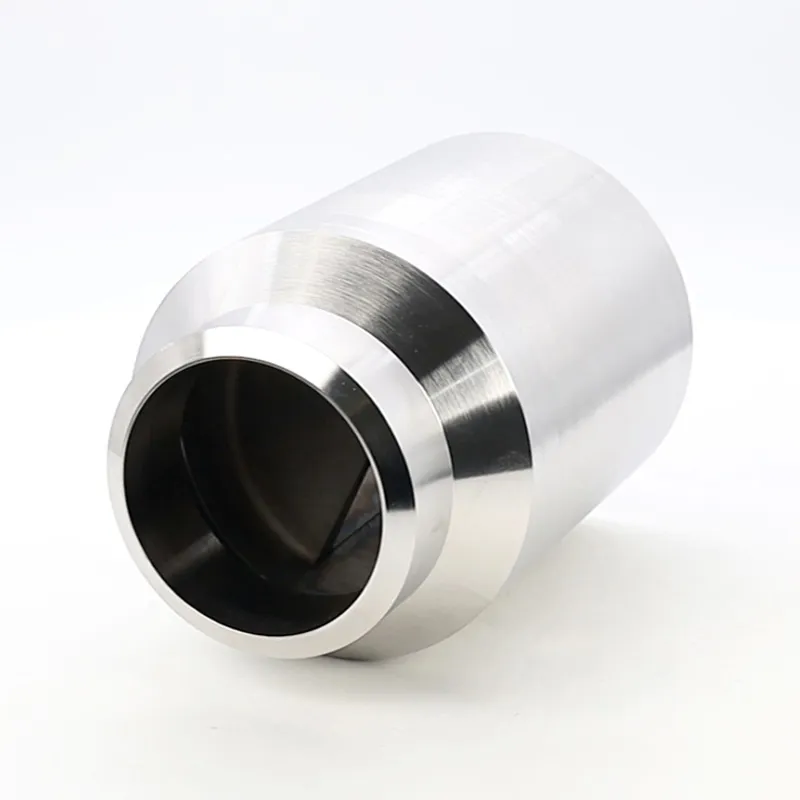
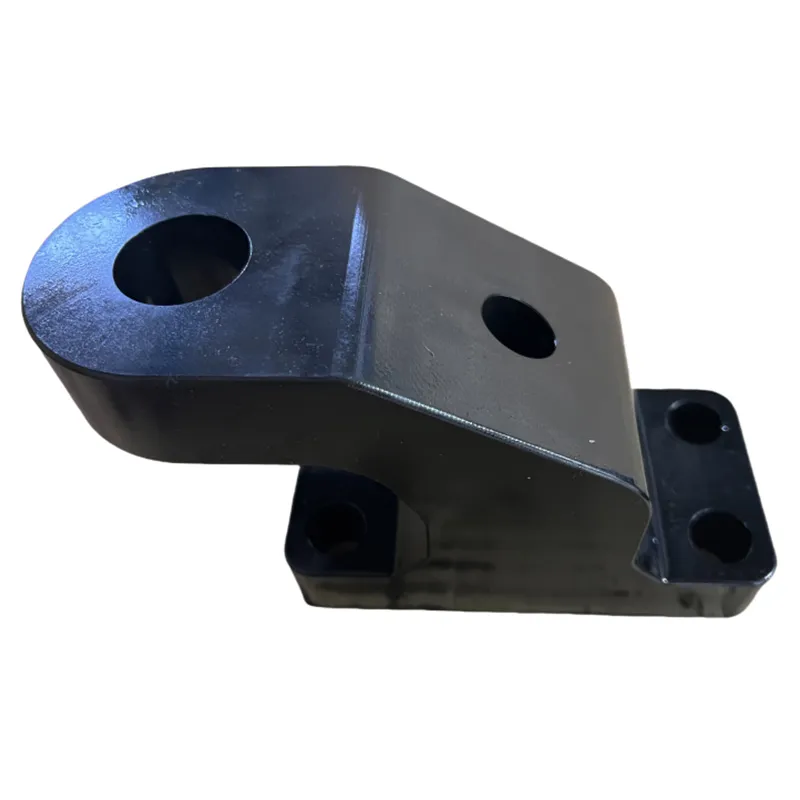
But 'reduces' is key. You almost always need machining. A bearing seat in a cast iron casing isn't just a hole; it needs a precise diameter, surface finish (Ra), and often a specific concentricity relative to another seat. This is where integrated machining capability separates vendors. If the foundry also handles the CNC work, they can design the casting with proper machining allowances and fixtures in mind. I've had nightmares with casings from a foundry that didn't machine, where the 'as-cast' surfaces were so inconsistent that our machine shop spent more time indicating and shimming than cutting.
Speaking of machining, iron is abrasive. It eats cutting tools. Using the right grade of carbide, proper coolant, and speeds/feeds optimized for iron's chip-breaking behavior is its own art. A good partner won't just deliver a raw casting; they'll deliver a part where the machined surfaces are ready for assembly. That integration—casting and machining under one roof—saves a huge amount of logistical headache and quality finger-pointing.
When It Works, and When It Doesn't
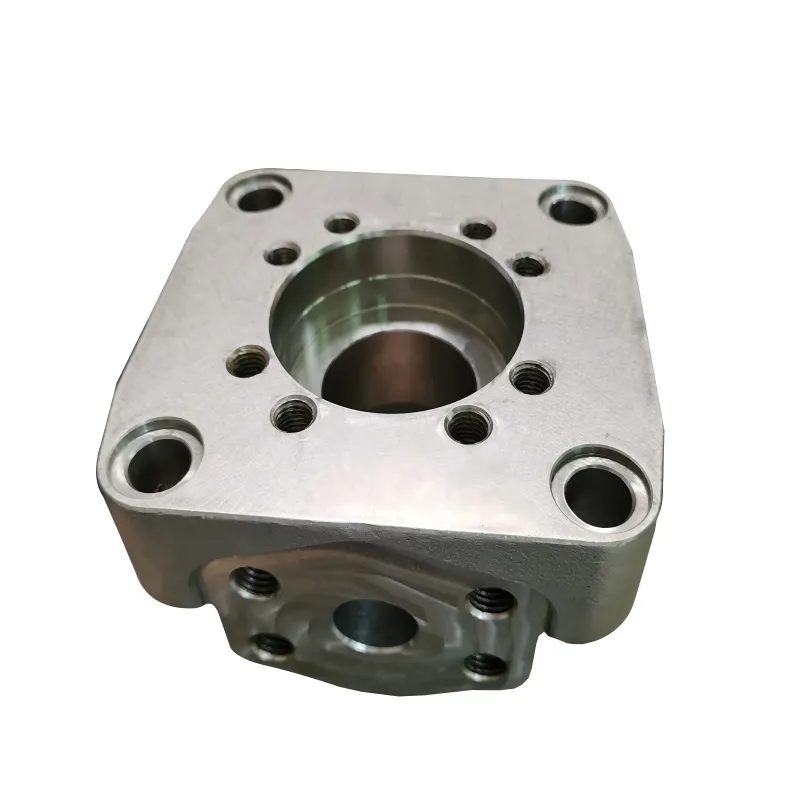
The perfect application? Stationary, high-load, high-vibration environments. Large gearbox housings are a classic. The iron dampens gear noise and vibration, and its rigidity maintains gear alignment under load. We used them for hydraulic manifold blocks in a press application—the thermal stability was crucial as the oil temperature cycled, preventing distortion that would leak pressure.
The failure case? Anything involving high tensile or shock loads. I recall a project for a mobile agricultural equipment component. The design called for a cast iron casing to save cost over a forged steel part. It passed static load tests but failed spectacularly in field trials after a few months. The repeated impact loads from traversing rough terrain created micro-cracks that grew. The lesson wasn't that iron was 'bad', but that we had misapplied it. The cost we saved on material was wiped out tenfold by the retrofit program.
Another subtle point is corrosion in specific service. General surface rust is one thing. But if the casing is part of a saltwater cooling loop, even intermittently, the corrosion can become galvanic and localized, leading to pitting and eventual leakage. In such cases, specifying a higher-nickel alloy iron or planning for a specialized coating from the outset is essential. It's not an afterthought.
The Alloy Nuance and Supplier Synergy
'Cast iron' isn't one material. Gray iron, ductile iron (nodular iron), compacted graphite iron—each has a different matrix. Ductile iron, with its spheroidal graphite, has some give to it, trading a bit of damping for better impact resistance. Choosing the right grade is a foundational design decision.
This is why a supplier's material range is telling. When QSY lists cast iron, steel, stainless, and special alloys like nickel-based ones, it signals they understand these are engineering choices, not just inventory items. Sometimes, the answer isn't pure iron. For a casing needing high temperature resistance, a move to a nickel-based alloy might be necessary, even at a steep cost jump. A good technical partner can guide that conversation based on the actual operating parameters, not just a data sheet.
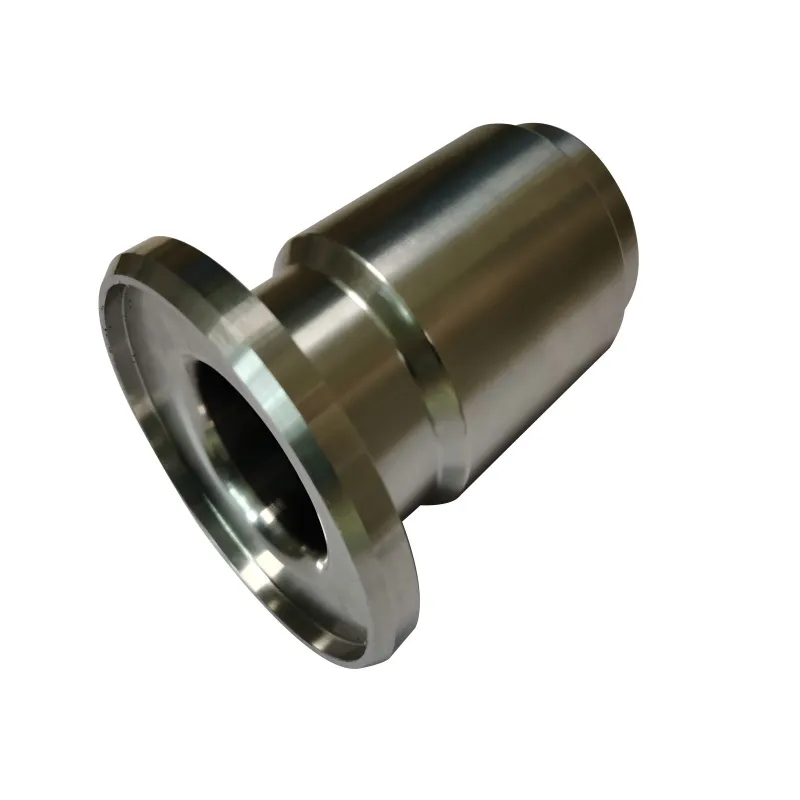
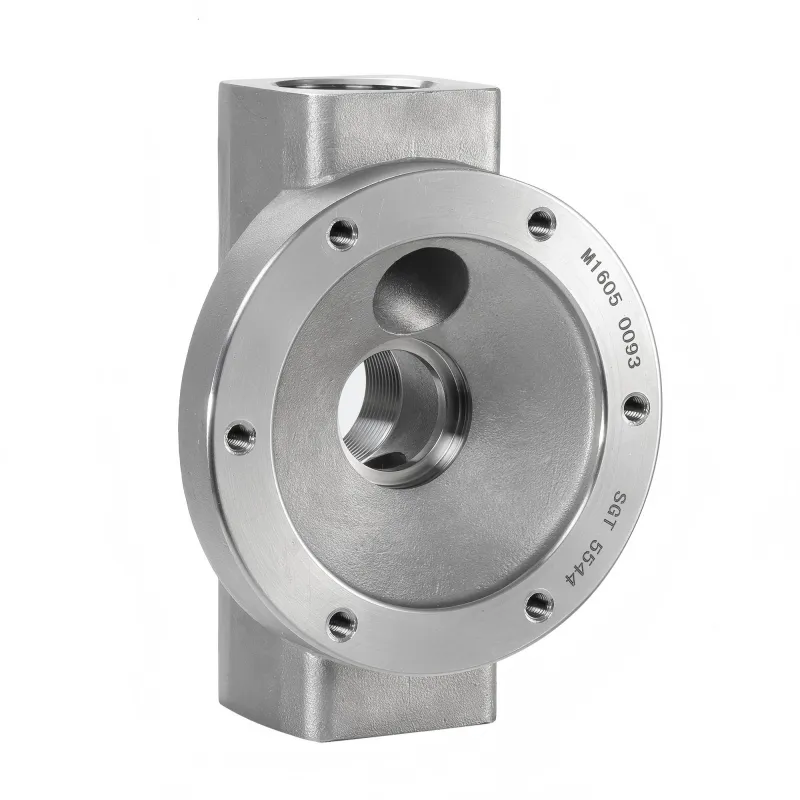
The synergy between their shell/investment casting and CNC machining is the practical key. For a complex valve casing, they can cast in the rough flow passages and port threads, then CNC machine the sealing surfaces and flange faces to a perfect finish. This hybrid approach often yields the best balance of performance, lead time, and cost. Trying to machine all those features from a solid block would be prohibitively expensive and time-consuming.
Concluding Thoughts: A Tool in the Kit
So, to wrap this up, a cast iron casing is a specific tool. It's not inherently outdated or superior. Its value lies in its unique combination of damping, castability for complex shapes, and relatively low material cost. The drawbacks—weight, brittleness, corrosion tendency—are manageable through smart design, proper specification, and choosing a manufacturing partner that controls the entire process from melt to machined part.
The real-world choice often boils down to this: do you need the vibration and thermal stability more than you need lightweight strength or corrosion resistance? If yes, and if the loading is primarily compressive, iron is probably your answer. But work with a foundry that asks you about the operating environment, the load cycles, and the interface points. The ones that just take a drawing and quote are the ones that will get you into trouble.
In the end, it's about fit. And sometimes, the old, heavy, unglamorous material is the perfect fit for the job, quietly doing its work long after a more 'advanced' option would have called it quits. You just have to know where to use it.