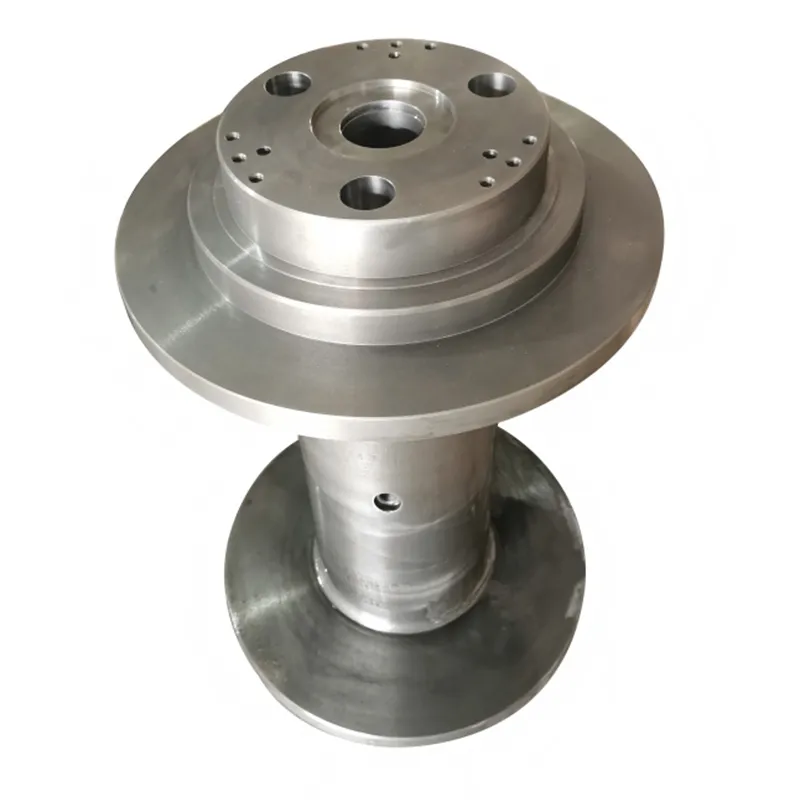
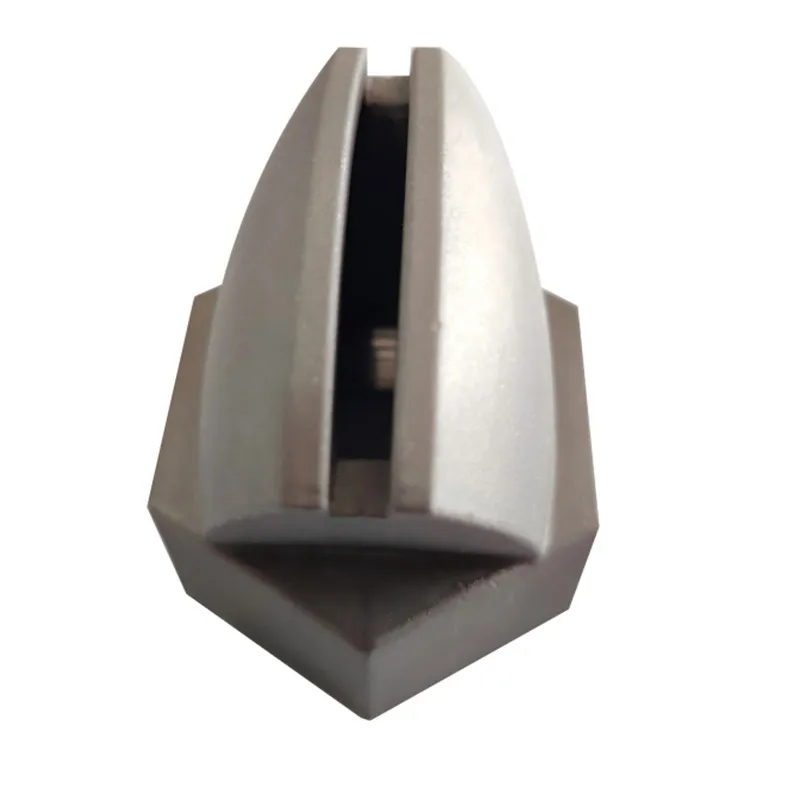
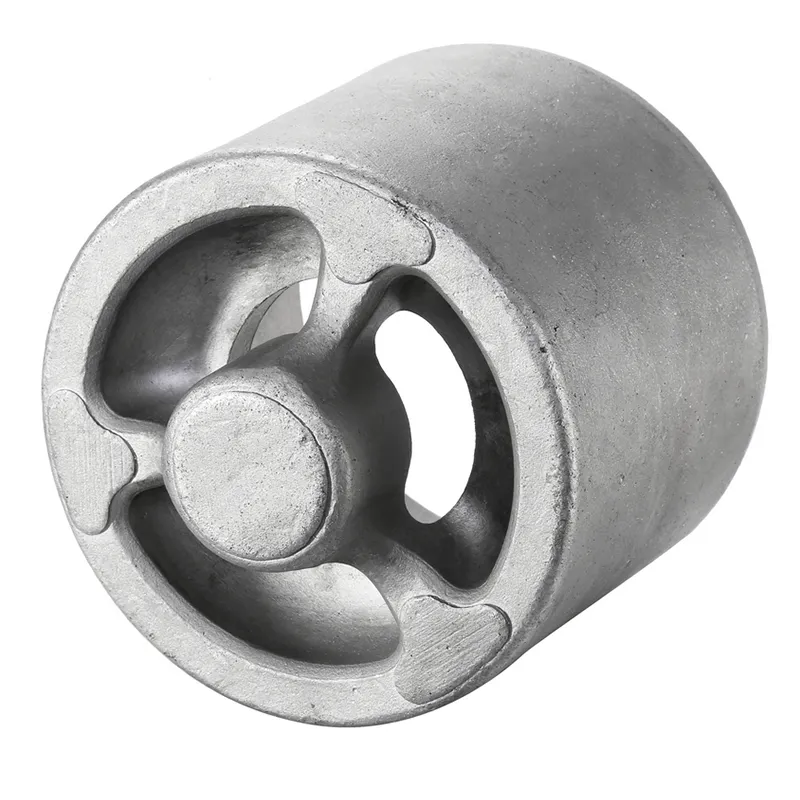
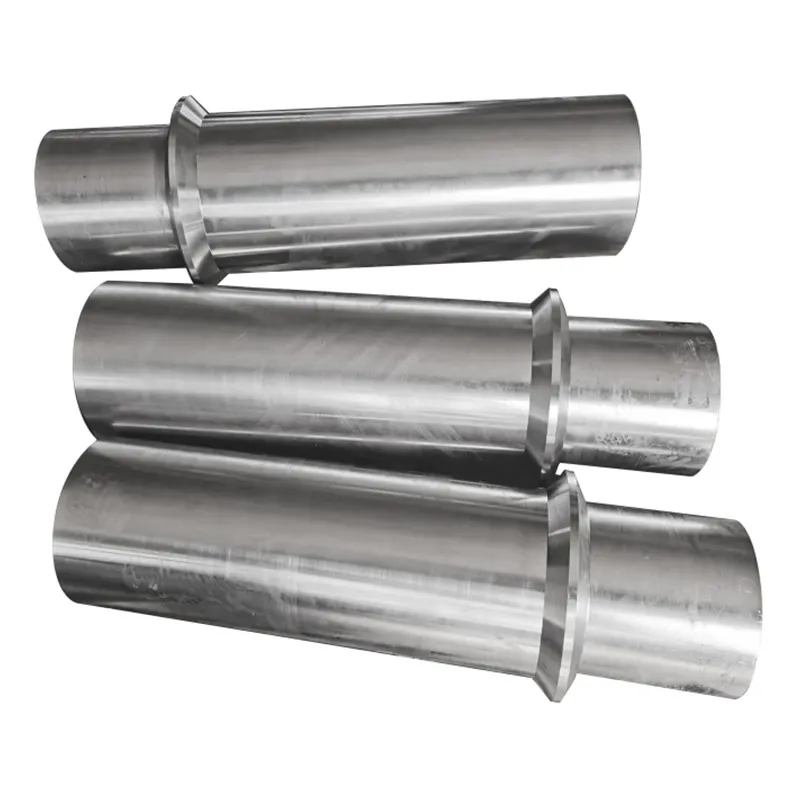
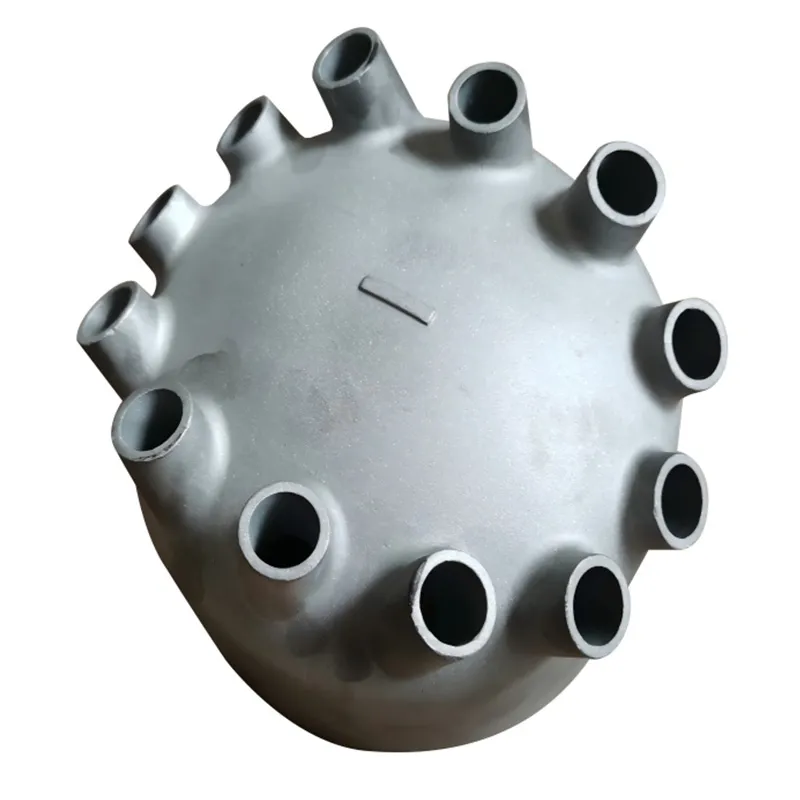
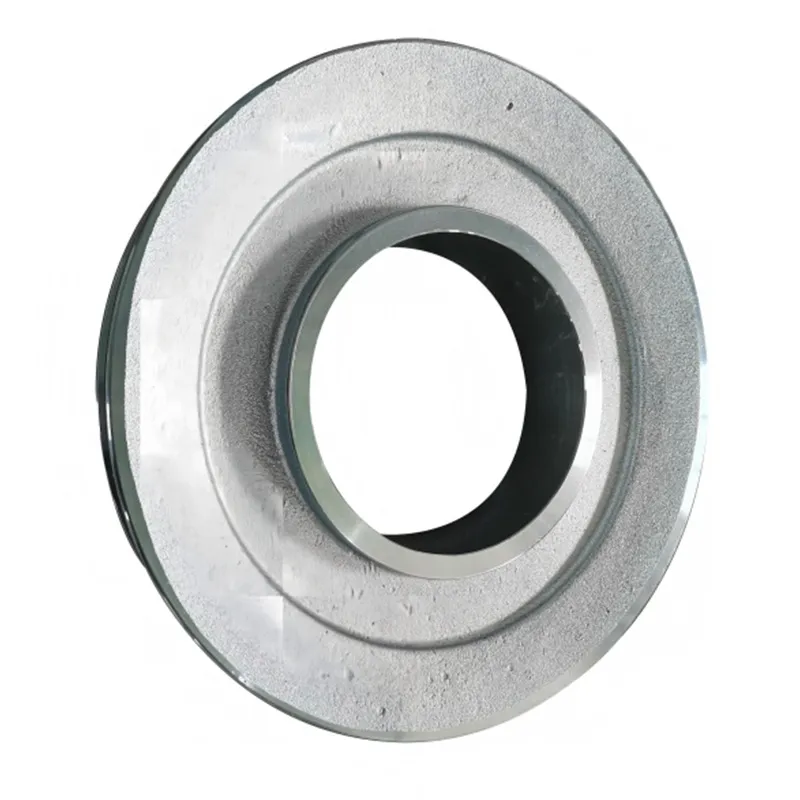
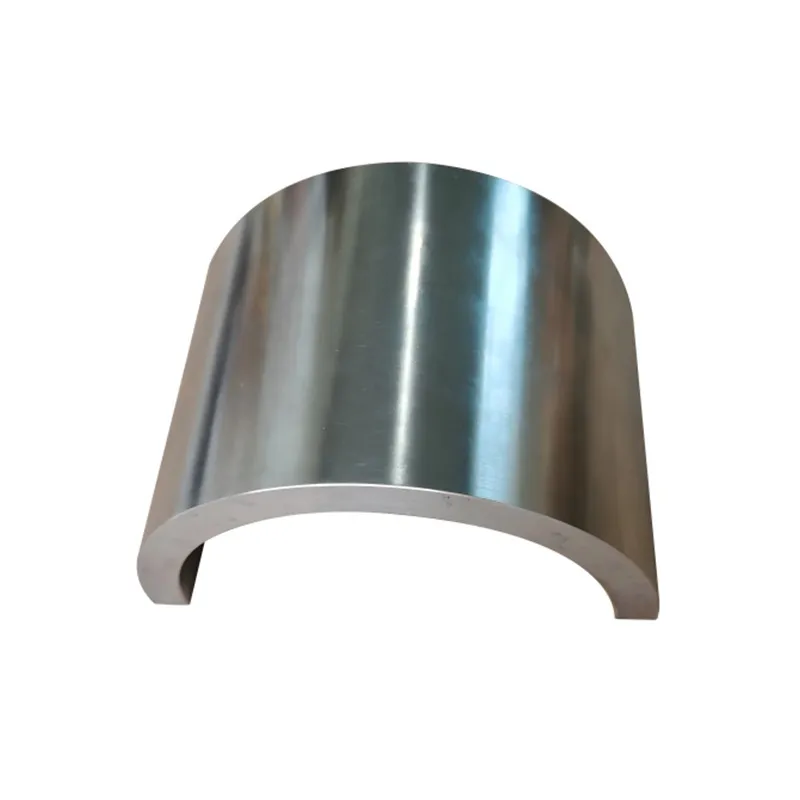
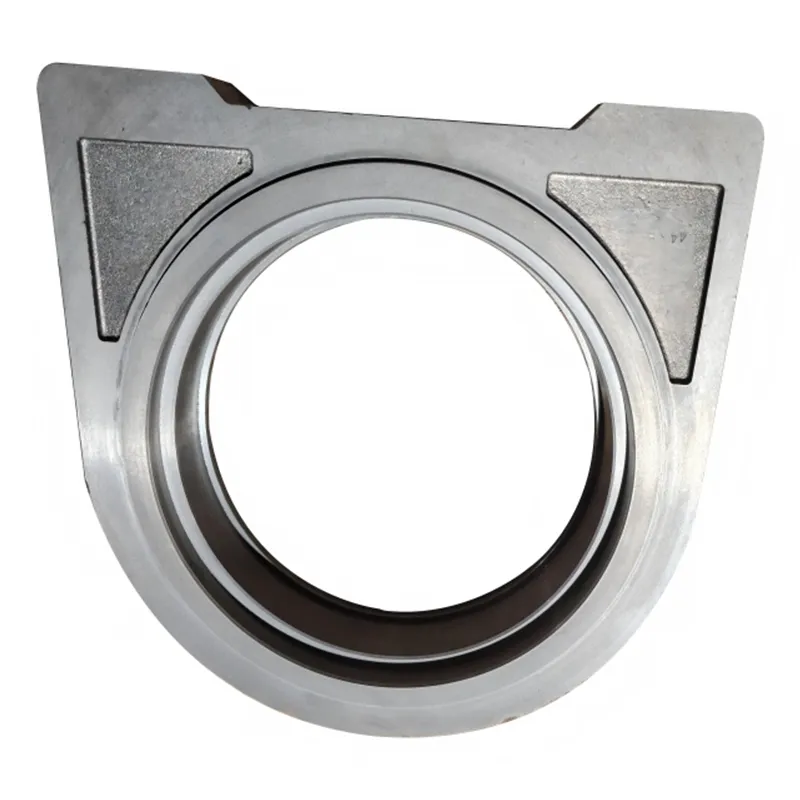
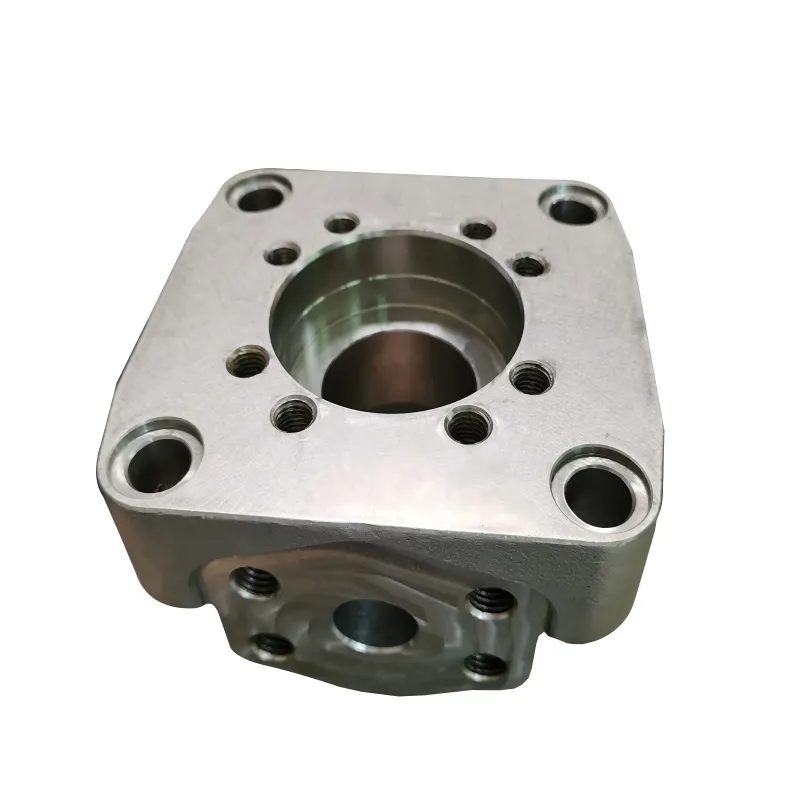
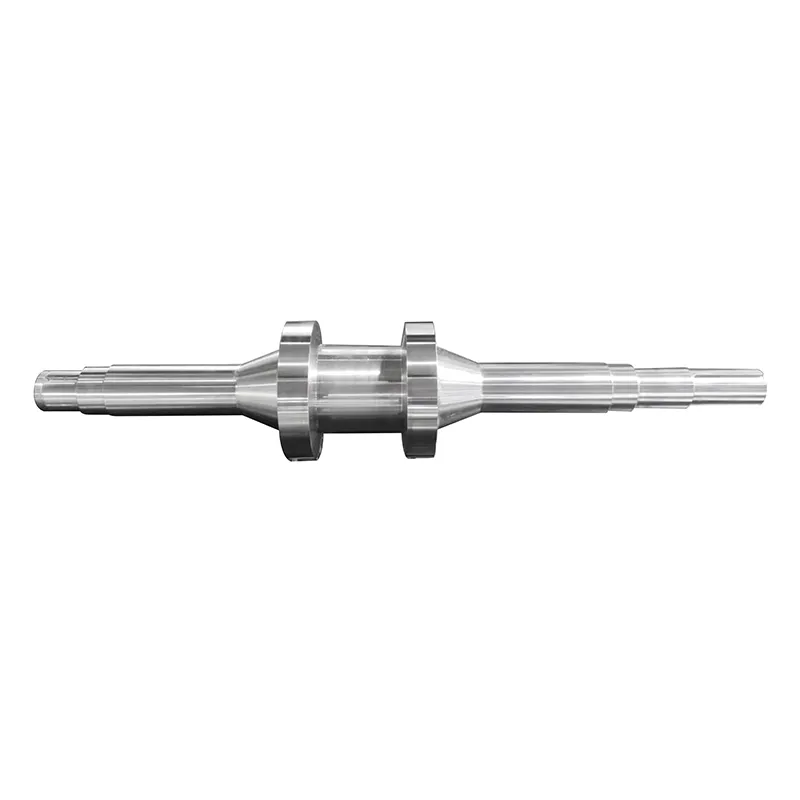
When most people hear 'cast iron gear parts', they picture something clunky, heavy, and frankly, a bit old-fashioned. That's the first misconception. The reality is, in specific industrial applications, nothing quite matches the vibration damping and wear resistance of a well-made cast iron gear. The trick isn't in choosing cast iron, but in knowing exactly when and how to use it. I've seen too many projects default to steel or ductile iron simply because the engineer wasn't familiar with the nuances of gray or ductile iron grades for gearing. It's not a one-material-fits-all solution, and getting it wrong means premature failure, noise, and costly downtime.
The Material Choice Isn't Just About Strength
Let's talk grades. Gray iron, like Class 30 or 35, has that excellent damping capacity I mentioned. It's fantastic for reducing gear whine in large, slow-speed machinery—think mining equipment or heavy conveyors. But you can't just take a drawing for a steel gear and pour it in gray iron. The tensile strength and impact resistance are lower. I recall a project for a paper mill's dryer section gear. The initial design in a lower-grade gray iron kept developing micro-cracks on the tooth root after a few months of cyclic loading. The stress concentration was the killer.
That's where ductile iron (nodular iron) steps in. Grades like 65-45-12 or 80-55-06 offer a better blend of strength and damping. It behaves more like steel but retains some of that good cast iron character. We switched that paper mill gear to a ductile iron with a ferritic-pearlitic matrix, and the problem vanished. The key was adjusting the fillet radius on the tooth profile during the design phase to better suit the material's properties. This isn't CAD monkey work; it requires knowing how the material flows in the mold and where shrinkage might create weak spots.
Then there's the alloying element game. Adding a bit of chromium or molybdenum can boost wear resistance and hardness, but it also affects machinability. You can't just specify add chrome without considering the entire process chain. A partner foundry, Qingdao Qiangsenyuan Technology Co., Ltd. (QSY), once highlighted this on a batch of pump gears. They caught that our specified alloy content would have made the final CNC hobbing and shaping a nightmare, burning through tools. Their suggestion to tweak the alloy balance and adjust the post-casting heat treatment saved that project. That's the value of a supplier with deep foundry and machining experience under one roof.
Casting Method Matters More Than You Think
Sand casting is the go-to for many, but for gear teeth that need decent surface finish and dimensional consistency right out of the mold, shell molding (shell mold casting) is often a smarter starting point. The resin-bonded sand gives a much smoother surface, which means less stock allowance for the final gear tooth machining. Less machining means you preserve the cast skin, which is often the hardest and most wear-resistant layer.
I made a mistake early on, treating the casting as just a rough blank. We machined away the entire tooth profile from a sand-cast blank for a large idler gear. The result? It wore unevenly. The re-machined surface didn't have the same porosity or graphite structure as the cast surface. Lesson learned: the casting process is the first step of manufacturing the gear tooth, not just creating a shape. This is where a company's integrated approach, like QSY's specialization in both shell mold casting and CNC machining, shows its worth. They plan the machining datums and allowances in tandem with the mold design.
For incredibly complex or small precision gears, investment casting can be an option, but with cast iron, it's less common due to the melting temperature and fluidity. It's more typical for their specialty alloy gears. The point is, the choice between sand, shell, and even centrifugal casting influences the grain structure, soundness, and ultimately, the gear's performance under load. You have to match the method to the gear's size, quantity, and quality tier.
Machining: Where the Theoretical Meets the Real
This is where dreams of perfect geometry hit the reality of a chattering tool. Cast iron is brittle. Machining a gear tooth, especially hobbing or shaping, requires rigid setups and specific tool geometries to avoid fracturing at the edges. Coolant (or the lack thereof) is a huge debate. Some swear by dry machining with coated carbides to avoid thermal shock and the mess of iron dust mixing with coolant. Others use high-pressure coolant to evacuate chips and control heat.
I lean towards dry or MQL (minimum quantity lubrication) for most cast iron gear parts after a bad experience with coolant seepage. We had a batch of ductile iron gears for an agricultural gearbox. Post-machining, residual coolant pooled in the bolt holes and oil galleries. It caused localized corrosion during shipping, which led to a nasty complaint. Now, we specify thorough cleaning and drying protocols immediately after machining. It sounds basic, but it's these process details that separate a good part from a reliable one.
Finishing operations like grinding or honing are sometimes needed for high-speed applications. But you must be careful. Excessive grinding heat can alter the surface microstructure, creating hard, brittle zones that can spall. It's often better to aim for a high-quality machined finish from the hobber or shaper than to plan on grinding it all off. Again, it comes back to designing the entire process backward from the required final part.
The Integrated Supplier Advantage
Dealing with a foundry that just pours metal and a machine shop that just cuts metal creates friction and finger-pointing. When a gear fails, the foundry blames the machining, and the machinist blames the casting. Having a single point of responsibility for both casting and machining, like the model used by QSY, cuts through that. Their three decades in casting and machining mean they've seen how a shrinkage cavity in a specific location will wreck a hobbling tool three steps later. They can adjust the feeder head design or the machining sequence to compensate.
We collaborated with them on a set of large ductile iron reduction gears for a marine winch. The challenge was maintaining precise tooth profile and helix angle across a massive diameter. Because they control both stages, they could machine the mounting flanges and inspection datums on the rough casting first, then use those precise datums to hold the gear for tooth cutting. This ensured concentricity and eliminated cumulative error. You can't easily coordinate that level of process integration with separate vendors.
Their work with special alloys also informs their cast iron practice. Handling nickel-based alloys teaches you about controlling solidification and heat treatment to manage stresses. That knowledge translates back to producing more stable, stress-relieved cast iron gear parts. It's this cross-pollination of material expertise that adds subtle value.
Final Thoughts: It's a System, Not a Component
A cast iron gear doesn't exist in a vacuum. Its performance is tied to the housing rigidity, the alignment of the shafts, the properties of the mating gear (which is often steel), and the lubrication system. Specifying the gear material is just one link. You need to consider the entire tribological system. For instance, the graphite flakes in gray iron can act as a solid lubricant to a degree, which is beneficial, but it also makes the surface more prone to adhesive wear if the lubrication film breaks down.
The biggest takeaway? Don't specify cast iron gears from a catalog. Engage with your manufacturing partner at the design stage. Share the load cycles, the operating environment, the noise requirements. Let their practical experience guide the material grade, casting method, and machining approach. It might mean choosing a slightly more expensive ductile iron over gray iron, but avoiding one unplanned shutdown pays for that premium a hundred times over.
In the end, successful cast iron gear parts come from respecting the material's unique character and orchestrating every step of its creation to complement that character. It's a practiced craft, not just a purchase order.