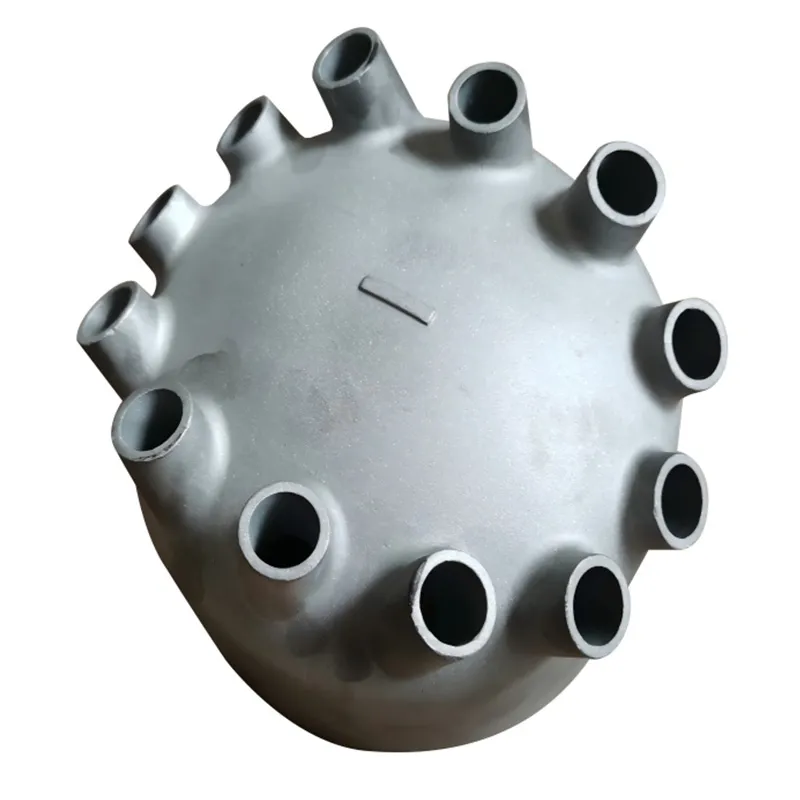
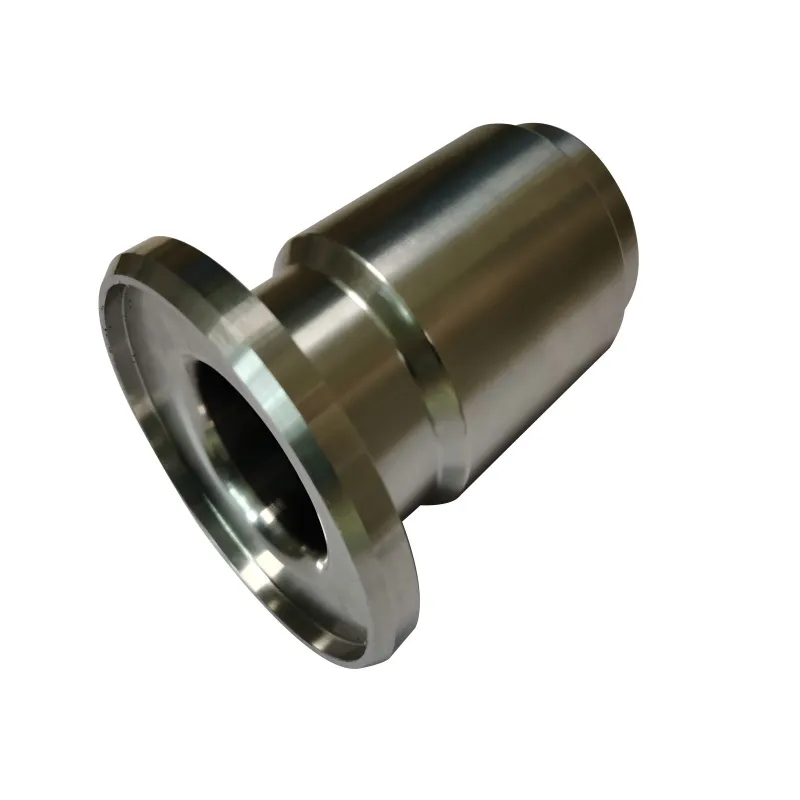
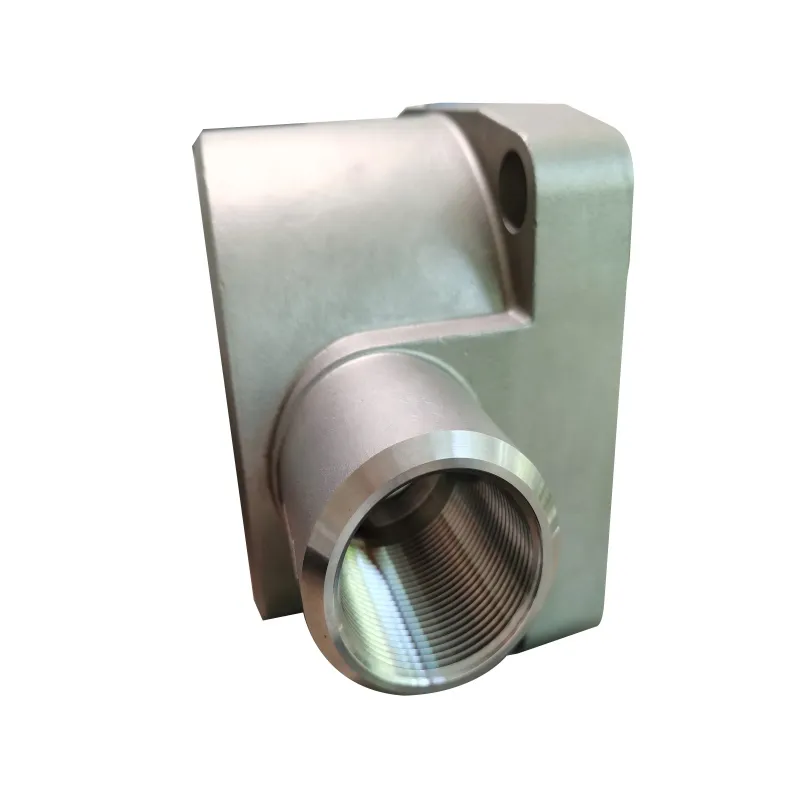
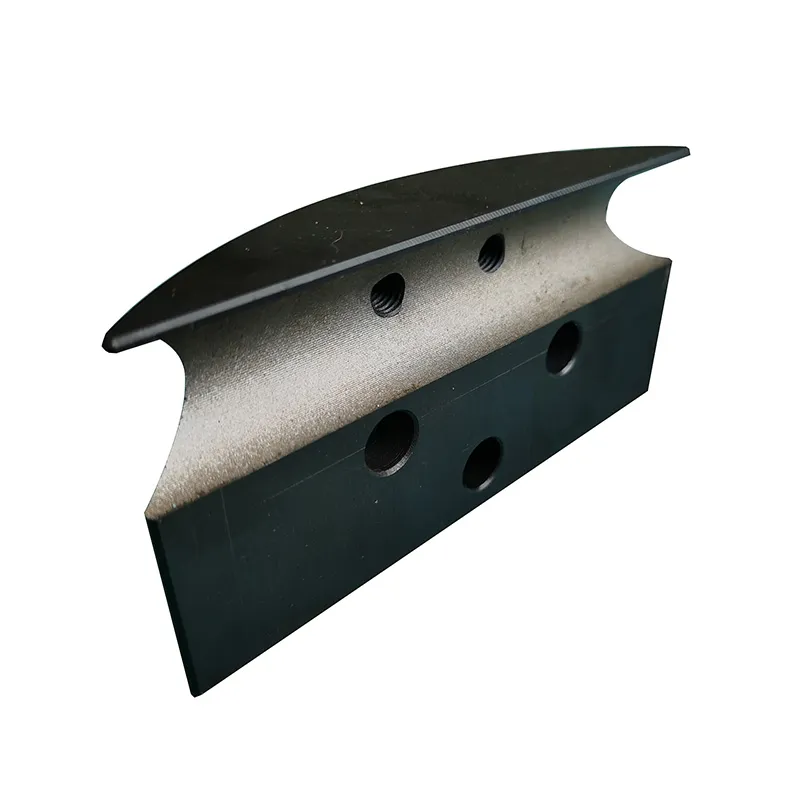
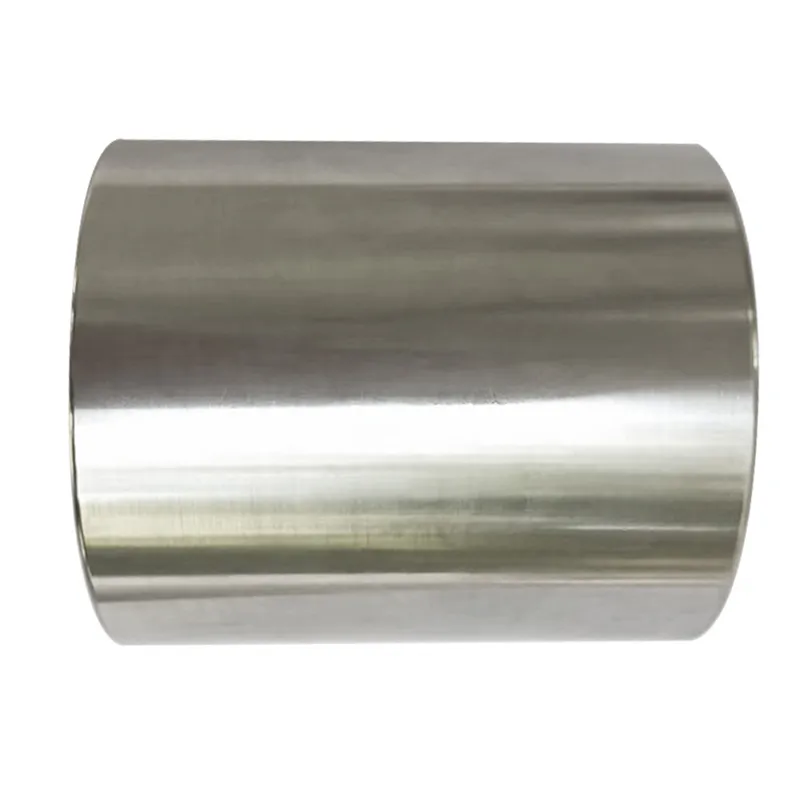
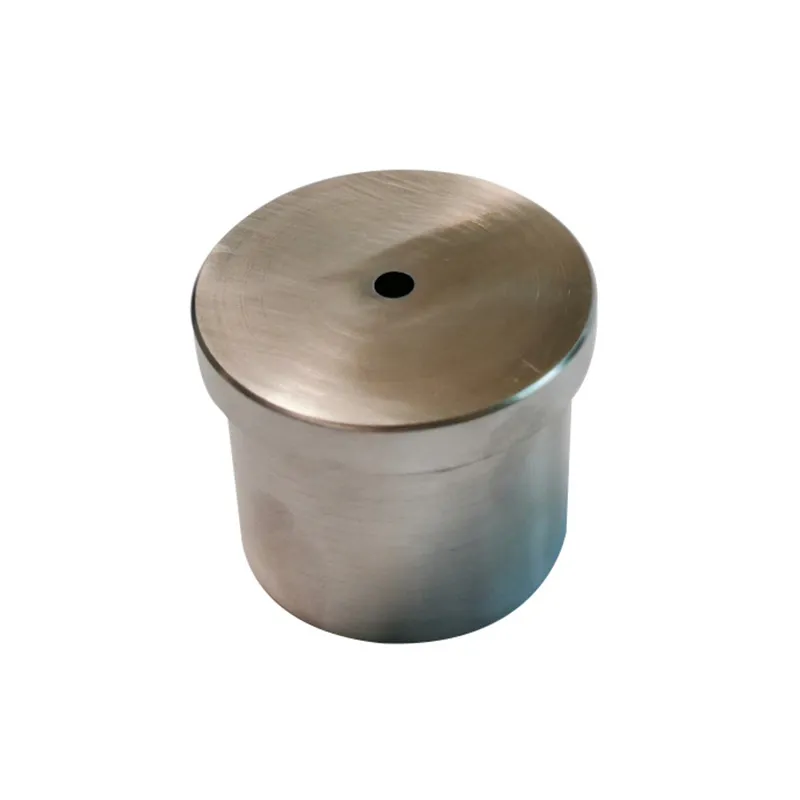
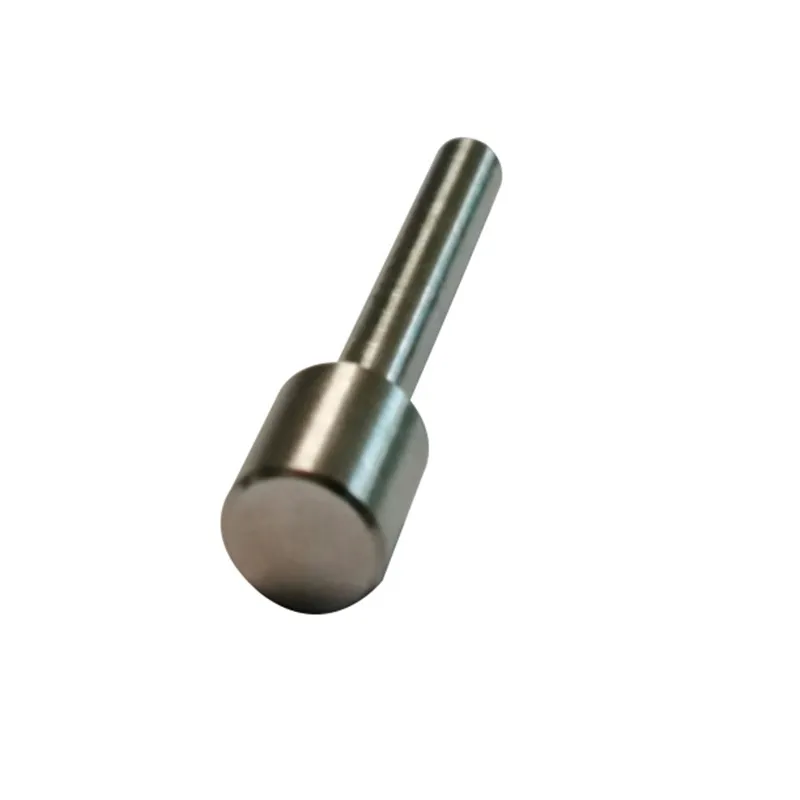
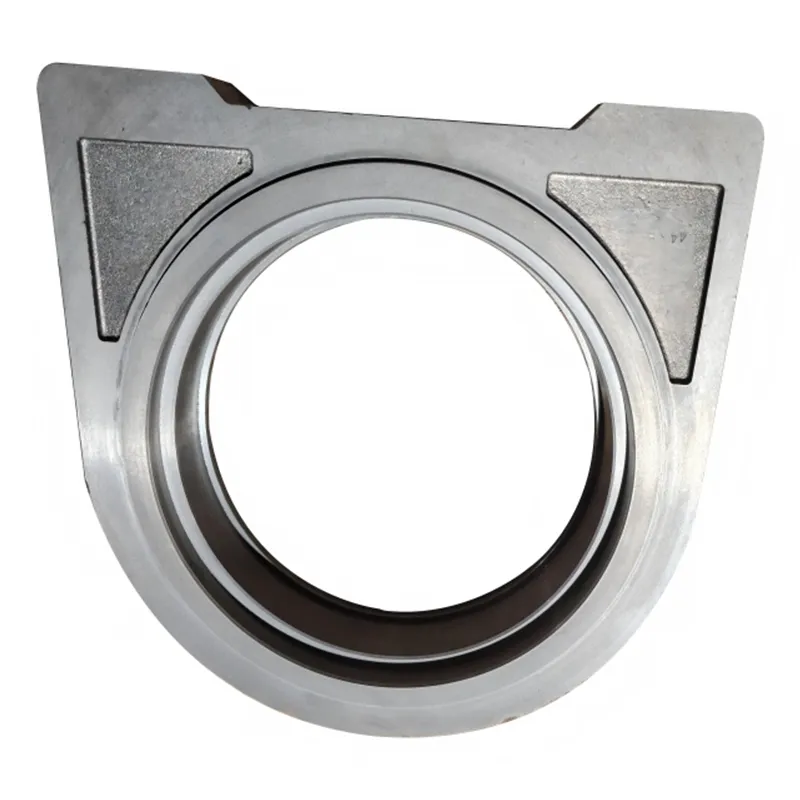
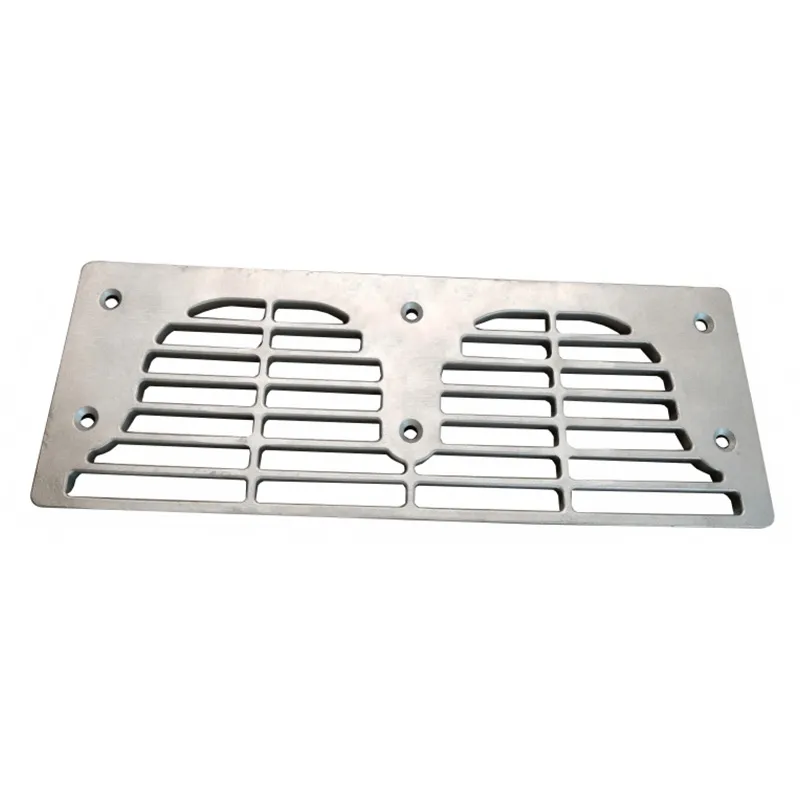
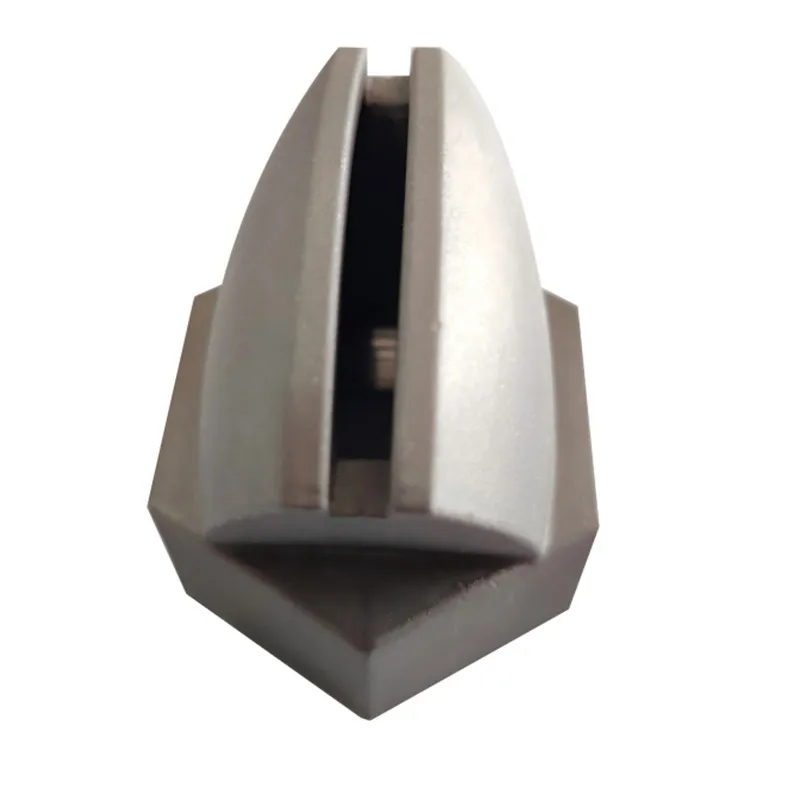
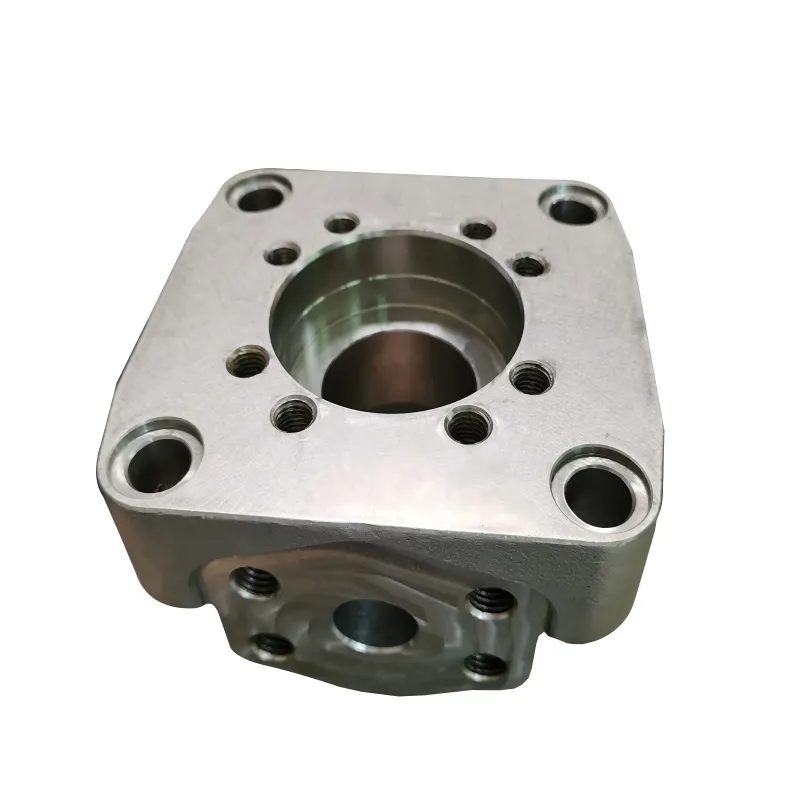
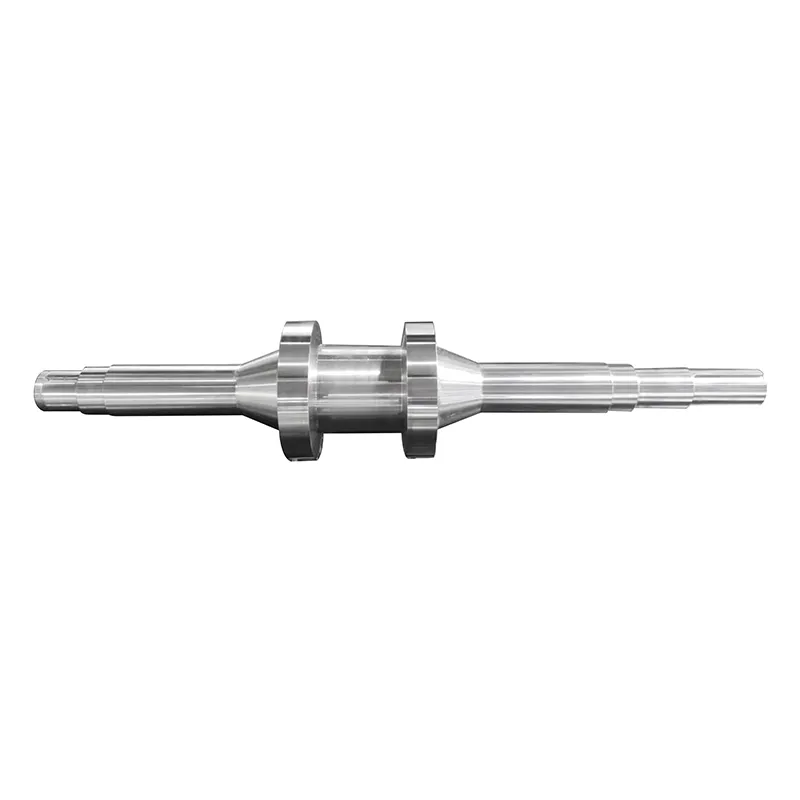
When you hear 'cast iron investment casting manufacturer,' most minds jump straight to the classic image of heavy, gray iron parts—manhole covers, engine blocks, the usual suspects. That's the first misconception. In reality, the intersection of cast iron and the investment casting process, often called the lost wax method, is a niche demanding a specific kind of precision. It's not just about pouring molten iron; it's about controlling its temperament within a ceramic shell to achieve geometries sand casting can't touch. Many shops claim capability here, but the gap between claiming and consistently delivering is where the real story is.
The Material Paradox: Why Ductile Iron Isn't Always the Answer
Let's talk material choice. A common pitfall is automatically specifying ductile iron for every complex investment casting job, assuming its nodular graphite structure guarantees toughness. It often does, but I've seen projects derail by overlooking solidification shrinkage characteristics. For thin-walled, intricate shapes—think a complex fluid valve housing with internal channels—a well-controlled gray iron (like Class 35 or 40) can sometimes fill the mold more reliably, with less risk of micro-shrinkage porosity in tight corners. The decision hinges on the part's stress profile and the foundry's gating and risering expertise.
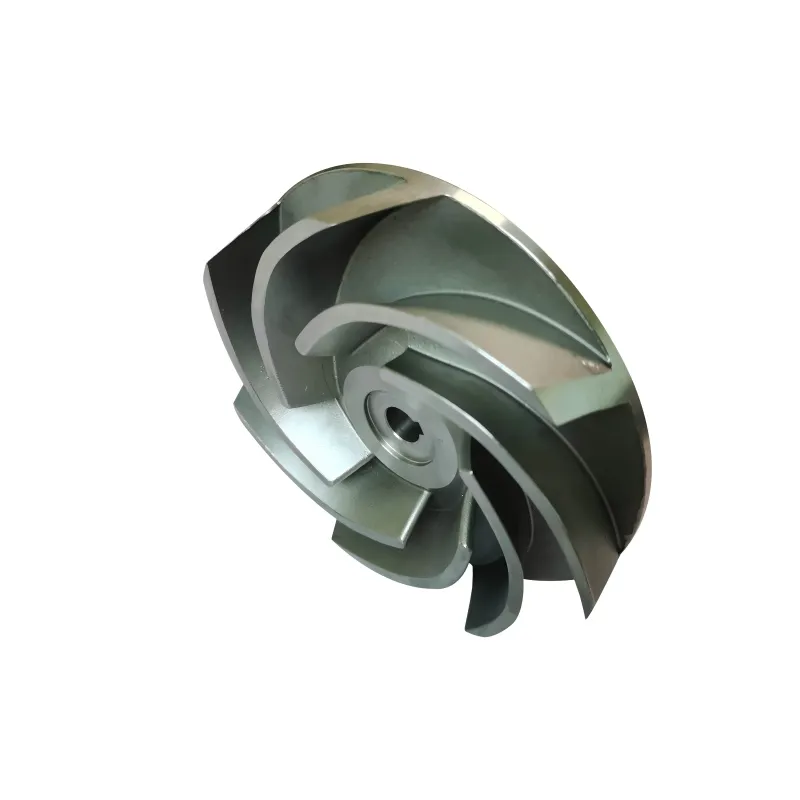
We learned this through a painful, months-long iteration for a pump impeller. The client insisted on ductile iron for corrosion fatigue resistance. The first three batches had persistent shrinkage defects at the blade roots. After metallurgical analysis and countless discussions, we proposed a switch to a high-strength gray iron with alloying additions. It wasn't the textbook first choice, but it solved the feeding problem and met the performance specs. The client was skeptical until the fatigue testing came back positive. The lesson? The material datasheet is a starting point, not the final map.
This is where a manufacturer's long-term material experience becomes tangible. A company like Qingdao Qiangsenyuan Technology Co., Ltd. (QSY), with its stated 30 years in casting, would have faced these crossroads repeatedly. Their portfolio including cast iron, steel, and special alloys suggests they've had to develop distinct process protocols for each family. Handling nickel-based alloys teaches you about thermal control, lessons that inevitably refine how you approach the pouring temperature and cooling curves for iron.
The Process Tightrope: From Pattern to Shell to Pour
The wax pattern stage is deceptively simple. For cast iron, which has a higher pouring temperature than aluminum but lower than some superalloys, the wax formulation and injection parameters need to balance dimensional stability with easy removal. A pattern that distorts slightly in a summer warehouse can wreck the dimensional tolerance of the final casting. We once lost a week's production because a new batch of wax behaved differently in humidity, causing assembly welds on complex patterns to fail during handling.
Then comes the shell building. The ceramic slurry and stucco system for iron needs to withstand the thermal shock and ferrostatic pressure without buckling or creating veining. I prefer a fused silica-based primary coat for its thermal stability, but it's more brittle. Some shops swear by zircon flour. There's no universal best recipe; it's a compromise between crack resistance, collapsibility post-cast, and cost. A good manufacturer has optimized this for their typical part size and weight range.
The dewaxing and firing stage is critical. Steam autoclave dewaxing is fast, but for heavier wax assemblies, flash firing might be better to avoid shell cracks. The fired shell must have zero residual carbon when the iron hits it, or surface defects are guaranteed. This is a silent, unseen quality gate. You only know you failed after shot blasting, which is why process control logs for furnace temperature profiles are as important as the melt chemistry itself.
Machining Integration: The Make-or-Break Handoff
This is perhaps the biggest differentiator for a true solutions provider. A cast iron investment casting manufacturer that also offers in-house CNC machining, like QSY highlights on their site https://www.tsingtaocnc.com, eliminates a massive coordination headache. Cast iron, especially grades with high graphite content, machines differently than steel. The graphite acts as a lubricant, but it also creates a abrasive dust that wears tools.
Having the casting and machining teams under one roof means the machinists can feed back directly to the foundry. They might say, This flange is consistently 0.5mm thicker on one side, can you adjust the pattern or pouring angle? Or, The hardness in this batch is variation, making tool life unpredictable. This closed-loop feedback is invaluable for continuous improvement. It turns a supplier relationship into a partnership.
I recall a gear housing project where the as-cast datum surfaces were just enough for chucking, but the final precision bores were machined. Because the machining was done externally, there were constant debates about whether bore misalignment was a casting distortion issue or a machining fixture problem. It was a classic blame game. Bringing both processes internally resolves that. The cost of a machining center is high, but the cost of unresolved quality disputes is often higher.
When Special Alloys Inform Iron Practice
It's noteworthy when a foundry like QSY lists cobalt-based and nickel-based alloys alongside cast iron. Working with these exotic materials forces an extreme discipline in process control—melt superheat, shell preheat, pouring speed, post-cast cooling in protective atmospheres. That discipline bleeds back into the iron department. The crucible handling protocols, the temperature measurement frequency, the rigor in slag removal—they all get elevated.
You start applying statistical process control (SPC) to your iron melts not because a client demands it, but because you're already doing it for the aerospace alloy orders. This cross-pollination of standards is a hidden advantage. The iron castings might not need an argon cover gas, but the mindset of meticulously documenting every variable becomes ingrained in the team's culture. It raises the floor for all products.
The Reality of Over 30 Years
A tenure like 30 years, as mentioned in QSY's introduction, isn't just a marketing line. In this context, it means they've weathered multiple business cycles, seen metallurgical trends come and go, and have a deep bench of tacit knowledge. It means they likely have pattern tooling that's been modified a dozen times, each modification a lesson learned. It means they've probably poured millions of pounds of iron, and have seen every possible defect manifestation.
This experience translates to problem-solving speed. A new foundry might see a defect and run through a textbook checklist. An experienced one might look at the macro-structure, feel the shell residue, and immediately suspect, for instance, a mismatch in the cooldown rate between the cope and drag sections of the mold. That intuition, born of repetition, saves client time and money. It's the unquantifiable asset.
Ultimately, selecting a cast iron investment casting manufacturer is about trusting their judgment as much as their equipment. It's about finding a partner who understands that the phrase encompasses a chain of delicate decisions, from alloy selection and pattern design to shell chemistry and post-cast processing. The goal isn't just a part that meets print; it's a part that performs reliably, batch after batch, with a minimum of drama in between. That's the real output of a seasoned operation.