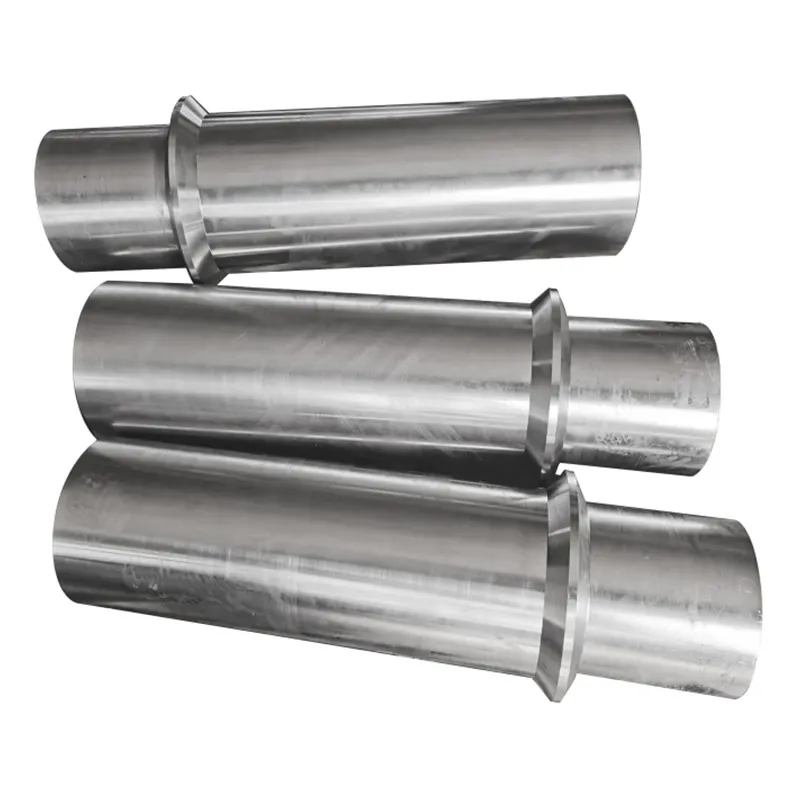
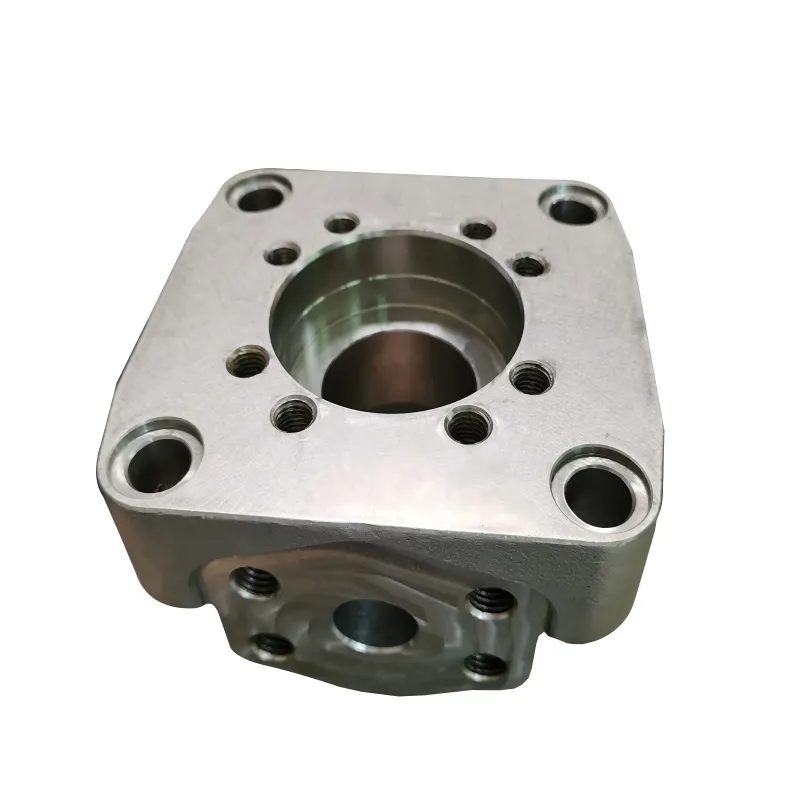
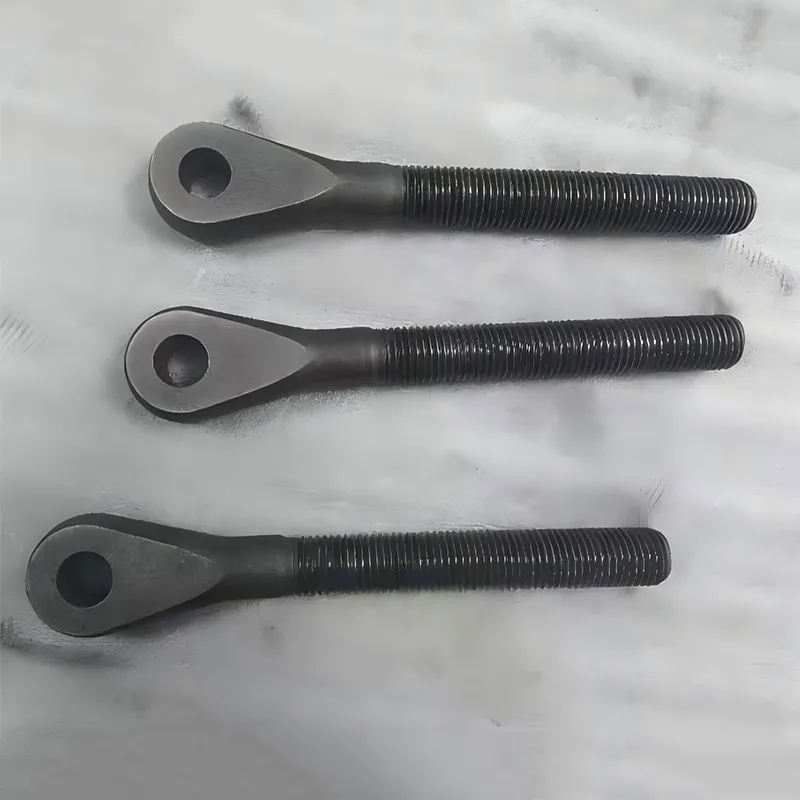
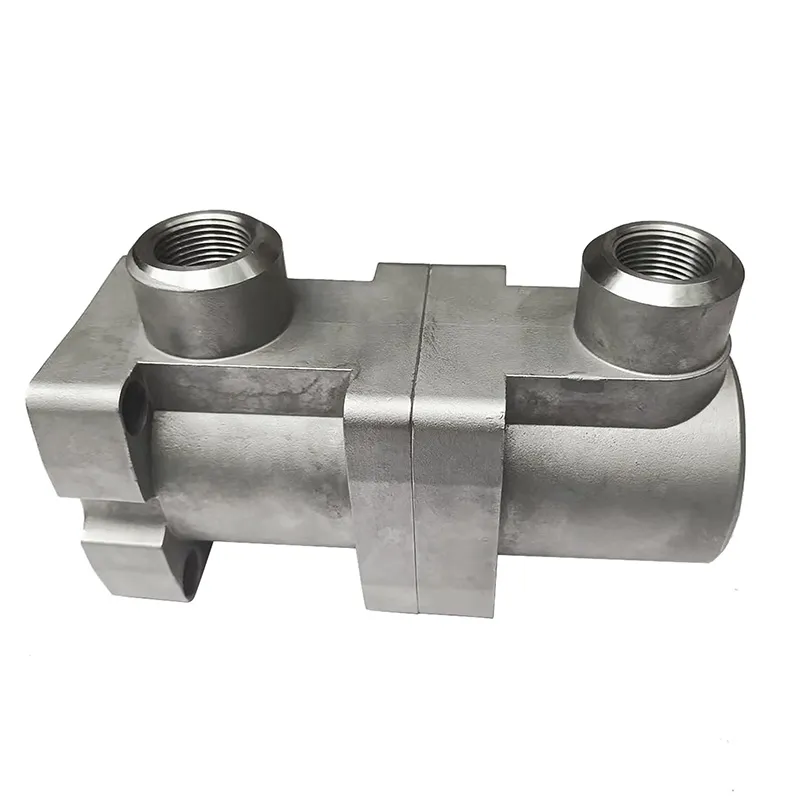
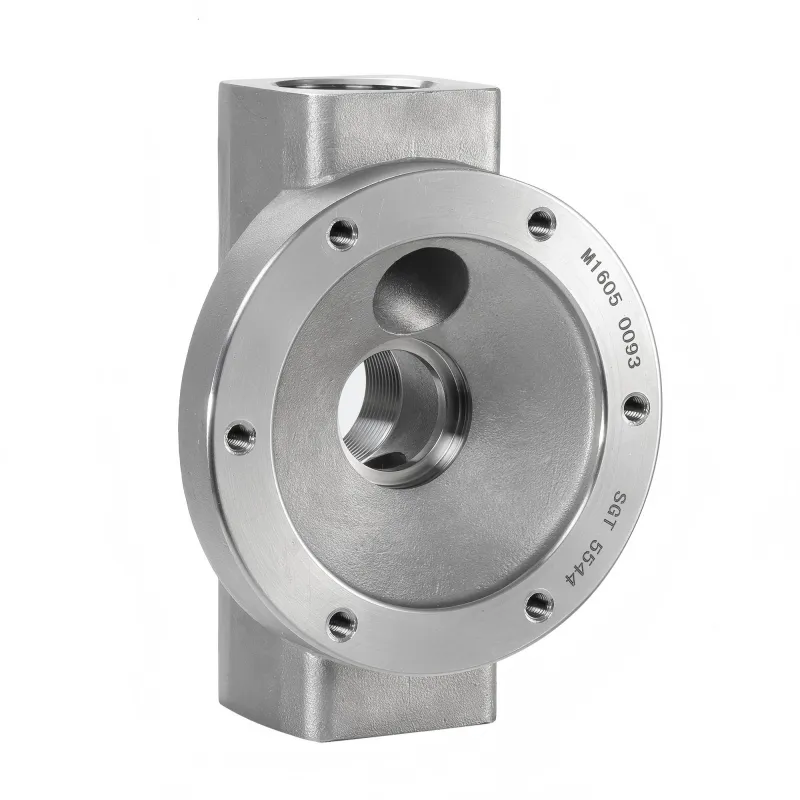
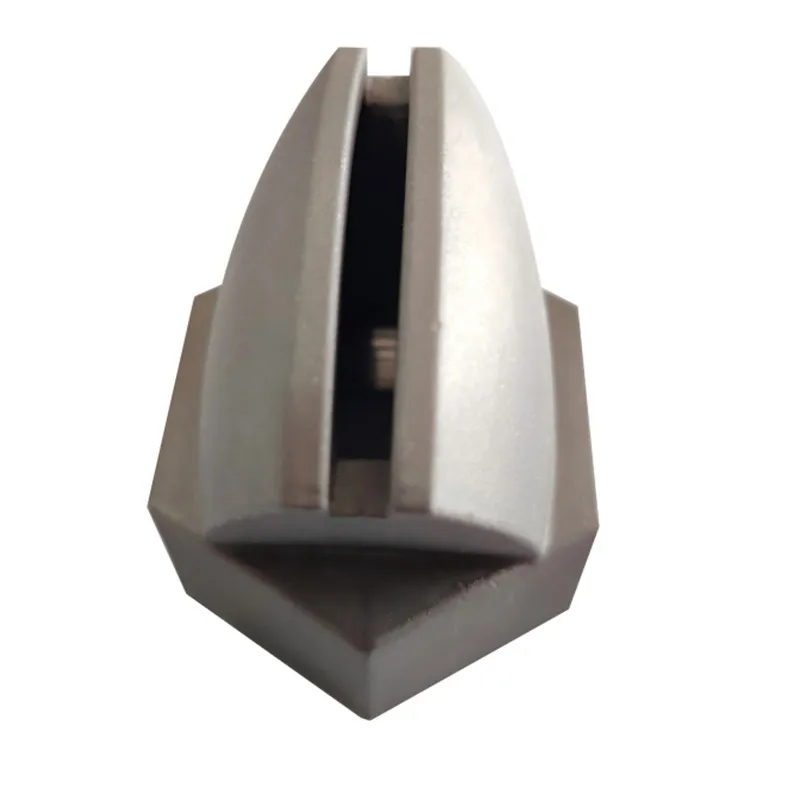
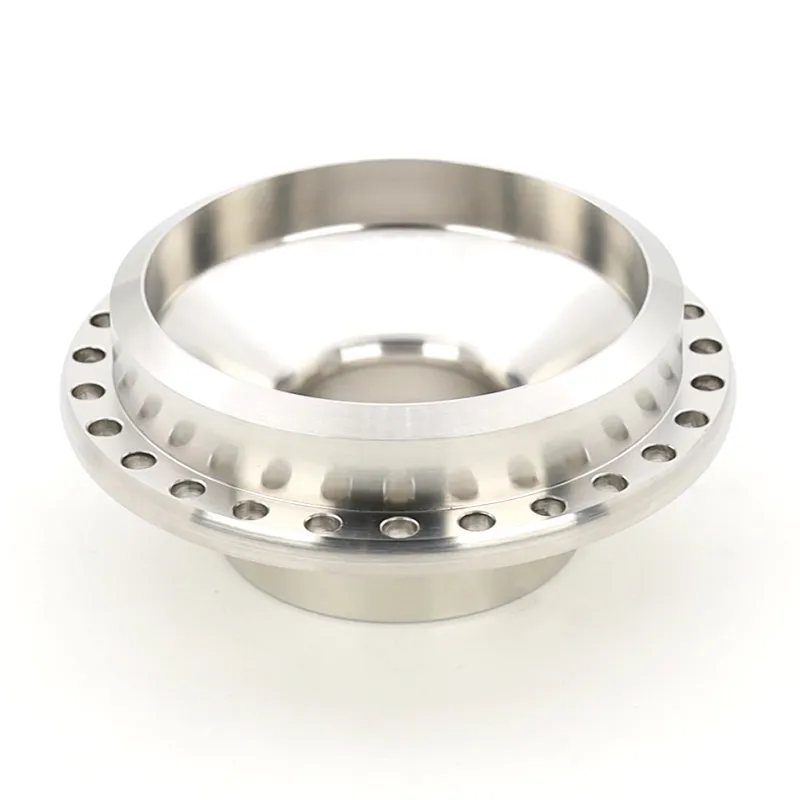
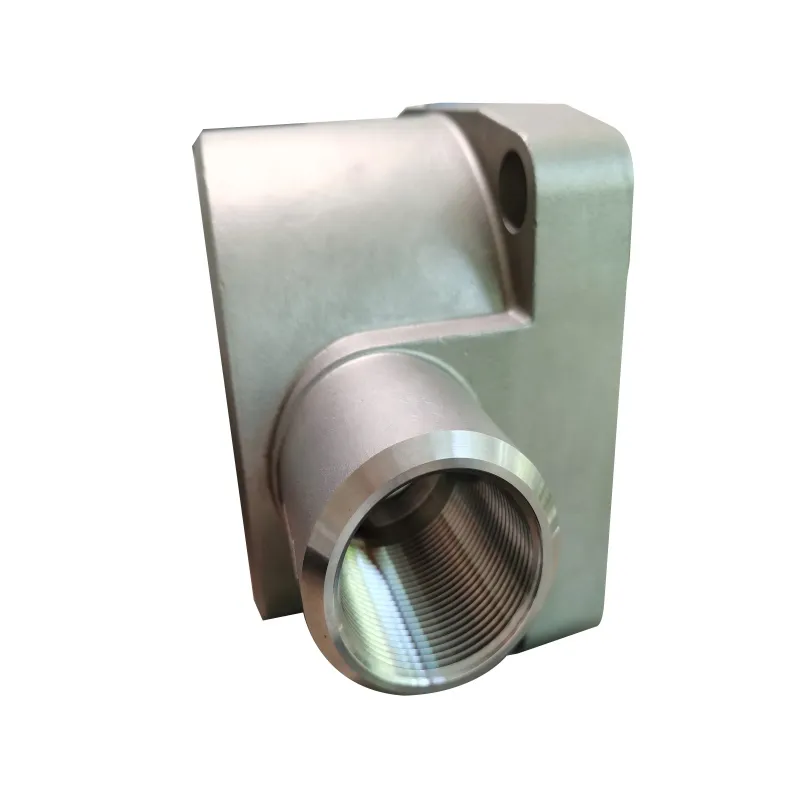
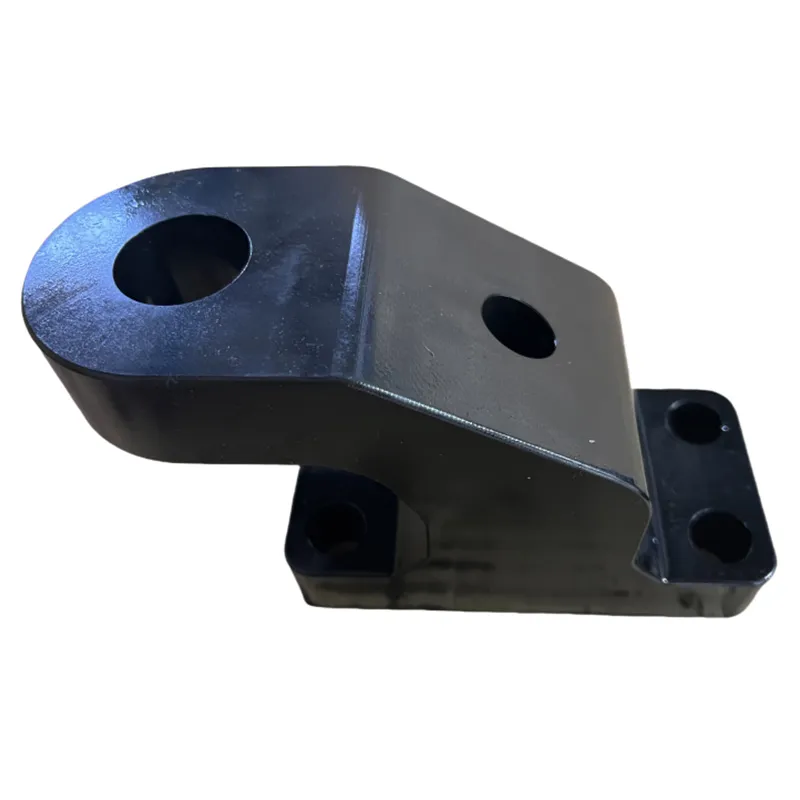
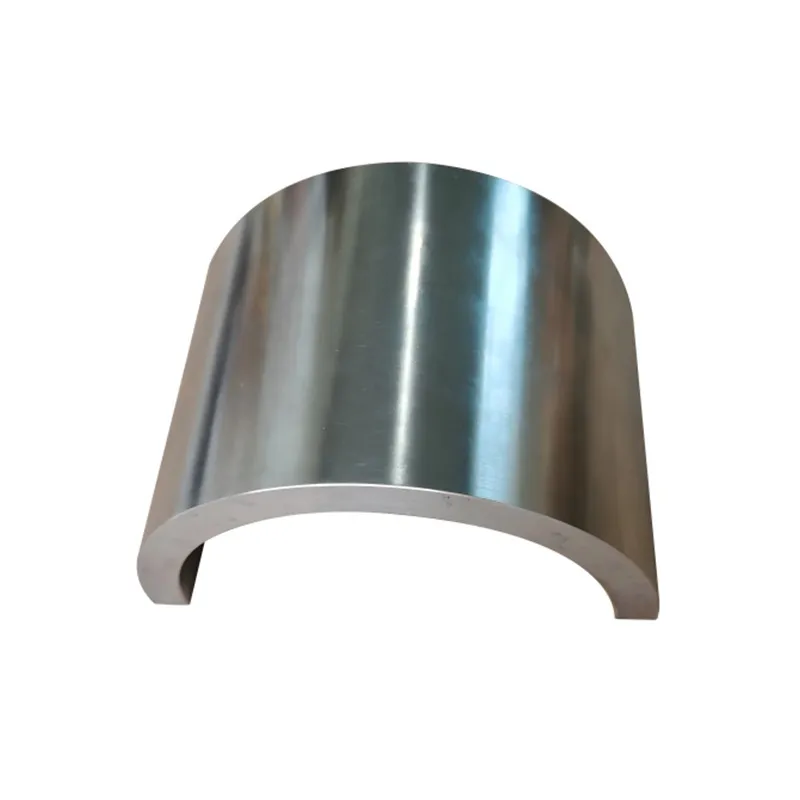
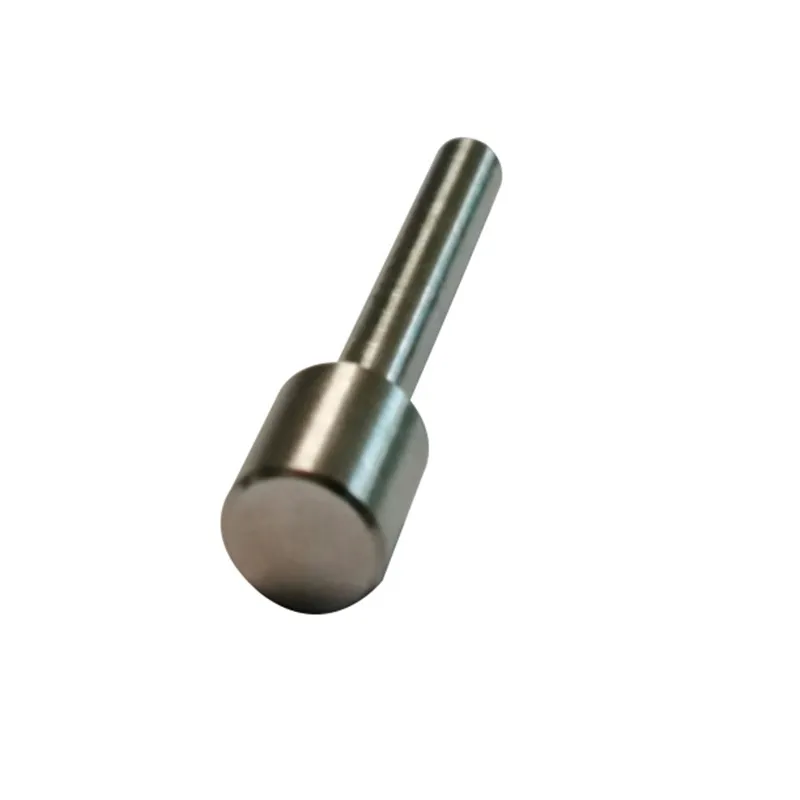
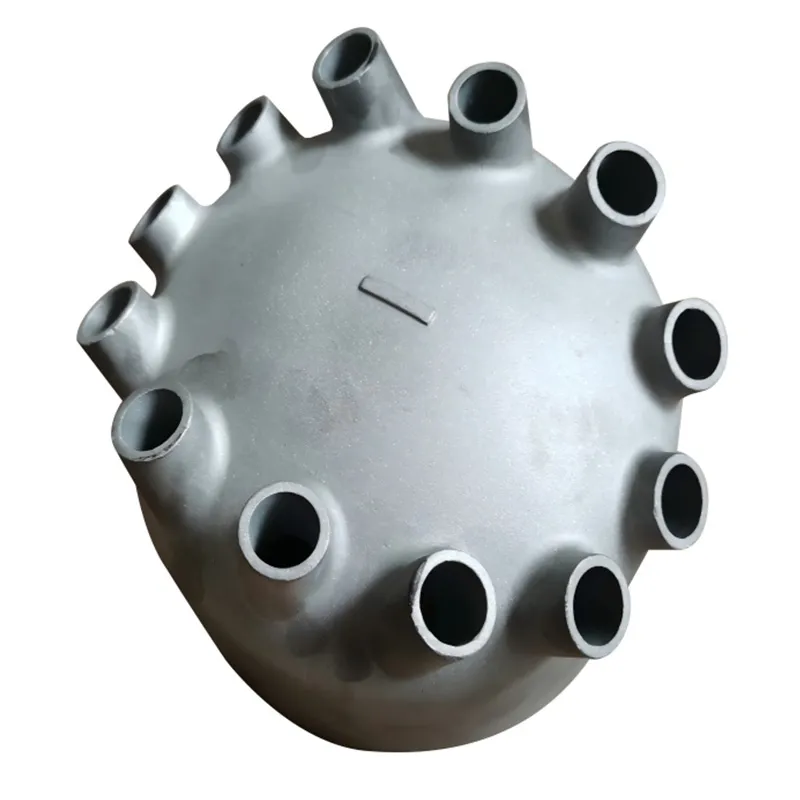
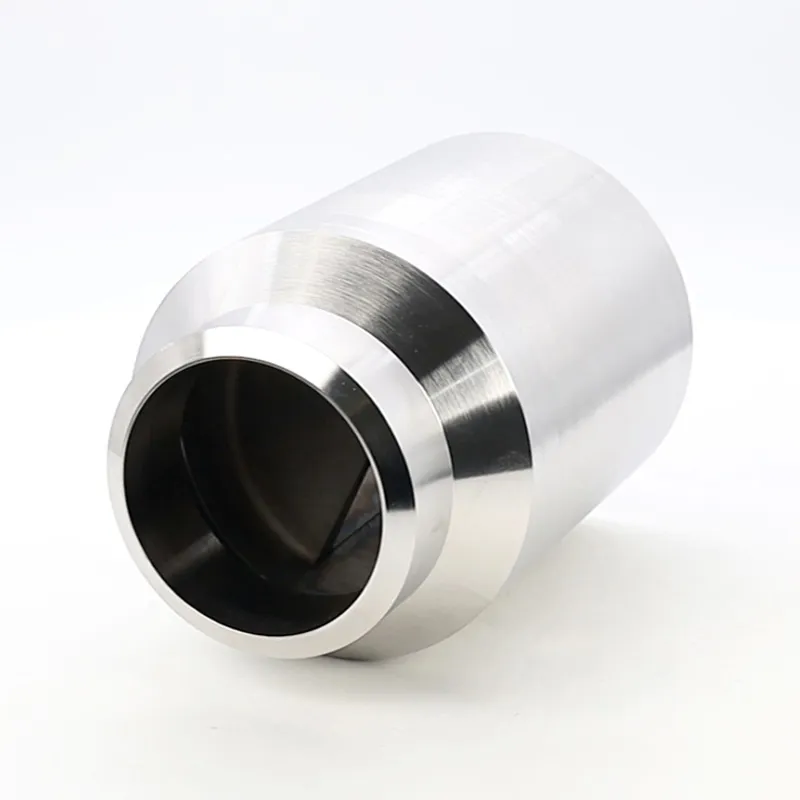
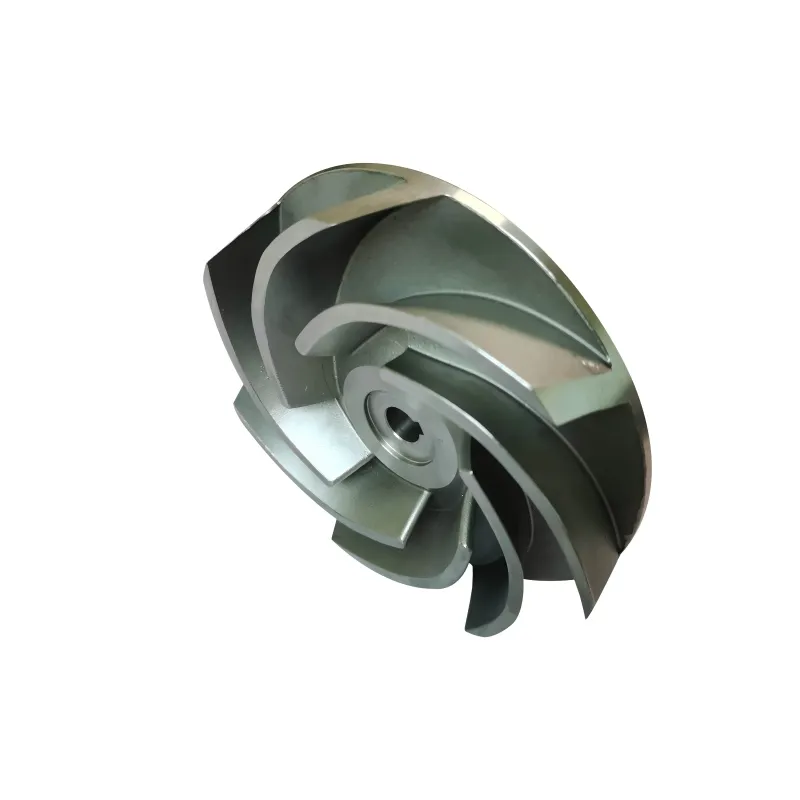
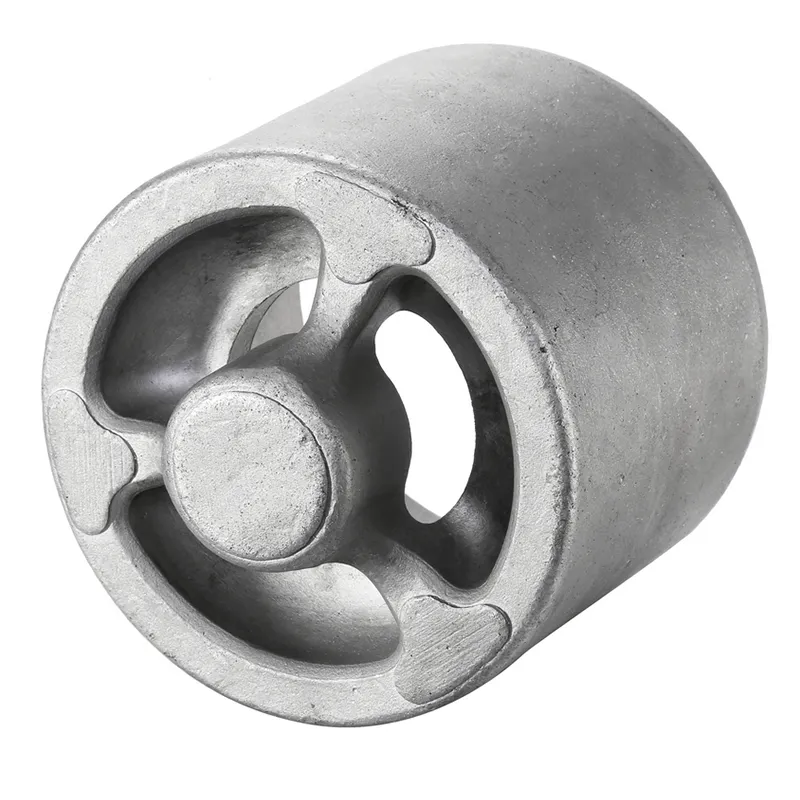
When someone says 'cast iron part', most think of a heavy, brittle, black lump. That's the first misconception. In reality, a well-made cast iron part is an engineering component with a specific microstructure, chosen not just for its low cost but for its damping capacity, wear resistance, and yes, its castability for complex shapes. The trick isn't in choosing to use cast iron; it's in knowing which grade—gray iron, ductile iron, malleable iron—and then navigating the hundred small decisions in the foundry and machine shop that separate a functional piece from a high-performance one. I've seen too many designs fail because they specified 'cast iron' on the drawing and left it at that.
Why Shell Molding is a Game-Changer for Precision Castings
Sand casting gets the job done, but for repeatability and surface finish on cast iron part batches, shell mold casting is often the unsung hero. The resin-coated sand forms a thin, rigid shell around the pattern, giving you a much more precise mold cavity. This matters immensely for parts that need minimal machining allowance. We're talking about saving hours on the CNC later. At our facility, leaning heavily on shell molding for things like hydraulic valve bodies or pump housings in gray iron, the consistency from the first piece to the thousandth is what clients pay for. It reduces the variable in an already variable-heavy process.
The downside? The patterns. They're metal, usually iron or steel, and they're expensive. If you're prototyping or doing a run of fifty pieces, the pattern cost can kill the project's economics. That's where you have to make a judgment call: eat the pattern cost for a long-term contract, or steer the client toward a different process for the short run. It's not always an easy conversation.
I remember a job for a compressor bracket, a fairly complex cast iron part with some internal ribs. The initial prototype from a green sand foundry had shifting issues—the cores moved slightly, throwing off critical mounting holes. We switched to shell molding for the production run. The pattern cost stung, but the elimination of post-casting rework and scrap more than justified it. The client got a part that bolted on straight every time. That's the hidden value.
The Machining Dance: Where Theory Meets the Cutting Tool
Casting is only half the story. A raw casting is a near-net-shape blob. The magic (and the cost) happens in the machining. Cast iron machines beautifully—if you respect it. Its graphite structure acts as a lubricant, but that same graphite makes it abrasive. You go through inserts faster than with steel. The key is rigidity. Any chatter on a cast iron part will shatter the cutting edge, not wear it.
We run a lot of Okuma and DMG MORI CNCs here, and for iron, we prioritize machine stability over outright speed. Coolant strategy is another thing. Some shops swear by dry machining gray iron; others use a mist. We typically use a high-pressure flood coolant, not so much for cooling the cut (the chips carry most of the heat away), but to control the dust. Cast iron dust is nasty stuff, and keeping it washed down into the filtration system is a non-negotiable for shop safety and machine longevity.
Then there's the stress relief. Or lack thereof. A common pitfall is machining a part right after casting. The internal stresses from cooling will relieve themselves eventually, warping your beautifully machined component. For critical dimensions, we either use aged castings—stock that's been sitting for months—or we send them through a thermal stress relief cycle before the finish machining passes. It adds time, but it's the difference between a part that fits and a part that gets rejected at the customer's QC.
Material Selection: It's Never Just Iron
Specifying the material is where the engineer's intent gets translated. Gray iron (like Class 35 or 40) is great for vibration damping—think engine blocks or machine tool bases. But it's brittle. Ductile iron, with its nodular graphite, has tensile strength and some ductility. It's for parts that see shock load, like gears or heavy-duty suspension components. Picking the wrong one is a catastrophic design error.
We worked with a client once who designed a high-impact agricultural tool component and specified a common gray iron grade. The first field tests resulted in catastrophic fractures. We had to go back, analyze the failure mode, and recommend a switch to a ferritic ductile iron (65-45-12 grade). The part cost went up maybe 15%, but the field life increased by a factor of ten. The lesson? The cheapest cast iron part is the one that doesn't fail in service.
And then there are the alloys. Sometimes you need that iron base but with extra heat or corrosion resistance. That's where special alloys like Ni-Resist or SiMo ductile iron come in. They're a whole different beast to cast and machine, with shrinkage rates that'll fool you if you're used to standard grades. It's niche work, but for certain valve and turbocharger housings, it's the only thing that works.
Investment Casting for Iron? The Niche Application
Most people associate investment casting—the lost-wax process—with stainless steel or superalloys. Using it for cast iron part production is rare, but it has its place. The main advantage is geometric complexity and surface finish that even shell molding can't touch. Think of a small, intricate component with internal passages that would be impossible to core with sand.
The catch is temperature. Iron pours at a much higher temperature than most steels used in investment casting—around 1370°C and up. That's hell on the ceramic shell. The shells have to be engineered differently, often with backup layers and special refractories to withstand the thermal shock and prevent metal penetration. The yield rates can be lower, and the cost is significantly higher than sand-based processes.
We've done it a handful of times, usually for R&D or aerospace adjacent projects where the design complexity trumped cost. One was a sensor housing with an integrated cooling labyrinth. Machining it from solid was impossible, and a sand-cast version would have had unacceptable surface roughness in the passages. Investment casting was the only path. It worked, but it was a process of constant adjustment with the shell vendor. Not for the faint of heart.
The Supply Chain Reality: From Foundry to Finished Good
This is the part you don't learn in school. Making a single perfect cast iron part in a controlled environment is one thing. Making 10,000 of them, on schedule, with consistent quality, shipped from China to a warehouse in Stuttgart or Chicago, is another beast entirely. It's about process control, logistics, and communication.
A company like Qingdao Qiangsenyuan Technology Co., Ltd. (QSY) has operated for over three decades because they understand this pipeline. Specializing in both shell mold and investment casting, plus having in-house CNC machining, is a massive advantage. It creates a closed-loop of quality control. The machinists can talk directly to the foundry foreman if they see a consistent flaw in the castings, and the process can be tweaked in days, not weeks. When you're dealing with materials from standard cast iron and steel to tricky nickel-based alloys, that vertical integration isn't a luxury; it's a necessity for reliability.
The biggest failures I've witnessed weren't technical; they were logistical. A beautiful part stuck in customs because of incomplete documentation, or a heat treat certification that got lost in translation. Now, we treat the paperwork with the same rigor as the machining tolerances. The certificate of conformity, the material test reports, the first article inspection packs—they are part of the deliverable. A part isn't finished until the box and the paperwork land on the dock.
So, when you're sourcing a cast iron part, you're not just buying a piece of metal. You're buying into a process, a chain of judgments and corrections, from the metallurgist choosing the charge mix to the CNC programmer selecting the feed rate. The part that seems simple is almost never simple. And that's what makes getting it right so satisfying.