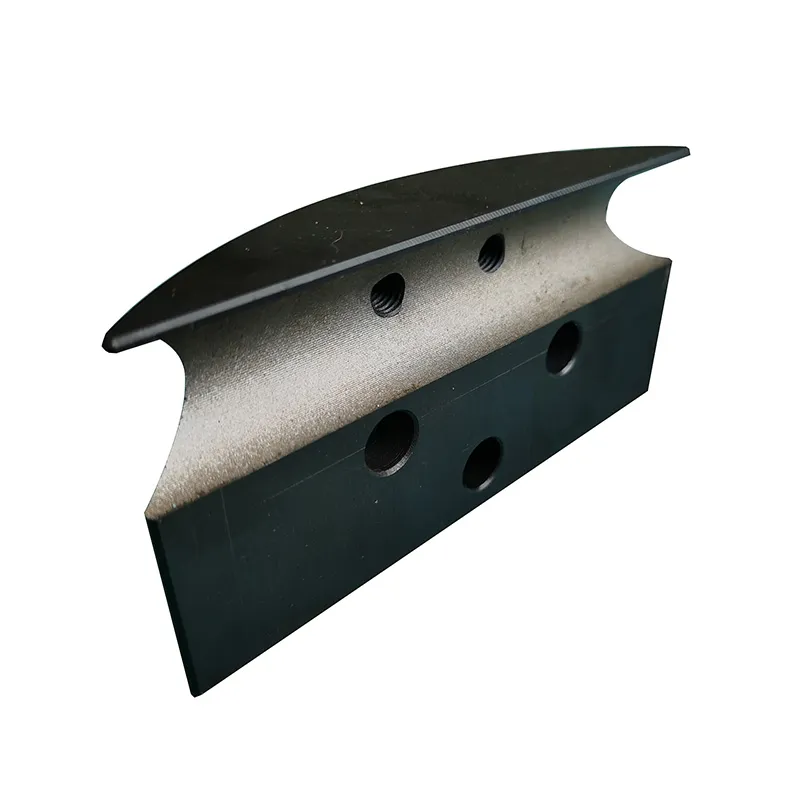
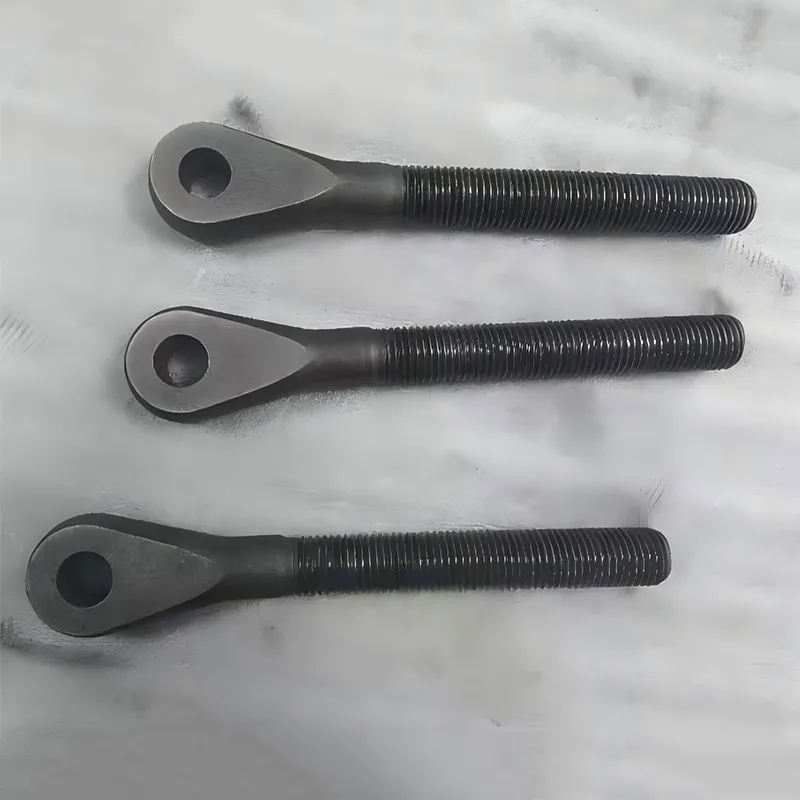
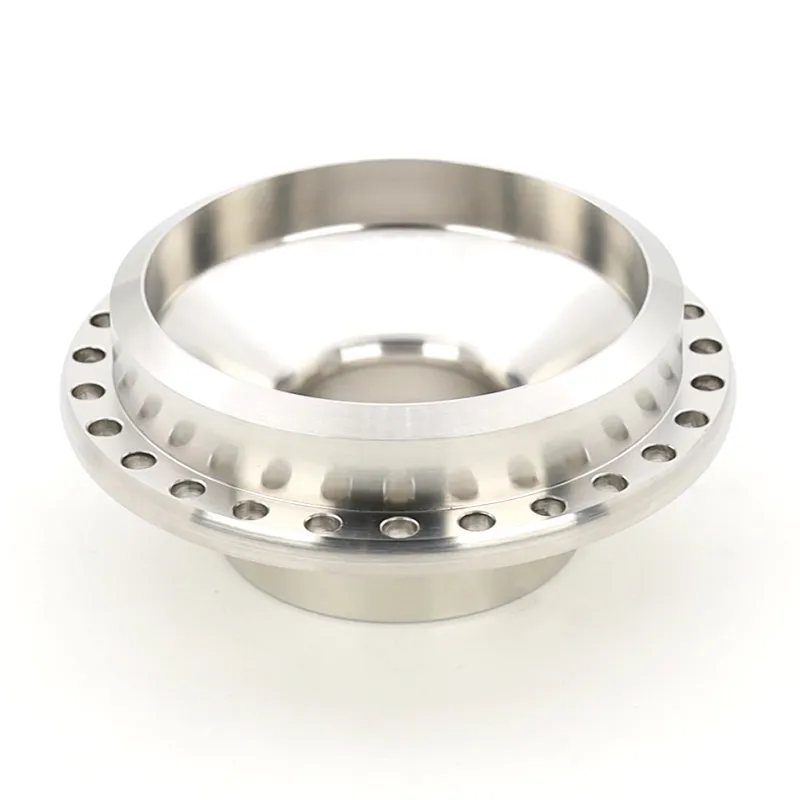
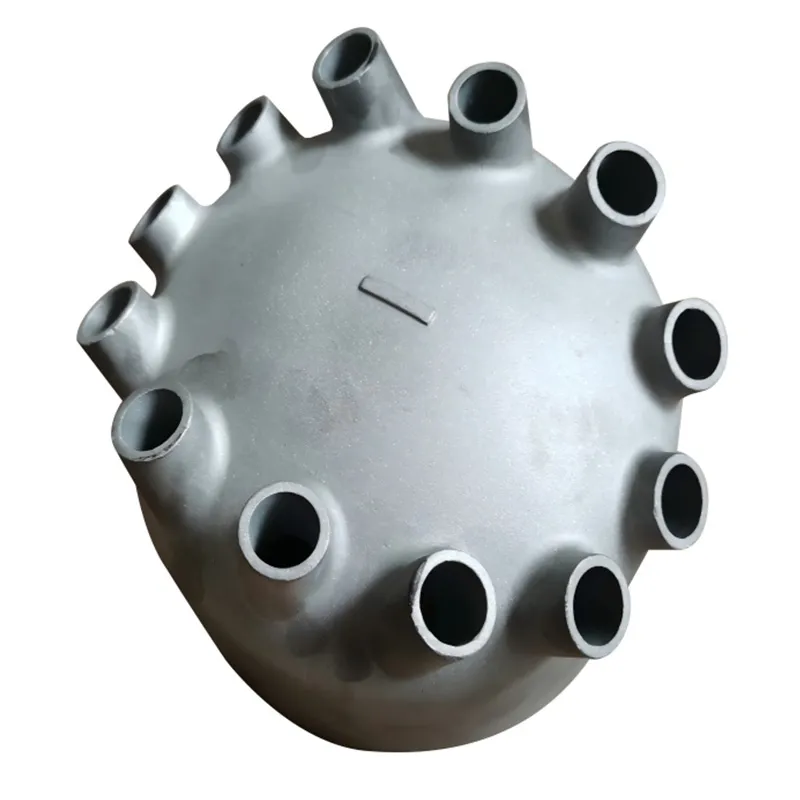
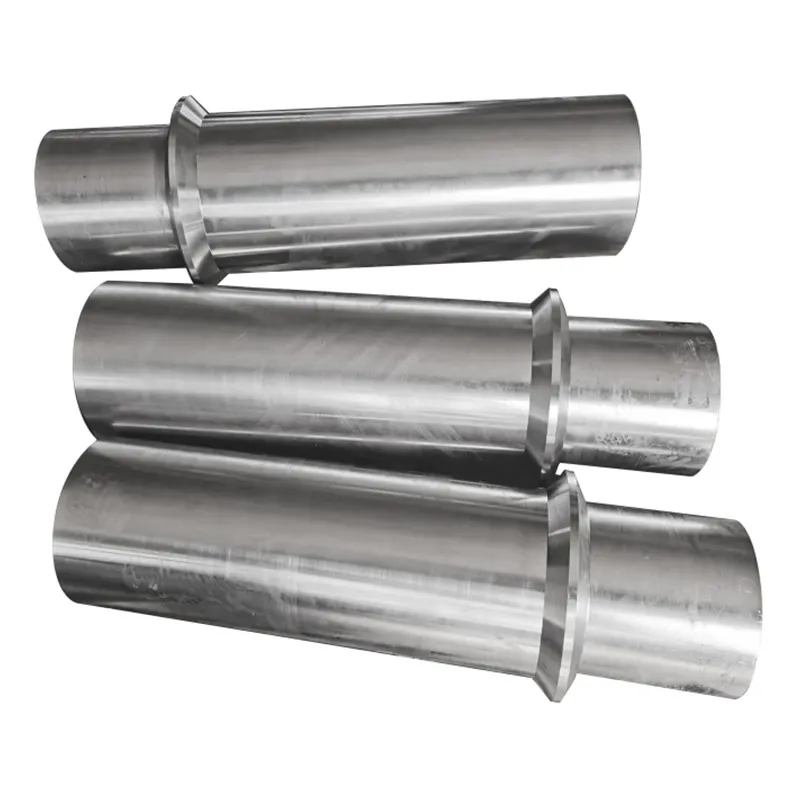
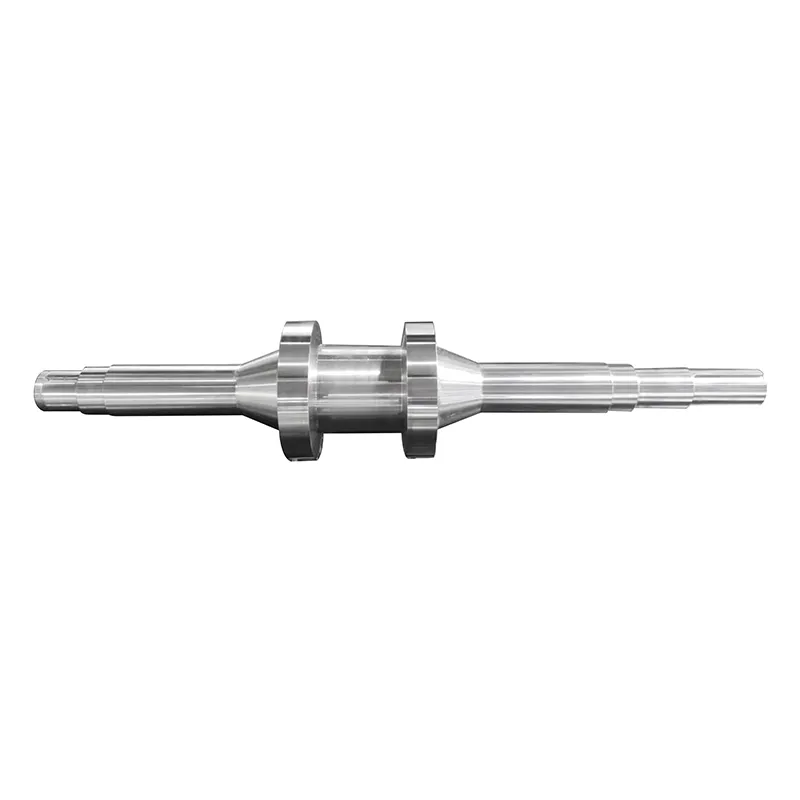
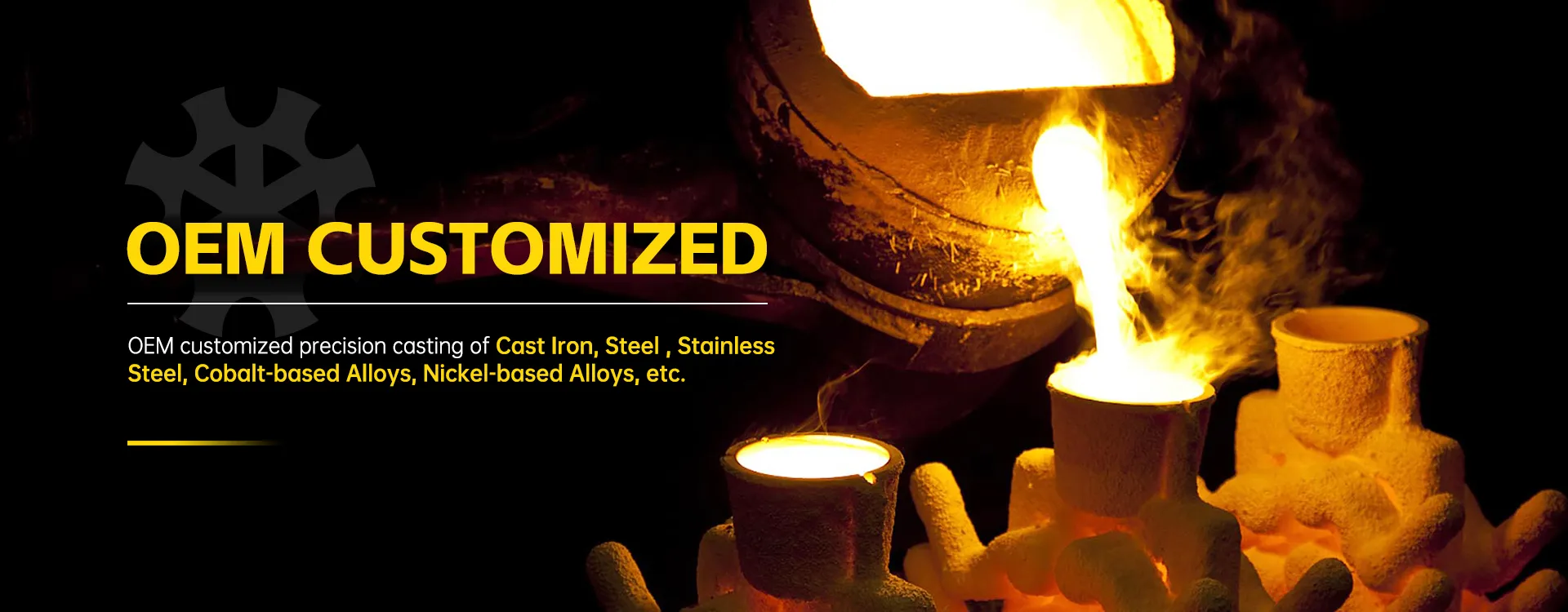
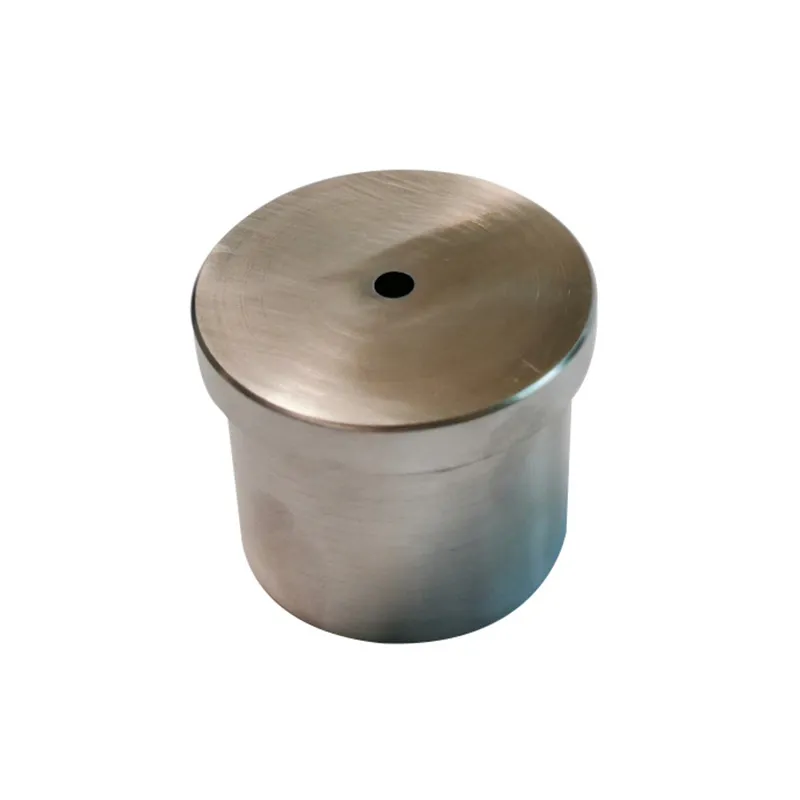
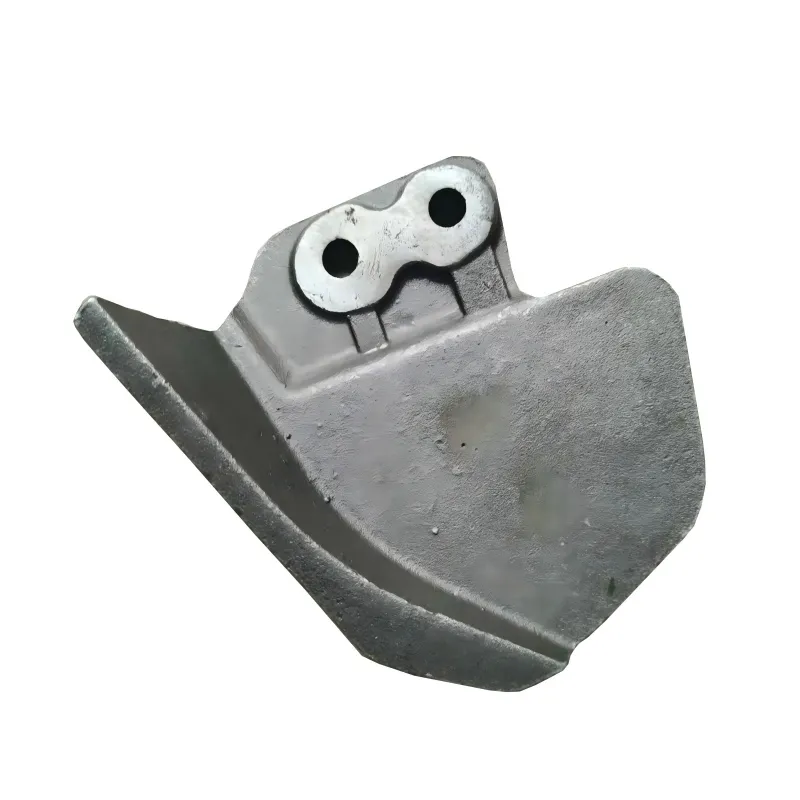
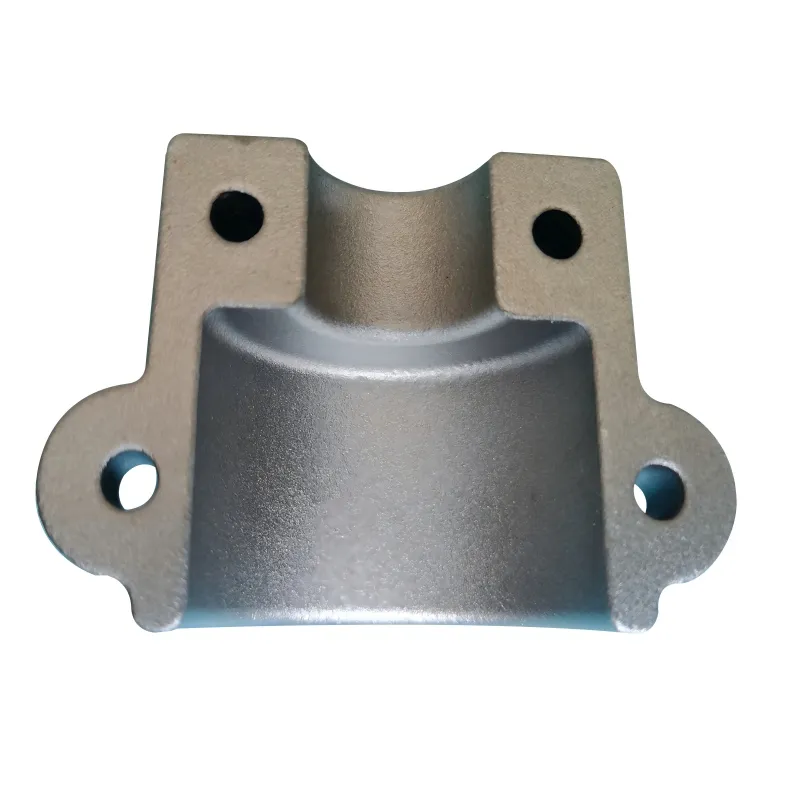
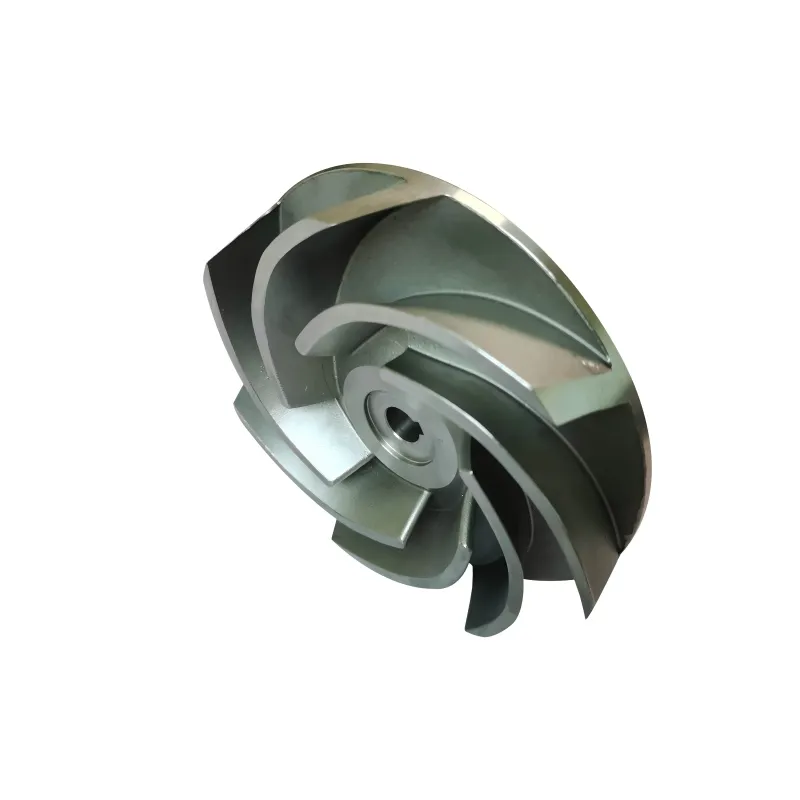
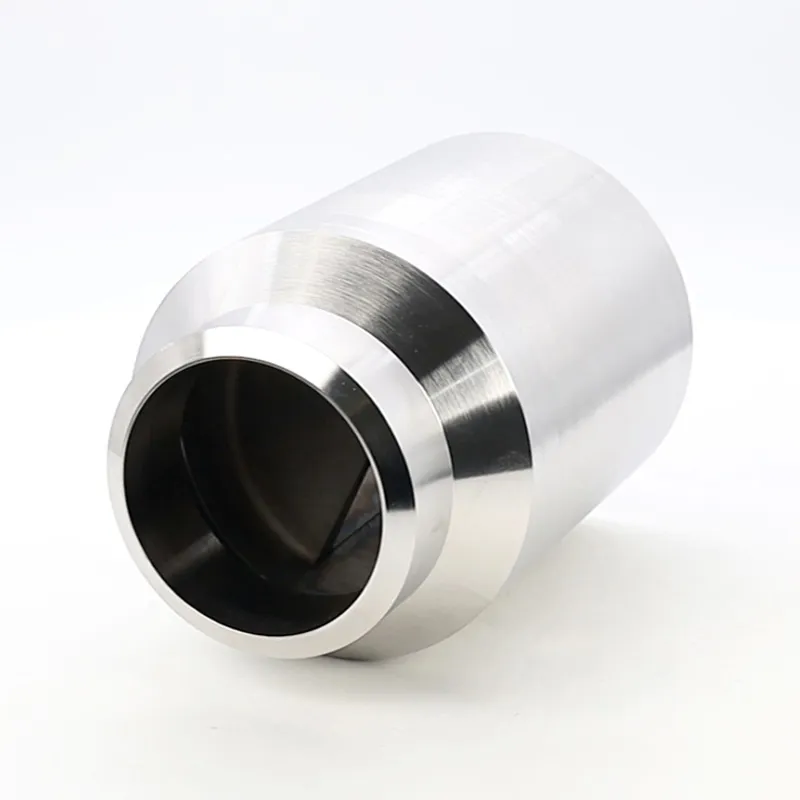
When most people hear 'cast iron parts,' they picture heavy, brittle, rust-prone lumps. That's the biggest misconception. In reality, modern foundry and machining practices have transformed cast iron into a material of remarkable precision and reliability. The key isn't just the casting; it's the entire journey from the mold to the finished, machined component. I've seen too many projects fail because someone sourced a cheap casting without understanding the critical role of controlled cooling rates, proper alloying, and, most importantly, post-casting machining. It's the finish work that unlocks the material's true potential—its vibration damping, its wear resistance, its stability. Let's talk about what that process really looks like on the floor.
The Foundation: It Starts (And Can End) With the Mold
You can't machine away a bad casting. Well, you can try, but you'll burn through tooling and budget. The choice of mold process dictates everything. For intricate, thin-walled parts in higher grades of ductile iron, we almost always lean towards shell mold casting. The dimensional accuracy from the resin-coated sand is superior to traditional green sand, giving the CNC machinists a fighting chance. The surface finish out of the mold is cleaner, which reduces one of the biggest hidden costs: pre-machining cleanup. I remember a batch of pump housings where the client insisted on the cheapest green sand option. The parting line flash was so severe and irregular that it took nearly 30% longer to fixture and face each part before we could even start the real machining ops. That savings vanished instantly.
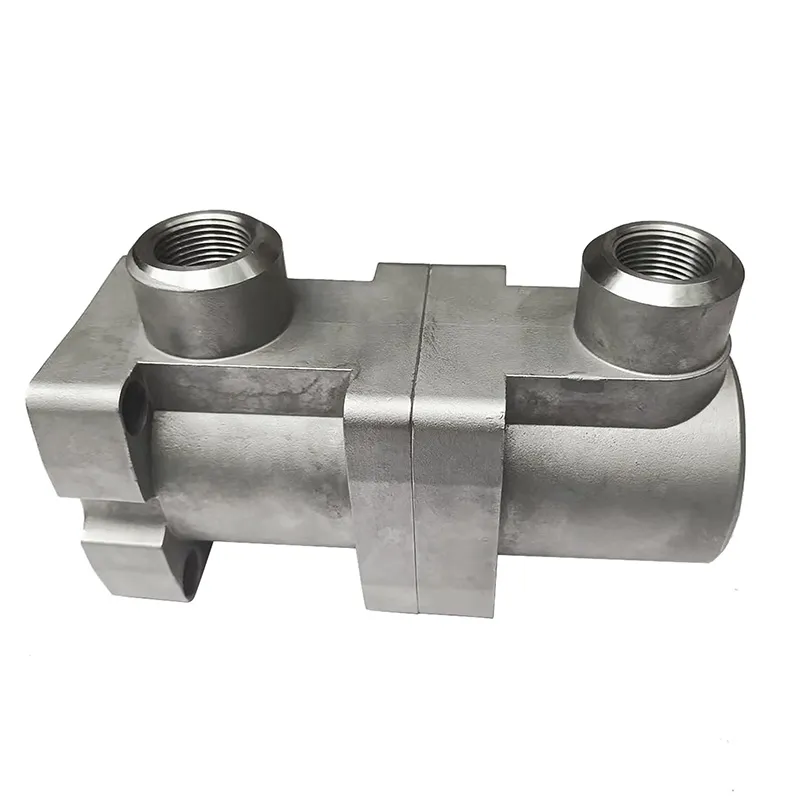
For the most complex geometries—think internal channels, undercuts, or features that would be impossible to machine—investment casting is the go-to, even for certain alloyed irons. The wax pattern process allows for that complexity. But here's the catch with iron: its pouring temperature and shrinkage. If the gating and riser system isn't designed by someone who understands iron's specific solidification behavior, you'll get shrinkage porosity right in a critical wall. That part is scrap. No amount of machining will fix a void inside a load-bearing flange. It's a lesson learned from a failed prototype for a hydraulic valve body years ago.
This is where a foundry's experience is non-negotiable. A company like Qingdao Qiangsenyuan Technology Co., Ltd. (QSY), with their decades in casting, understands this intrinsically. Their long-term operation suggests they've navigated these material-specific pitfalls across thousands of batches. They don't just make a mold; they manage the metallurgy. For cast iron parts, that means controlling the carbon content and the form it takes—flake graphite for damping, nodular graphite for strength. Getting that wrong in the melt stage makes the part useless for its intended function, regardless of how pretty the CNC work is later.
Machining: Where the Part Actually Emerges
This is my world. The raw casting arrives, and it's a blank canvas with hidden landmines. The first step is often stress relieving. Castings have internal stresses. If you machine one side flat and heavy, you release those stresses and the part can warp overnight. We learned to build in a thermal cycle for high-precision components like those for coordinate measuring machine bases. Skip it, and the flatness tolerance is gone.
Then comes fixturing. Castings aren't uniform. You don't have a nice, milled billet to clamp on. You have to locate off sometimes inconsistent datum features from the mold. We use soft jaws machined to the contour of a specific casting as-cast surface. It's a time-consuming setup, but it's the only way to ensure your first critical cut is referenced correctly to the part's inherent geometry. If your datum is off by half a millimeter here, that error propagates through every subsequent operation.
The cutting itself is a dance with abrasiveness. The graphite in iron is a lubricant, but the material overall is tough on tools. Carbide inserts with the right coating and a rigid setup are mandatory. Coolant is crucial not just for cooling, but for flushing away abrasive micro-chips that can re-cut the insert or the part surface. The goal is a clean, continuous chip. If you're getting dust or segmented chips, you're killing your tool and work-hardening the surface, which makes the next pass even harder. For the finishing passes on a sealing surface of a ductile iron compressor part, this is everything. The surface integrity is as important as the dimension.
The Material Matrix: Not All Iron is Gray and Chunky
Specifying cast iron is like specifying metal—it's meaningless. Gray iron (Grey iron) is great for damping and is relatively easy to machine. Ductile iron (Nodular iron) has the tensile strength approaching steel, used for crankshafts and high-stress components. Then you have more exotic alloyed irons, like Ni-Resist for corrosion resistance. Each machines differently.
We worked on a project requiring parts for a high-temperature exhaust system. The spec called for a nickel-chromium alloyed ductile iron. The machining parameters from our standard ductile iron programs were completely off. The material work-hardened much faster. We had to slow speeds, increase feed slightly to get under the work-hardened layer, and use a more aggressive insert geometry. It was trial and error on the first few pieces, eating up a couple of expensive inserts before we dialed it in. This is where a supplier's material expertise matters. If their foundry can handle special alloys like nickel-based or cobalt-based ones, as QSY's scope suggests, their machining division likely has the empirical data to handle the corresponding cast iron parts made from those alloys. That continuity from melt to mill is a huge advantage.
Mixing materials is another reality. It's common to have a cast iron housing that needs to interface with stainless steel shafts or have bronze bushings pressed in. The thermal expansion coefficients differ. A press fit calculated for steel-on-steel might be too loose or dangerously tight for iron-on-bronze. We once had a interference fit that worked perfectly at 20°C but seized solid when the assembly reached operating temperature because we overlooked this. Now, it's a standard check on the drawing review.
Quality: The Gritty Details You Can't Ignore
Visual inspection catches the obvious cracks or cold shuts. But the real threats are subsurface. We use ultrasonic testing for critical parts to find shrinkage or gas porosity. Magnetic particle inspection is standard for surface cracks on ferrous materials like cast iron parts. This isn't optional for safety-critical components. A client once asked us to skip NDT to save cost and time on a batch of brake caliper brackets. We refused. The liability isn't worth it. Three years later, a competitor's part failed from an undetected sand inclusion, and the resulting lawsuit bankrupted them. Our initial stubbornness saved us.
Dimensional inspection post-machining is another layer. A CMM is ideal, but for high-volume production, functional gauges designed for key tolerances are faster. The challenge with castings is that you're not just checking machined features; you're also verifying that the as-cast features (which you didn't machine) are within the drawing's envelope tolerance. Sometimes, a perfectly machined feature is rendered useless because an unmachined mounting boss is out of place.
Finally, surface treatments. Many cast iron parts get a phosphating or black oxide coating for corrosion resistance. The machining process affects this. If you leave a highly stressed, work-hardened surface from aggressive machining, the coating adhesion can fail. The finishing pass needs to leave a clean, stress-minimized surface. It's a holistic process where each step informs the next.
The Integrated Supplier: Why the Full Process Matters
This brings me to a practical observation. The most seamless projects I've managed have been with suppliers that control both the casting and the CNC machining. When the foundry and the machine shop are under one roof, or at least in tight coordination like with an integrated manufacturer, problems get solved faster. The machinists can feed back to the foundry: This parting line is causing fixturing issues, or Can we add a small machining pad on this surface for a better datum? The foundry can adjust the mold design or the gating for the next batch.
Looking at a company profile like QSY's, their offering of both shell mold casting, investment casting, and full CNC machining under one entity is significant. For an engineer sourcing a complex ductile iron valve body, it means one point of responsibility. The foundry team knows the part will be machined, so they might leave additional stock in a tricky area. The machining team has direct access to the guys who made the casting if they find an inconsistency. This closed-loop feedback is invaluable for continuous improvement and, frankly, for preventing disasters. It turns a transaction into a collaboration.
In the end, reliable cast iron parts aren't a commodity. They're the product of a nuanced, experienced chain of decisions from alloy selection to mold design to machining strategy. The difference between a part that fails in the field and one that lasts for decades is often hidden in these gritty, shop-floor details that never make it to the glossy brochure. It's about respecting the material's character and managing its entire journey, not just buying a chunk of metal and cutting it.