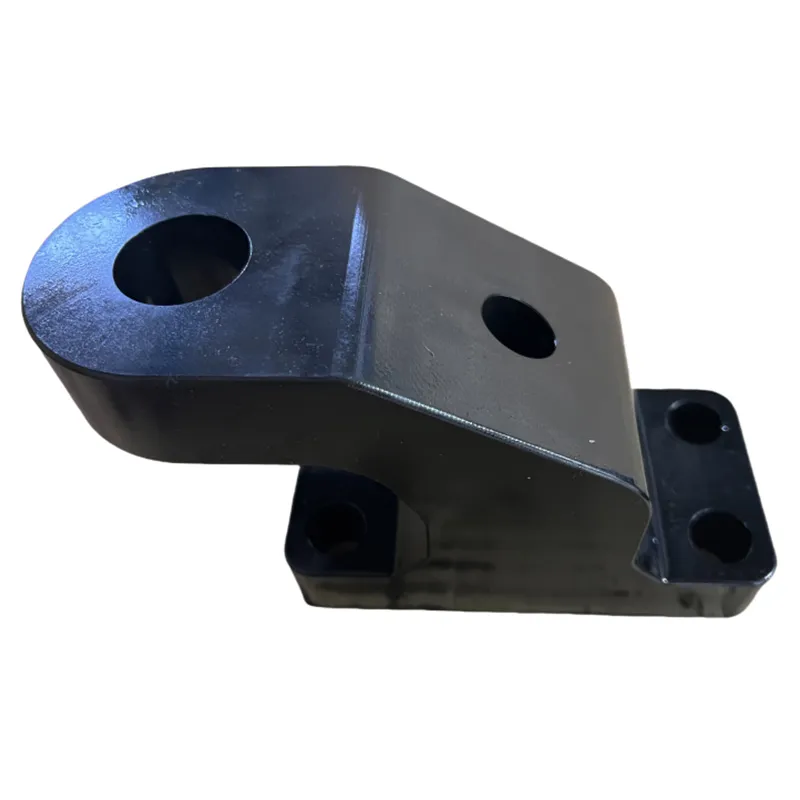
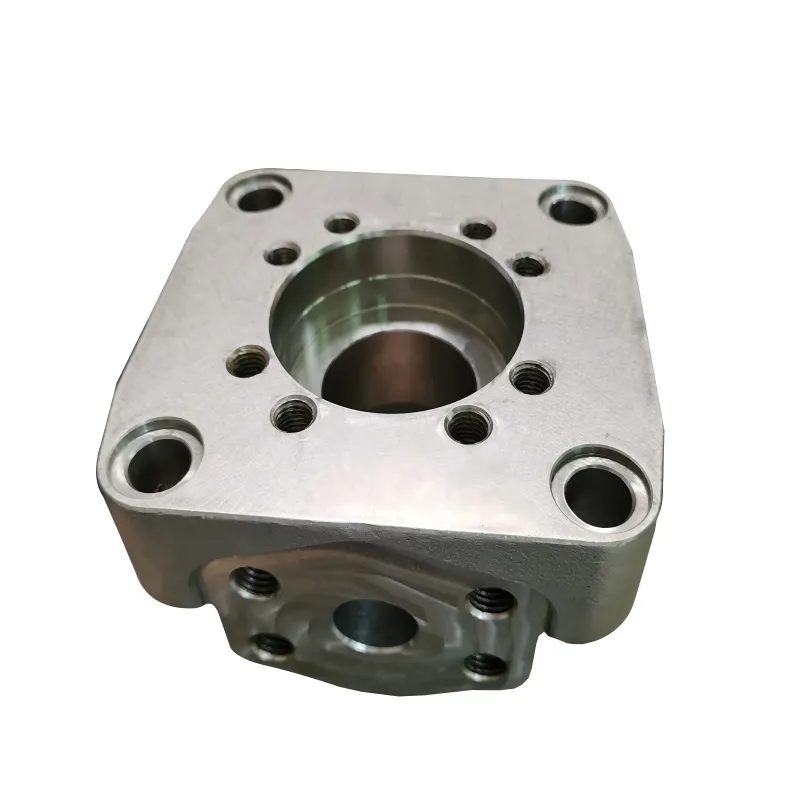
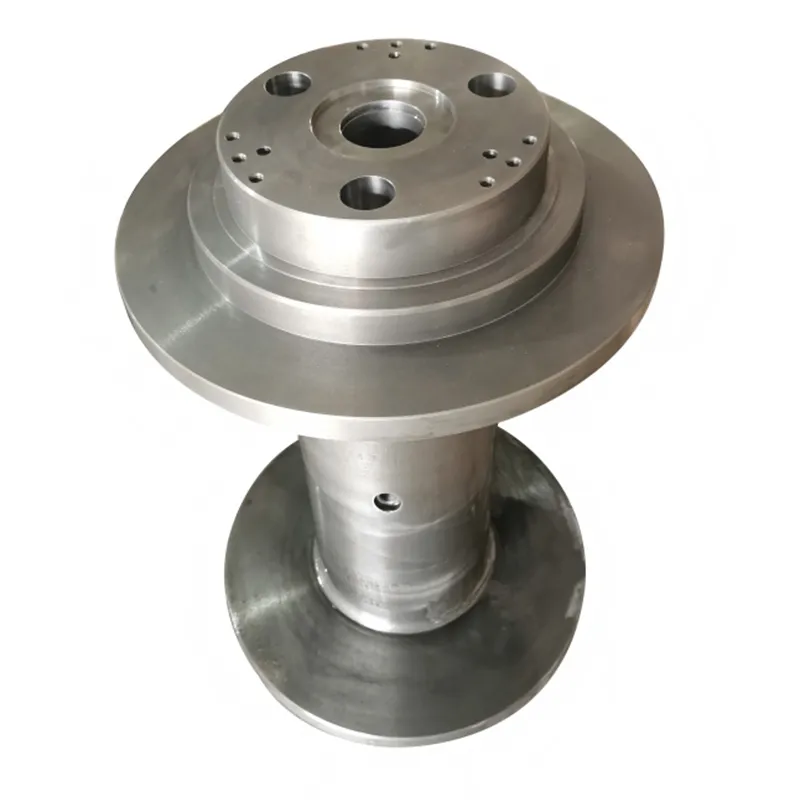
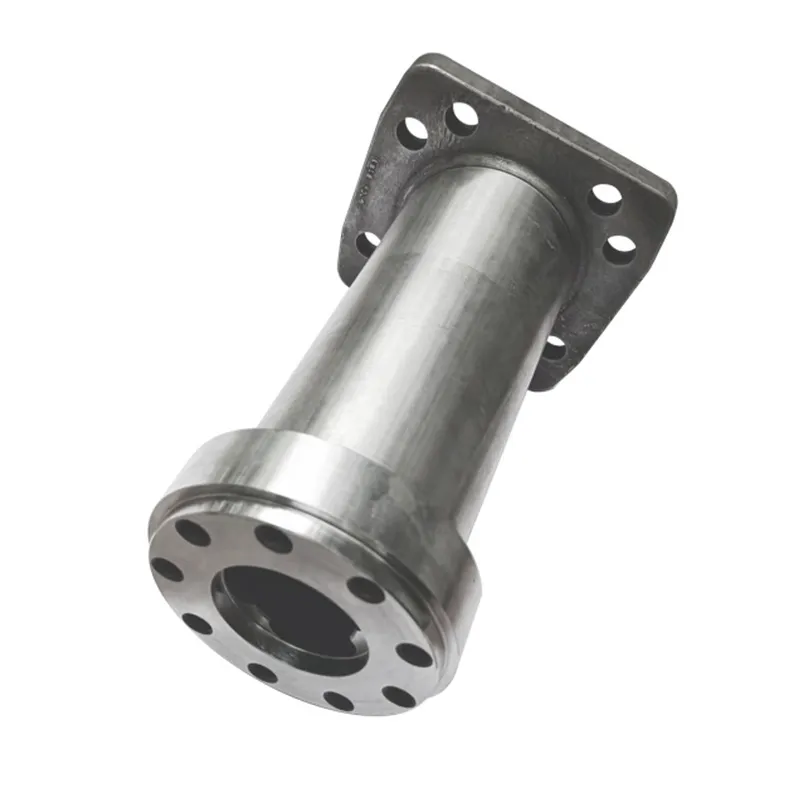
When you say 'cast iron sand casting', most people picture a crude, heavy block straight out of a 19th-century factory. That's the first misconception. In reality, it's a deceptively sophisticated process that balances economics, material science, and sheer practicality like nothing else. It's the backbone for countless industrial components, not because it's the 'best' in a lab sense, but because it's often the most right for the job. The trick isn't just knowing how to pour iron into sand; it's knowing when to use it over other methods like shell molding or investment casting, and how to manage its inherent quirks—the shrinkage, the draft angles, the gating design that can make or break a part's integrity. I've seen too many designs fail because someone treated it as a simple drop-in replacement for a steel forging.
The Sand Itself Isn't Just Dirt
Let's start with the foundation: the sand. Green sand, no-bake resin sand—the choice here dictates everything. For high-volume, relatively simple cast iron sand casting parts, green sand (a mix of silica sand, clay, and water) is the go-to. It's cheap and reusable, but the moisture content is a constant battle. Too dry, and the mold loses strength; too wet, and you get steam explosions during the pour, leaving gas defects just under the surface of the casting. I recall a batch of pump housings where we had a rash of surface blows. Took us a day to trace it back to a humidity spike in the storage bay that altered the sand mix. It's that finicky.
For more complex geometries or better dimensional accuracy, we shift to no-bake systems, like furan or phenolic urethane. The sand is mixed with a liquid resin and catalyst, and it cures hard. The finish is superior, and you can achieve thinner walls. But the cost jumps, and the sand reclamation becomes more critical—you can't just throw it back in the muller. At a place like Qingdao Qiangsenyuan Technology (QSY), where they handle everything from shell mold to investment casting, the decision on which sand process to use for a cast iron job comes down to a nuanced calculation: part complexity, quantity, surface finish requirement, and machining allowance. It's never automatic.
The pattern equipment is another hidden cost. For green sand, you're often dealing with match-plate patterns, aluminum or iron, which are expensive to tool up. For short runs or prototypes, we've used machined polystyrene patterns (the lost foam method) directly in unbonded sand. It works, but controlling the carbon pickup and avoiding fold defects as the foam vaporizes is an art in itself. You get a decent part, but the metallurgy isn't as consistent as with a traditional rigid mold.
Pouring Iron: It's Not Just About Temperature
Gray iron, ductile iron—the alloy choice is fundamental. Gray iron, with its graphite flakes, has that great damping capacity and machinability. Ductile iron, with its nodular graphite, brings tensile strength and some ductility. The pouring practice changes for each. For ductile iron, you have to manage magnesium fade if you're using a treated ladle; the nodularizing effect diminishes with time, so there's a strict window between treatment and pour. Miss it, and the microstructure reverts, killing the mechanical properties.
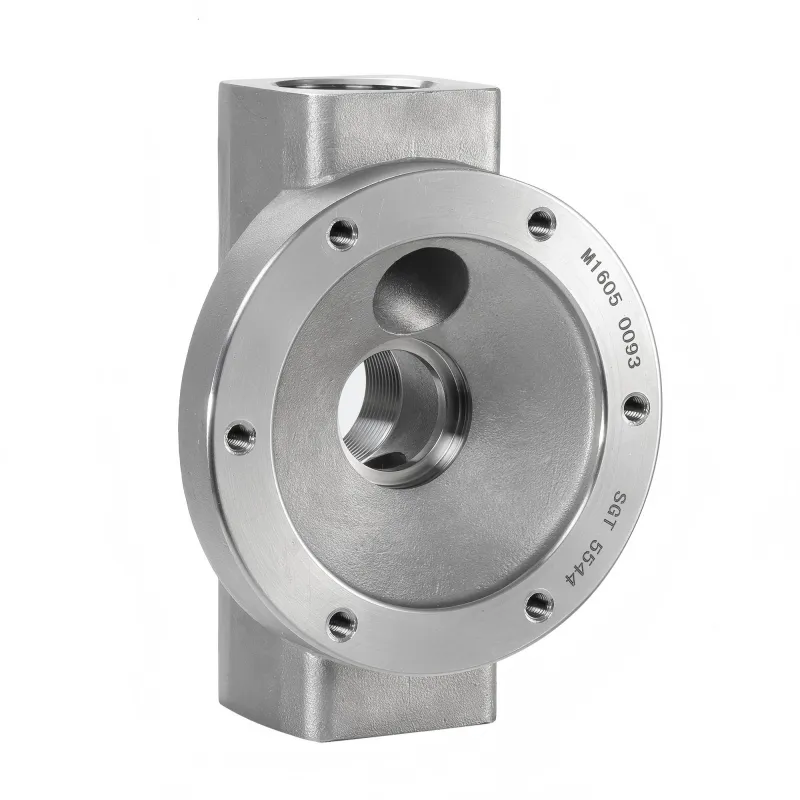
The pouring temperature is a classic Goldilocks problem. Too hot, and you increase shrinkage porosity and risk eroding the mold walls, especially in thin sections. Too cold, and you get mistruns, cold shuts, and poor fluidity to fill the mold. For a typical Class 35 gray iron, we'd aim for around 1370°C to 1400°C, but that's just a starting point. The section thickness of the part itself dictates the ideal temperature. A thick, chunky bracket can take a lower temp; a complex, thin-walled manifold needs every bit of fluidity a higher temp provides. I learned this the hard way on a hydraulic valve body. We used the standard temp for the material, but the part had a network of thin internal passages. Ended up with a beautiful casting that was about 80% complete—the rest was a series of frustrating cold shuts that rendered it scrap.
Risering and feeding is where the real experience shows. Iron has a lower shrinkage rate than steel, but it still needs to be fed as it solidifies. Placing the risers incorrectly creates shrinkage cavities in critical load-bearing areas. Chilling is another tool—strategically placing iron or copper chills in the mold to force directional solidification from the casting back into the riser. It's a 3D thermal puzzle you solve with experience and sometimes, simulation software. Companies with deep foundry experience, like QSY with their three decades in casting and machining, have built up this intuition across thousands of jobs, which is why they can reliably produce sound, pressure-tight castings for pump and valve applications.
The Finish Line: Cleaning, Machining, and the Reality Check
Shakeout is brutal work. The casting comes out of the sand hot, with gates, risers, and a crust of burnt sand. Grinding off the excess is the first step. Then shot blasting to clean the surface. This is where hidden defects often reveal themselves: a subsurface blowhole from the sand, a crack from too-rapid cooling. Visual inspection is just the start.
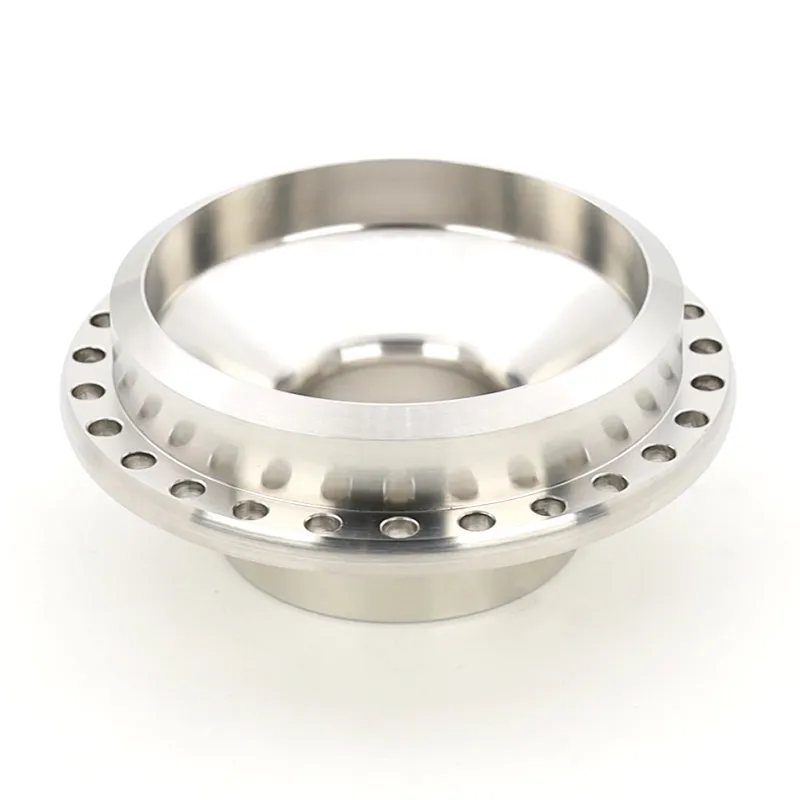
This is where the integration with machining becomes critical. A foundry that also handles CNC machining, like the services outlined on QSY's site, has a huge advantage. They design the casting with the machining process in mind. That means adding consistent stock allowance (not too much, not too little), designing datum surfaces into the casting for fixturing, and understanding how the part will be held in the chuck or vise. I've seen castings that looked perfect but were unmachinable because a critical bore was in a hard spot from rapid cooling, destroying three carbide drill bits before we gave up.
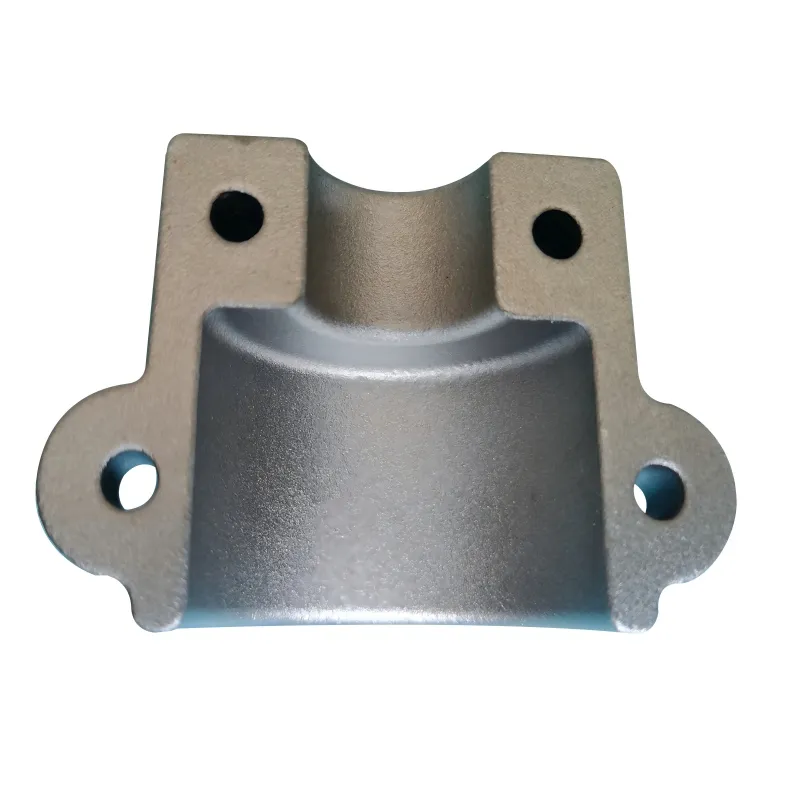
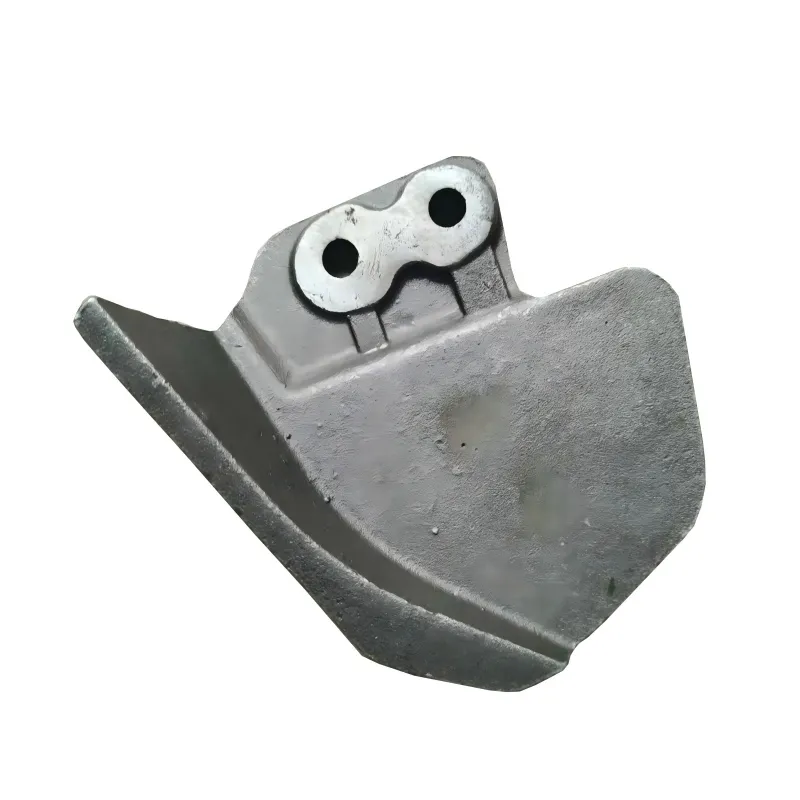
The final proof is often in non-destructive testing. For critical components, we'd do dye penetrant inspection for surface cracks or pressure testing. The real satisfaction is seeing a raw sand casting—this rough, black object—transform into a precision-machined component, its mating surfaces smooth, its threads clean, ready to bolt into an engine block or a compressor frame. That's the full cycle, and it's why casting can't be divorced from the downstream operations.
When Sand Casting Isn't the Answer
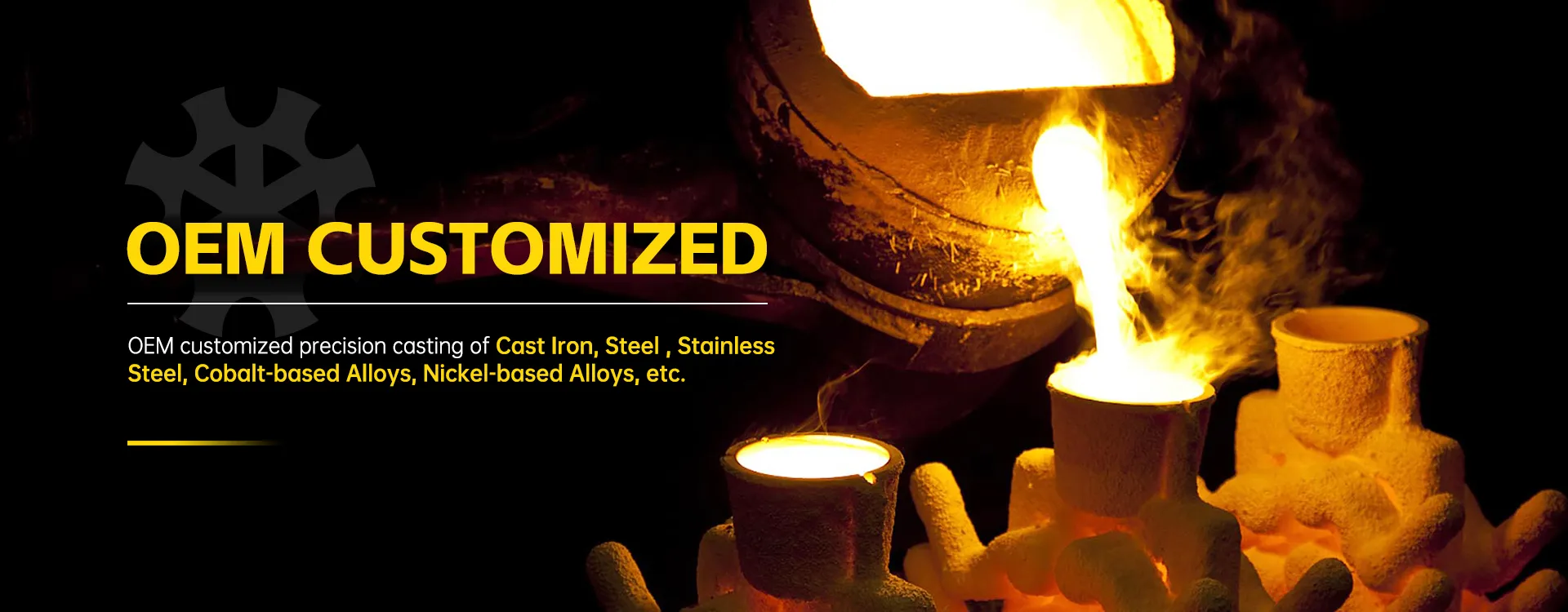
With all this talk about cast iron sand casting, it's crucial to know its limits. When you need ultra-thin walls (below 3mm), exceptional surface finish straight out of the mold, or near-net-shape for exotic, expensive alloys, other processes win. That's where QSY's other specialties, shell mold casting and investment casting, come into play. Shell molding uses a resin-coated sand to create a thin, rigid shell, offering better accuracy and finish than green sand. Investment casting, the lost wax method, is for the most complex, detail-intensive parts.
For a standard cast iron gearbox housing, engine cylinder head, or heavy-duty base frame, sand casting is almost always the most cost-effective and practical choice. The tooling is manageable, the material properties are excellent for the application, and the scalability is proven. But if someone brings me a design for a intricate ductile iron sensor housing with internal galleries and a cosmetic exterior, I'm probably steering them towards shell or even discussing if a steel investment casting might be a better fit despite the cost. The material choice—iron vs. steel vs. a special alloy—intertwines with the process choice.
It's this holistic view that separates a parts supplier from a true manufacturing partner. The goal isn't to sell a casting; it's to deliver a functional, reliable, and economical component. Sometimes that path leads straight through a well-designed sand mold, and sometimes it takes a detour. Recognizing the difference from the very first sketch is what decades in this business, like the history behind a firm such as Qingdao Qiangsenyuan Technology, ultimately teach you. It's less about forcing a solution and more about fitting the process to the problem.
The Unseen Evolution
The process hasn't stood still. Simulation software for solidification and stress analysis is becoming more accessible, letting us virtually test riser placement and predict hot spots before ever cutting metal for a pattern. 3D printing of sand molds is a game-changer for prototypes and complex single-run parts, eliminating pattern costs altogether. The core principles of metallurgy and heat transfer remain, but the tools to manage them are getting sharper.
Yet, for all the tech, it still comes down to the foundry team's skill. Reading the fracture of a test bar to judge graphite structure, knowing the exact sound a grinding wheel makes when it hits a shrinkage cavity, understanding how a slight tweak to the carbon equivalent can affect machinability on the CNC floor later. This tacit knowledge is the real asset.
So, when you look at a cast iron sand casting, don't just see a lump of metal. See a series of deliberate compromises and expert decisions—from sand selection and gating design to pouring practice and machining prep. It's a testament to practical engineering, a process that's as much about controlled variables as it is about managing inherent ones. And in an industry that's constantly chasing the next high-tech solution, its enduring presence is a quiet reminder that robustness and cost-effectiveness never go out of style.