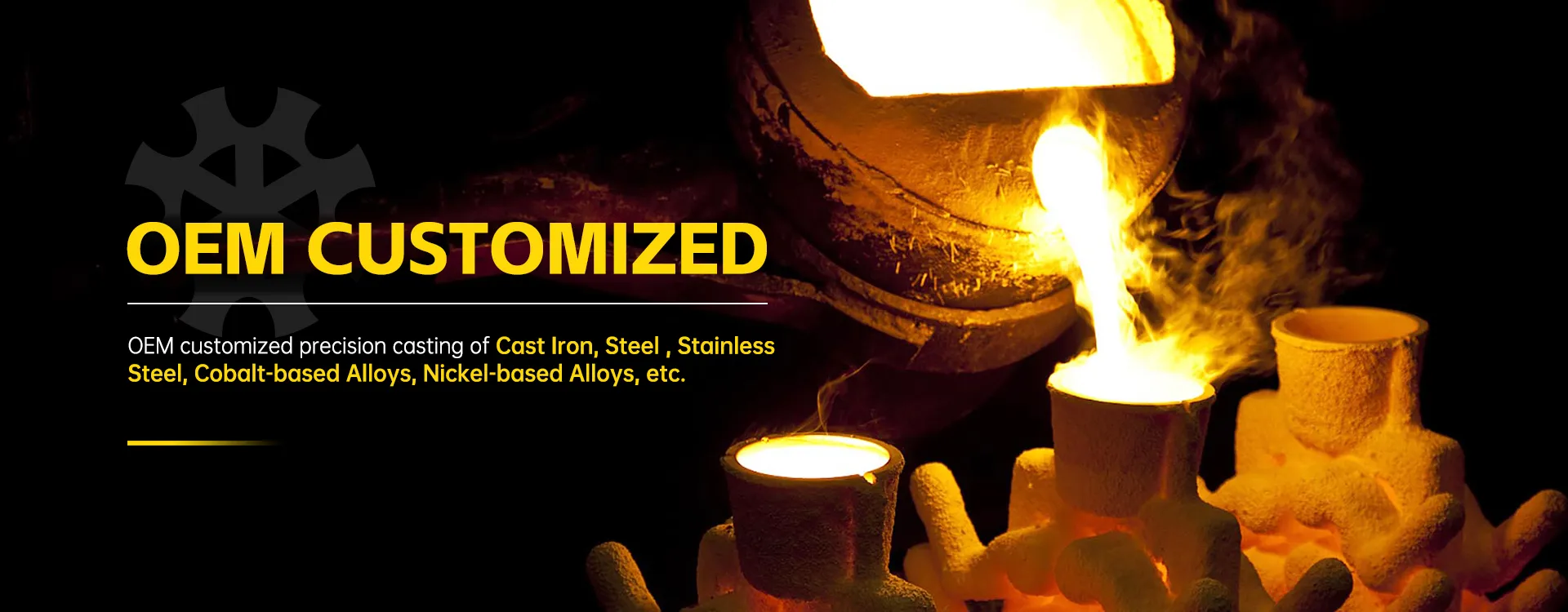
When most people hear 'casting', they picture molten metal being poured into a sand mold. That's the romantic version. The reality is a constant negotiation between design ambition, material physics, and the unforgiving nature of solidification. The biggest misconception? That it's a cheap, low-tech process for making simple parts. Try telling that to the engineer whose high-integrity turbine blade failed because of a casting defect invisible to the naked eye.
The Core: It's About the Mold
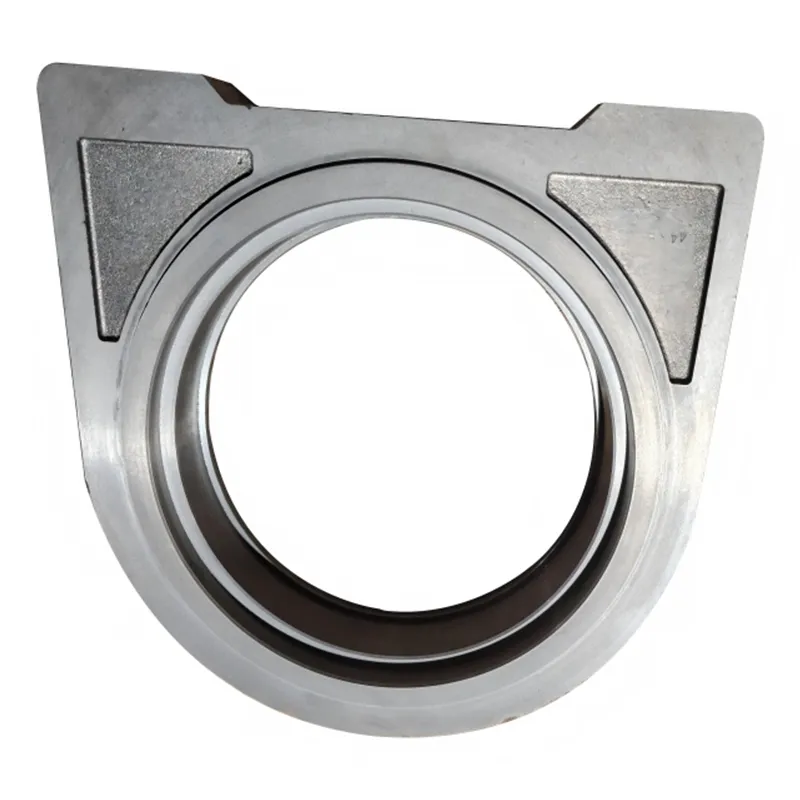
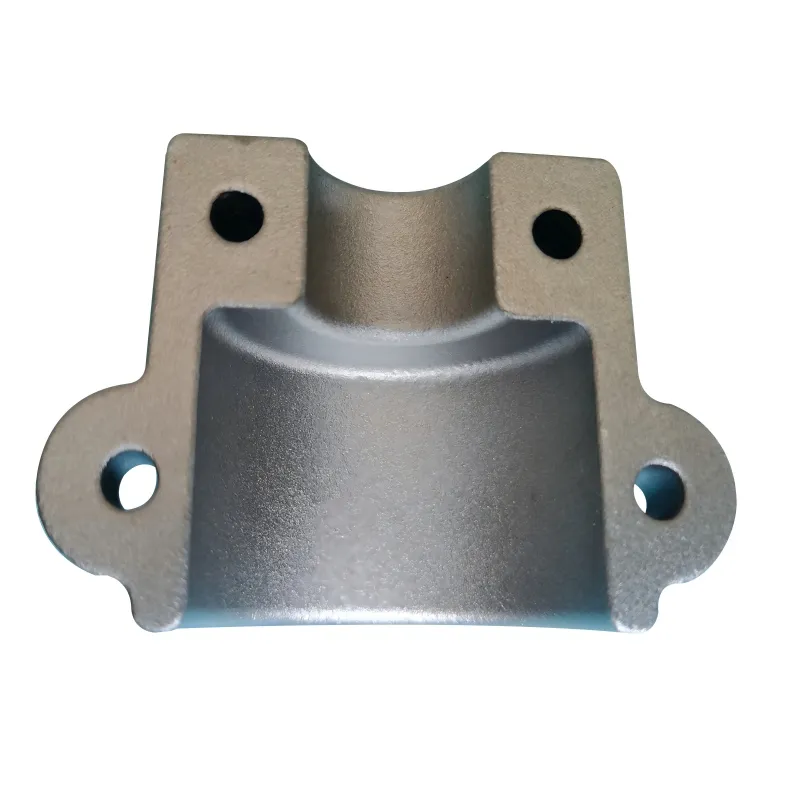
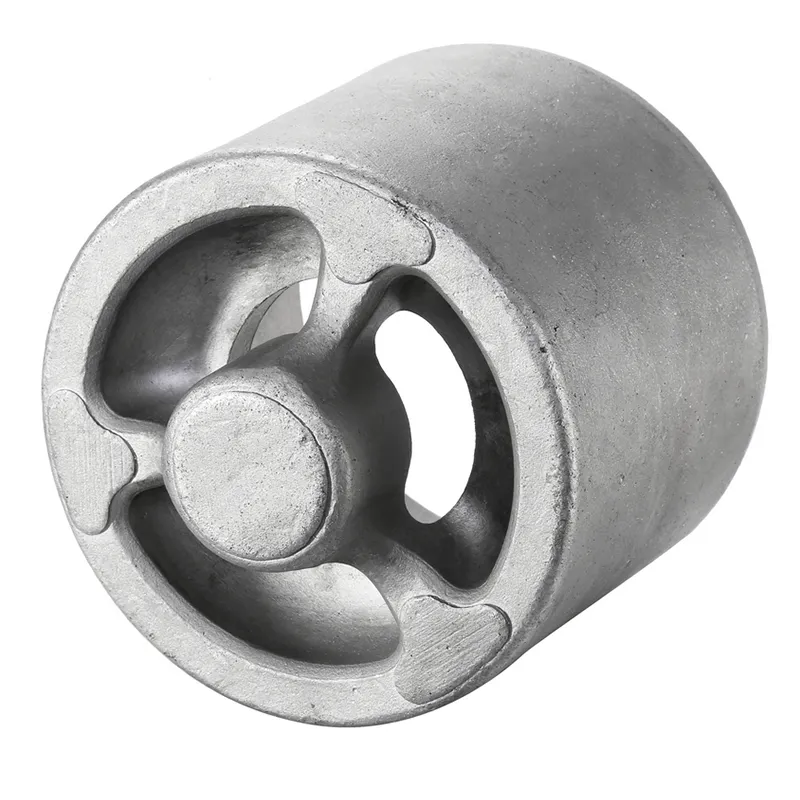
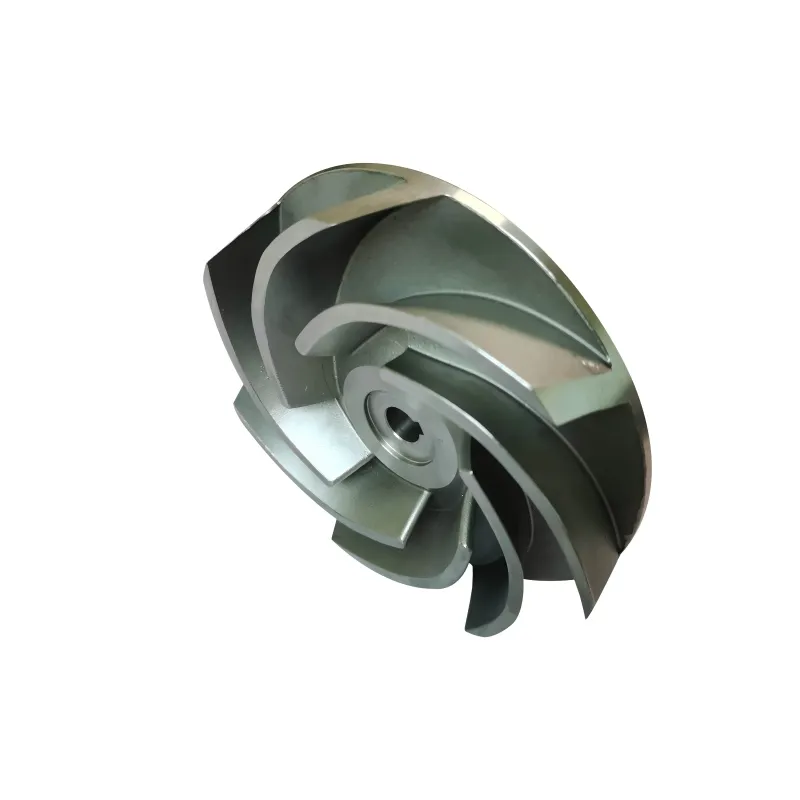
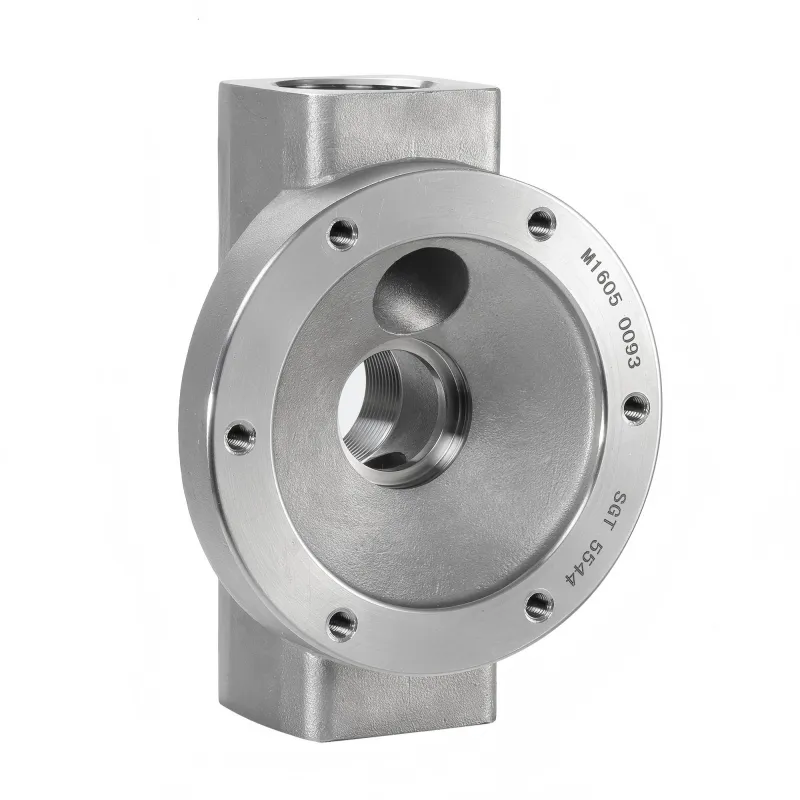
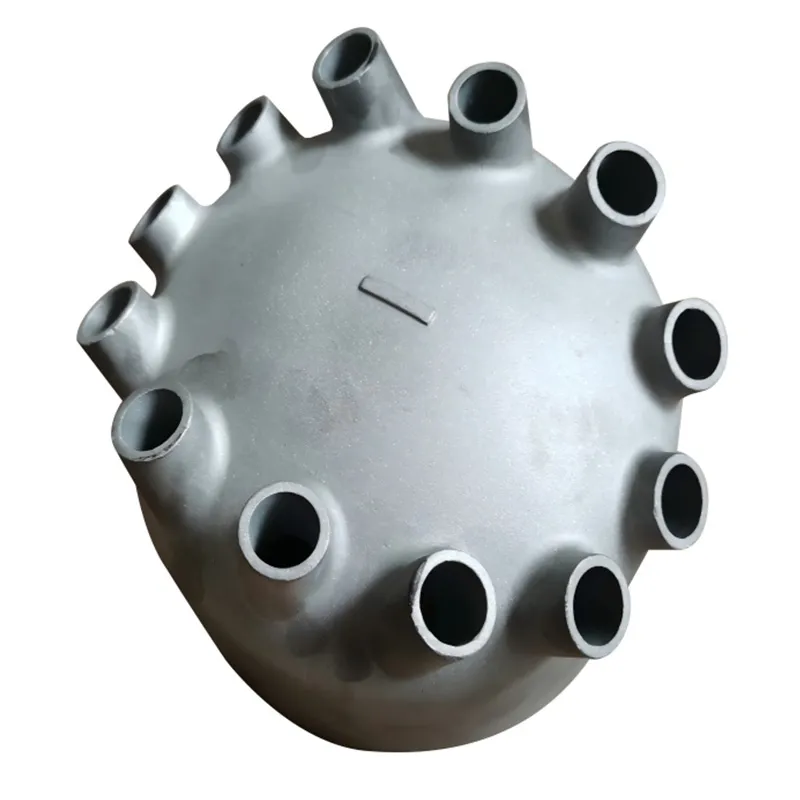
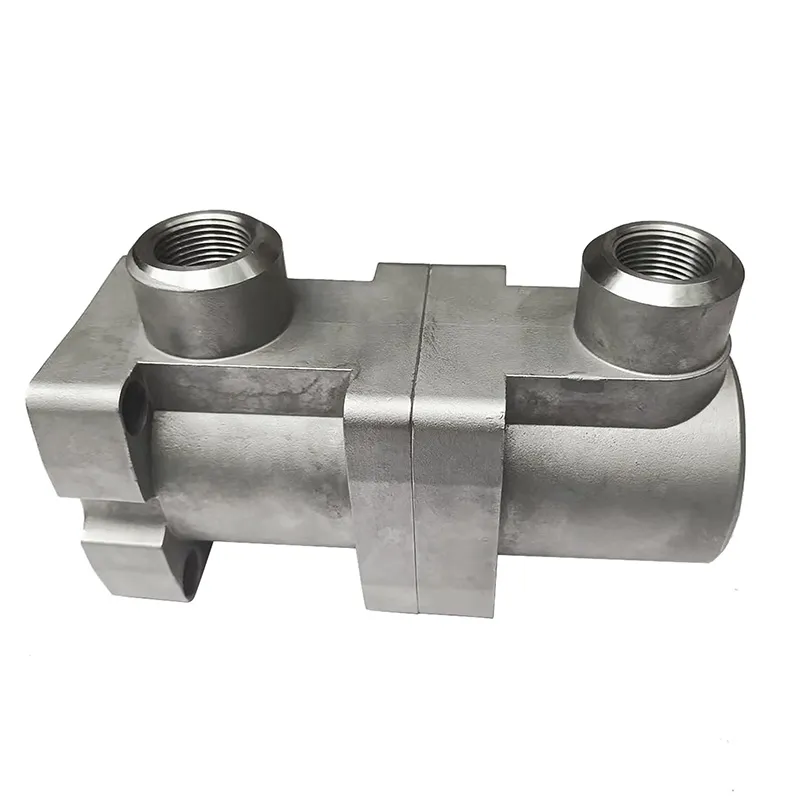
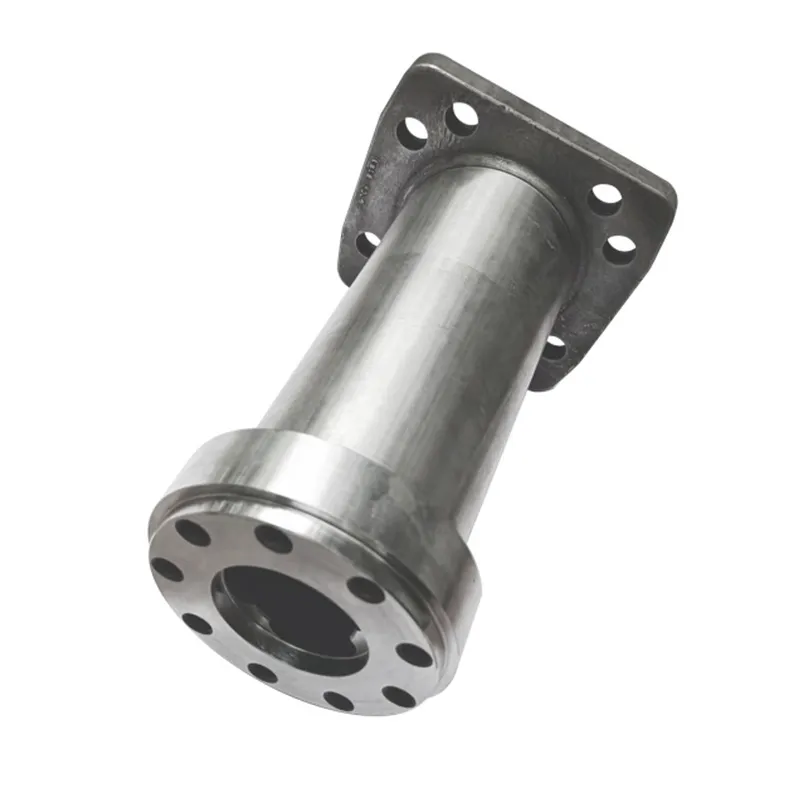
Everything starts and often ends with the mold. The choice between sand casting, investment casting, or shell molding isn't just about cost; it's about the geometry you're trying to achieve and the surface finish you need. For instance, shell mold casting, which a company like Qingdao Qiangsenyuan Technology Co., Ltd. (QSY) lists as a specialty, gives you a better finish and dimensional accuracy than conventional green sand. You use it when you need to make a lot of the same part with decent detail, think engine blocks or valve bodies. The shell is like a thin, hard ceramic copy of your pattern.
Investment casting is the other end of the spectrum for complexity. You're basically growing a ceramic shell around a wax pattern, melt the wax out, and pour metal into the cavity. The wax allows for insane complexity—undercuts, internal passages, fine text. But the process is long, and the cost per mold is high. It's not for high-volume runs. You see it in aerospace components, surgical tools. The skill here is managing the wax injection, the slurry dipping to build the shell, and the controlled dewaxing without cracking the fragile shell. A single pinhole in the shell coating means a fin on the final part, which might mean a scrapped component.
Where people get tripped up is in the pattern. Whether it's for shell or sand, the pattern has to account for shrinkage. Different metals shrink at different rates. A grey iron pattern is useless for an aluminum casting if you need precision. And you must include draft—taper on vertical faces—so you can pull the pattern from the sand without tearing the mold. I've seen projects delayed weeks because the designer, used to CNC machining, sent a perfect 90-degree vertical wall model. It can't be cast. You'd have to machine it after, which defeats the purpose.
Material is Not Just a Selection on a Data Sheet
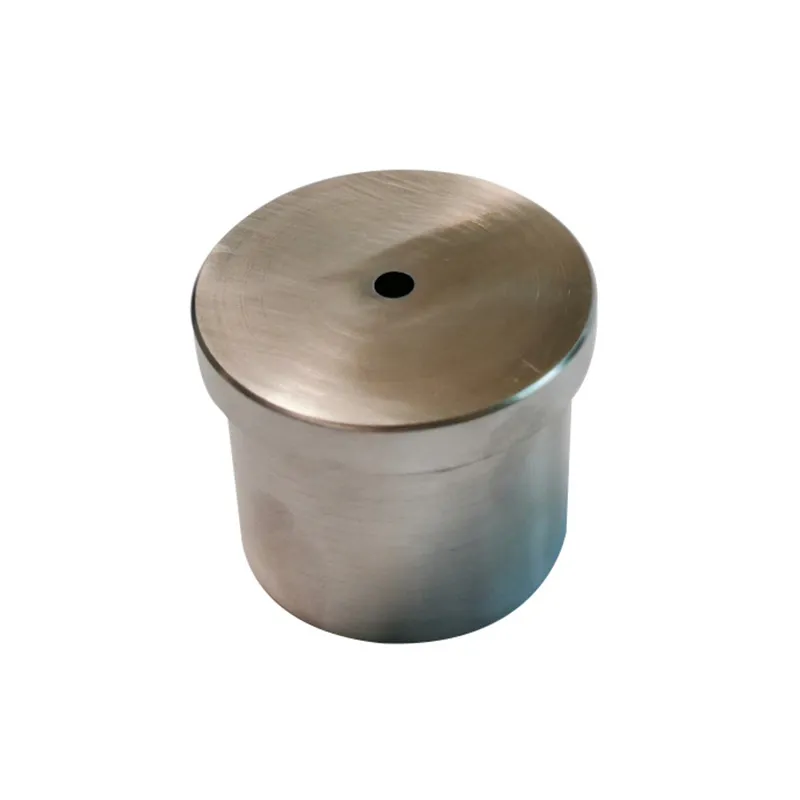
Picking a material like stainless steel is the beginning of the conversation, not the end. Are we talking 304, 316, 17-4PH? Each flows differently, shrinks differently, and reacts with oxygen differently during the pour. The really tricky ones are the special alloys QSY mentions, like nickel-based or cobalt-based superalloys. These are often used in extreme environments—high heat, high corrosion. They're brutal to cast.
The problem with these alloys is their melting behavior and reactivity. They often have high melting points, so your furnace and crucible materials have to withstand that. More critically, they can be reactive. If you're not careful with the atmosphere in the furnace (using a vacuum or inert gas), the elements you want—like aluminum or titanium for strengthening—will oxidize out of the melt. You're left with a chemistry that doesn't meet spec. I recall a job for a burner nozzle in a cobalt alloy. The first few runs had inconsistent performance. Turns out, minor variations in the pouring temperature were causing something called microsegregation – certain elements solidifying first, creating weak spots. We had to tighten the temperature control window by 30 degrees Celsius, which meant recalibrating all our pyrometers.
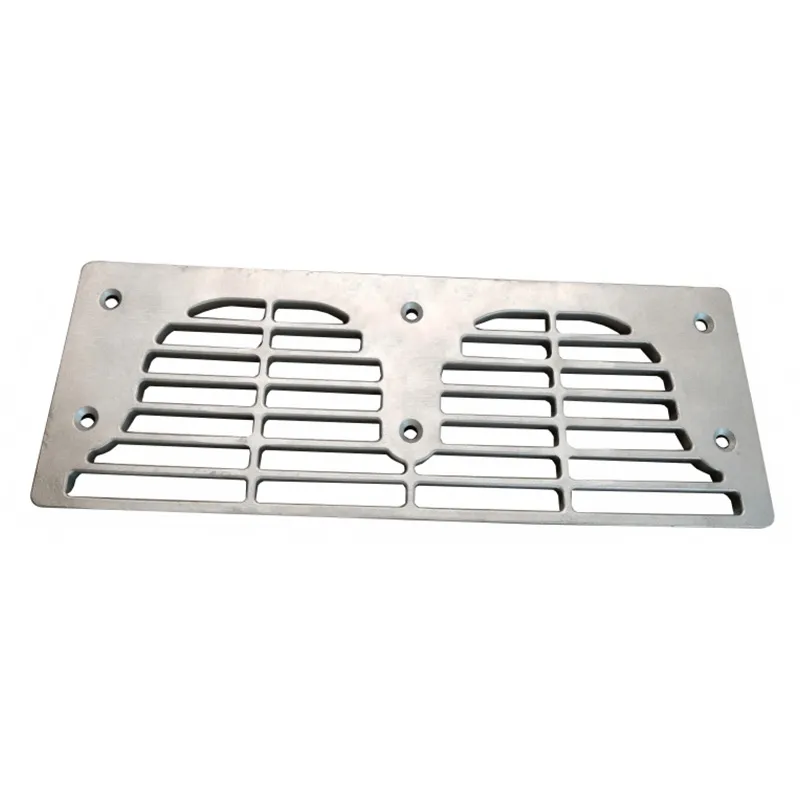
Then there's gating and risering. This is the plumbing system you design to get the metal into the mold cavity (gates) and feed shrinkage as it solidifies (risers). For a simple steel bracket, standard rules apply. For a complex, thin-walled housing in ductile iron, it becomes an art. You want the metal to fill the mold quickly and turbulently enough to not freeze prematurely, but not so turbulent it erodes the mold and creates sand inclusions. The risers must stay molten longer than the thickest section of the part, feeding liquid metal to compensate for shrinkage. Get it wrong, and you get shrinkage porosity—a spongy, weak area inside what looks like a solid part. Non-destructive testing like X-ray will find it, and then the part is scrap.
Where Casting and Machining Collide
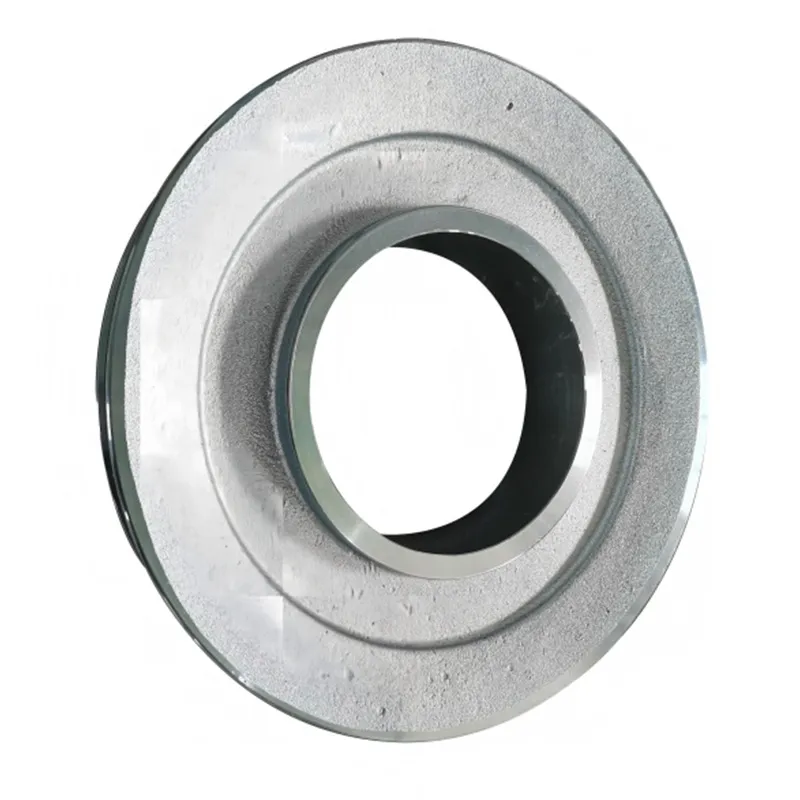
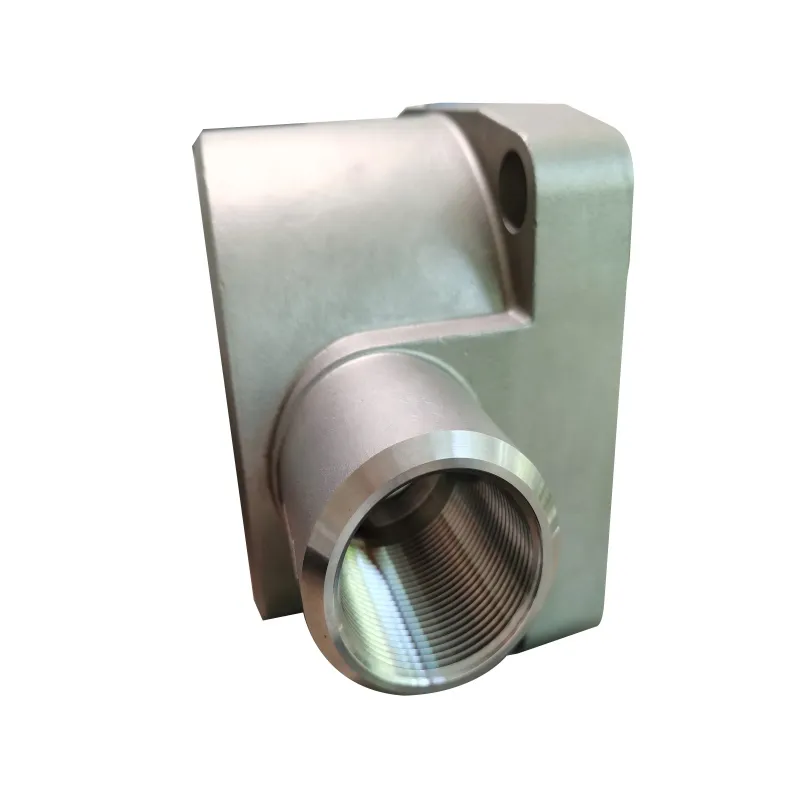
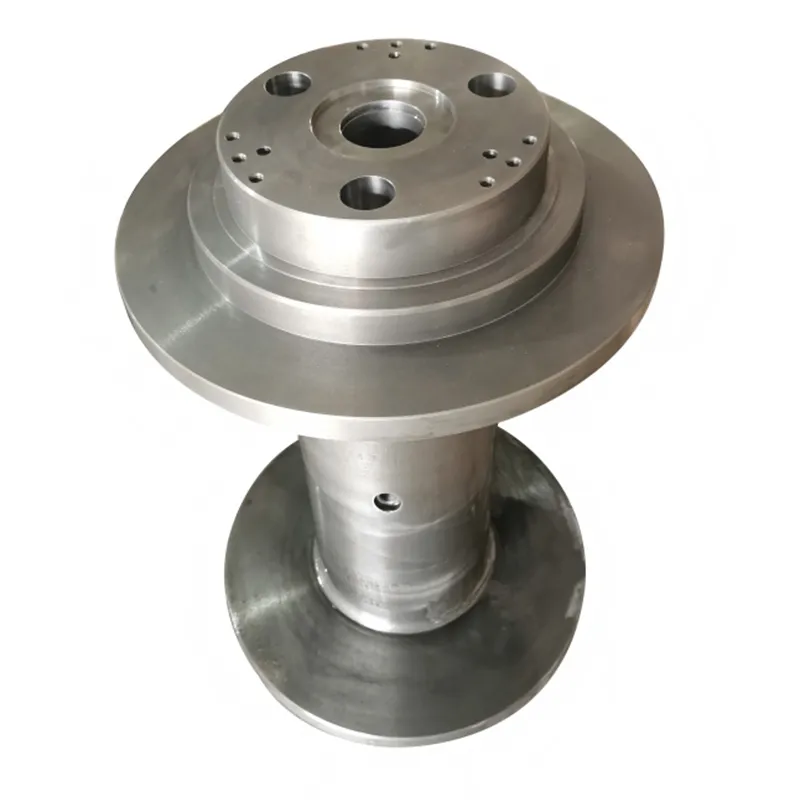
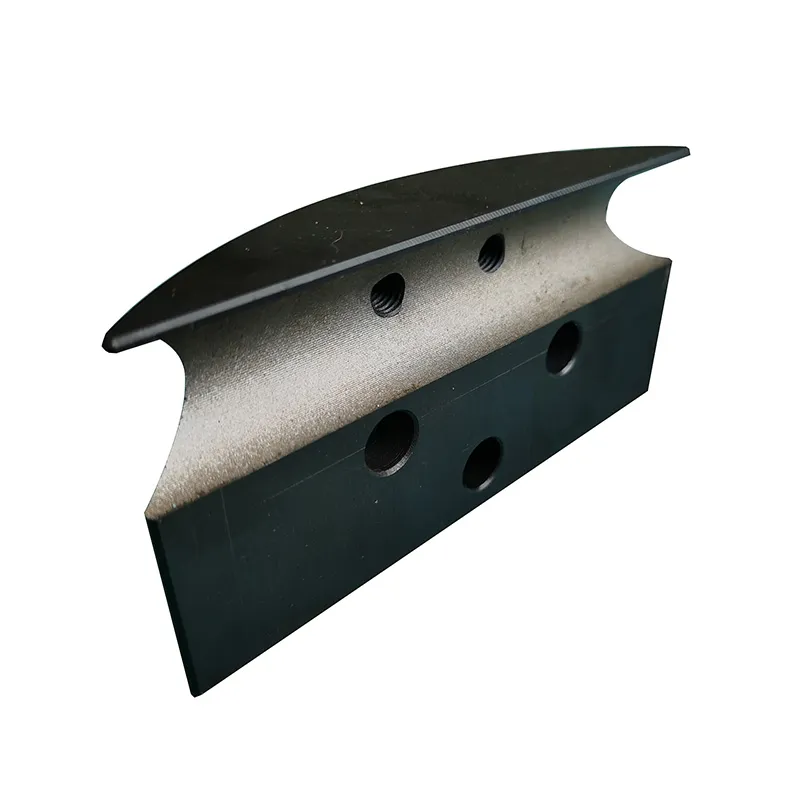
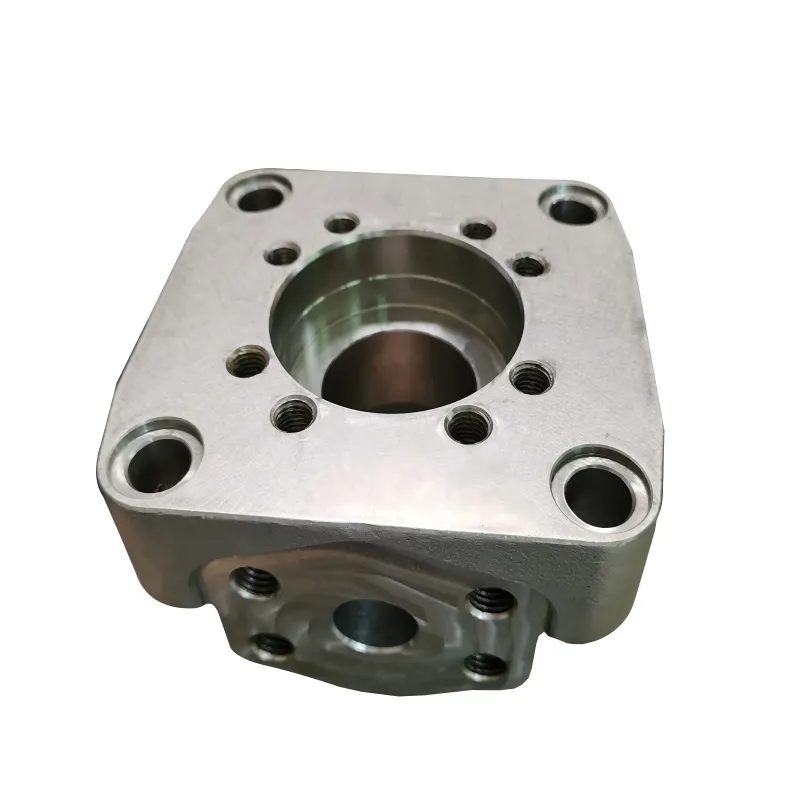
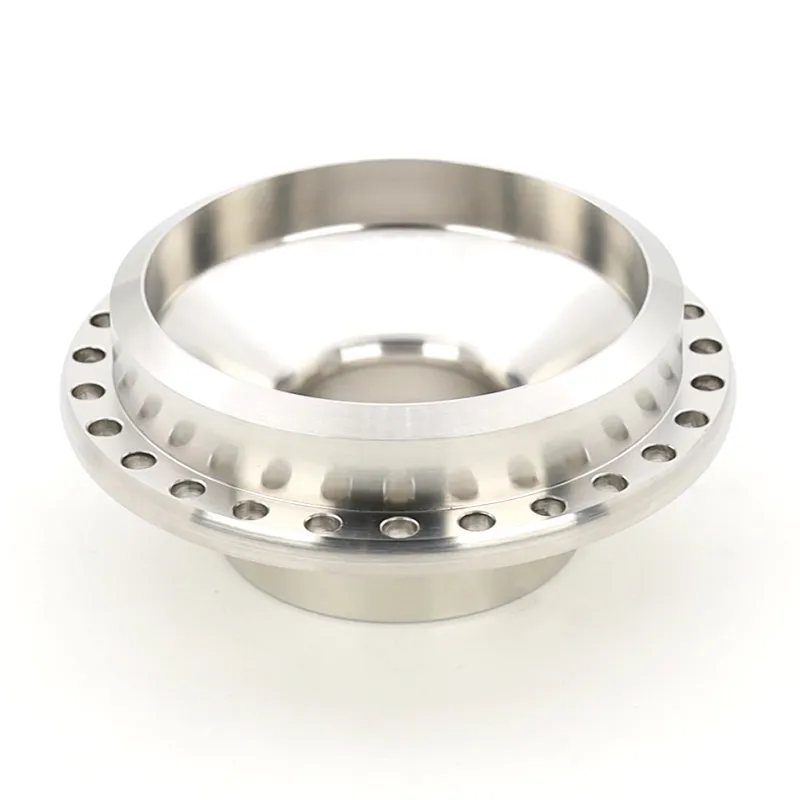
Very few cast parts are ready to use as-cast. Almost all need some machining. This is where the relationship between the foundry and the machine shop is critical. A company that does both, like QSY with their stated CNC machining capability, has a huge advantage. They understand the entire journey.
The key is planning for machining from the start. You have to put extra material, called machining allowance, on any surface that will be cut. But you can't just add 3mm everywhere. Adding too much means you're wasting expensive metal and increasing machining time. Adding too little, and the cutter might not clean up the entire surface, leaving a patch of the original cast skin. Worse, if the casting itself is not dimensionally stable (warped during cooling), the machinist might find there's no material to cut in one spot and too much in another.
We learned this the hard way on a pump housing project. The casting came out beautifully, but it had a slight bow, maybe 1.5mm over a 500mm length. Not unusual for a long, boxy shape. Our machining program assumed a perfectly flat surface. The first pass on the CNC mill took a heavy cut on one end and barely scratched the other. We had to stop, re-fixture, and use a probe to map the actual surface, then adjust the tool paths. It added hours. Now, for critical mating surfaces, we either specify a straightness tolerance on the casting drawing or design in strategic stiffening ribs to reduce warpage. It's this kind of cross-process thinking that separates a parts supplier from a manufacturing partner.
The Unseen Quality Battle: Non-Destructive Testing
You can have a perfect-looking casting that's a total failure inside. That's where NDT comes in. Visual inspection is step one—looking for obvious surface defects like cold shuts (where two streams of metal didn't fuse) or sand holes. Dye penetrant testing finds surface cracks. But the real assurance comes from methods that see inside.
Radiographic testing (X-ray) is the gold standard for finding internal voids, shrinkage, or inclusions. You're looking for shadows in the film. But it's slow and expensive. Ultrasonic testing is faster for detecting subsurface flaws, like cracks just below the surface. It works by sending sound waves through the metal and listening for echoes. The skill of the technician interpreting the signals is everything.
The challenge is that 100% NDT on every part is rarely economical. You develop a sampling plan based on the criticality of the part. A decorative bracket might get a visual only. A pressure-containing valve body for an oil rig? That's getting 100% X-ray on all critical sections. The standard you work to—ASTM, ISO, MIL spec—dictates the acceptable size and density of defects. Sometimes, you find a flaw that's technically within spec but in a terrible location. Do you ship it? That's a judgment call, a conversation with the client's engineer. I've had to argue that a small, isolated pore away from any stress area is not a functional risk, saving a costly part from the scrap bin. Other times, you have to be the one to call the failure, even if it hurts.
The Real-World Compromise: Cost, Time, Performance
In the end, casting is about finding the feasible compromise. The designer wants a lightweight, high-strength, thermally efficient, geometrically complex part with a mirror finish. The purchasing department wants it for $50 a unit. Production needs 10,000 pieces by next quarter.
You have to break down those requirements. Geometrically complex pushes you toward investment casting, which drives cost up and might slow down volume. 10,000 pieces pushes you toward high-pressure die casting or permanent mold, which limits material choice and might not achieve the internal complexity. High-strength might demand a steel or special alloy, which rules out some high-speed processes. You end up in the middle, maybe with a well-designed sand casting with strategic use of cores, in ductile iron, with critical surfaces machined. It's not the perfect version of any one ideal, but it's the version that can be made reliably, at cost, on time.
That's the practical truth. It's not about achieving perfection in a single attribute. It's about orchestrating all the variables—mold method, material, gating, heat treatment, machining—to hit the sweet spot for the application. A supplier with decades in the game, like a 30-year-old firm, has seen these trade-offs a thousand times. They're not just executing a print; they're reading between the lines of the requirements, anticipating where the process will fight back, and steering the project toward a manufacturable outcome. That's the real value, and it's something you only learn from getting it wrong a few times before you start getting it consistently right.