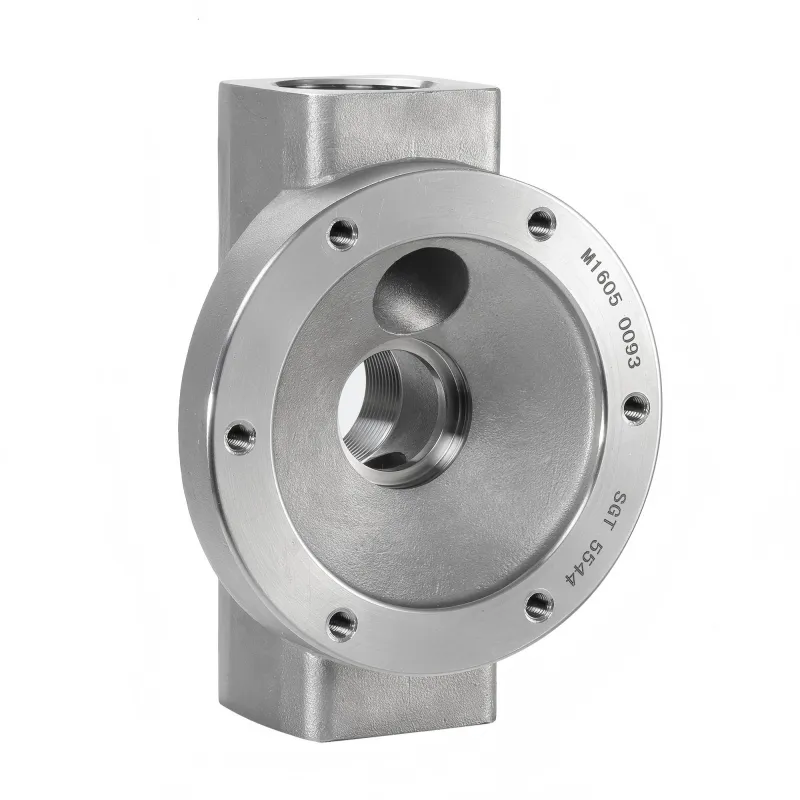
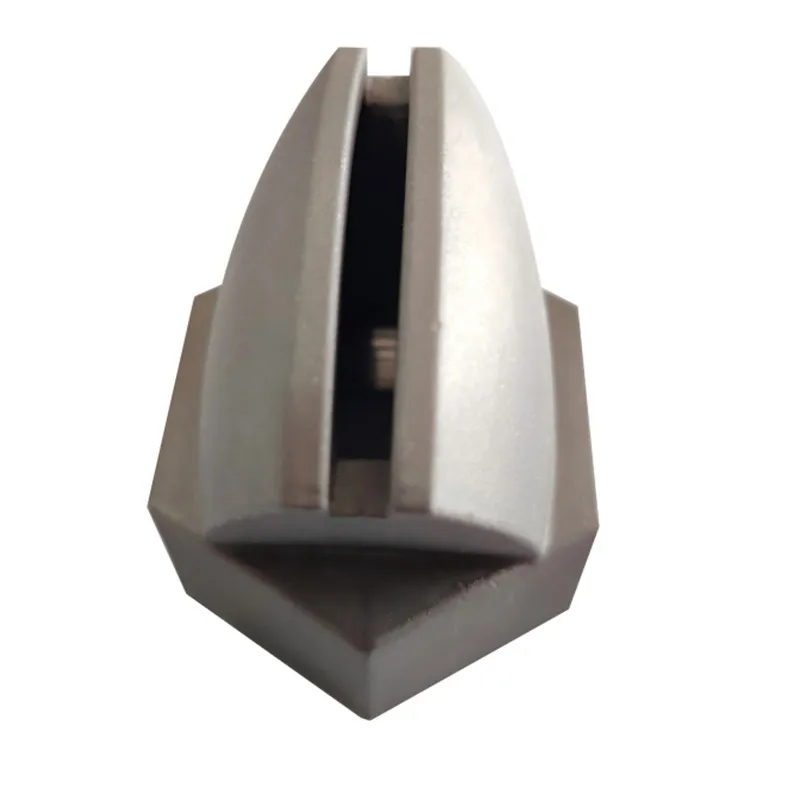
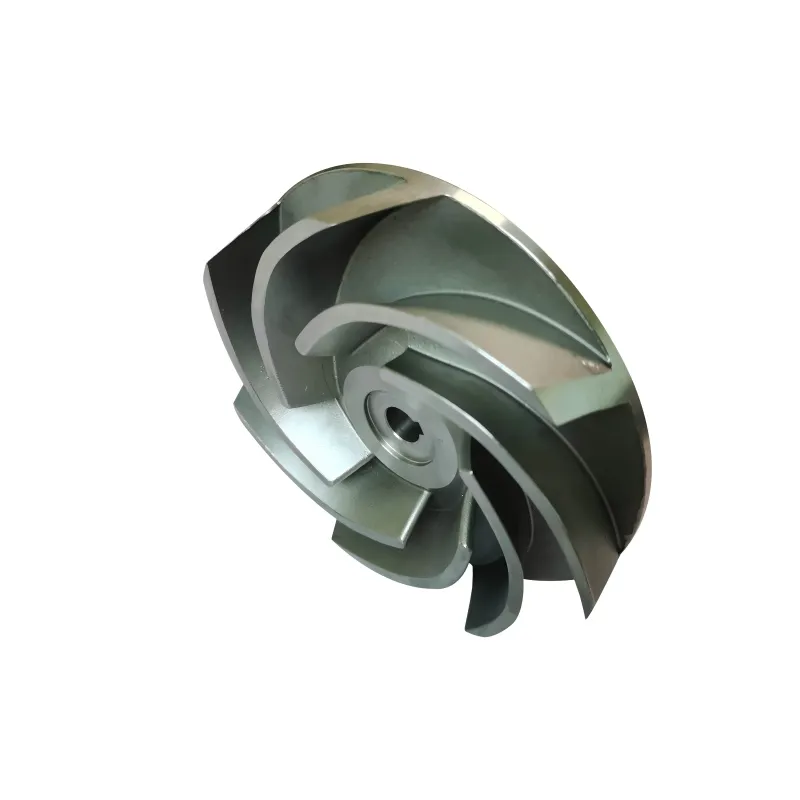
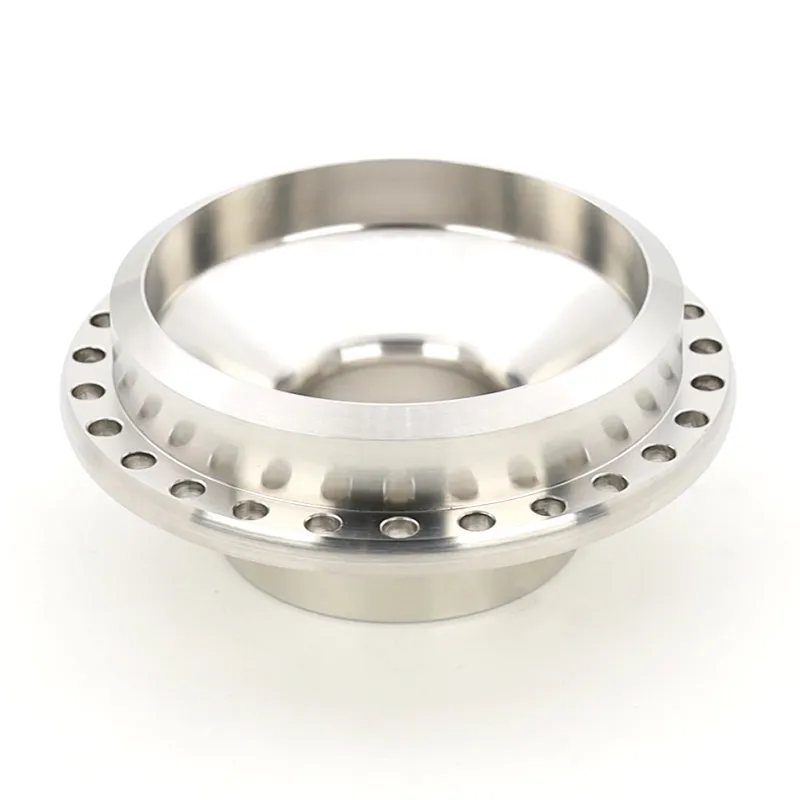
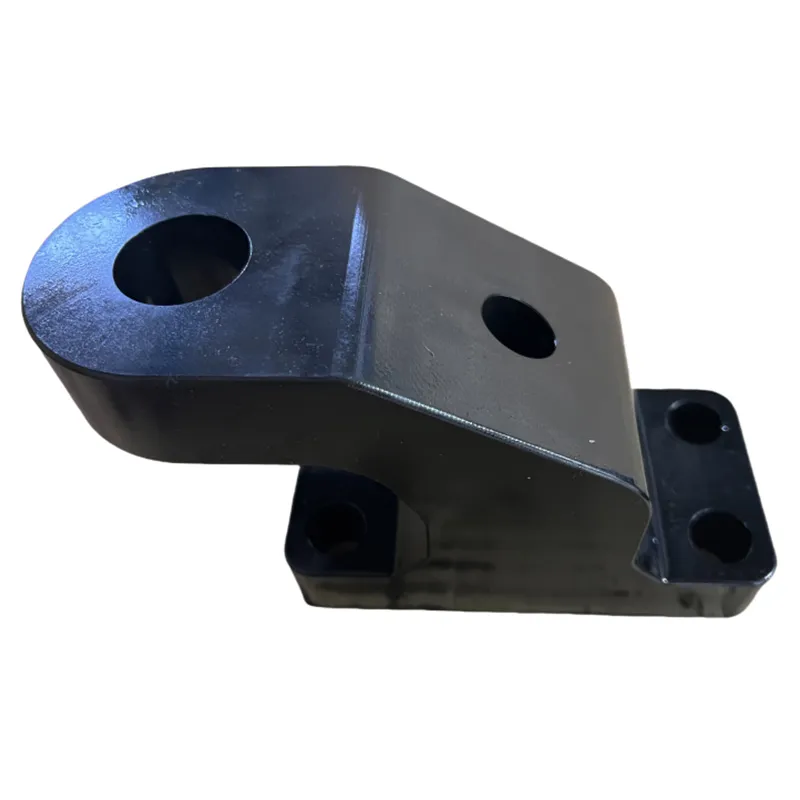
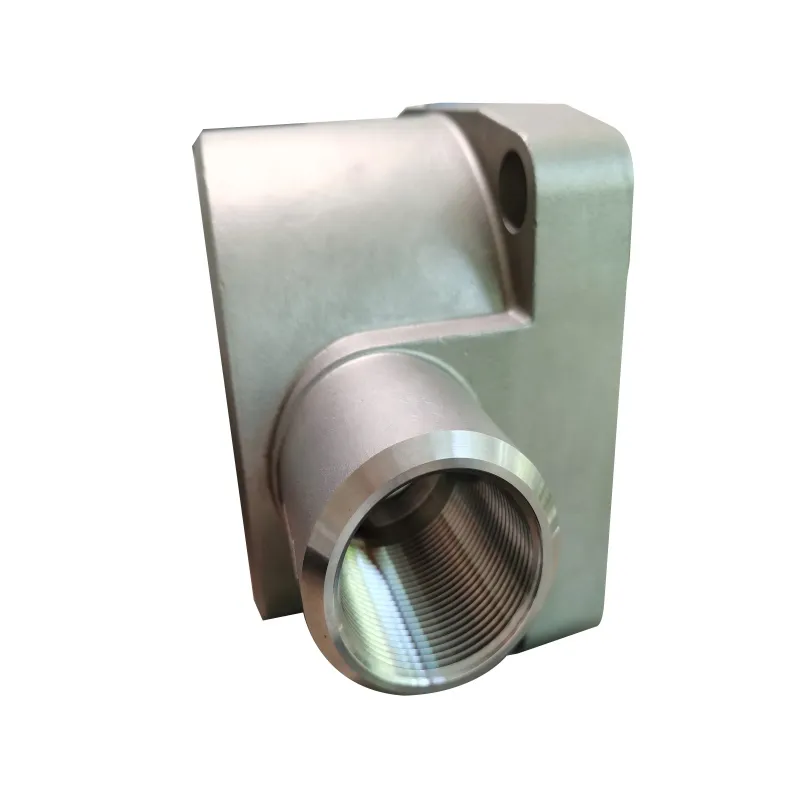
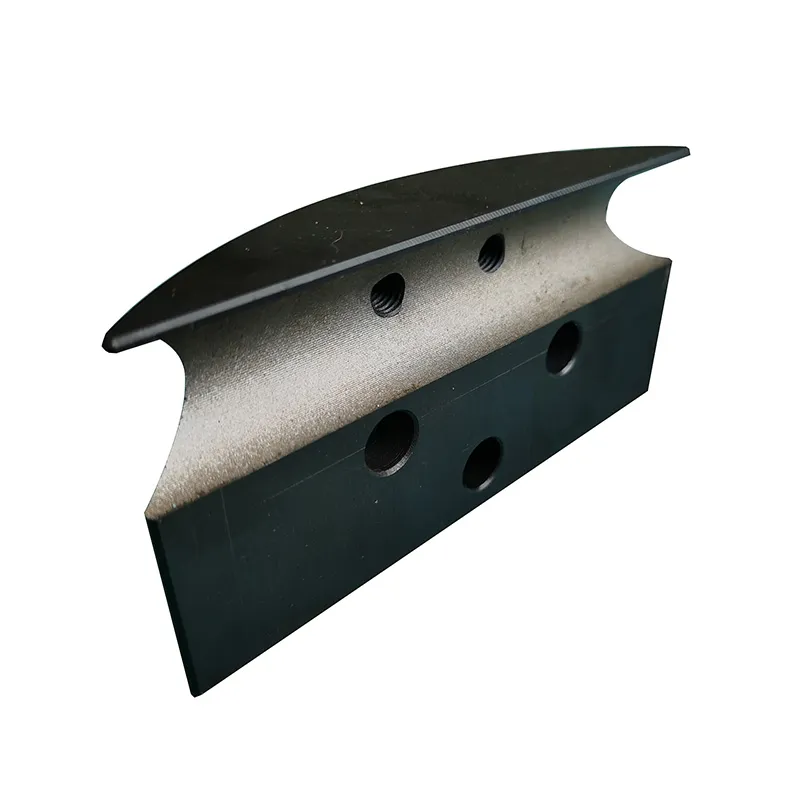
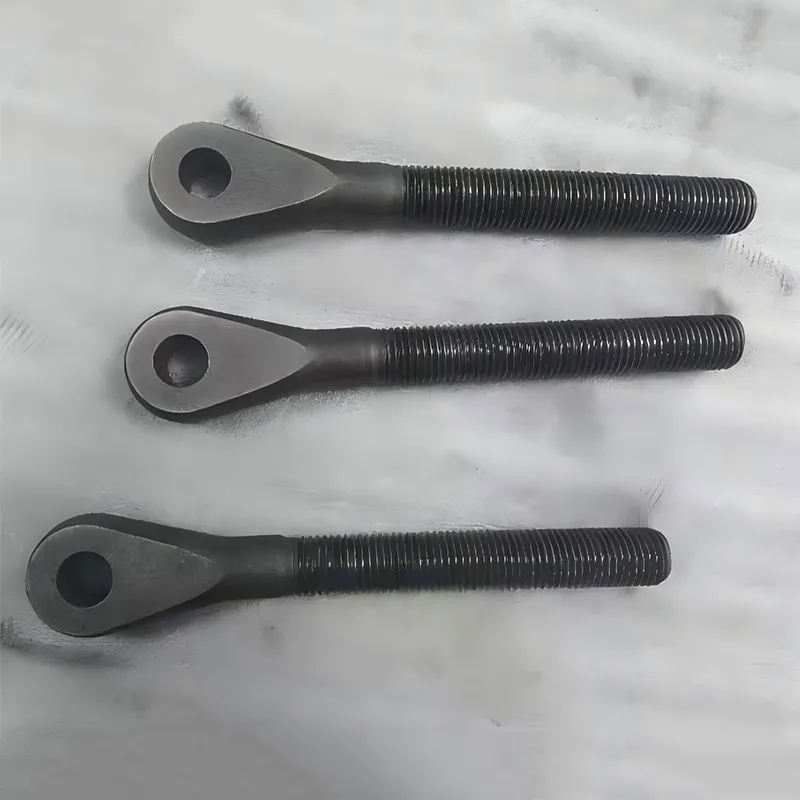
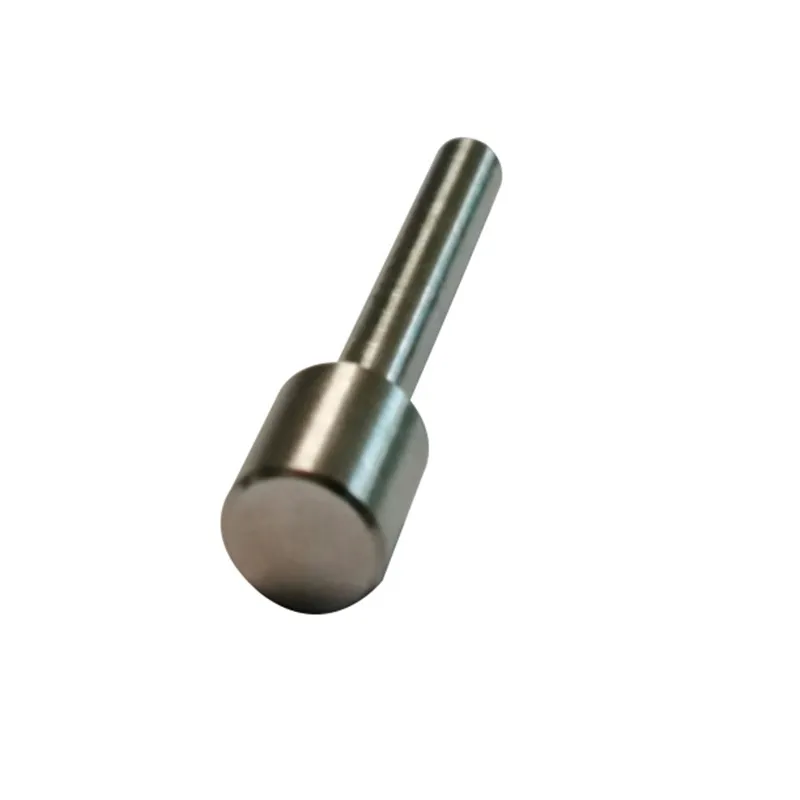
Let's be honest, a lot of procurement guys and even some engineers lump casting and powder metallurgy (PM) together as near-net-shape processes and call it a day. That's a decent starting point, but it misses the real story. The choice isn't just about shape; it's about the material's journey from a loose pile to a solid part, and what that journey does to its soul—its microstructure, density, and performance ceiling. I've seen projects derailed because someone insisted on PM for a part that screamed for investment casting, or vice versa, chasing a spec sheet without understanding the process DNA.
The Core Divergence: Liquid vs. Solid State
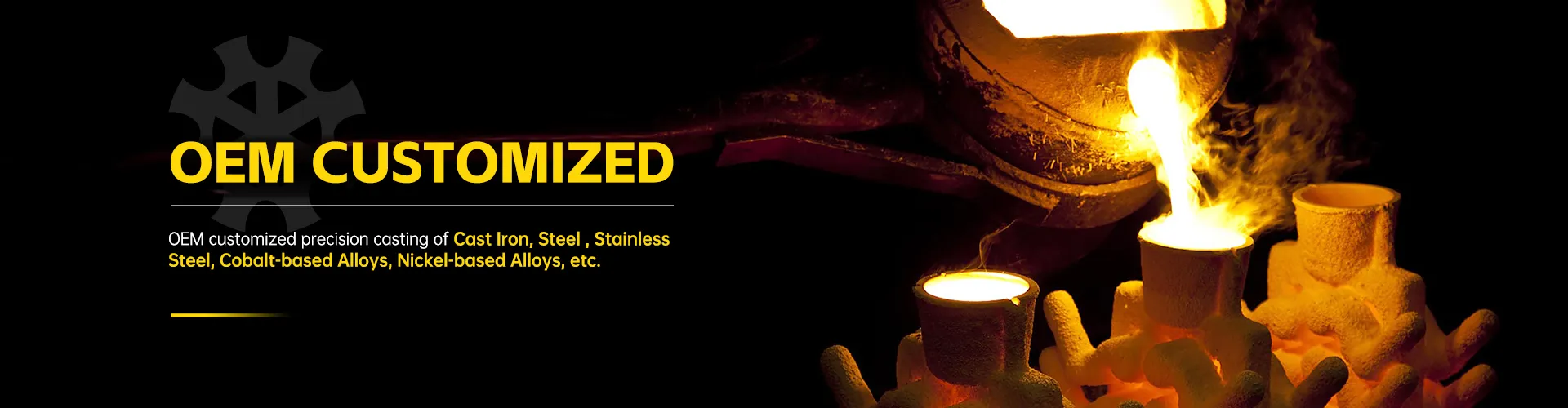
This is the fundamental fork in the road. Casting is about controlled solidification. You take a material, melt it into a liquid, and pour it into a cavity. The magic—and the headache—happens as it freezes. Grain structure, shrinkage porosity, segregation of alloying elements: all are dictated by how you manage that liquid-to-solid transition. With investment casting, which we've run mountains of parts through at our shop, you're fighting a war against turbulence during pour and feeding the shrinkage all the way through a complex ceramic shell. It's a dance with thermodynamics in real-time.
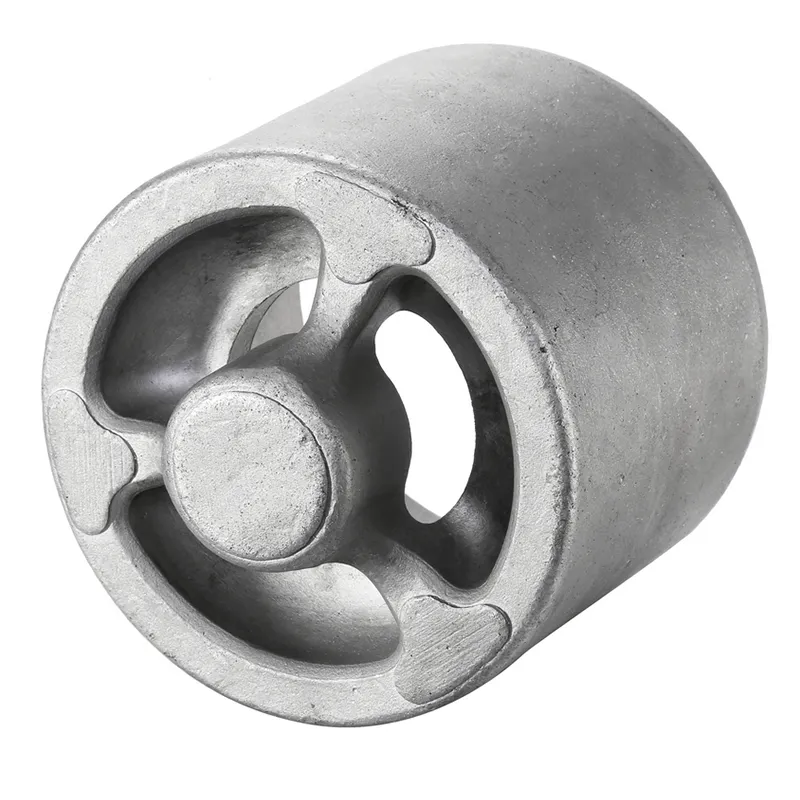
Powder metallurgy, on the other hand, skips the liquid phase entirely (sintering aside, but that's a different kind of heat). You're compacting solid metal powder in a die and then heating it to fuse the particles. The benefit is phenomenal dimensional consistency and the ability to create alloys you can't easily melt and cast, like certain tungsten composites. But the Achilles' heel is inherent porosity. That network of tiny voids limits ductility and fatigue life. You can hot-isostatic-press (HIP) it to near-full density, but now your cost is knocking on forgings door. It's a trade-off game.
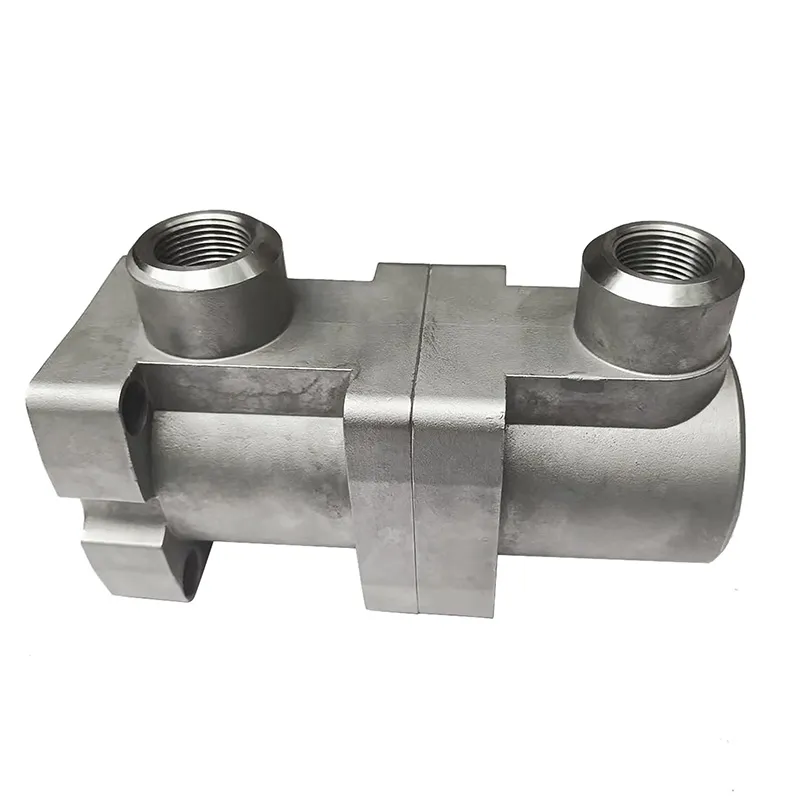
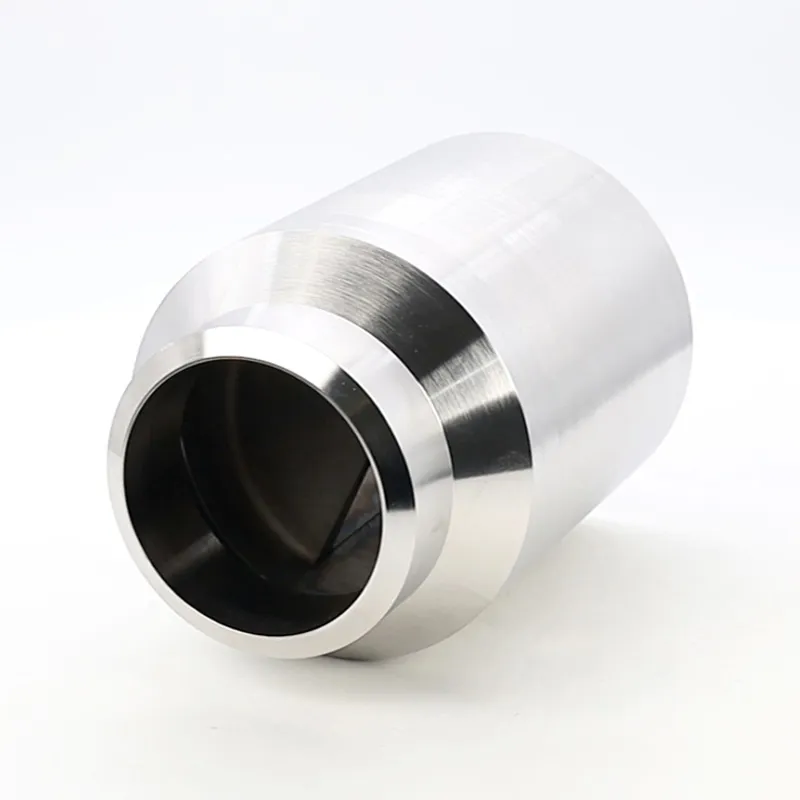
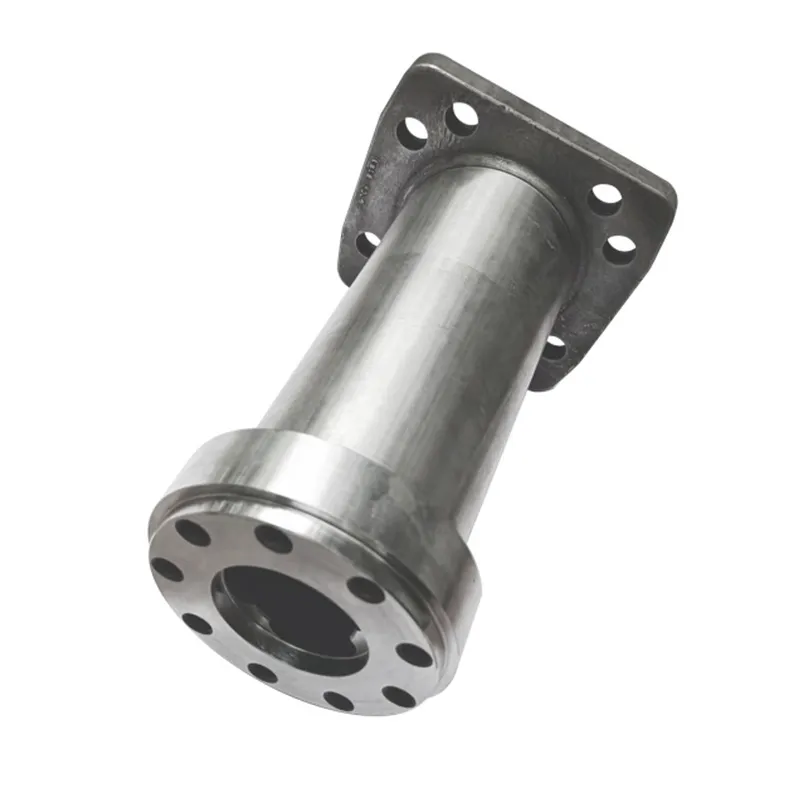
I recall a valve component for the oil & gas sector. The client's initial drawing specified PM for its tight tolerances on some tricky external grooves. But the part also had thin-walled sections and needed to withstand high-cycle fatigue. We pushed back, suggested a switch to shell mold casting with a cobalt-based alloy, followed by precision CNC machining for those critical grooves. The shell mold gave us a finer surface finish and more isotropic properties than a typical sand casting, and skipping the porosity issue was a non-negotiable for fatigue. They tested both. The cast-machined part outlasted the PM prototype by a factor of three in fatigue testing. The lesson? Tolerances can be machined in; fundamental material integrity often cannot.
Material Realities: Not Everything Flows or Compacts
Your material palette dictates your process path, sometimes ruthlessly. At QSY, we routinely pour everything from ductile iron to nickel-based superalloys like Inconel 718. These high-performance alloys have terrible fluidity; they're sluggish and prone to misruns in thin sections. Pouring them requires preheated molds and often vacuum or pressure assistance. You simply cannot compact most of these into a powder form and get a usable part—the alloying elements don't play nice during powder atomization or compaction.
Conversely, PM is the king of porous materials (think self-lubricating bearings) and of consolidating refractory metals. Trying to cast a part with a consistent 20% volumetric porosity for oil retention is a nightmare. But with PM, you just control the compacting pressure and sintering cycle. It's elegant for that specific need. We had a inquiry once for a molybdenum crucible. Casting molybdenum? Nearly impossible due to its extreme melting point and oxidation tendency. PM was the only viable route, and we had to decline the project as it was outside our casting and machining lane. Knowing your shop's limits is as important as knowing the processes.
Then there's the scrap story. Casting generates sprue, runners, and risers—sometimes the weight of the yield is less than half the weight poured. It's recyclable, but it's remelt energy. PM boasts near 97% material utilization; you just use the powder you need. That's a massive cost driver for expensive materials like tool steels or superalloys. But that powder itself is astronomically more expensive per kilo than ingot stock. The economic crossover point is a moving target based on material cost and part geometry.
The Machining Handshake: Where Most Parts Really Get Defined
This is where the near-net-shape promise meets the grinding wheel of reality. Very few cast or PM parts are truly net-shape for critical interfaces. They almost always need a CNC machining finish. And how they machine is worlds apart.
A good quality investment casting in 17-4PH stainless might have only 0.5mm to 1mm of stock on a sealing surface. It machines beautifully, predictably. A PM part of similar geometry, even after sintering, can be abrasive and inconsistent. Those microscopic pores act like tiny voids that chip your cutting tool's edge. You get a beautiful dimension, but your tool life plummets. We've had to develop entirely different feed/speed protocols and use more aggressive coolant for sintered parts versus cast blanks. The post-processing cost can erase the upfront savings from PM if not factored in early.
And let's talk about defects. A casting defect—a shrinkage cavity, a sand inclusion—is usually macroscopic. You can see it with PT or RT. A PM defect is often subtle: a density gradient, a slightly carbon-depleted zone from the sintering atmosphere. It might only show up under a micrograph or cause a part to fail in a high-stress test. The quality control paradigms are different. For critical dynamic components, we often insist on radiographic inspection for castings, while for PM parts, we might specify a batch density test and microstructural analysis.
The Cost Equation: It's Never Simple
Tooling is the first big divider. A complex investment casting mold, especially for shell mold casting, is expensive. You're building a die for the wax pattern, then each ceramic shell is a consumable. For low volumes, it's brutal. PM tooling—the compaction dies—are hardened steel and can be eye-wateringly expensive, but you punch out parts for tens of thousands of cycles. The breakeven volume is key. For runs below 5000 pieces, casting often wins on tooling cost. Above 50,000, PM starts to look irresistible, provided the material and performance work.
But wait, there's nuance. What if your part has an undercut? A side core in a casting mold is manageable. A side-action in a PM compaction die is complex, limits part ejection, and drives the tooling cost through the roof. Suddenly, for that geometrically complex part, casting's per-part mold cost might be lower than PM's astronomical tooling, even at higher volumes. I've sat through design-for-manufacture meetings where we flipped the recommendation three times as the design tweaked a single undercut feature.
Lead time is another silent cost. A casting process, from mold to first article, can be relatively quick—a few weeks. Sourcing the right metal powder, especially for a custom alloy, can have a lead time of months. During the supply chain crunches of the past few years, we've steered clients back to casting simply because we could get 316L stainless bar stock for remelt when the 316L powder had a 26-week backlog. Reliability of supply matters.
Hybrid Thinking and the Future Glimpse
The most interesting developments aren't in pure casting or pure PM, but in the grey area. Metal Injection Molding (MIM), which is essentially PM with a plastic binder, is stealing share from small, complex investment castings. It offers better surface finish and detail than traditional PM. On the other side, you have cast-HIP processes where you take an investment casting and hot-isostatic-press it to eliminate microporosity, giving you casting geometry with forged-like density. We've experimented with this on some high-integrity turbine components with nickel-based alloys. The results are impressive, but the cost is for aerospace budgets, not automotive.
Then there's binder jetting and other additive manufacturing techniques. Some call it PM adjacent. You're still fusing powder, but layer by layer with no die. For one-off prototypes or legacy part replacement where tooling cost kills the project, it's a game-changer. But for production volumes above a few hundred, the speed and per-part cost still can't touch traditional processes. It's complementary, not a replacement yet.
Looking back over three decades, the trend isn't one process winning. It's about a more sophisticated matching game. The role of a specialist like Qingdao Qiangsenyuan Technology Co., Ltd. (QSY) isn't just to offer shell mold or investment casting and machining. It's to understand that material-property-process triangle deeply enough to guide the choice from the blueprint stage. Sometimes the right answer is a high-integrity casting. Sometimes it's a precision PM part. Often, it's knowing which one it isn't, and having the experience—and the scars from past failures—to make that call before the metal is ever poured or powder ever compacted.