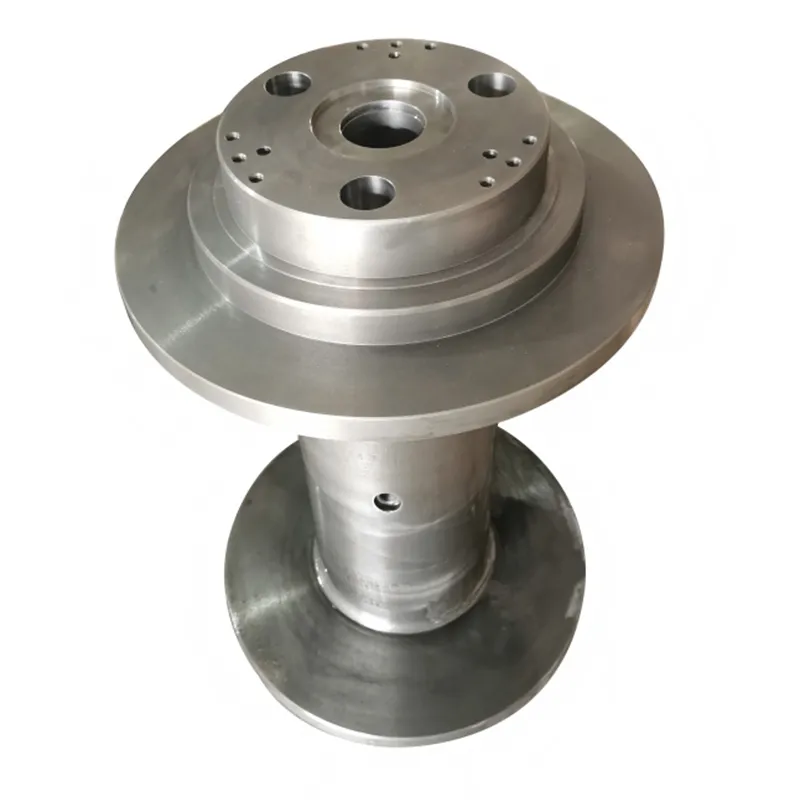
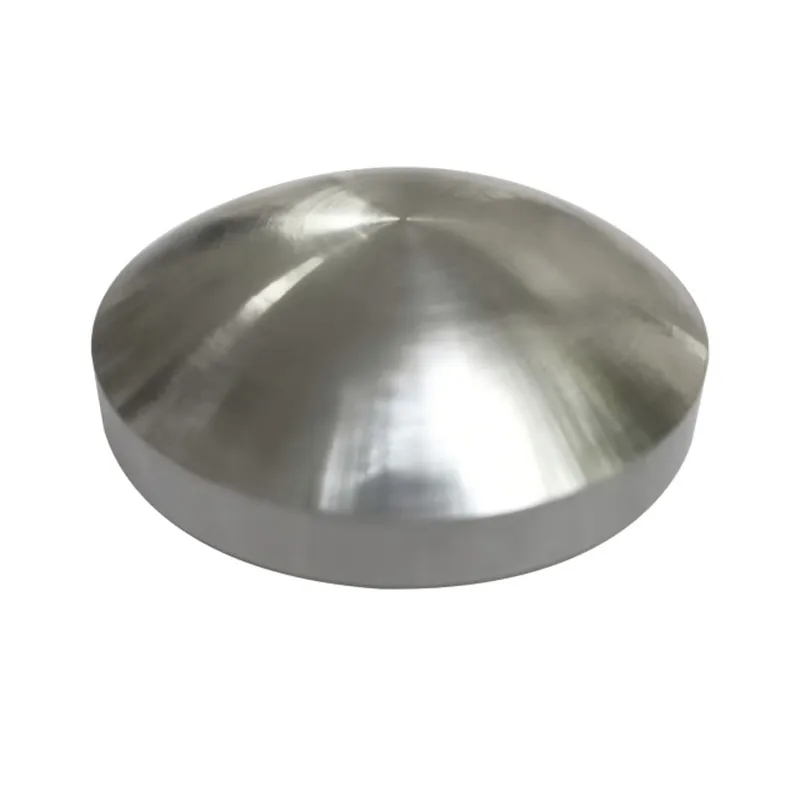
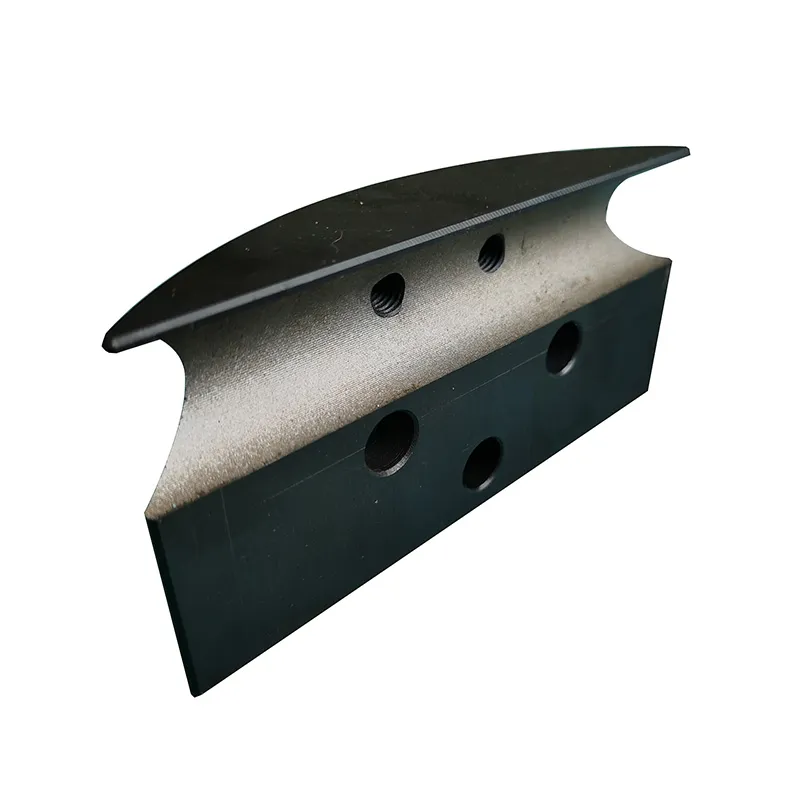
When people hear 'casting metal', they often picture a dramatic pour of molten steel. The reality is far messier and more nuanced. It's a process defined as much by the quiet failures—the misrun, the cold shut, the inclusion you only find after machining—as by the successful castings. Having spent years around foundries, I've seen the gap between textbook diagrams and the soot-stained reality. This isn't about perfect theory; it's about managing heat, chemistry, and a hundred variables to coax metal into a useful shape.
Starting with the Mold: More Than Just a Cavity
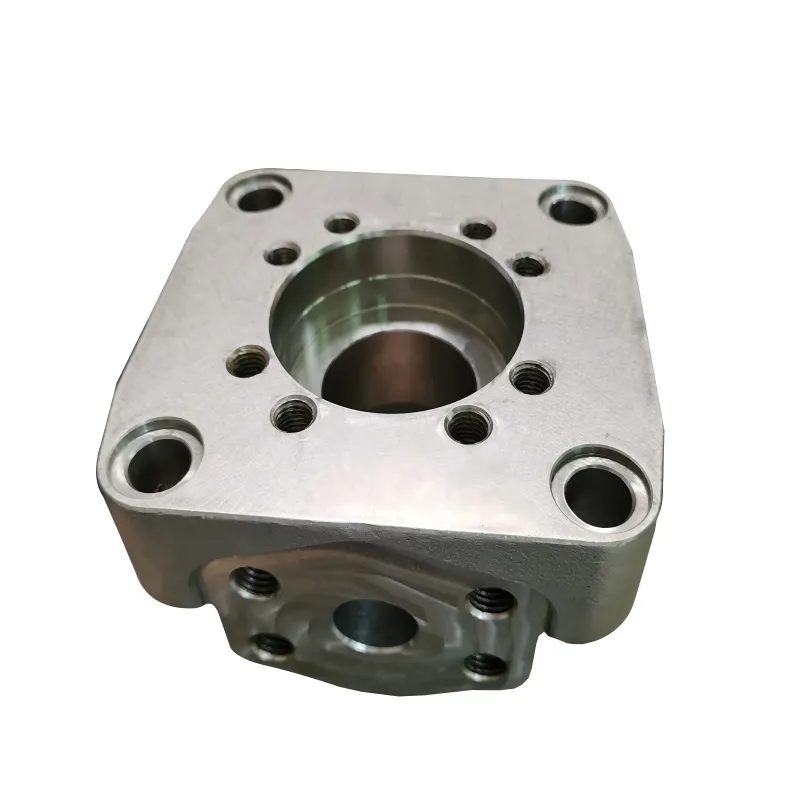
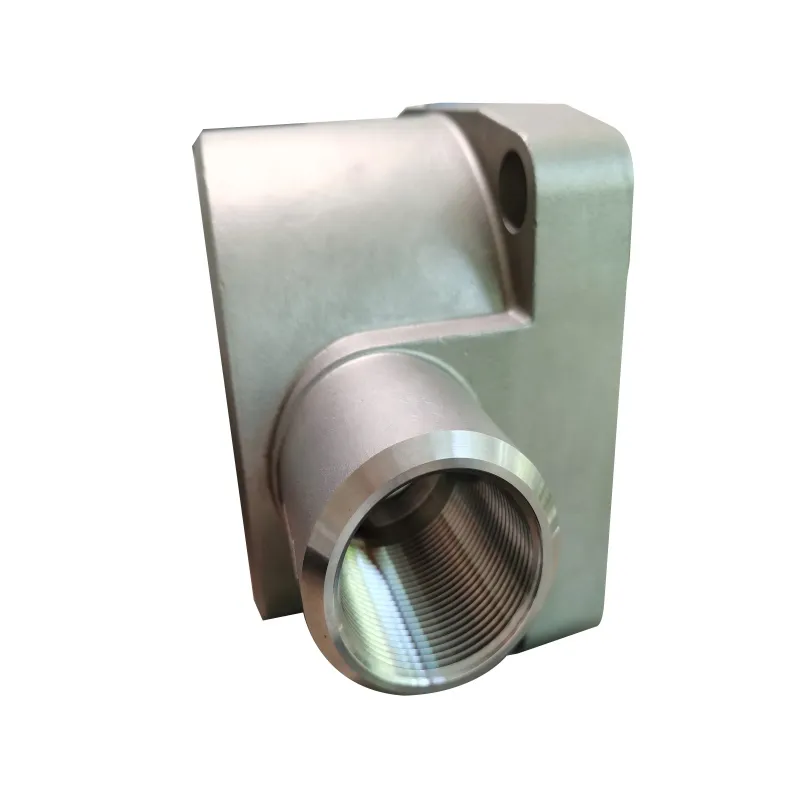
Everything hinges on the mold. Get this wrong, and you're just pouring expensive metal into a fancy dirt hole. For complex, high-integrity parts, the industry often leans towards investment casting or shell mold casting. The choice isn't arbitrary. I remember a batch of pump housings where we used shell molding for its good surface finish and dimensional stability, but we had to be ruthless with the gating design to avoid turbulence. The mold isn't a passive container; it's a thermal manager and a geometry enforcer.
Investment casting, the 'lost wax' process, is another beast. The detail you can achieve is remarkable—think turbine blades with internal cooling channels. But the wax pattern itself is a craft. If the wax injection temperature is off by a few degrees, you introduce stress that might not show up until the ceramic shell is fired, leading to a costly shell crack. It's a chain of dependencies. A company like Qingdao Qiangsenyuan Technology Co., Ltd. (QSY), with their three decades in this space, has likely burned through thousands of wax patterns to dial in those parameters for different alloys. That's institutional knowledge you can't Google.
Then there's the mold material interaction. Pouring stainless steel into a silica sand mold? You might get a decent shape, but the surface will be rough, prone to penetration. For higher grades, you need zircon sand or ceramic facing. It's one of those cost-vs-performance calculations that happens on the floor. The mold choice directly dictates the post-casting workload. A poor mold surface means more grinding, more machining time, more cost eating into your margin.
The Pour: Where Physics Takes Over
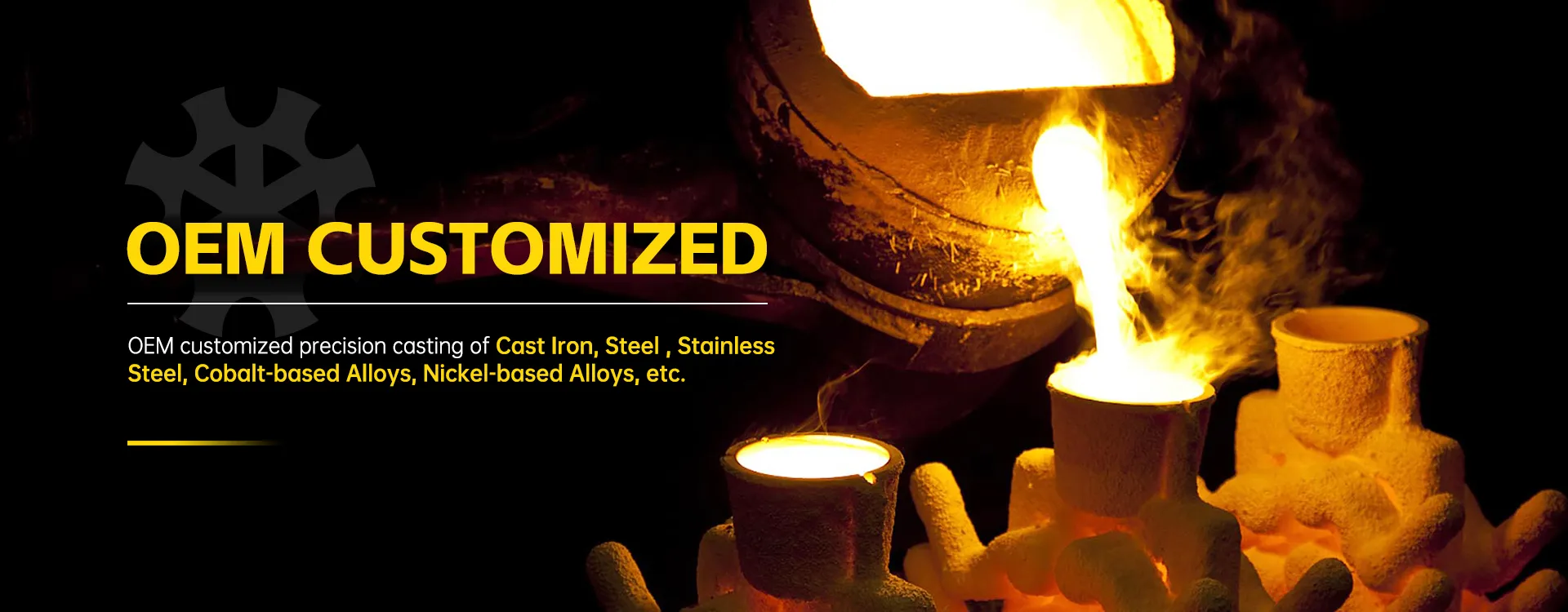
This is the moment of truth. Alloy temperature is critical, but it's not just about hitting a number on the pyrometer. There's the 'tap temperature' from the furnace and the 'pour temperature' into the mold. The drop matters, especially for thin sections. I've seen pours for cobalt-based alloys where the window is incredibly narrow—too hot and you erode the mold, too cold and the metal won't fill the intricate details. You develop a sense for it, the way the metal streams and its surface sheen.
Gating and risering is the unsung hero (or villain). It's not just about getting metal in; it's about feeding the solidification shrinkage. A classic rookie mistake is placing a riser where it looks right but doesn't create a directional solidification path. The result? Shrinkage porosity deep inside the casting, a defect that might only reveal itself under X-ray or during a pressure test. We learned this the hard way on a valve body cast in duplex stainless steel. Beautiful on the outside, but the client's pressure test failed. The riser was too small, too far away. A total loss of material and machining time.
The atmosphere during the pour is another layer. For some alloys, like certain nickel-based ones, even a slight exposure to oxygen while molten can lead to problematic oxides. That's where controlled environments or protective fluxes come in. It's a quiet, often overlooked detail that separates a functional casting from a high-performance one.
Material is Everything (And Nothing Without Process)
You can specify a perfect grade of cast iron or 316 stainless steel, but the foundry's practice determines what you actually get. Melt chemistry control is paramount. A simple thing like magnesium fade in ductile iron can turn a tough, nodular iron into a weak, flakey structure if you hold the ladle too long. You need quick, reliable spectrograph analysis right on the floor.
Working with special alloys like the nickel or cobalt-based families is a different league. They're often vacuum melted or processed with extreme care to control trace elements. The cost of the raw material is so high that a scrapped casting is a major hit. The margin for error shrinks to almost nothing. These alloys are chosen for extreme environments—high temperature, high corrosion—so any internal defect is a potential point of failure. The casting process for these isn't just shaping; it's metallurgical stewardship.
This is where a foundry's longevity shows. A firm that's been operating for over 30 years, like QSY, has presumably poured mountains of metal and encountered every weird defect in the book. That experience translates directly into process controls for different material families, whether it's the ferrite-austenite balance in a cast duplex stainless or the carbide distribution in a cobalt alloy. You can find their approach to these materials detailed on their site at https://www.tsingtaocnc.com.
The Aftermath: Cleaning, Testing, and Facing Reality
Once the casting has cooled, the real appraisal begins. The shakeout, cutting off gates and risers—it's brutal work. But here, you get your first real look. Sand inclusions, surface tears, obvious misruns. It's a gut-check. Non-destructive testing (NDT) is your friend here. Dye penetrant for surface cracks, radiographic testing for internal voids. Every casting process has its common defect signatures. In investment casting, it might be shell fragments; in sand casting, it could be sand inclusions.
I recall a batch of investment-cast components for the food industry where the dye penetrant kept showing faint lines. They weren't cracks, but 'veining' from the ceramic shell. It was a cosmetic issue that didn't affect function, but the client's spec was strict. We had to adjust the shell slurry formulation—a tweak to the refractory flour particle size distribution—to eliminate it. It's that level of obsessive detail.
The proof is often in the machining. That's the final judge. You might have a casting that passes all NDT, but when the CNC machine's tool hits a hard spot—a chilled area or an unexpected inclusion—the whole part can be junk. This is why integrated facilities that handle both casting metal and CNC machining have an advantage. The feedback loop is short. The machinists can tell the foundry exactly what they're seeing, and adjustments can be made on the next heat. It breaks down the wall between casting and finishing.
Why It All Comes Down to Iteration and Trust
You don't master casting metal from a manual. You learn from the puddles of solidified scrap. Every new part geometry, every new alloy grade, is a fresh puzzle. The first article is rarely perfect. There's a cycle of prototype, evaluate, modify the gating, tweak the pour temp, and try again. This iterative, sometimes frustrating, process is the core of foundry work.
That's why partnering with a foundry isn't just buying a service; it's buying their accumulated trial and error. When a company lists a portfolio of processes—shell mold, investment casting, machining—and a range of materials from cast iron to special alloys, they're not just listing services. They're signaling a capability to navigate this entire complex chain. It's about having the metallurgical knowledge to choose the right process for the material and the application, and the practical skill to execute it consistently.
In the end, successful metal casting is a blend of deep materials science and hands-on, almost intuitive, shop floor practice. It's about respecting the physics, learning from every mistake, and understanding that the mold, the metal, and the method are inextricably linked. The goal isn't a perfect pour every time—that's a fantasy—but a controlled, predictable process where the variables are understood and managed. That's what turns a concept in a CAD file into a reliable, functioning metal part.