When someone asks about 'casting metal price', they're usually looking for a simple number. That's the first mistake. The price isn't just the metal. It's the alloy's mood that day, the complexity you didn't mention, and the lead time you're silently hoping to crush. I've spent years at QSY, Qingdao Qiangsenyuan Technology Co., Ltd., and the first lesson is that a cheap casting metal price often ends up being the most expensive part of the project.
Breaking Down the Per Kilo Illusion
New clients love to talk cost per kilogram. For standard grey iron, maybe you get a baseline. But switch to a nickel-based alloy for a high-temperature valve component? The game changes completely. The raw material cost volatility is insane. I remember in early 2021, the quote we gave for a batch of stainless steel 316L castings was obsolete within three weeks because the nickel spot price jumped. We had to go back to the client, hat in hand. It's not just the LME ticker; it's the premium for the specific grade, the form of the ingot, and the supplier's stock. You're not buying commodity metal; you're buying a precise chemical composition that meets an ASTM spec.
Then there's the yield. This is where shell mold and investment casting show their teeth. You might buy 100 kg of alloy, but if the part geometry is a nightmare with thin walls and massive flanges, your yield could drop to 50% or lower. All that sprue, runner, and scrap metal gets melted into your casting metal price. We machined a complex turbine housing once where the yield was so poor we almost re-quoted the entire job mid-production. The per kilo price meant nothing. The real cost was in the metal that ended up back in the furnace.
So the first thing we do at QSY isn't to give a price. It's to get the drawing and run a feasibility study. Can we cast this in one piece? Do we need to change the draft angle to reduce machining later? A slight design tweak can sometimes double the yield. That’s the real price negotiation, not haggling over the base rate.
The Hidden Multipliers: Process and Precision
Shell mold casting versus investment casting—the cost driver here is geometry and surface finish. Investment casting, for intricate jewelry or aerospace blades, has a completely different cost structure. The wax patterns, the ceramic shell, the controlled dewaxing and sintering cycles... it's a art. The metal price becomes a smaller fraction. I've seen projects where the process cost was 70% of the total. Clients fixated on the alloy surcharge miss this entirely.
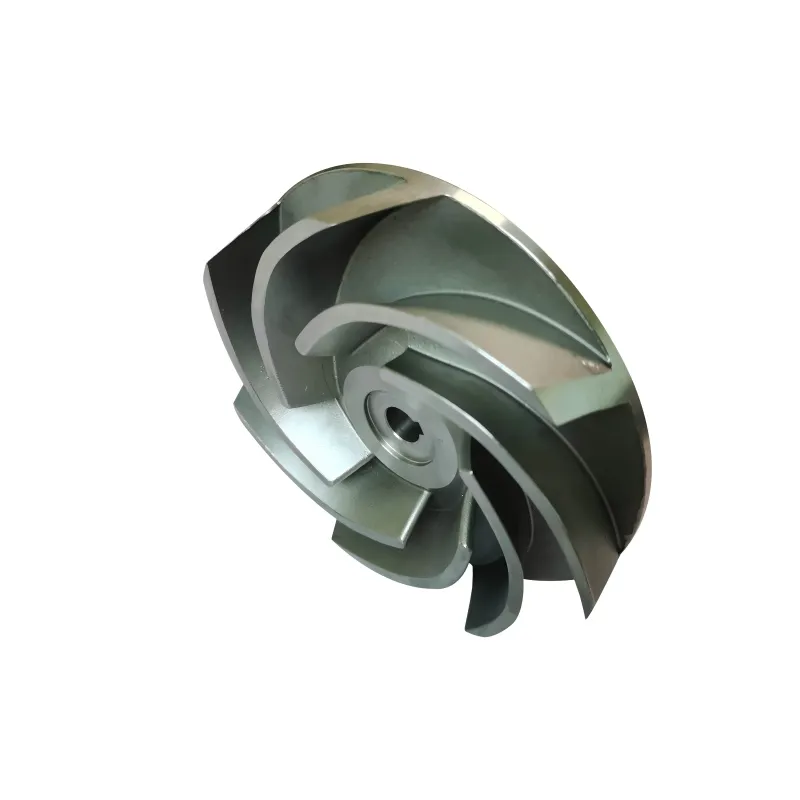
Surface finish requirements are another silent killer. Ra 3.2 vs. Ra 1.6? That might mean an extra round of precision grinding or even manual polishing. If you need an as-cast surface ready for coating, the molding process has to be flawless. Any sand inclusion or surface pitting means scrap. We learned this the hard way on an early order for pump impellers. The price was based on a standard shell mold finish, but the client needed a hydraulic-clean surface. We ate the cost of extra shot blasting and inspection. Now, it's a line item in the quote.
And tolerance. Standard casting tolerances are a myth for high-performance parts. Holding +/-0.5mm on a 500mm ductile iron frame is one thing. Holding +/-0.1mm on a 100mm cobalt alloy seat is another planet. It dictates the mold-making technique, the inspection protocol (are we using CMM?), and the scrap rate. Tightening the tolerance by a factor of two can easily triple the cost, regardless of the casting metal price.
The Machining Sinkhole
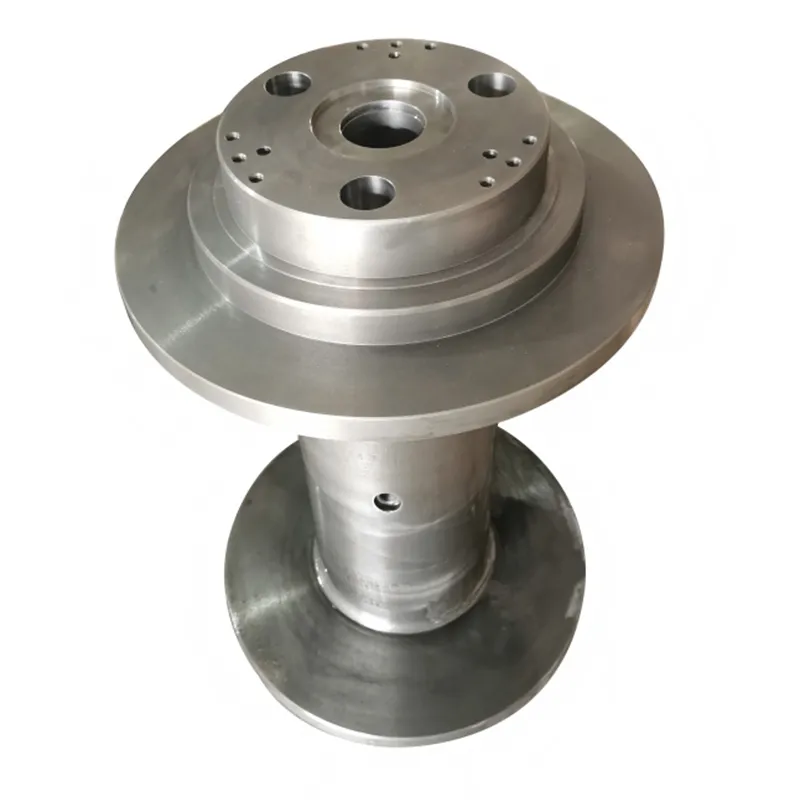
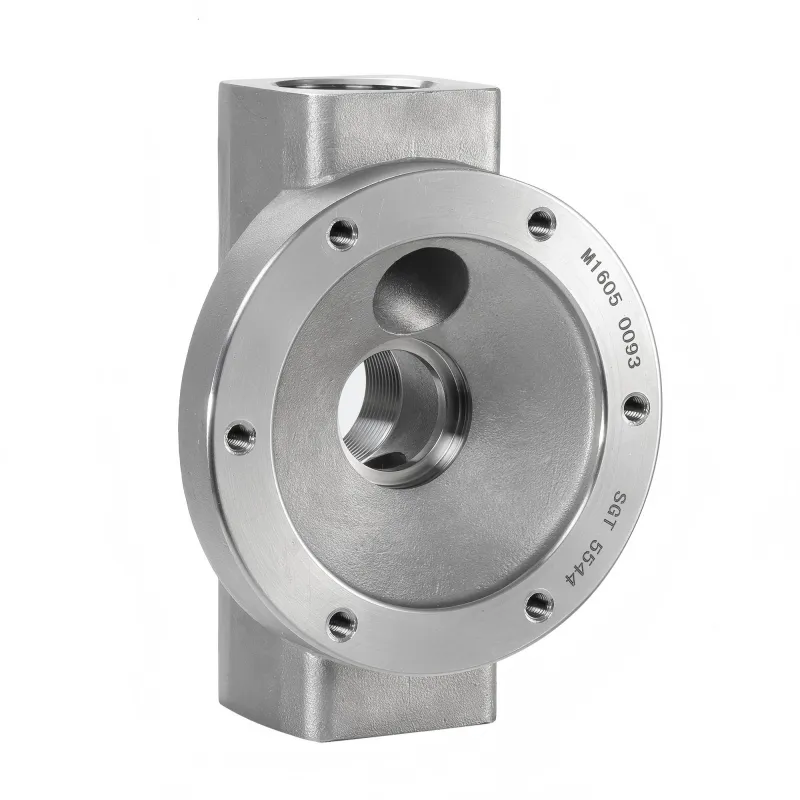
This is where companies like ours, with integrated CNC machining, see the whole picture. A beautifully cast part can be ruined by poor machining planning. You quote the casting cheaply to win the job, then the machining costs explode because the casting wasn't designed for manufacturability. We insist on a DFM review. For instance, not adding machined pads for clamping can force us to build a fiendishly expensive custom fixture.
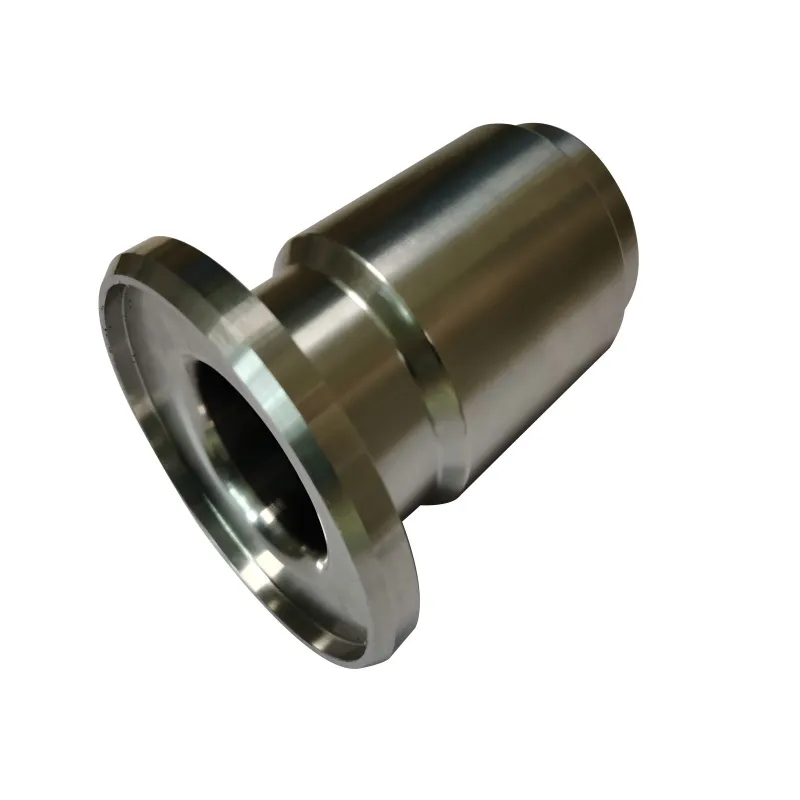
The material hardness post-casting affects machining cost dramatically. A precipitation-hardening stainless steel like 17-4PH might be cast, then heat-treated to H900 condition. Trying to machine that is a tool-wear nightmare. The machining time, tool consumption, and power use all skyrocket. That final price the client wanted initially? It's gone. The real price is in the total conversion cost from liquid metal to a finished, packaged part ready for assembly.
We had a case with a special alloy gate valve body. The casting was sound, but during rough machining, we hit a micro-shrinkage cavity. Not enough to fail the pressure test spec, but enough to worry about long-term fatigue. Do we scrap it? Repair weld it (which is a whole new procedure qualification for that alloy)? The cost of that decision—in time, material, and engineering labor—was never in the original casting metal price discussion. It's the price of experience and integrity.
Volume and the Long Game
One-offs are a pain. The setup cost for the mold, the gating system design, the first-article inspection—it's amortized over one piece. The price per piece for ten units can be half of that for a single unit. For long-run production, we can optimize the melting schedule, batch the heat treatment, and set up dedicated machining lines. The economy of scale is real, but it only kicks in after a certain threshold. I always tell clients: if this is a prototype, the price is about proving the process. If it's for production, let's talk about how to design the mold for multi-cavity use to bring the unit cost down.
Tooling cost is a separate beast. For shell molding, the metal pattern costs thousands. For investment casting, the master die and wax injection molds cost even more. This is a capital investment. Some clients want to own the tooling; others want us to hold it and pay a lower piece price. There's no right answer, only what the relationship and project longevity dictate. Spreading that tooling cost over the projected lifetime volume is the only sane way to think about the final casting metal price per part.
Lead time is a cost multiplier everyone ignores until they're in a panic. I need it in 4 weeks means premium freight charges for raw materials, overtime for the foundry crew, and expedited fees for lab testing and certification. A realistic lead time allows for planned production, optimal furnace loads, and calm quality checks. Rushing always adds cost, often hidden in the form of higher risk and potential quality escapes.
The Real Quote: Total Cost of Ownership
So after thirty years in this, at QSY, we've stopped giving quick casting metal price answers. We give a project assessment. It includes the metal (with a raw material adjustment clause for orders over 90 days), the process cost (shell or investment), the yield estimate, the machining roadmap, heat treatment, testing (PT, UT, RT), and certification (we provide MTC and can do third-party like ABS or DNV). The price is the sum of all that confidence.
Failure is a teacher. We once underquoted a batch of large valve bodies in duplex stainless steel. We assumed a certain shrinkage rate based on similar alloys. We were wrong. The castings distorted just enough to require massive corrective machining, wiping out the margin. Now, for new alloys, we run a small test casting first. That test cost is in the initial quote. It's not an extra; it's the price of getting it right.
In the end, the cheapest price is the one that delivers a part that fits, functions, and lasts for its intended lifecycle. It's not about finding the lowest number on a spreadsheet. It's about partnering with a foundry that understands that the metal is just the beginning. The real value is in converting that metal into a reliable component, with all the hidden costs accounted for and managed. That's the only price that matters.