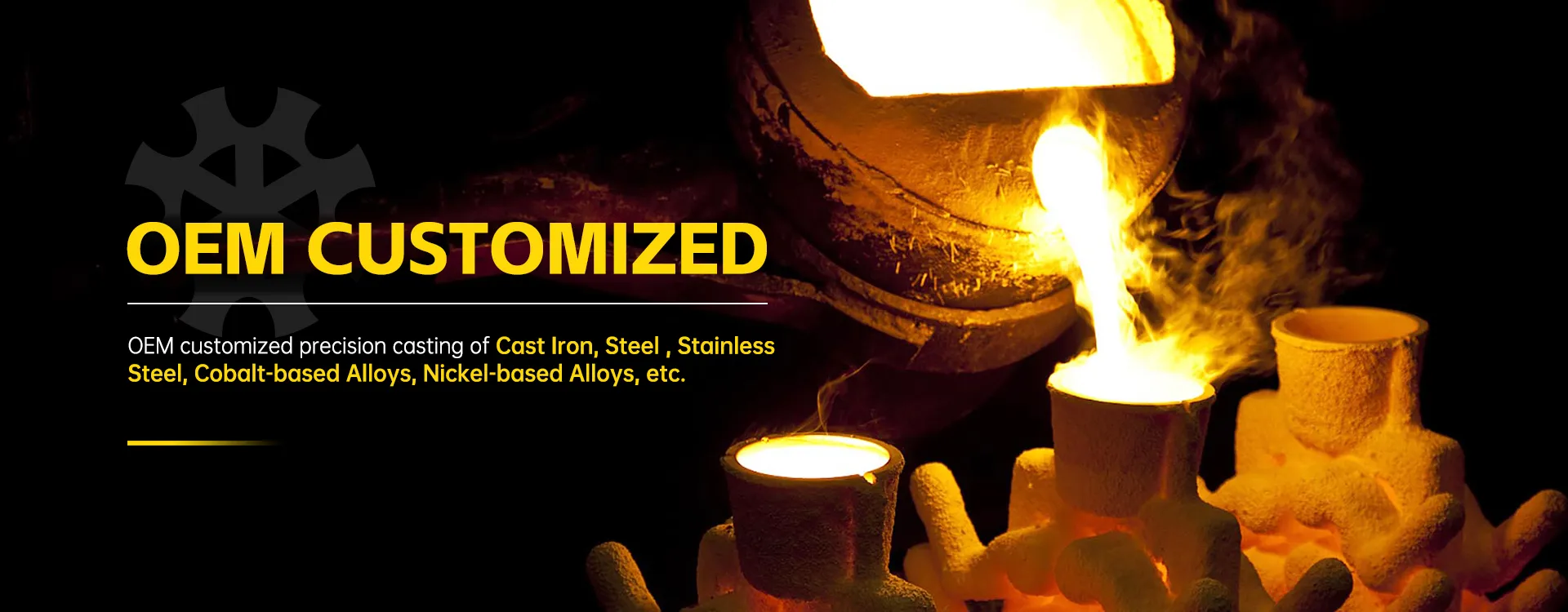
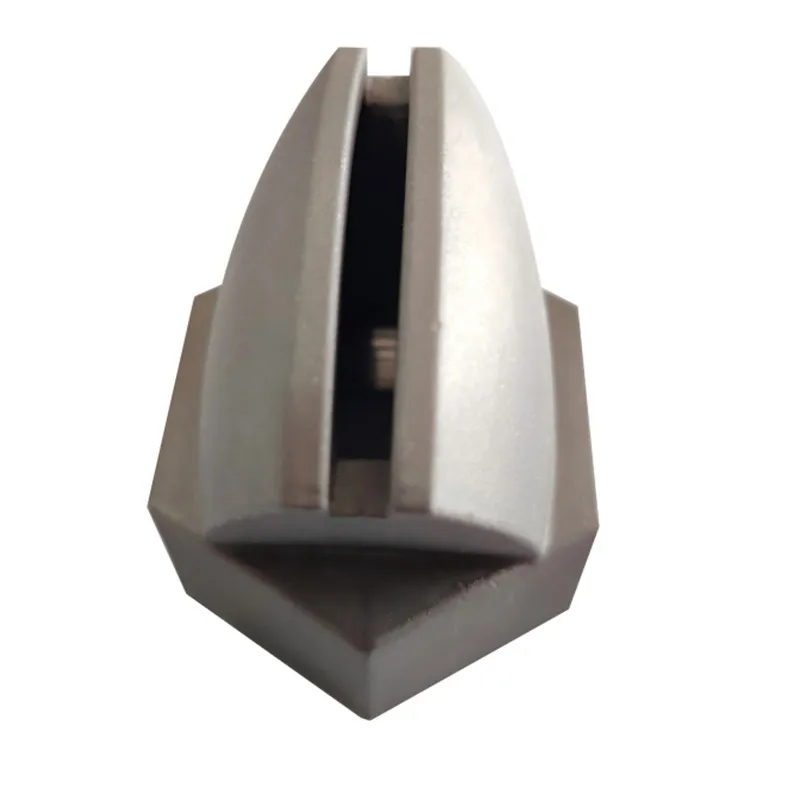
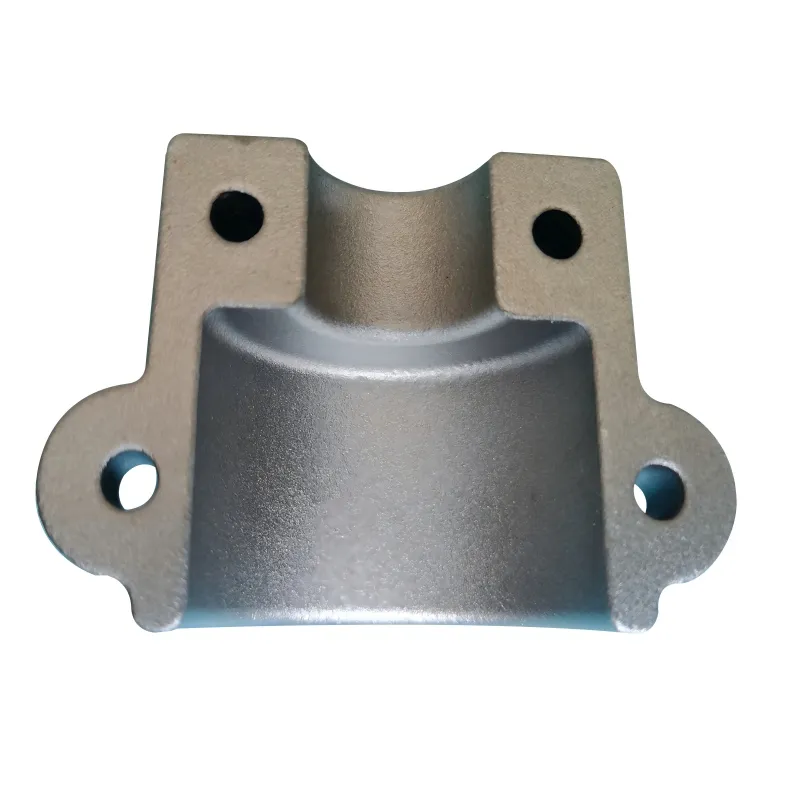
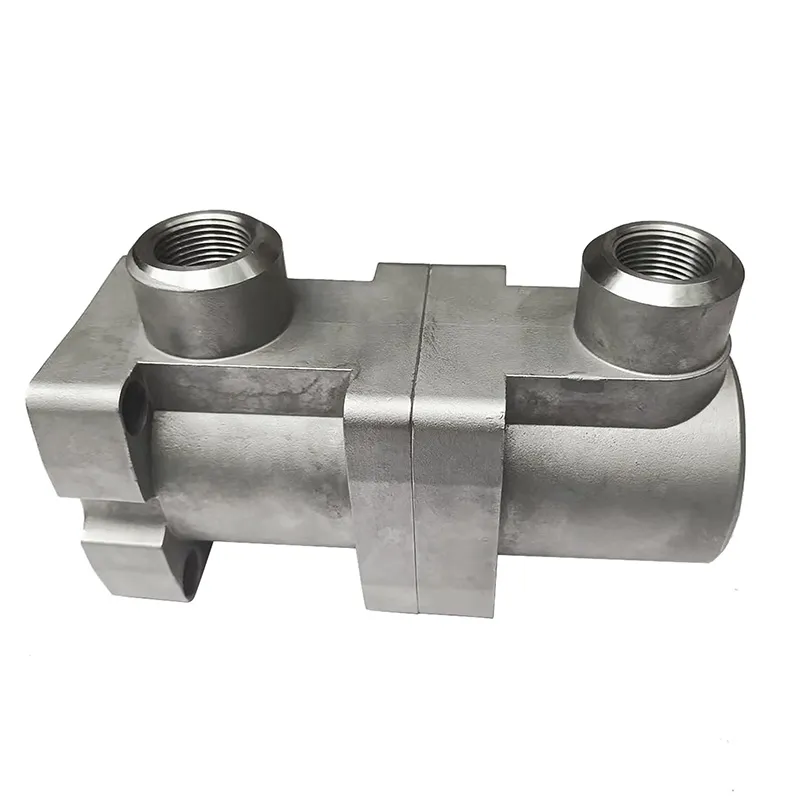
When someone types 'casting sand near me' into a search bar, I get it. They're likely in a bind, maybe a small foundry scrambling for a last-minute batch, or a hobbyist starting a project. The immediate thought is proximity—get it fast, save on shipping. But here's the thing I've learned over the years: that search is often the start of a misunderstanding. Casting sand isn't one single product like milk. You're not just looking for a bag of sand; you're looking for a specific, engineered molding aggregate with the right AFS grain fineness number, clay content, and moisture for your metal and method. The near me part can be a trap, leading to compromises on quality that ruin a pour faster than anything. I've seen shops grab whatever local silica sand they could find, only to face terrible surface finish and penetration defects because the grain distribution was all wrong for their application. The real search should be for the right sand, then figure out the logistics.
The Core Misconception About Local Supply
The biggest pitfall with prioritizing near me is assuming all foundry sand is created equal. In my early days, I made that mistake. We needed green sand for some iron work, and a local supplier had molding sand. Turned out it was primarily geared for non-ferrous, aluminum casting. The binder system and refractoriness weren't up to the heat of iron. The molds washed out, and we had a yard full of scrap castings. It was a costly lesson. Local availability often means a general-purpose sand blend, which is fine for basic jobs but a gamble for precision work or specific alloys like stainless or nickel-based ones. You need to match the sand system—silicate, resin-bonded, furan—to the metal's pouring temperature and the desired dimensional tolerance.
This is where experience trumps convenience. For shell mold casting, for instance, you're not even using a traditional sand in the green sand sense. You're using a resin-coated silica sand that forms a thin, hard shell. The quality of the pre-coated sand is paramount. A local quarry won't have that. You typically source it from specialized producers, and it's shipped in. The near me for that is your storage silo or warehouse, not a mine. So the search term, while logical for someone outside the industry, points to a solution for maybe 20% of casting sand needs—the bulk, basic green sand work. For the rest, it's misleading.
I recall a job for a pump component in duplex stainless steel. The client provided the alloy, but we had to choose the molding process. We opted for a no-bake furan system for dimensional accuracy. Sourcing the sand locally was impossible; the specific high-purity, low-alkali silica sand and the furan resin catalyst system came from a dedicated chemical supplier a few states away. The near me factor was irrelevant. The critical factor was the technical data sheet and the proven performance of that sand/resin combo with reactive alloys. Trying to substitute a local, cheaper alternative would have risked sulfur pickup and catastrophic metal-sand reaction.
When Near Me Actually Makes Sense
This isn't to say local sand sources are useless. They're vital for high-volume, low-complexity work. If you're running a production line for gray iron brake drums, using a locally sourced, consistently managed green sand system is economic necessity. The key is having a partnership, not just a transactional sand near me search. You need a supplier who understands your sand control parameters: compactability, tensile strength, moisture, and loss on ignition. They should be able to deliver a consistent product and often provide technical support for reclamation systems.
The logistics are undeniable. A truckload of bulk sand from 50 miles away is cheaper than from 500 miles away. For replenishing your system's sand, adding new sand to balance the system clay, or for large, one-off sand molds for one-time patterns, a reliable local bulk supplier is gold. But you vet them. You test their sand's base silica content, its angle of repose, its screen analysis. You don't just order it because it's close. I've built relationships with a couple of local aggregate companies over the years. They know I need a specific AFS GFN, and they'll set aside batches for me. That's the evolved version of casting sand near me—it's a curated, local source.
One practical scenario: rush repair jobs. A local mining operation needed a replacement gear housing for a conveyor. Downtime was thousands per hour. We could pattern it fast, but needed several tons of backing sand for the flask. That's when the local bulk sand supplier saved the day. We used a basic, coarse silica sand for the backing, combined with our own facing sand mix for the critical surface detail. The near me bulk sand handled the volume and structural support economically and quickly, while our controlled facing sand ensured the casting surface quality. It's about strategic layering.
Technical Considerations Overriding Geography
Moving beyond basic green sand, the technical specs completely dismantle the near me premise. Take investment casting. The primary mold material is a refractory slurry, not free-flowing sand. The stucco used to coat the ceramic shells is often a fused silica or zircon sand, chosen for its thermal shock resistance and chemical inertness. These are specialty materials with global supply chains. Your search isn't casting sand near me; it's high-purity zircon flour distributors or fused silica stucco, 50-80 mesh. Proximity is a minor line item on the spec sheet.
Similarly, for lost foam casting, you need dry, unbonded sand with excellent flowability to fill the cavity around the foam pattern. It often requires a specific, rounded-grain sand to minimize friction and ensure complete filling. This sand might need to be cooled and conditioned in a dedicated system. You're not finding that at a local landscape supply yard. The equipment—the sand system, the fluidization beds—is as important as the sand itself. The search becomes about total process capability, not a raw material.
Alloy interaction is the ultimate veto power. When you work with superalloys—cobalt-based or nickel-based alloys for aerospace or turbine parts—the purity of every mold material is scrutinized. Trace elements in sand, like sodium or potassium, can cause hot tearing or surface degradation. The sand source is selected based on certified chemical analysis, not a map. A company like Qingdao Qiangsenyuan Technology Co., Ltd. (QSY), which has been in shell mold and investment casting for over three decades, would source its refractory materials based on these stringent technical protocols for their special alloy work. Their expertise, detailed on their site at https://www.tsingtaocnc.com, isn't in finding local sand; it's in specifying the exact global material that ensures integrity when pouring high-value, high-performance metals. The near me concept is irrelevant at this tier.
The Real-World Compromise and Sourcing Strategy
So, what's a practical approach? For most job shops and foundries, it's a hybrid model. You maintain a core relationship with a regional specialty foundry supplier for your primary sand systems—your no-bake resins, your pre-coated shell sand, your high-purity ceramics. This supplier might be a few hundred miles away, but they provide consistency, technical backup, and a range of products. This is your go-to for quality-critical work.
Then, you identify a local bulk supplier for basic silica sand. This is your filler, your backup sand, your volume material for large, non-critical cores or molds. You qualify their product once, establish a basic spec, and use it for cost-sensitive, non-appearance parts. You never use it for facing against the metal on a precision job unless you've blended and tested it thoroughly. This two-tiered approach balances cost, logistics, and quality control.
I learned this after a failure. We had a large order for municipal cast iron valve bodies. To cut costs, we switched the entire mold to a new, cheaper local sand source. The castings looked okay initially, but machining revealed hard spots and inclusions just under the surface, leading to massive tool wear and rejected parts. The root cause was inconsistent grain size and tramp material in the local sand. We had to fall back on our premium sand from our regional supplier to finish the order, eating the cost difference. Now, we use the local sand only for non-critical backing, never as the primary molding sand. It's a compromise, but a managed one.
Conclusion: Reframing the Search
Ultimately, casting sand near me is a beginner's query. The professional's query is more nuanced: What sand system do I need for this alloy, process, and quality level? followed by Who are the reliable suppliers for that system, and what are their lead times and costs? Geography enters the conversation last, as a freight calculation.
The foundry supply chain is specialized. Companies that endure, like QSY with their focus on shell mold, investment casting, and CNC machining across a spectrum from cast iron to special alloys, build their reputation on controlled processes and specified materials. Their value isn't local sourcing; it's technical specification and execution. You can find their approach and material philosophy outlined at their website, tsingtaocnc.com.
So next time you're tempted to search for casting sand near me, pause. Define the sand first. Is it green sand for aluminum? No-bake sand for steel? Zircon for investment shell stuccoing? The answer to that question will immediately tell you if near me is a viable filter or a path to a disappointing pour. Start with the metallurgy and the method; let that guide your sourcing, not the other way around. That's the difference between a quick fix and a reliable casting.