You know, when most people outside the field hear 'check valve', they picture a simple swing check in a water line. That's fine, but it barely scratches the surface. The real conversation starts when you're specifying one for a high-pressure steam line, or a corrosive chemical transfer system, and you realize the choice between a dual-plate wafer check and a piston check isn't academic—it's the difference between a system that hums and one that hammers itself to pieces in six months. I've seen both.
The Core Function and the Hidden Complexity
The principle is dead simple: prevent backflow. But the execution? That's where decades of headaches are buried. It's not just about the disc or ball stopping reverse flow; it's about how fast it closes, the pressure drop it creates when open, and what happens in that split-second when flow reverses. A slow-closing check valve in a pump discharge line can cause water hammer so severe it feels like the pipe's being hit with a sledgehammer. I learned that the hard way on a chilled water system early in my career. We used a standard swing check because it was cheap and available. The resulting shock waves cracked a fitting two months after commissioning. The cost of the valve was irrelevant compared to the downtime and repair.
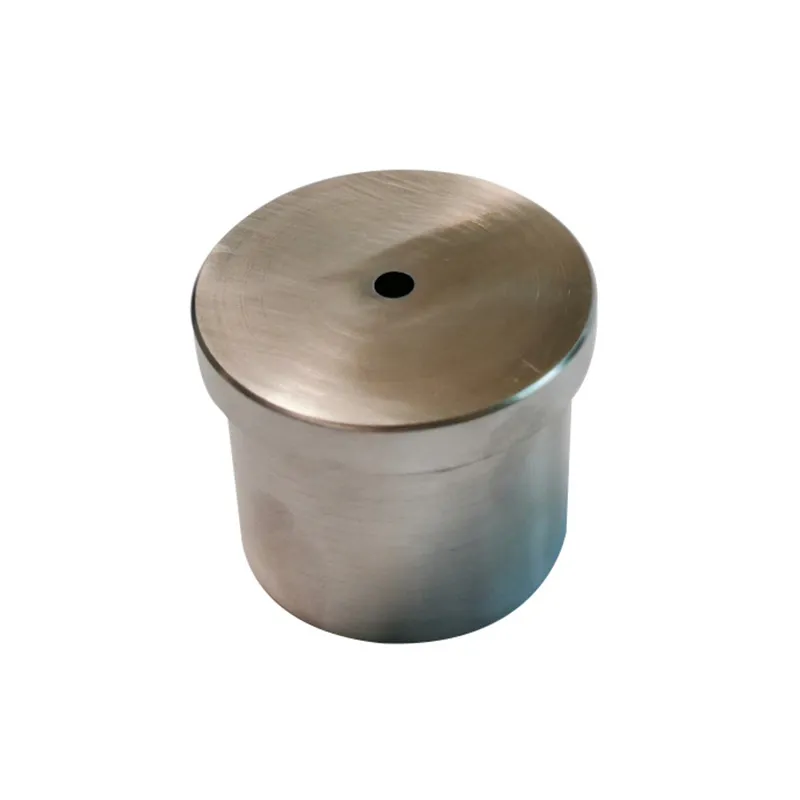
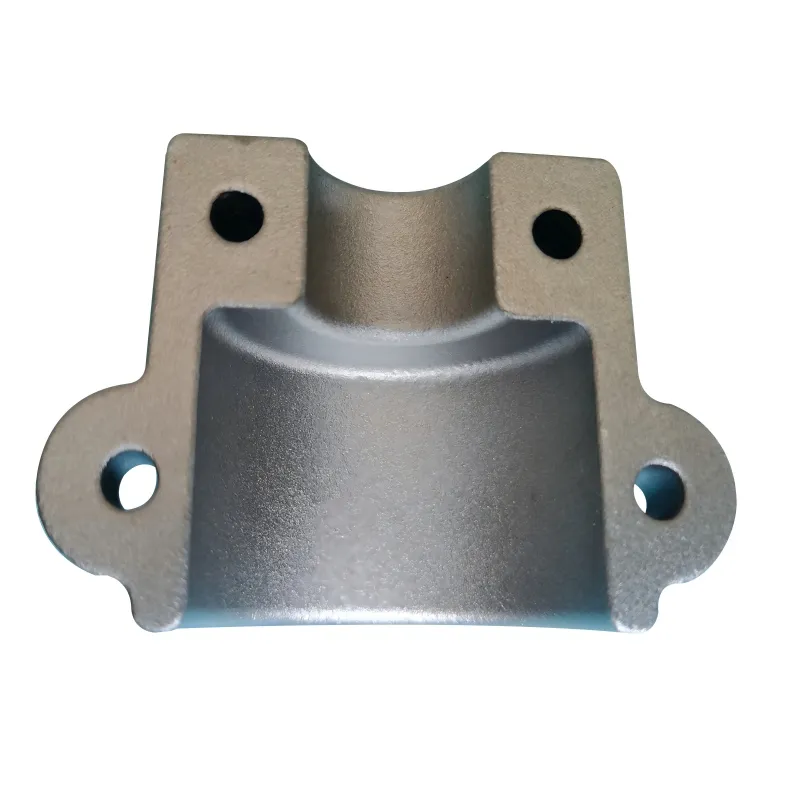
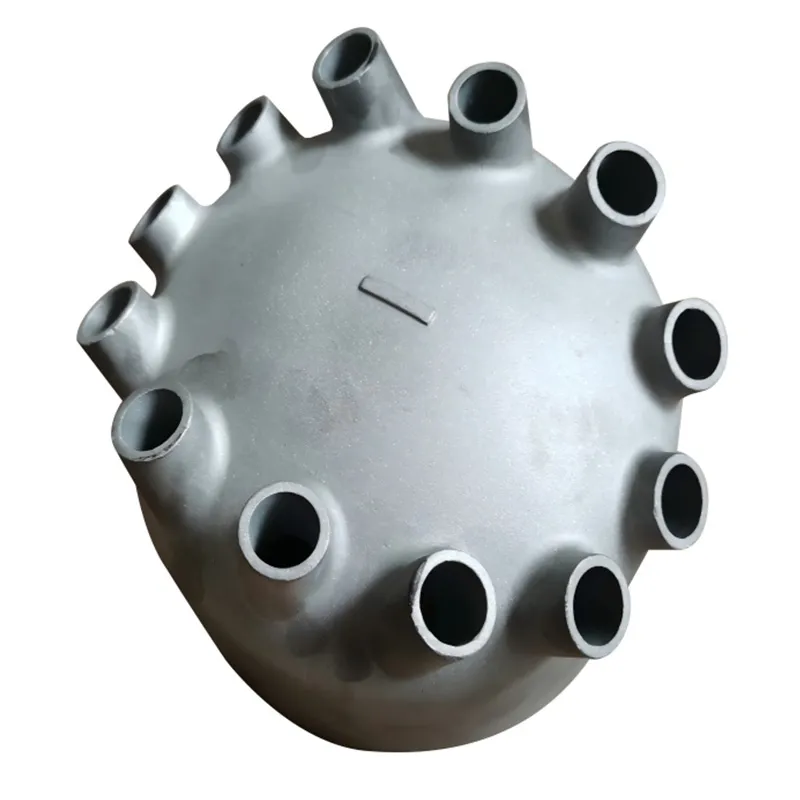
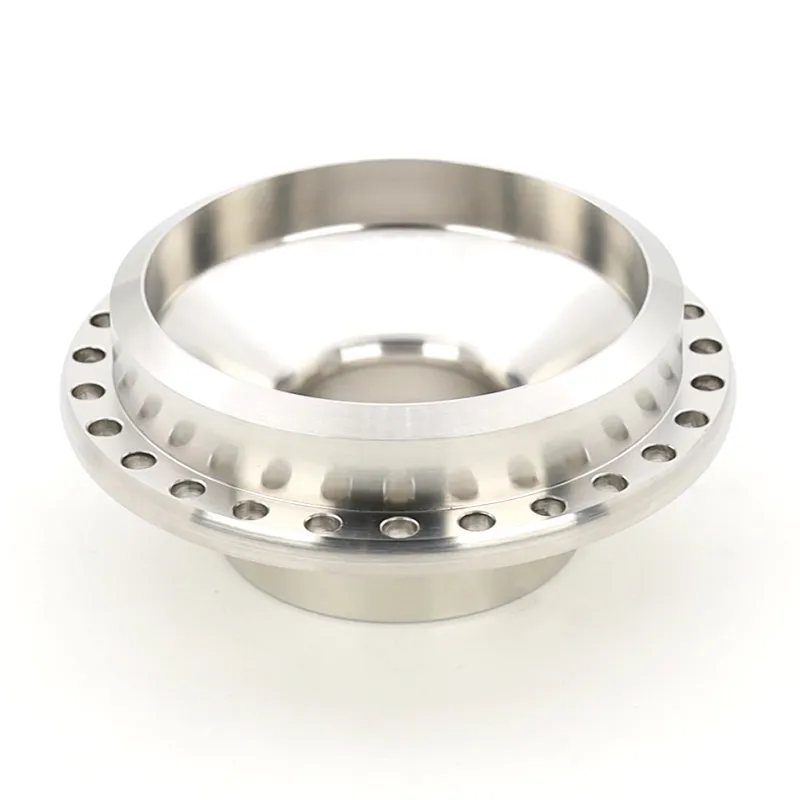
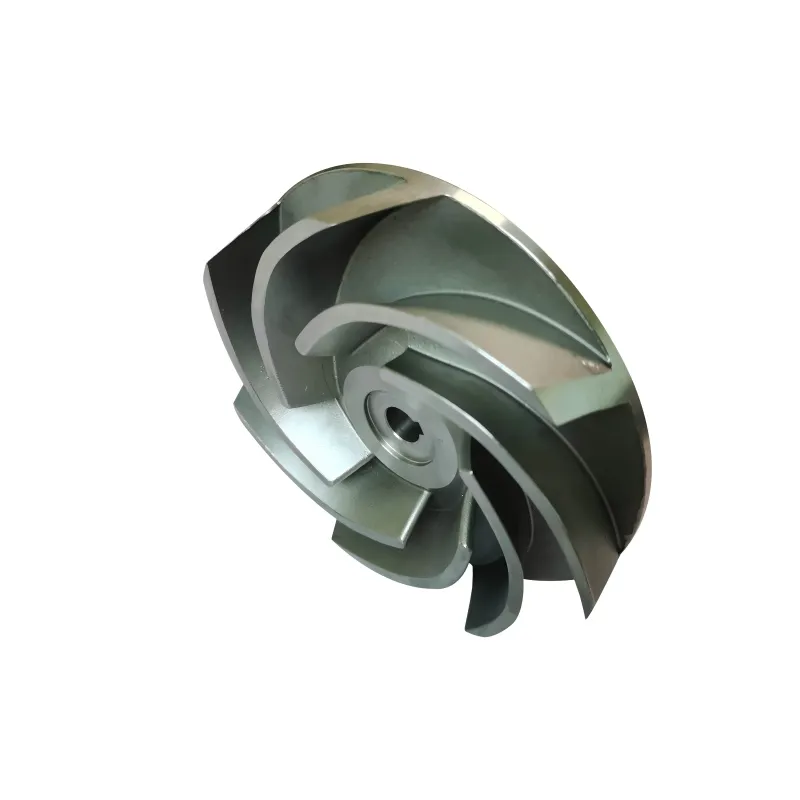
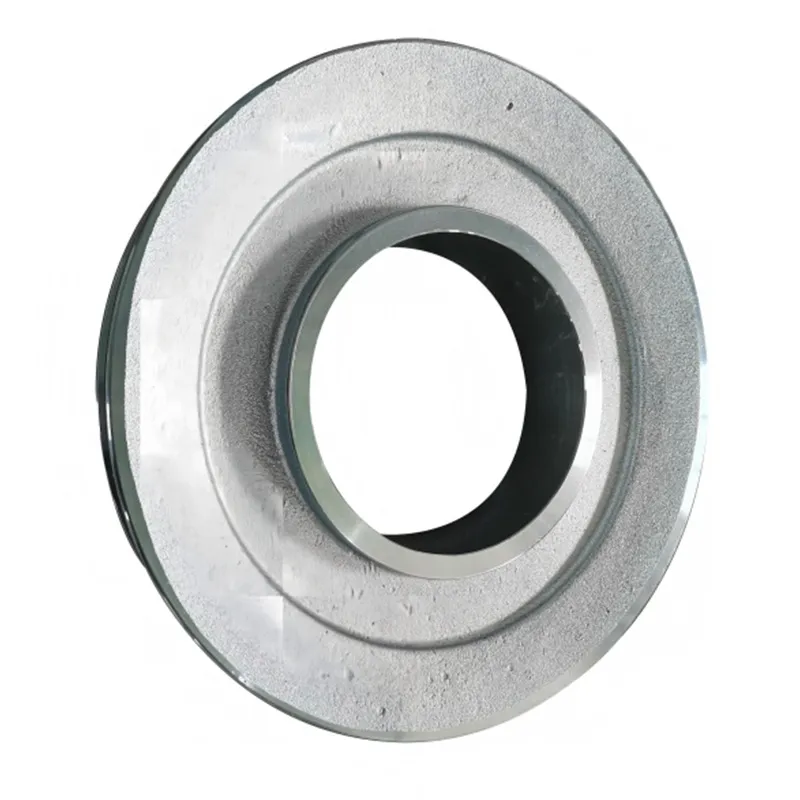
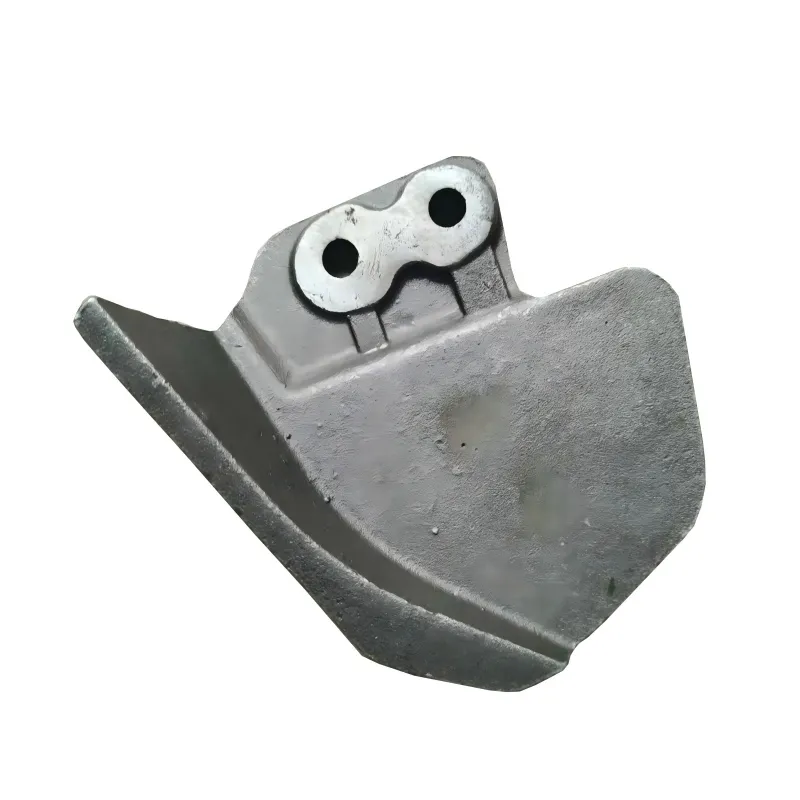
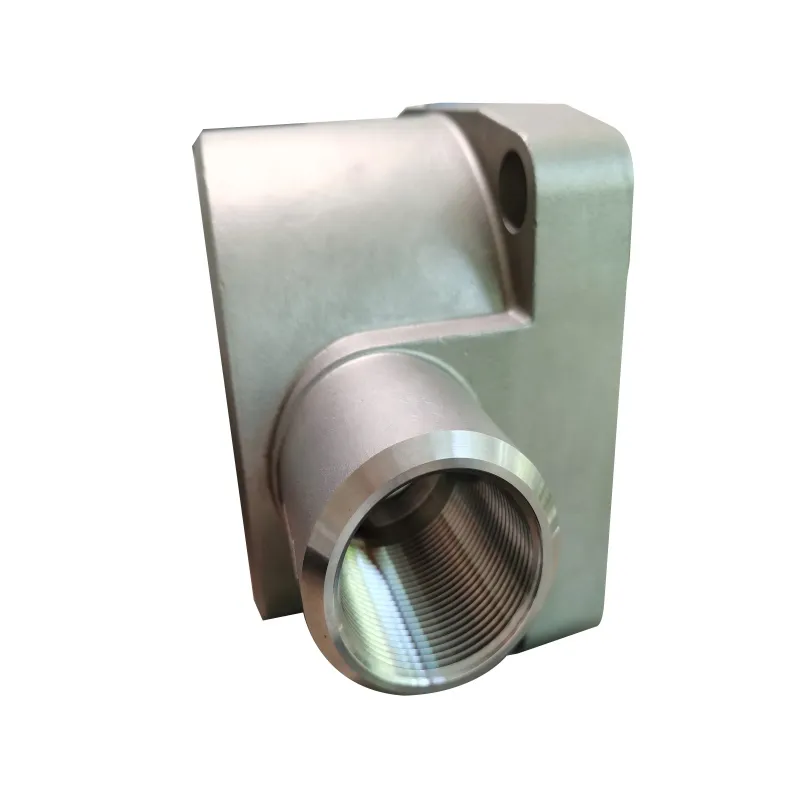
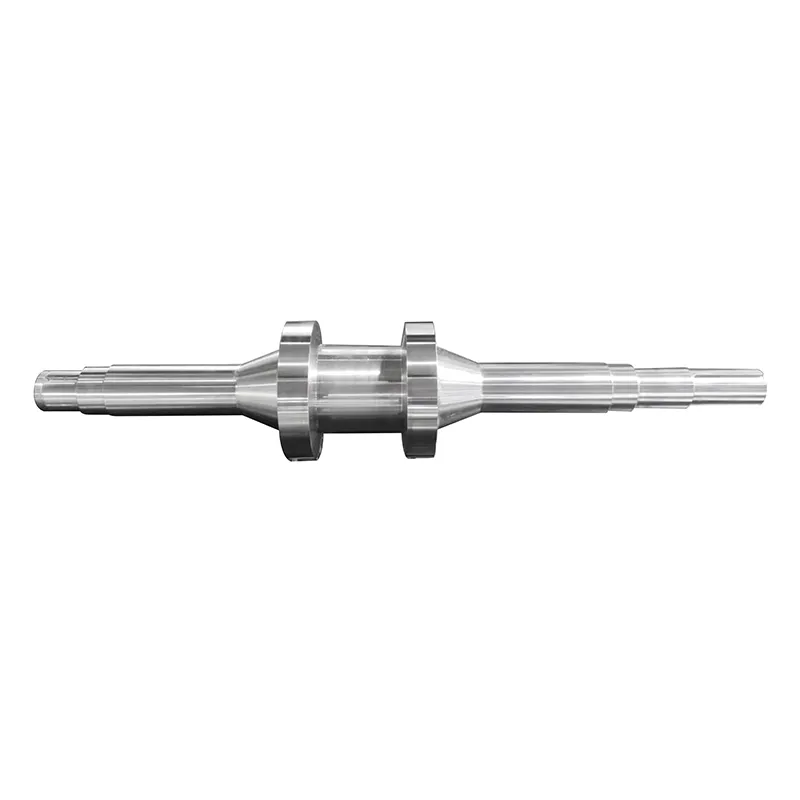
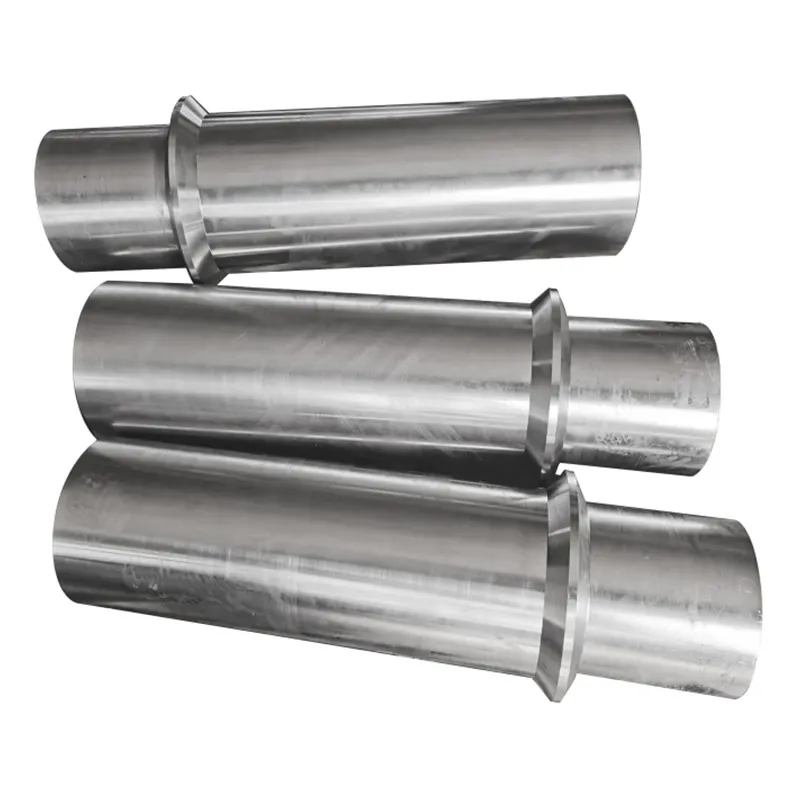
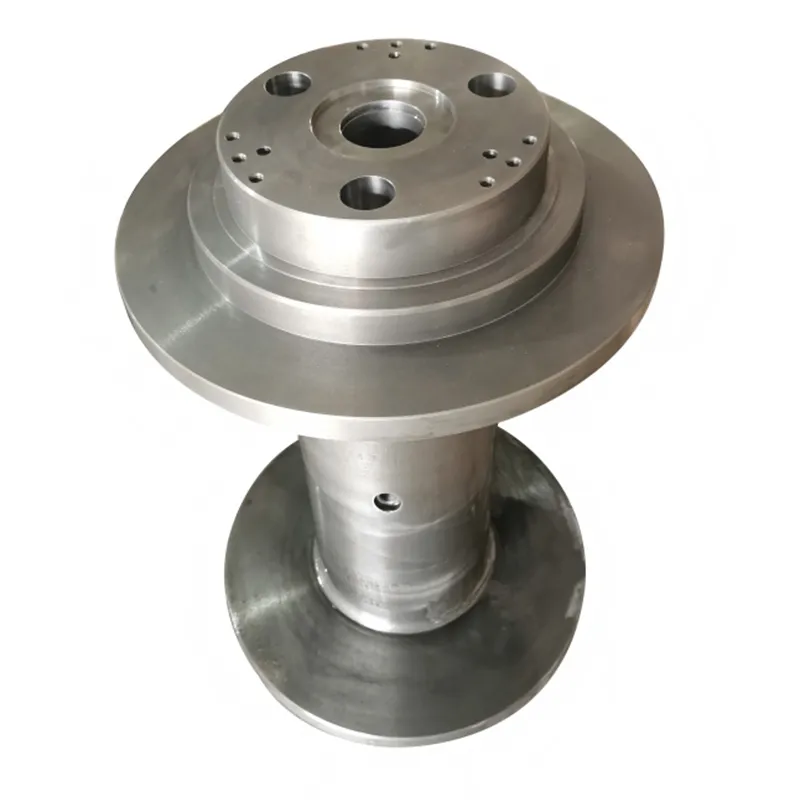
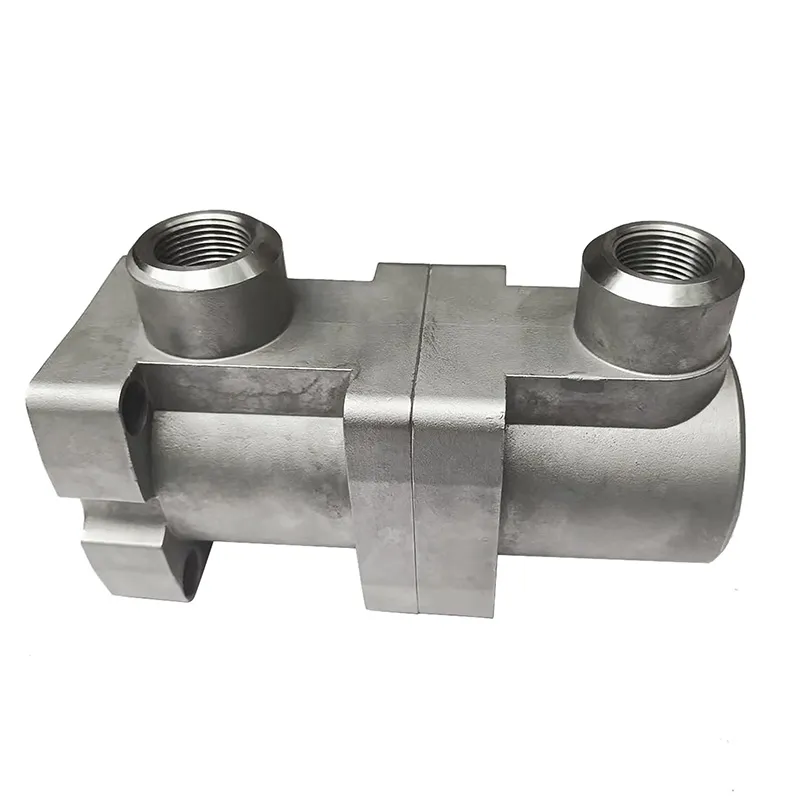
That's why material selection becomes paramount. Cast iron might work for non-critical water, but for anything with heat, corrosion, or abrasion, you're looking at steel, stainless, or even special alloys. This is where partnering with a foundry and machinist who understands functional parts is critical. I've worked with suppliers like Qingdao Qiangsenyuan Technology Co., Ltd. (QSY) on projects requiring custom check valve bodies. Their experience in shell mold casting and investment casting for complex geometries, followed by precise CNC machining for the seat and hinge points, is what turns a design on paper into a reliable component. You can't just buy this off a generic shelf; it needs to be engineered and manufactured as a system component.
The choice of alloy directly dictates the service life. For a boiler feedwater application, a carbon steel body with a stainless trim (disc, hinge pin) might suffice. But for a bypass line in a chemical plant handling chlorides, you're specifying a solid stainless steel or even a nickel-based alloy valve to avoid catastrophic corrosion failure. The casting quality here is non-negotiable—any porosity or inclusion in the pressure boundary is a future leak point.
Types in the Wild: Beyond the Catalog
Catalog specs tell you size and pressure rating. They rarely tell you about dynamic performance. Take the silent or spring-assisted check valve. Great for preventing slam, right? Usually, yes. But I once saw a system where the spring rate was too high for the available pump head, causing a chronic pressure drop and starving downstream equipment. We had to pull the valve, measure the spring, and source a custom one with a lower preload. It was a tiny detail with massive operational impact.
Dual-plate wafer checks are fantastic for saving space and weight. But if you're dealing with a fluid carrying particulates—like slurry or wastewater—those hinges and the small clearance around the plates can become clogging points. I'd lean towards a ball check or a tilting-disc design in those cases, even if it's bulkier. The maintenance crew will thank you later.
Then there's the lift check valve. Very reliable for vertical upward flow. But install it horizontally without a second thought, and you've created a paperweight. The guide and the weight of the disc need gravity to work as designed. It sounds obvious, but you'd be surprised how often installation errors happen simply because the valve type wasn't understood on the ground during installation.
Integration and the System Mindset
A check valve is never an island. Its performance is tied to the pump curve upstream and the system dynamics downstream. Specifying one requires asking: What's the pump's shut-off head? What's the maximum reverse flow velocity before the valve fully closes? Is there a chance of rapid valve cycling, which can lead to premature wear on the seat?
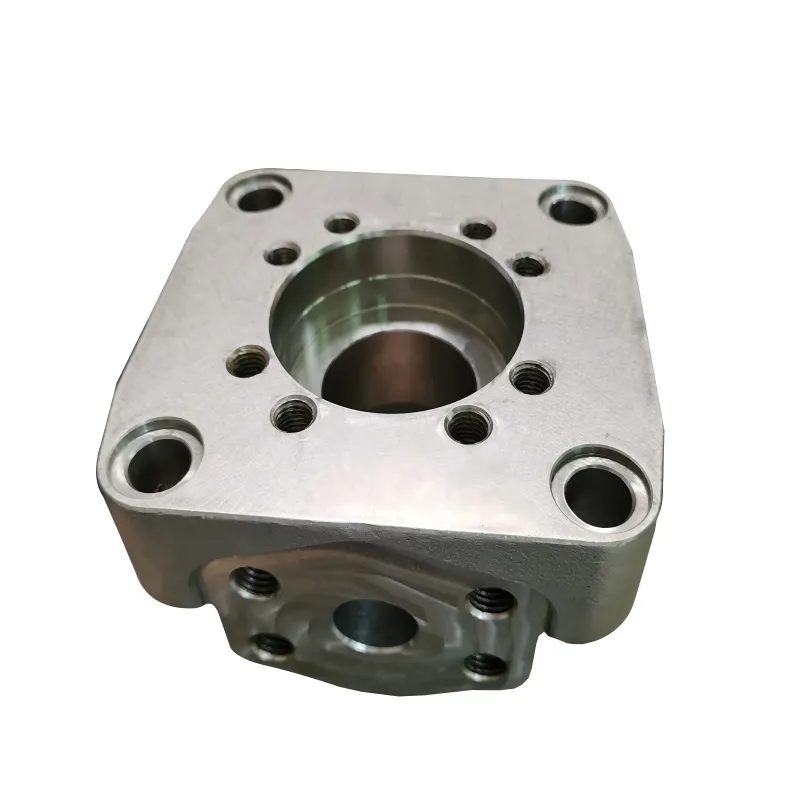
In machining applications, like those for hydraulic or lubrication systems, the check valve often needs to be integrated into a manifold block. This isn't a standalone valve anymore; it's a machined passage with a poppet or a ball and spring. The precision of the machining—the surface finish of the seat, the bore diameter, the spring cavity depth—directly affects leakage rates and cracking pressure accuracy. This is precision component territory, where a shop's CNC machining capability and metrology skills are as important as the raw casting.
We had a project for a test stand requiring a very precise, low-cracking-pressure check valve. An off-the-shelf unit wouldn't fit the manifold design. The solution was to have the valve body and seat machined directly into the manifold block from a solid stainless steel forging, with a custom-honed spring and ball. The tolerances were in the microns. It worked perfectly because the machinist treated it as a critical fluid control component, not just a piece of metal with a hole in it.
Failure Modes and Real-World Diagnostics
They don't fail gracefully. Usually, it's a leak (failed seat), a slam (failed closure mechanism), or a complete blockage (disc stuck open or closed). Diagnosis often starts with listening. A hammering sound on pump shutdown points to slow closure. A constant, high-frequency chatter might mean the valve is fluttering in a partially open state due to unstable flow.
Internal corrosion is a silent killer. I've cut open a check valve from a seawater cooling line that looked fine externally. Inside, the hinge pin was nearly corroded through, and the disc was pitted like the moon. The material was supposedly 316 stainless, but the casting quality or the specific grade used wasn't up to the chloride environment. This is why traceability and material certs from your supplier matter. A company like QSY, with their focus on special alloys, would be a go-to for such a harsh environment, offering materials like duplex stainless or even cobalt-based alloys for extreme wear and corrosion.
Wear is another issue. In a steam system, even a small amount of wire-drawing (erosion from high-velocity steam) on the seat can cause leakage. Once it starts, it accelerates. Sometimes, the fix isn't a new valve but a redesign—perhaps moving to a nozzle-style check valve that's more resilient to that specific type of erosion.
The Spec Sheet is a Starting Point, Not a Gospel
Finally, a word on specifications. The ANSI pressure class (e.g., Class 150, 300) is about the pressure-containing body. It says nothing about the closure mechanism's ability to handle flow velocities or cyclic fatigue. You need to look at the manufacturer's data for maximum allowable velocity and minimum pressure drop to fully open. These are the numbers that get you into the ballpark.
Never assume stainless steel is enough. Specify the grade: CF8M, Duplex 2205, Alloy 20. The difference in cost and performance is enormous. For a custom or low-volume application, this is where a technical discussion with your manufacturing partner is essential. You need to convey the service conditions—fluid, temperature, pressure, cycle frequency—so they can advise on the best casting method (investment casting for complex, fine-detail bodies; shell mold casting for larger runs of somewhat complex shapes) and machining approach.
In the end, selecting the right check valve is an exercise in applied system dynamics and materials science. It's about anticipating how it will behave not in a test lab, but in the noisy, vibrating, thermally cycling reality of your plant. The right choice is invisible—it just works for years. The wrong one announces itself, expensively and often dramatically.