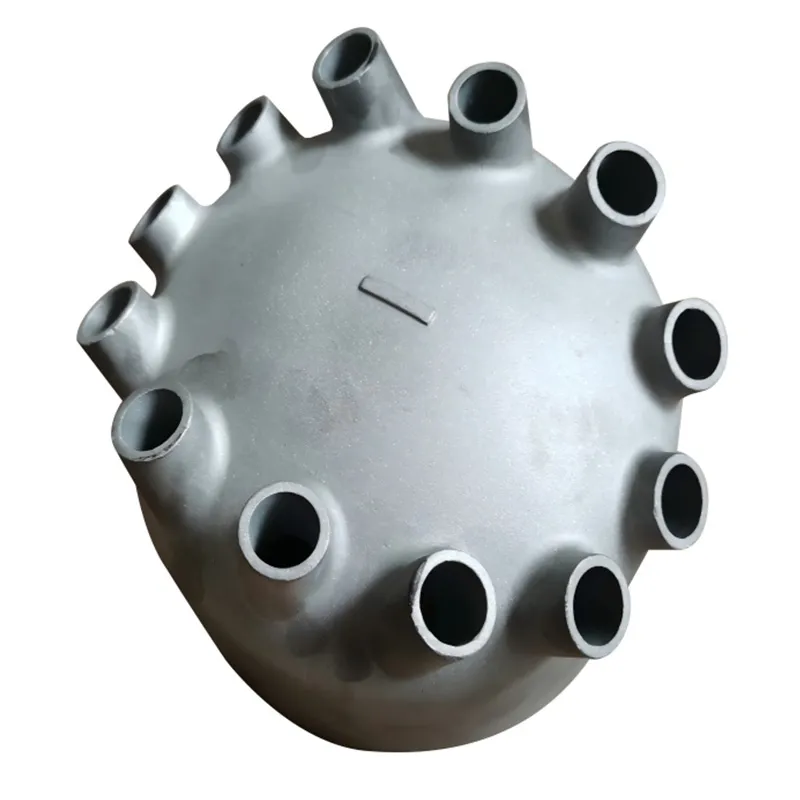
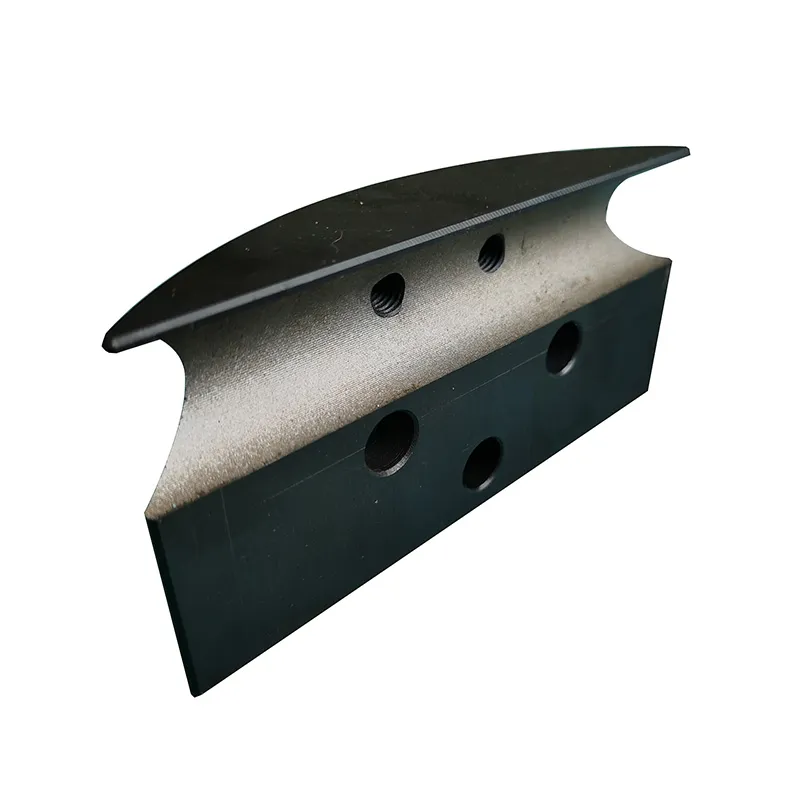
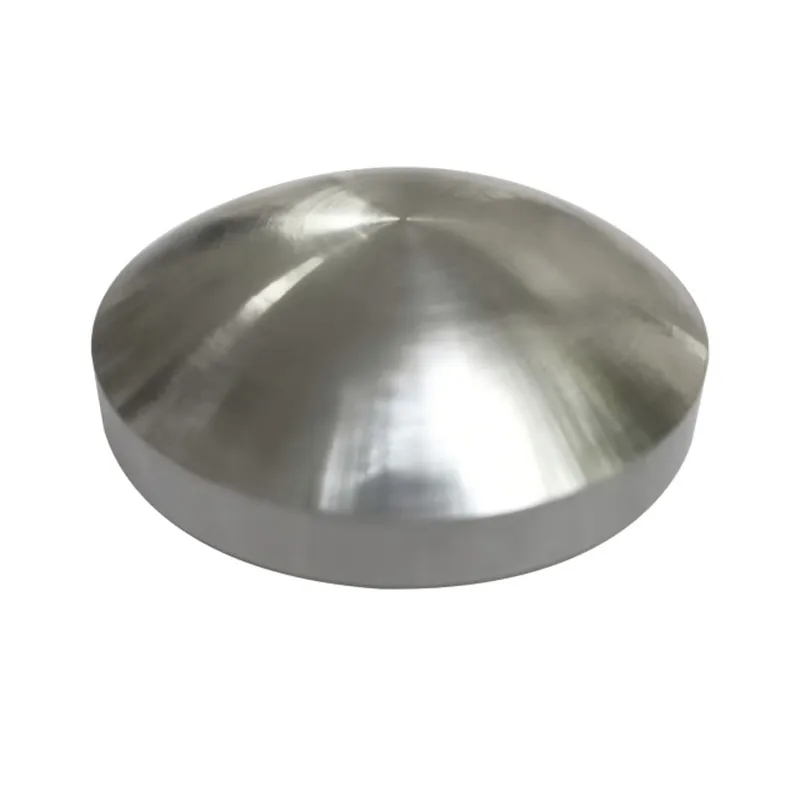
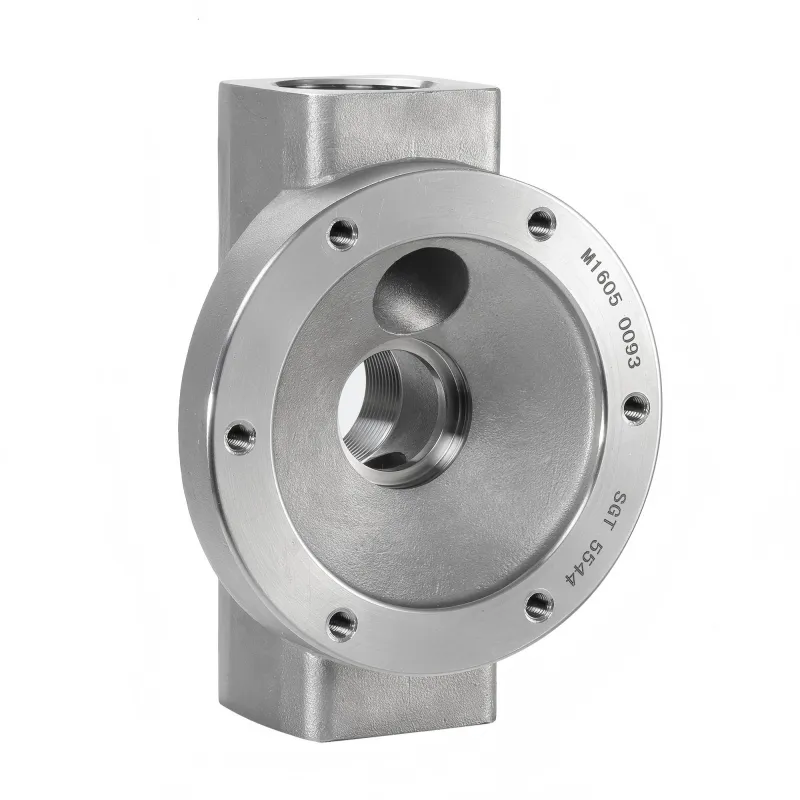
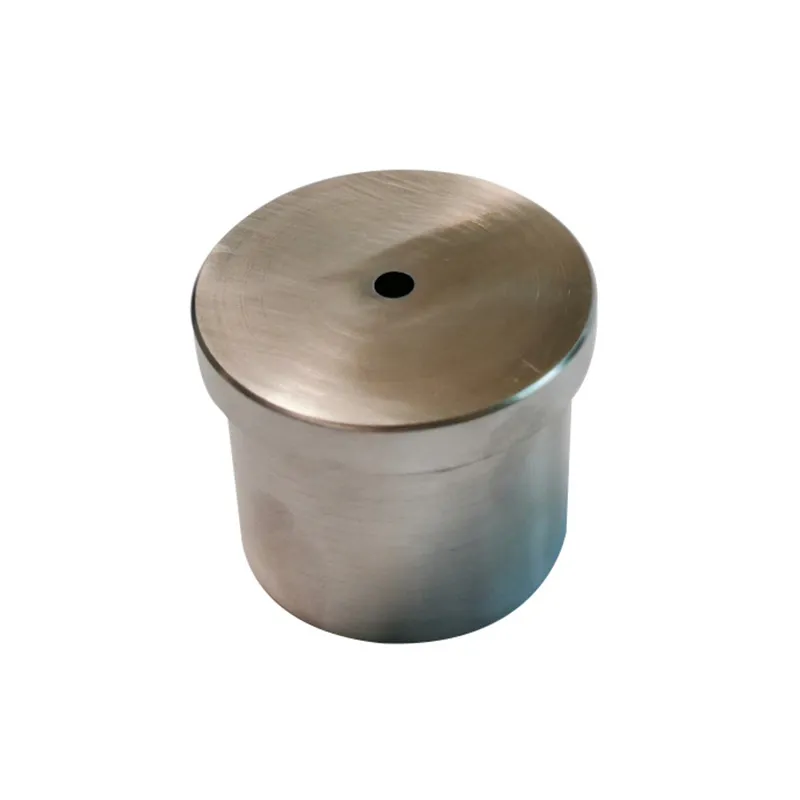
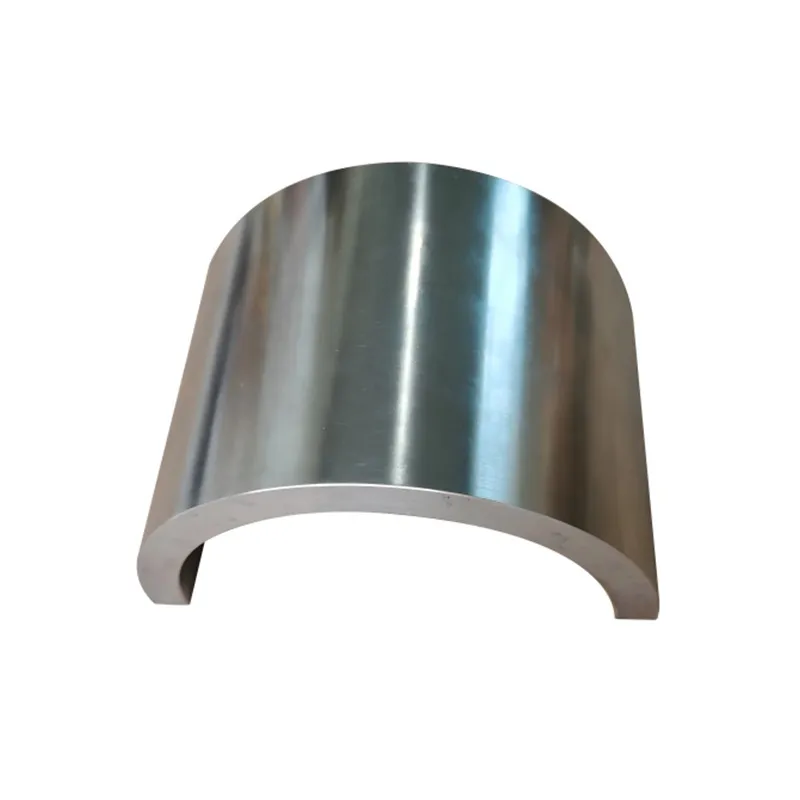
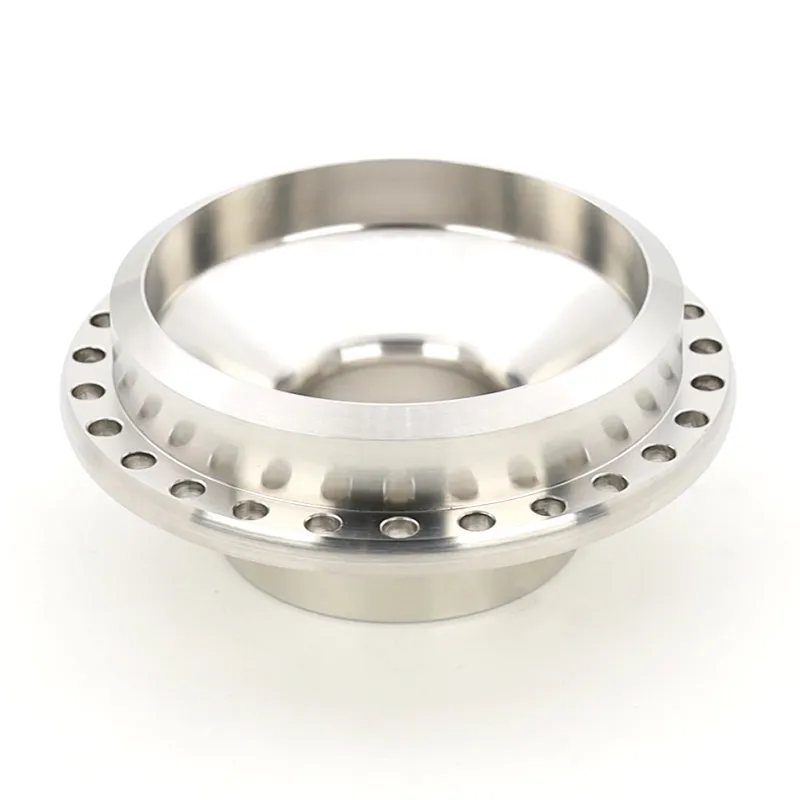
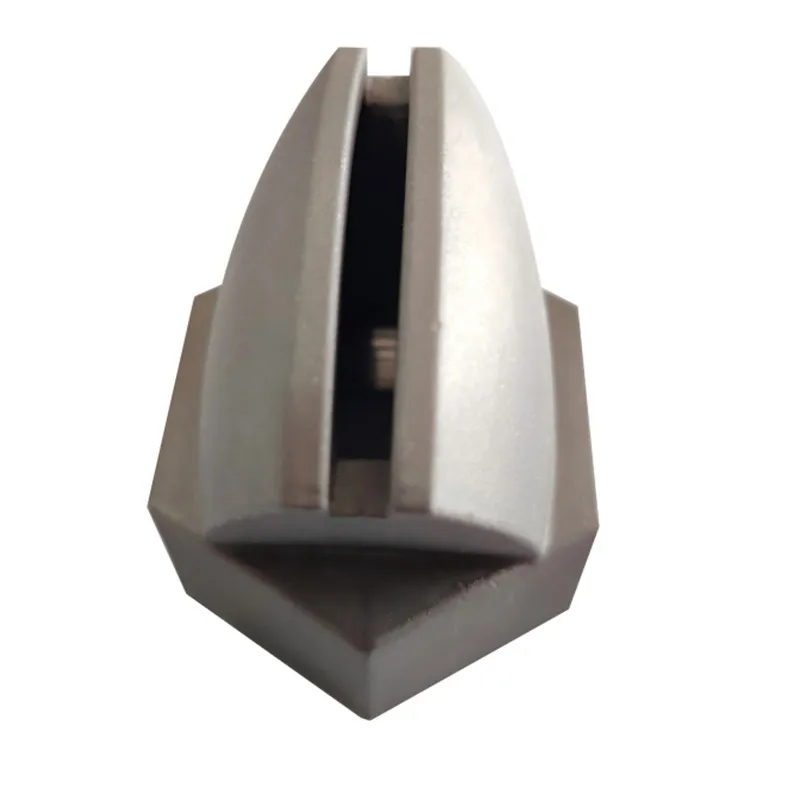
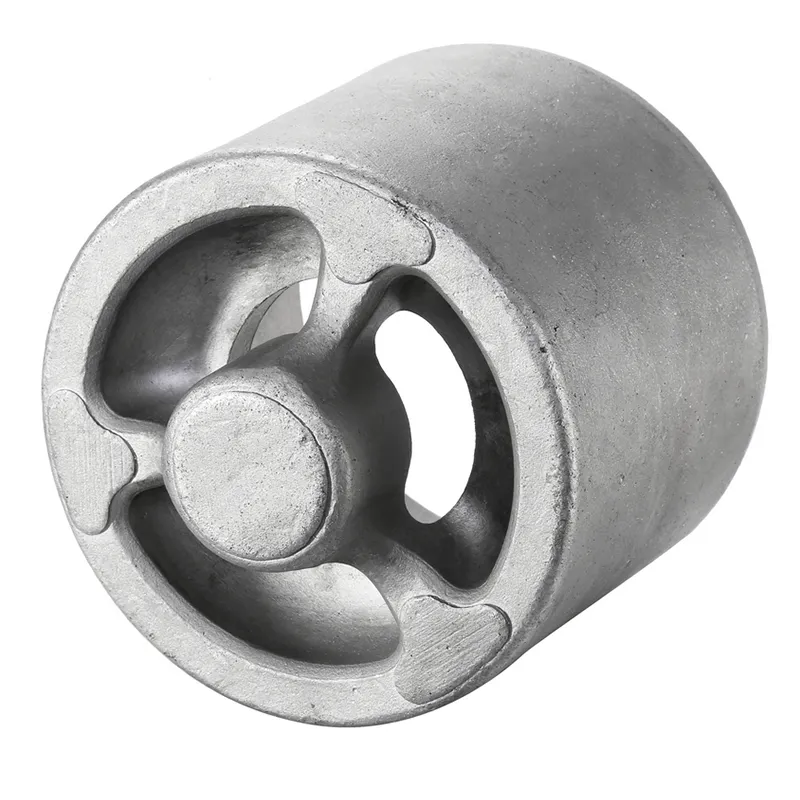
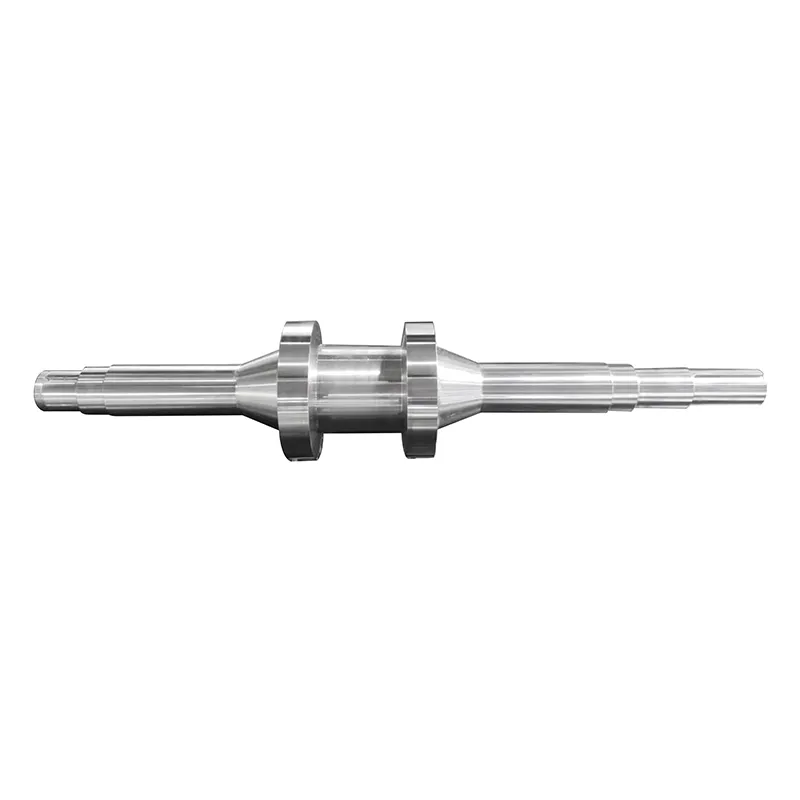
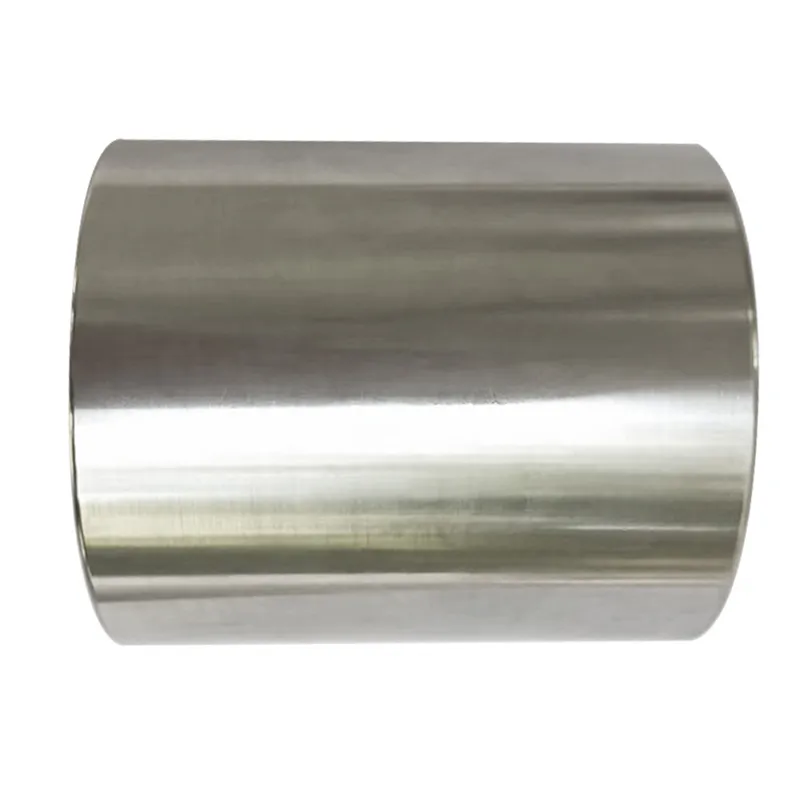
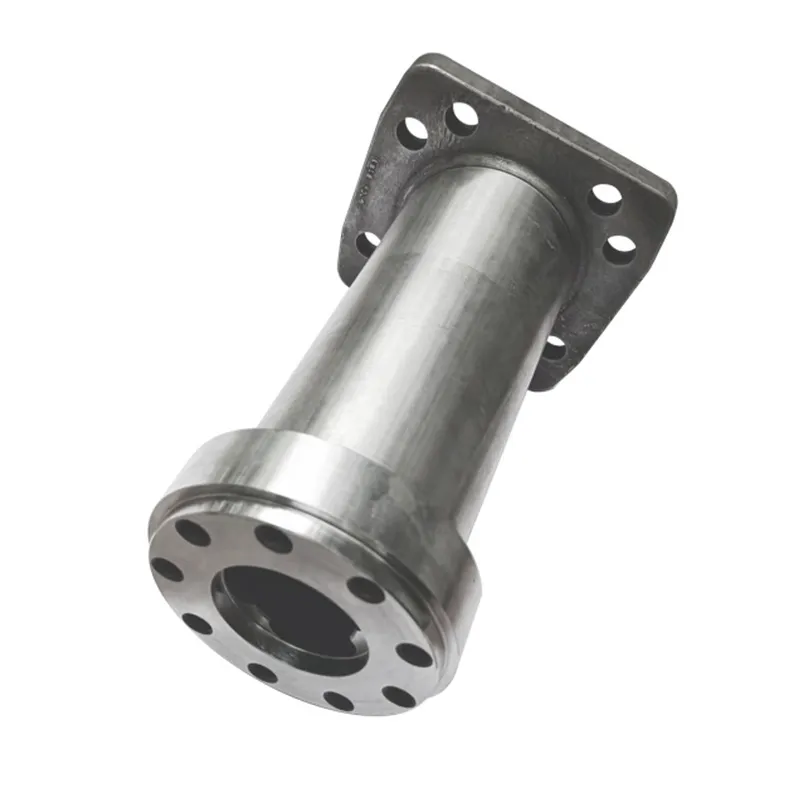
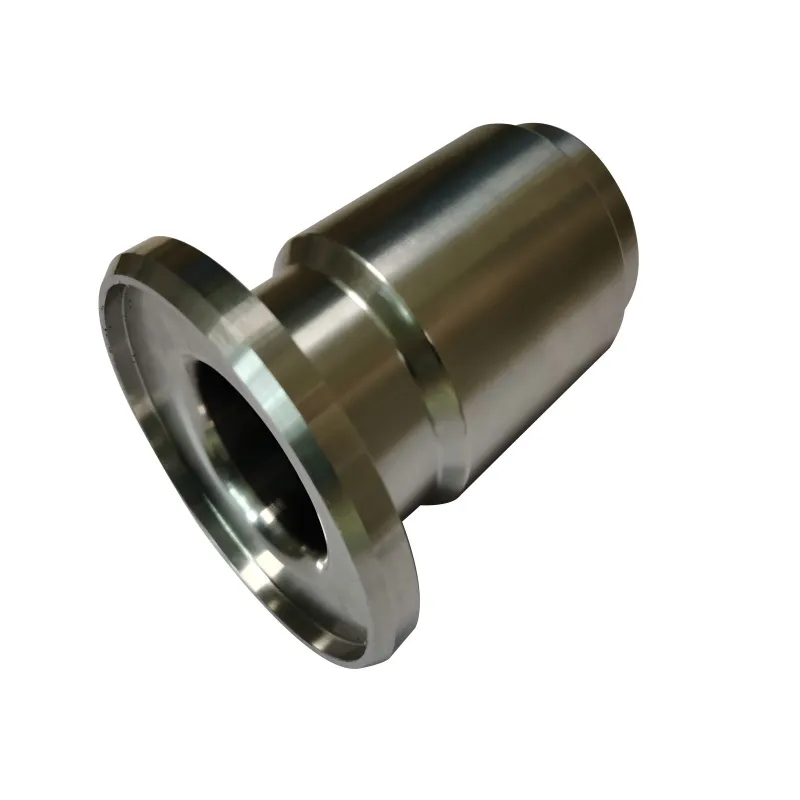
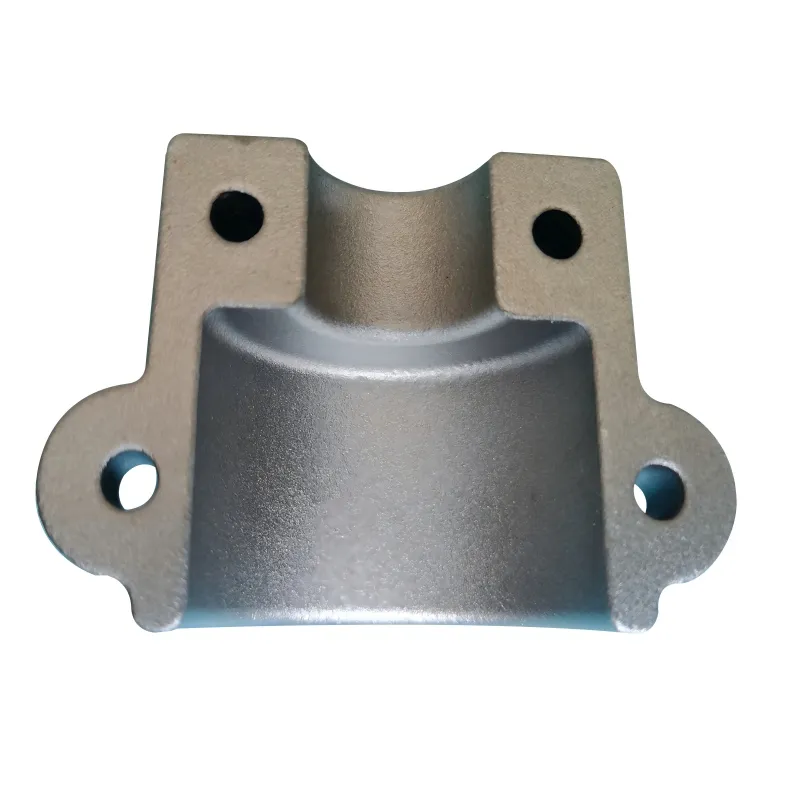
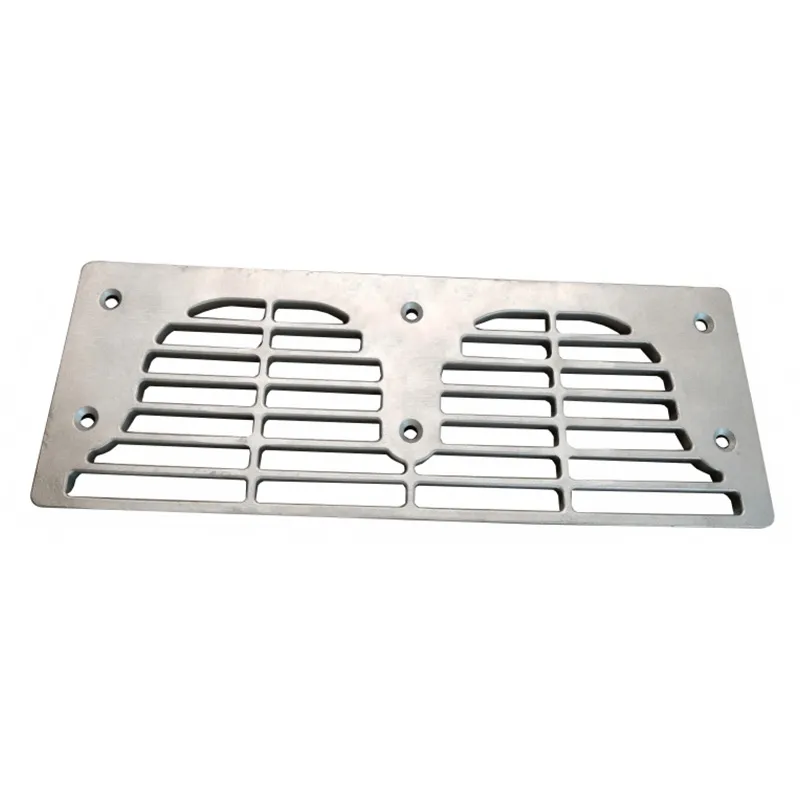
You hear check valve ring and most folks, even some in procurement, picture a simple stamped washer. That's the first mistake. In reality, that ring is the linchpin of the entire sealing mechanism in a swing or wafer check valve. Its geometry, material integrity, and finish directly dictate whether you get a tight shut-off or a chronic, costly leak-back. I've seen too many projects where the valve body was spec'd to perfection, but the ring was treated as a commodity item, leading to premature failure. It's never just a ring; it's a precision sealing component.
The Core Function and Common Pitfalls
Its job seems straightforward: to provide a uniform sealing surface for the disc or plate to mate against when flow reverses. But the nuance is in the uniform part. A ring that's even slightly out-of-flat—say, beyond a 0.05mm tolerance on a 10-inch valve—won't seal. It'll create a path for media, which in pump systems can cause water hammer, and in process lines can lead to contamination or pressure drop.
The pitfall I encounter most is the assumption that hardness is the primary spec. Sure, you need a material harder than the disc to avoid embedding. But an overly hard, brittle ring, especially in cryogenic or thermal cycling services, can crack. I recall a case with a client using standard carbon steel rings in a steam condensate line; thermal fatigue caused hairline cracks in the seating face within months. The fix wasn't a harder material, but a more resilient one with better thermal properties.
Another oversight is the finish. A mirror polish isn't always better. For soft seals or elastomer-coated discs, you actually need a controlled surface texture—a certain Ra value—to allow the seal to bite slightly without tearing. A perfectly smooth surface can sometimes lead to slippage and leakage under variable pressures.
Material Selection: It's All About the Service
This is where the 30-odd years of a foundry like Qingdao Qiangsenyuan Technology Co., Ltd. (QSY) show their value. Casting this ring isn't about pouring metal into a mold; it's about controlling the grain structure to prevent deformation under load. For standard water applications, a good quality ductile iron or cast steel works. But the moment you step into corrosive or high-temperature territory, the game changes.
We worked on a project involving a chemical dosing line with mild acidic content. The initial spec was for 304 stainless steel rings. It seemed logical. However, pitting corrosion began on the seating face after a short period. The failure analysis pointed to crevice corrosion at the microscopic level. The solution, which we developed in consultation with their machining team, was to switch to 316L with a low-carbon content and specify a solution annealing treatment post-casting to maximize corrosion resistance. The difference in longevity was dramatic.
Their expertise in special alloys, like nickel-based ones (think Inconel 625) or cobalt-based alloys (like Stellite 6), is crucial for extreme services. For a high-pressure boiler feedwater system where cavitation erosion is a killer, we overlaid the seating face of a carbon steel ring with Stellite using a precise deposition process. This gave us the toughness of steel with an incredibly hard, erosion-resistant sealing surface. It's these hybrid approaches that solve real-world problems.
Manufacturing Nuances: Casting and Machining Interplay
The journey from a casting to a finished check valve ring is critical. A near-net-shape casting from a reliable shell mold or investment casting process, like what QSY specializes in, minimizes machining allowance. This is key for materials like stainless or high-alloy steels, where you want to preserve material properties and reduce waste. Removing half an inch of stock from a tough alloy isn't just costly in machine time; it can induce stresses.
The machining sequence matters. You can't just chuck it and face it. The mounting features—whether it's a press-fit pocket or a threaded retainer groove—must be machined first, establishing your datum. Then, and only then, do you finish the critical sealing face. I've seen rings where this order was reversed, leading to a beautiful sealing surface that was perfectly parallel to nothing, causing misalignment in the valve body.
CNC machining consistency is non-negotiable. For batch orders, the ability of a shop to hold tolerances across hundreds of pieces is what separates a functional component from a problematic one. The concentricity between the OD, the seating face, and any retention features is often overlooked on drawings but is vital for even compression and seal life. A good partner won't just ask for the drawing; they'll ask about the valve design, the disc type, and the operating pressure to advise on these unspoken tolerances.
Real-World Application and Failure Analysis
Let me describe a specific headache. A power plant was experiencing persistent leaks in its cooling water return check valves. The valves were refurbished with new discs, but the original check valve rings were only lightly lapped. The leak persisted. Upon inspection, the ring seating face showed a slight, dish-shaped wear pattern, maybe 0.1mm deep in the center. It was invisible to the eye but enough to break the seal. The root cause? The original rings were never hardened, and years of disc impact had caused plastic deformation. Lapping just polished the deformed shape. The proper repair was to replace the rings with through-hardened ones. The lesson: always inspect the ring for flatness and surface profile, not just surface scratches.
In another case, for a marine ballast system, the rings were specified in duplex stainless steel for corrosion resistance. They failed prematurely due to galling—the disc would micro-weld to the ring under pressure. The issue was that both disc and ring were of similar hardness and alloy. The fix was to specify a different, compatible material for the disc (a bronze alloy) to prevent adhesive wear, while keeping the duplex ring for its body corrosion resistance. Material pairing is as important as the material itself.
These aren't theoretical issues. They're the kind of problems that lead to downtime calls at 2 a.m. The spec sheet often doesn't cover these scenarios, which is why experience from application veterans and manufacturing specialists who've seen these failures—like the team that handles complex orders at a place like tsingtaocnc.com—is invaluable. They're not just order-takers; they're problem solvers who understand that a component must survive in a system, not just meet a print.
Future Considerations and Concluding Thoughts
Looking ahead, the integration of non-metallic or coated rings is growing. PTFE-encapsulated or ceramic-coated rings for ultra-pure or highly abrasive services are becoming more common. The challenge shifts from bulk material properties to adhesion integrity and thermal expansion compatibility between the coating and the metal substrate. The casting and machining base must be flawless for these coatings to adhere properly.
Furthermore, the rise of additive manufacturing might offer solutions for integrally printed rings with complex internal cooling channels for ultra-high-temperature valves, though for now, traditional casting and CNC machining offer the best combination of structural integrity, cost-effectiveness, and volume production for most industrial applications.
So, when you're next specifying or sourcing a check valve ring, move beyond the part number. Think about the full duty cycle: the fluid, the temperature swings, the pressure spikes, the cycle frequency. Then, partner with a manufacturer whose depth shows in their questions, not just their catalog. The goal is for that ring to be forgotten—to perform so reliably that it never becomes the reason for a work order. That's the mark of a component that was understood, not just made.