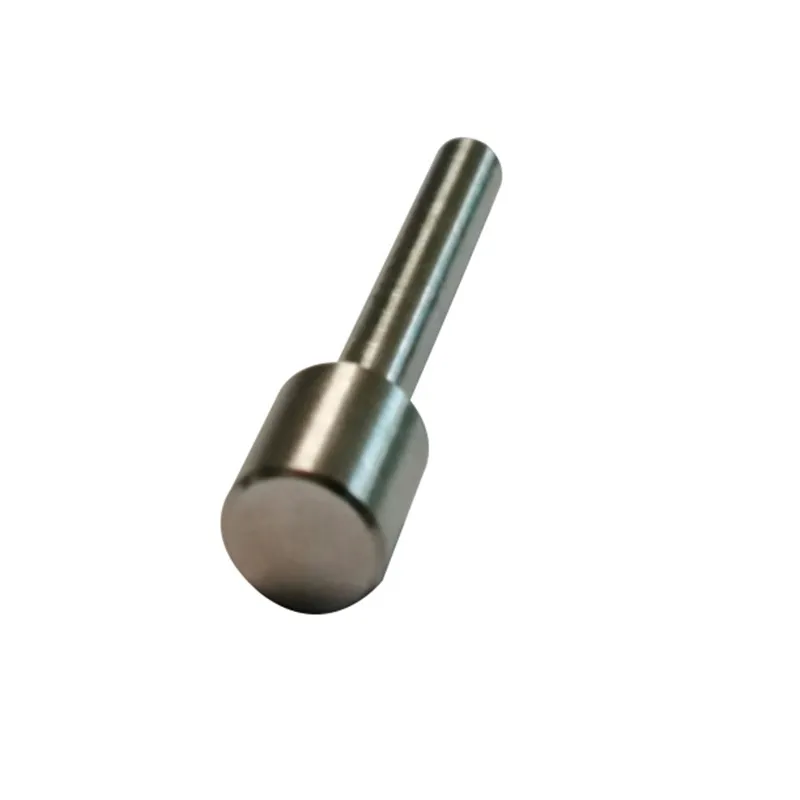
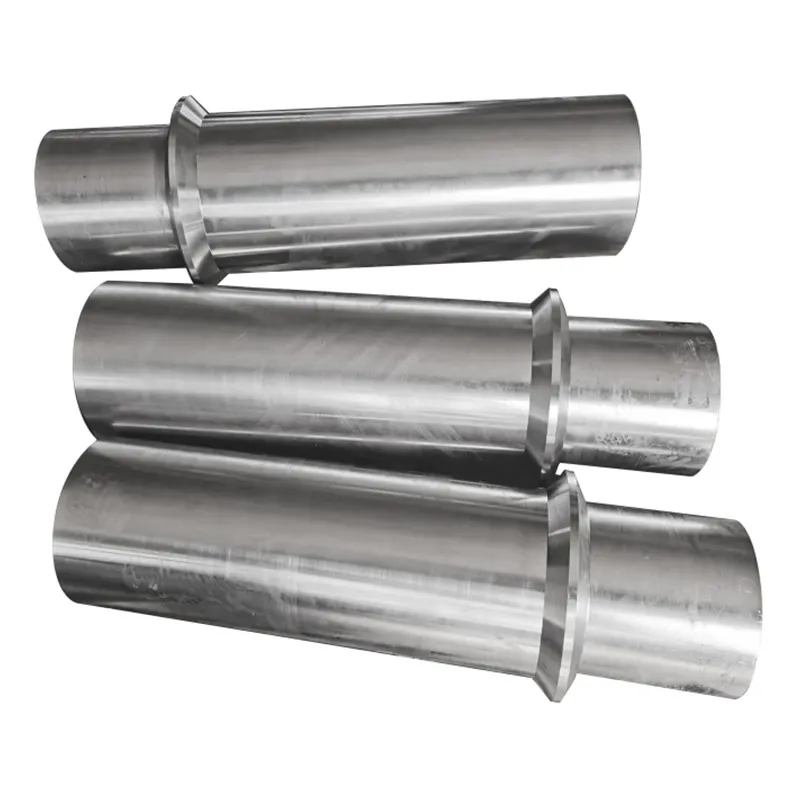
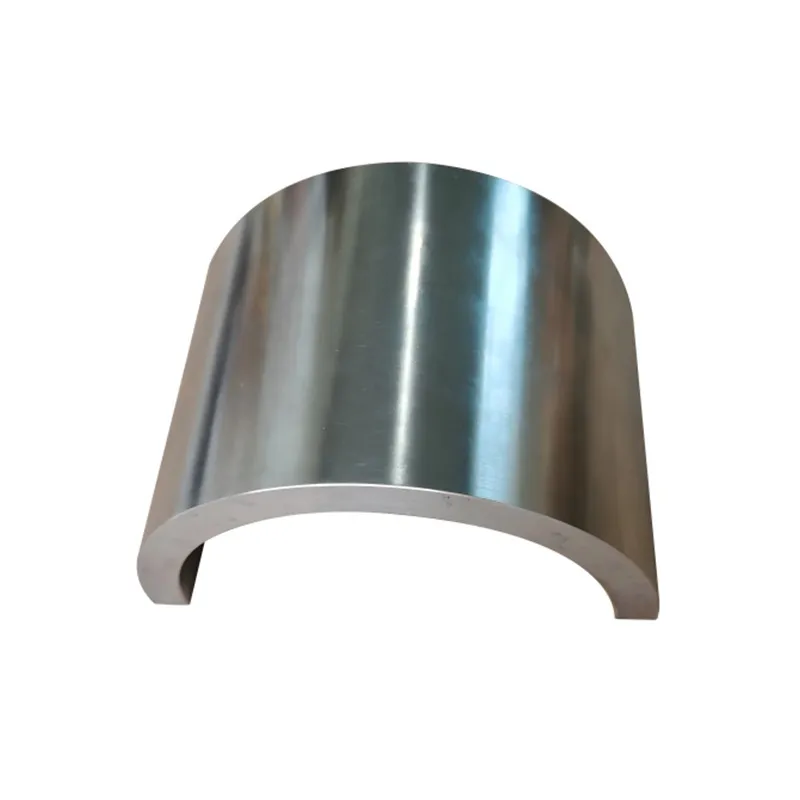
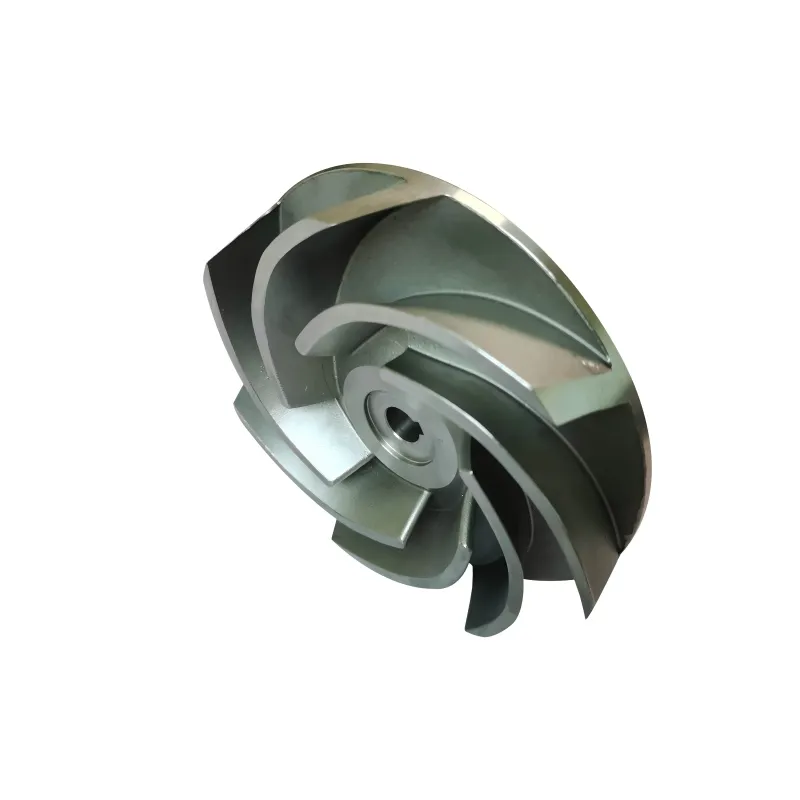
When you hear 'check valve stellite', most engineers immediately think of that super-hard, wear-resistant cobalt alloy slapped onto a seat or disc. That's not wrong, but it's where the oversimplification starts. The real story isn't just the material; it's the marriage between the base valve body—often a carbon or stainless steel casting—and that layer of Stellite. I've seen too many failures where the specification sheet looked perfect, but the application was a disaster because someone treated the hardfacing as a magic bullet, ignoring the substrate, the process, and the actual service environment. Let's talk about what actually happens in the shop and in the field.
The Misunderstood Marriage: Substrate and Overlay
You can't just weld Stellite onto anything and expect it to hold. The thermal expansion coefficients between, say, a standard CF8M body and a cobalt-based alloy are different. If the pre-heat isn't right, or if the welding sequence is off, you get cracks. Not immediately, maybe, but they'll propagate under thermal cycling. I recall a batch of 10 check valves for a chemical plant where the client insisted on maximum hardness. The shop did a perfect overlay, Rockwell C numbers were stellar, but they missed the stress relief step on the 316L body. Six months in, we had hairline cracks in the heat-affected zone, leading to leakage. The Stellite was fine; the interface failed.
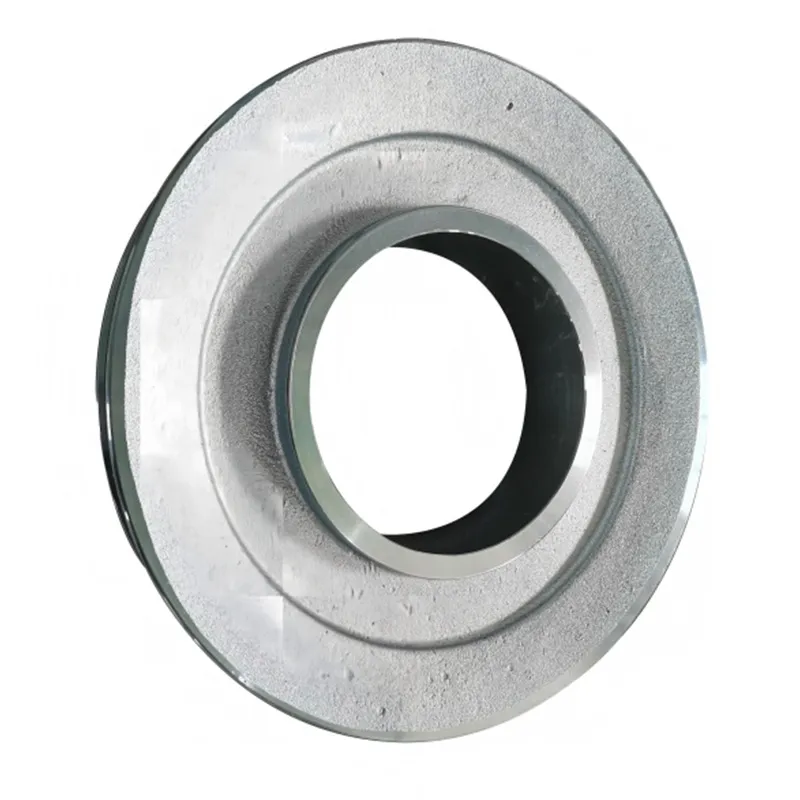
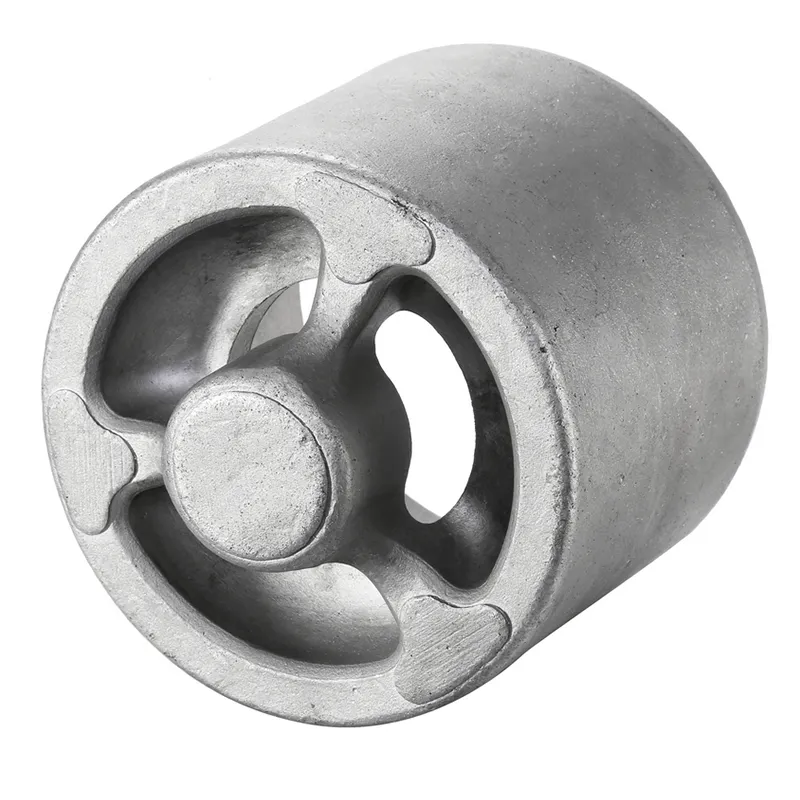
This is where the foundry's experience is non-negotiable. A company like Qingdao Qiangsenyuan Technology Co., Ltd. (QSY), with their decades in shell mold and investment casting, understands this intrinsically. They aren't just machining a part; they're considering the entire lifecycle from the molten metal stage. When you start with a precision-cast valve body from their facility, you get a controlled grain structure and inherent integrity. That's half the battle won before any hardfacing even begins. Their work with special alloys means they grasp the metallurgical conversation between materials.
Choosing the right Stellite grade is another pitfall. Stellite 6 is the general-purpose warrior, great for abrasion and moderate corrosion. But for severe cavitation or hot acid service? You might be looking at Stellite 12 or even a nickel-based alternative. I once argued with a procurement manager who had Stellite on the PO and refused to specify the grade. We got Stellite 6, which eroded rapidly in a high-temperature, particulate-laden slurry flow. The valve checked, but it didn't last. The spec must match the reality.
The Machining Dance: Precision After the Fact
Here's a truth some forget: applying the Stellite is one skill; machining it is another beast entirely. That stuff eats cutting tools. You need rigid CNC setups, the correct grades of carbide or CBN inserts, and feeds/speeds dialed in to avoid work hardening the surface further. It's not a job for a standard workshop. The goal is a perfect seal, which means the mating faces—be it the check valve stellite seat and the disc—need a surface finish that's often in the realm of 16 Ra or better.
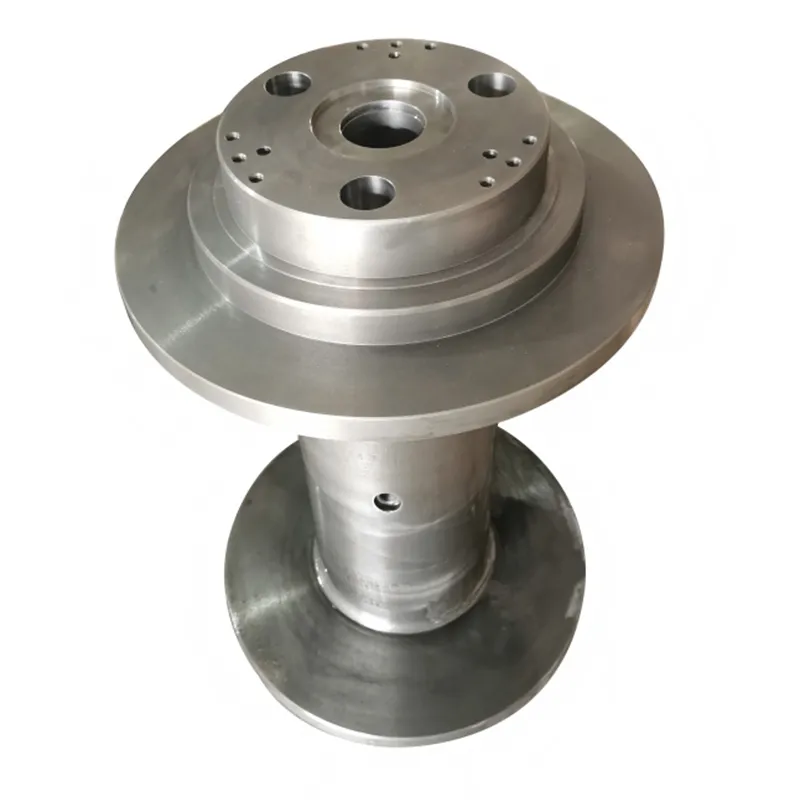
I've visited shops where the post-weld machining was an afterthought. The result? Slight taper, micro-chatter marks, or improper flatness. The valve passes a bench test with air, but under system pressure and temperature, it weeps. QSY's integrated approach, where CNC machining is a core competency alongside their casting, makes a difference. They can control the entire process from a raw casting to a fully machined and hardfaced component, ensuring the datum points for machining are consistent with the welded overlay's geometry. This continuity reduces cumulative tolerances.
And let's talk about the disc. Often, only the seat is hardfaced. But if the disc is 316 stainless, the Stellite seat will gall it over time, especially in high-frequency check applications. The solution? Sometimes a Stellite pad on the disc too, or a different hardening treatment. It's a system. I learned this the hard way on a compressor recycle line. The seat was pristine, but the disc looked like it had been attacked by a badger. The resulting metal particles then caused havoc downstream. A full stellite overlay on both sealing surfaces solved it.
Failure Modes and Field Observations
It's not always about wear. I've seen galvanic corrosion kill a perfectly good stellite hardfaced check valve. In a seawater application, the noble Stellite (cobalt-rich) and the less-noble stainless steel body created a galvanic cell. The steel around the weld junction corroded, undermining the overlay. The lesson? Isolation gaskets, cathodic protection, or material selection must account for the entire electrochemical environment. A good supplier should ask these questions, not just take the order.
Another subtle failure is erosion upstream of the seat. In a swing check valve, the flow can impinge on the body wall opposite the seat before the disc closes. If that area is just carbon steel, it will erode over years, changing flow dynamics and eventually causing turbulence that prevents clean sealing. I've seen retrofit solutions where a wear sleeve of Stellite was added there, a nuance born from field tear-downs, not textbook design.
Then there's heat treatment. Post-weld heat treatment (PWHT) is often required for the pressure-containing body, but Stellite's properties can be degraded if the temperature is too high. It's a tightrope walk. You need a procedure that satisfies the code (like ASME B16.34) for the valve body while protecting the integrity of the hardfacing. This requires qualified welding procedures (WPS/PQR) and a deep understanding of the interaction. Generic shops balk at this; specialists bake it into their process.
The Supply Chain Reality: Who Do You Trust?
This brings us to sourcing. The market is flooded with cheap check valves claiming Stellite seats. Often, it's a thin spray-and-fuse coating, not a proper welded overlay with sufficient thickness for service life and re-machinability. The difference in cost is significant, and so is the difference in lifespan. For a non-critical water line, maybe the thin coating is fine. For a main steam line or a critical pump discharge? It's a gamble.
Working with a manufacturer that controls its casting and machining, like the team at Qingdao Qiangsenyuan Technology Co., Ltd., provides traceability. You can discuss the casting method (their shell mold process gives good dimensional accuracy for complex parts), the material certs for the base metal, the welding rod batch, and the machining logs. When a problem arises, there's a chain of evidence to diagnose it. Their long history, visible on their site at https://www.tsingtaocnc.com, in handling everything from cast iron to cobalt alloys suggests they've seen these material interactions before.
I remember auditing a supplier who subcontracted everything: casting from foundry A, welding from shop B, machining from shop C. The communication gaps were catastrophic. The machinist took too heavy a cut on the seat, breaking through the Stellite layer into the base metal. Instead of scrapping it, they built it up again, creating a weak, multi-pass interface. It failed in hydro-test. An integrated manufacturer minimizes these hand-off risks. The left hand knows what the right hand is doing.
Concluding Without a Bow: It's About the Process
So, when you're specifying a check valve with stellite, you're not really specifying a product. You're specifying a process. A process that understands metallurgy, thermal dynamics, precision machining, and real-world failure modes. The material ticket is just the opening line.
The key is to partner with fabricators who ask why and how it will be used, not just what you want. They should push back on underspecified requirements. The best outcomes I've seen come from collaborative relationships where the end-user's operational data informs the manufacturer's build strategy. Was the previous failure due to cavitation or solid particle erosion? The repair strategy changes completely.
In the end, that little bit of hardfacing is the most critical inch in the entire valve. Getting it right is a blend of science, craft, and learned lessons—often the hard way. It's not a commodity. Treat it like one, and the system will remind you, usually at the worst possible time.