When most people hear China CNC precision machining, the first thing that pops into their head is almost always low cost. And sure, that's part of the story, but it's the easiest, most superficial layer. The real conversation, the one we have on the shop floor, is about the chasm between a shop that just runs machines and one that understands precision machining as a process. I've seen drawings from overseas clients where the tolerance callouts are a blanket ±0.05mm across the board—a clear sign they're buying a commodity, not engineering a component. The mindset that everything from China is a cheap copy is the biggest hurdle. The truth is, the competitive landscape here is brutal, and the survivors are the ones who've moved far beyond just being cheap. The shops that last, like some of the older foundry-integrated ones in Qingdao I've worked with, they get it. It's not about the machine sticker price; it's about how you manage the entire chain, from the casting grain structure to the final deburring handwork. That's where the real value, and the real headaches, live.
The Foundry-Machining Link: Where Precision Actually Starts
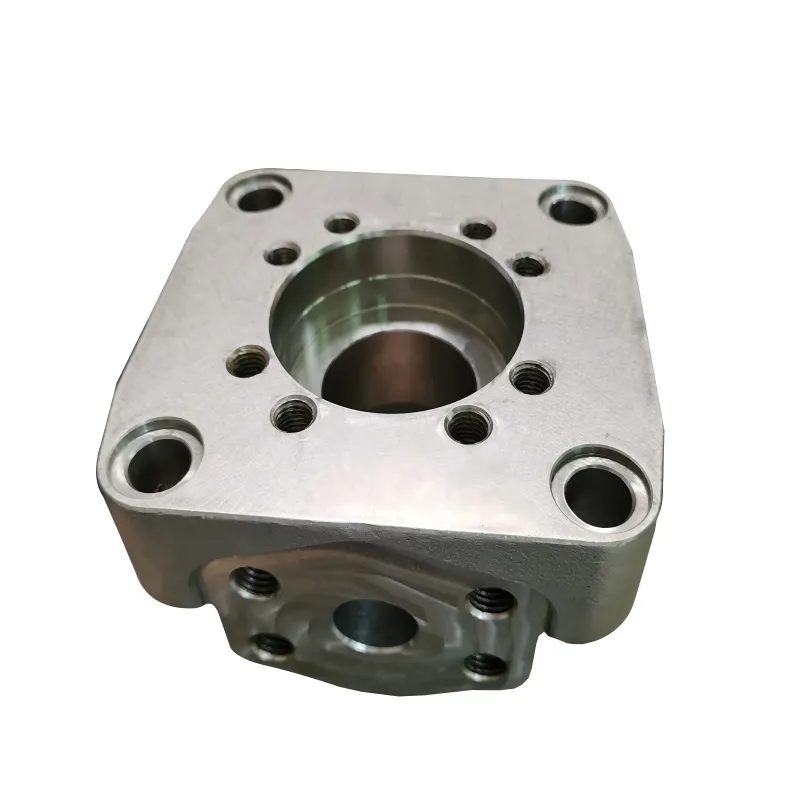
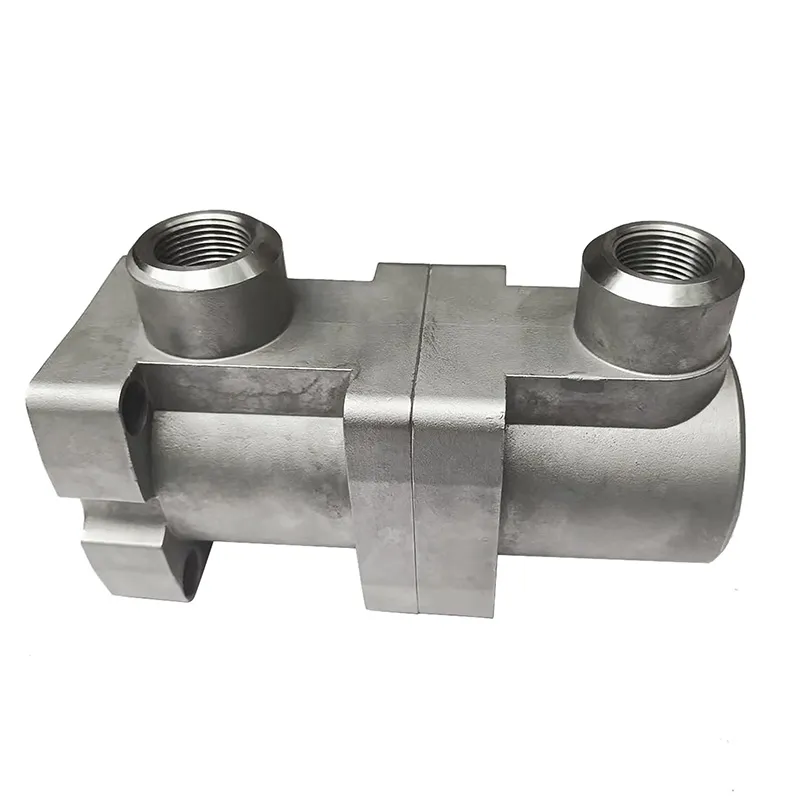
This is something most procurement guys browsing Alibaba completely miss. If you're machining a part from a raw casting or forging, your precision is already being dictated long before the billet is clamped on the CNC machining center. I remember a project for a hydraulic valve body, material was ductile iron. The prototype from a standard shop looked fine, but we hit a wall during volume production—machined surfaces would occasionally show porosity, killing the pressure rating. The issue wasn't the machining; it was the foundry process. The melt quality and the mold design weren't optimized for a part that needed a perfect seal face. You can't machine away a subsurface blowhole.
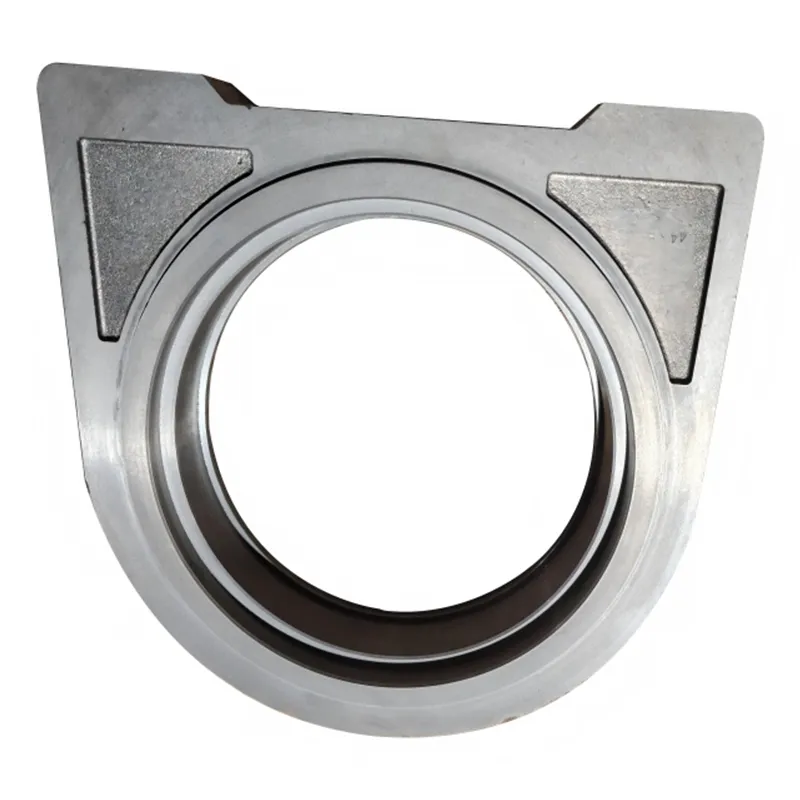
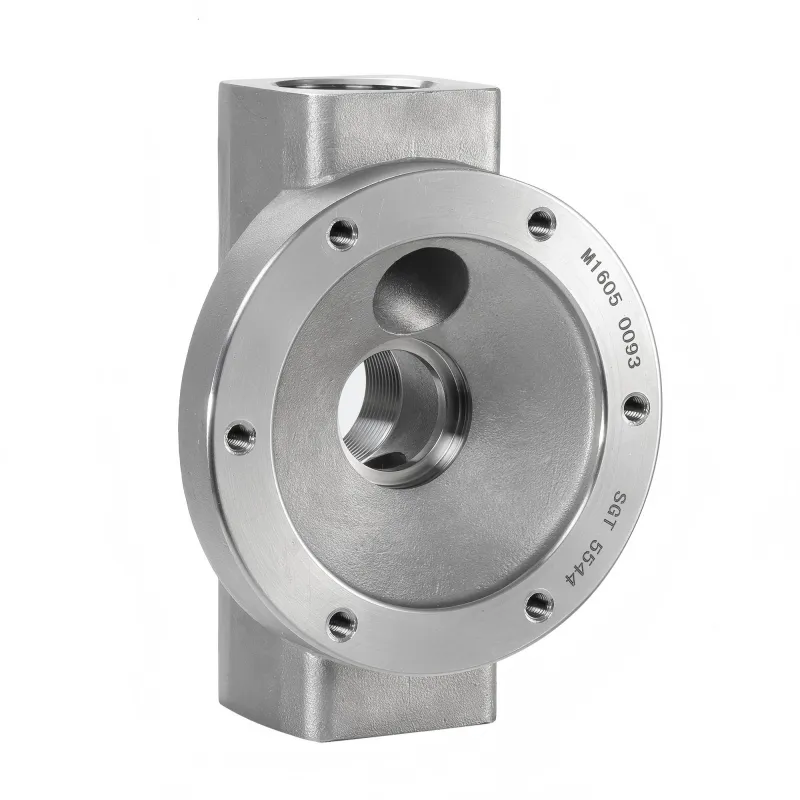
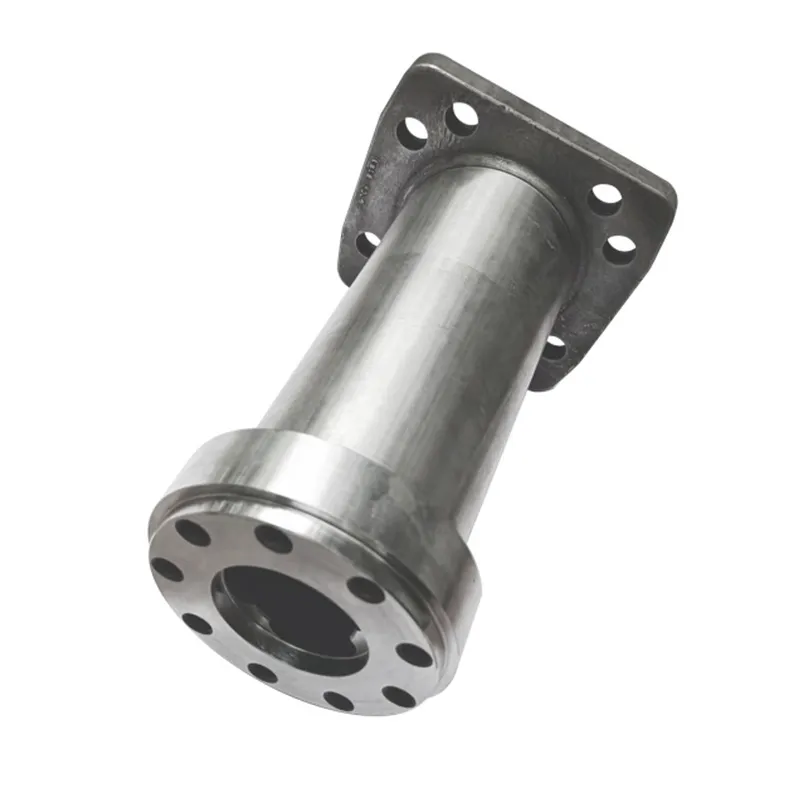
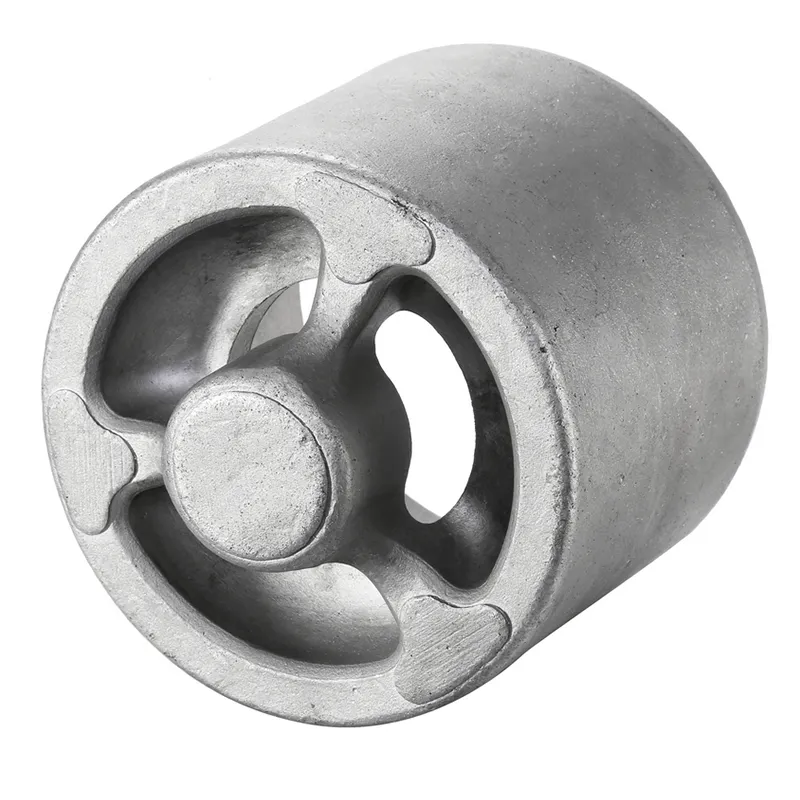
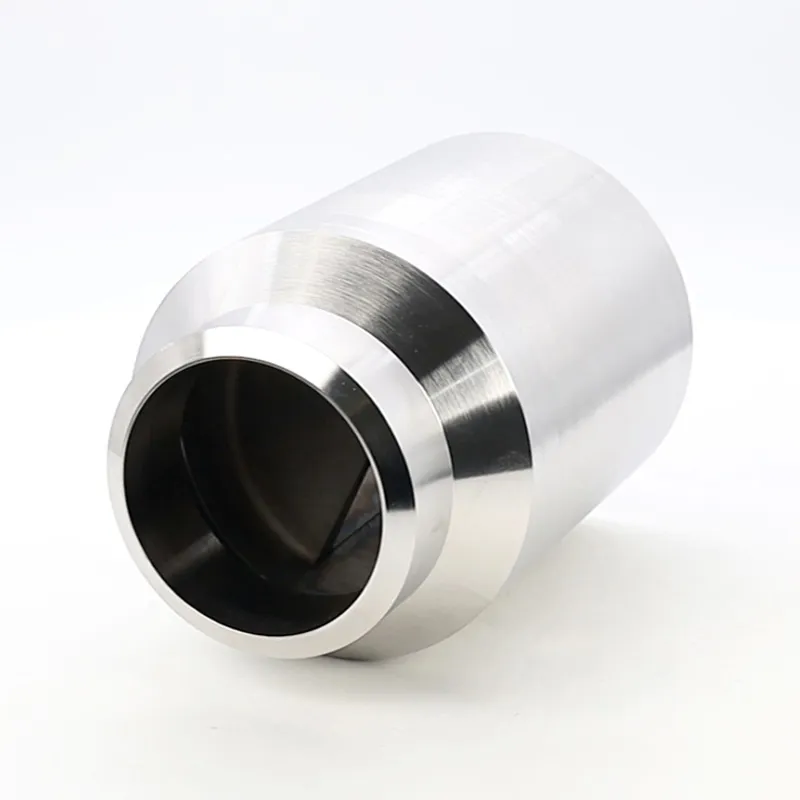
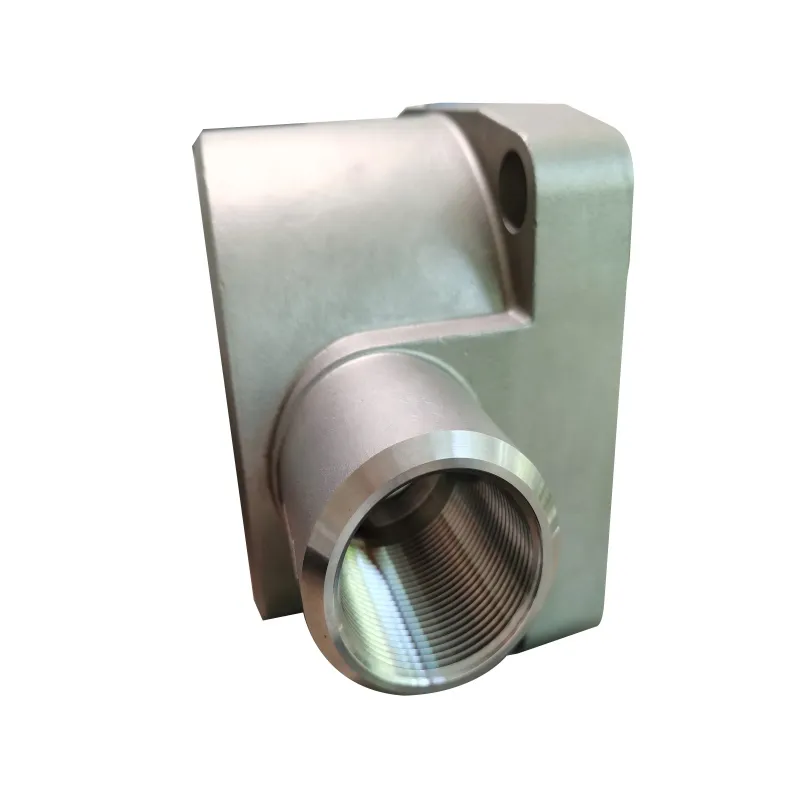
That's why the model at a place like Qingdao Qiangsenyuan Technology Co., Ltd. (QSY) makes sense. They've been doing casting for over 30 years before CNC was even a common term here. When they machine a part they've cast themselves, like a stainless steel pump housing, they control the variables. They know how the cooling rates affect stress, which walls might distort during roughing, and they'll adjust the casting's CNC precision machining allowances accordingly. It's a different kind of DFM (Design for Manufacturability) feedback loop. The machinist can walk back to the foundry master and say, This runner is causing a hard spot here, can we move it? That integration is a silent advantage you won't see in a price quote.
It also changes the material game. Their site mentions special alloys—cobalt-based, nickel-based. Machining those isn't just about buying an expensive end mill. If the investment casting process for a nickel-alloy turbine blade isn't dialed in, you'll get inconsistent hardness or inclusions that will shatter your tooling on the first pass. Controlling the material genesis gives the machining team a fighting chance to plan stable, precise cuts. Without that, you're just gambling.
Tolerances Talk: The Illusion of the Drawing
Everyone wants tight tolerances. But specifying them and holding them consistently in high-mix production are two different worlds. A drawing might call for a ±0.01mm bore tolerance. A competent shop can hit that on a CMM with a first-article part. The real test is holding it on the 10,000th part, across different machine operators, through tool wear, and through batch variations in the raw material. This is where the China part of the equation gets unfairly maligned and also where the best shops separate themselves.
The common failure point isn't the machine's capability—modern Japanese or German CNC machining centers are everywhere here. It's the supporting ecosystem. Is the tooling management system rigorous? Is the coolant concentration checked daily? Is the CMM calibrated and are operators trained to use it beyond just green-light/go? I've walked into shops with rows of DMG Mori machines covered in swarf, with no climate control. The parts coming off will drift with the room temperature. Precision isn't a machine setting; it's an environmental and procedural discipline.
For instance, machining large cast iron frames for optical equipment. The thermal mass is huge. If you rough it out, it heats up and expands. You can't just let it sit for a day to cool—the production schedule is tight. A seasoned process engineer will plan intermediate stress-relief steps or use coolant strategically to manage thermal growth during the cut. It's these unsexy, experiential tweaks that define precision machining. You learn them by scrapping a few expensive castings, not from a manual.
The Tooling & Fixturing Black Art
If you want to see where a machining shop's heart is, don't look at their newest 5-axis machine. Look at their fixture cabinet. Good fixturing is often custom, sometimes clunky-looking, and always critical. For complex, low-volume parts, the fixture design can consume more engineering time than the CNC programming itself. A bad fixture will introduce spring, vibration, or allow the part to shift by microns under cutting forces, killing your precision no matter how good your code is.
We once had a run of aluminum sensor mounts with thin, cantilevered arms. The first fixture used standard vises and toe clamps. The parts passed CMM inspection statically, but under vibration testing in the end assembly, they failed. The machining was inducing micro-stress and a slight distortion that only showed up under dynamic load. The fix was a soft-jaw fixture that supported the entire profile of the part, machining the critical features in a single setup. The scrap rate went down, but the fixture cost went up. Explaining that cost to a client who only sees aluminum block + machining time is a constant challenge.
This is another area where integrated manufacturers have a subtle edge. A shop like QSY, dealing with their own castings, can often design the casting with integral fixture points or strengthening ribs that aid machining, which are later removed. It's a holistic view of the part as a manufactured object, not just a CAD model to be subtracted from a stock block.
The Human Hand in the Digital Process
This might sound heretical in the age of full automation, but in high-mix, high-complexity China CNC precision machining, the skilled technician is still the bottleneck—in a good way. The guy who does the final deburring, the hand-scraping for a perfect seal (still done on some large valve faces), or the selective assembly of matched components. I've seen a worker use a simple brass rod and a hammer to gently adjust a large, machined weldment by a few hundredths of a millimeter to bring it into alignment—a feel that no robot currently has.
The real risk in China's manufacturing evolution is the dilution of this craft knowledge. The old masters who could listen to a cut and tell you the insert is chipping are retiring. The pressure to push young operators to just load/unload parts and chase output metrics is high. The shops that preserve some of that craft, that allow their senior machinists to tweak feeds and speeds on the fly based on sound and chip color, they produce more consistent, higher-quality parts. It's an intangible. You can't audit it from a quality checklist, but you can see it in the lower statistical process control (SPC) variation over time.
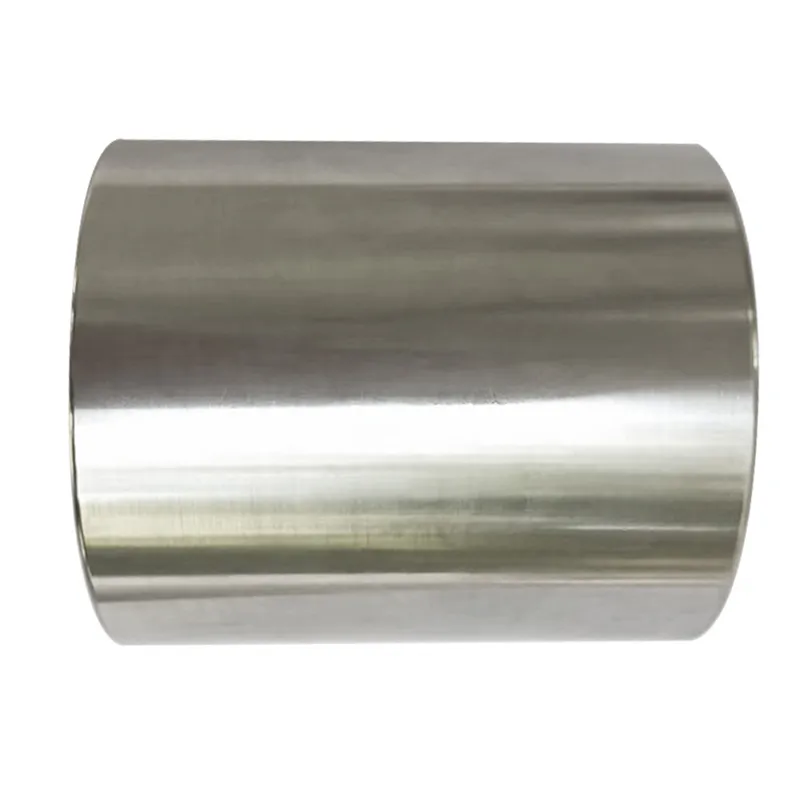
This extends to post-processing. A beautifully machined stainless steel part can be ruined by aggressive or inconsistent polishing. Knowing the sequence of grits, the pressure to apply, and how to handle edges to maintain dimensional integrity—that's all hand skill. It's often the last, most human touchpoint in the CNC precision machining chain, and it absolutely affects function and perceived quality.
Communication: The Real Bottleneck
The technical capability is often there. The breaking point is almost always communication. A 2D drawing with missing critical dimensions. A CAD model with un-machinable internal corners. An email chain where surface finish isn't defined as Ra or Rz, leading to a perfectly machined part being rejected. The time zone lag exacerbates this. A quick clarification that takes 5 minutes if you're in the same building can stall a project for 48 hours.
The most successful projects I've managed involved over-communication. We'd send back marked-up drawings, not just with questions, but with suggestions: This radius can be increased to R3 from R1.5 to allow for a standard tool, saving cost and lead time without affecting function. Or, Can this tolerance be relaxed to ±0.1mm? It's on a non-mating face and would require a secondary grinding op at ±0.02mm. This proactive, consultative approach transforms the relationship from vendor-client to partner. It signals that you're not just a button-pusher; you're applying manufacturing intelligence to their design.
For a company operating with an international clientele, like many in Qingdao, this is the daily grind. It's not about having the best English speakers; it's about having project engineers who can translate engineering intent into manufacturing reality, and then communicate the constraints and options back clearly. That layer is what turns a competent CNC machining shop into a reliable source for precision machining. It's the least automated, most critical part of the entire operation. And honestly, it's the part that's hardest to get right, anywhere in the world.