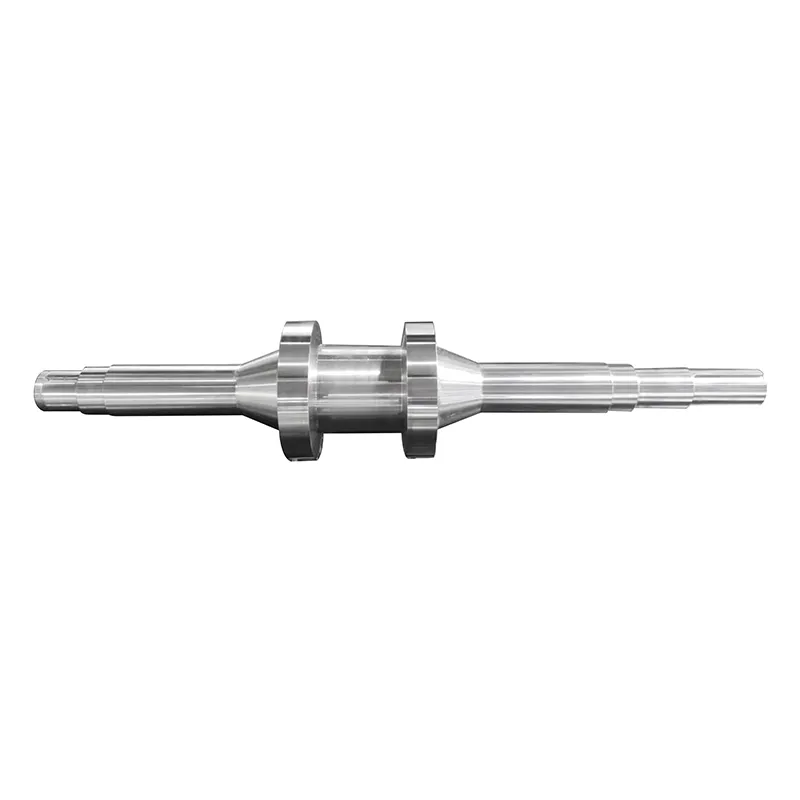
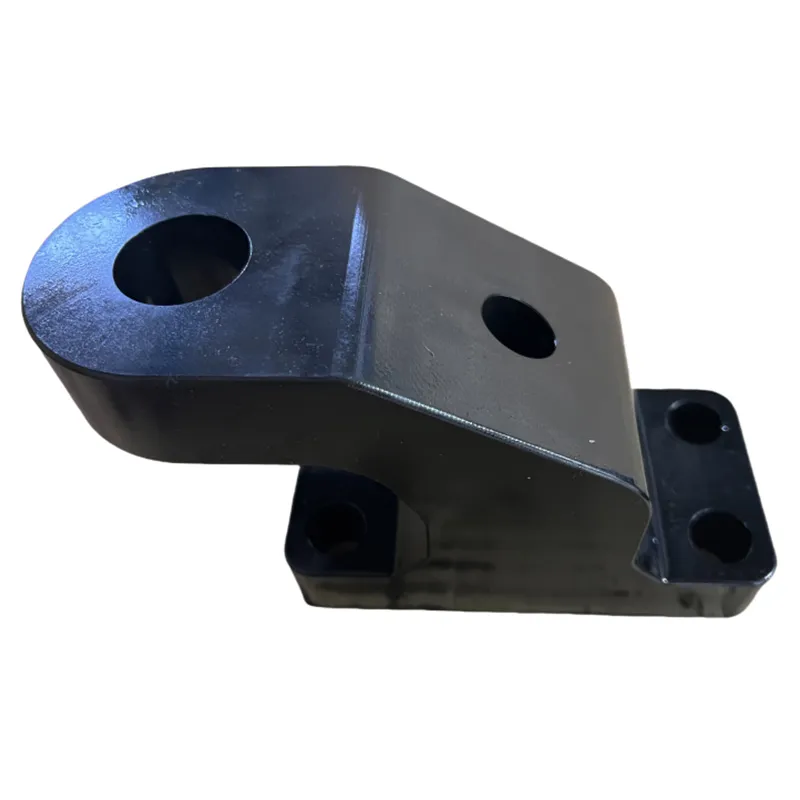
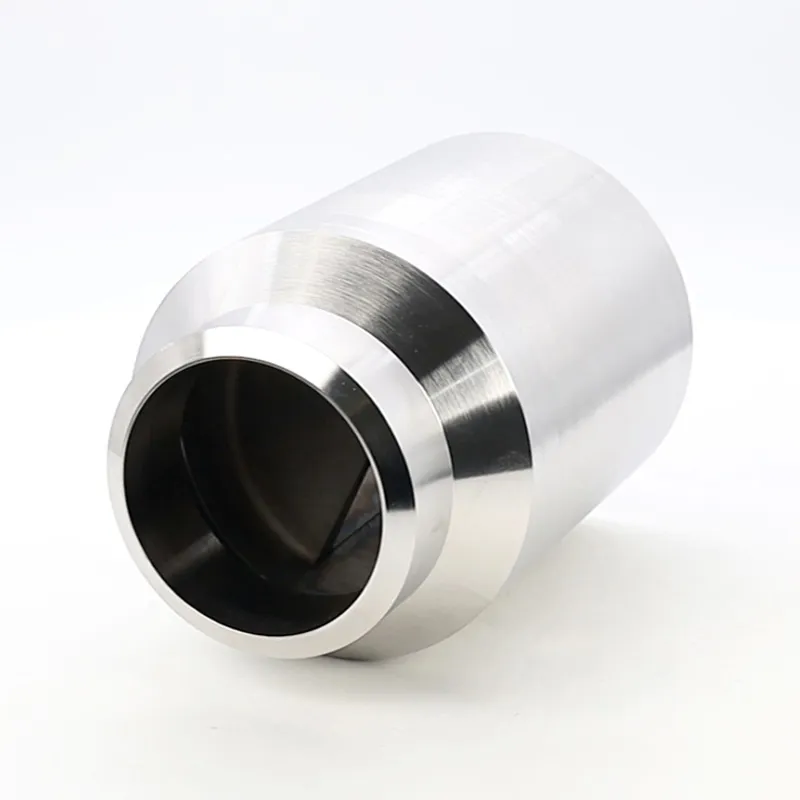
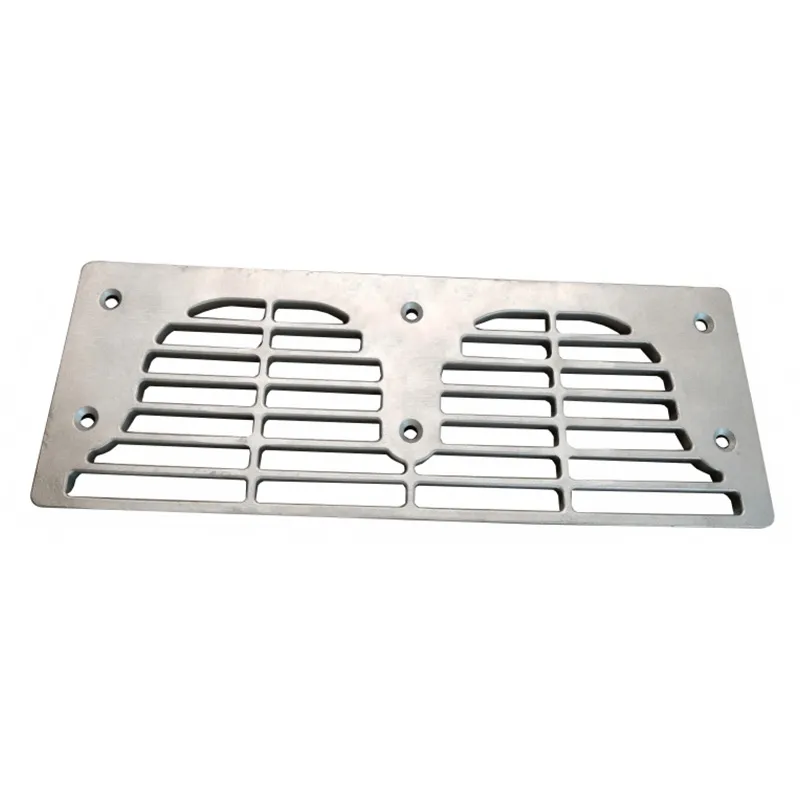
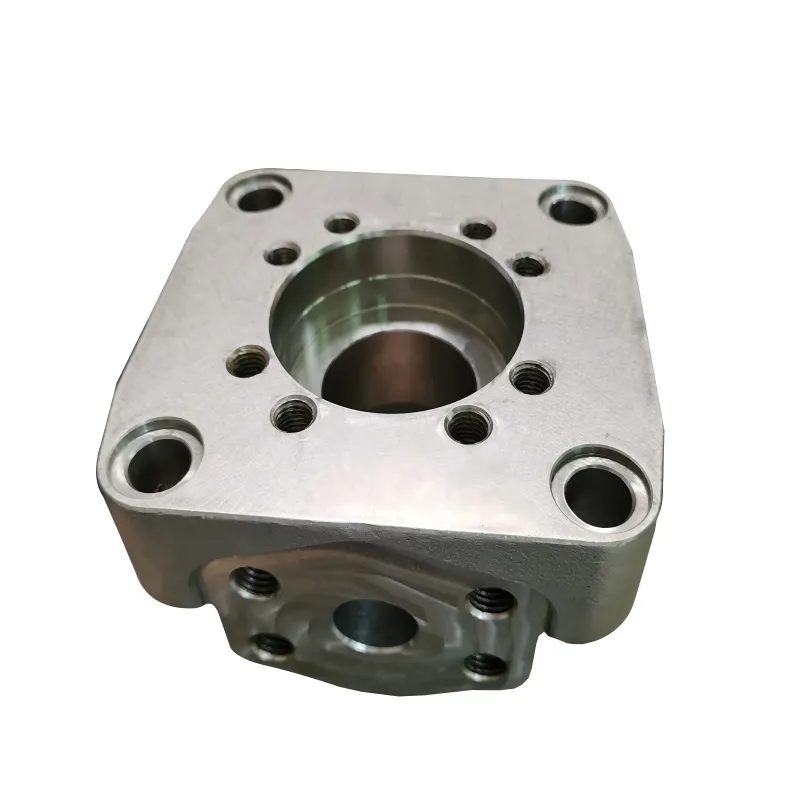
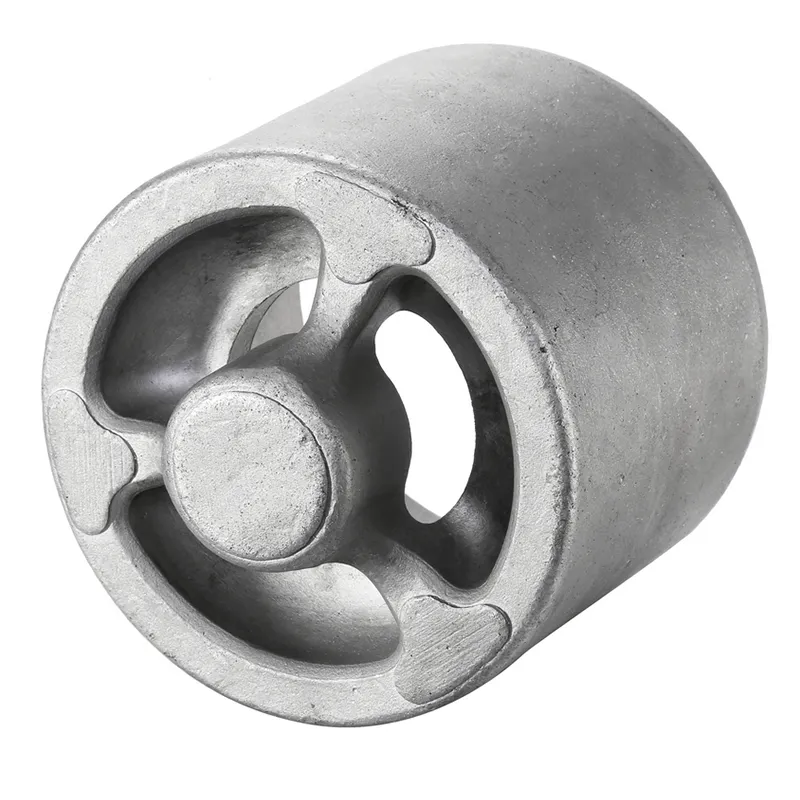
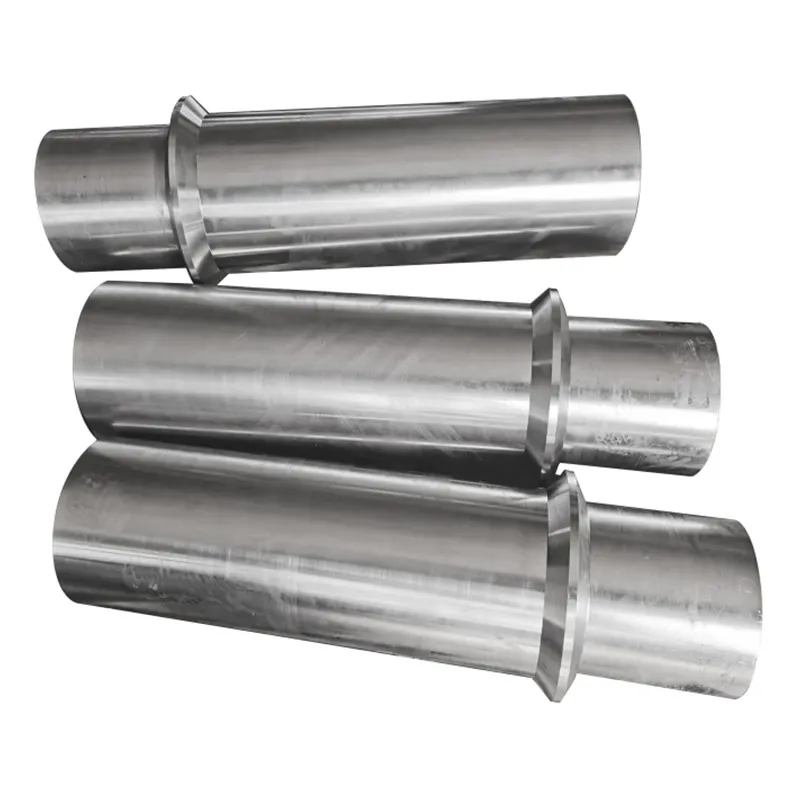
You know, when most people hear 'CNC machining', they picture a pristine, automated workshop where you feed in a CAD model and perfect parts just pop out. That's the glossy brochure version. The reality, the one you only learn by running jobs and holding the finished piece in your hand, is a constant negotiation between the digital ideal and the physical world of metal. It's not just about programming; it's about knowing how a specific batch of 316L stainless will behave under a new toolpath, or why that beautiful, complex design will chatter like crazy unless you support it in a very specific, non-obvious way. That gap between the screen and the swarf is where the real work happens.
The Foundation: It Starts with the Material, Not the Code
I can't stress this enough. Your G-code is only as good as your understanding of the material you're cutting. We see it all the time – a client sends a design optimized for aluminum and wants it made in Inconel 718 because it needs to withstand high temps. On screen, it's the same file. On the shop floor, it's a completely different beast. The cutting parameters, tool selection, even the machine's rigidity requirements change dramatically.
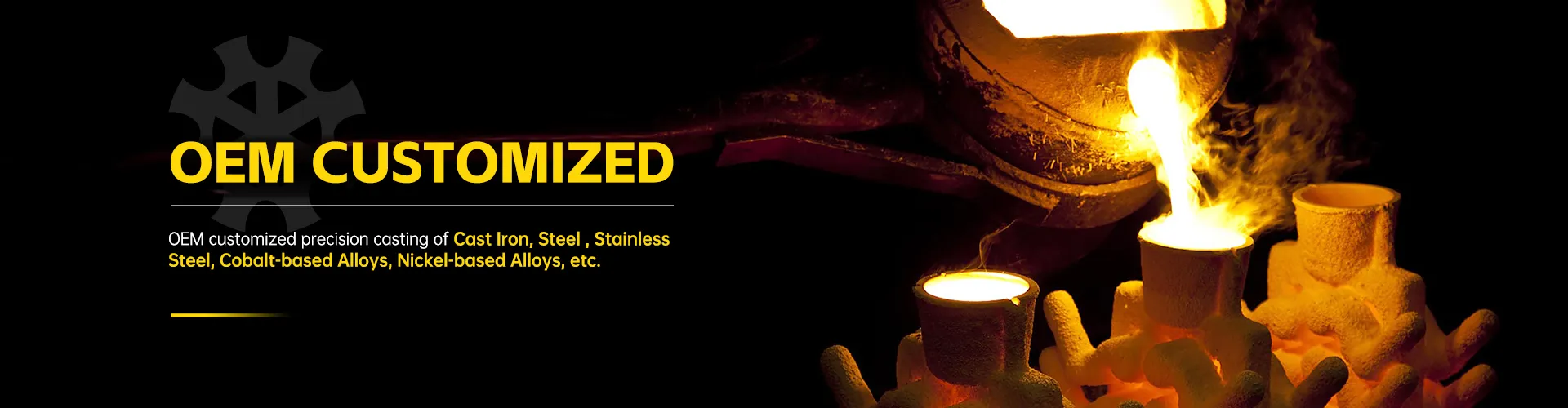
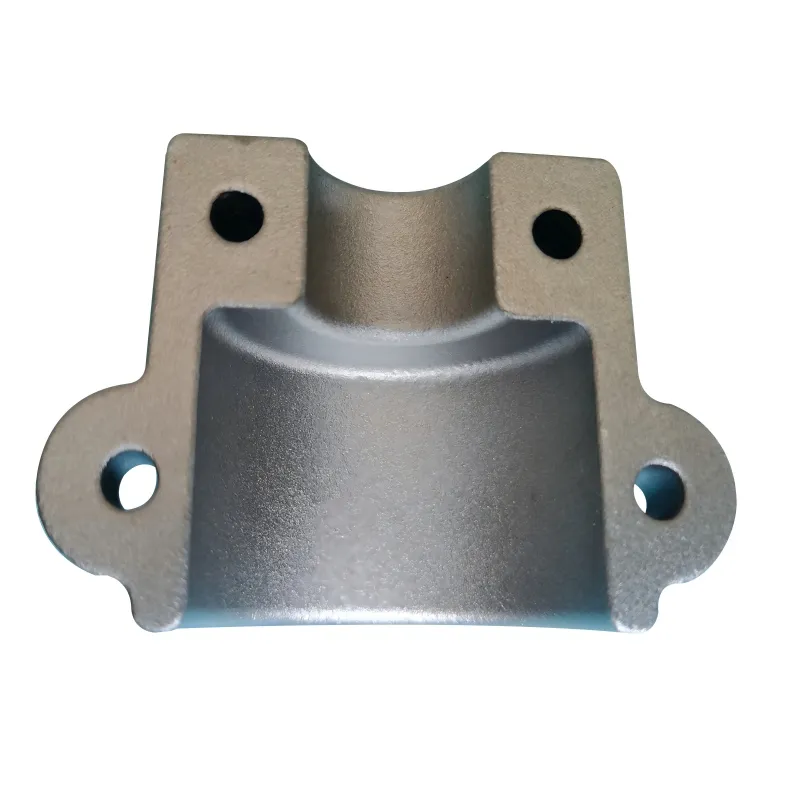
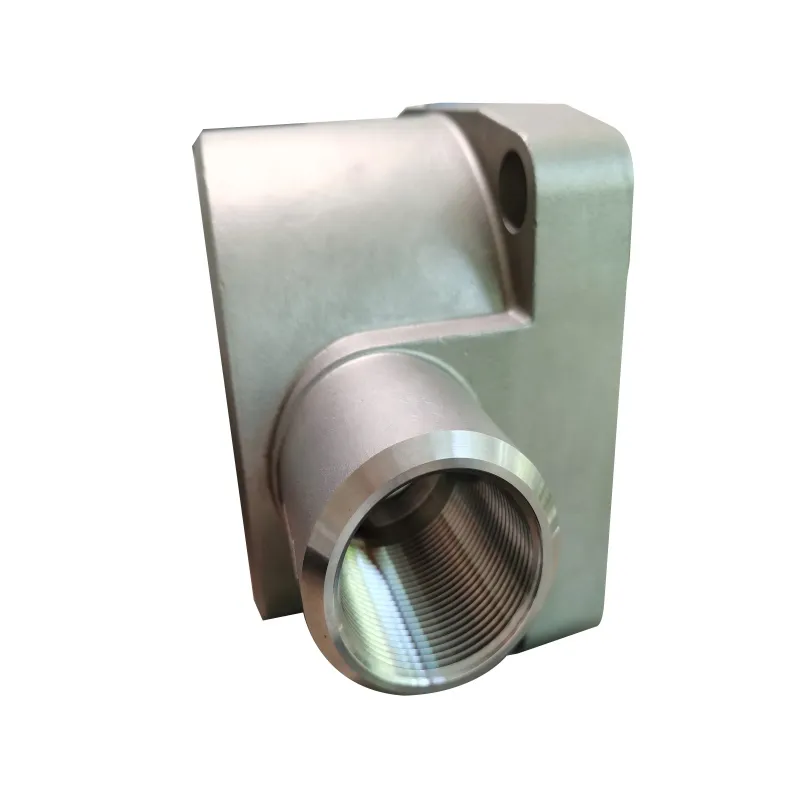
This is where a foundry-machining combo operation, like the one at QINGDAO QIANGSENYUAN TECHNOLOGY CO.,LTD., (you can check their scope at https://www.tsingtaocnc.com), has a hidden advantage. They've been in casting and CNC machining for decades. When they get a casting that needs finishing, they already know the grain structure, the potential hard spots from the cooling process, the residual stresses. That's intel you don't get from a material certificate. It means they can plan the machining sequence to work with the material's history, not fight against it. Trying to machine a complex investment casting without that background is like navigating in the dark.
For instance, with nickel-based alloys they mention – fantastic properties, but a nightmare for tool life if you treat them like steel. The material work-hardens as you cut. So you can't let the tool rub; you need positive rake, sharp edges, and you have to maintain a constant, aggressive enough feed to get under that work-hardened layer. Stop or slow down in the middle of a cut? You've just created a localized spot that'll destroy your next pass. It's a dance of pressure and precision.
The Simple Job That Wasn't: A Flat Plate Saga
Let me give you a simple example that went sideways. A client needed a large, thick plate of mild steel, just some through-holes and a milled pocket. Easy money, right? We sourced the plate, clamped it down, and started facing. Finished the first side, flipped it, and started on the second. That's when the nightmare began. The plate, under the stress of the initial cuts, released internal stresses and warped. Badly. By the time we finished the second face, the part was banana-shaped, out of tolerance by miles.
The failure was assuming the raw material was stable. For a critical flatness job, you often need to rough machine, then let it sit (stress relieve), then finish machine. Sometimes you even have to do it twice. It's a lesson in patience and process. Now, when I look at a simple plate drawing, I'm thinking about the stock's origin, its thickness, its thermal history. That's the kind of practical, non-obvious thinking that separates a parts pusher from a machining partner. A shop with deep material experience, like QSY with their 30-year background, likely has these protocols baked into their workflow for cast and forged blanks, avoiding such costly re-dos.
Tooling Isn't Just About the Brand
Everyone wants to talk about the latest, greatest end mill from a top brand. And sure, good tools matter. But more critical is the setup. I've seen a $200 end mill snap because of a tiny bit of runout in a cheap collet, while a mid-range tool in a perfectly tuned, high-precision holder runs for hours. The entire system – spindle, holder, collet, tool – has to be considered as one. Vibration is the enemy of finish and tool life.
For hard alloys, we often use solid carbide tools, but sometimes a good, sharp cobalt HSS tool with a more robust geometry can survive better in an intermittent cut from a casting with uneven stock. It's not always about the hardest substrate; it's about the right tool for the cut. Their work with shell mold and investment castings means they're constantly dealing with variable initial surfaces, so this tooling strategy is probably second nature to them.
Precision is a Process, Not a Setting
You dial in a tolerance of +/-0.01mm on the machine. Does that mean the part will be in tolerance? Not necessarily. Thermal expansion is a real thing. A part machined in the morning when the shop is 18°C will measure differently in the afternoon at 24°C, especially with aluminum. We learned to let parts normalize to the inspection room temperature before final measurement. For ultra-precise work, you're controlling the environment, the coolant temperature, everything.
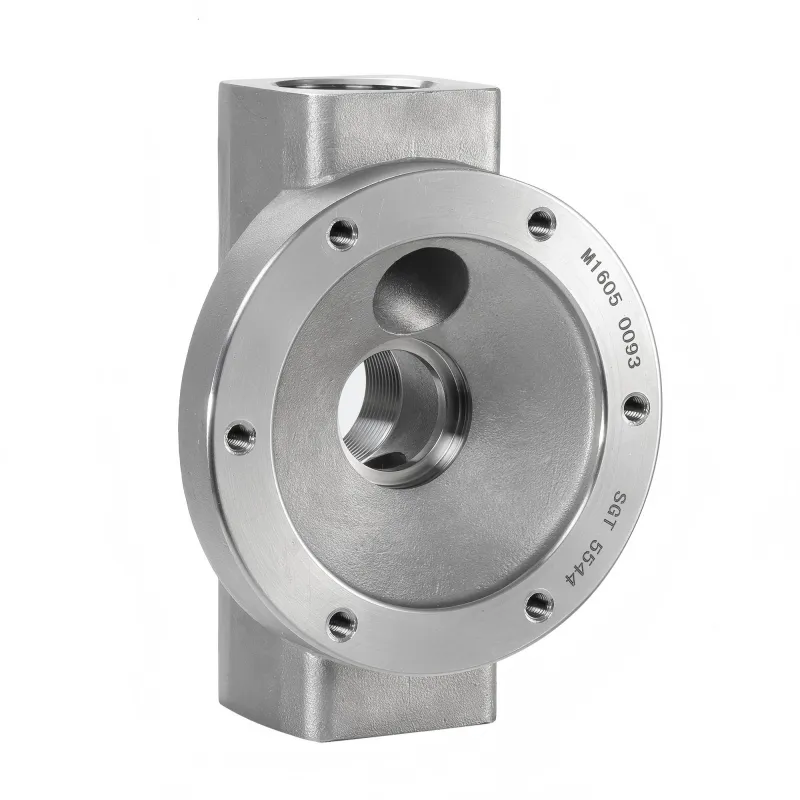
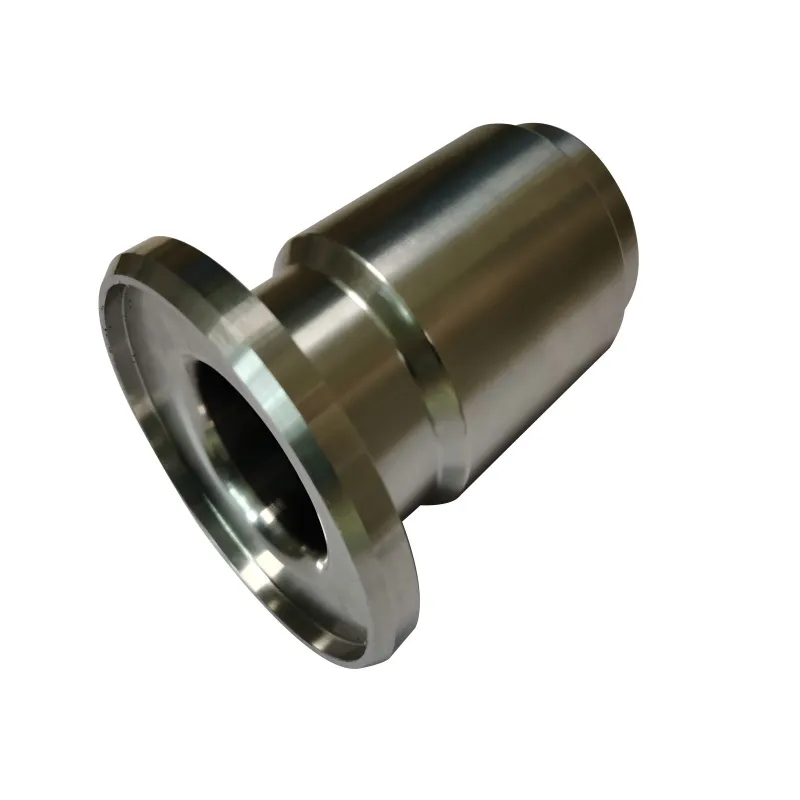
This extends to fixturing. That beautifully machined feature is only as accurate as the vise or fixture holding the part. We once scrapped a batch because a worn-out vise jaw had a few microns of tilt we didn't catch. Now, indicating the setup is a religion, not a suggestion. For a company machining high-integrity castings for various industries, this procedural discipline is non-negotiable. A flaw in a pump housing or valve body isn't just a reject; it's a potential field failure.
And speaking of measurement, the trusty caliper has its limits. For true position tolerances or complex contours, you need more. CMMs, optical scanners – they become part of the machining feedback loop. The data tells you if your process is drifting. It's this closed-loop of machine, measure, adjust that builds real consistency.
When Design Meets Manufacturability
This is the biggest source of friction and opportunity. Engineers design for function, which is correct. But sometimes a slight fillet radius increase, or a tolerance relaxation on a non-critical face, can cut machining time and cost by 30% with zero impact on performance. The best projects happen when there's a dialogue before the final drawing is frozen.
A classic one is deep pockets with small corner radii. The designer wants a sharp 1mm internal corner. That demands a 2mm end mill. To mill a 50mm deep pocket with a 2mm tool? You're looking at many, many slow passes, extreme tool deflection, and probable breakage. Suggesting a 2.5mm or even 3mm radius allows for a stronger tool, faster feeds, and a more reliable process. It's not compromise; it's optimization for reality.
Working with pre-cast components adds another layer. The CNC machining blueprint for an investment-cast part isn't starting from a solid block; it's starting from a near-net-shape form. The machinist's job is to hit the critical datums and surfaces, often working with uneven stock allowance. This requires a different programming approach – often using probe cycles to find the casting's actual position in space rather than assuming it's perfectly aligned. It's a hybrid of precision machining and skilled fitting.
The Unseen Value: Consistency at Scale
Anyone can make one good part. Making the 1000th part identical to the first is the real challenge of CNC machining. This is where process documentation, tool life management, and in-process checks come in. It's boring, unsexy work. Logging tool hours, scheduling preventative maintenance on the machines, having clear work instructions for operators.
For a supplier like QSY, whose business is built on supplying machined castings reliably, this operational backbone is everything. Their long history suggests they've had to solve these scaling problems for clients across industries, from one-off prototypes to production runs. That institutional knowledge on how to maintain quality across batches of variable castings is a tangible asset you can't download or buy off the shelf.
So, when I think about CNC, I'm less impressed by the flashy 5-axis machine (though they're amazing tools), and more interested in the quieter, grittier ecosystem around it: the material science, the fixture design, the measurement rigor, and the hard-won lessons from jobs that didn't go to plan. That's what turns a digital file into a dependable, physical component. It's a craft that wears the clothes of automation.